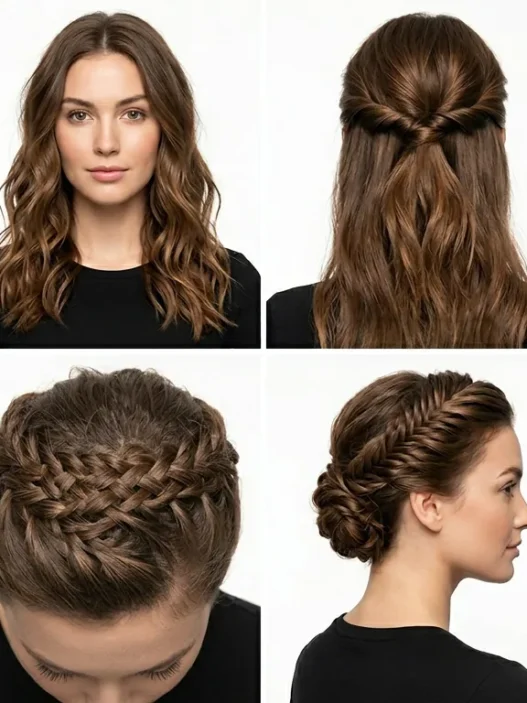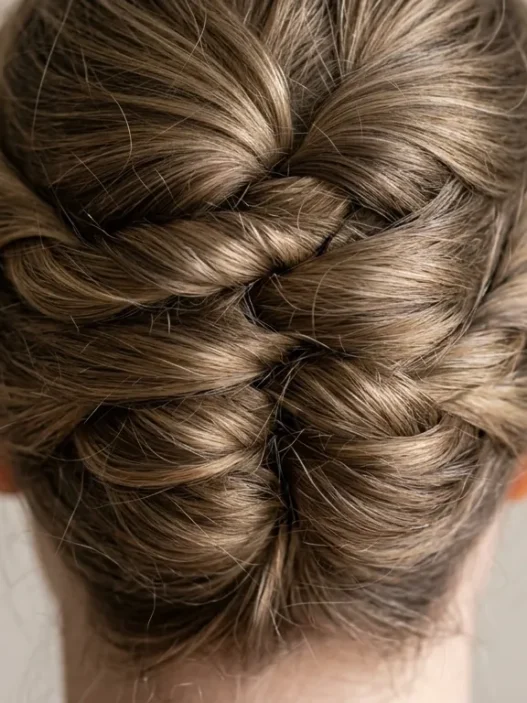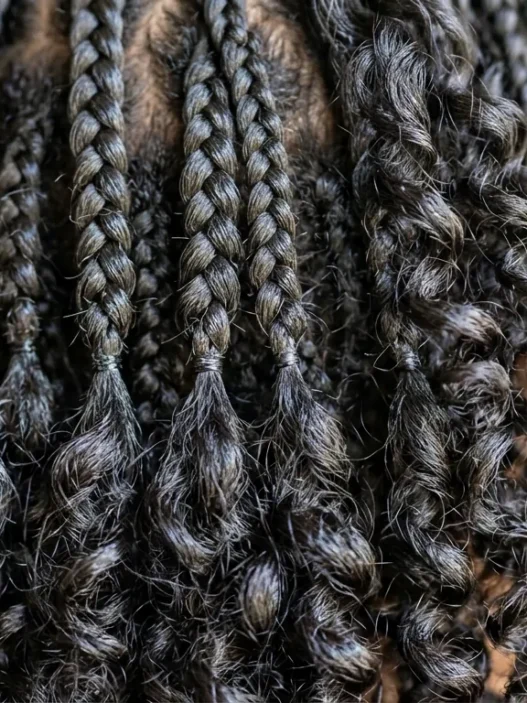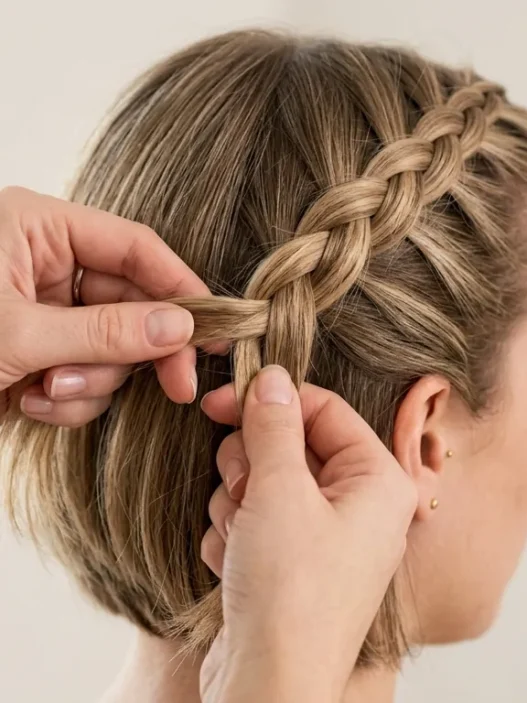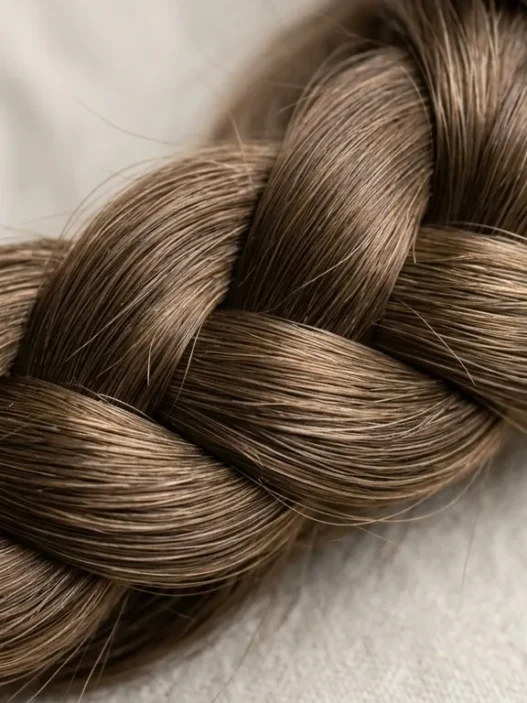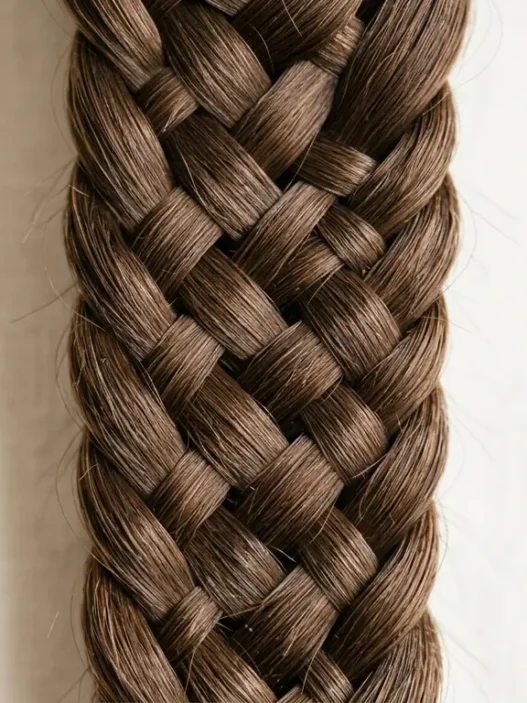







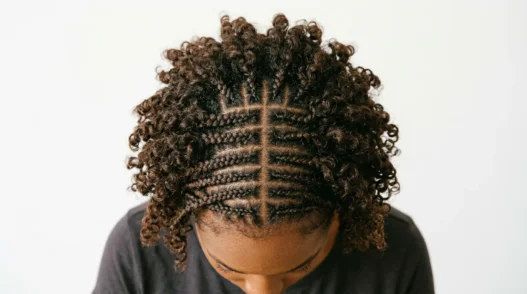
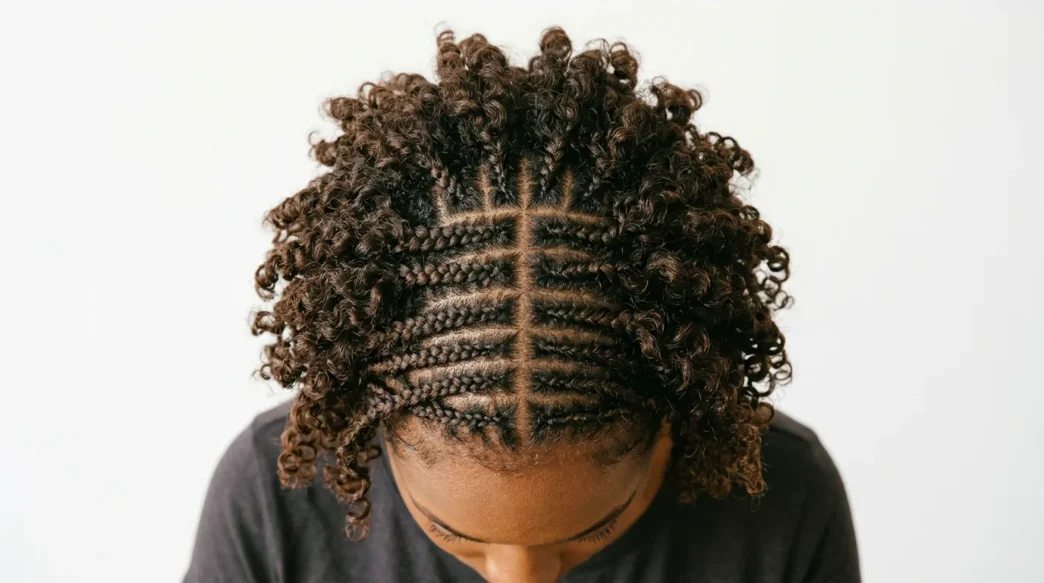
I used to think those gorgeous short braids with curls I saw everywhere were just a quick twist-and-go situation. You know the ones — where the girl casually mentions “oh this old thing?” like she didn’t spend an hour getting every curl to sit just right within each braid. Last month I finally decided to master this look myself, and wow, was I in for a reality check.
What Actually Goes Into Short Braids with Curls
The Prep Work Nobody Shows You
Here’s what I wish someone had told me upfront: you can’t just wake up and decide to do short braids with curls. Your hair needs to be in the right state, and that means planning ahead.
First, your curls need definition but not too much hold. I learned this the hard way after trying to braid hair that was still crunchy from gel. The braids looked stiff and unnatural. Now I wash my hair the night before, apply a light leave-in conditioner, and let my natural curl pattern set without heavy products.
The other thing nobody mentions? Your arms are going to get tired. I’m talking about holding sections of hair above your head for extended periods. I actually started doing this style sitting down with a handheld mirror after my shoulders started screaming during attempt number three.
What They Don’t Tell You About Sectioning
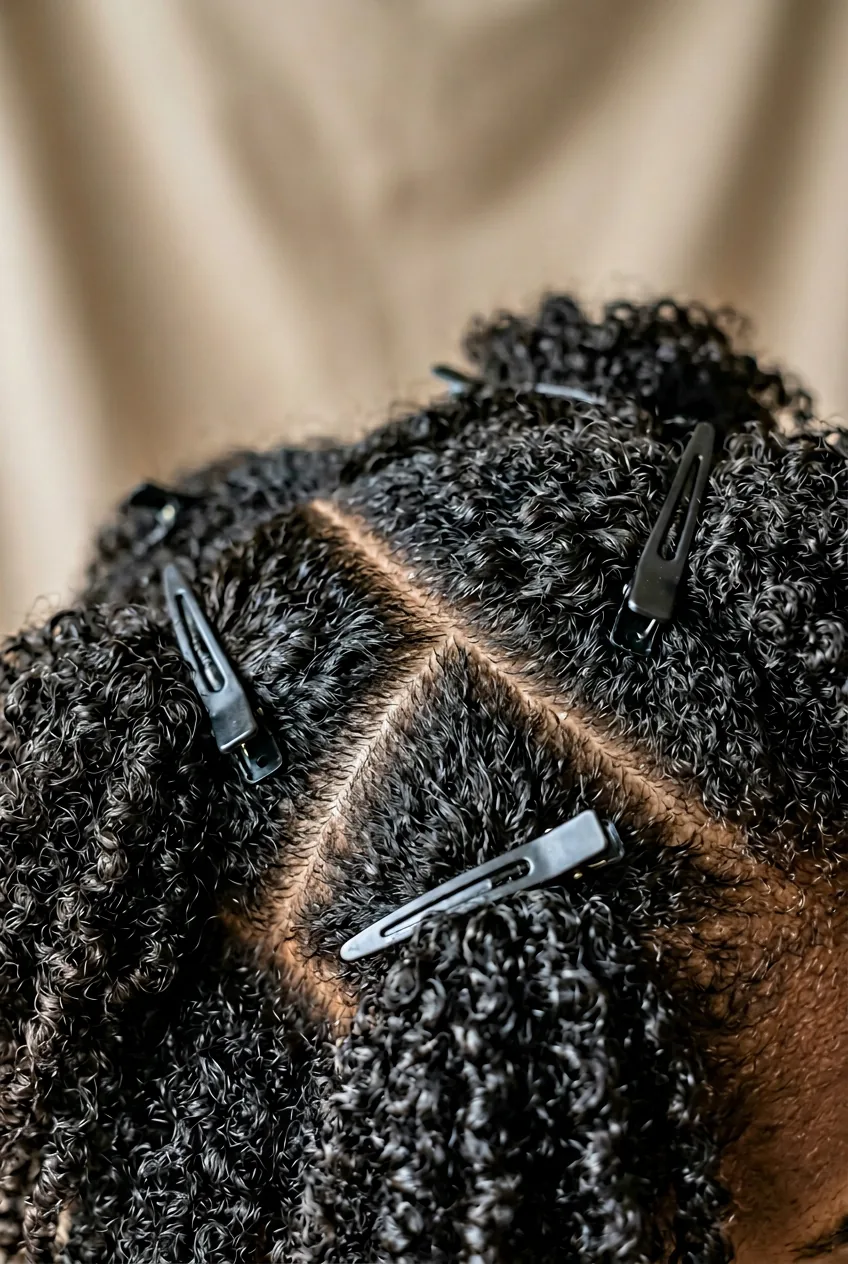
The tutorials make sectioning look so clean and precise. Reality check: with curly hair, your parts will never look like straight lines, and that’s actually okay. But here’s what I discovered after multiple failed attempts.
Your sections need to be smaller than you think. I kept making them too big, thinking I could handle more hair per braid. Wrong. Thick sections mean your curls get lost inside the braid, and the whole style looks chunky rather than intricate.
The shape of your sections matters more than their size. I use a triangle-based sectioning pattern now — it helps the braids lay against my scalp naturally instead of sticking out at weird angles. This took me probably fifteen tries to figure out, and I still mess it up sometimes.
The Part That Takes the Longest
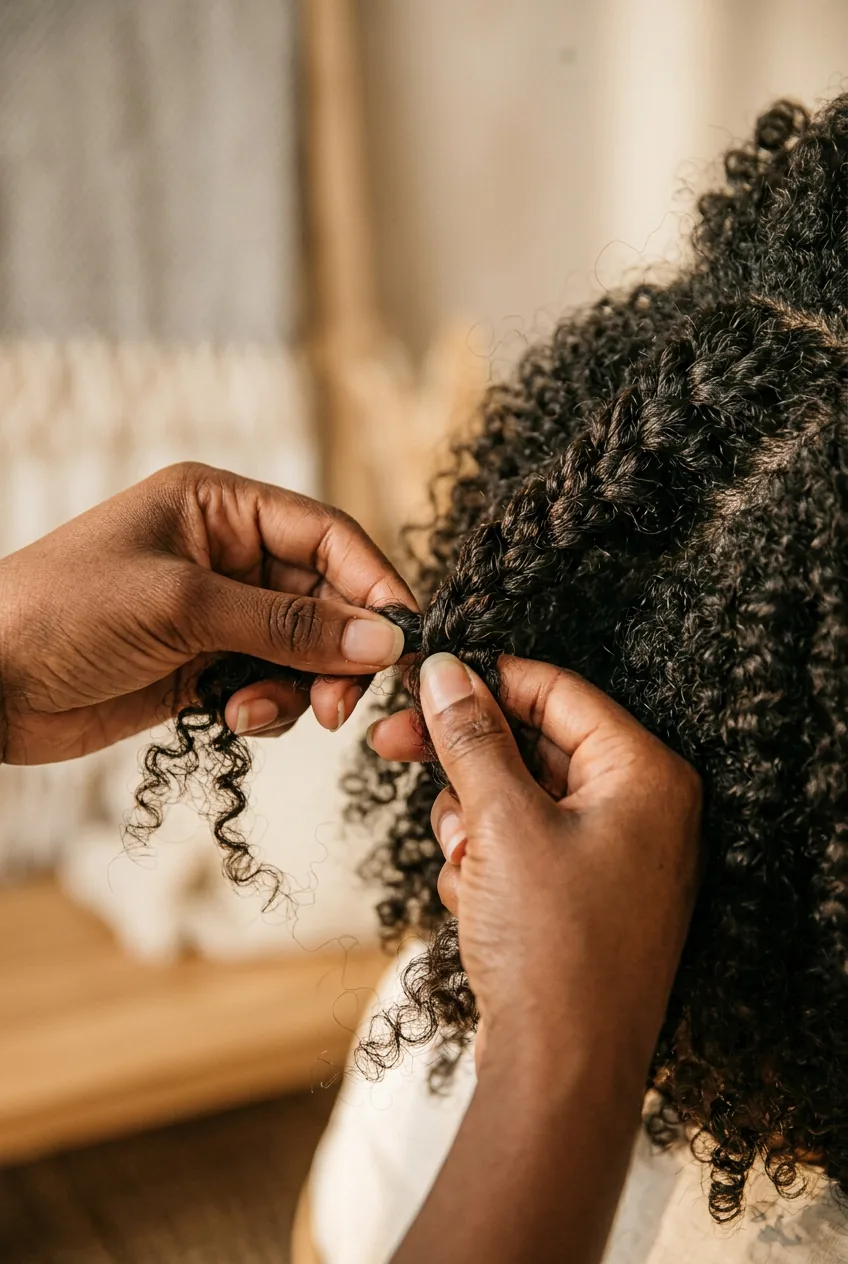
You know what’s not the longest part? The actual braiding. It’s getting each individual curl to cooperate before you even start weaving.
Every single curl wants to spring back to its natural position. You’ll grab a section, smooth it down, start braiding, and suddenly half the curls have bounced back up and out of the braid. I spend at least ten minutes per braid just coaxing the curls into position and keeping them there.
This is where a good natural curly hairstyle approach becomes crucial. Fighting your curl pattern will only make this process more frustrating. I’ve learned to work with the direction my curls want to go, even if it means my braids aren’t perfectly symmetrical.
The back sections are brutal. Your arms are already tired, you can’t see what you’re doing clearly, and those curls seem extra determined to escape. I’ve started asking my sister to help with the back pieces, which honestly makes the whole process more enjoyable.
Why Your Curls Fight the Braids
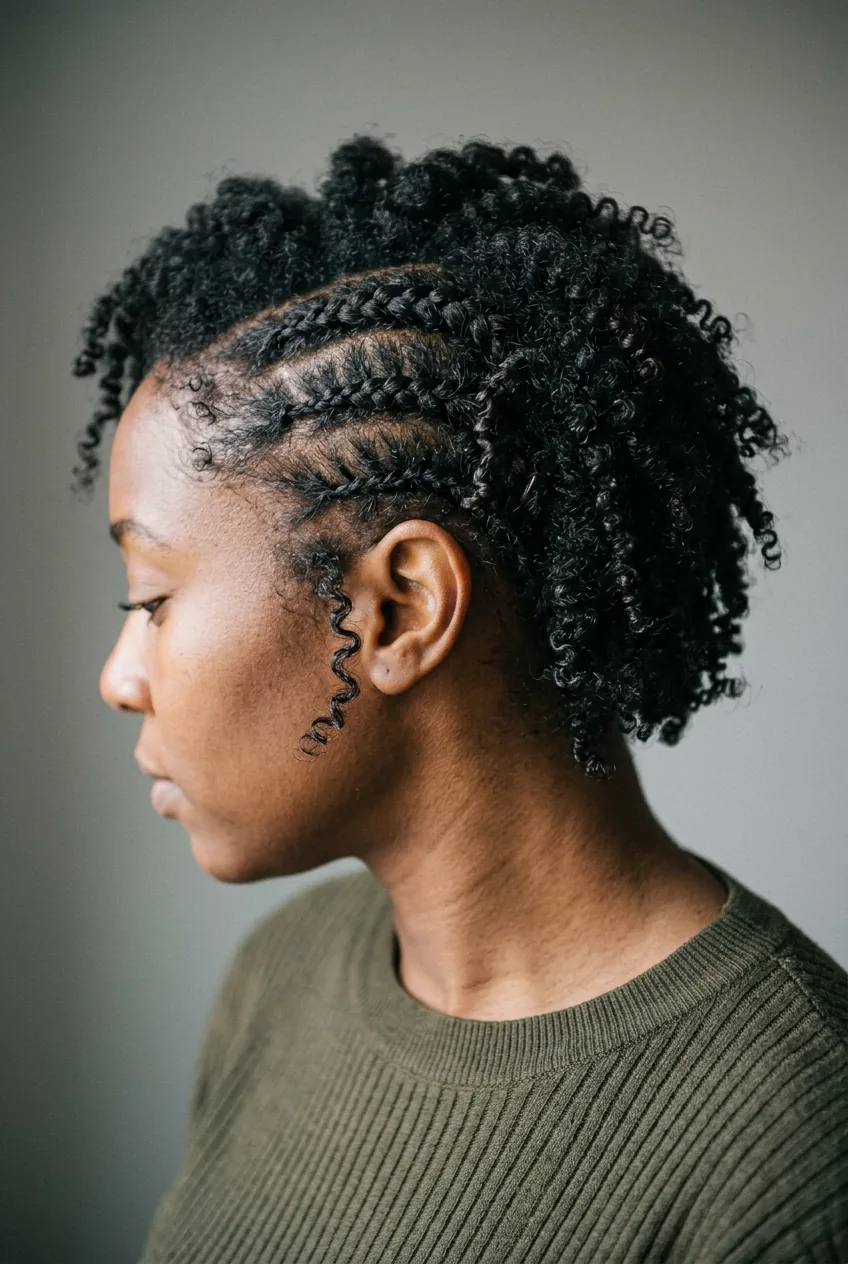
Let me ask you something: have you ever tried to force a curly phone cord into a straight line? That’s basically what we’re doing here, and our hair has opinions about it.
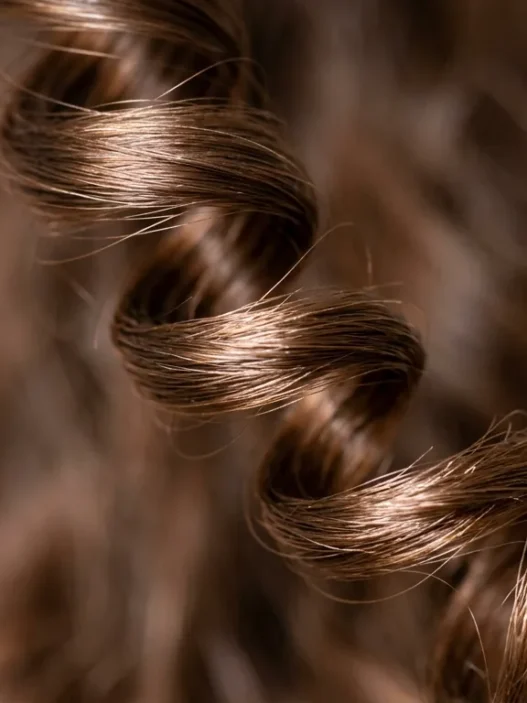
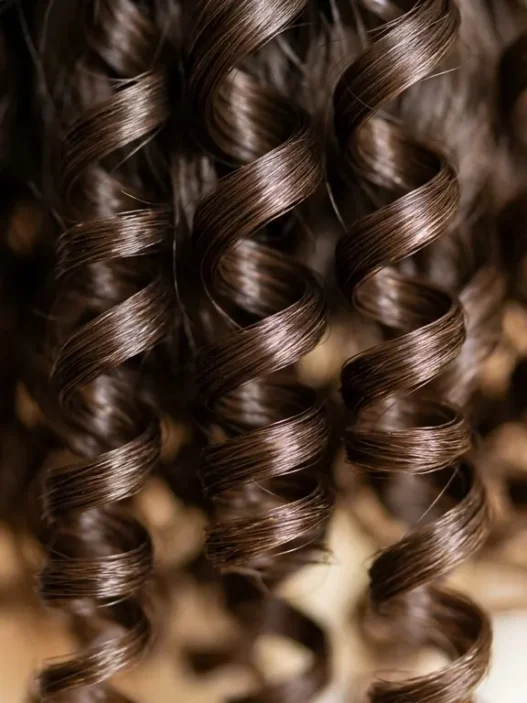
Curly hair has memory. Each strand wants to return to its natural spiral shape, which means it’s constantly pushing against the braid structure. This is why some tutorials suggest dampening your hair slightly before braiding — the moisture temporarily relaxes the curl pattern.
But here’s the controversial part: I actually prefer working with completely dry curls now. Yes, it’s harder to manage initially, but the finished braids have more texture and dimension. Damp hair creates smoother braids that look almost… boring? The flyaway pieces and curl irregularities are what make braided styles look effortlessly chic rather than uptight.
I’ve also noticed that different curl types behave differently in braids. My looser curls at the front blend seamlessly, while the tighter curls at my crown create more resistance. Understanding your curl pattern helps you work with rather than against your natural texture.
The Secret Nobody Mentions
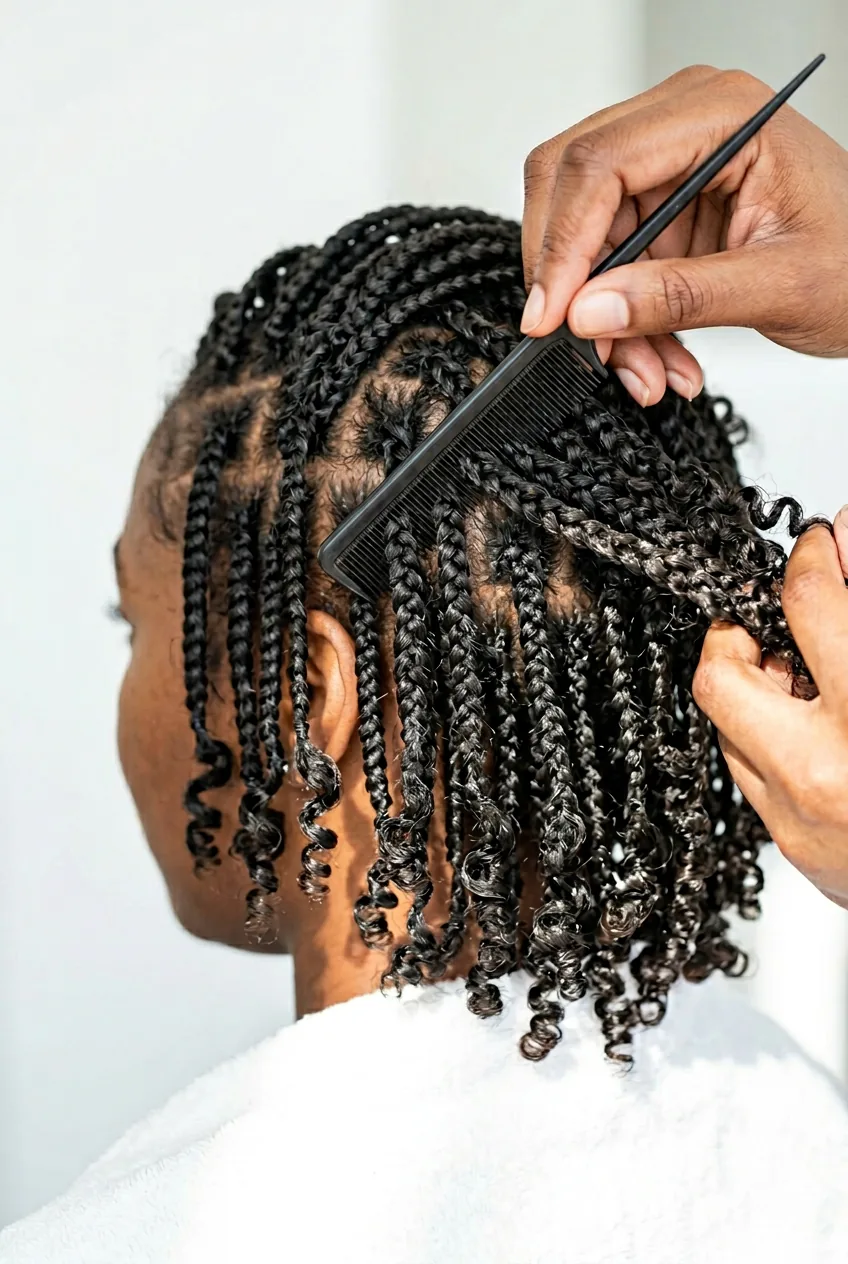
Ready for this? The secret to amazing short braids with curls isn’t in the braiding technique at all. It’s in the finishing touches that happen after you think you’re done.
Once all your braids are complete, you need to go back and “fluff” them. This sounds counterintuitive, but gently pulling at the edges of each braid creates volume and makes the curls more visible. I use the pointed end of a rat-tail comb to carefully tease out small sections.
The other secret? You’re not aiming for perfection. The most stunning short braids with curls I’ve seen have irregularities — some braids are slightly looser, some curls escape completely, some sections have more volume than others. This lived-in imperfection is what makes the style look effortless and modern.
I also discovered that sleeping in these braids transforms them completely. What starts as a somewhat stiff, too-perfect style becomes beautifully tousled by morning. Sometimes I’ll do the braids before bed and wear them the next day for that perfect “second-day hair” texture.
Why It’s Worth It Anyway
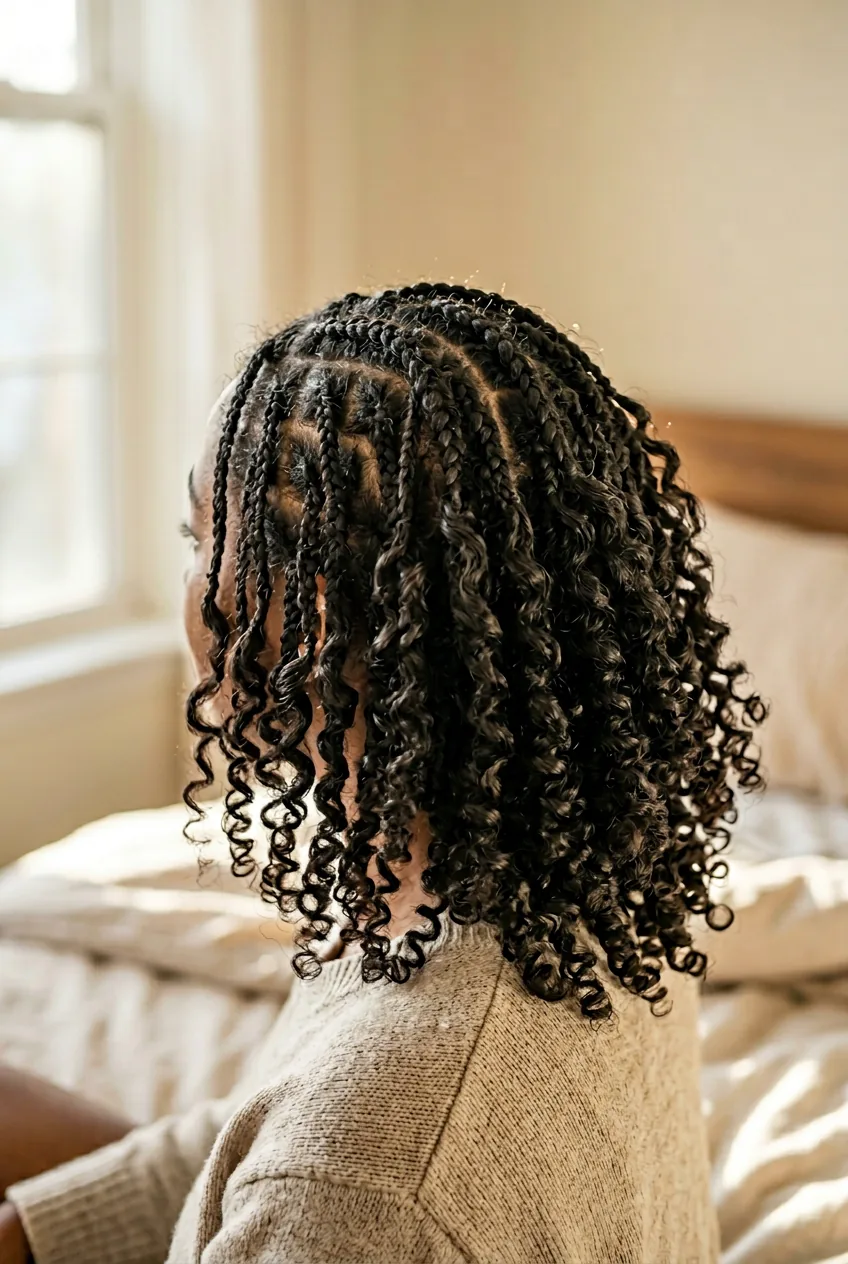
Despite all the challenges I’ve mentioned, I keep coming back to this style. Want to know why?
Short braids with curls give you the best of both worlds — the neat, put-together look of braids with the soft, romantic feel of loose curls. It’s sophisticated enough for work but relaxed enough for weekends. And unlike some short wavy hairstyles, this one actually gets better as it gets messier.
The style lasts surprisingly well too. While individual loose curls might fall flat by day two, the braided sections hold their shape for days. I can refresh the loose pieces with a spritz of water and scrunch, but the braided foundation stays intact.
Plus, there’s something deeply satisfying about mastering a technique that initially seemed impossible. Every time I nail the sectioning or get a particularly perfect braid-curl balance, I feel like I’ve accomplished something real. Protective styling methods can be incredibly rewarding once you push through the learning curve.
The truth is, short braids with curls taught me to appreciate the process, not just the result. Yes, it takes longer than I initially expected. Yes, my arms get tired and some attempts are total disasters. But when it works — when those curls nestle perfectly within the braids and the whole style comes together — it’s absolutely worth every minute of effort.
Questions People Always Ask
How long do short braids with curls actually take to style?
Honestly? Plan for at least 45 minutes to an hour, especially when you’re learning. The braiding itself isn’t the time-consumer — it’s the prep work and getting each curl to cooperate that eats up time.
Can I do this style on wet or damp hair?
You can, but I prefer completely dry curls now. Damp hair creates smoother braids that lack the texture and dimension that make this style special. The flyaway pieces from dry curls actually enhance the final look.
What’s the best way to make the braids last longer?
Sleep in them! Seriously, the style gets better after a night of natural tousling. Use a silk pillowcase to minimize frizz, and refresh loose curls with a light spritz of water in the morning.
Why do my braids stick out instead of laying flat?
This usually comes down to sectioning. Triangle-based sections help braids lay naturally against your scalp instead of protruding. Also, smaller sections work better than trying to pack too much hair into each braid.