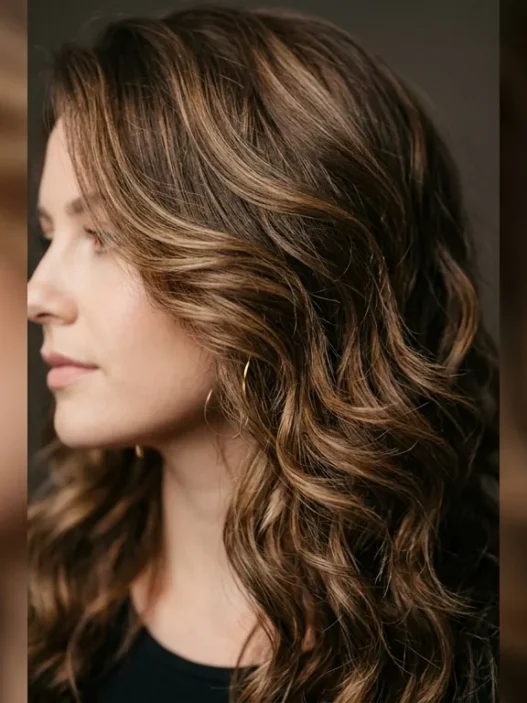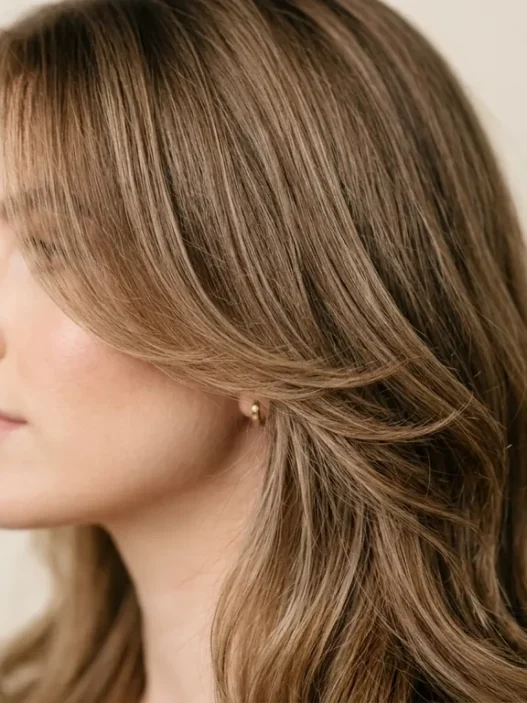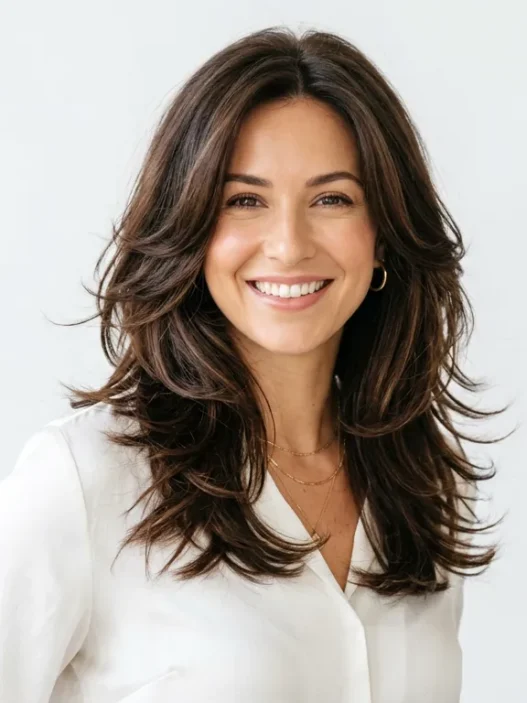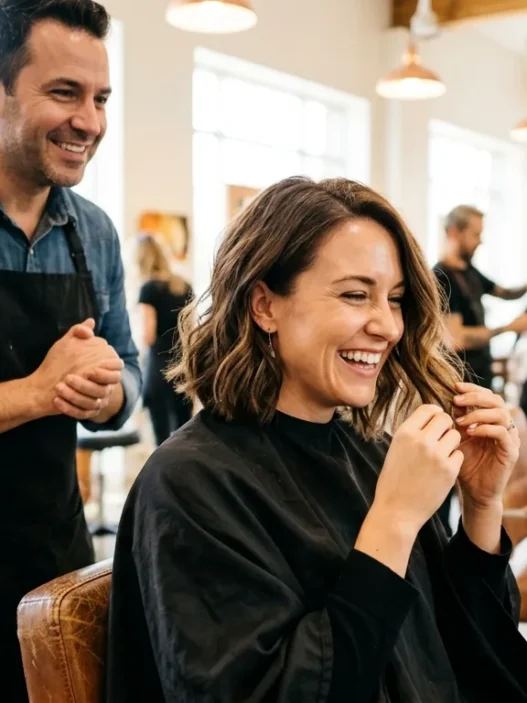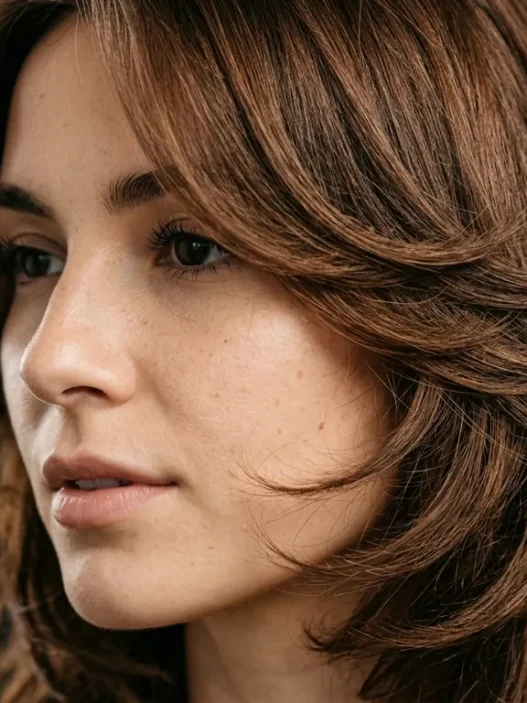










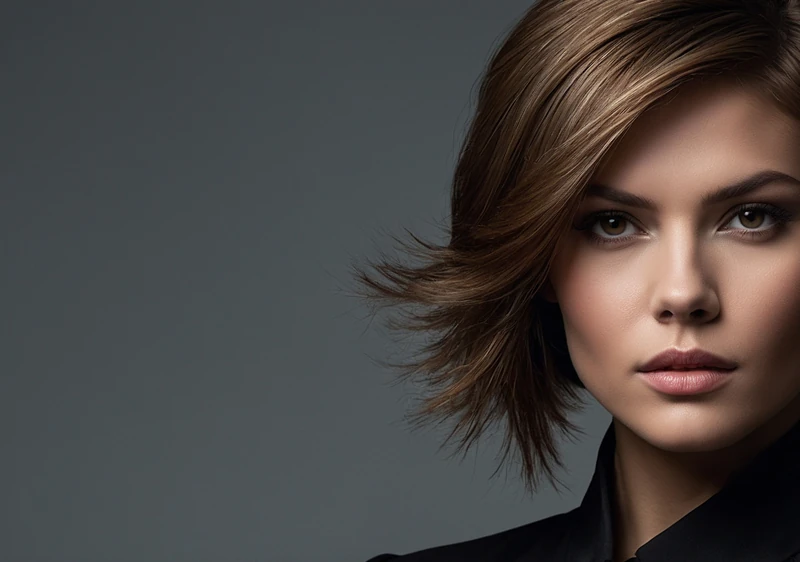

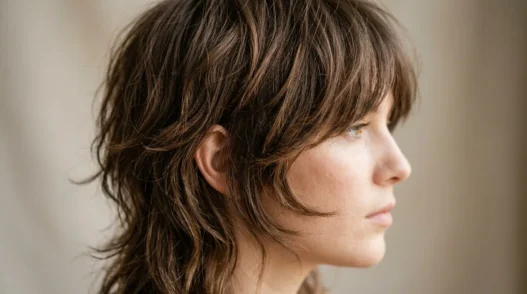
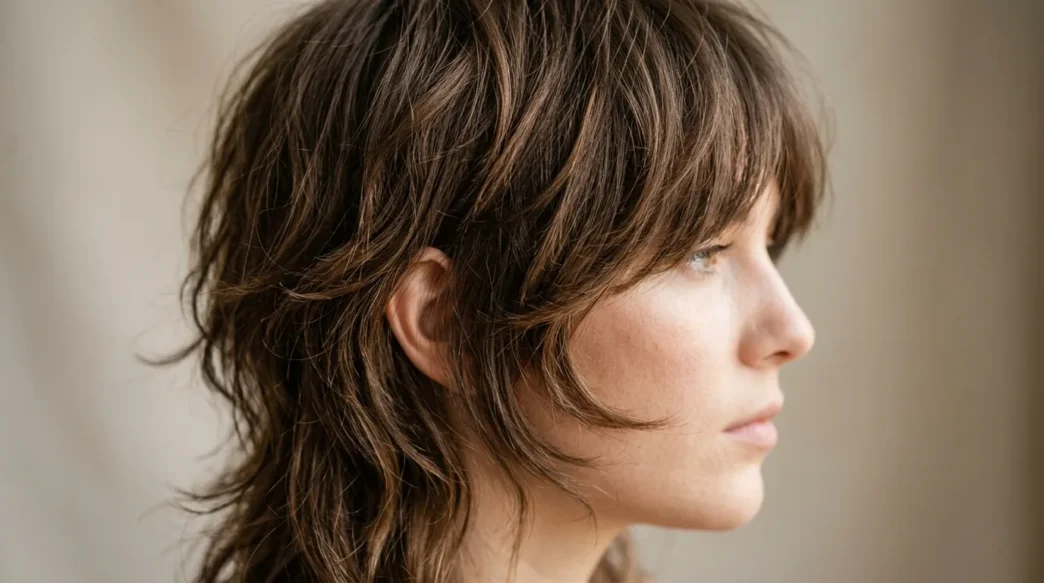
I’ve been a hairstylist for over a decade, and I can count on one hand the times I’ve seen a cut explode across every demographic this fast. The wolf cut isn’t just trending — it’s having a full cultural moment. Last month alone, I had three teenagers, two moms in their forties, and a grandmother ask for “that messy shag thing from TikTok.” When grandmothers are name-dropping TikTok trends, you know something big is happening.
Why Everyone’s Talking About Wolf Cuts
What Changed
The wolf cut we’re seeing everywhere isn’t the same beast that lived in the 80s. Sure, it’s got that shag-meets-mullet DNA, but something fundamental shifted in how we’re wearing it.
First, the proportions got way more wearable. We’re talking subtle length variations instead of dramatic business-front-party-back situations. The layers blend more seamlessly — you get that lived-in texture without looking like you stuck your finger in an electrical socket.

But here’s what really changed: the styling approach. Instead of fighting the natural chaos with products and heat tools, we’re embracing the mess. Air-dry. Scrunch with sea salt spray. Done. It’s the complete opposite of the high-maintenance blowout culture we’ve been living in for years.

And honestly? The timing couldn’t be more perfect. We’re all craving something that looks effortless but still feels intentional. The wolf cut delivers exactly that tension between undone and put-together.
Who’s Driving This Trend
TikTok obviously lit the fuse, but that’s not the whole story. I’ve been watching this build for months, and it’s actually coming from multiple directions at once.
Gen Z discovered it through viral videos, but Gen X women are the ones really running with it. They remember shags from the first time around, and they’re loving this modern interpretation. It feels familiar but fresh.
Then you’ve got celebrities like Miley Cyrus and Billie Eilish making it red-carpet appropriate. When A-listers start showing up to premieres with deliberately messy hair, you know the beauty standards are shifting.

But the real driving force? Salon stylists who are tired of the same three cuts. We’ve been doing variations of the lob and the pixie for so long. The wolf cut gives us something to actually get creative with again. Every head is different. Every interpretation can be unique.
The international influence is huge too. K-pop stars have been rocking these textured, layered cuts for years. Now that’s bleeding into mainstream Western beauty culture in the most organic way.
Why It Works So Well Right Now
Look, we’re living through some chaotic times. Maybe that sounds dramatic for a haircut discussion, but hear me out — there’s something psychologically satisfying about hair that matches the energy of the moment.
The wolf cut is the anti-perfectionist haircut. You literally cannot style it “wrong.” Bad hair day? That’s just Tuesday with a wolf cut. It’s liberating in a way that perfectly blown-out hair never could be.

Plus, we’re all working from home more, caring less about looking “professional” in traditional ways. The wolf cut bridges that gap between looking put-together on Zoom and feeling comfortable in real life. It photographs well but doesn’t require daily maintenance.
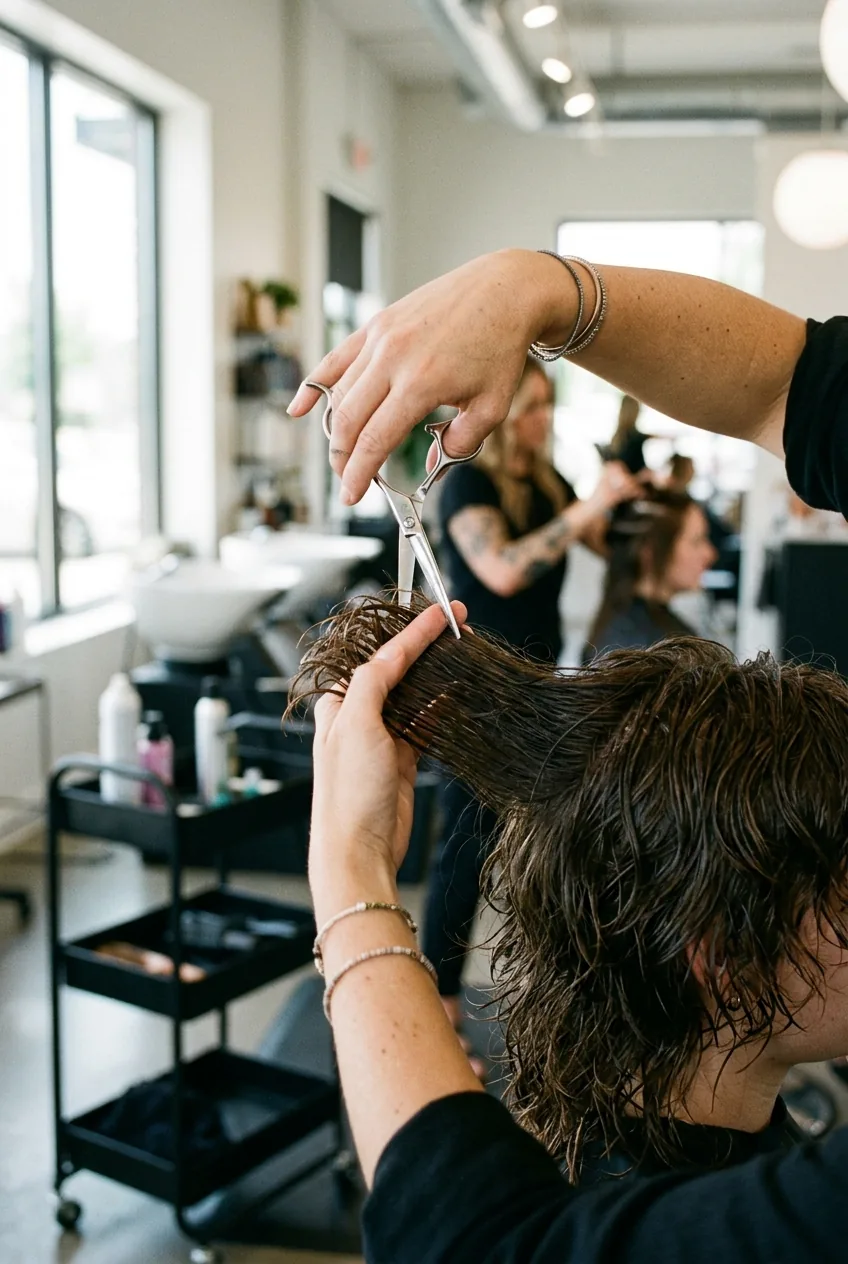
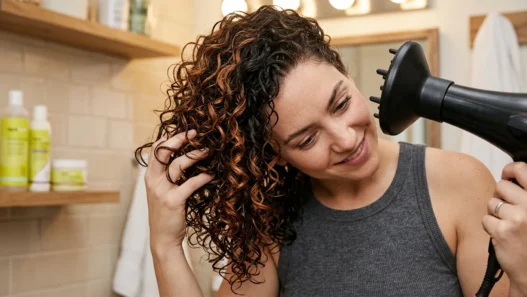
And can we talk about how inclusive this cut is? It works on literally every hair texture I’ve tried it on. Fine hair gets volume and movement. Thick hair gets manageable texture. Curly hair gets defined layers without the triangle shape. Simple hairstyles like this one prove that sometimes the most versatile cuts are the ones that look the most complex.
The Reality Check
Okay, let’s get real for a minute. The wolf cut isn’t magic, and it’s not for everyone. I’ve had some conversations with clients that went… differently than expected.
The maintenance question: “But you said it was low-maintenance!” Yes, compared to a blowout. No, compared to a buzz cut. You’re still looking at trims every 6-8 weeks to keep the shape, and you need to understand your hair’s natural texture to make it work.
The professional setting reality: Some corporate environments aren’t ready for this level of deliberately disheveled. I always ask clients about their work situation first. There’s a reason pixie cut styles remain popular in conservative industries — they’re edgy but still clean-lined.
The skill factor: This cut requires a stylist who really understands layering and texture. Not every salon is equipped for this. I’ve seen some truly tragic attempts where someone just chopped layers without considering the overall shape.
And honestly? If you’re someone who needs your hair to look exactly the same every day, this isn’t your cut. The wolf cut has moods. Some days it’s punk rock, some days it’s bohemian goddess. You have to be okay with that variability.
This Technique Tutorial Changed Everything
Where It’s Going Next
I think we’re just at the beginning of this trend’s evolution. What I’m seeing in my chair and on social media tells me this is going to fragment into multiple variations.
The “soft wolf” is already emerging — same layered concept but with more blended, subtle transitions. Perfect for people who want the texture without the drama. I predict this becomes the mainstream version.
Color is going to play a huge role too. The wolf cut practically begs for dimensional color — highlights, lowlights, even subtle fantasy colors. The texture shows off color variation in ways that blunt cuts never could.

But here’s my controversial prediction: I think we’re going to see a backlash by 2025. Not against the cut itself, but against the “effortless” narrative. People are going to start wanting their wolf cuts to look more intentional, more styled. We’ll see products and techniques emerge specifically for wolf cut styling.
The international influence will keep growing too. I’m watching Japanese cutting techniques and seeing how they’re interpreting the wolf cut with their precision-meets-texture approach. That’s going to influence how we cut it here.
Should You Try It?
Here’s my honest assessment after cutting dozens of wolf cuts this year: if you’ve been thinking about it for more than a month, you should probably do it.
The wolf cut works best on people who already have some texture in their hair or are willing to embrace texture. If you straighten your hair every day and love that sleek look, this might not be your moment.
It’s also great for people going through hair transitions — growing out a pixie, dealing with postpartum hair changes, or just wanting something completely different. The layers help disguise awkward growing-out phases better than almost any other cut.

But you need to find the right stylist. Ask to see their wolf cut portfolio. Look for someone who understands how to adapt the basic concept to your face shape and lifestyle. The best wolf cuts don’t look like copies — they look like personalized interpretations.
And remember, it’s just hair. If you hate it, it grows. But if you love it? You’ll wonder why you waited so long to try something this fun.
What People Usually Ask
How often do I need to trim a wolf cut?
Every 6-8 weeks to maintain the shape and prevent the layers from getting too grown-out and shapeless. The beauty of this cut is in the intentional messiness, but there’s a fine line between textured and just plain messy.
Can I do a wolf cut on thin hair?
Absolutely, and it’s actually amazing for fine hair because the layers create the illusion of thickness and movement. Just make sure your stylist doesn’t go too heavy with the layers or you’ll lose density where you need it most.
What’s the difference between a wolf cut and a shag?
Wolf cuts typically have more dramatic length variation and choppier layers, especially around the face. Shags tend to be more blended and uniform in their layering approach.
How do I style a wolf cut daily?
The whole point is minimal styling! Air dry with sea salt spray for texture, or scrunch with mousse if you want more definition. Avoid brushing it out completely — that kills the intentional messiness.
The wolf cut isn’t just a haircut trend — it’s a whole attitude shift toward embracing imperfection and finding beauty in the undone. And honestly? After years of chasing perfection in everything from our Instagram feeds to our hair routines, maybe that’s exactly what we all need right now.