






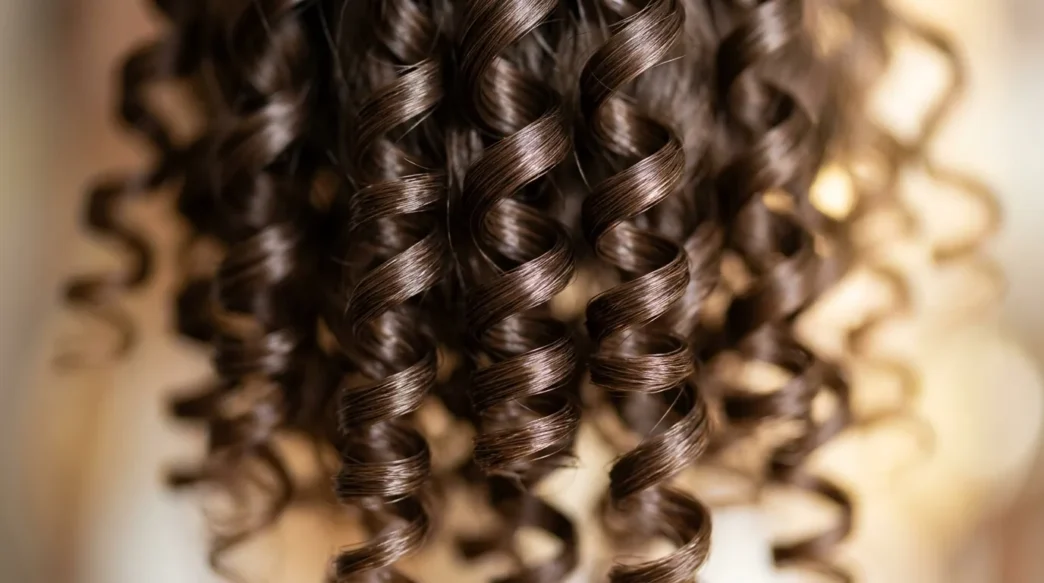
I’ve spent years trying to convince my fine curly hair to behave like the gorgeous thick spirals I see on Instagram. Spoiler alert: it doesn’t work. What does work is finding cuts designed specifically for your curl type and density. After countless salon appointments and way too many Pinterest fails, I’ve discovered that the right curly cut isn’t about following trends — it’s about working with what you’ve got.
What You’ll Find in This Guide
For Fine Curly Hair
Fine curls need structure without weight. These cuts give you bounce and definition without that flat-on-top look that haunts so many of us.
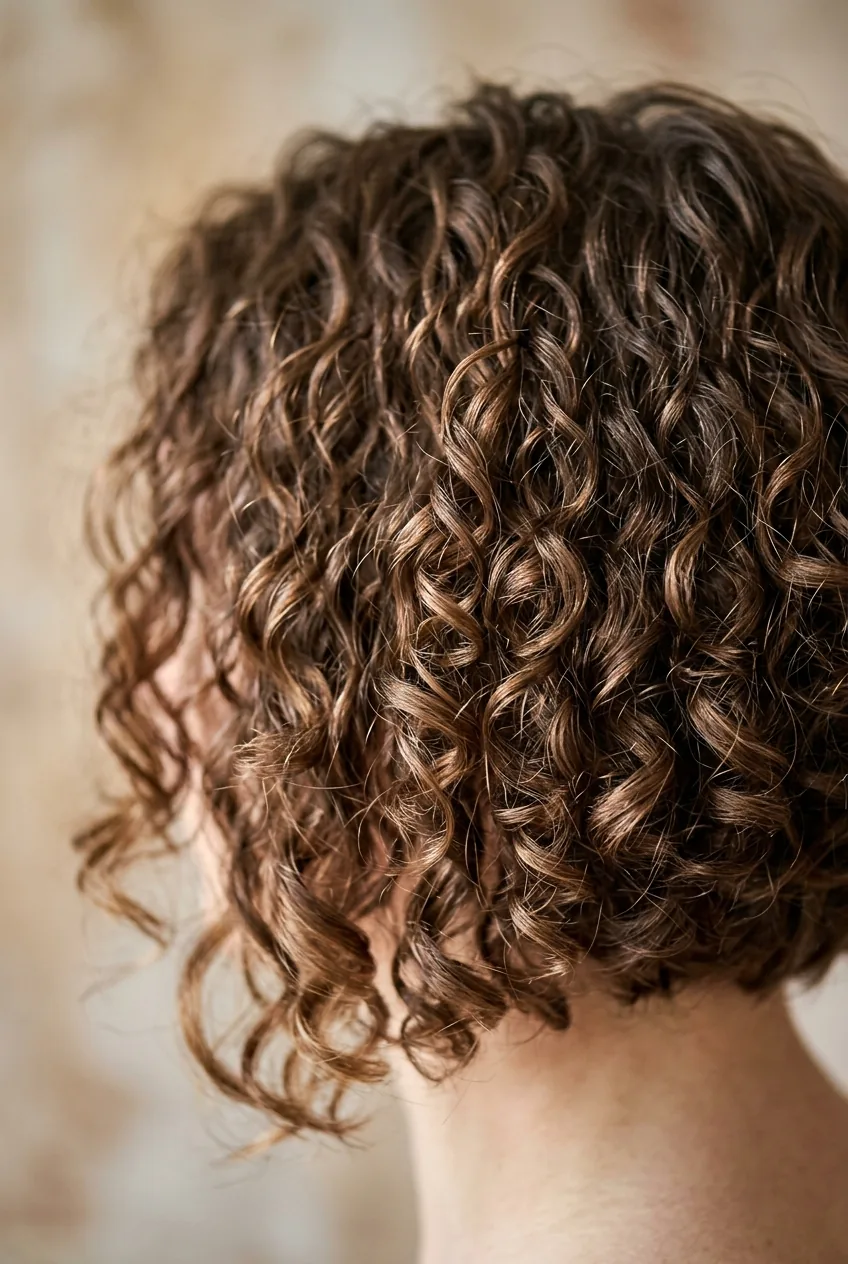
The Graduated Bob
This is my go-to recommendation for fine curls that need more oomph. The layers start shorter in the back and get longer toward the front, creating natural lift at the crown. I love how it gives fine hair that fuller silhouette without requiring tons of product. The key is keeping it just below chin length — any longer and gravity starts winning.
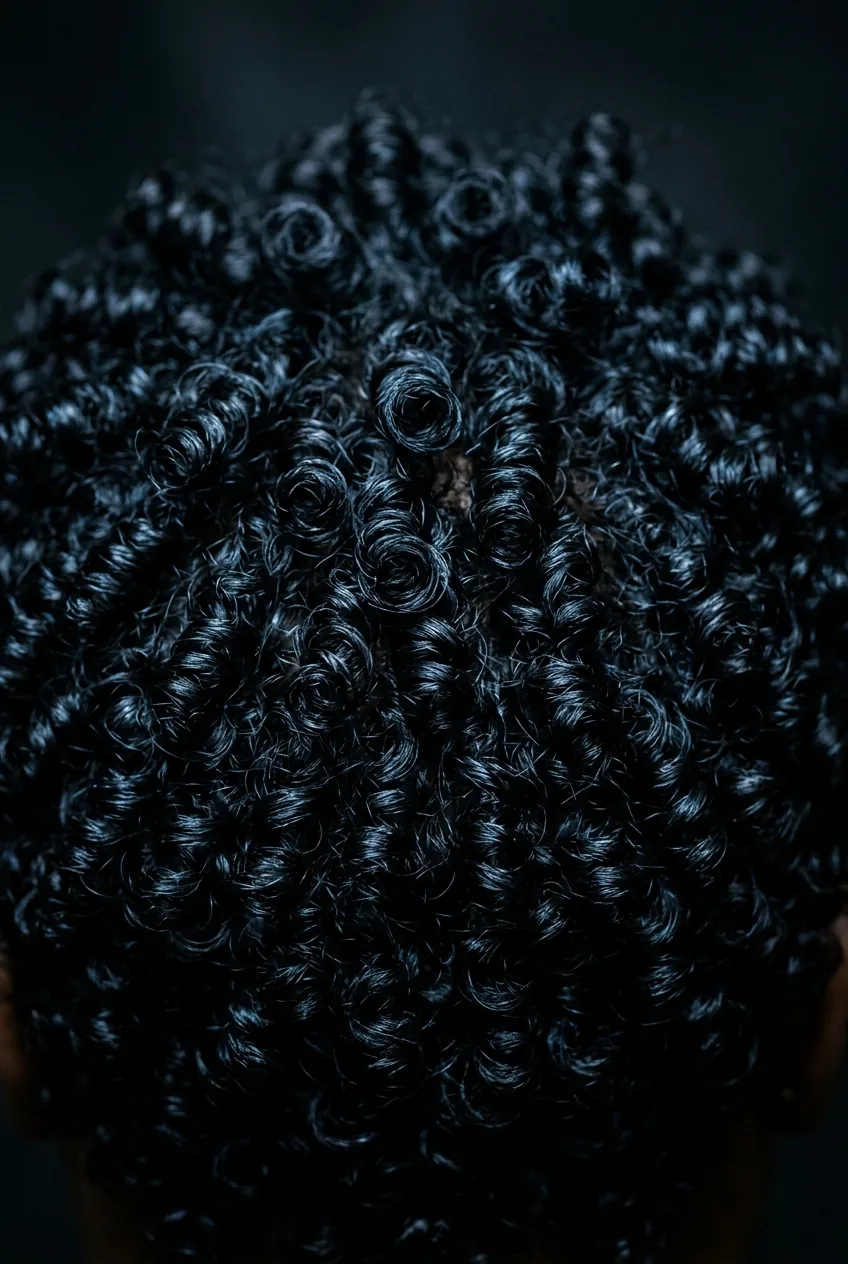
Curly Pixie with Side-Swept Bangs
Bold move, but hear me out. Fine curls actually look incredible short because you get maximum volume with minimal weight. The side-swept bangs soften the look and frame your face beautifully. I’ve seen this transform fine-haired clients who thought they could never go short.
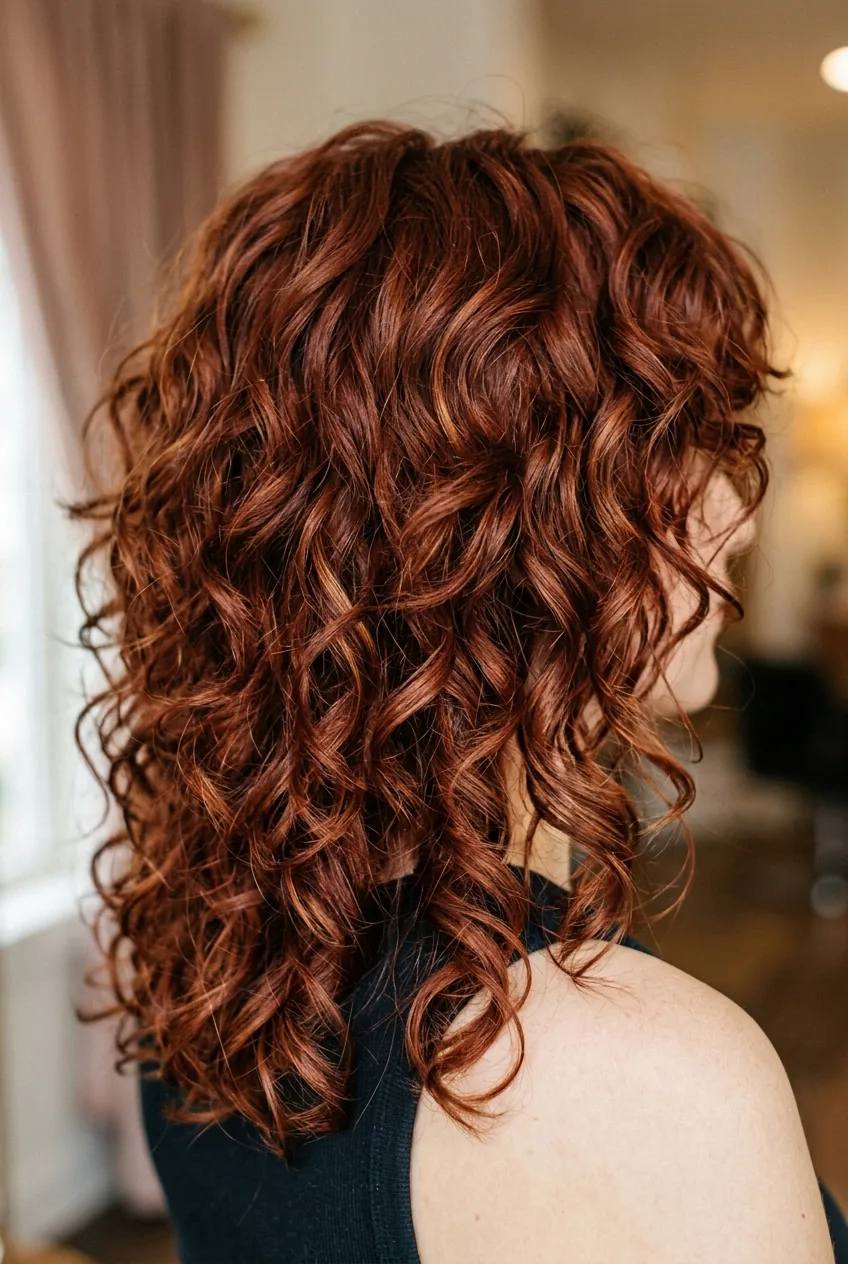
Shoulder-Length Shag
The modern shag was practically invented for fine curls. All those choppy layers create movement and texture that fine hair desperately needs. Keep it at shoulder length or slightly shorter — the layers will spring up and give you that effortlessly cool vibe. Just make sure your stylist knows curls because this cut can go wrong fast with straight-hair techniques.
For Thick & Coarse Curls
Thick curls are gorgeous but they come with their own challenges. These cuts help manage volume while celebrating your natural texture.
Long Layers with Face-Framing
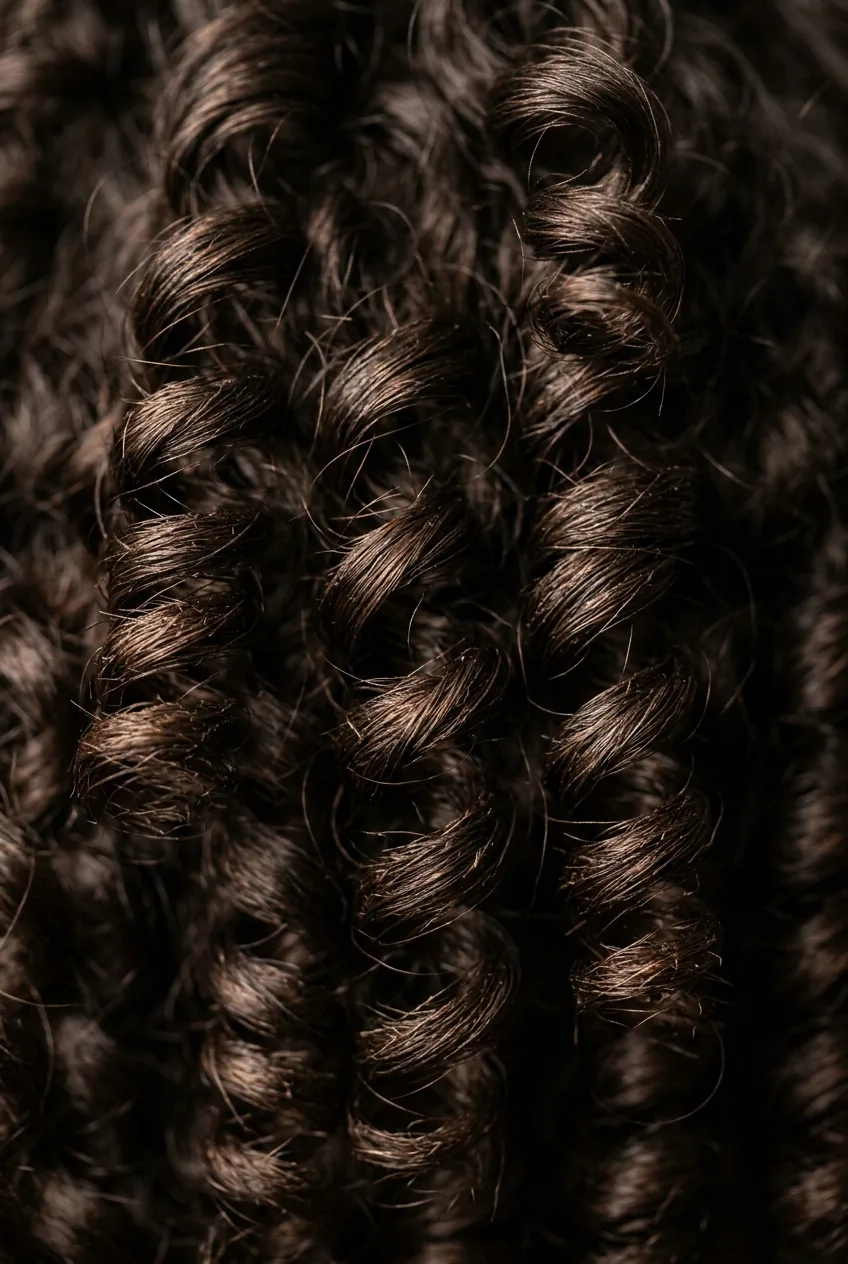
Sometimes the best approach is the simplest one. Long layers starting below the shoulders help remove bulk without sacrificing length. The face-framing pieces are what make this cut special — they soften the overall look and prevent that dreaded triangle shape. I always ask for the face-framing layers to start around the cheekbones.
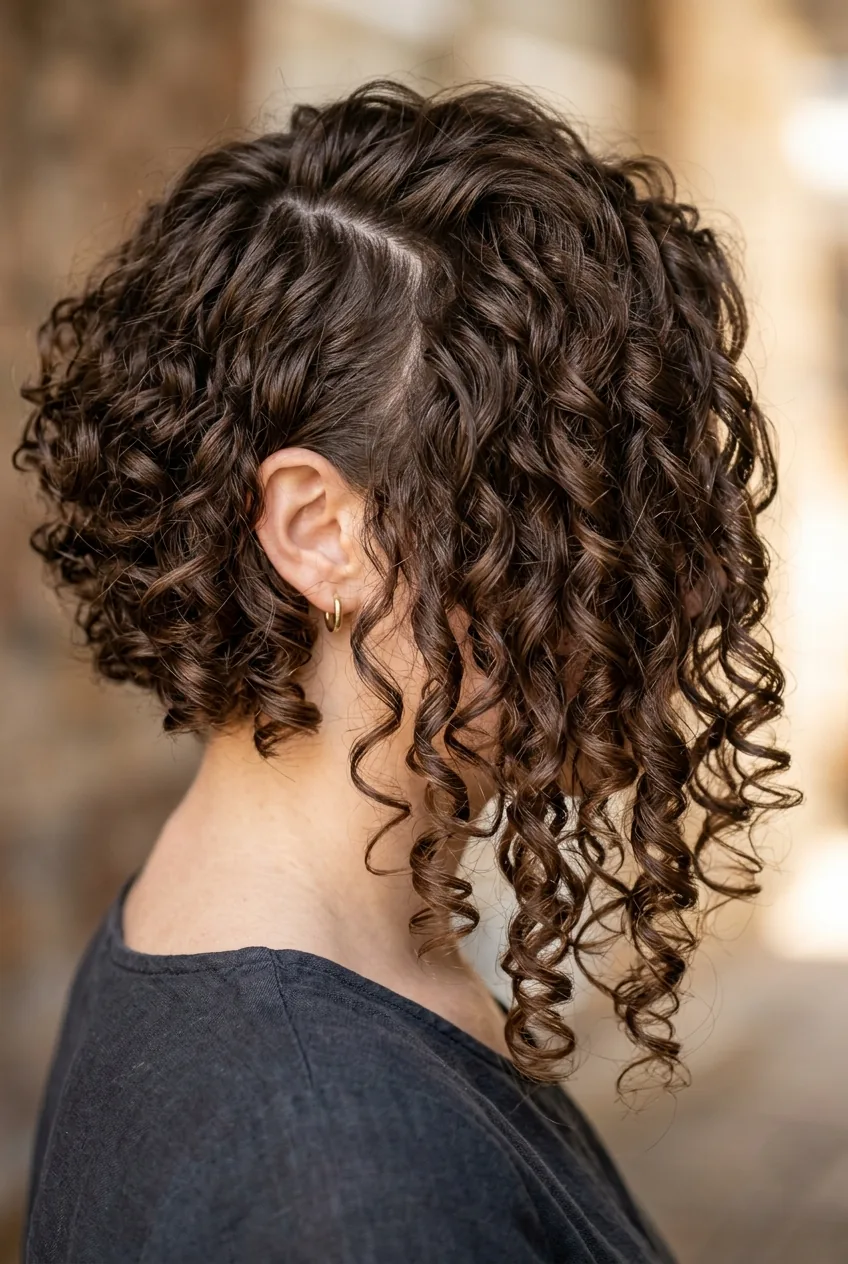
My personal pick for thick curls is the asymmetrical lob. One side hits just below the chin, the other grazes the collarbone. It’s unexpected enough to feel fresh but practical enough for everyday styling. Plus, the asymmetry naturally breaks up that bulky look thick curls sometimes get.
The DevaCut Approach
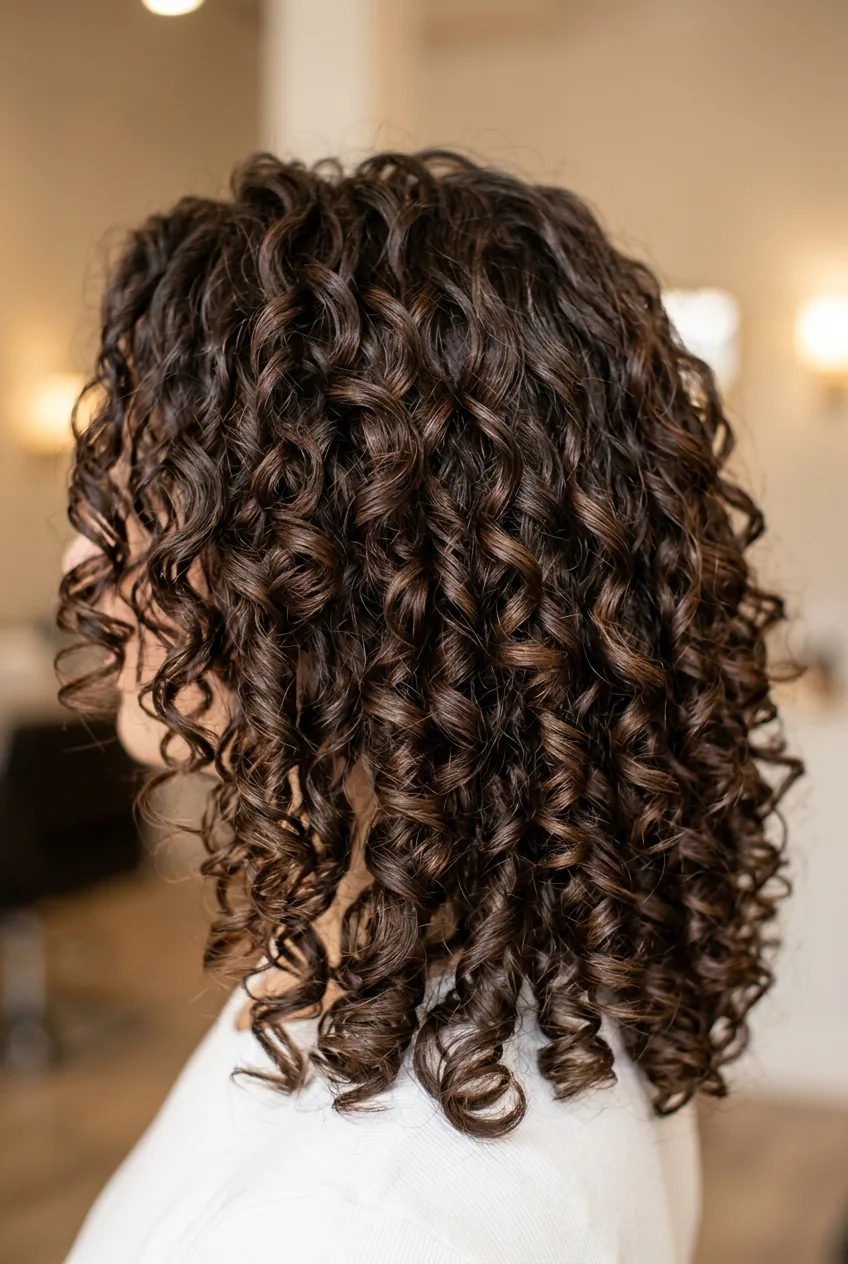
This isn’t technically one cut, but a cutting method that works incredibly well for thick, coarse curls. Each curl is cut individually while dry, which means every spiral gets customized attention. The result is a shape that actually works with your natural curl pattern instead of fighting it. It’s an investment, but for thick curls that have been tortured by traditional wet cutting, it’s life-changing.
Collarbone-Length with Internal Layers
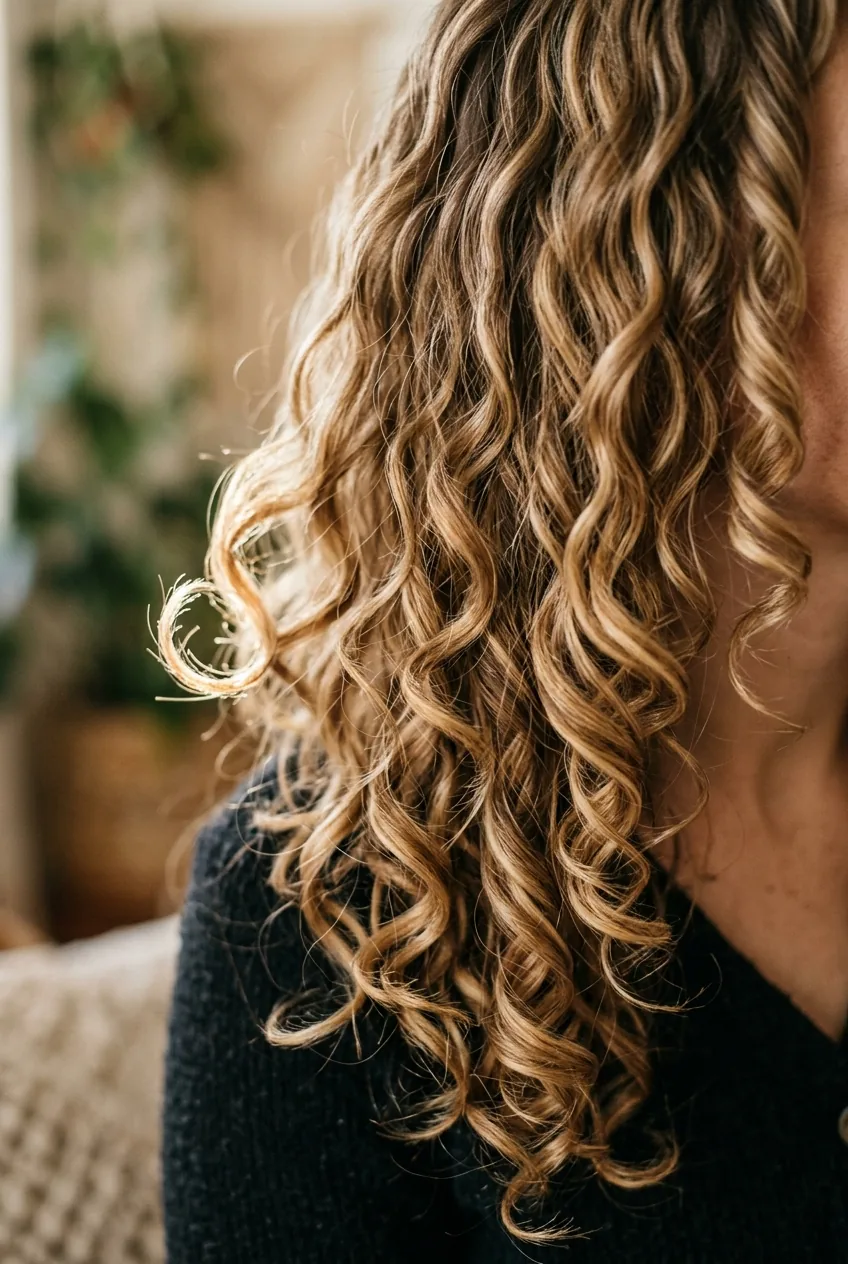
This is all about strategic layering on the inside to reduce bulk while keeping the perimeter weight. Your stylist removes hair from the interior layers but leaves the outside relatively untouched. The result? Curls that feel lighter and move better but still look full and healthy. Perfect for anyone who wants to keep length but needs their hair to behave.
Watch This DevaCut in Action
For Medium-Density Curls
You’re in the sweet spot — not too fine, not too thick. These cuts take advantage of that perfect middle ground.
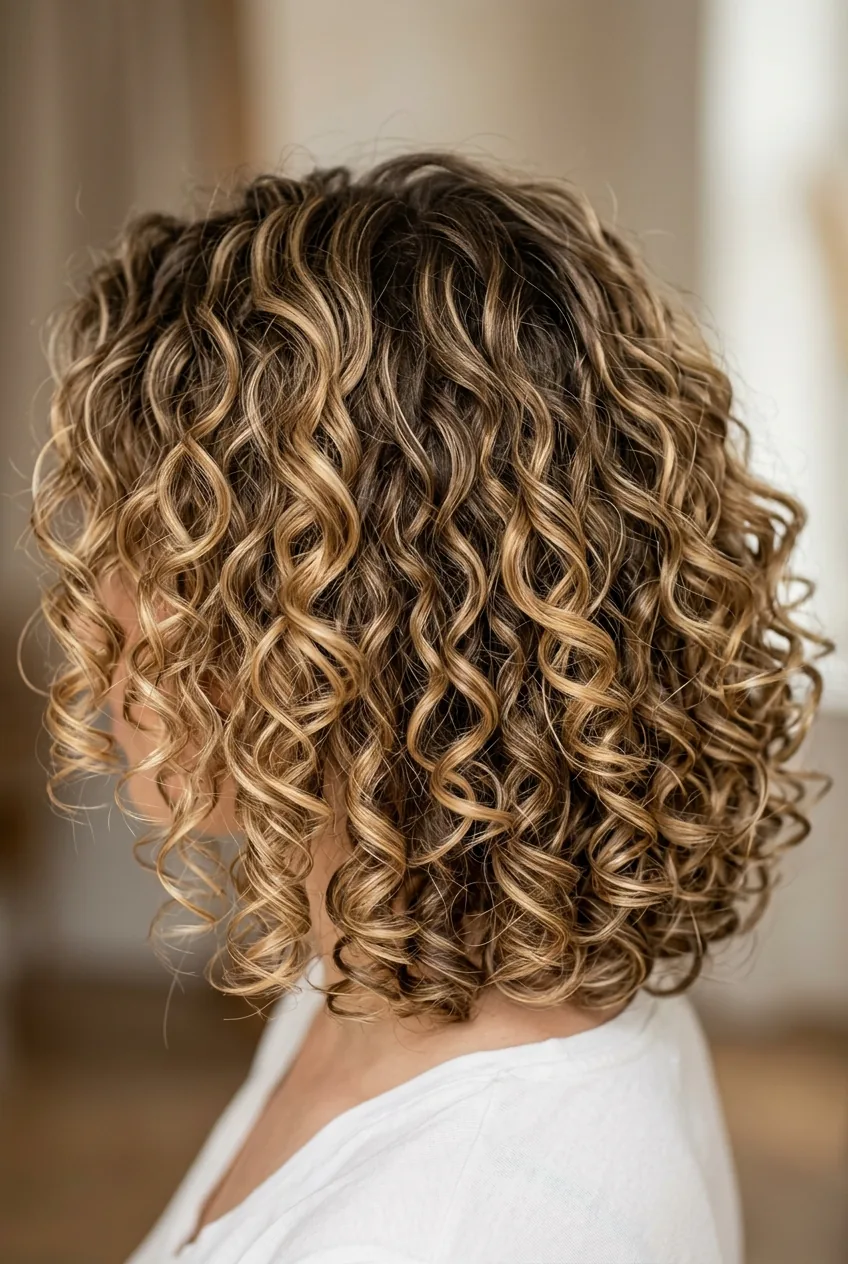
Classic Curly Bob
Sometimes the classics are classic for a reason. A well-cut curly bob hitting right at the jawline is perfection for medium-density curls. It’s got enough weight to control frizz but not so much that it drags your curls down. I love how versatile this cut is — dress it up, dress it down, throw it in a half-up style when you need a change.
The key to nailing this cut is the subtle layering. You want just enough to create shape and movement without getting too choppy. Layered lob hairstyles in this length range give you that perfect balance of structure and natural flow.
Mid-Length Layers
This is my favorite cut for people who can’t decide between short and long. The layers start around the collarbone and work their way up, creating beautiful movement without being too dramatic. It’s forgiving, it grows out well, and it works with pretty much any curl pattern. Plus, you get enough length for ponytails and updos when you need them.
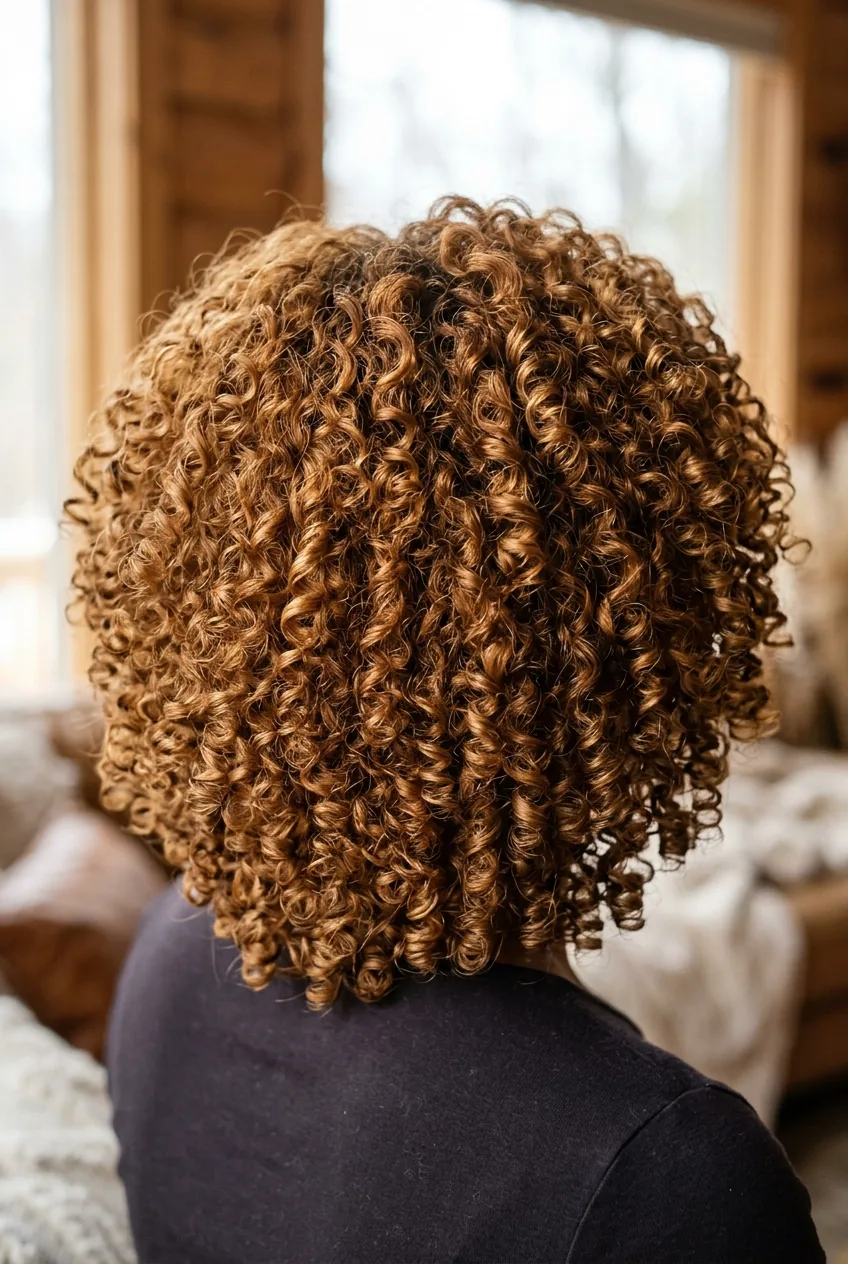
Rounded Layers
Instead of traditional straight-across layers, rounded layers follow the natural curve of your head. This creates a really flattering shape that enhances your curls’ natural springiness. It’s especially gorgeous on medium-density curls because you get that full, rounded silhouette without looking overwhelmed by your own hair.
For Mixed Textures
Got waves in the front and ringlets in the back? Straight pieces mixed with curly sections? These cuts work with your hair’s multiple personalities.
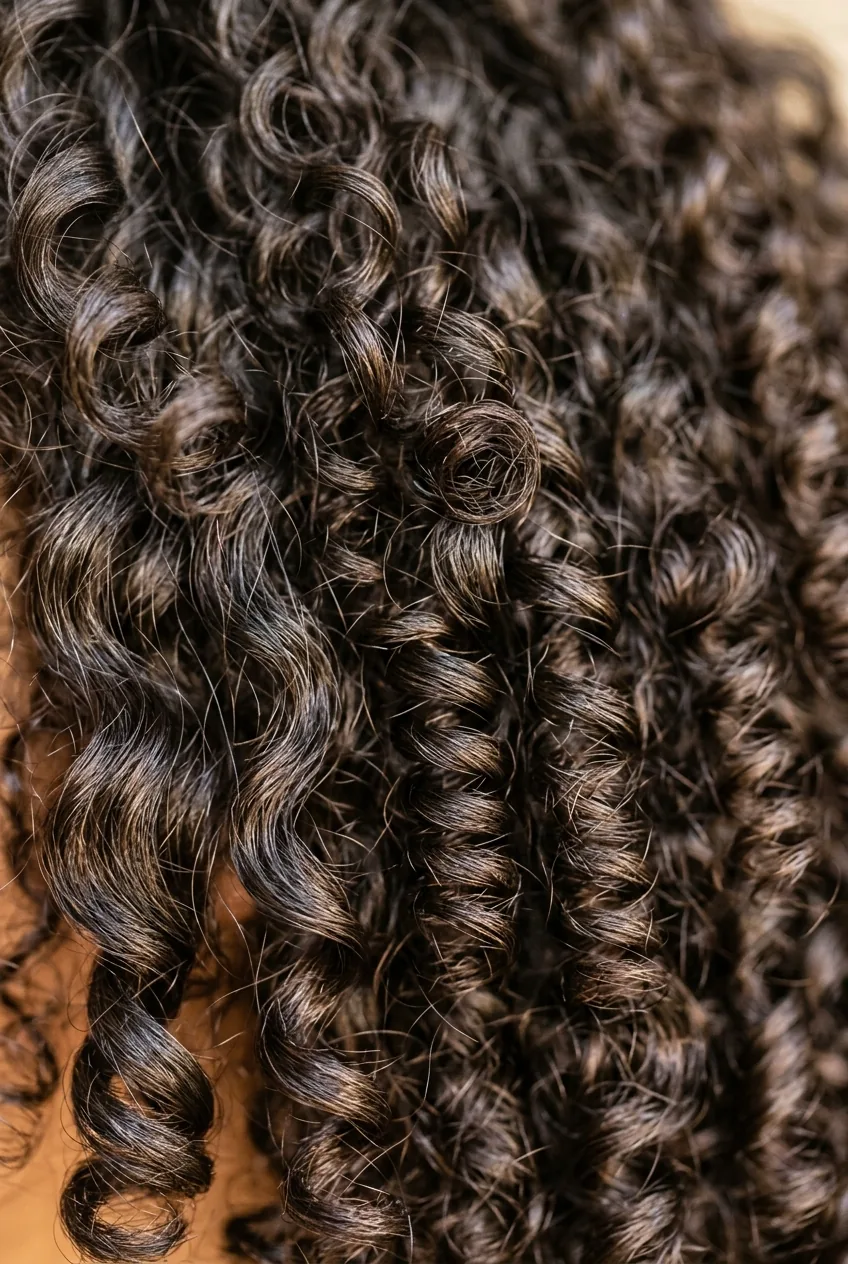
Customized Curly Cut
This requires a stylist who really understands curly hair, but it’s worth seeking out. They cut each section based on its individual texture and curl pattern. The wavy pieces might get longer layers while the tighter curls get shorter, more structured cuts. It sounds complicated, but the result is a cohesive style that celebrates all your hair’s different textures.
When you’re dealing with mixed textures, specialized cutting methods can make all the difference between a cut that fights your hair and one that works with it.
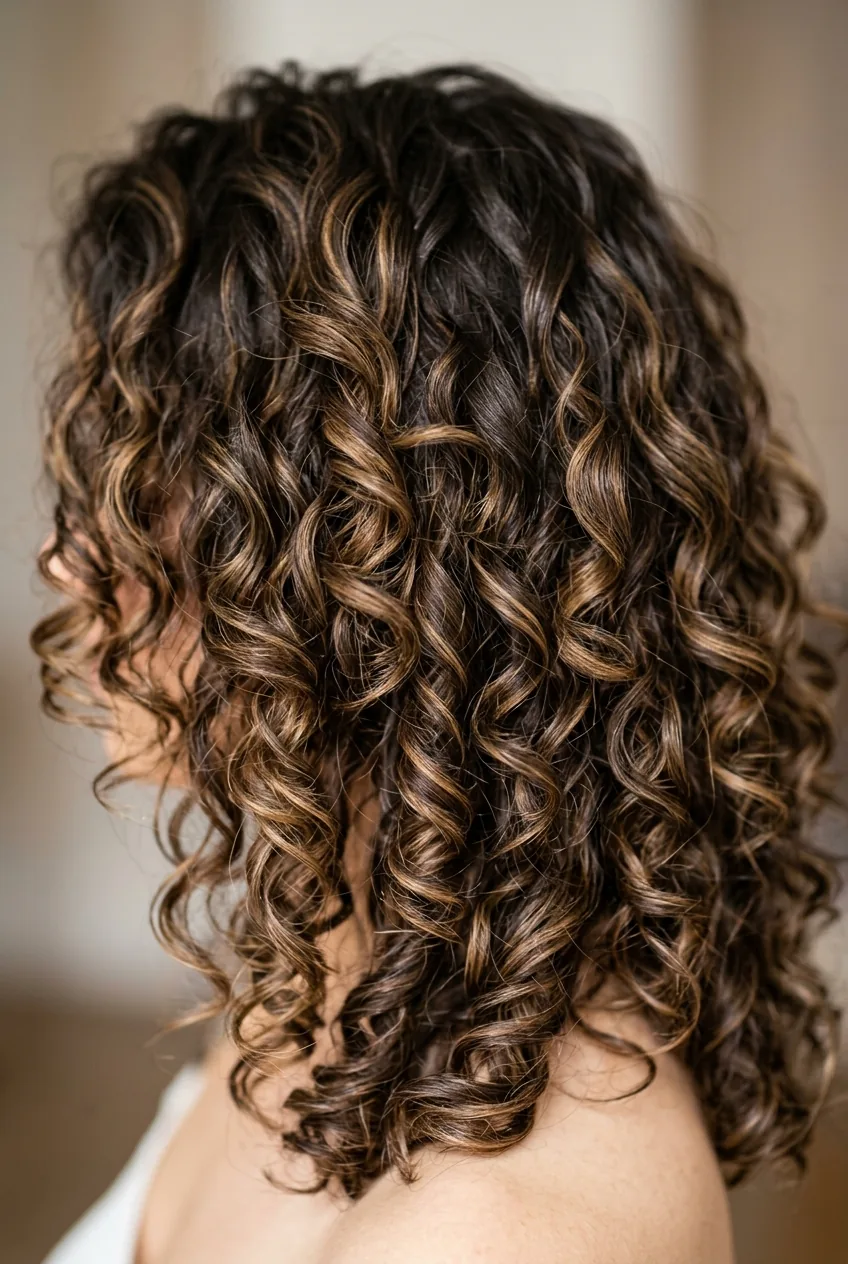
Textured Lob with Varied Layers
A longer bob with intentionally varied layer lengths works beautifully for mixed textures. The longer pieces accommodate looser waves while shorter layers give tighter curls room to spring up. It creates an intentionally “undone” look that’s incredibly modern. Trendy lob hairstyles like this are perfect when you want something that looks effortless but is actually carefully crafted.
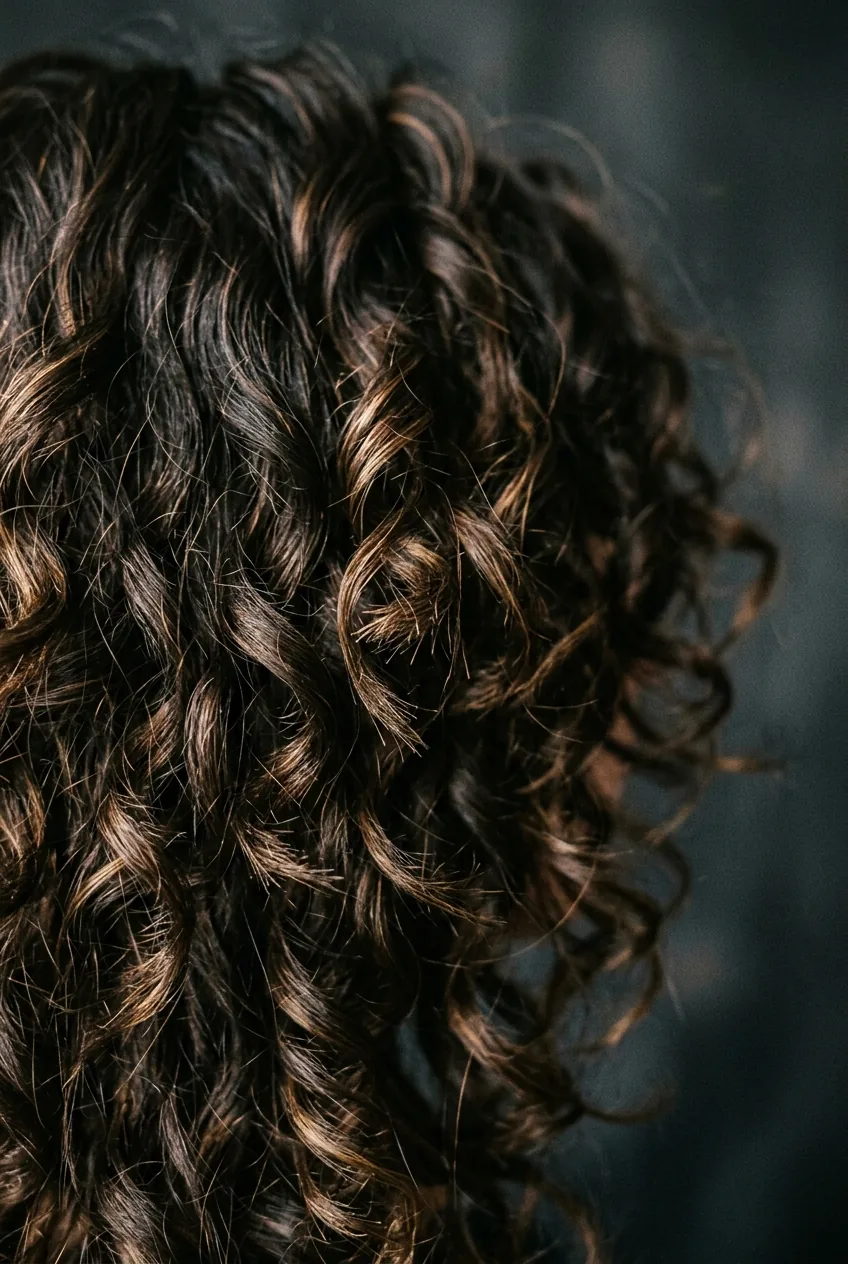
Curly Wolf Cut
The wolf cut — that perfect mashup of shag and mullet — is surprisingly amazing for mixed textures. The choppy, disconnected layers work with different curl patterns instead of trying to force uniformity. It’s edgy, it’s fun, and it actually makes styling easier because you’re not fighting for consistency. Just scrunch and go.
For those looking for something shorter and more manageable, short curly cuts can be adapted with similar principles — working with your natural texture rather than against it.
The beauty of understanding your curl type and density is that you stop trying to make your hair do things it doesn’t want to do. Instead of fighting your natural texture, these cuts enhance what you already have. And honestly? That’s when curly hair looks its absolute best.
Finding the right stylist is crucial — someone who specializes in curly hair will understand how to adapt these cuts to your specific needs. Don’t be afraid to bring photos and ask questions during your consultation.
Quick Answers About Curly Cuts
How often should I trim curly hair?
Every 8-12 weeks for most curl types, but fine curls might need trims every 6-8 weeks to maintain shape. Thick, coarse curls can often go longer between cuts.
Can I cut my own curls at home?
I don’t recommend it for major cuts, but you can trim individual problem pieces if you’re careful. Always cut when hair is dry and in its natural curl pattern so you can see exactly what you’re doing.
What’s the difference between wet and dry cutting for curls?
Wet cutting is traditional but can be unpredictable with curls since they shrink differently when dry. Dry cutting lets the stylist see exactly how each curl behaves naturally, leading to better shape and movement.
Will layers make my fine curls look thinner?
Not if done correctly. The right layers actually create the illusion of fuller hair by adding movement and lift. Avoid too many layers or layers that are too short, which can create a wispy look.
How do I know if a stylist is good with curly hair?
Look at their portfolio — they should have plenty of curly hair examples. Ask if they cut curls dry and if they understand different curl patterns. A good curly hair stylist will ask about your routine and lifestyle during consultation.
Finding the right curly cut is honestly life-changing. When you stop fighting your natural texture and start working with it, everything becomes so much easier. Your morning routine gets faster, your hair looks better, and you finally understand what all those “embrace your curls” people were talking about.