


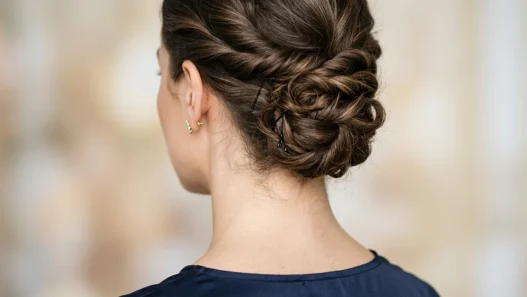





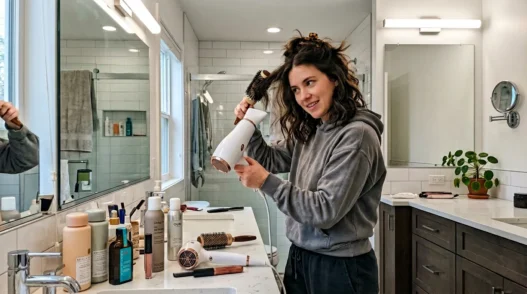
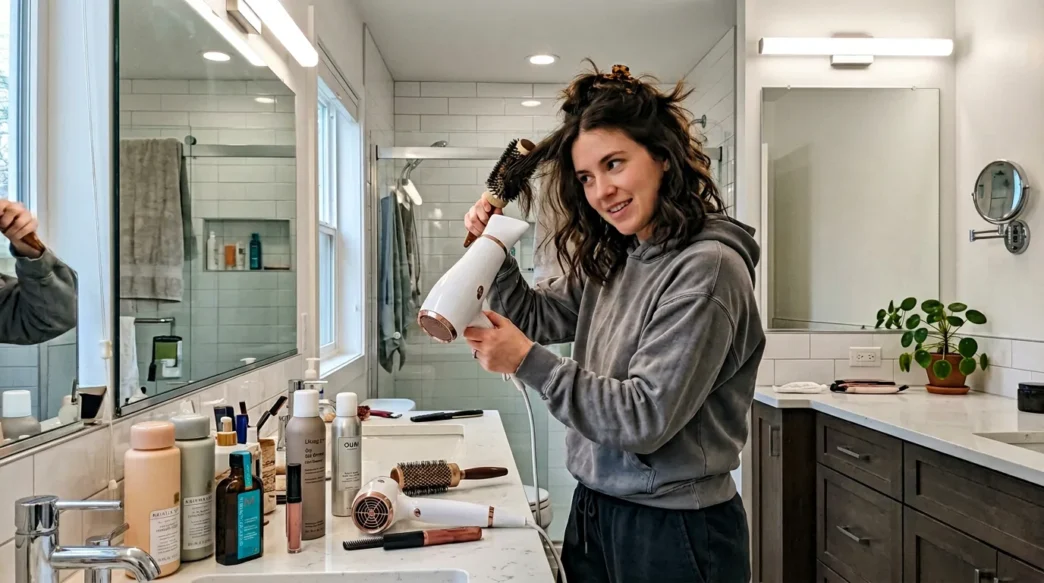
Last Tuesday morning, I watched myself in the bathroom mirror for fifteen minutes trying to create what Pinterest promised would be a “effortless 30-second messy bun.” Spoiler alert: it took way longer than thirty seconds, and my first three attempts looked more like a bird’s nest than anything remotely chic. But here’s the thing about messy buns — they’re not actually messy, and they’re definitely not as simple as everyone pretends they are.
What’s Really Inside This Messy Bun Reality Check
The Part Nobody Shows You
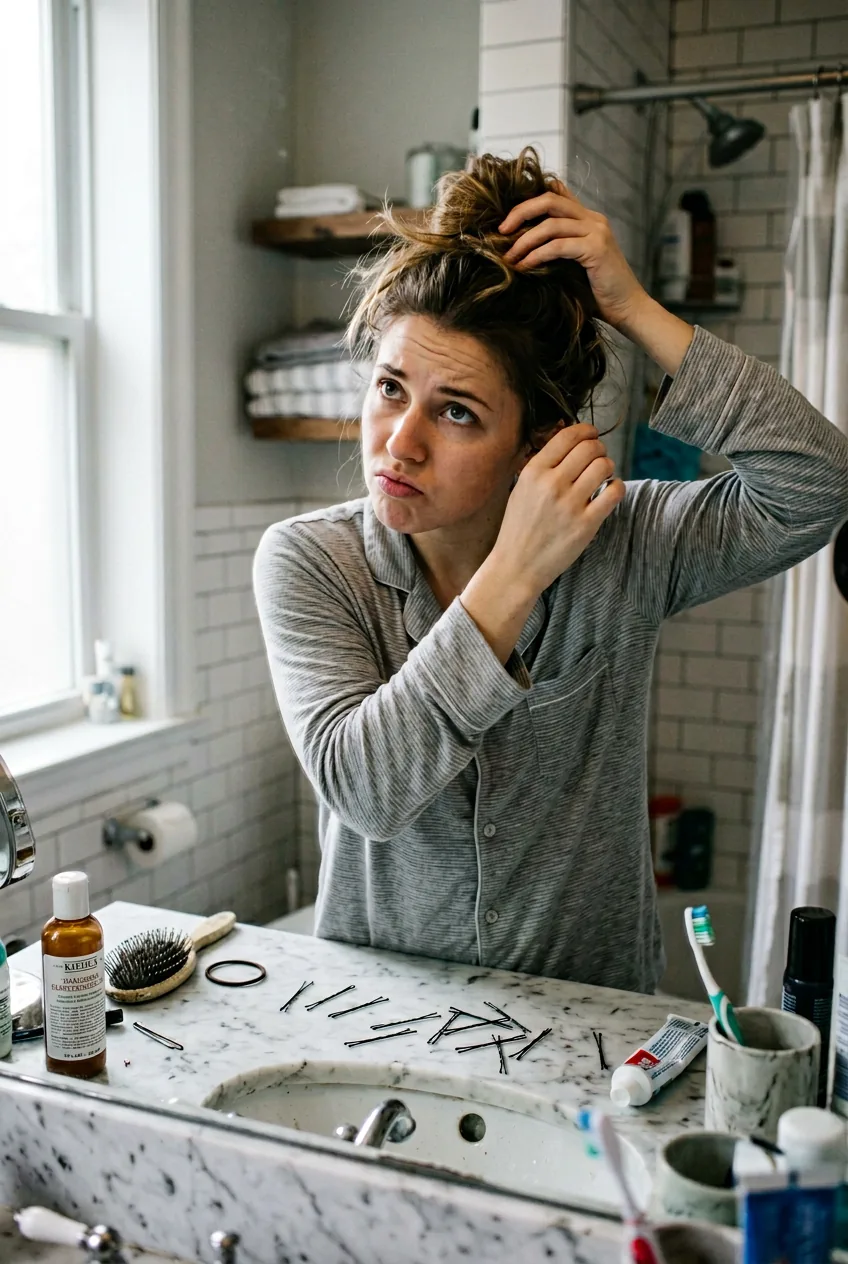
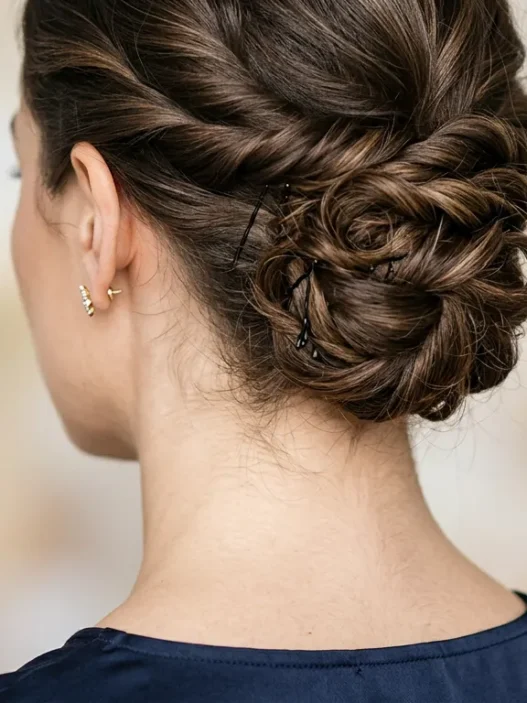
Every messy bun tutorial starts with perfect, already-styled hair. Nobody shows you the prep work — the texturizing spray, the strategic placement of bobby pins, or the fact that you might need to wash your hair the day before for the right texture.
I learned this the hard way when I tried to replicate that gorgeous undone bun I saw on Instagram. My freshly washed, silky hair just slipped right out of every elastic I tried. Turns out, “messy” buns need grip, and clean hair has zero grip.
The models in those step-by-step photos? Their hair already has the perfect amount of texture and hold. They’re not starting from scratch like the rest of us mere mortals stumbling around our bathrooms at 7 AM.
What Takes the Longest
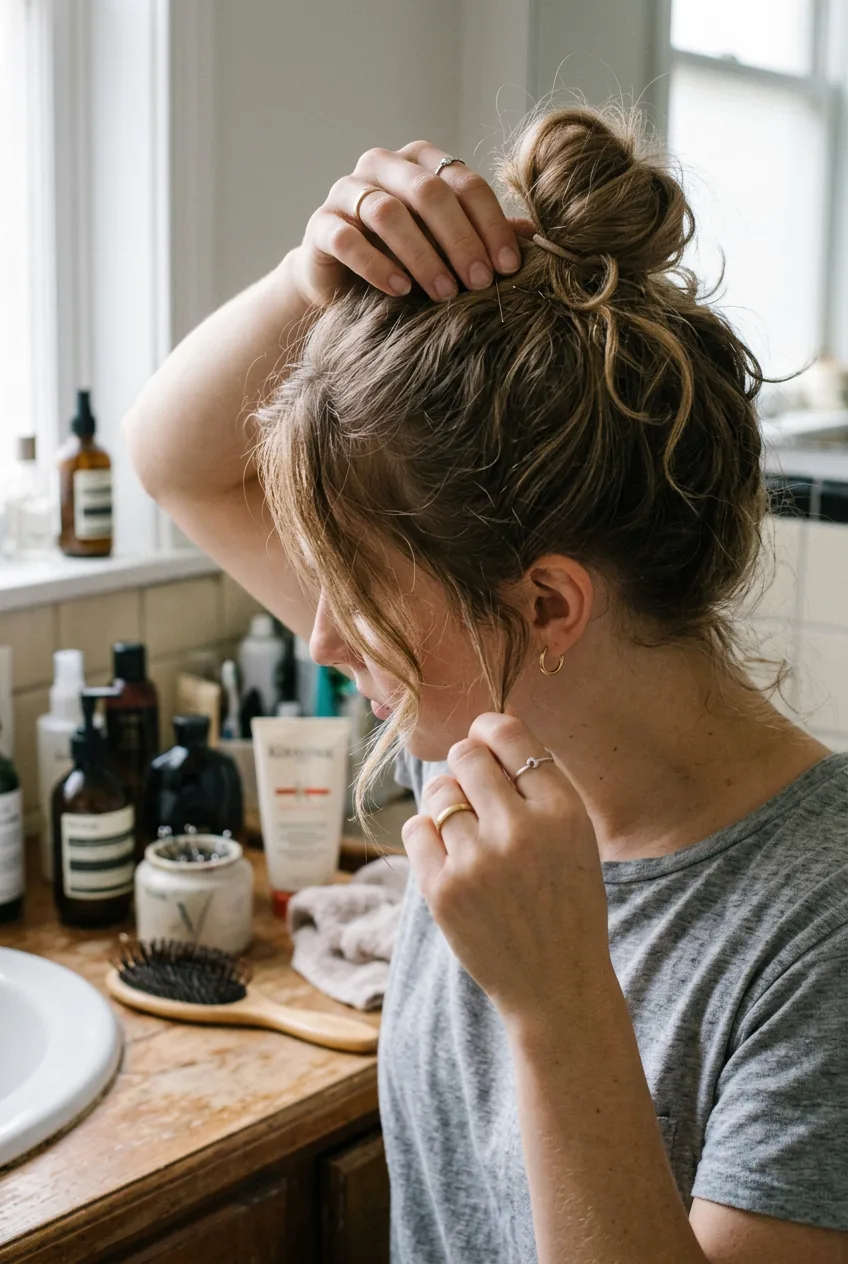
It’s not the twisting or the pinning. It’s the endless adjusting afterward.
You think you’re done, then you catch your reflection and realize one side is completely lopsided. So you pull out a few pieces. Then it’s too loose. Then too tight. Then the whole thing falls apart and you start over.
I’ve spent twenty minutes on the “final touches” alone. Pulling out face-framing pieces that look intentional instead of forgotten. Making sure the bun sits at the right height — too high and you look like a scrunchie victim from 1995, too low and it’s giving librarian vibes when you wanted effortless cool girl.
And don’t even get me started on the bobby pin placement. Each one needs to be invisible but secure, which is basically asking for magic.
The Secret Nobody Mentions
The perfect messy bun isn’t about the bun at all. It’s about everything that comes before it.
Your hair needs to be the right length — not too short that pieces escape everywhere, but not so long that the bun becomes a heavy, droopy mess. You need the right products for your hair type. And honestly? You need to accept that some days your hair just isn’t going to cooperate, no matter what you do.
I’ve discovered that my hair holds this style best on day two or three after washing. There’s enough natural oil to create grip, but not so much that it looks greasy. Texture techniques can help if your hair is naturally too slippery or too coarse.
But here’s what really changed the game for me: treating the messy bun like a skill, not a hack. Once I stopped expecting perfection on attempt number one, everything got easier.
This Tutorial Shows the Real Process
Why Your Hair Rebels

Your hair has a memory. If you always wear it down and straight, it’s going to fight any attempt to twist it up and keep it there.
Fine hair slips out of everything. Thick hair creates buns so chunky they look more architectural than casual. Curly hair has its own agenda that rarely aligns with your messy bun goals.
I have medium-thick, slightly wavy hair that seems cooperative until the moment I try to style it into anything requiring actual hold. It’s like my hair can sense when I’m running late and chooses that exact moment to stage a rebellion.
But I’ve learned to work with it instead of against it. Sometimes that means starting with a messy ponytail and building from there. Other times it means accepting a slightly imperfect result because real life isn’t a photo shoot.
The Tools That Actually Matter
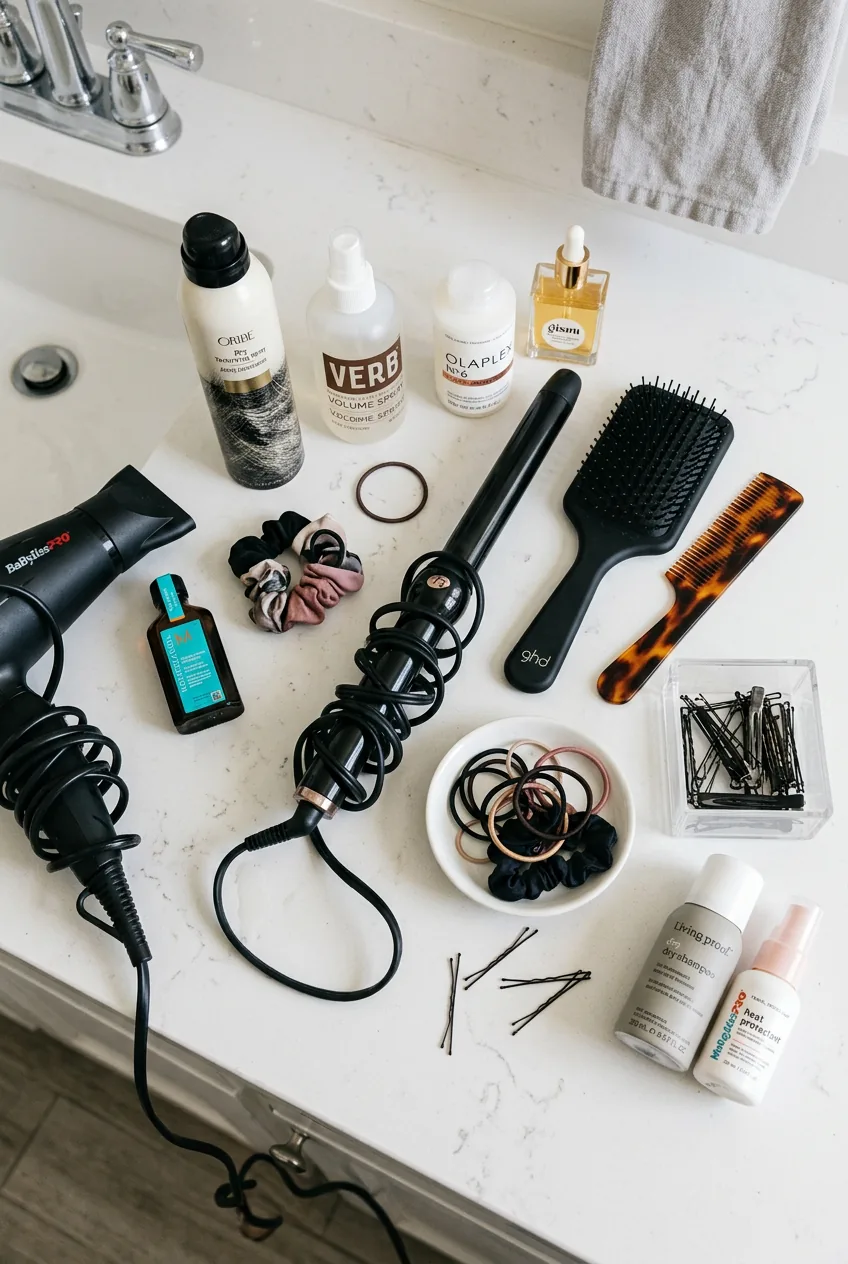
You don’t need twenty different products, but you do need the right ones.
- A texturizing spray that actually adds grip (not just volume)
- Bobby pins that match your hair color exactly
- Hair ties that won’t snap the moment you stretch them
- A light-hold hairspray for setting, not cementing
The bobby pins are non-negotiable. I used to grab whatever pack was cheapest at the drugstore, then wondered why my buns never stayed put. Good bobby pins have better grip and don’t slide out the moment you move your head.
And here’s something I wish someone had told me earlier: the hair tie goes in first, creating the foundation. The bobby pins are just insurance. If you’re relying entirely on bobby pins to hold everything, you’re setting yourself up for failure.
Why It’s Worth It Anyway
Because once you figure it out, it really is the perfect lazy-day hairstyle.
A good messy bun works for coffee runs and client meetings. It looks intentional when you’re actually just running behind schedule. And it’s forgiving enough that if a few pieces fall out during the day, it somehow looks even better.
I’ve worn variations of this style to everything from wedding guest events to casual weekend brunches. The key is adjusting the polish level — messier for casual, slightly more refined for formal occasions.
Plus, there’s something genuinely satisfying about nailing a style that looks effortless but isn’t. It’s like a little daily victory that no one else needs to know took you fifteen minutes and three attempts.
Questions I Get About This
How do you keep it from falling out by lunchtime?
Texture spray before you start, and don’t make it too tight initially. A slightly loose bun that settles into place lasts longer than one that’s fighting against your hair’s natural movement from the beginning.
Can you do this with really short hair?
You need at least chin-length hair to get a proper bun. Shorter than that, and you’re better off with a half-up style or embracing the pieces that won’t stay tucked.
What if my hair is too fine and slippery?
Dry shampoo is your friend, even on clean hair. It adds grip and texture that fine hair naturally lacks. Apply it before you start styling, not after.
Why does mine never look as good as the tutorials?
Because tutorials show the final result, not the process. Most people need multiple attempts and adjustments to get it right. Don’t expect perfection on try number one.
The messy bun might not be truly effortless, but it’s worth mastering. Some mornings it still takes me longer than I’d like, but at least now I know what I’m working toward instead of just hoping for the best.