






I’ll never forget the first time a stylist told me I had the “wrong face shape” for face framing layers. I was 22, sitting in that swiveling chair, watching her shake her head at my reflection like I was a lost cause. That moment stuck with me for years — until I learned she was completely wrong.
Face framing layers aren’t about having the “right” face shape. They’re about understanding angles, placement, and — most importantly — finding a stylist who actually knows what they’re doing.
What You’ll Learn About Face Framing Magic
What Makes Face Framing Layers Actually Work
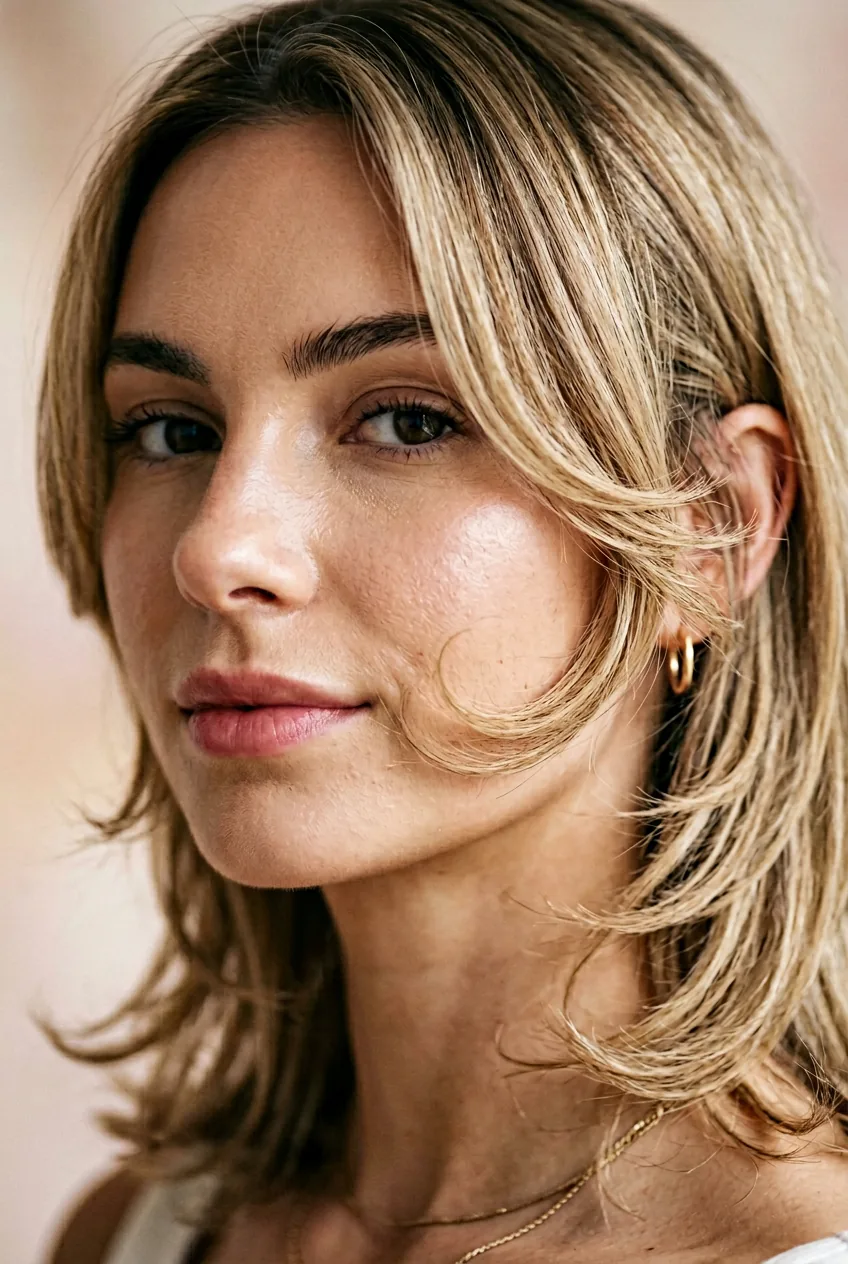
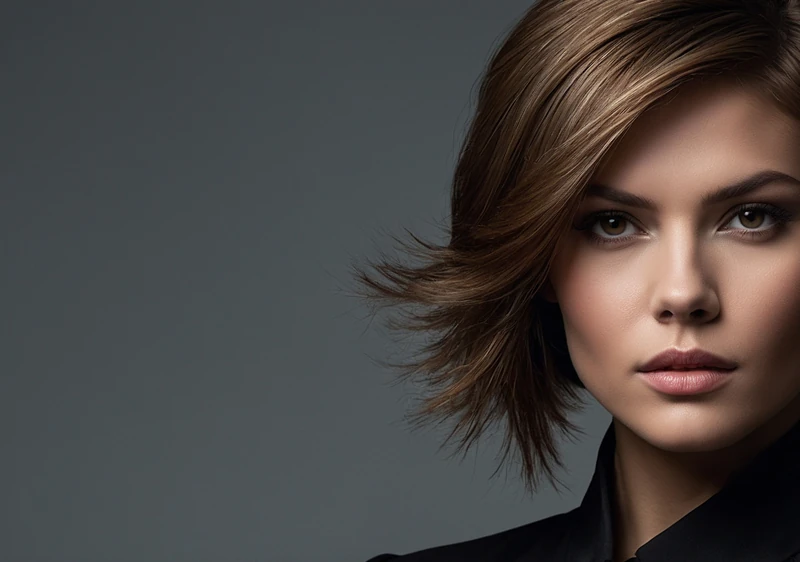
Here’s what took me years to understand: face framing layers aren’t just shorter pieces around your face. They’re strategically placed angles that create movement and dimension exactly where your face needs it most.
The magic happens in three specific zones. The first starts at your cheekbone — this is where the drama begins. These pieces should hit right at the apple of your cheek when your hair falls naturally. Not when you’re posing for a selfie, but when you’re just existing in the world.
The second zone is what I call the jawline sweep. This is where most stylists mess up because they make these pieces too chunky or place them wrong. They should start about an inch behind your ear and gracefully curve toward your jawline. When done right, they literally sculpt your face.
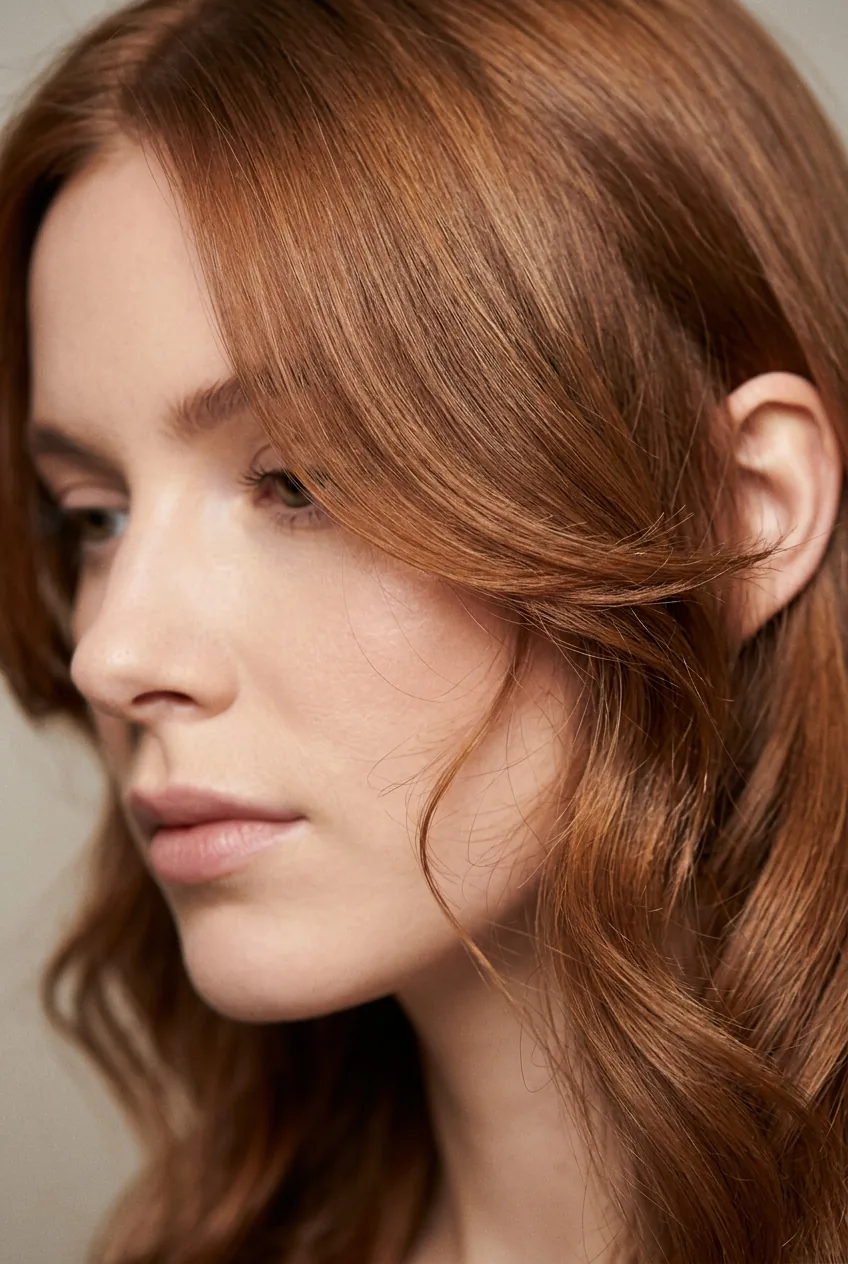
The third zone — and this is crucial — extends down to your collarbone. These aren’t technically “face framing” anymore, but they create the transition that makes the whole thing look intentional instead of like someone took scissors to random pieces of your hair.
I’ve seen women with round faces told they can’t have face framing layers, which is absolute nonsense. The key is adjusting the starting point and angle. For rounder faces, the layers need to start slightly lower — around the bottom of the cheek rather than the top. This creates length rather than width.
But here’s where it gets interesting: your hair texture matters more than your face shape. Fine, straight hair holds these angles differently than thick, wavy hair. Layered cuts for fine hair require more precision because there’s less hair to work with, while thick hair can handle more dramatic angles.
The Angle That Changes Everything

This is where I get controversial: most face framing layers are cut at the wrong angle. I’m talking about that subtle difference between a 45-degree angle and a 60-degree angle that completely changes how the layers fall around your face.
The standard approach is to pull the hair straight out from the head and cut at a 45-degree angle. This works fine for some hair types, but it creates a shelf-like effect on others — especially if you have any natural cowlicks or if your hair grows in different directions around your face.
What I’ve learned from working with my current stylist (after going through way too many bad cuts) is that the angle needs to follow your hair’s natural fall pattern. She actually cuts my layers while my hair is damp but not soaking wet, and she constantly checks how they’re sitting as she goes.
The game-changer? Point cutting versus blunt cutting. Most stylists default to blunt cuts because they’re faster and supposedly more “precise.” But point cutting — where the scissors cut into the hair at an angle — creates softer, more natural-looking layers that blend seamlessly with the rest of your hair.
I learned this the hard way when I got what I thought would be gorgeous face framing layers, only to end up with what looked like someone had put a bowl on my head and cut around it. The layers were there, technically, but they were so blunt and disconnected that they looked like mistakes rather than intentional style choices.
Here’s something else nobody tells you: the direction of the cut matters as much as the angle. Cutting from back to front creates a different effect than cutting from front to back. Most stylists cut from back to front because it’s easier to maintain consistent lengths, but cutting from front to back often creates more natural-looking movement.
Why Most Stylists Get This Wrong
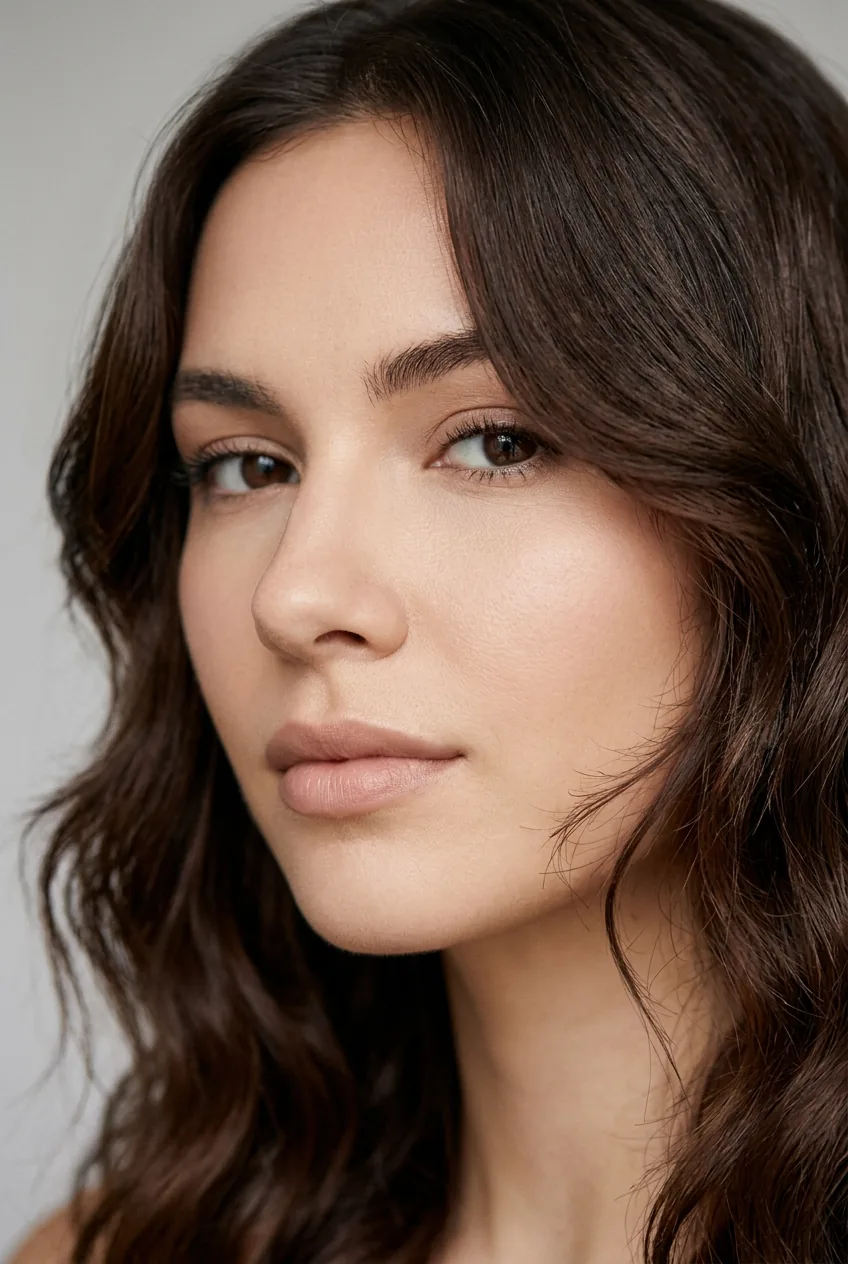
I’m going to say something that might ruffle some feathers: a lot of stylists don’t actually understand face framing layers. They know how to cut them, technically, but they don’t understand the why behind the placement and angles.
The problem starts in cosmetology school. Students learn basic layering techniques on mannequin heads with perfectly straight, perfectly even hair. They practice the same cuts over and over until they can do them quickly and efficiently. But real hair doesn’t behave like mannequin hair, and real faces aren’t perfectly symmetrical.
I’ve had stylists tell me my hair “should” behave a certain way based on what they learned in school. One actually argued with me about how my own hair naturally falls. She kept insisting that if she cut it a certain way, it would automatically style itself the way she wanted it to look. Spoiler alert: it didn’t.
The other issue is speed. Most salon appointments are booked in specific time slots, and stylists feel pressure to work quickly. Face framing layers done properly require constant checking and adjustment as you cut. It’s not a technique you can rush through if you want it to look right.
But here’s what really gets me: many stylists don’t consider your lifestyle when cutting face framing layers. They create these gorgeous, magazine-worthy layers that require 20 minutes of styling every morning. When you show up for your next appointment looking less than perfect, they act like it’s your fault for not maintaining their vision.
The best stylists I’ve worked with ask questions before they start cutting. How do you usually style your hair? Do you air dry or use tools? How much time do you spend on your hair in the morning? These aren’t small talk — they’re essential information for creating layers that work with your life, not against it.
For anyone dealing with this issue, consider looking into lob styles balayage as an alternative — sometimes adding color dimension can enhance face framing effects even better than layers alone.
This Technique Demonstration Says It All
The Maintenance Reality Nobody Mentions
Let’s talk about the elephant in the room: face framing layers are high maintenance. Not Instagram-level high maintenance, but definitely more work than most people expect when they first get them cut.
The shortest pieces around your face grow out first and most noticeably. While the rest of your haircut might look fine for three months, those face framing pieces start looking shaggy after about six weeks. This means more frequent trim appointments if you want to maintain the look.
But it’s not just about professional maintenance. Daily styling becomes a thing whether you want it to be or not. Those perfectly placed layers that look effortless? They’re probably not going to fall that way naturally when you wake up in the morning.
I spent months trying to make my face framing layers look “effortless” before I accepted that they require some effort. Even if it’s just running a small barrel curling iron through the front pieces or using a round brush while blow drying, you’re looking at an extra five to ten minutes in your routine.
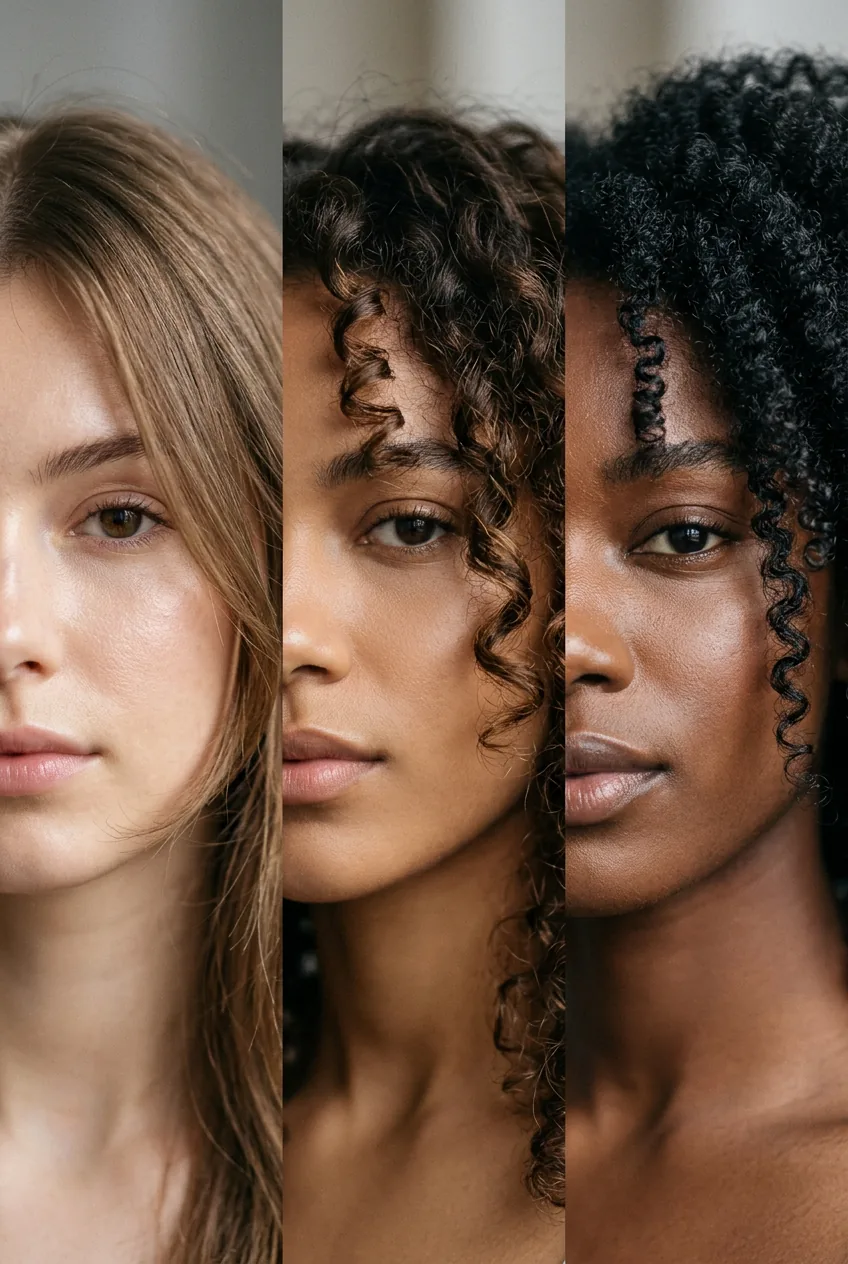
The texture of your hair plays a huge role in how much daily maintenance you’ll need. If you have naturally straight hair, you might need to add curl or wave to make the layers look intentional. If you have curly hair, you might need to define those front pieces separately from the rest of your curls.
Here’s what I wish someone had told me from the beginning: invest in the right tools if you’re getting face framing layers. A small barrel curling iron (1-1.25 inches) becomes essential. So does a good heat protectant and a lightweight styling cream that won’t weigh down those shorter pieces.
Face framing cuts for oval faces often photograph beautifully but require consistent styling to look their best in real life. The key is finding a routine you can actually stick with, not the most complicated technique that works perfectly once.
But here’s the thing — when face framing layers are cut right and styled properly, they’re transformative. They can make your eyes look bigger, your cheekbones more defined, and your whole face more balanced. The maintenance is worth it if you’re prepared for it.
The secret is being realistic about your commitment level before you sit in that salon chair. If you’re someone who prefers wash-and-go hair, face framing layers might not be your best choice. But if you enjoy the ritual of styling your hair and want a cut that gives you options, they might be exactly what you need.
Quick Answers to Common Layer Questions
Can face framing layers work on any face shape?
Absolutely, but the placement and angle need to be adjusted for your specific face. Round faces benefit from layers that start lower and create vertical lines, while longer faces can handle shorter, more horizontal layers.
How often do I need to trim face framing layers?
Every 6-8 weeks for the front pieces, even if the rest of your hair doesn’t need cutting yet. Those shorter layers grow out most noticeably and lose their shape faster than longer sections.
What’s the difference between face framing layers and curtain bangs?
Curtain bangs are much shorter pieces that typically hit around your eyebrows or cheekbones. Face framing layers are longer, usually starting at cheek level and extending down to your jawline or beyond. They’re different techniques with different maintenance needs.
Can I add face framing layers to any existing haircut?
Most of the time, yes, but it depends on your current length and layers. If you already have very short layers or a heavily layered cut, adding face framing pieces might create too much texture. A good stylist can assess whether it will work with your existing cut.
Do face framing layers work with curly hair?
They can be gorgeous with curly hair, but they require a stylist who understands how curls shrink when they dry. The layers need to be cut longer than you think to account for curl spring-back, and the technique is completely different from cutting straight hair.
Face framing layers aren’t just a haircut trend — they’re a commitment to a different relationship with your hair. When they’re done right, with the proper angle and placement for your face and hair type, they can be absolutely transformative. Just make sure you’re ready for the daily styling and regular maintenance that comes with them.