






I used to think soft layers were just a fancy name for regular layers until my stylist completely butchered my hair three years ago. She promised me “gorgeous, flowing layers” and I walked out looking like I’d been attacked by a hedge trimmer. That disaster sent me on a deep dive to understand what soft layers actually are — and why they’re so much harder to execute than stylists pretend.
The journey taught me that soft layers aren’t just about technique. They’re about understanding hair texture, growth patterns, and most importantly, knowing when NOT to do them.
What Makes Layers ‘Soft’
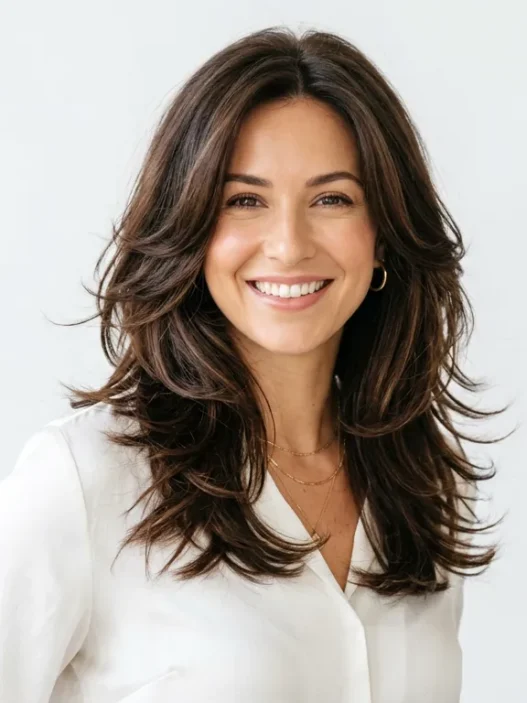
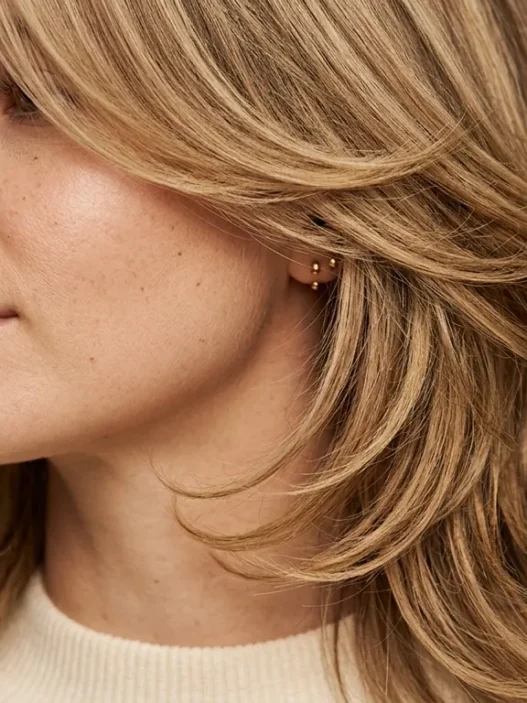
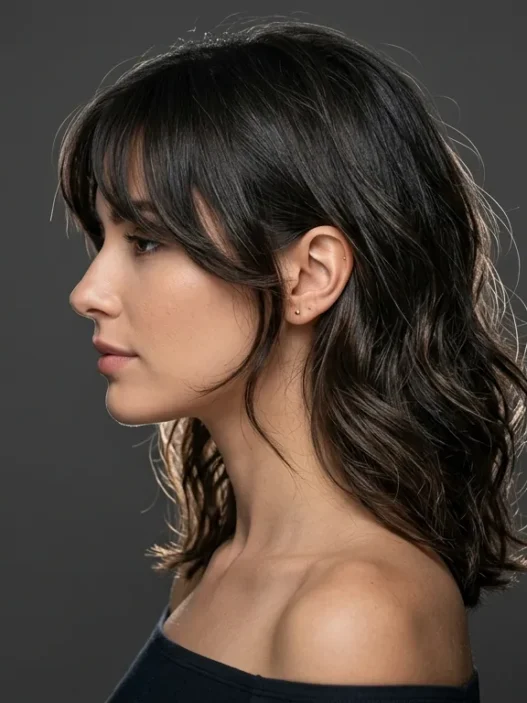
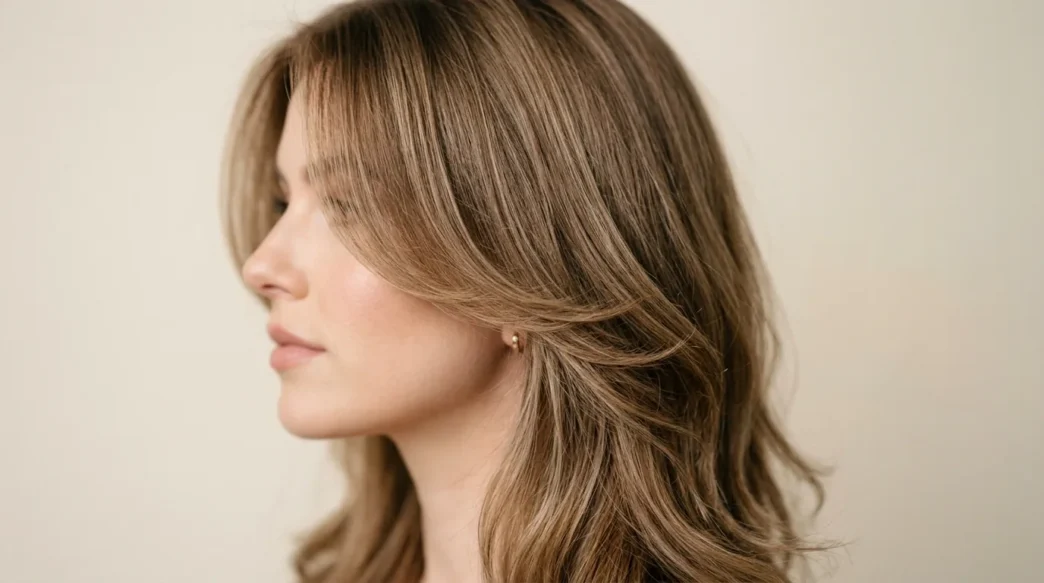
Here’s where everyone gets confused. Soft layers aren’t about the cutting technique — they’re about the visual result. Traditional layers create distinct steps you can see and feel. Soft layers blend so seamlessly that you can’t tell where one layer ends and another begins.
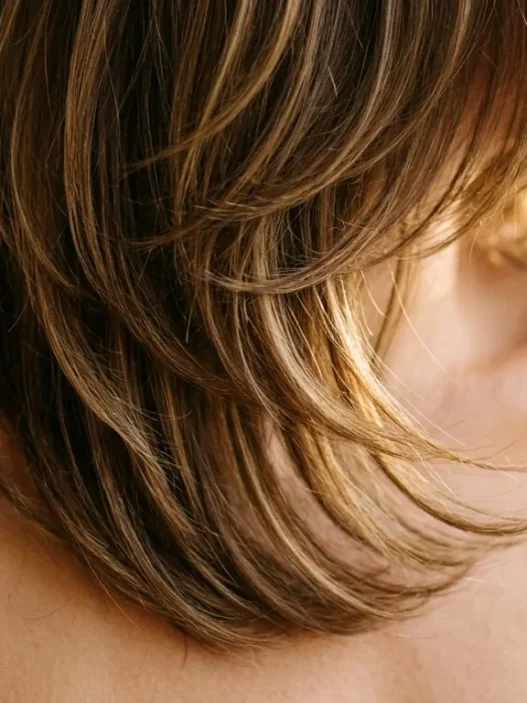
The magic happens in the graduation. Instead of cutting at sharp angles, stylists use a technique called “point cutting” combined with razor work to create feathered edges. Think watercolor painting versus hard geometric shapes. The hair literally melts from one length to another.
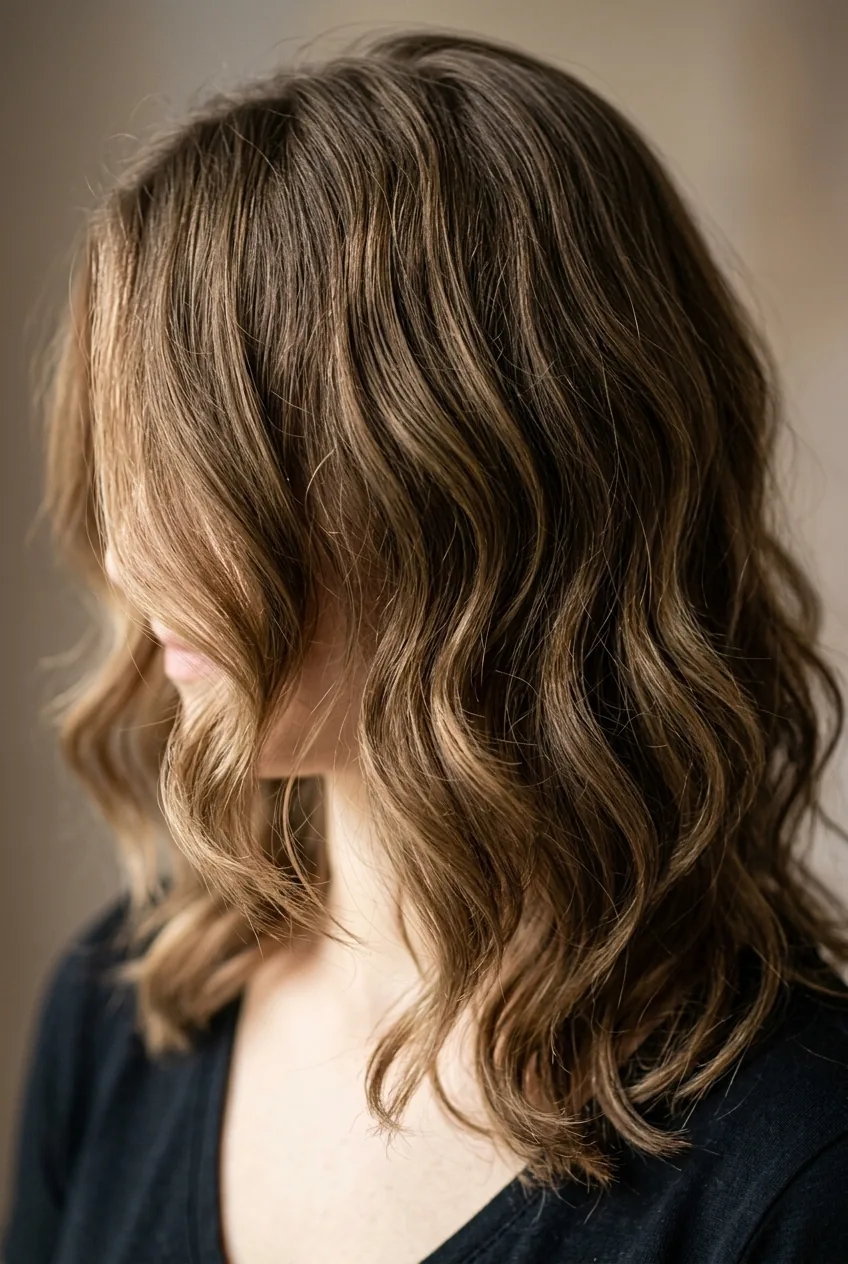
But here’s what took me months to figure out: soft layers only work on specific hair types. Fine, straight hair? Absolutely gorgeous. Coarse, curly hair? Often a nightmare waiting to happen. The technique relies on the hair’s natural movement to create that flowing effect.
I learned this the hard way when I tried to replicate a soft layered look I saw on Instagram. My stylist warned me my thick, wavy hair wouldn’t cooperate, but I insisted. The result? Pyramid hair that took eight months to grow out. Sometimes the hair gods know better than Pinterest.
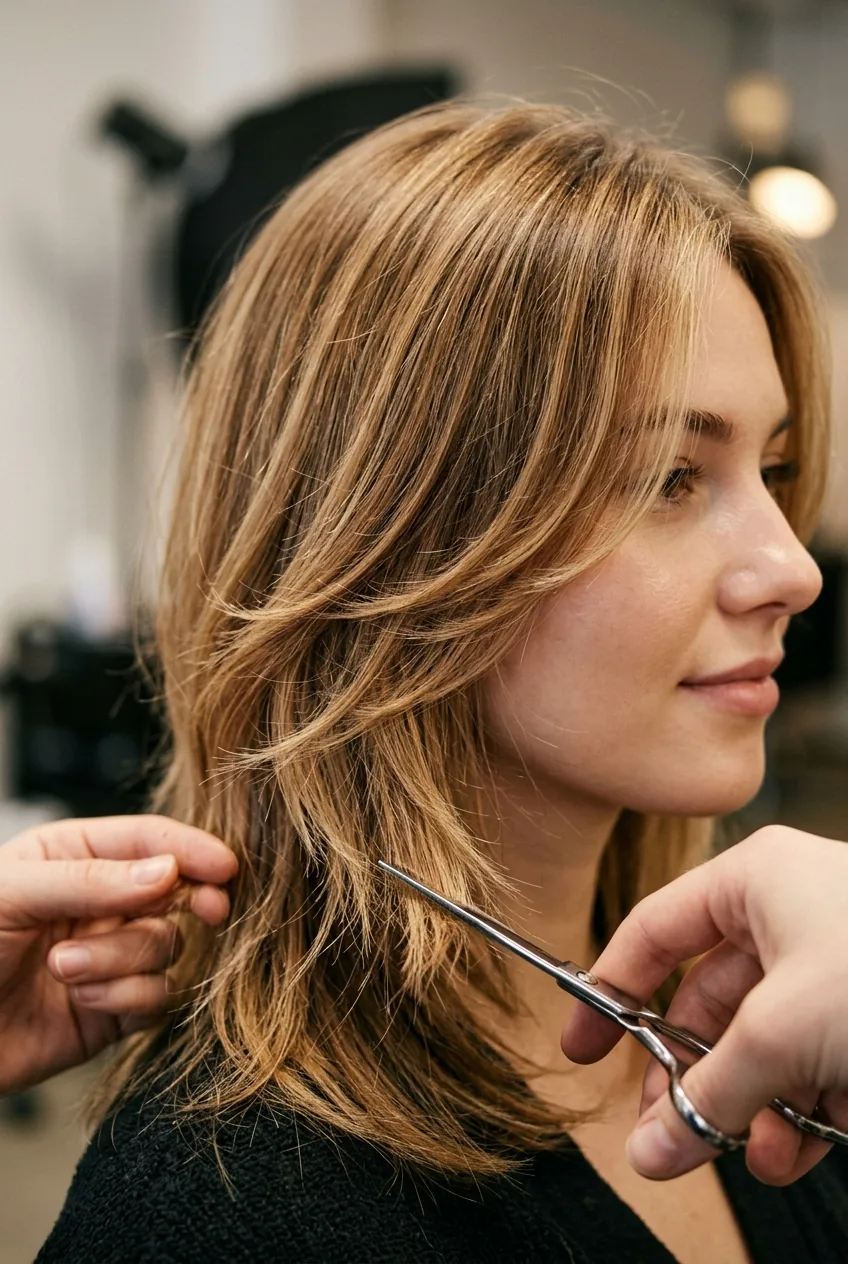
The key indicator of truly soft layers is how they move. When you shake your head or run your fingers through, the hair should flow like water. If you can feel distinct “shelves” or see harsh lines, they’re not soft layers — they’re just regular layers with good marketing.
Why Most Stylists Get This Wrong
I’ve sat in enough salon chairs to know that most stylists think soft layers are just regular layers cut with less precision. Wrong. Dead wrong. Soft layers require more skill, not less.
The problem starts with training. Beauty school teaches traditional layering techniques — clean, geometric cuts that create predictable results. Soft layering is more like sculpture. You’re removing weight strategically while maintaining length illusion. It’s an art form that takes years to master.
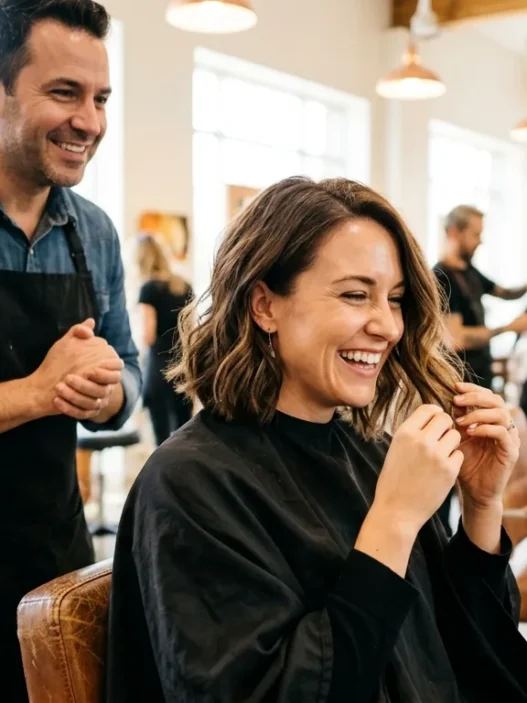
I watched my current stylist work on soft layers, and it’s mesmerizing. She doesn’t just cut — she studies each section, considers the hair’s natural fall, adjusts for cowlicks. The whole process takes twice as long as regular layers because every cut has to enhance the hair’s natural movement.

Most stylists rush through it. They use the same sectioning patterns, the same angles, regardless of the client’s hair texture or growth patterns. Then they wonder why the client comes back complaining about “weird pieces” that stick out or layers that don’t blend.
The biggest mistake I see? Stylists trying to force soft layers on hair that can’t support them. Extremely fine hair often lacks the body to carry the graduated lengths. Super thick hair can end up looking bulky rather than flowing. A good stylist should be able to tell you honestly if soft layers will work with your specific hair type.
Professional layering techniques vary dramatically between salons, which explains why results can be so inconsistent.
The Face Shape Factor Nobody Mentions
Every article about soft layers focuses on hair texture, but nobody talks about face shape compatibility. This is where I see the most disasters happen.
Soft layers create horizontal movement. That’s beautiful if you have a longer face shape, but it can make round faces look wider. I have a square jaw, and certain soft layer placements actually emphasize the angular lines I’m trying to soften.
The placement matters more than the technique itself. Layers that start at the chin level can broaden the face. Layers that begin below the jawline elongate it. It sounds simple, but I’ve seen stylists completely ignore these principles because they’re focused on the trendy “soft layer” request.
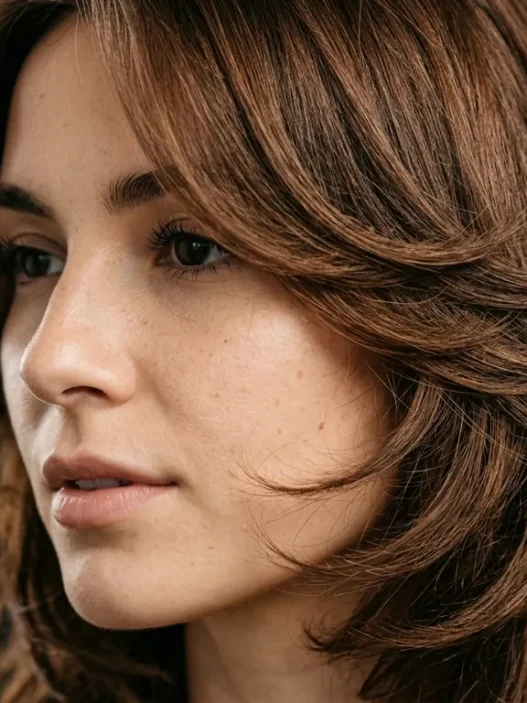
Here’s my controversial take: soft layers aren’t universally flattering, despite what every beauty magazine claims. They’re amazing on oval and heart-shaped faces. They’re trickier on round and square faces. And if you have a very long, narrow face, traditional layers might actually be more flattering than soft ones.
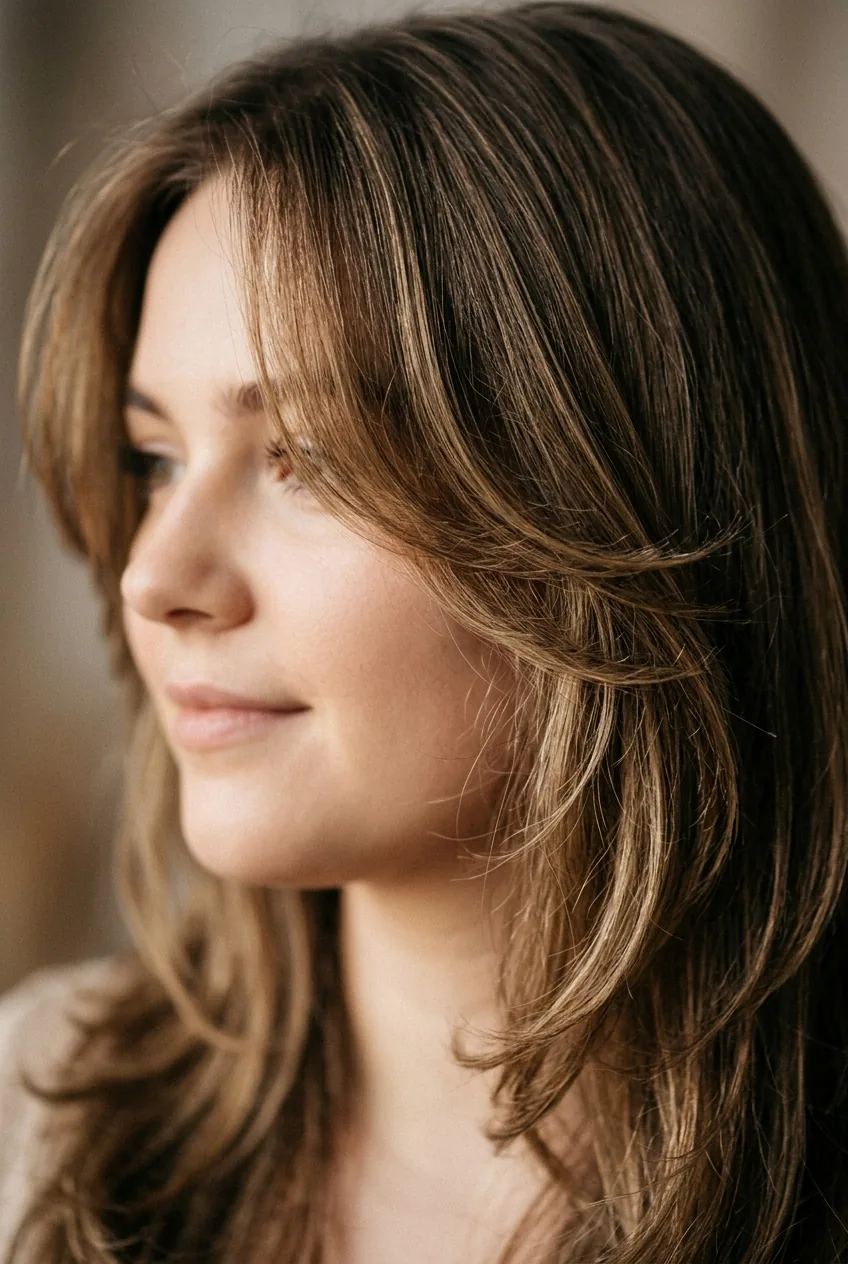
I learned this when I tried to convince my friend with a perfectly round face to get soft layers because they looked gorgeous on me. Different face shapes, different results. Her soft layers made her look like she was drowning in her own hair. Sometimes what works for your Instagram inspiration won’t work for your bone structure.
The smartest approach? Bring photos of women with your face shape wearing soft layers, not just photos of pretty hair on different bone structures. Context matters more than technique.
My Real-World Testing Results
Over the past two years, I’ve experimented with soft layers on five different lengths and textures. Not because I’m obsessed (okay, maybe a little), but because I wanted to understand how they actually perform in real life, not just in salon lighting.
Test one: Shoulder-length soft layers on my naturally wavy hair. Result? Stunning for about six weeks, then the layers grew out unevenly and created this awkward flip situation around my ears. The maintenance was more intensive than I expected.
Test two: Long soft layers (starting at collarbone level). This was the winner. The layers enhanced my natural wave pattern without creating maintenance nightmares. Nine months later, they still looked intentional rather than grown-out.
What I discovered through all this testing is that soft layers have a sweet spot length-wise. Too short, and they require constant upkeep. Too subtle, and you can’t see the effect. The magic happens in that middle zone where the layers are obvious enough to enhance movement but gradual enough to grow out gracefully.
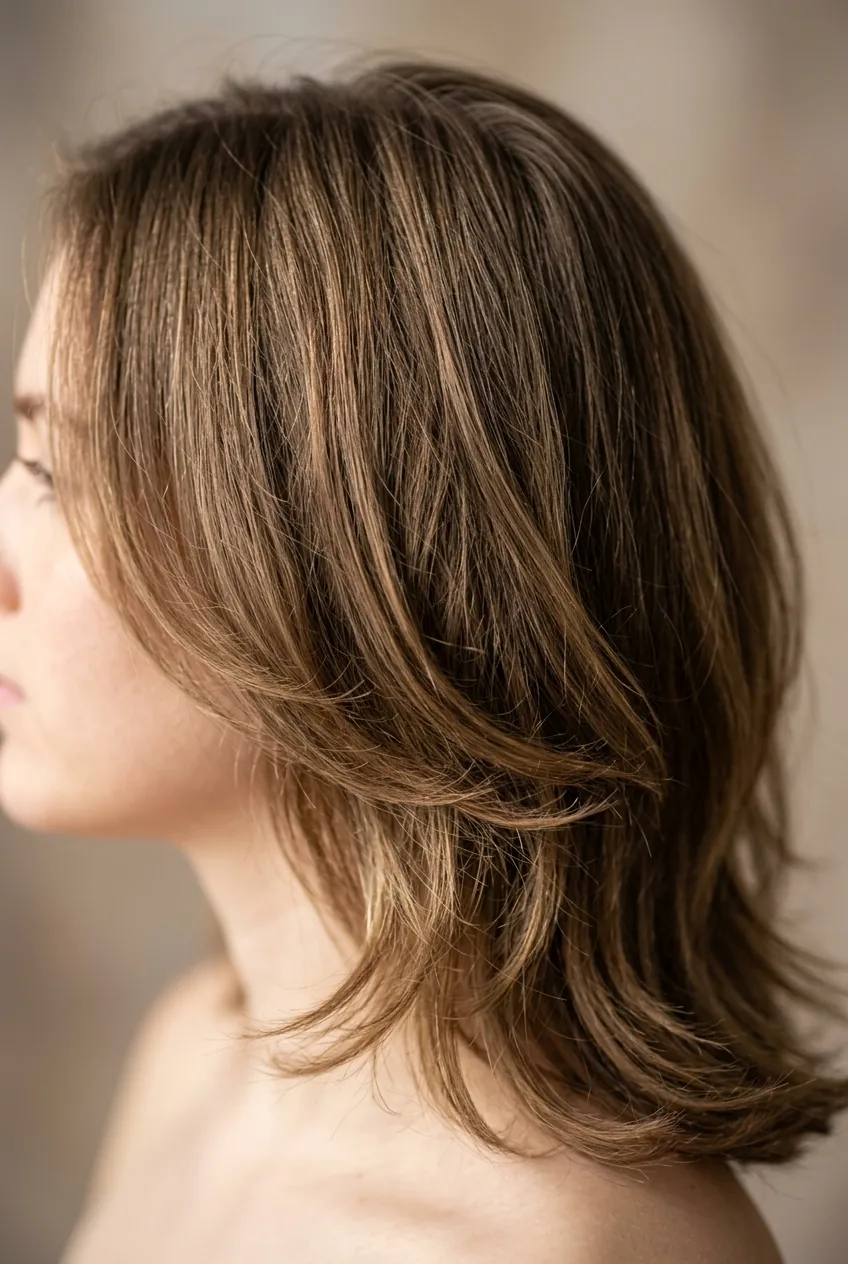
The biggest surprise? Soft layers changed how I had to style my hair. My usual routine of scrunching with mousse created too much texture. The layers looked better with lighter products and less manipulation. It was like learning to work with a completely different hair type.
I also tested different parting styles, and soft layers are surprisingly picky about this. Center parts showed off the layering beautifully. Side parts sometimes created an unbalanced look where one side appeared fuller than the other. These are the details nobody warns you about.
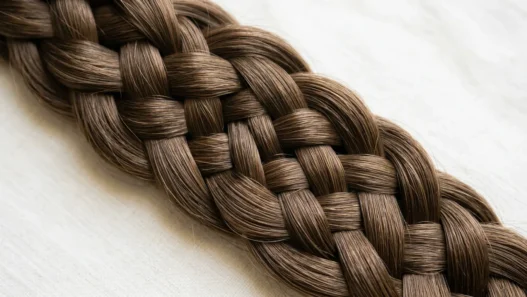
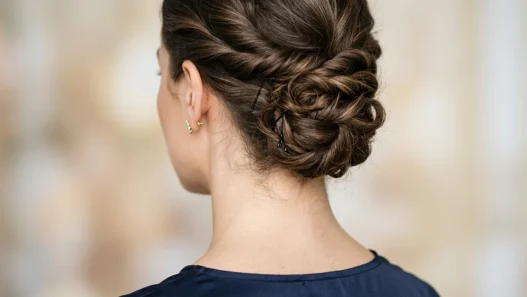
If you’re thinking about trying elegant formal updos, soft layers actually make certain styles easier. The graduated lengths create natural volume and texture that works beautifully in twisted or braided looks.
Watch the Technique in Action
The Maintenance Reality Check
Let’s talk about what nobody mentions when they’re selling you on soft layers: the upkeep. This isn’t a cut-it-once-and-forget-it situation.
Soft layers need refreshing every 8-10 weeks, not the typical 12-16 weeks you might go between cuts. The graduation is so subtle that when it grows out, it quickly loses its intentional look. Those beautifully blended layers start to separate into distinct chunks.
The styling commitment is real too. Soft layers look amazing when they’re styled properly, but they can look messy or unkempt if you’re having a lazy hair day. Unlike pixie cuts that often look great with minimal effort, soft layers demand some attention.
I spent more on hair products in my first six months with soft layers than I had in the previous year. The layers needed specific products to enhance their movement without weighing them down. Mousse became my enemy. Lightweight oils became essential.
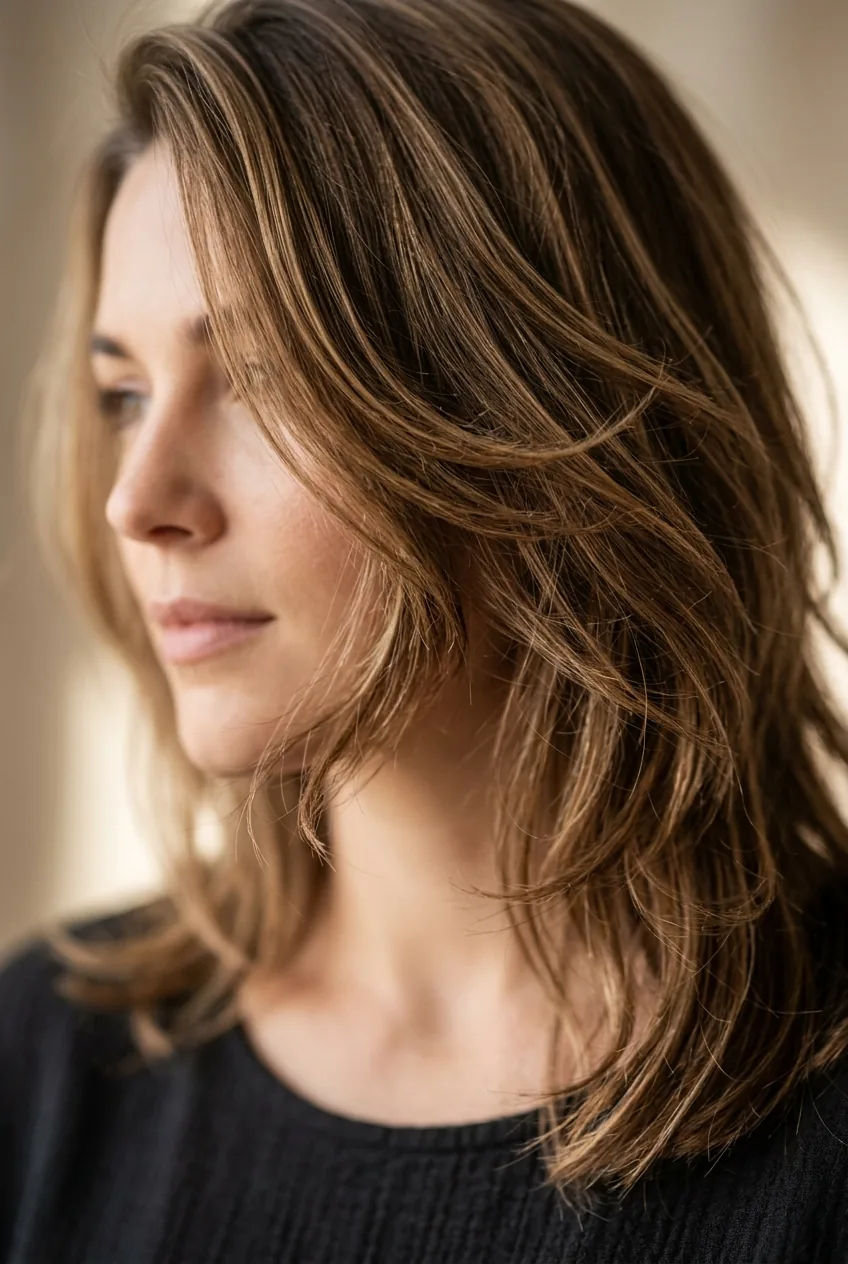
Here’s the honest truth: soft layers are high-maintenance disguised as effortless. They require the right stylist, the right products, the right styling technique, and regular appointments. But when everything aligns? They’re absolutely worth it.
Proper maintenance techniques can extend the life of your layers and keep them looking intentional rather than grown-out.
The investment pays off if you’re someone who enjoys styling your hair and doesn’t mind the upkeep. But if you’re looking for a low-maintenance cut, soft layers probably aren’t your answer, despite what the Pinterest boards suggest.
Questions I Get About Soft Layers
Can you get soft layers on curly hair?
Yes, but it’s tricky. The key is finding a stylist who specializes in curly cuts and understands how curls will spring up after cutting. Soft layers on curly hair often work better when they’re more subtle than on straight hair.
How much do soft layers typically cost?
Expect to pay 20-30% more than a standard cut because of the time and skill required. In major cities, you’re looking at $150-300+. The technique takes longer and requires an experienced stylist.
Will soft layers make thin hair look thicker?
Sometimes, but not always. Soft layers can create the illusion of movement and body, but they also remove weight. On very fine hair, they might actually make it look thinner. Discuss your hair density with your stylist first.
How long do I need to wait between soft layer touch-ups?
Every 8-10 weeks for the best results. You can stretch it to 12 weeks if you’re skilled with styling, but beyond that, the layers start looking grown-out rather than intentional.
Soft layers aren’t magic, but they’re close when done right. After all my experimentation, I’m convinced they’re one of the most sophisticated cutting techniques in hairstyling. The key is understanding whether they’re right for your hair type, face shape, and lifestyle before you take the plunge. When everything aligns, they create that effortless, expensive-looking hair that makes people ask where you get your hair done.