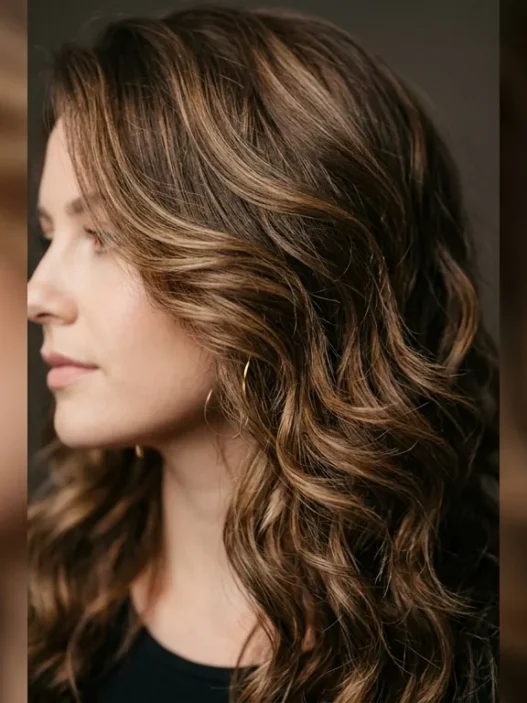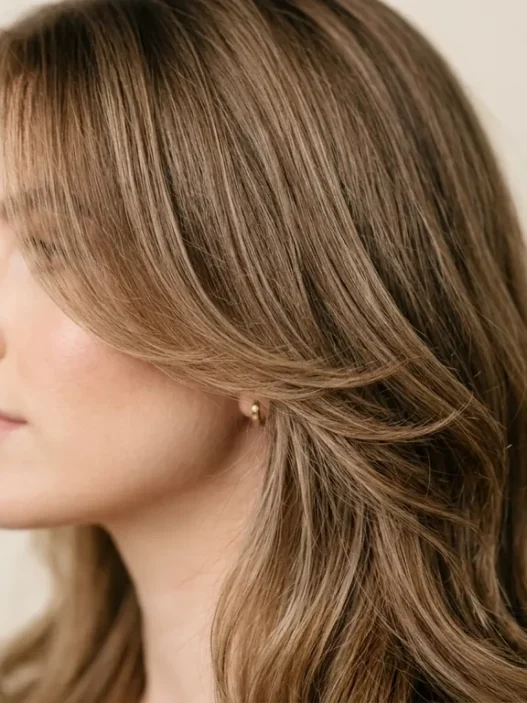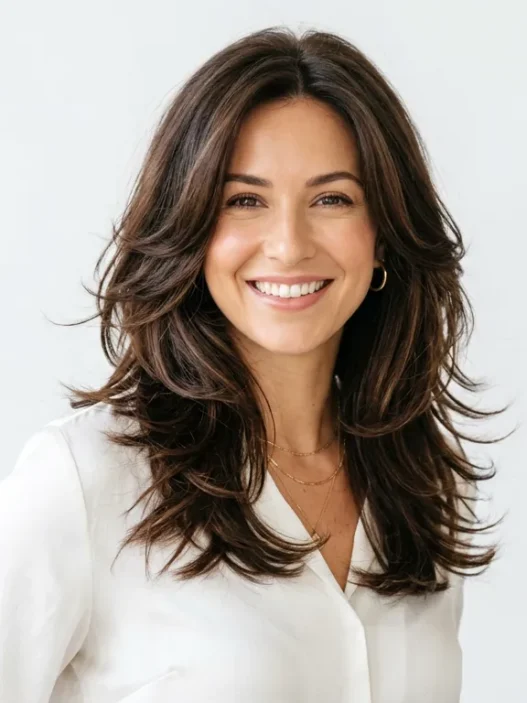









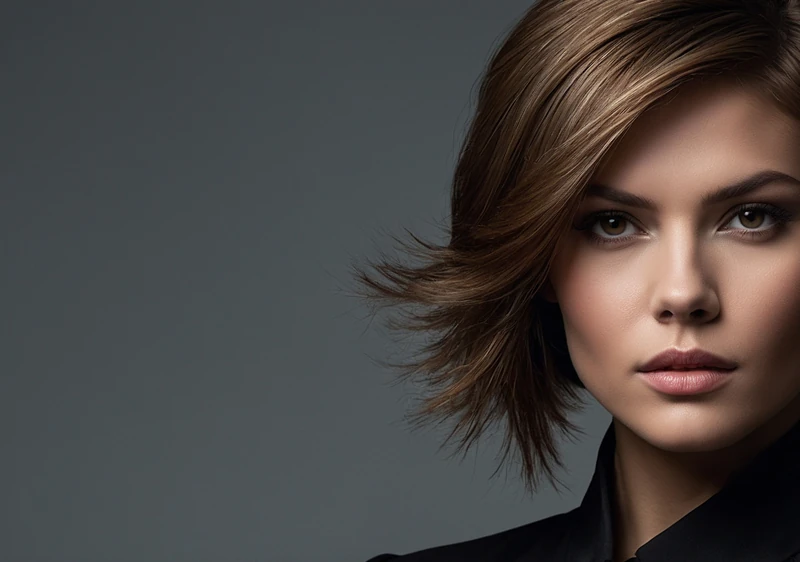

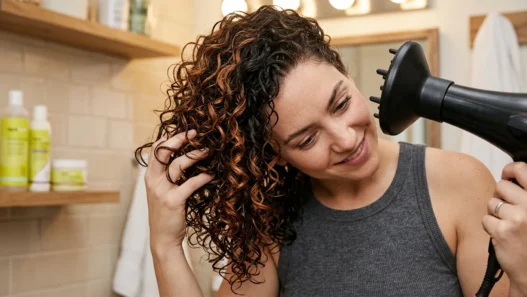


I’ll be honest — when I first saw the 70s shaggy haircut making rounds on my Instagram feed last year, I rolled my eyes. Another “vintage” trend that would be gone in three months, right? But here I am twelve months later, and I just booked my own shag appointment for next week. Sometimes the internet knows what it’s doing.
What Changed in the Last Two Years
The shift happened so gradually that most people missed it. In 2022, we were still obsessing over butterfly haircuts and perfectly bouncy blowouts. But something was brewing in the background — people were getting tired of the maintenance.

Then TikTok happened. Not the app itself, but the way it completely changed our relationship with “effortless” beauty. Suddenly everyone wanted hair that looked good without trying, that moved naturally, that didn’t require an hour of styling every morning.
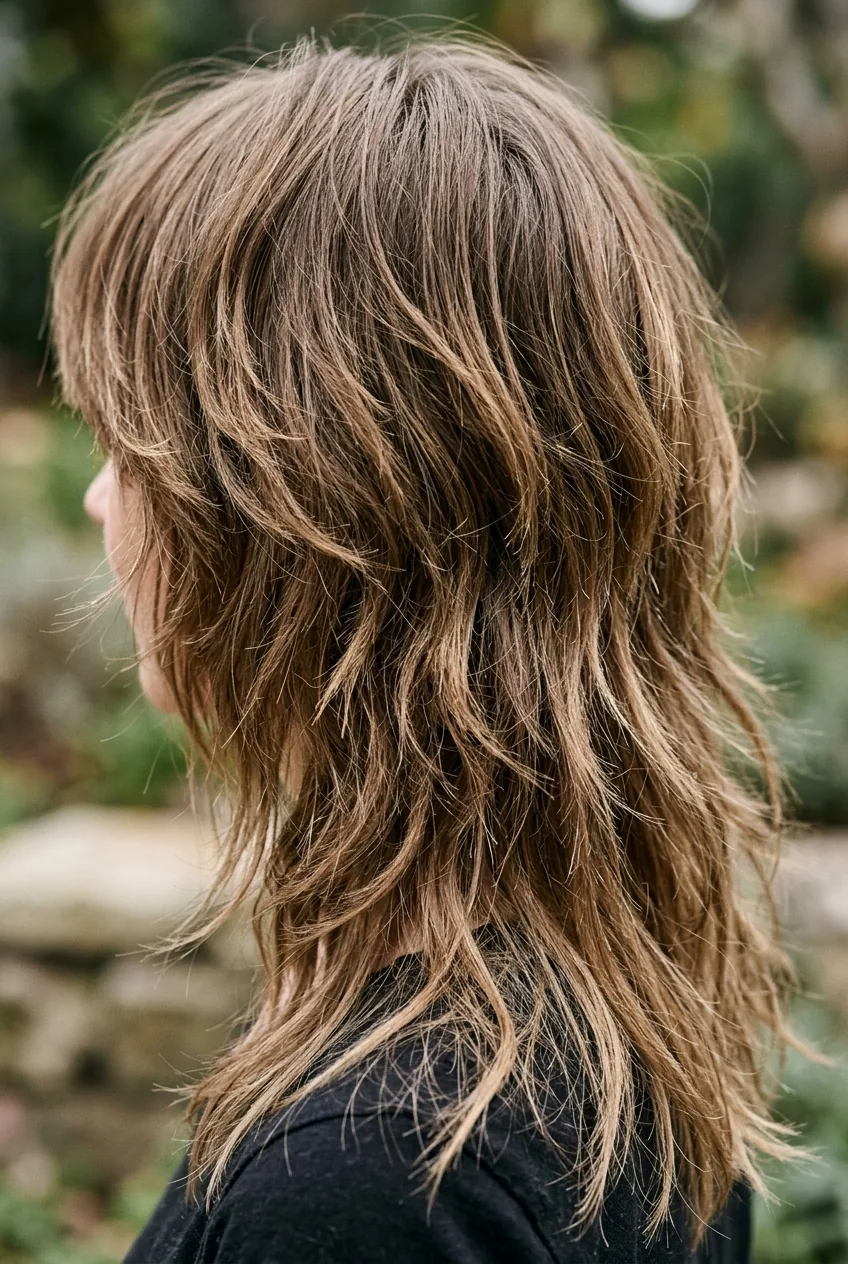
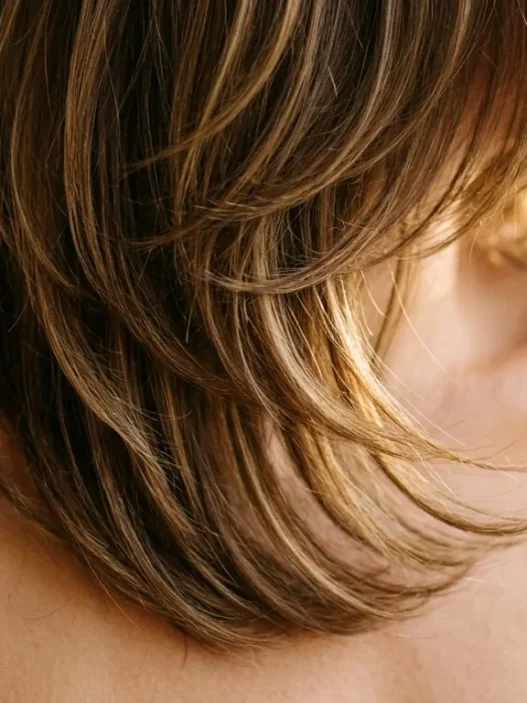
The 70s shaggy haircut was perfectly positioned for this moment. It’s literally designed to look like you woke up that way — even though there’s serious technique behind those layers.
Who’s Actually Driving This Comeback
Here’s where it gets interesting. This isn’t being driven by the usual celebrity suspects or high-end salon influencers. The 70s shag renaissance started with Gen Z, but not in the way you’d expect.
It started with vintage hair accounts on Instagram, where young stylists were digging through old fashion magazines and recreating looks that felt completely fresh again. They weren’t trying to be retro — they were trying to solve modern hair problems with forgotten techniques.

What really accelerated things was when working parents started requesting these cuts. Think about it: you need something that air-dries well, doesn’t require daily styling, but still looks intentional. The shag checks every box.
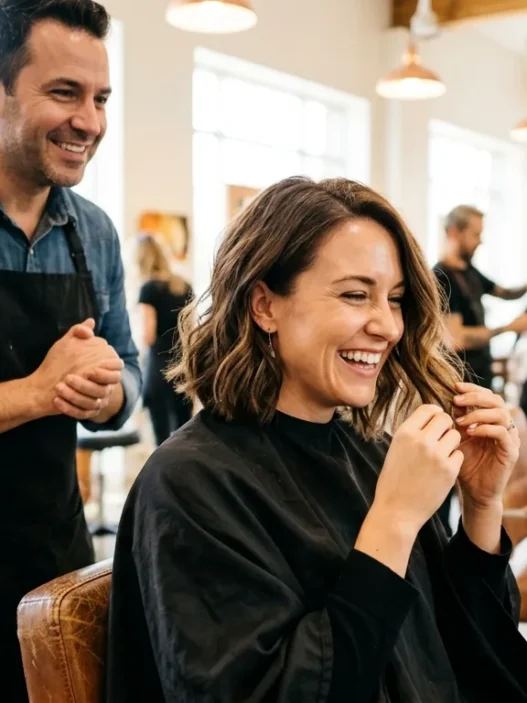
Now everyone from college students to executives in their forties are asking for “that 70s shag thing” at salons. My stylist says it’s her most requested cut right now.
The Modern Shag vs the Original
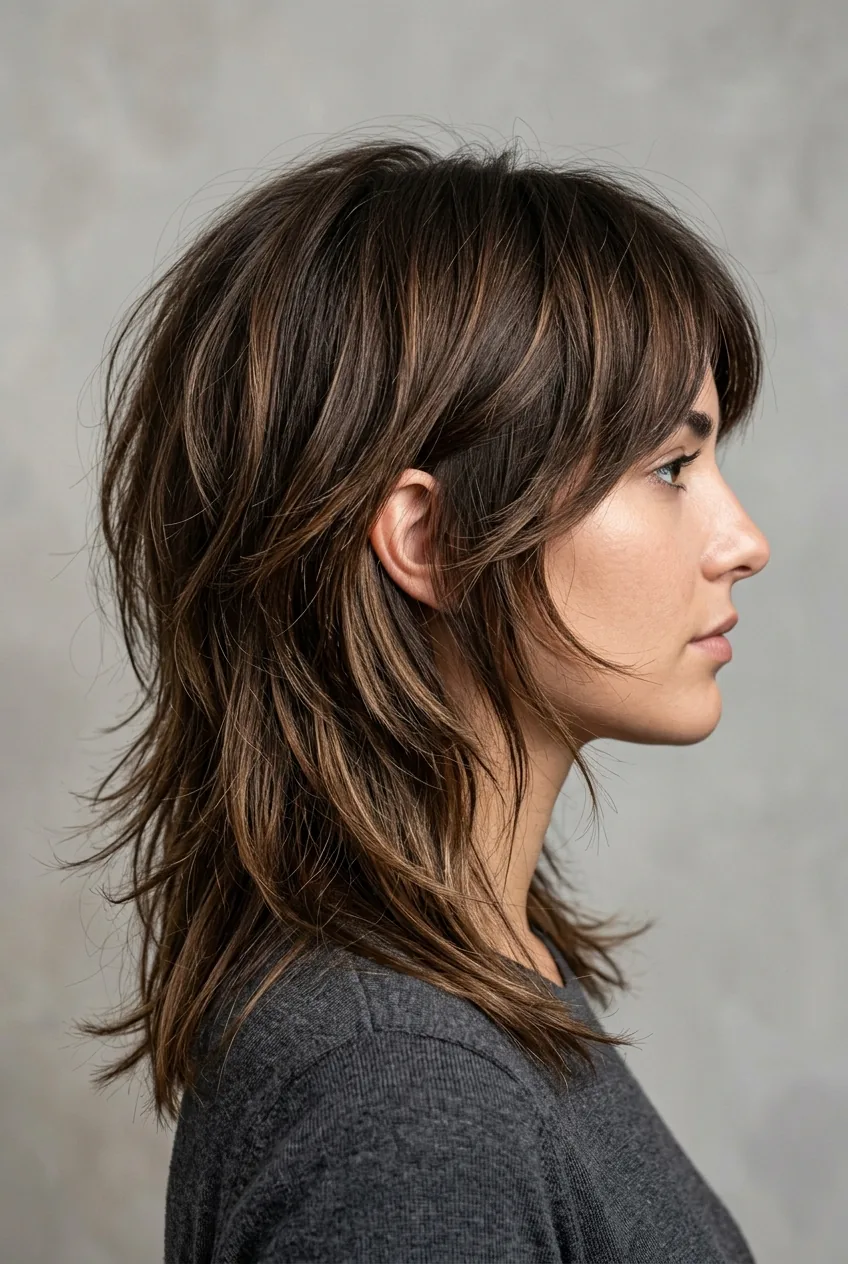
What stayed the same:
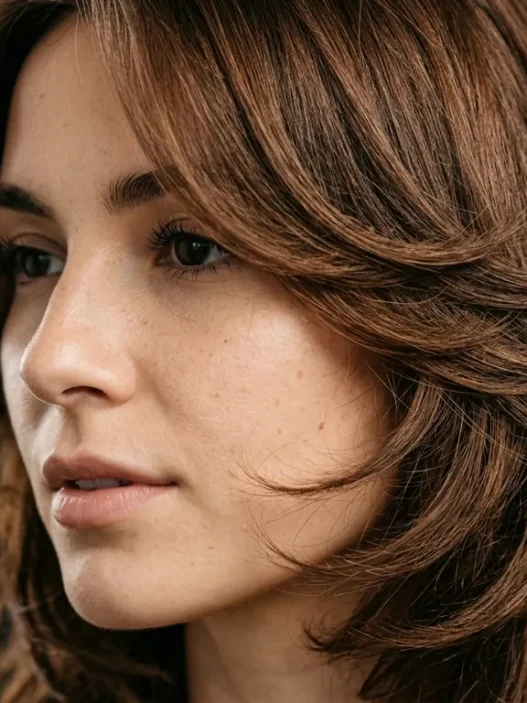
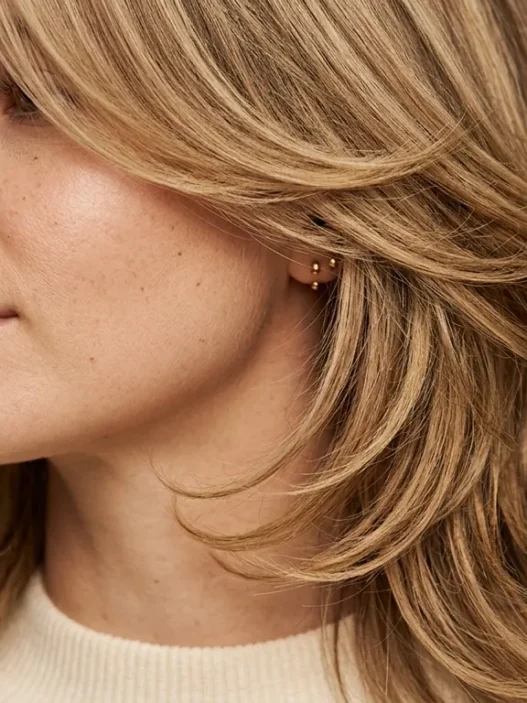
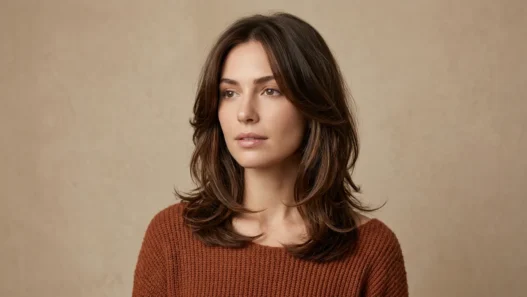
- Face-framing layers that start around the cheekbones
- Lots of texture and movement
- That slightly undone, lived-in feeling
- Works best with natural texture rather than fighting it
What’s different now:
- Less dramatic layering — we’re not doing the full Farrah Fawcett anymore
- More customization for different face shapes and hair types
- Better understanding of how to make it work with modern styling tools (and minimal time)
- Integration with other trending techniques like balayage and lived-in color
The biggest difference? Today’s shags are designed to work with your lifestyle, not against it. The original 70s version required specific products and techniques that most people didn’t have access to. Now stylists know how to cut it so it looks good with whatever routine you actually have.
See the Technique in Action
Why It Works So Well Right Now
We’re living through what I call the “authenticity exhaustion” era. People are tired of Instagram-perfect everything. Hair that moves naturally feels revolutionary when you’ve been heat-styling your life away for the past decade.
But there’s something deeper happening. The 70s shaggy haircut represents a rejection of the high-maintenance beauty standards that dominated the 2010s. It’s saying “I want to look good, but I also want to have a life.”
Plus — and this is crucial — it actually works with the texture most people naturally have. Whether you’ve got waves, slight bends, or that weird combination of straight and curly that defies categorization, the shag can work with it instead of requiring you to change it.

I think there’s also something powerful about choosing a hairstyle that was originally associated with rebellion and independence. In 2024, when everything feels controlled and curated, there’s something appealing about hair that refuses to be tamed.
Where This Trend Is Going Next
Here’s my prediction: the 70s shag isn’t going anywhere for at least another two years. But it’s going to evolve.
I’m already seeing stylists experiment with “shag hybrids” — cuts that borrow the best elements of the shag but incorporate them into other styles. Modern layering methods are getting more sophisticated, and I think we’ll see even more customized approaches.
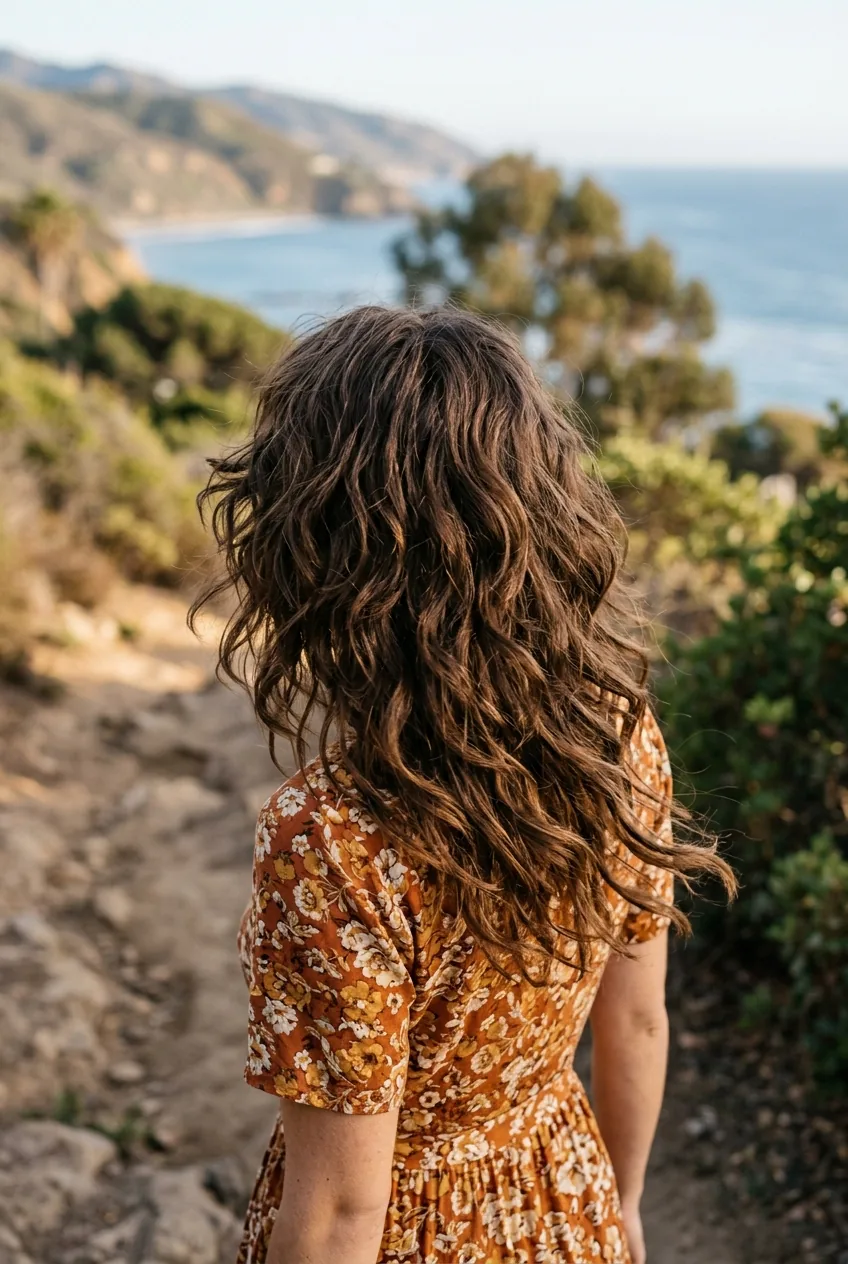
What I don’t think will happen is a sudden return to high-maintenance cuts. The cultural shift toward lower-maintenance beauty feels permanent. The shag might morph, but the underlying desire for hair that looks good without effort isn’t going away.
Watch for shag influences showing up in other cuts too. I’m seeing elements of shag layering in bridesmaid hairstyles and even some formal updos. The technique is becoming part of the general haircutting vocabulary.
Should You Jump on This Bandwagon?
The honest answer? It depends on what you’re trying to solve.
Get a 70s shaggy haircut if you’re tired of spending an hour on your hair every morning, if you want something that looks intentionally messy rather than accidentally messy, or if your natural texture has been fighting against your current cut.
Skip it if you love the precision of a clean, geometric cut, if you have very fine hair that doesn’t hold texture well (though a good stylist can work around this), or if you’re the type of person who needs your hair to look exactly the same every single day.
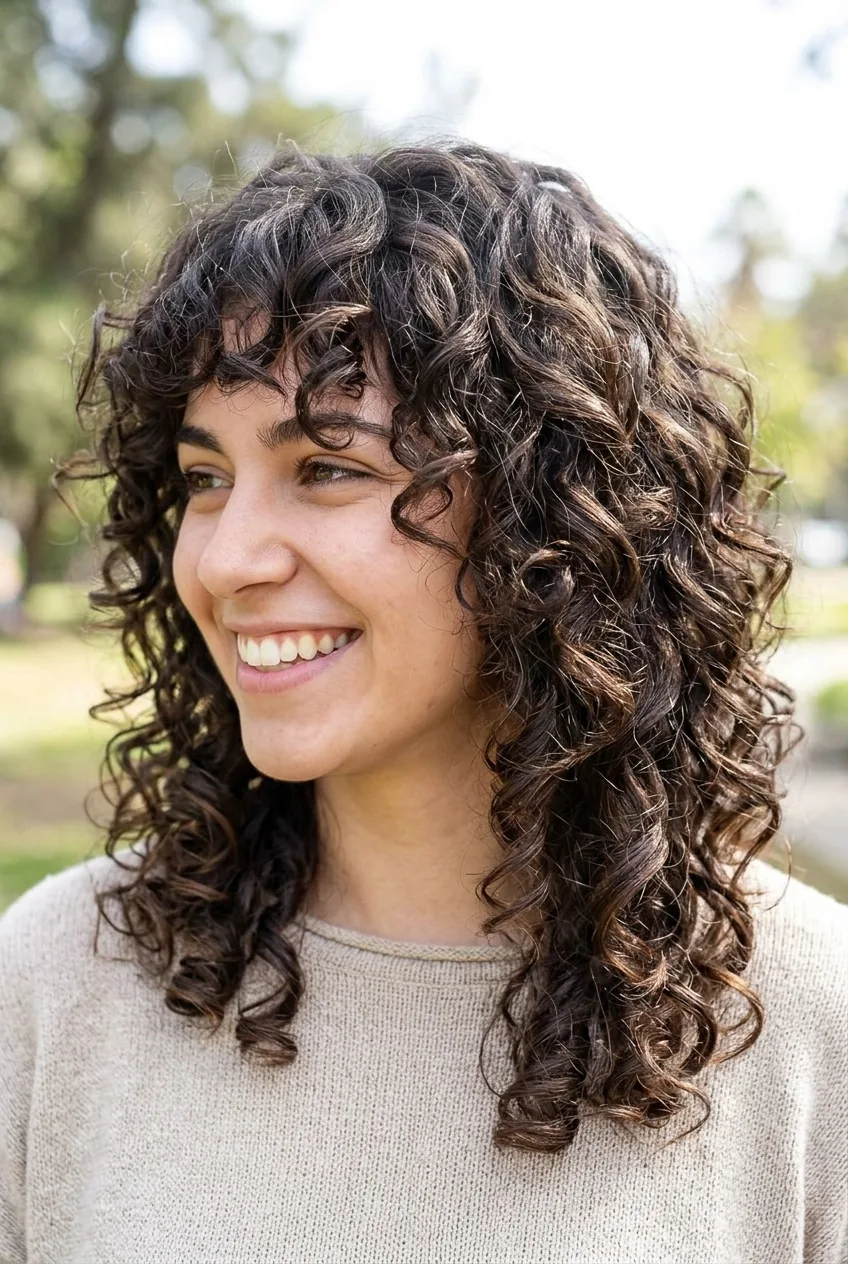
My controversial opinion? I think the shag works better on people over thirty than it does on teenagers. Not because of any age appropriateness thing, but because older hair often has more natural texture and character that the cut can work with. Plus, you’re more likely to appreciate a low-maintenance style at that point in your life.
If you’re thinking about it, my advice is to find a stylist who’s actually done modern shags before. This isn’t a cut you want someone to figure out on your head. Look at their Instagram, ask to see photos of recent shag cuts they’ve done, and be specific about your lifestyle when you talk to them.
Questions I Get About This
Will a shag work with my face shape?
The beauty of the modern shag is that it can be customized for almost any face shape. The key is in how your stylist places the layers and adjusts the length. A good stylist will modify the classic shag proportions to flatter your specific features.
How much styling does it actually require?
When cut properly, a shag should air-dry into something that looks intentional with minimal effort. Most people I know with shags spend maybe 10 minutes maximum doing their hair, usually just scrunching in some texture product while it’s damp.
How often do I need to get it cut?
Every 8-10 weeks to maintain the shape, but honestly, shags look good grown out too. It’s one of the most forgiving cuts as it grows — the slightly messy nature means it doesn’t look “off” between appointments.
Can I still put it up in a ponytail?
Yes, but it won’t be a sleek ponytail. You’ll have pieces falling out, which is actually part of the appeal. It creates that effortless, slightly undone look that people pay good money for.
The 70s shaggy haircut isn’t just having a moment — it’s having the moment it deserves. Sometimes trends come back because we finally have the tools and knowledge to do them right. This feels like one of those times.