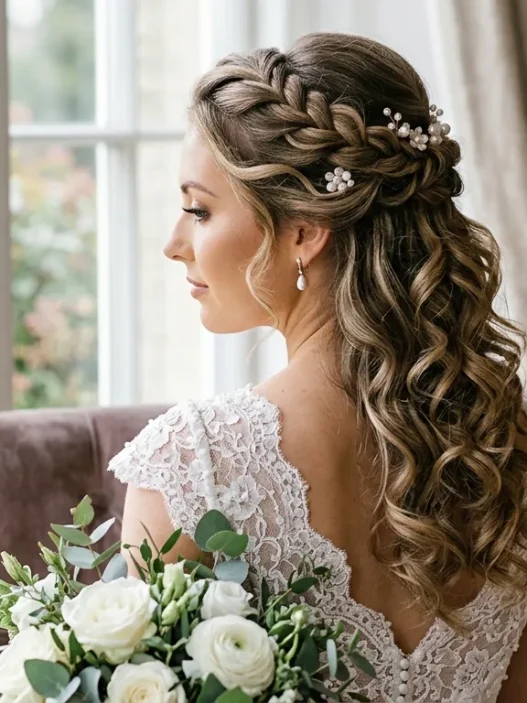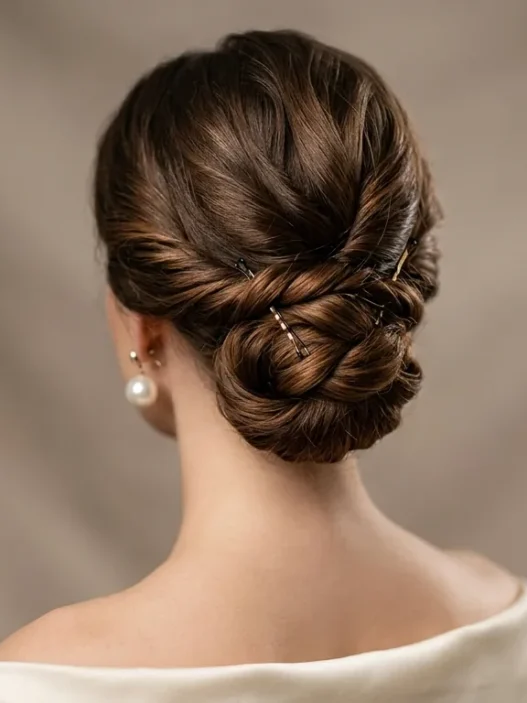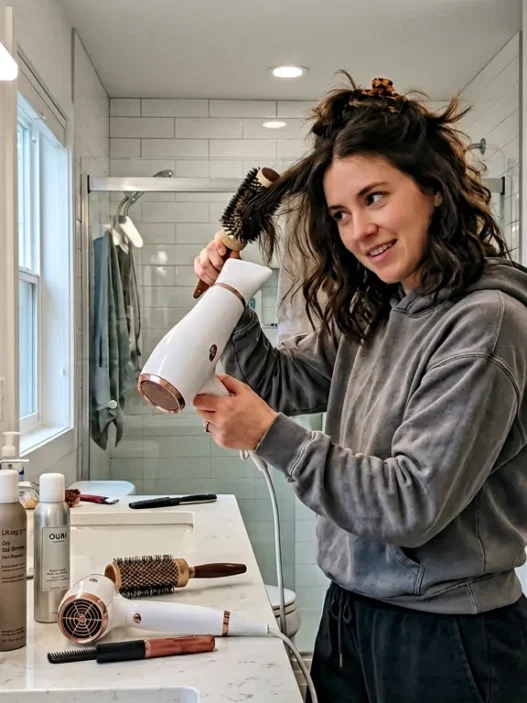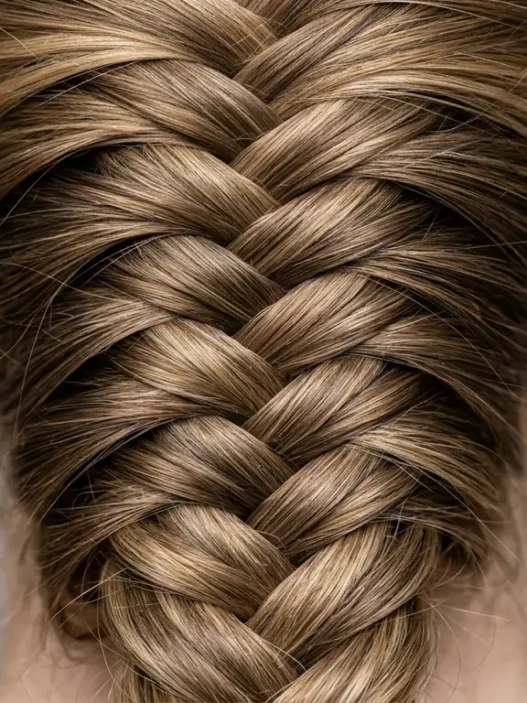







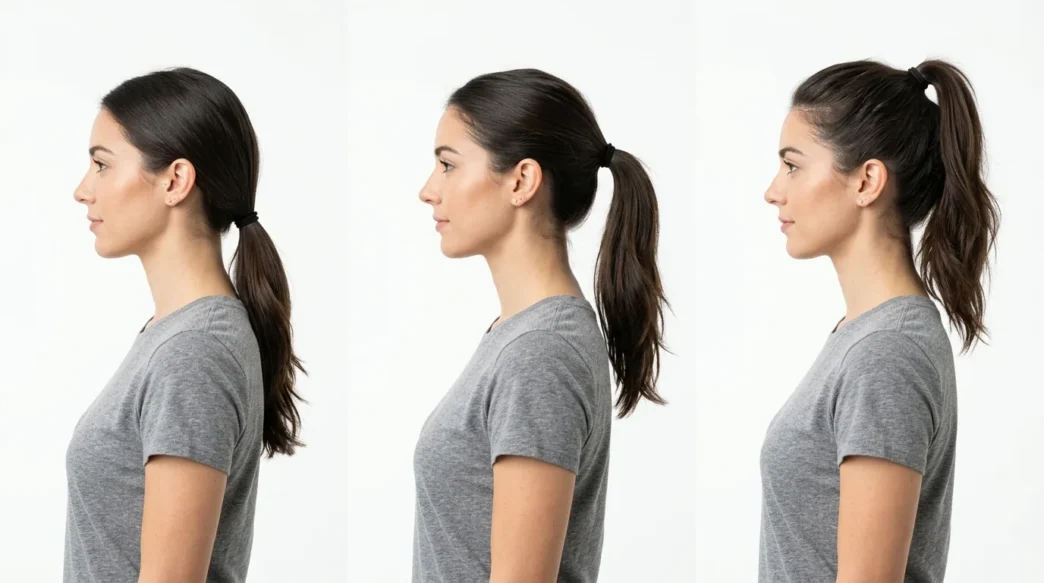
I used to think ponytails were just something you threw your hair into when you were running late. Then I started paying attention to how different women wore theirs, and I realized I’d been doing it all wrong. The height, the texture, the way you secure it — everything matters when you’re working with long hair.
What We’ll Cover Today
What You’ll Need
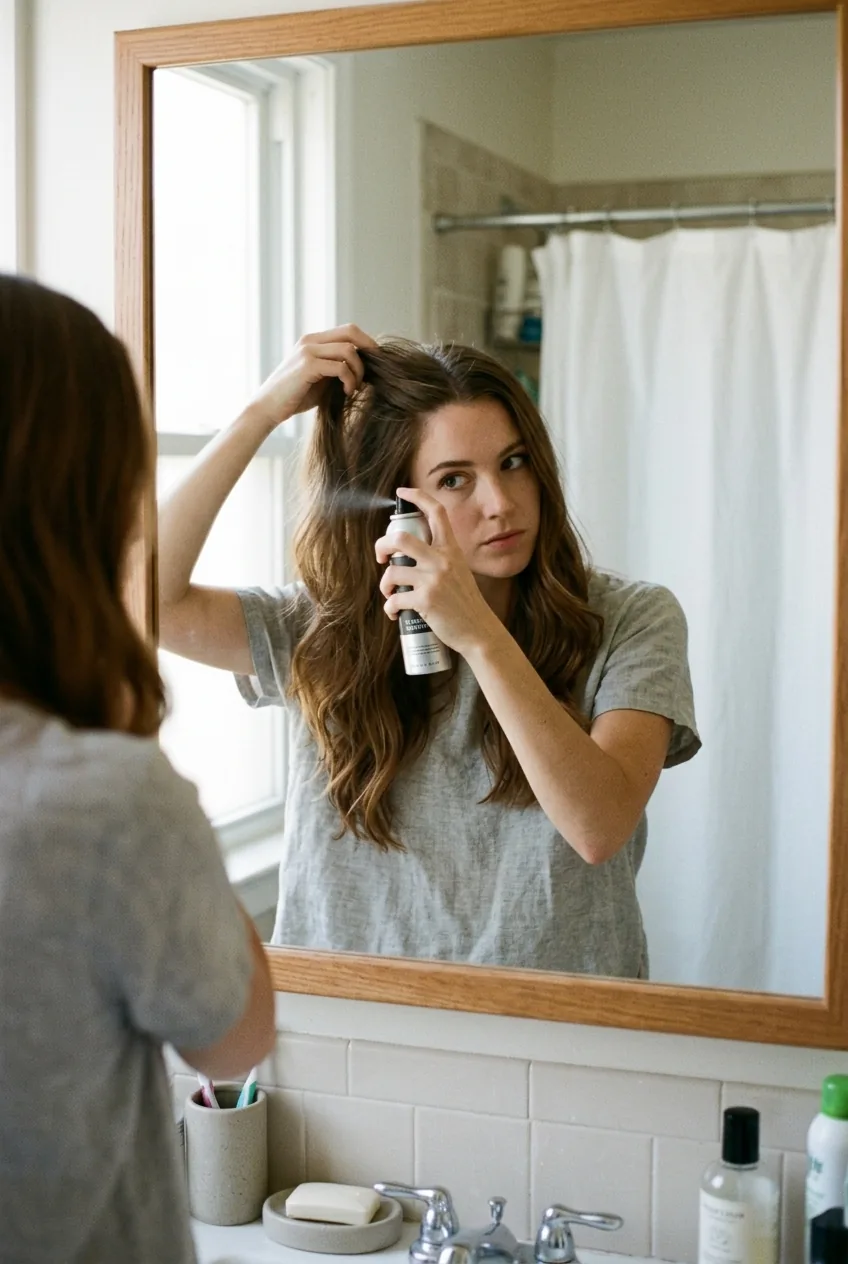
Before we dive in, let’s talk tools. I learned the hard way that the right supplies make or break this look:
- Hair elastic (clear or matching your hair color)
- Bobby pins — lots of them
- Fine-tooth comb for precision
- Wide-tooth comb for detangling
- Texturizing spray or dry shampoo
- Light-hold hairspray
- Small hair tie (backup)
- Hair brush with natural bristles
And here’s something I wish someone had told me earlier — work with slightly dirty hair. Day-old hair has more grip and holds styles better than freshly washed hair.
The Planning Phase
This isn’t just about throwing your hair up. The planning phase determines whether you’ll have a polished updo or something that looks thrown together. I start by considering my face shape and the occasion.
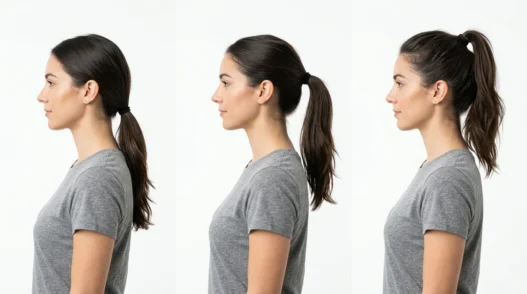
High ponytails work beautifully for elongating the neck and creating drama. They’re perfect for evening events or when you want to look put-together. Mid-height ponytails — positioned around ear level — are my go-to for everyday elegance. They’re flattering on almost everyone and work for both casual and professional settings.
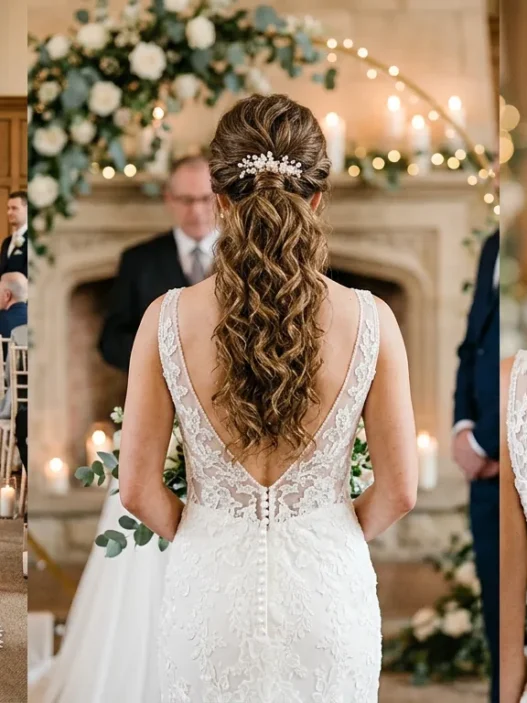
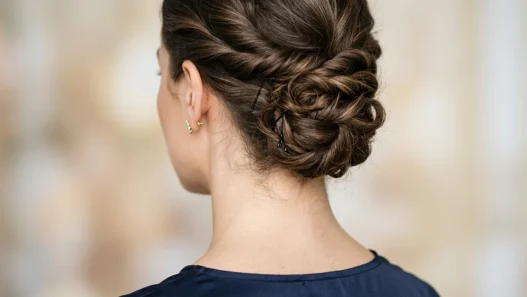
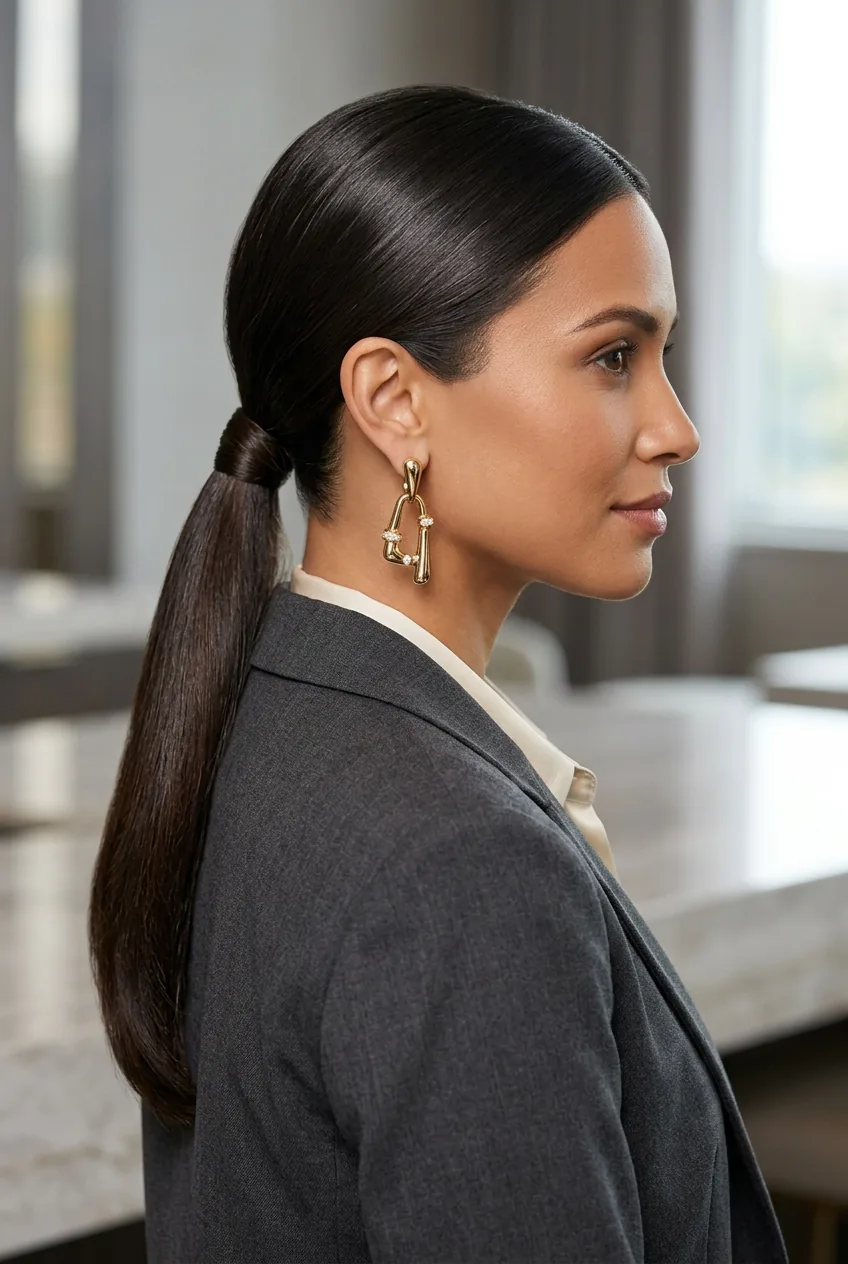
Low ponytails sit at the nape of your neck. They’re sophisticated and romantic, especially when you add some texture. I love these for festive updos because they feel special without being overdone.
Consider your hair’s natural texture too. Fine hair benefits from texturizing products before you start. Thick hair might need sectioning to manage the bulk. And if you have layers, embrace them — they add movement and interest to any ponytail style.
The Foundation Work
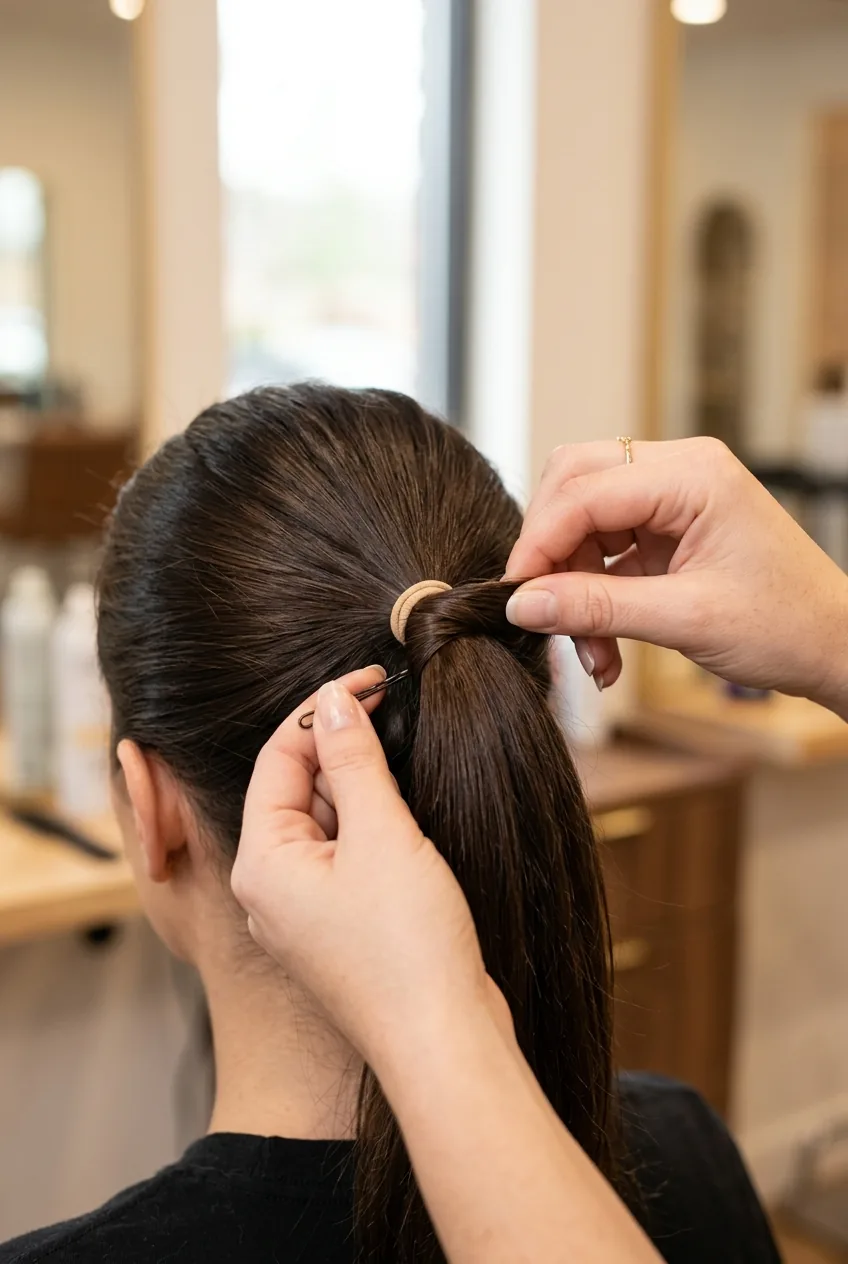
Here’s where most people rush, and it shows in the final result. The foundation determines how long your style will last and how polished it looks.
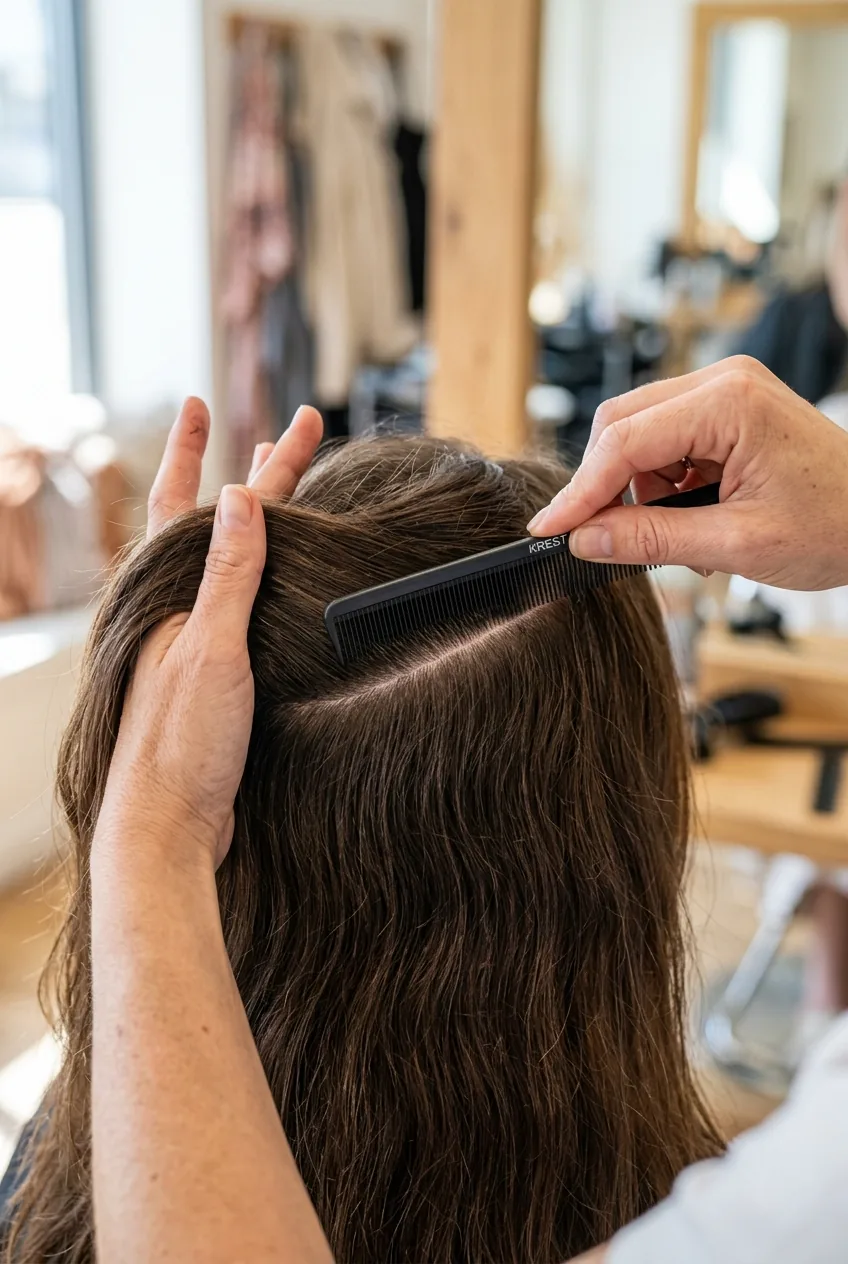
Start with completely detangled hair. I use a wide-tooth comb first, then switch to a finer comb for smoothness. Work from the ends up to avoid breakage — something I learned after one too many painful detangling sessions.
Apply your texturizing spray or dry shampoo at the roots. This step is crucial for long hairstyles with fine hair — it creates grip and prevents the style from sliding down throughout the day.
Now comes the sectioning. For a high ponytail, I gather everything from the crown to the temples. The key is creating a smooth line from your hairline to the elastic. Use your brush to sweep any bumps, but don’t make it too tight — you want some natural volume.
I used to pull so tight that I’d get headaches within an hour. Learn from my mistake — secure but comfortable is the sweet spot. Your scalp will thank you.
For mid-height ponytails, position the elastic at your ear level. This placement is incredibly flattering because it balances your proportions. And for low ponytails, aim for the nape of your neck — just above where your neck meets your shoulders.
Building Height and Volume
This is where ponytails transform from basic to stunning. Volume and height add drama and sophistication that makes people notice your hair in the best way.
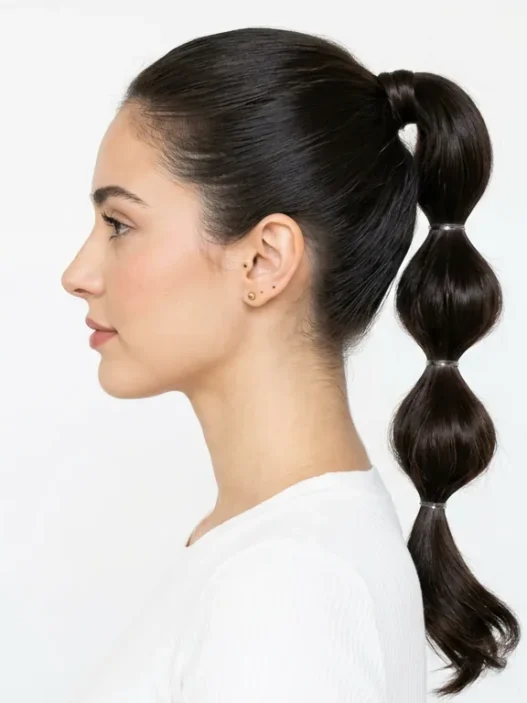
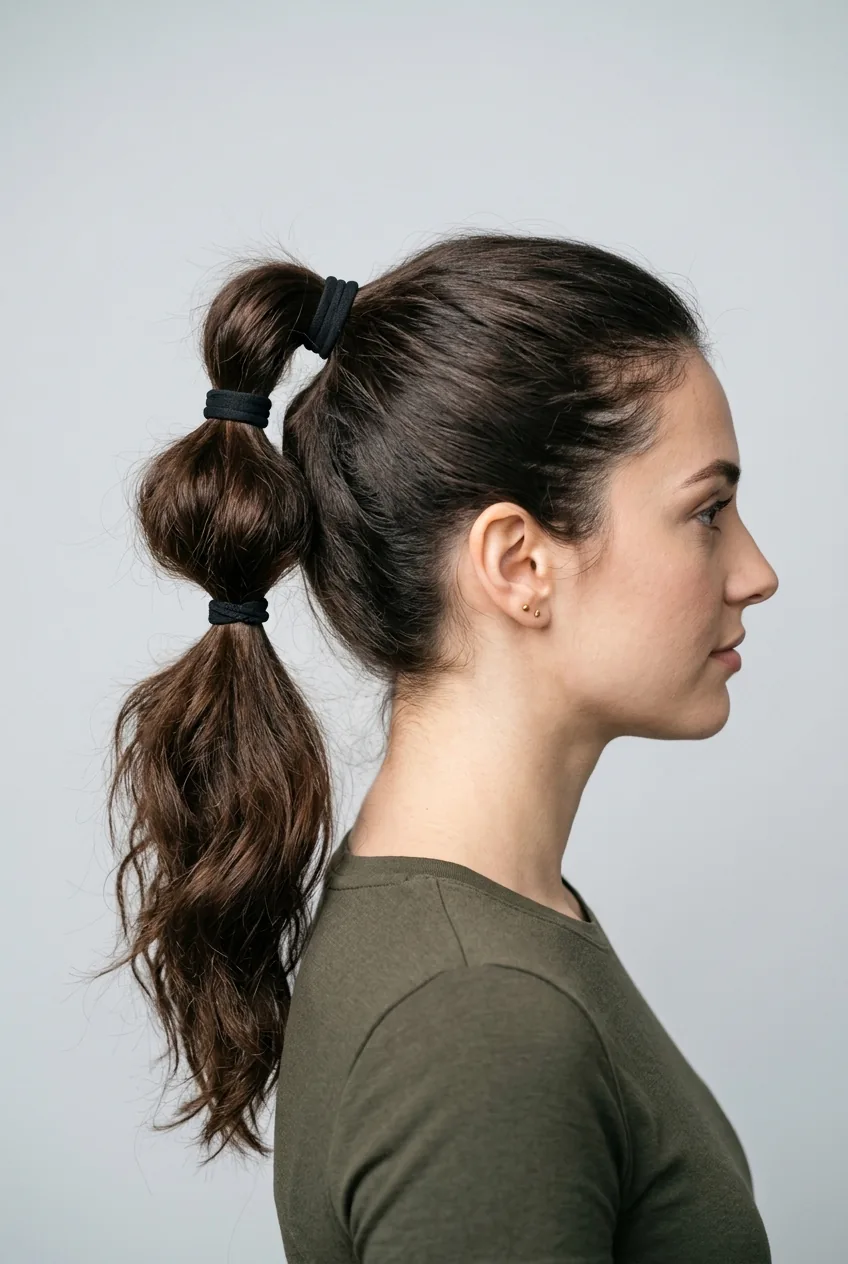
The double-elastic trick changed my life. After securing your initial ponytail, gently tease the hair above the elastic. I use my fingers to lift and separate sections, creating natural-looking volume. Then, add a second elastic about two inches down from the first one.
Here’s the magic — gently pull at the hair between the two elastics. This creates what I call the “balloon effect” — controlled volume that looks intentional. The volume-boosting techniques I learned from professional stylists make all the difference here.
For extra height at the crown, try the “pancake” method. Before securing your ponytail, gently backcomb the hair at your crown. Not aggressive teasing — just enough to create a foundation. Then smooth the top layer over the teased section before gathering into your ponytail.
Bobby pins become your best friend in this phase. Use them to secure any pieces that want to escape and to adjust the shape. I always insert them with the wavy side against my scalp — they grip better that way.
The Finishing Touch
The difference between a good ponytail and a great one often comes down to the final details. This phase is about refining and perfecting what you’ve built.
Take a small section of hair from your ponytail and wrap it around the elastic. This immediately elevates the look from casual to polished. Secure the end with a bobby pin tucked underneath — you want it completely hidden.
Now assess the overall shape. Are there any flyaways? Smooth them with a light mist of hairspray on your brush. Does the height look even? Adjust by gently pulling at sections until you’re happy with the silhouette.
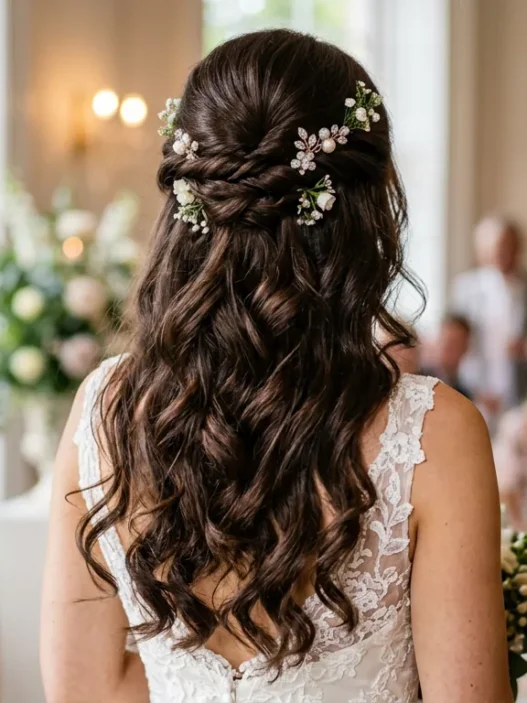
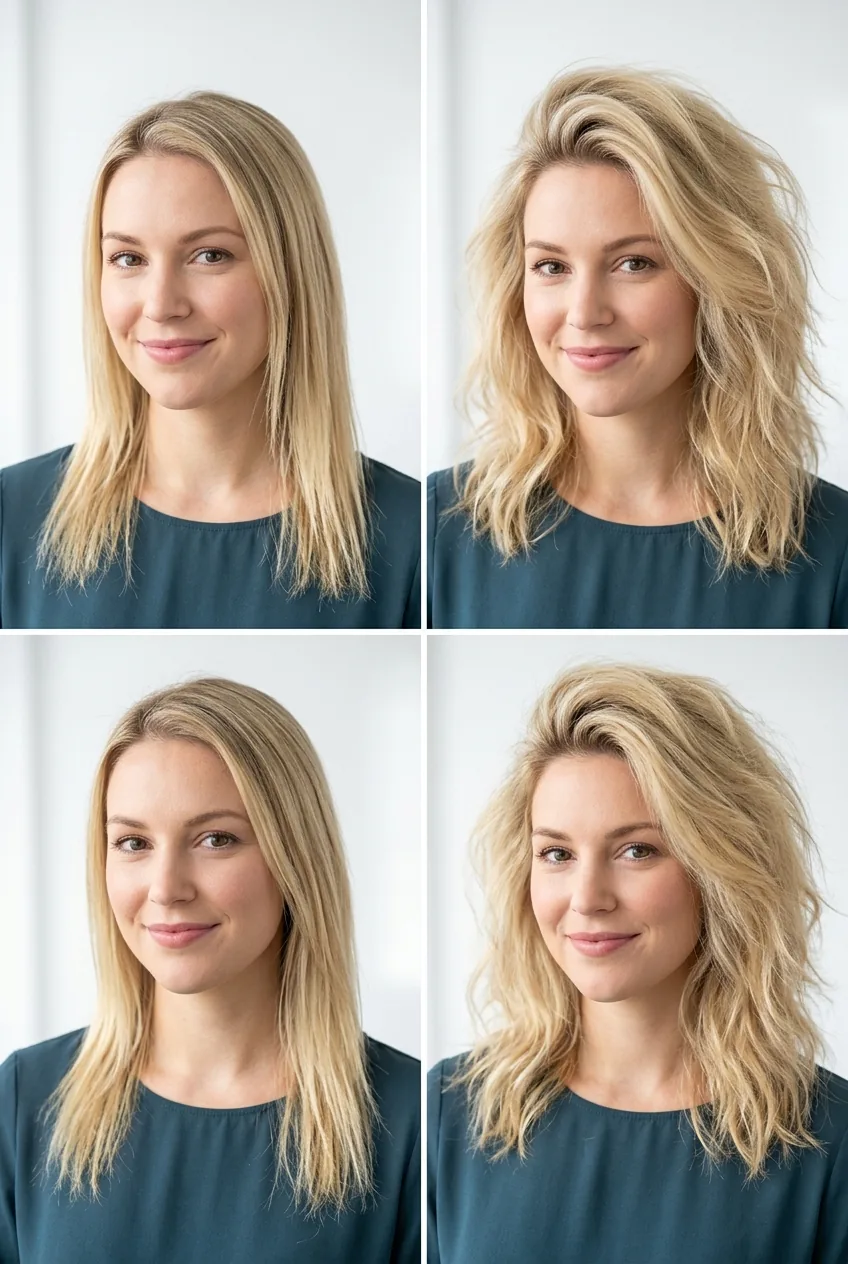
For evening events, I like to add some texture to the length of the ponytail. Loose waves or subtle crimping creates movement and visual interest. But for daytime looks, I often leave it smooth and straight — it feels more polished and professional.
The final hairspray application is crucial but subtle. I hold the can about 12 inches away and give everything a light mist. Too much product makes hair look stiff and unnatural. You want it to hold but still feel touchable.
I once made the mistake of using too much hairspray during a humid summer day. My hair looked like a helmet, and I couldn’t run my fingers through it. Less is definitely more with finishing products.
Consider your accessories too. A statement earring looks incredible with high ponytails because it draws attention to your face. For low ponytails, delicate jewelry works better — you don’t want to compete with the hair.
What People Usually Ask
How long should a ponytail updo last?
With proper preparation and the right products, a well-executed ponytail updo should last 8-12 hours comfortably. I’ve worn mine from morning meetings to evening dinners without major touch-ups.
Can I create volume if my hair is naturally fine?
Absolutely! Fine hair actually holds volume techniques really well once you know the tricks. Use dry shampoo at the roots, try the double-elastic method I mentioned, and don’t skip the light teasing at the crown.
What if my ponytail keeps sliding down?
This usually means your foundation wasn’t secure enough. Make sure you’re using texturizing spray for grip, and don’t be afraid to use bobby pins above the elastic to anchor everything in place.
Should I curl my hair before or after creating the ponytail?
For loose waves throughout, curl before gathering. But if you want texture just in the ponytail length, it’s easier to curl after securing. Both methods work — it depends on the look you’re going for.
After mastering these techniques, I found myself reaching for ponytails way more often. There’s something incredibly satisfying about transforming your everyday hair into something that feels special and put-together. The professional styling methods I picked up along the way made all the difference in achieving that salon-quality finish at home.