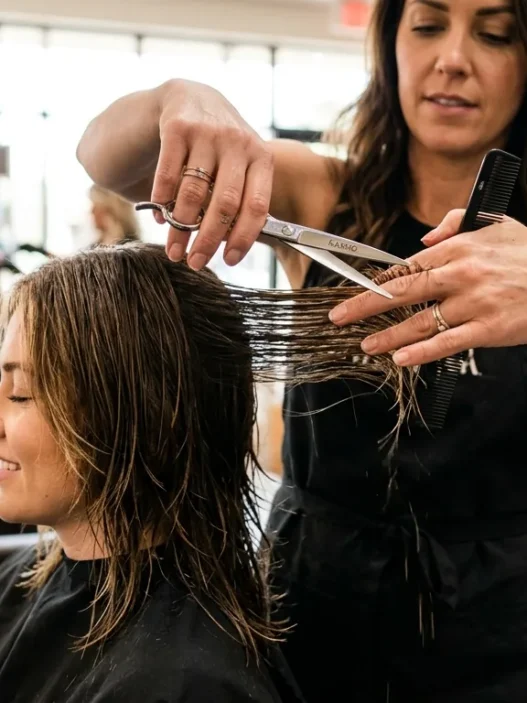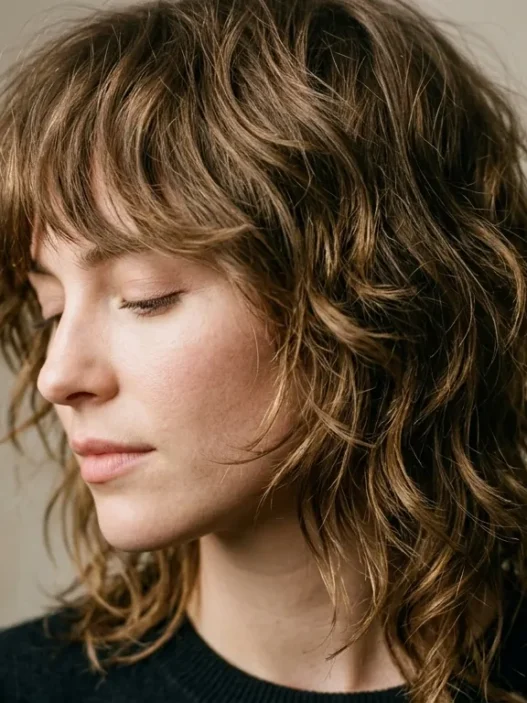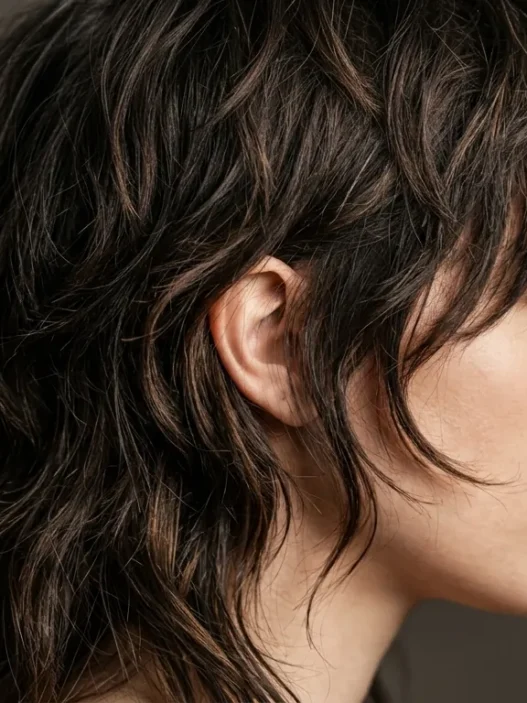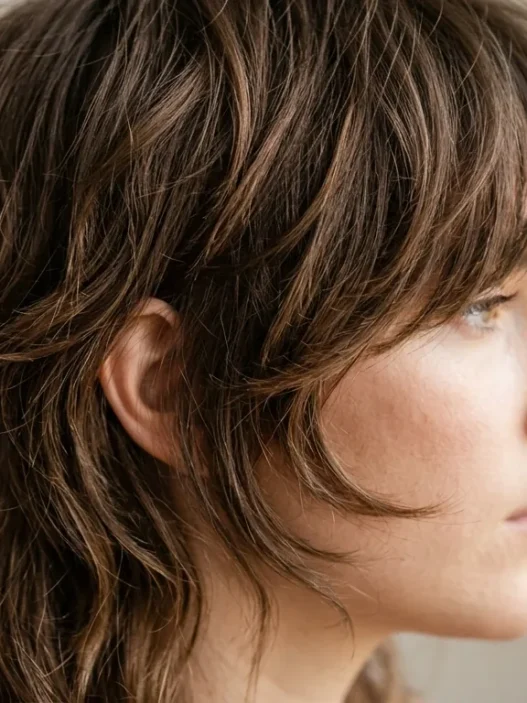










I spent an entire year switching between long layers and short layers, and honestly? I wish someone had told me what I’m about to tell you before I started this hair experiment. My stylist thought I was crazy when I kept coming back every few months asking to completely change my layering approach, but I had to know which one actually delivers on all those Pinterest promises.
Round 1: Styling Time and Effort
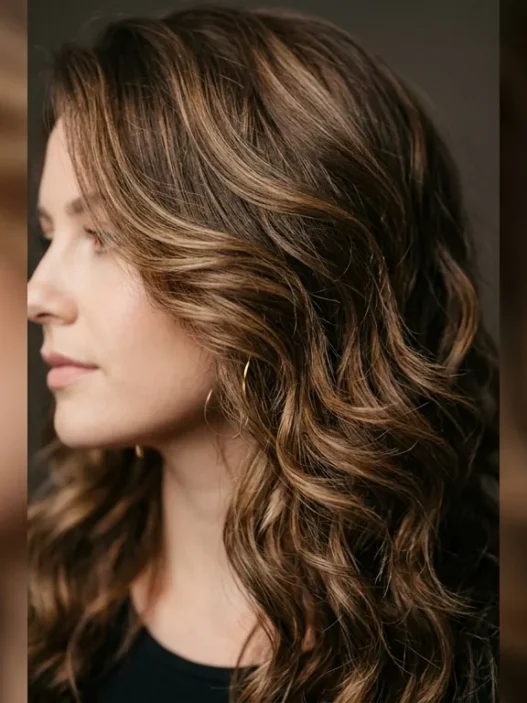
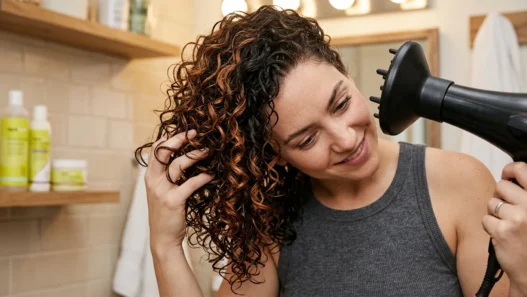
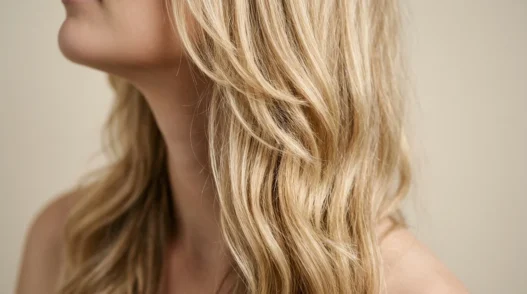
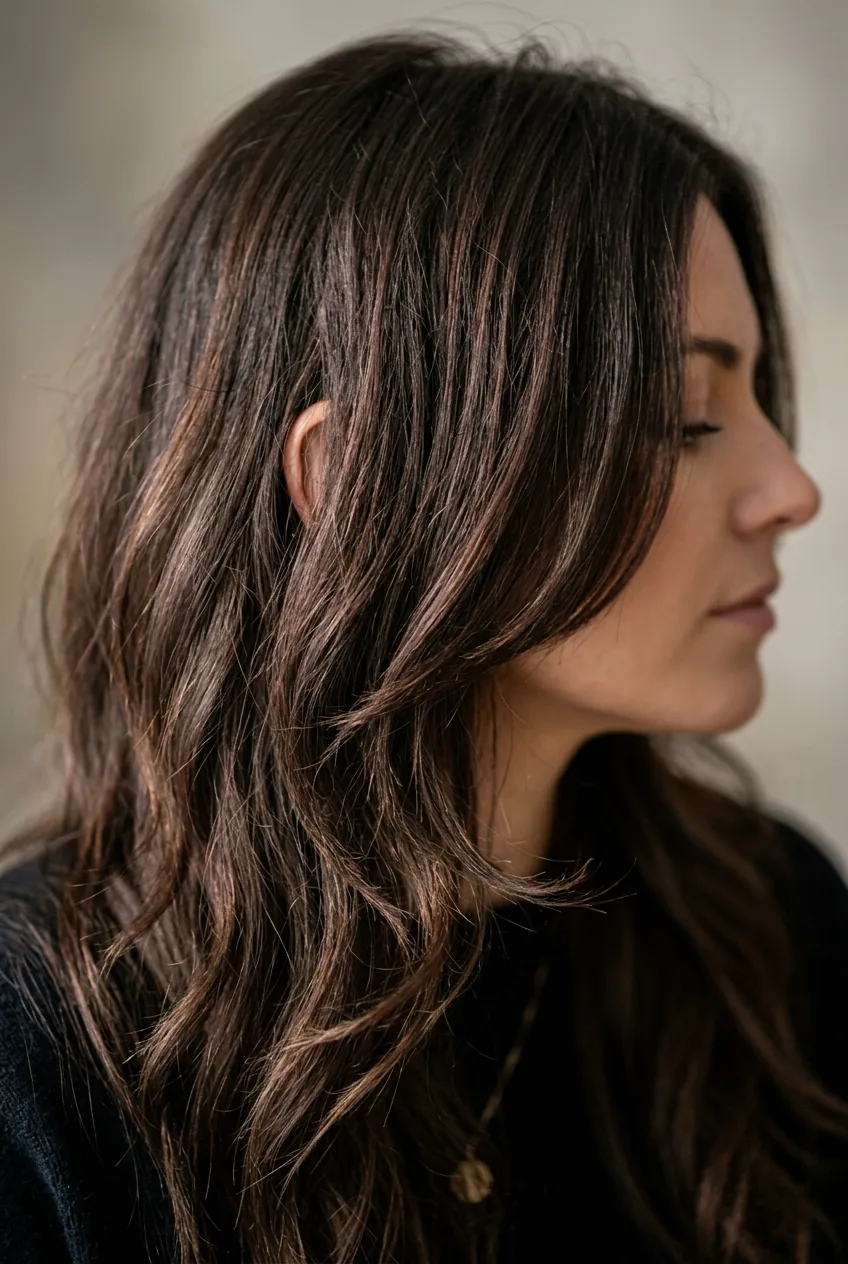
Let’s start with the daily reality check. Long layers are basically the lazy girl’s dream — and I mean that as the highest compliment. When I had longer layers cut into my shoulder-length hair, my morning routine shrunk from 25 minutes to maybe 10. The layers blend so gradually that even when I was having a bad hair day, it still looked intentional.
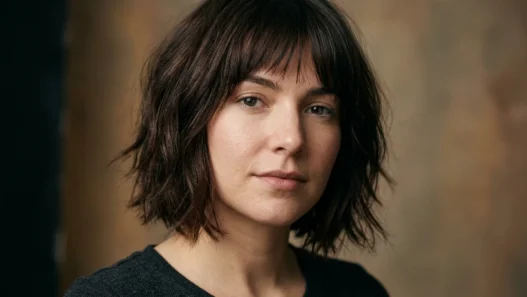
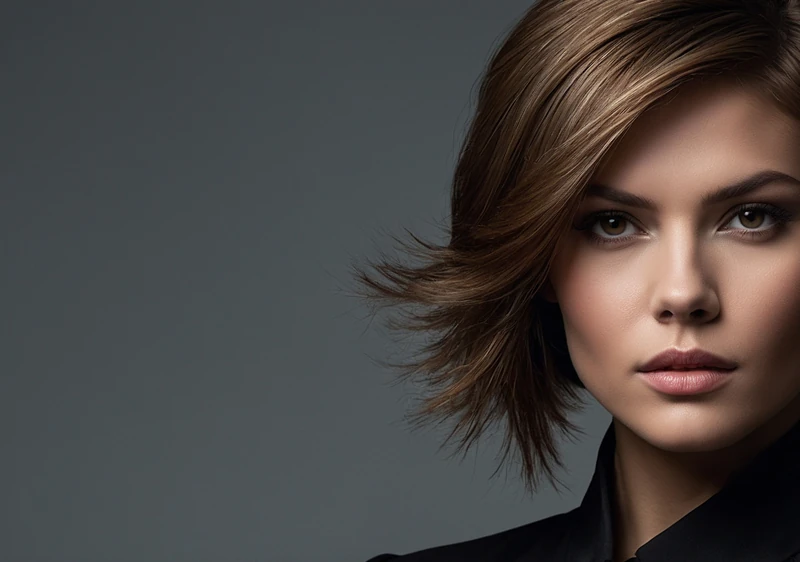
Short layers? They’re drama queens. Beautiful drama queens, but drama queens nonetheless. Every piece wants to do its own thing, which can look amazing when you have time to work with each section. But on those rushed Tuesday mornings? Not so much.
Winner: Long layers take this round hands down.
See the Styling Difference Live
Round 2: Volume and Movement
This is where things get interesting. I always assumed that more layers meant more volume, but that’s not exactly true. Short layers create incredible texture and that piece-y, editorial look that photographs beautifully. When I had short layers, people constantly asked if I’d gotten a blowout.
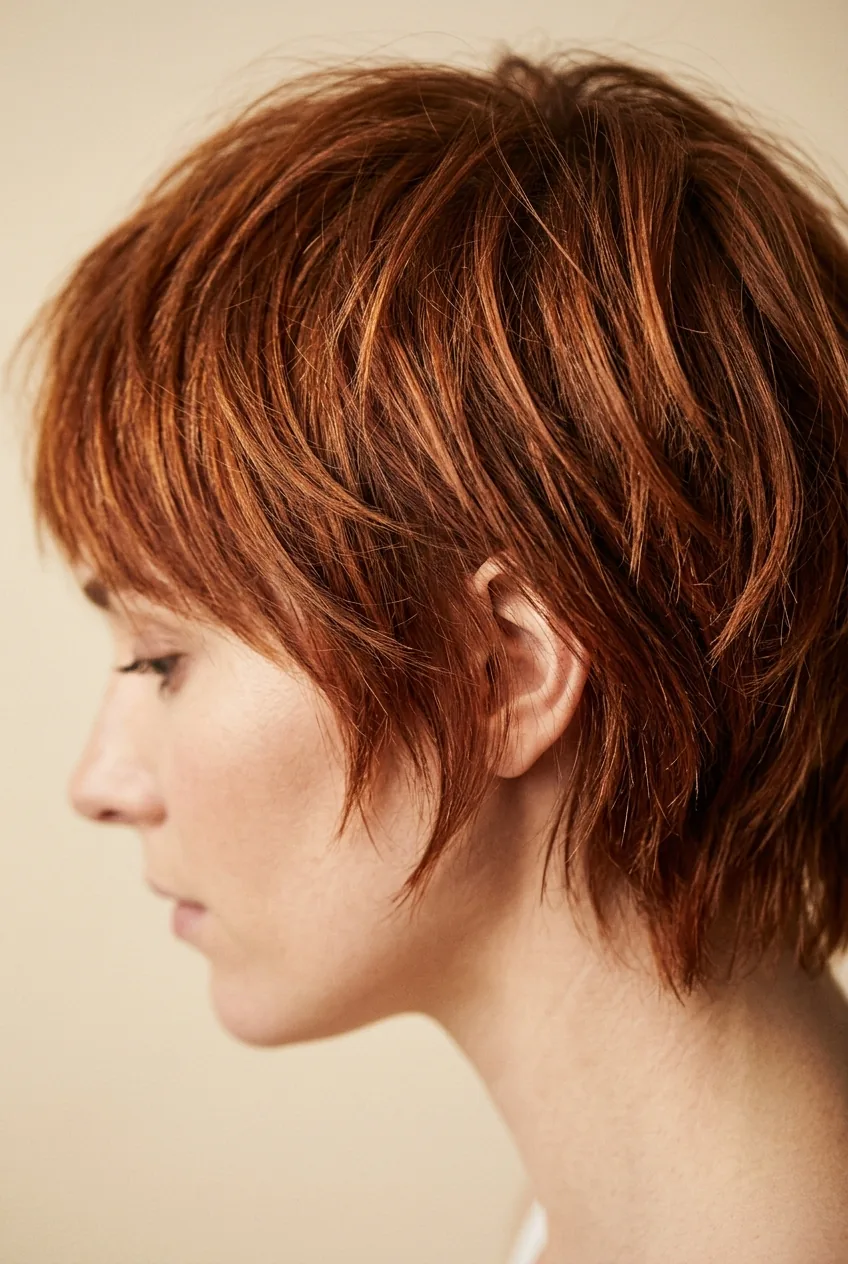
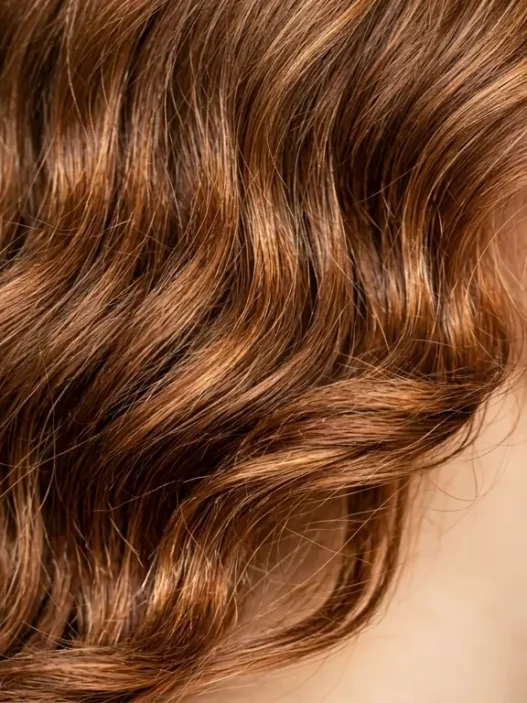
But for actual lift at the roots? Long layers won this battle. The gradual weight removal created this gorgeous movement that started higher up on my head. My hair looked fuller overall, not just textured at the ends. Professional layering techniques can explain the science better than I can, but I lived it.
Short layers gave me Instagram-worthy texture. Long layers gave me real-life volume. Different goals, different winners.
Winner: Tie — depends what you’re after.
Round 3: Maintenance and Growth
Oh, this is where short layers showed their true colors. Every six weeks, I was back in that salon chair because the shape completely fell apart as it grew out. My stylist wasn’t kidding when she warned me about the maintenance commitment.

Long layers are the marathon runners of the hair world. They grow out gracefully, and honestly, sometimes they look even better after a few months of growth. I could easily go 12-14 weeks between cuts and still feel put-together.
If you’re someone who hates booking salon appointments or you’re trying to save money, this round matters more than you think. Those extra appointments add up fast.
Winner: Long layers, no contest.
Round 4: Face Shape Flattery
Here’s where I need to get personal about face shapes, because this totally depends on what you’re working with. I have a round face, and short layers were surprisingly flattering — they created angles and definition around my jawline that longer layers couldn’t match.
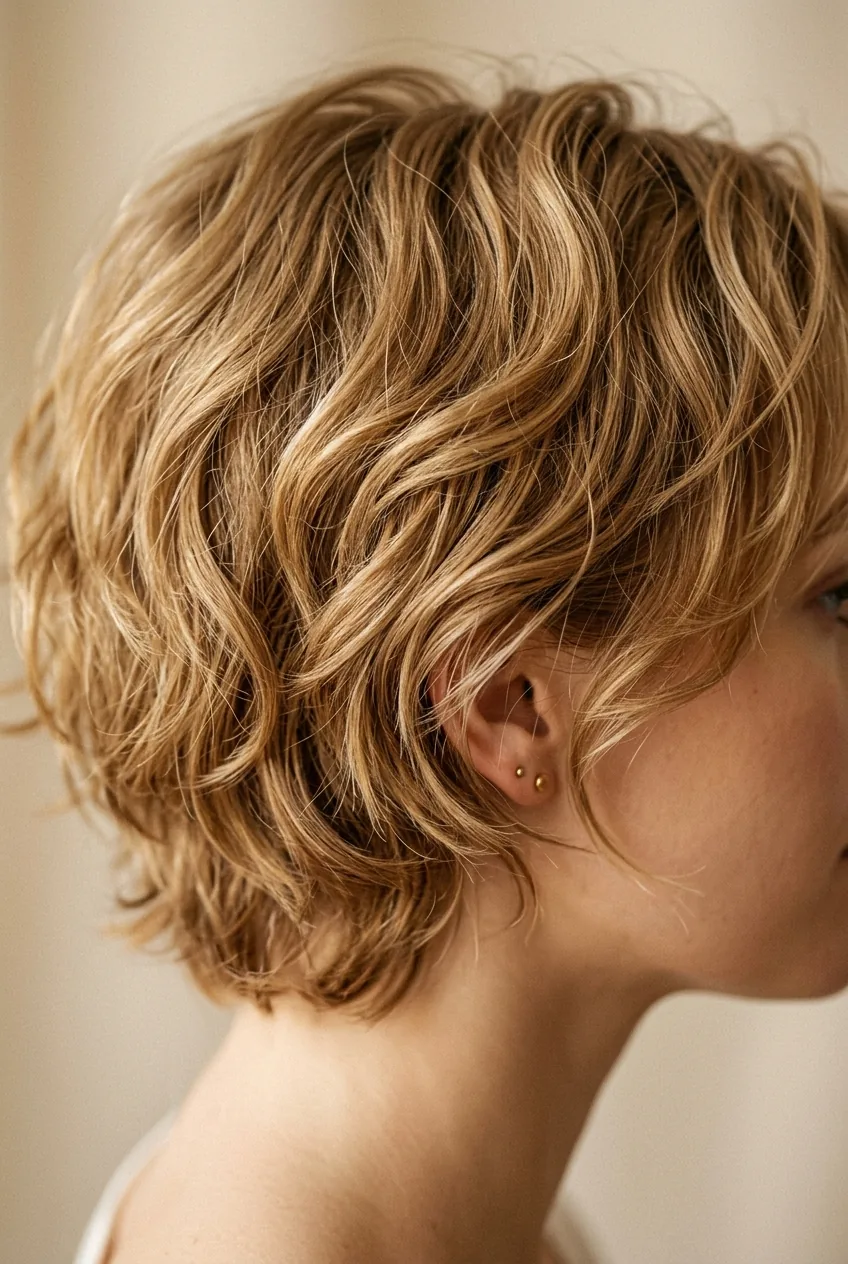
But I watched my friend Sarah (who has a longer, more angular face) look absolutely stunning in long layers, while short layers made her features look too sharp. The key is understanding how the layers interact with your natural bone structure.
- Round faces: Short layers create angles and definition
- Long faces: Long layers add width and softness
- Square faces: Both work, but placement matters more than length
- Heart-shaped faces: Long layers balance a wider forehead beautifully
Winner: Depends entirely on your face shape — no universal winner here.
The Verdict: My Winner
After a full year of switching back and forth, I’m team long layers. And it’s not even close.
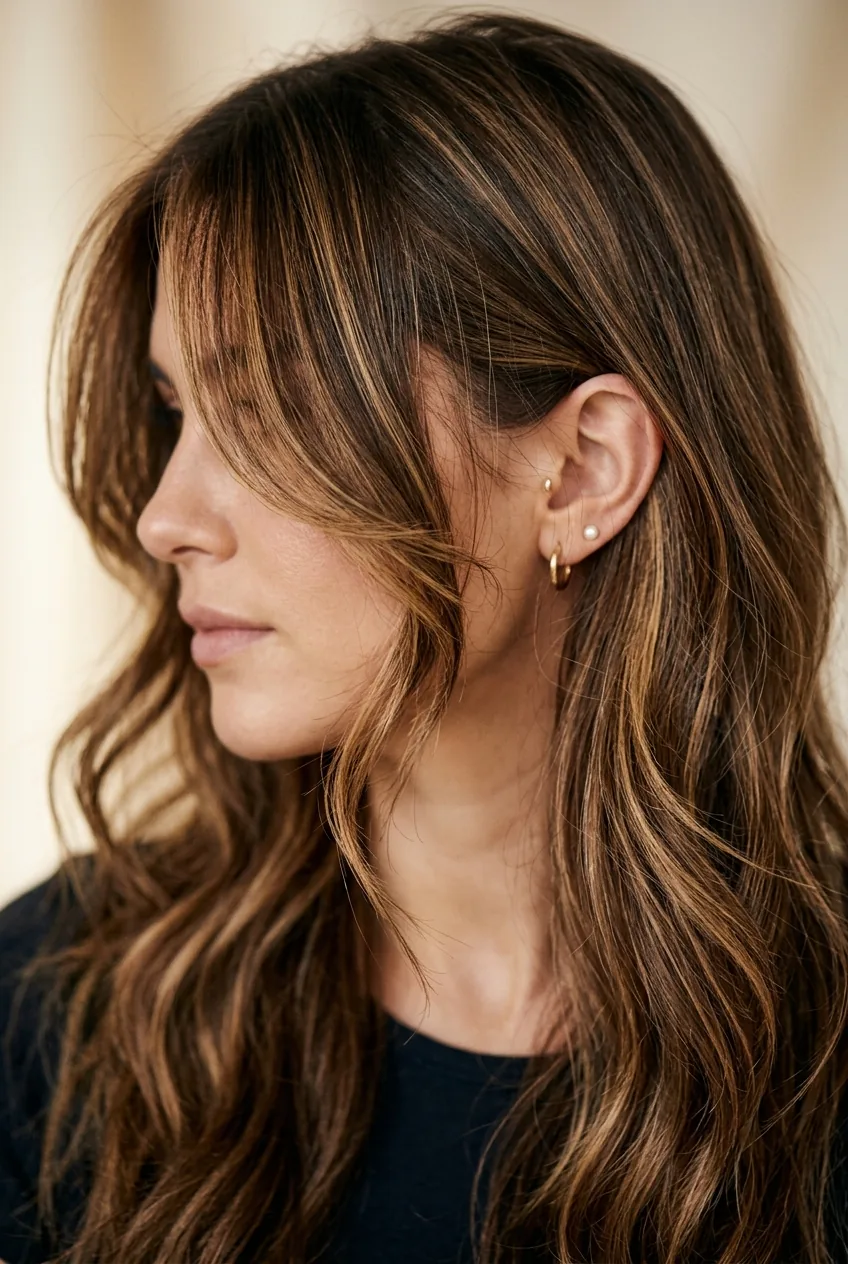
Yes, short layers photograph better and give you that effortless-but-not-really texture that looks amazing on Instagram. But for real life? Long layers win on every practical level that matters to me daily.
The styling ease, the maintenance schedule, the way they grow out — it all adds up to a haircut that works with my life instead of against it. I can still create texture when I want it with the right layered medium hairstyles and products, but I’m not locked into high-maintenance styling every single day.
But here’s my controversial take: if you’re under 25 and have time to style your hair properly every day, go for the short layers. They’re fun, they’re dramatic, and this is probably the time in your life when you can commit to the maintenance. Just know what you’re signing up for.
For everyone else? Long layers are the secret to looking polished without the daily struggle. Maintenance tips will help you keep any layered cut looking fresh longer, but long layers forgive more and demand less.
The bottom line: choose the option that matches your lifestyle, not just your Pinterest board. Your hair should make your life easier, not harder.
Quick Questions About Layered Hair
How often do I need to trim long layers?
Every 10-14 weeks is usually perfect. Long layers are forgiving and actually look better with some growth, so you don’t need to be obsessive about timing.
Can I switch from short to long layers without cutting off length?
Usually yes! Short layers can grow out into long layers naturally. You might need one trim to blend everything, but you won’t lose significant length.
Do layers work on fine hair?
Absolutely, but technique matters. Long layers add movement without removing too much density. Avoid short, choppy layers if your hair is both fine and thin.
What’s the biggest mistake people make with layers?
Asking for “lots of layers” without specifying what they actually want. Bring photos and discuss your styling routine with your stylist before cutting.