








I used to watch those silky smooth ponytail tutorials and think I was doing something fundamentally wrong with my life. You know the ones — where the influencer casually flips her hair up, secures it with what looks like a single elastic, and voila! Perfect ponytail in 30 seconds. Well, let me pull back the curtain on what actually happens when real people with real hair attempt these “simple” styles.
What They Don’t Show You in Those Perfect Videos
First off, that woman in the tutorial? She’s already washed, dried, and probably lightly styled her hair. Her ponytail looks effortless because she spent forty minutes prepping it to look effortless. Meanwhile, I’m over here trying to wrangle day-three hair that’s been slept on weird.
And those “quick fixes” for flyaways? They never show you the part where you spray half a bottle of hairspray, realize you used too much, try to brush it out, and end up with crunchy pieces sticking to your forehead. Or how about when they casually mention “just smooth any bumps with your brush” while completely ignoring the cowlick that’s been defying gravity since birth?
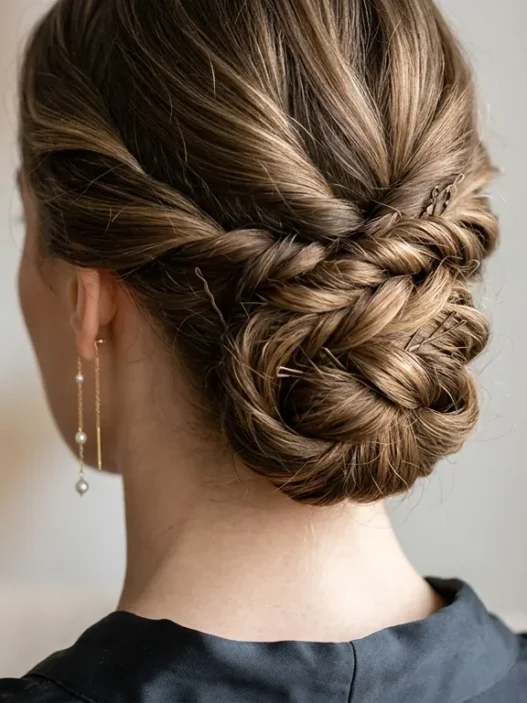
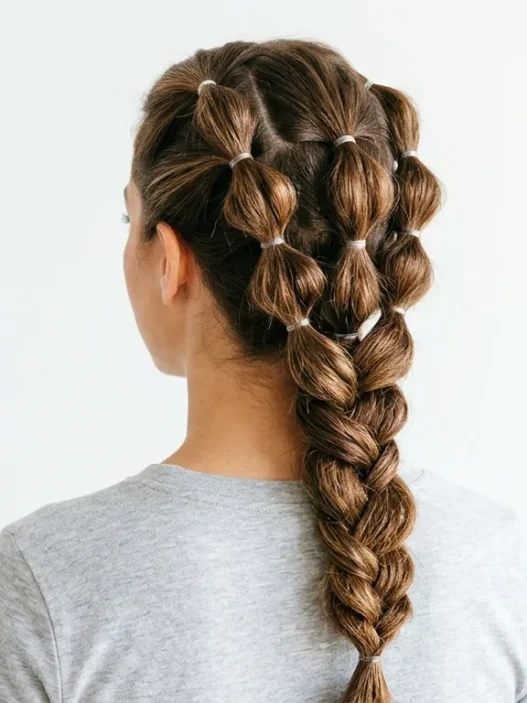
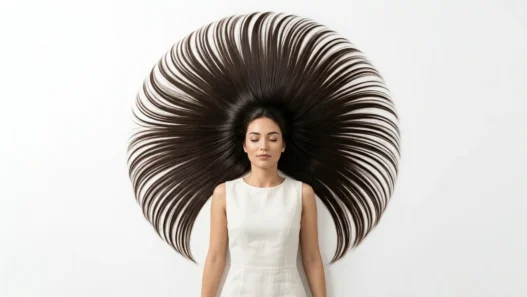
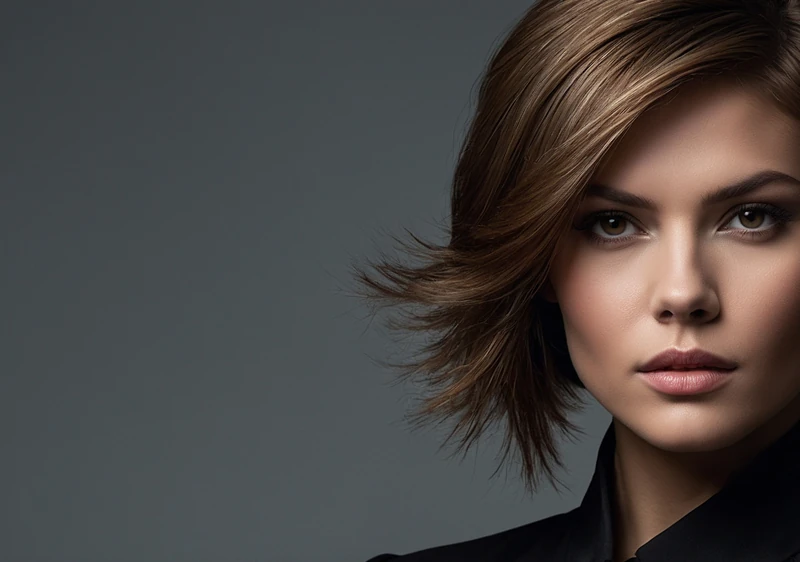
Look at how she’s positioned in this photo — hair spread naturally, looking absolutely perfect. But I guarantee there were at least three attempts before this shot, plus someone else holding the camera at just the right angle.
The Part That Takes the Longest (Hint: It’s Not the Hair)
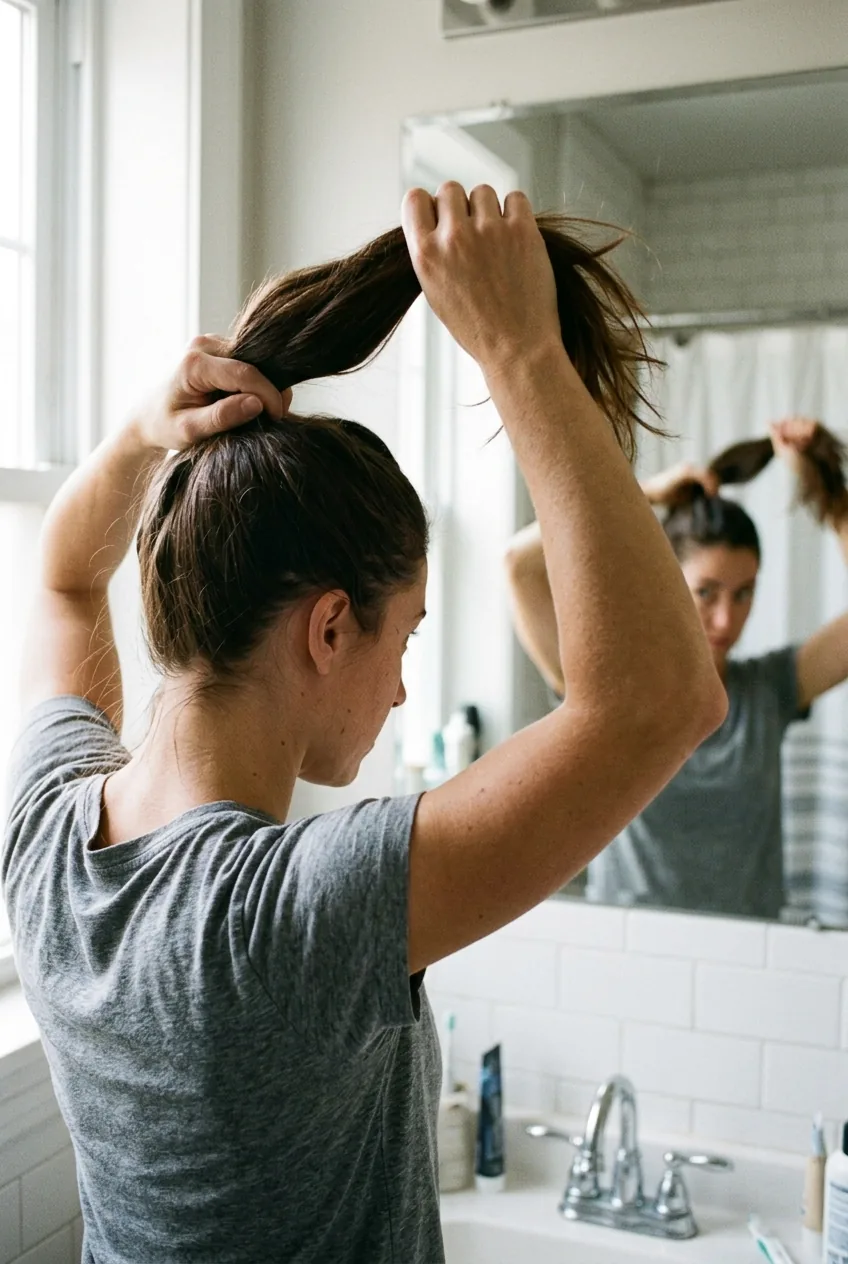
You’d think gathering your hair would be the time-consuming part, right? Wrong. It’s the mental preparation. Standing in front of the mirror, psyching yourself up for another round of “this time it’ll work.” Adjusting the lighting. Finding the right angle. Questioning every life choice that led to this moment.
Then there’s the positioning dance. You know the one — trying to get your arms in the exact right spot to see what you’re doing in the mirror without blocking your view. I’ve spent more time perfecting my ponytail stance than actually doing my hair. It’s like yoga, but more frustrating and with worse results.
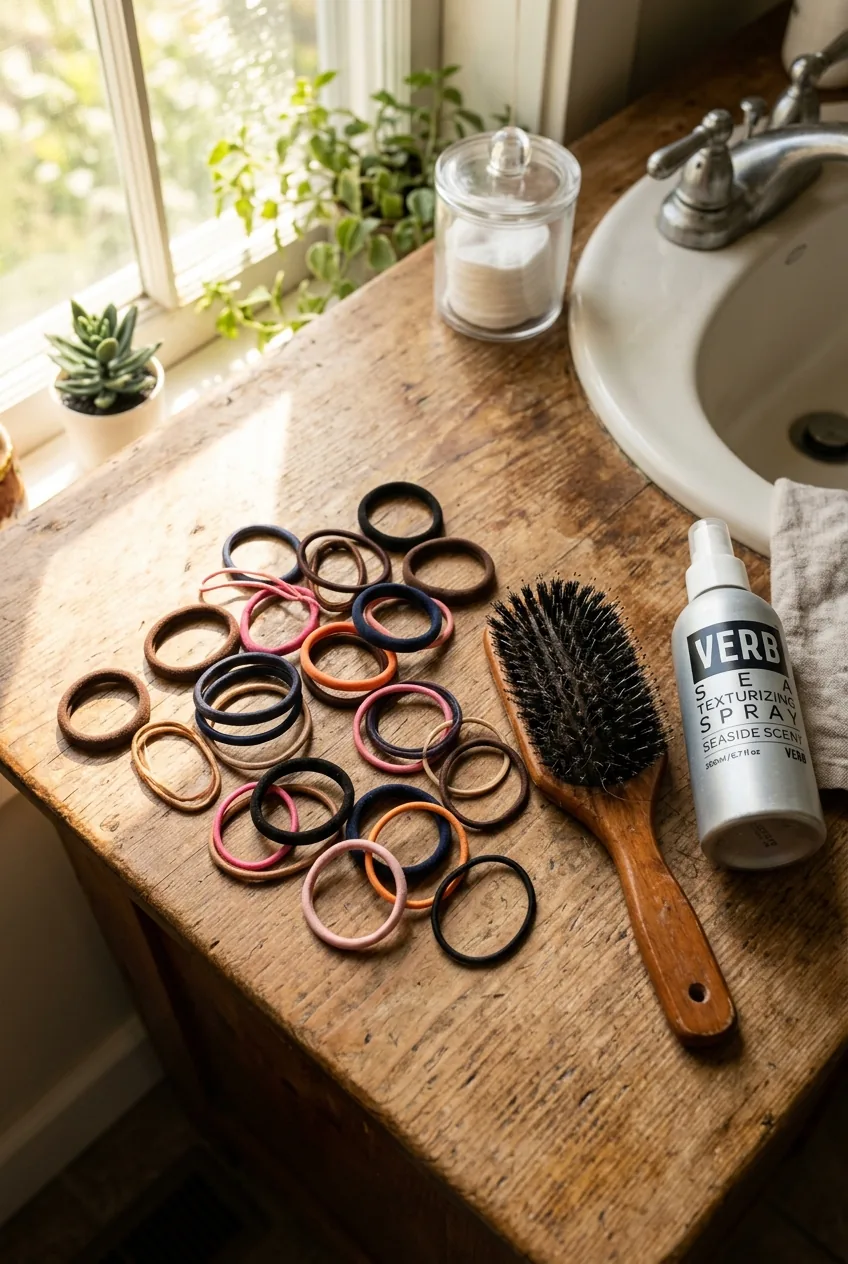
And don’t get me started on elastic selection. Do you go with the thick one that might be too bulky? The thin one that might snap under pressure? The fabric-covered one that looks cute but has zero grip? This is a 5-minute internal debate, minimum.
The Secret Nobody Mentions About Hair Texture
Here’s what really gets me: every ponytail tutorial acts like all hair is created equal. Spoiler alert — it’s not. Fine hair slips out of everything. Thick hair breaks elastics. Curly hair has its own agenda that doesn’t align with your ponytail dreams. Freshly washed hair is too slippery. Dirty hair is too greasy. There’s like a 6-hour window where your hair texture cooperates, and it’s never when you actually need it.
I learned this the hard way when I tried to recreate what looked like a simple 3-minute messy ponytail and spent twenty minutes wrestling with my hair’s natural rebellion. Sometimes you need to work WITH your texture, not against it.
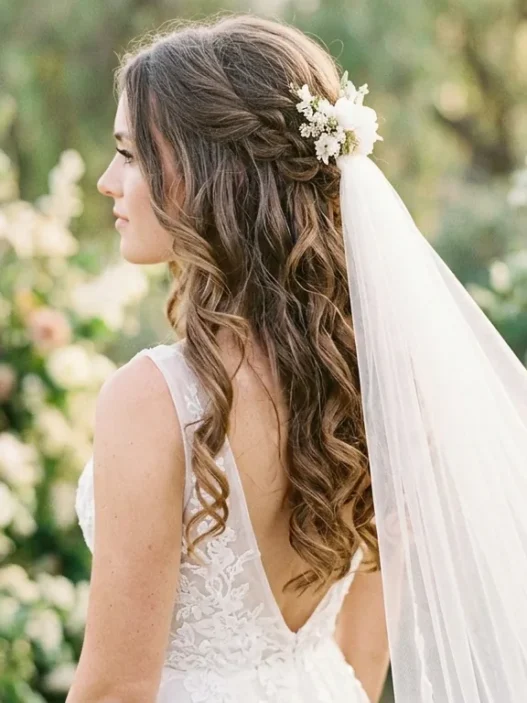
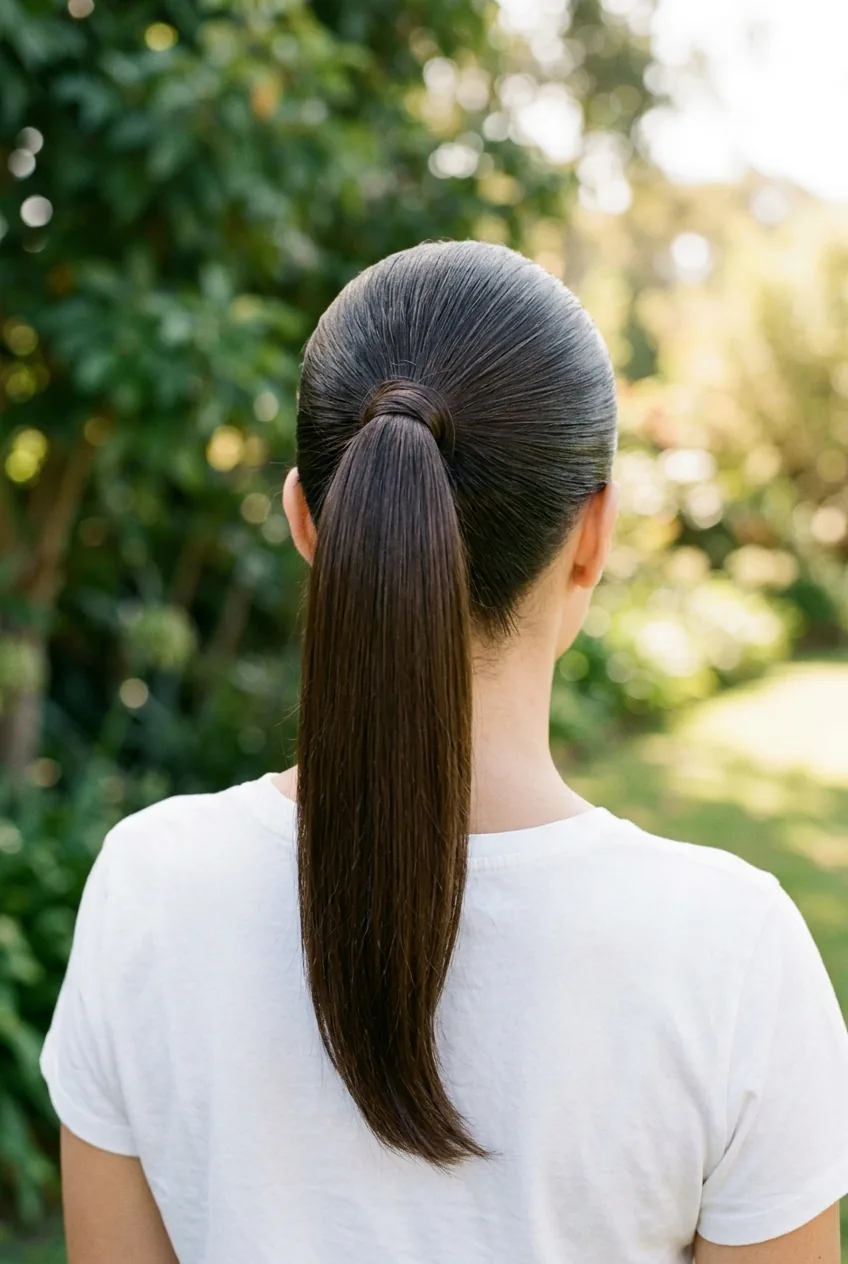
The woman in this image has that perfect hair spread that shows length and texture — but notice how even in this relaxed state, every strand seems to know its place? That’s not accident. That’s good hair days and probably some strategic styling.
Why Your Wrist Will Hate You
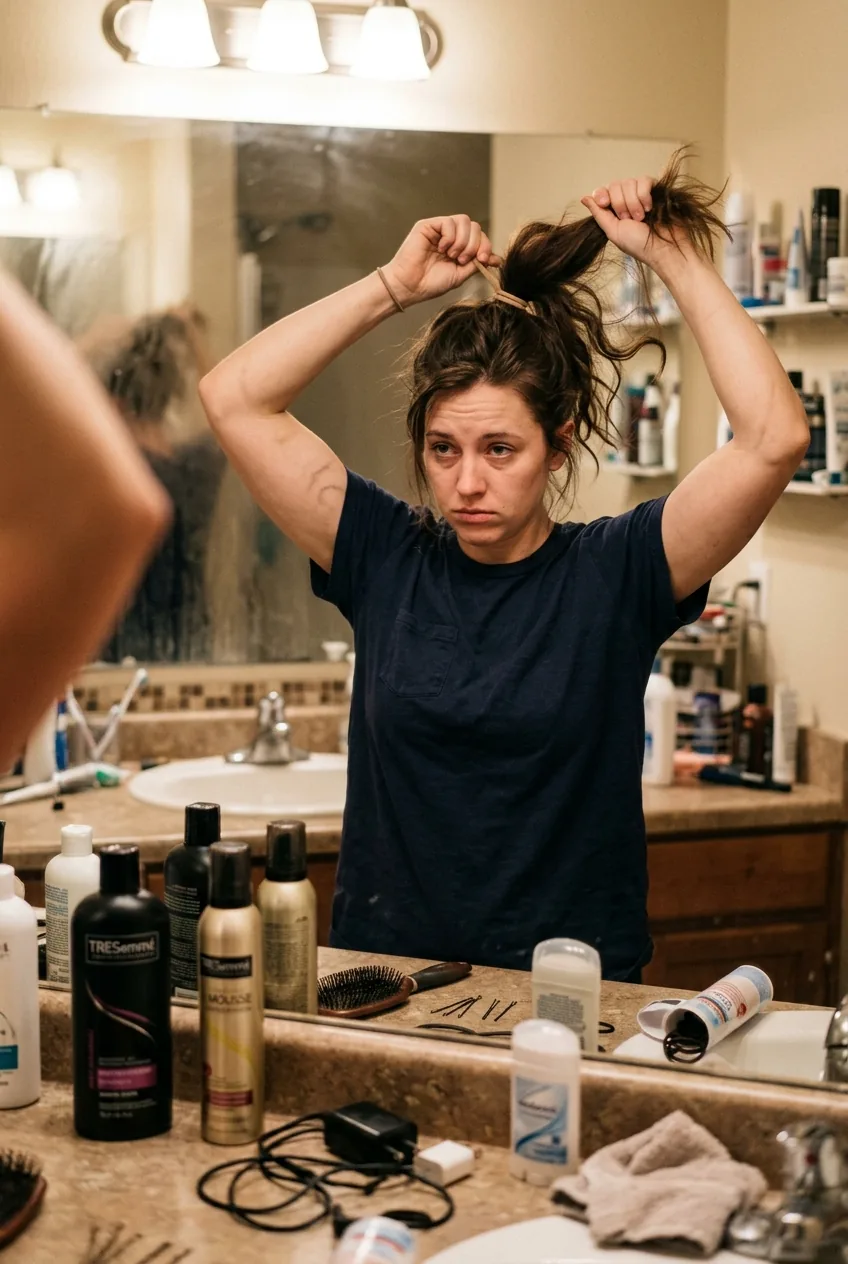
Nobody warns you about the physical toll of ponytail perfection. Your dominant arm gets a workout. Your wrist starts cramping from holding hair at weird angles. Your shoulder blade develops a crick from reaching behind your head for the perfect gather point.
I’ve actually had to take breaks mid-ponytail because my arm gave out. There’s something deeply humbling about having to rest before securing a simple updo. And then you’re faced with the choice: accept the slightly lopsided result or start over and risk another round of arm fatigue.
Pro tip I wish someone had told me earlier: do arm stretches before attempting any updo that requires holding your hair up for more than 30 seconds.
The One Tool That Changes Everything
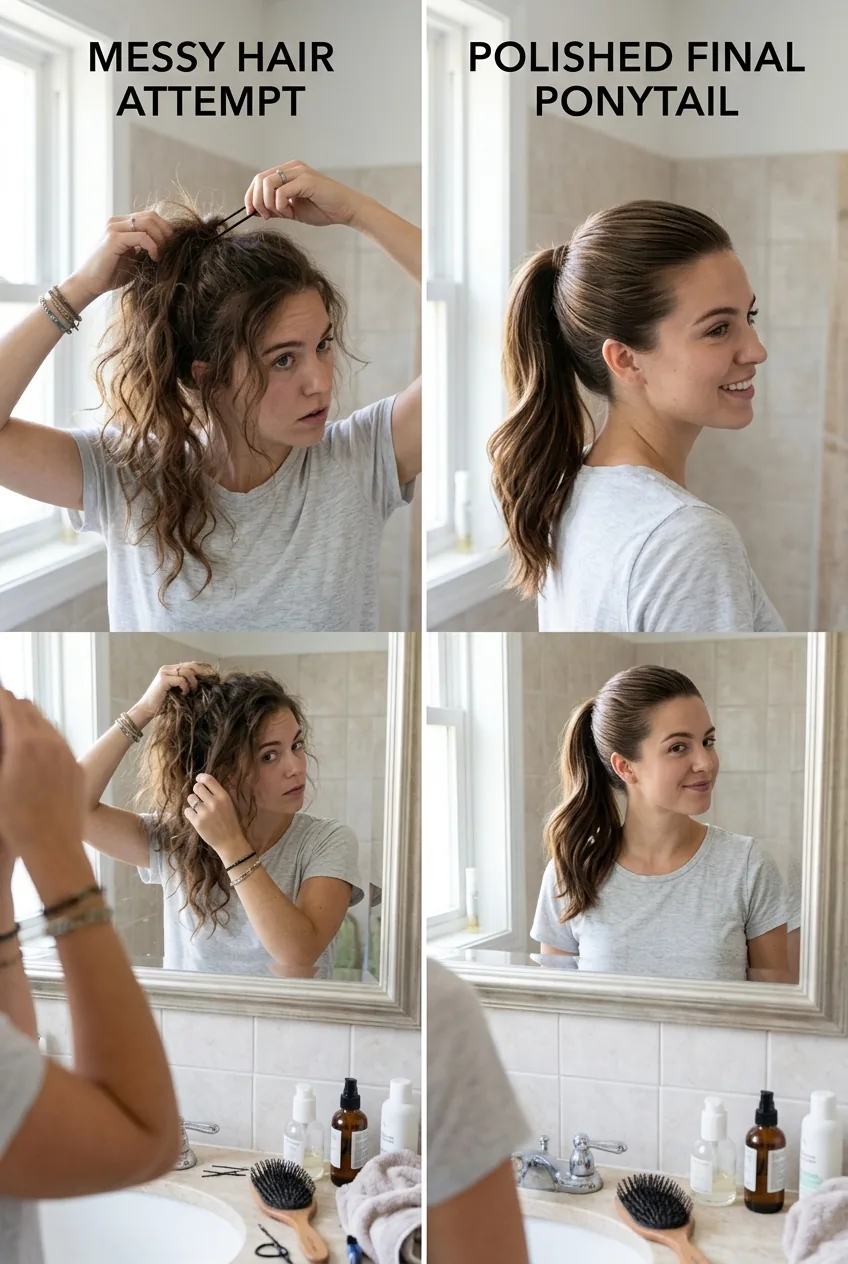
After countless failed attempts and sore wrists, I discovered the game-changer: a proper hair tie that actually grips. Not those flimsy drugstore ones that snap when you look at them wrong. Not the decorative ones that prioritize cute over functional. I’m talking about professional-grade elastics that cost more than your coffee but actually hold your hair.
And here’s the controversial opinion that might get me kicked out of the hair tutorial club: sometimes you need two hair ties. I said it. That Instagram-perfect single elastic look? It’s a lie for most of us. Using a small clear elastic first, then covering it with a prettier one has saved my ponytail game.
The other secret weapon? A good texturizing spray. It gives your hair just enough grip to stay put without looking like you dunked it in product. This is especially crucial if you’re dealing with those slippery fine strands that seem to have a personal vendetta against staying in ponytails.
See the Technique That Actually Works
Why It’s Worth All the Struggle Anyway

Despite all the fails and the sore arms and the mental preparation rituals, I keep coming back to ponytails. Because when you finally nail it — when everything clicks and your hair cooperates and the elastic holds and you look in the mirror and think “yes, THIS is it” — it’s pure magic.
There’s something so satisfying about a ponytail that actually stays put through your whole day. No constant readjusting. No pieces falling out during your afternoon meeting. No emergency bathroom mirror fixes. Just reliable, practical beauty that works with your life instead of against it.
And honestly? Once you figure out your personal ponytail formula — your perfect height, your ideal texture prep, your go-to elastic — it becomes second nature. All those struggles teach you what works for YOUR hair, not the tutorial hair. That’s when ponytails stop being a chore and start being a superpower.
Plus, there’s something deeply satisfying about mastering a skill that looks effortless but actually requires technique. Every time someone compliments my ponytail, I think about all those failed attempts that got me here. The struggle was worth it.
Questions I Get About Perfecting Ponytails
How long should it actually take to do a good ponytail?
Realistically? 5-7 minutes if you know what you’re doing, including texture prep and flyaway control. Those “30-second” tutorials are pure fantasy for most of us.
Why does my ponytail always look lopsided?
You’re probably gathering your hair while looking straight ahead instead of tilting your head down slightly. Also, check that you’re pulling from the same angle on both sides — most people unconsciously favor their dominant hand.
Can fine hair ever hold a voluminous ponytail?
Absolutely, but you need to cheat a little. Use texturizing spray before gathering, tease gently at the crown, and consider using a small hair bump or padding for extra volume. The key is creating grip and structure your natural hair doesn’t have.
Should I wash my hair before attempting an updo?
Day-old hair is actually ideal for ponytails — it has more texture and grip than freshly washed hair. If you must use clean hair, apply some texturizing product first to give it something to hold onto.
So there you have it — the real, unfiltered truth about ponytail tutorials. They’re not as simple as they look, your arm will get tired, and you’ll probably need more than one elastic. But once you figure out your rhythm, there’s no more reliable go-to style in your arsenal.