






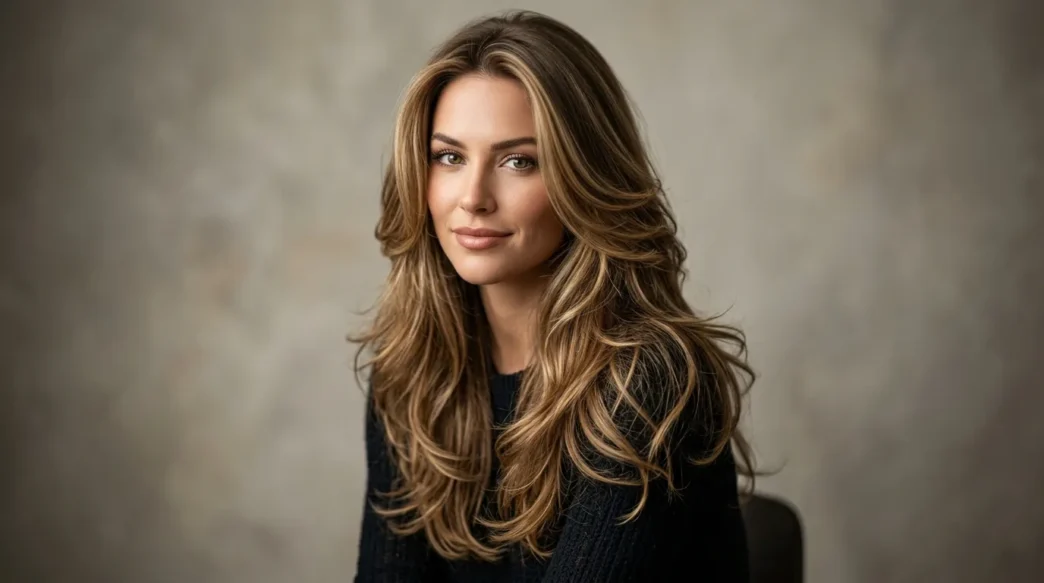
I’ve had more bad layered haircuts than I care to admit. You know the drill — you walk into the salon with a Pinterest photo, full of hope, and walk out looking like you stuck your finger in an electrical socket. After fifteen years of trial and error (and probably a dozen different stylists), I finally understand why most long layered cuts fall flat. Literally.
Why Most Layered Cuts Fail
The problem starts with unrealistic expectations. Most people think layers automatically equal volume and movement. But here’s what actually happens: your stylist cuts too many layers, removes too much weight, and suddenly your hair looks thin and stringy instead of full and bouncy.
I learned this the hard way when I asked for “lots of layers for volume” back in 2019. My stylist went layer-crazy, cutting from my ears down. The result? My thick hair suddenly looked sparse, and no amount of styling could bring back that natural fullness. The bottom sections were so thin they couldn’t hold any shape.
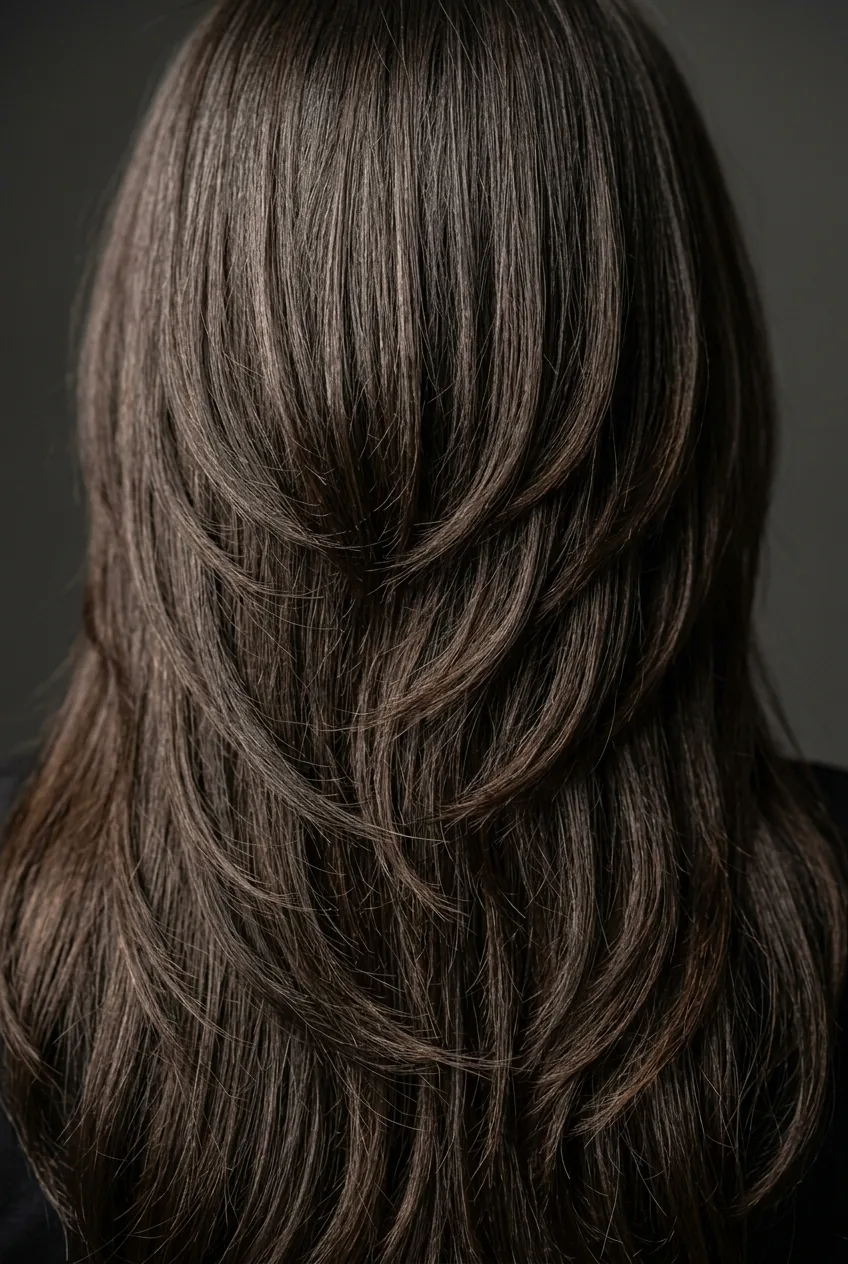
The real issue is weight distribution. Your hair needs strategic weight to create proper movement. When you remove too much bulk through excessive layering, you lose the foundation that makes layers actually work. It’s like trying to build a house without a solid foundation — everything just collapses.
Another common mistake? Starting layers too high. I see this constantly — layers beginning at cheek level or higher. This creates that dreaded “mom haircut” effect where the top looks voluminous but the bottom looks scraggly. Layered cuts should start much lower than most people think.
The Science Behind What Actually Works
After researching hair structure and talking to three different master stylists, I finally understand why some layered cuts look effortless while others look choppy. It comes down to angle and graduation.
The best long layered cuts use what’s called “low graduation” — subtle angle changes that create movement without removing too much weight. Think of it like a gentle slope rather than a steep cliff. The longest layer should be only about two inches shorter than your overall length, with each subsequent layer being maybe half an inch shorter.
Hair texture plays a huge role too. Fine hair needs fewer, longer layers to maintain body. Thick hair can handle more graduation but still needs strategic weight at the bottom. Curly hair? That’s a whole different beast — layers need to follow the curl pattern, not fight against it.
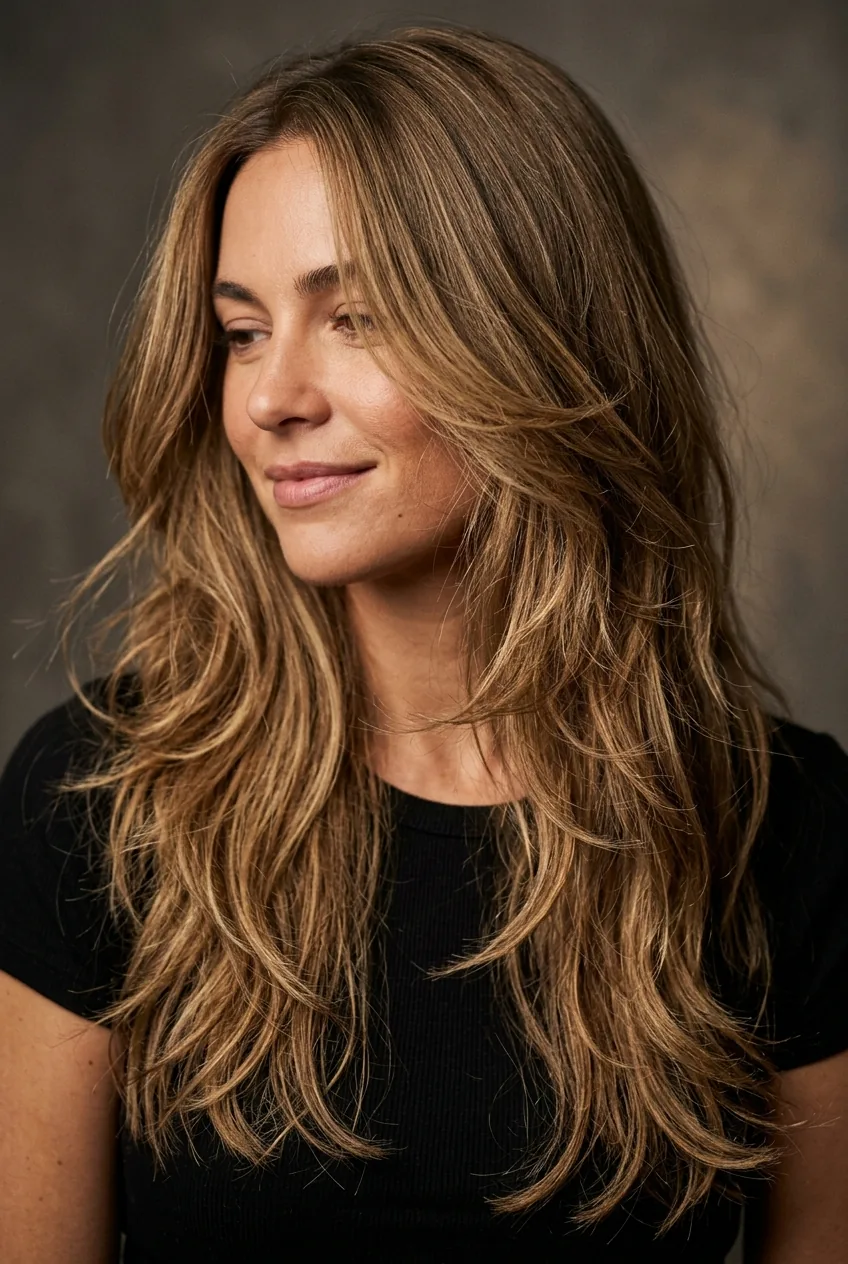
The cutting technique matters enormously. Point cutting creates softer edges and better blending. Razor cutting can work but only on certain hair types — it tends to make fine hair look stringy and can cause frizz in textured hair. I’ve noticed the best results come from stylists who use a combination of techniques rather than sticking to just one method.
Here’s something most people don’t know: the direction your hair grows affects how layers fall. A good stylist will cut with your natural growth patterns, not against them. This is why some layers seem to style themselves while others fight you every morning.
Watch the Technique in Action
What The Industry Gets Wrong About Face Shapes
I’m about to say something controversial: most face shape advice for layered cuts is oversimplified nonsense. The beauty industry loves to put people in neat little boxes — “round faces need long layers,” “square faces need soft layers around the jawline.” But real faces are complex.
I have what stylists call an oval face, supposedly the “ideal” shape that can wear anything. Yet I’ve had plenty of layered cuts that looked terrible on me. Why? Because face shape is just one factor. Your hairline, the density of your hair, where you naturally part it, even your neck length all play into how layers will frame your face.
The “rules” also ignore personal style. Maybe you have a round face but you love the way layers hit right at your cheekbones because it makes you feel edgy. Maybe you have a long face but short layers make you feel more confident. The best haircut is one that makes you feel like yourself, not one that follows some arbitrary guideline.
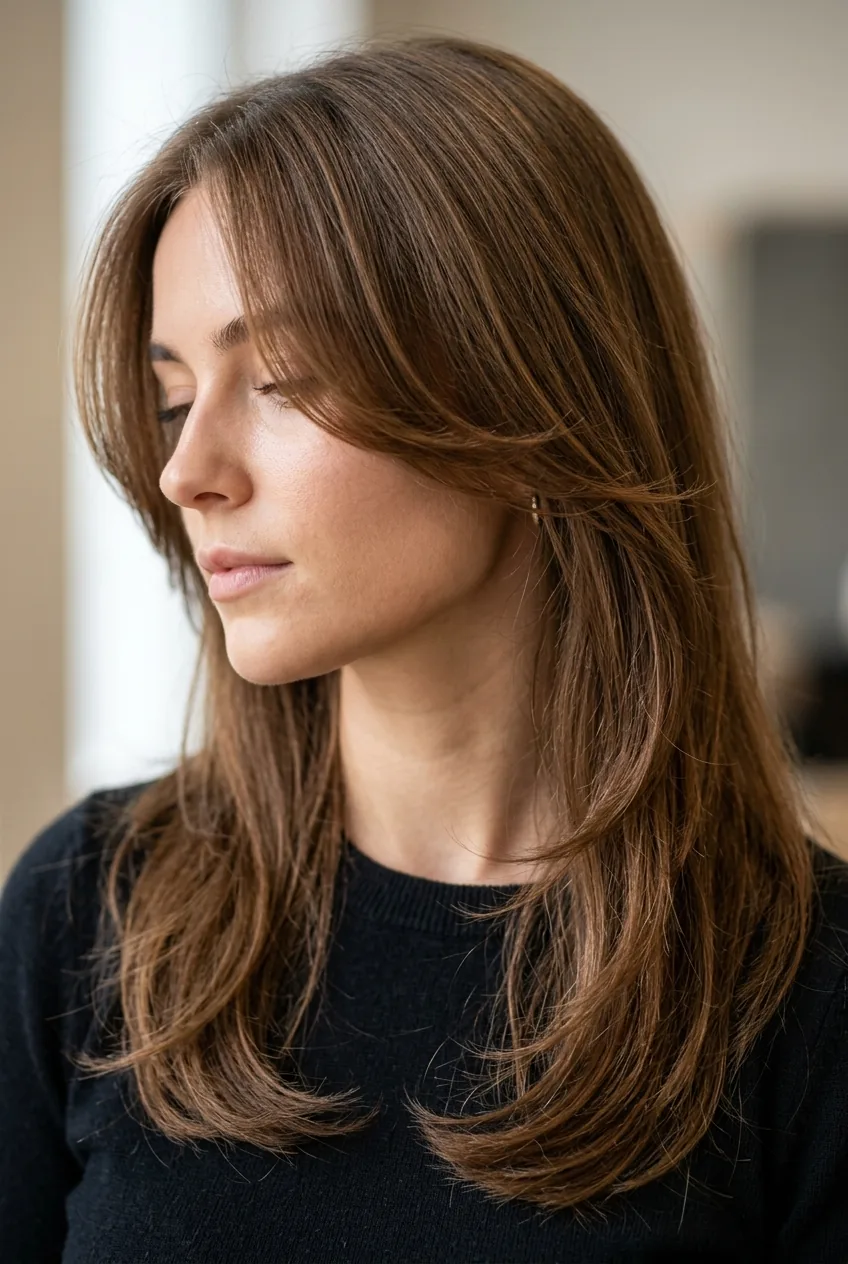
What really matters is proportion and balance with your individual features. I’ve seen women with “difficult” face shapes look absolutely stunning in cuts that theoretically shouldn’t work. The key is finding a stylist who looks at you as a whole person, not just a face shape category.
Professional styling advice can help, but take it with a grain of salt. Trust your instincts about what feels right for your lifestyle and personality.
The Maintenance Reality Nobody Mentions
Let’s talk about the elephant in the room: maintenance. Long layered cuts are not low-maintenance, no matter what anyone tells you. I learned this when I got gorgeous layers that looked amazing for exactly six weeks, then started looking shaggy and uneven.
The more layers you have, the more often you need trims. Short layers grow out faster and more noticeably than long ones. That beautiful face-framing layer that hits your cheekbones? In two months, it’ll be past your jawline and the whole shape will be off.
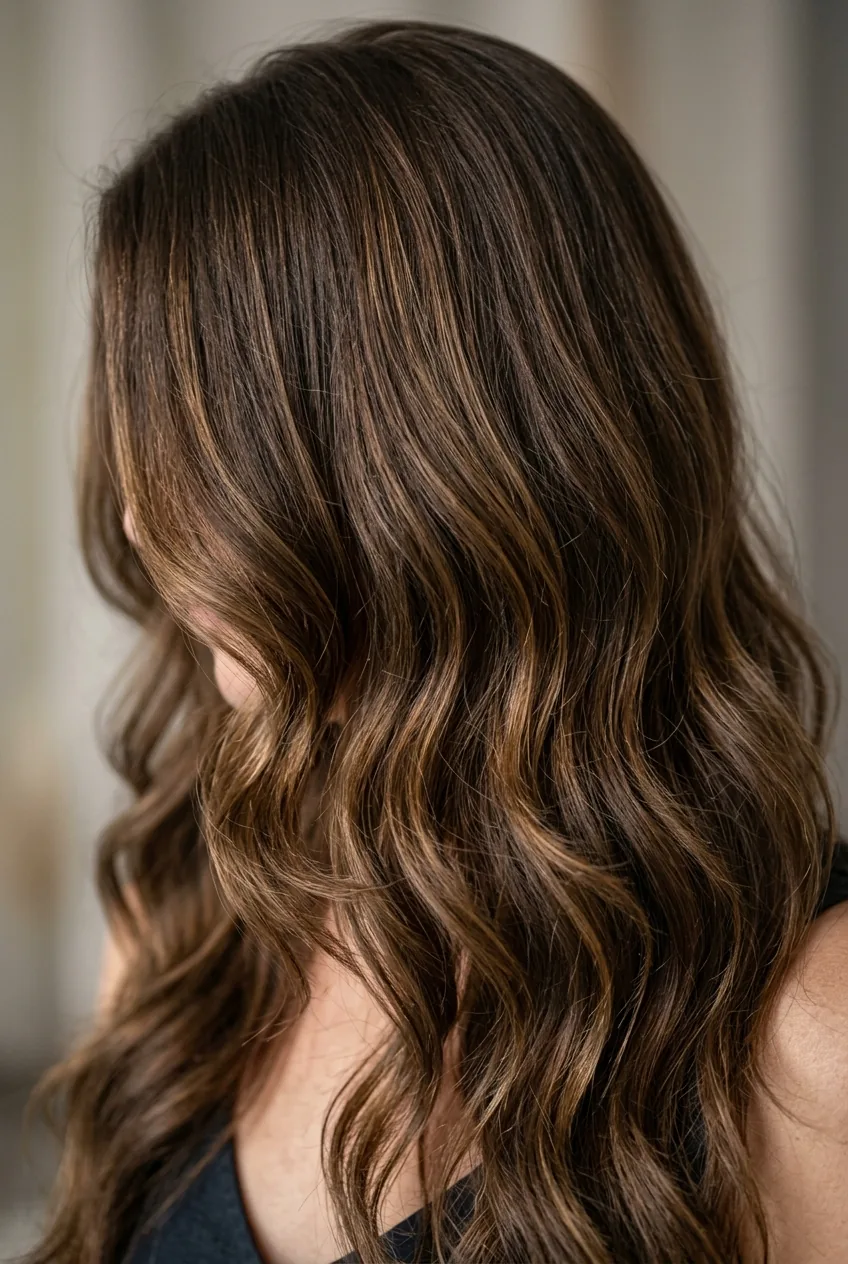
Styling time is another factor people don’t consider. Layers need definition to look intentional rather than messy. This means more time with a blow dryer, more product, more technique. Some mornings I can twist my non-layered sections into a quick bun and go. With layers, I need at least fifteen minutes to make everything look purposeful.
The cost adds up too. Quality layered cuts require skilled stylists who charge accordingly. Then there are the more frequent touch-ups. I budget about 30% more for hair when I have layers compared to a blunt cut. It’s an investment in how I look and feel, but it’s still an investment.
Weather affects layered hair more dramatically. Humidity makes different layer lengths react differently — some sections get frizzy while others stay smooth. Wind turns carefully styled layers into chaos. Rain? Forget about it. You need backup styling strategies for every weather condition.
My Controversial Take on Styling
Here’s where I might lose some of you: I think most people oversyle their layered cuts. The beauty of good layers is that they should enhance your hair’s natural movement, not create something completely artificial.
I see women spending an hour with a curling iron, creating perfect spirals in every layer. But then it just looks like a beauty pageant contestant from 1995. The most beautiful layered hair I’ve ever seen looked effortless — like the person rolled out of bed with perfect texture.
My favorite styling approach? Work with what you have. If your hair air-dries with a slight wave, enhance that with a texturizing spray and some scrunching. If it dries straight, use a lightweight mousse and let the layers create natural movement as you shake your head.
The key is finding products that enhance rather than override your hair’s personality. I’ve had the most success with leave-in treatments that add moisture and definition without weight. Heavy creams and oils can make layers look stringy and separate.

Sometimes the best thing you can do is nothing at all. Some of my best hair days happen when I sleep in a loose braid, wake up with gorgeous waves, and just finger-comb the layers into place. It takes two minutes and looks more expensive than anything I could create with hot tools.
For special occasions, yes, style away. But for everyday life? Let your layers do what they were designed to do — create natural, effortless movement that makes you look put-together without trying too hard.
Quick Answers
How often should I trim long layered hair?
Every 8-10 weeks for optimal shape maintenance. The face-framing layers need attention more frequently than the length, so some stylists offer “layer touch-ups” between full cuts.
Can I add layers to already long hair?
Absolutely, but go conservative on the first cut. You can always take more off, but growing out bad layers takes months. Start with subtle, long layers and see how your hair responds.
Do layers work on fine, thin hair?
Yes, but they need to be strategic. Fewer, longer layers work better than many short ones. The goal is creating the illusion of movement without sacrificing the precious volume you already have.
What’s the biggest mistake people make with layered cuts?
Asking for too many layers too soon. Most people need fewer layers than they think they do. A skilled stylist will start conservative and add more if needed during the same appointment.
Long layered haircuts can be absolutely gorgeous when done right. But “right” is more nuanced than most people realize. It’s not just about cutting different lengths — it’s about understanding your hair’s unique properties, your lifestyle, and your personal style. The best layered cut is one that makes your morning routine easier, not harder, while making you feel confident every time you catch your reflection.