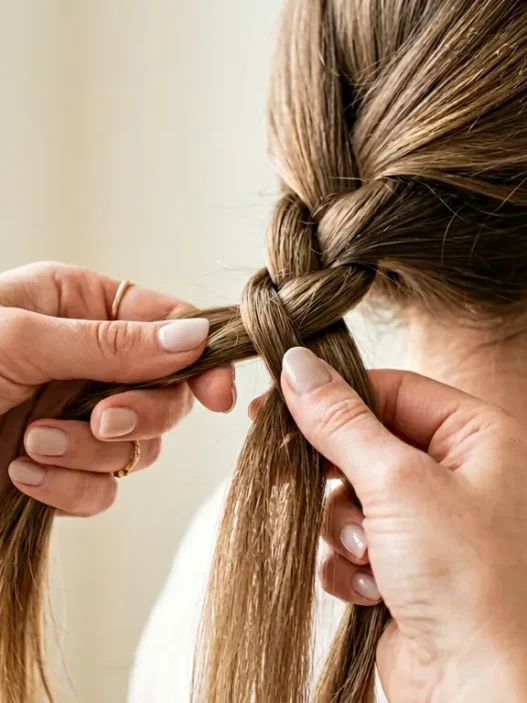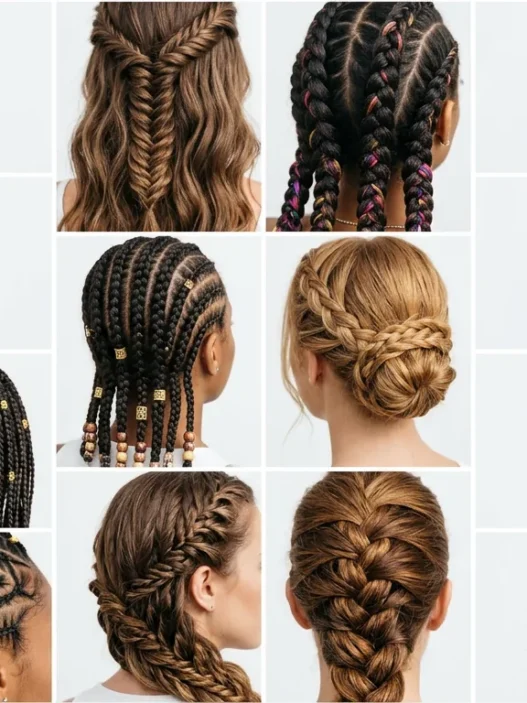







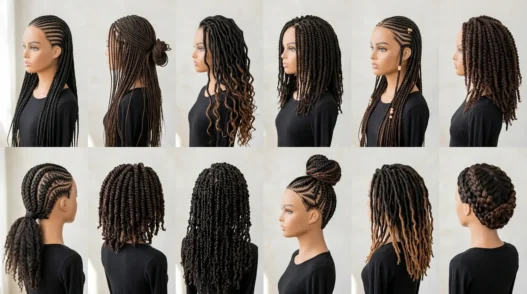
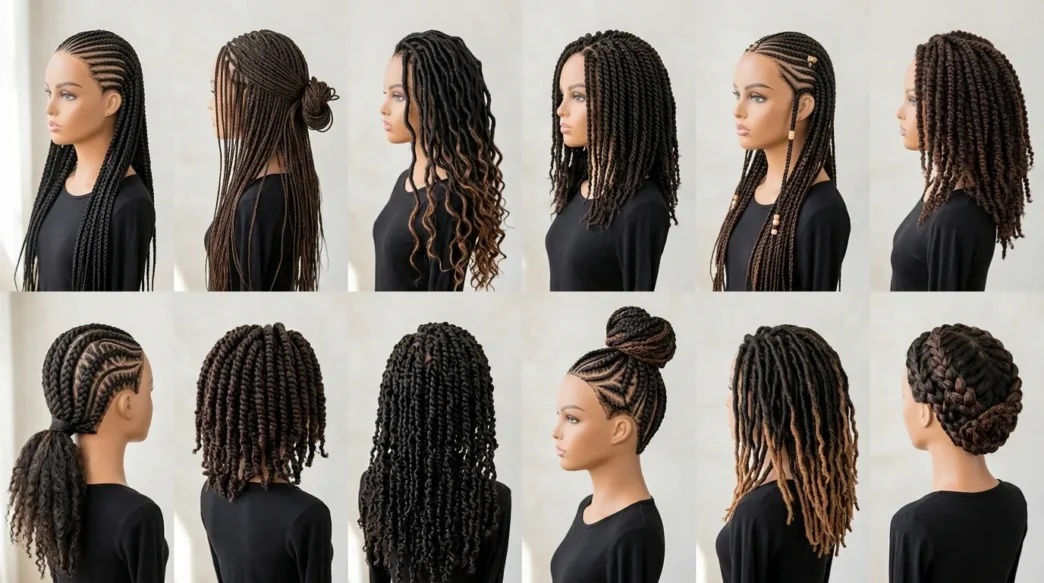
I’ve been braiding my hair since I was seven years old, sitting between my grandmother’s knees while she worked magic with her fingers. Twenty-three years later, I’m still discovering new ways to protect and style my hair through braiding. What I’ve learned is that not every braid works for every hair type — and that’s perfectly okay.
The key is matching the right braiding technique to your specific hair texture, length, and lifestyle. Some braids need more prep work. Others are perfect for rushed mornings or gym days.
For Natural Hair Types 3A-3C
If you have looser curls or waves, these braids work beautifully without needing extensions or heavy products that weigh down your natural texture.
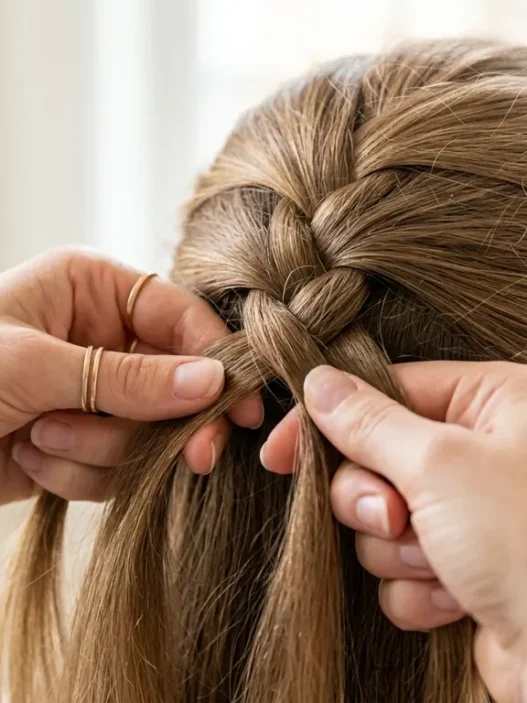
French Braids with Your Natural Curl Pattern
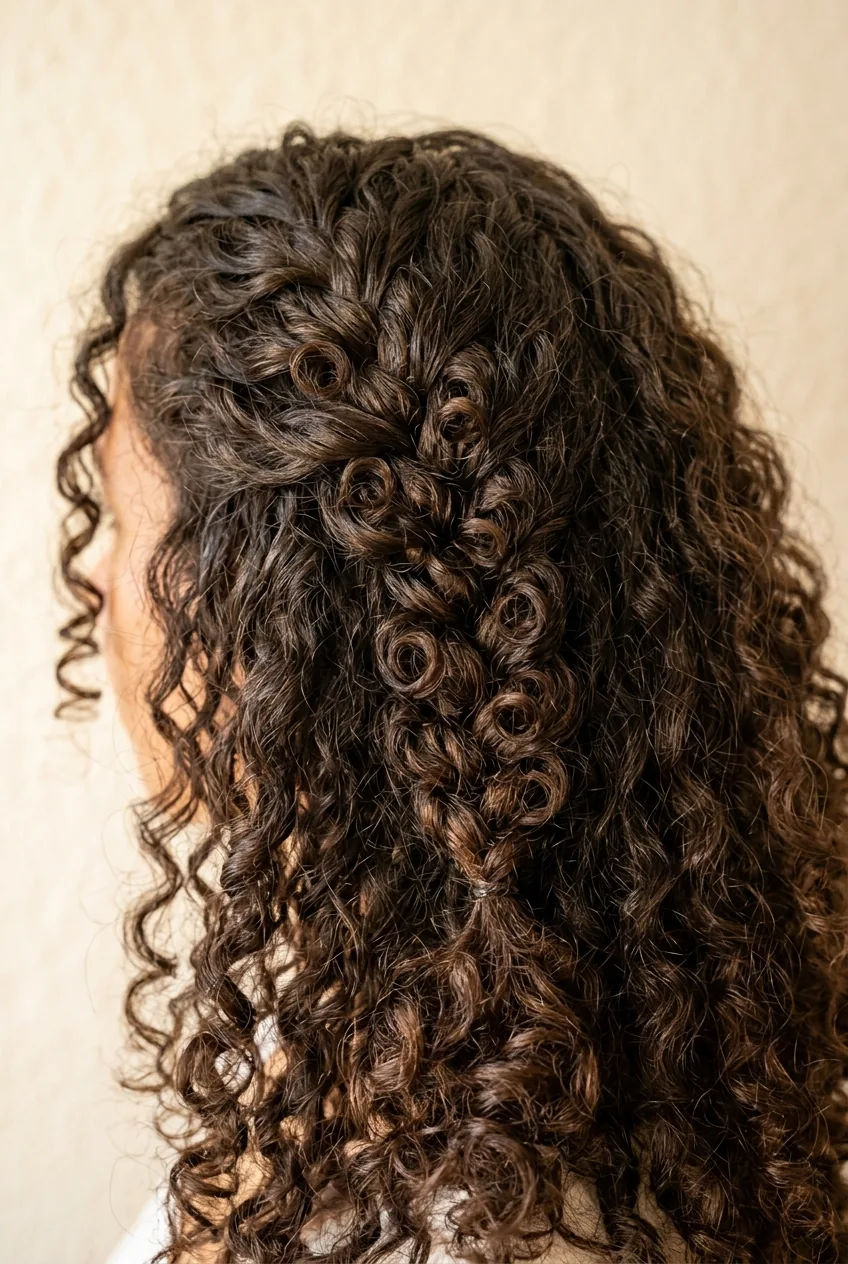
I love how French braids look on naturally curly hair when you don’t try to smooth out every curl. The texture adds so much visual interest. Start with damp hair and a light leave-in conditioner — nothing heavy. The braid should feel secure but not tight enough to cause headaches.
Dutch Braids for Added Volume
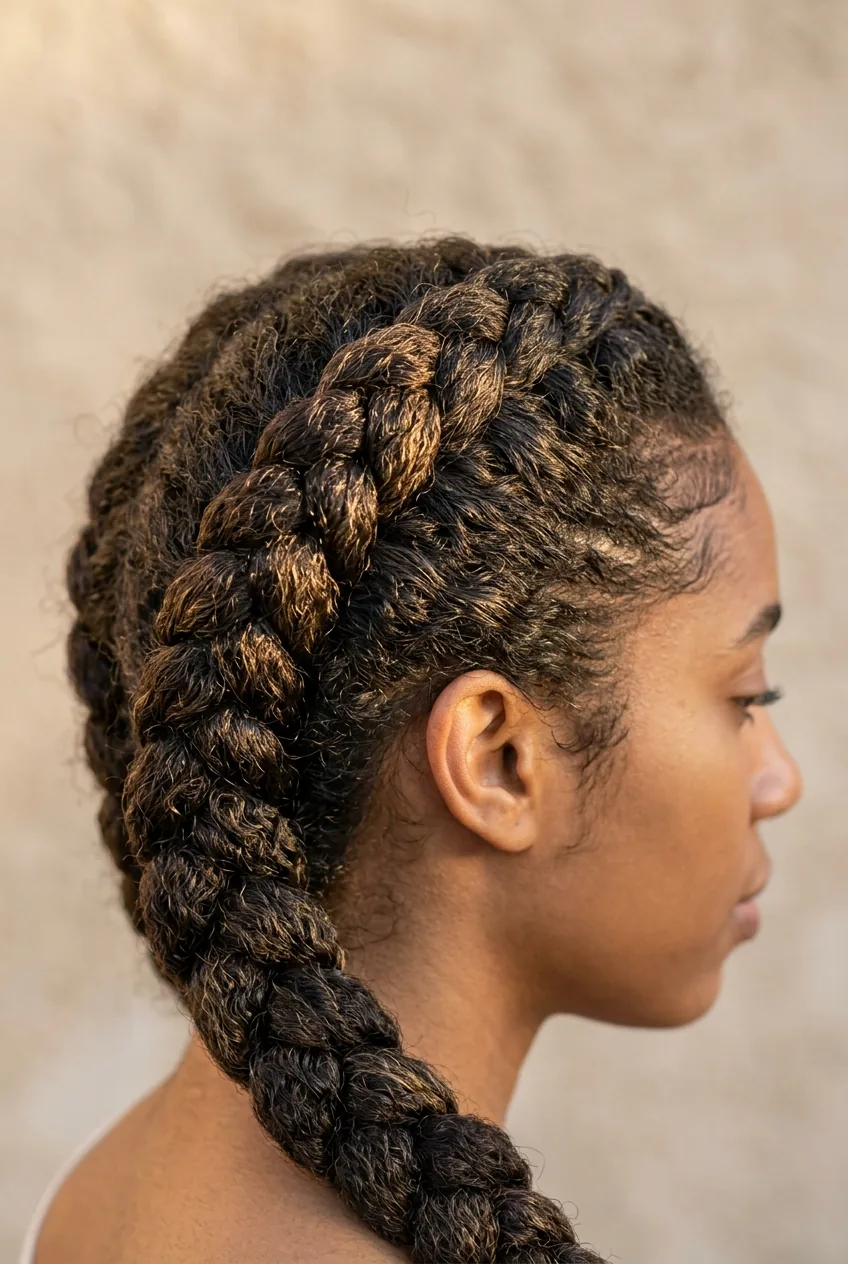
Dutch braids (where you braid under instead of over) create incredible lift at the roots. This works especially well for 3B hair that tends to lose volume throughout the day. I braid mine slightly loose and then gently tug at the sections to make them fuller.
Side Braids That Show Off Your Curls
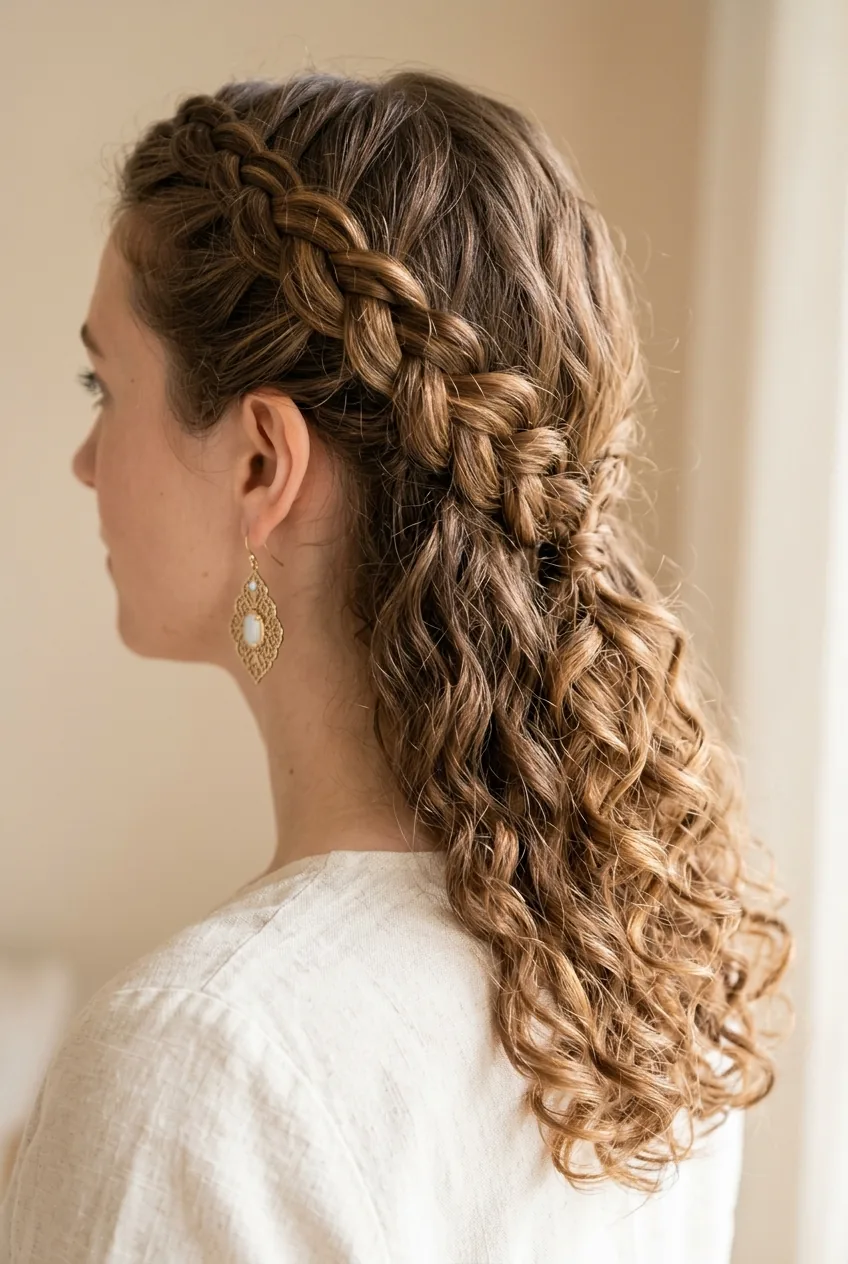
Sometimes you want the braid to be the accent, not the main event. A loose side braid starting from your temple and disappearing into loose curls creates this beautiful romantic look. Perfect for those days when your curl pattern is cooperating but you need something pulled back from your face.
For Coily 4A-4C Textures
Coily hair holds braids like nothing else. These styles work with your natural strength and elasticity rather than fighting against it.
Box Braids Done Right
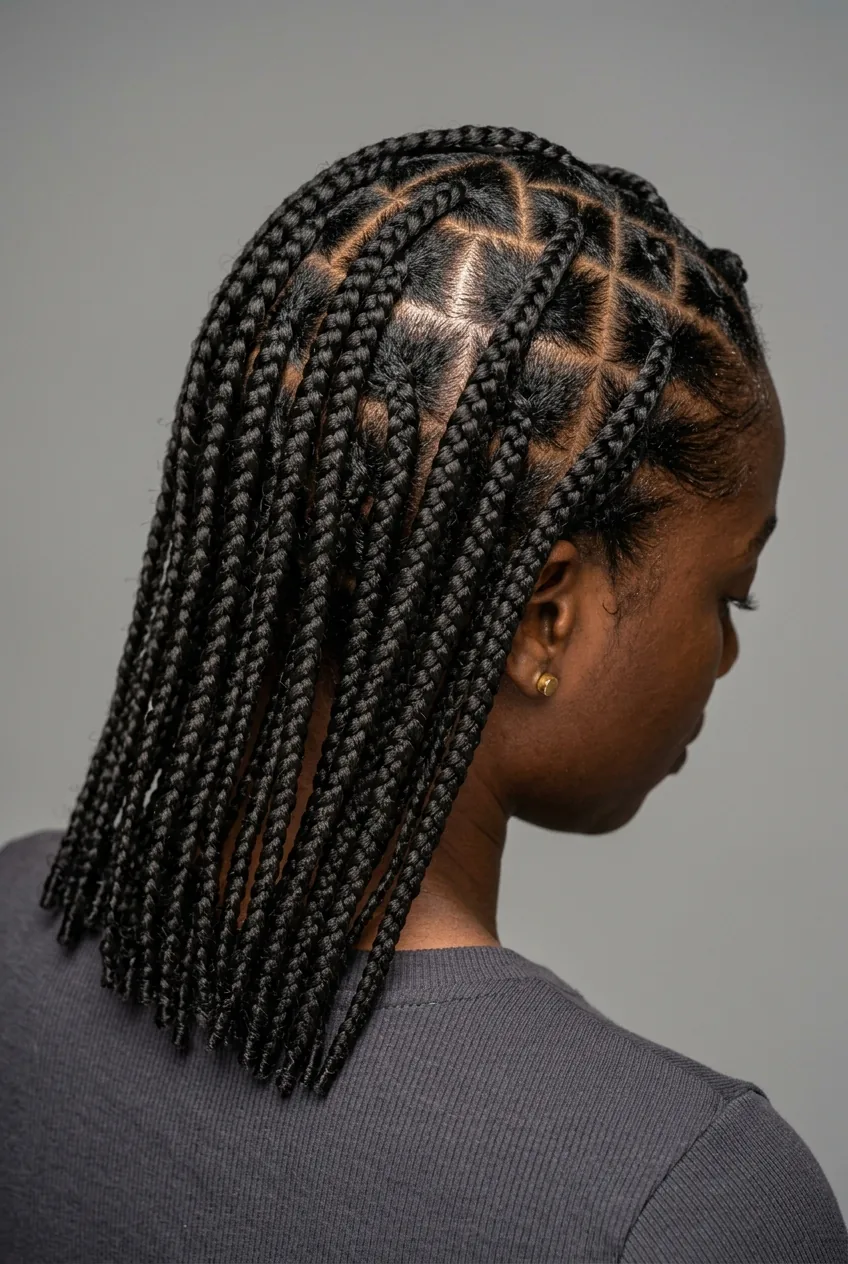
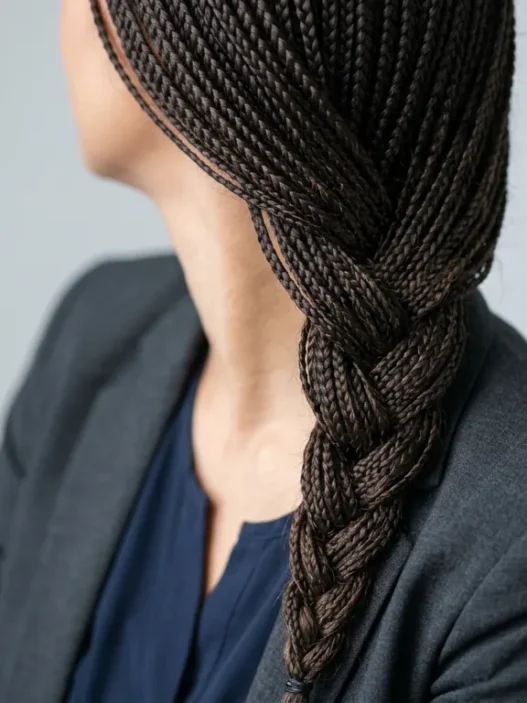
Box braids get a bad reputation when they’re done too tight or too heavy. The secret is starting with properly moisturized hair and keeping the sections medium-sized. I use a creamy leave-in conditioner and seal with a light oil before braiding. The result should feel secure but never painful.
My personal pick for 4C hair: medium box braids with added length. They give you versatility without the weight that can cause breakage at the hairline. I keep mine in for six weeks maximum.
Cornrows in Geometric Patterns
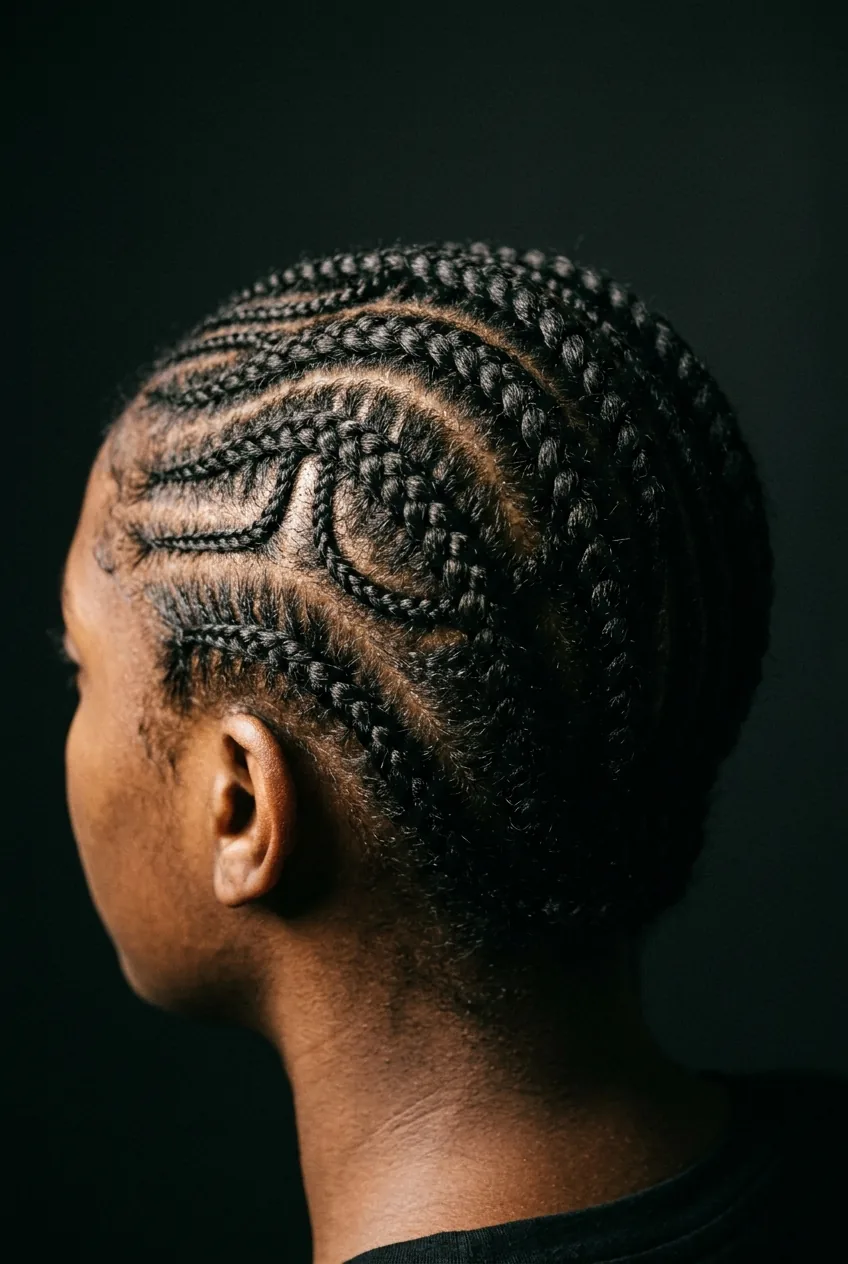
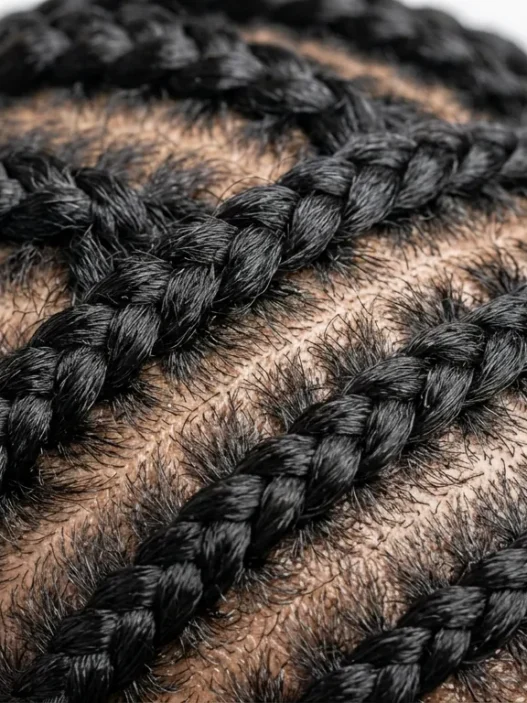
Cornrows showcase the precision that 4C hair makes possible. Whether you go for straight-back rows or intricate curved patterns, the key is maintaining consistent tension throughout. I always start with freshly washed and conditioned hair — clean hair braids better and lasts longer.
Flat Twists That Actually Stay Flat
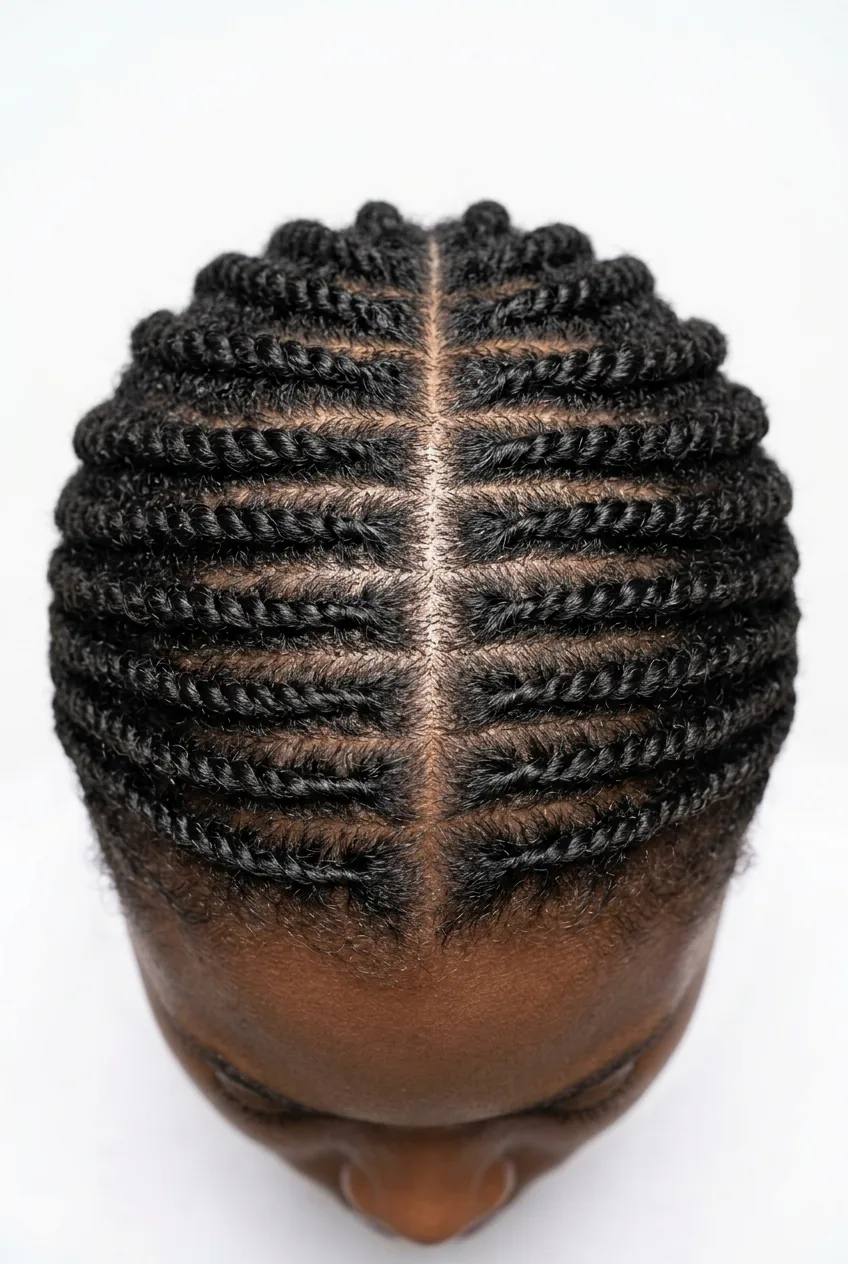
The trick to flat twists that don’t puff up? Start with hair that’s about 80% dry and use a smoothing cream. Twist in the direction your hair naturally wants to go. Fighting against your hair’s natural growth pattern will only create frizz and tension.
Watch the Box Braid Magic Happen
For Relaxed and Chemically Treated Hair
Chemically processed hair needs extra gentleness when braiding. These styles protect your strands while still looking polished.
Loose Three-Strand Braids
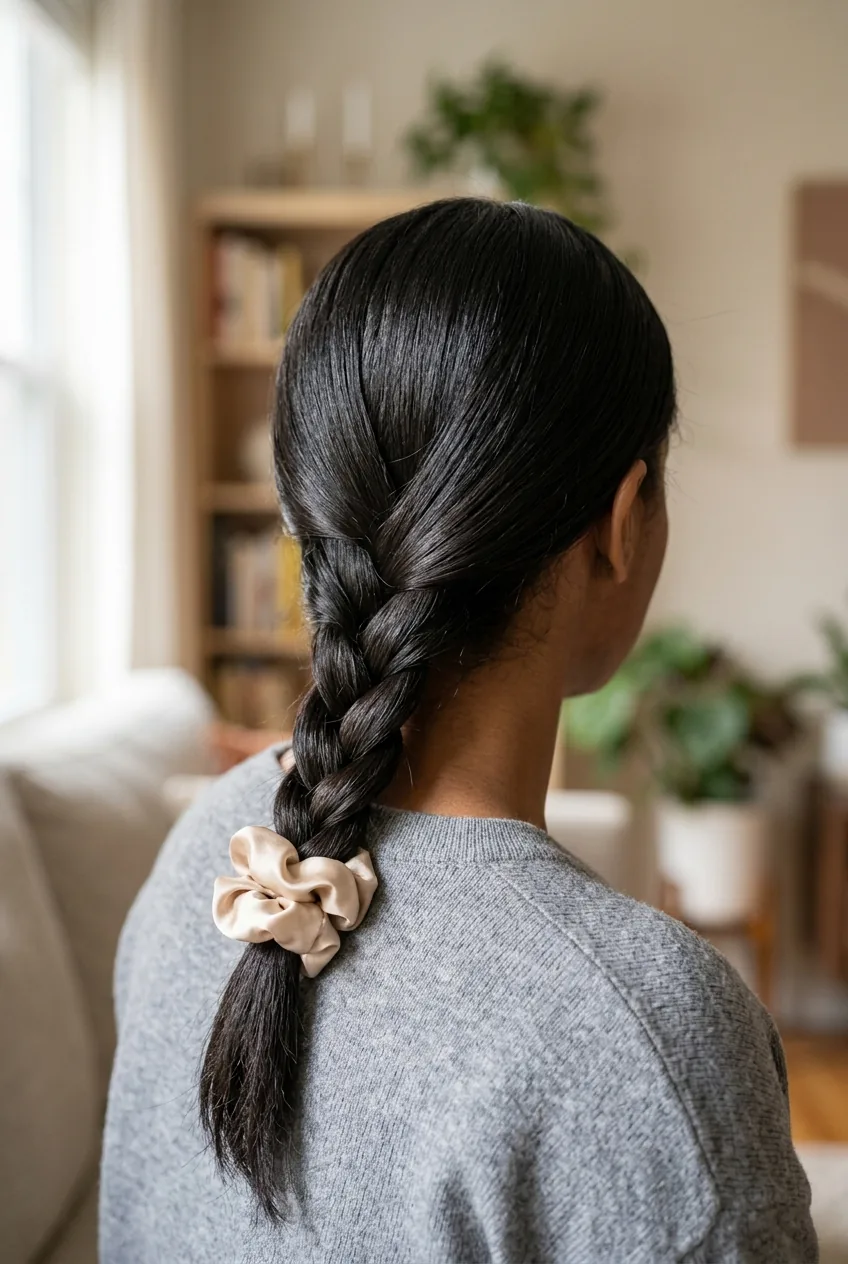
Simple but effective. When your hair is relaxed, you don’t need complex braiding techniques to achieve a sleek look. A loose three-strand braid with smooth edges protects your ends and works for both casual and professional settings. I always use a silk scrunchie to prevent breakage at the elastic.
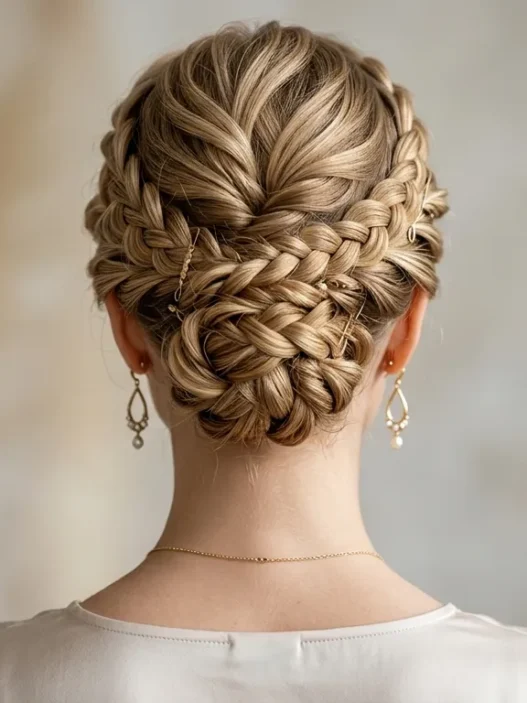
Halo Braids for Delicate Edges
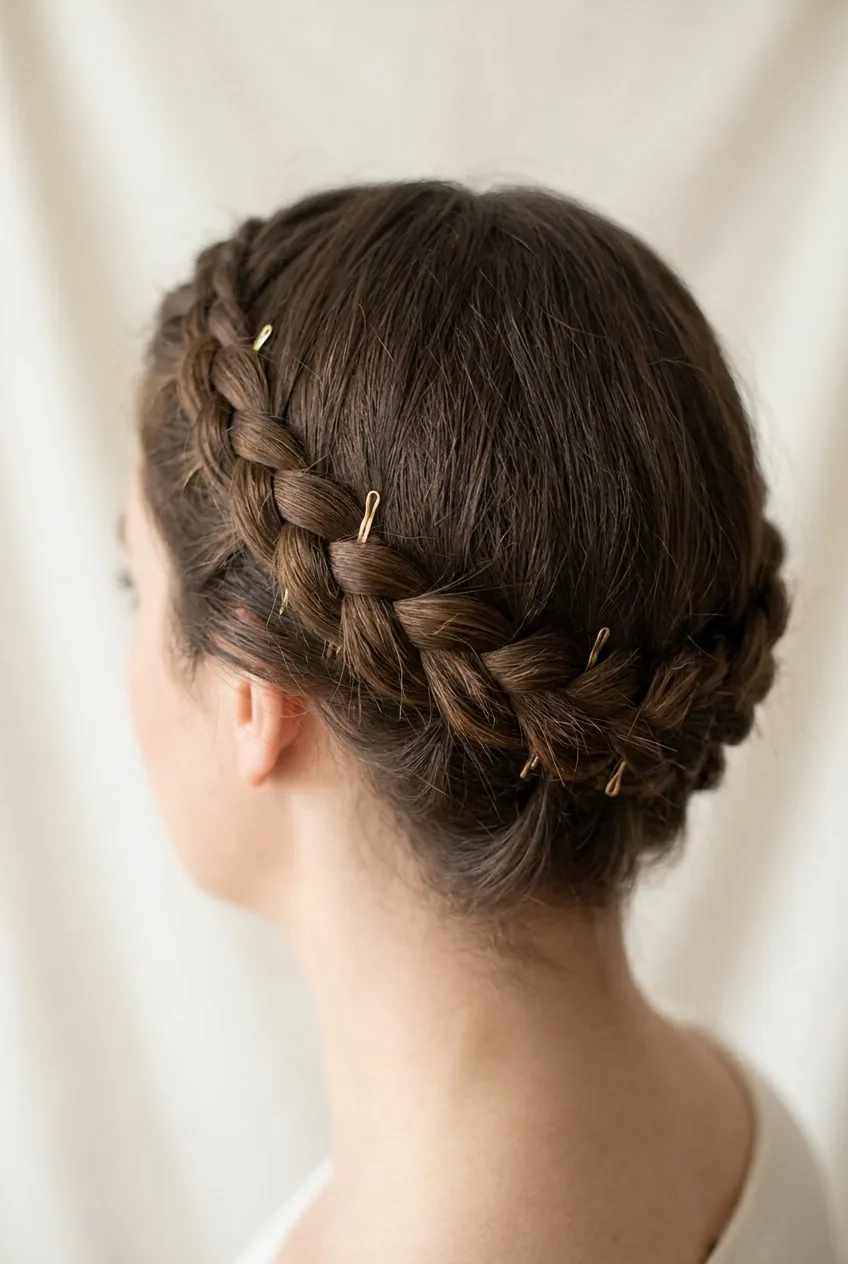
If you’re dealing with fragile edges from relaxer processing, a halo braid keeps tension away from your hairline while creating an elegant updo. Start the braid at the nape of your neck and work around your head, securing with bobby pins rather than tight elastics.
For Short Hair (Shoulder Length and Above)
Short hair presents unique braiding challenges, but these techniques work beautifully even with limited length.
Mini Braids Throughout
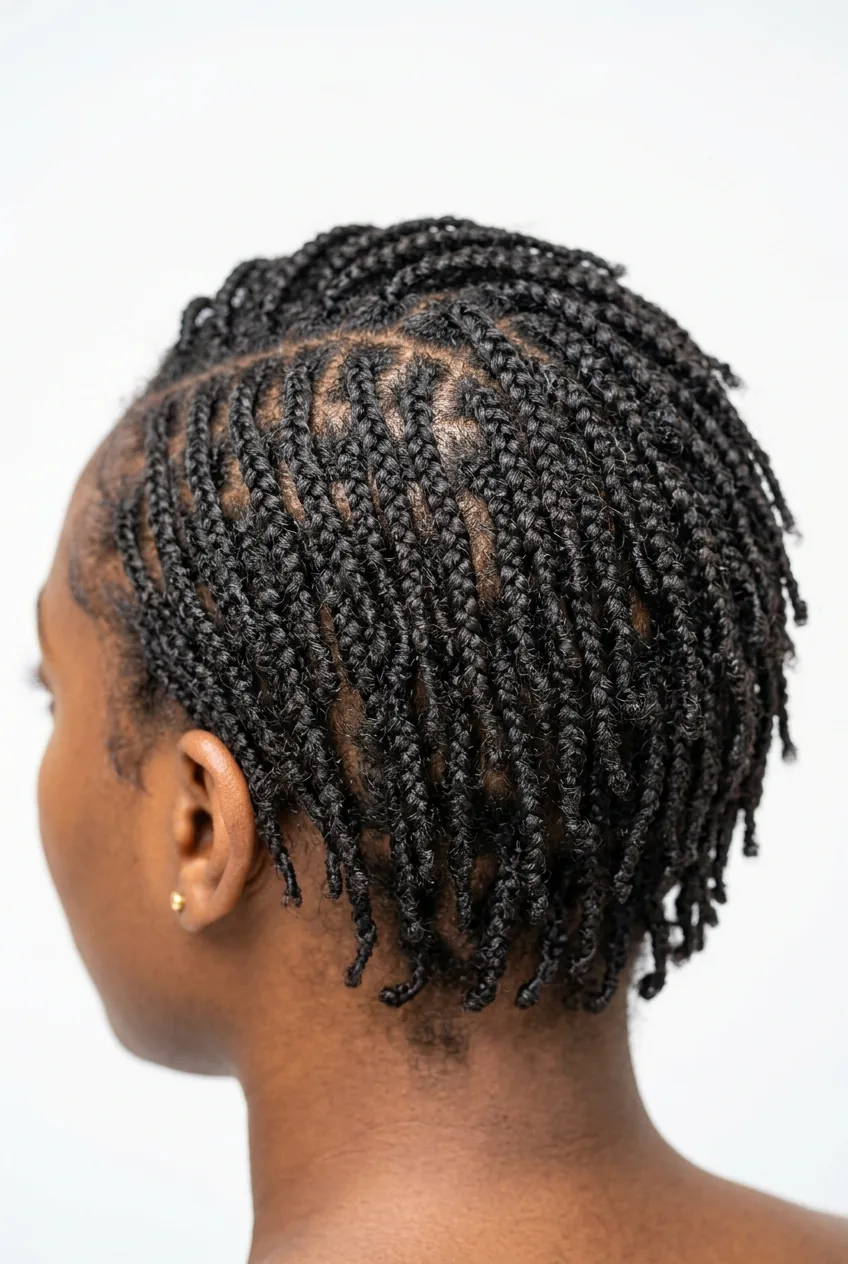
Instead of trying to create one large braid, work with multiple small ones. Tiny braids scattered throughout short hair create texture and interest while keeping everything contained. Perfect for transitioning hair or natural hair that’s still in the growing-out phase.
Crown Braids That Frame Your Face
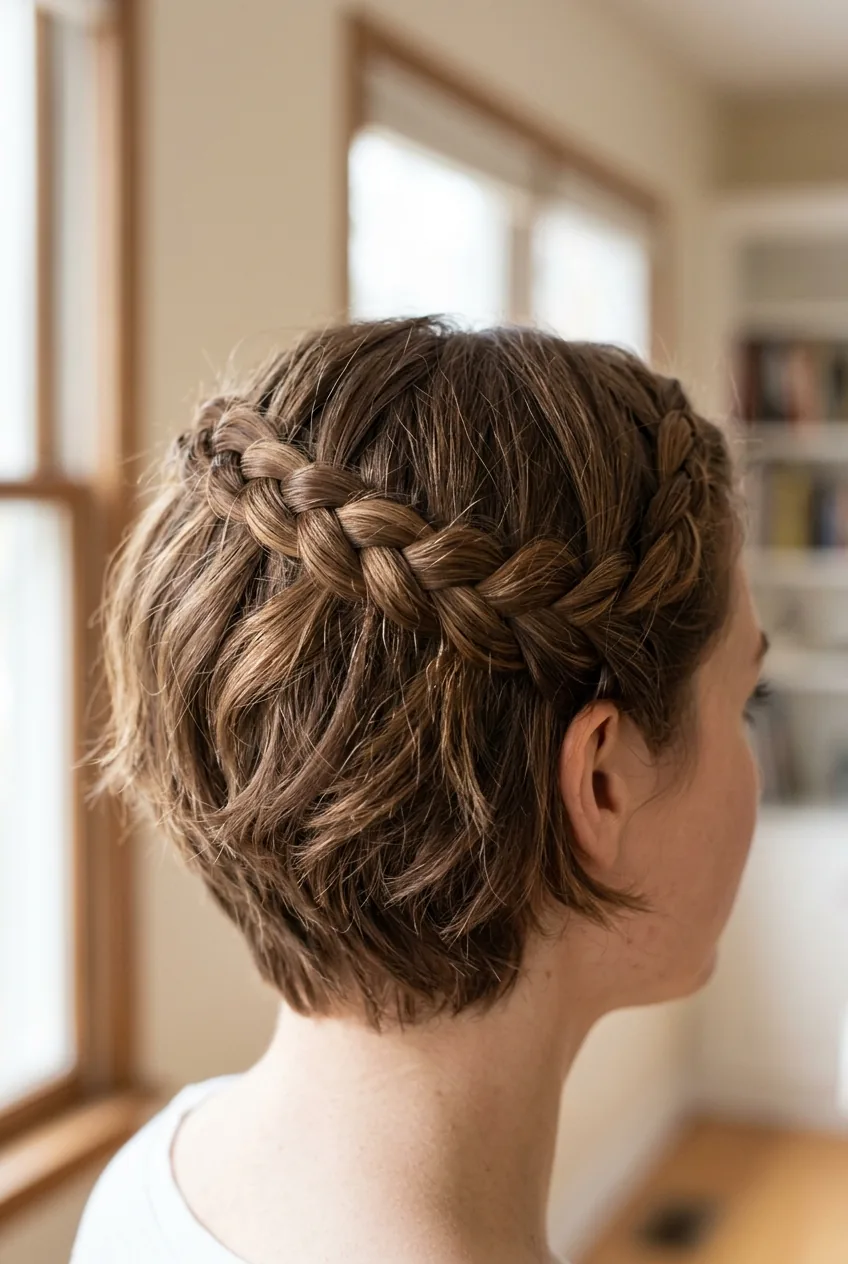
Even with short hair, you can create a beautiful crown braid that starts at one ear and curves around the front of your head to the other ear. The back hair stays loose, but your face gets that elegant framed look. This works especially well for lightweight layered cuts that need some structure.
For the Protective Style Lover
These are the braids I turn to when I want to give my hair a break from daily manipulation while still looking put-together.
Jumbo Box Braids
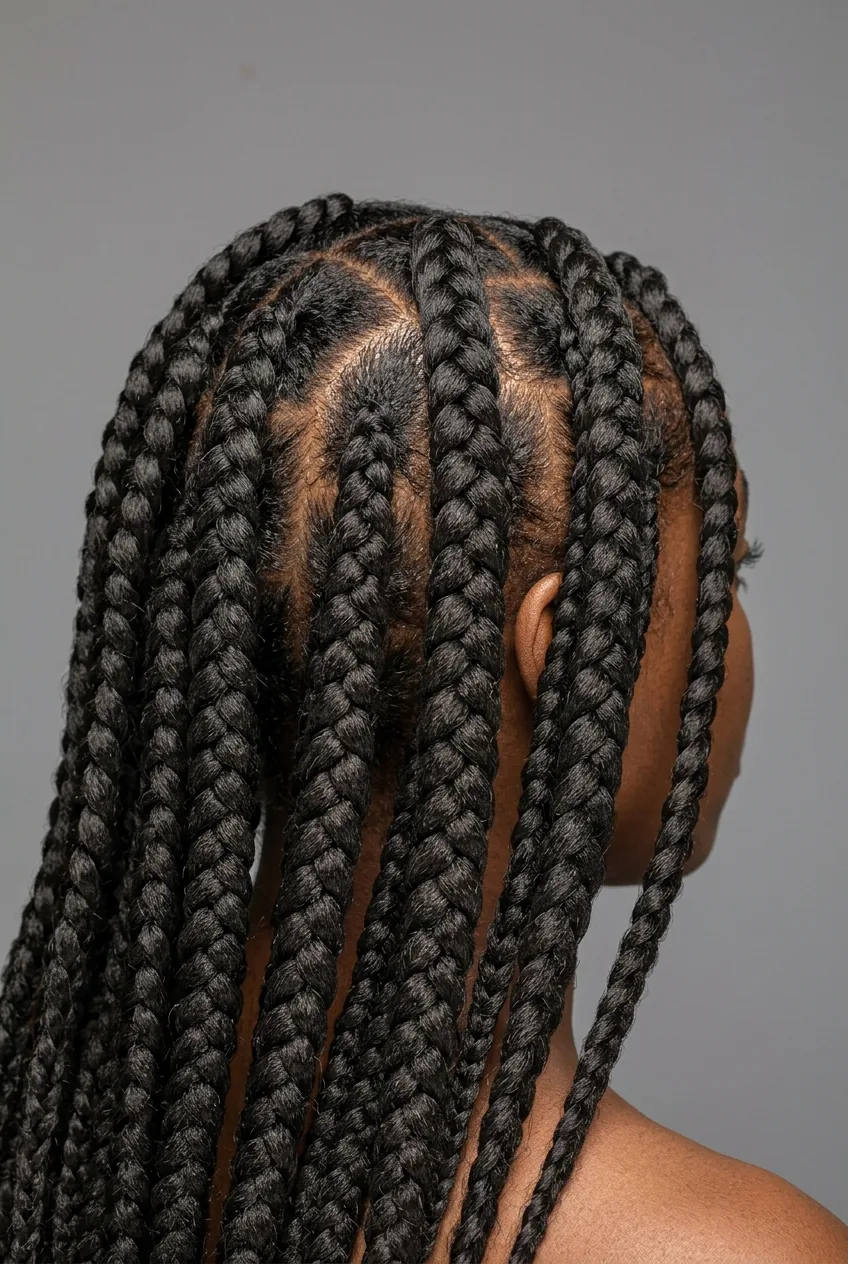
Bigger sections mean less installation time and less weight on your scalp. Jumbo box braids work particularly well if you’re using synthetic hair extensions. The key is keeping them chunky but not so large that they look unnatural. I like to vary the sizes slightly for a more organic look.
Senegalese Twists
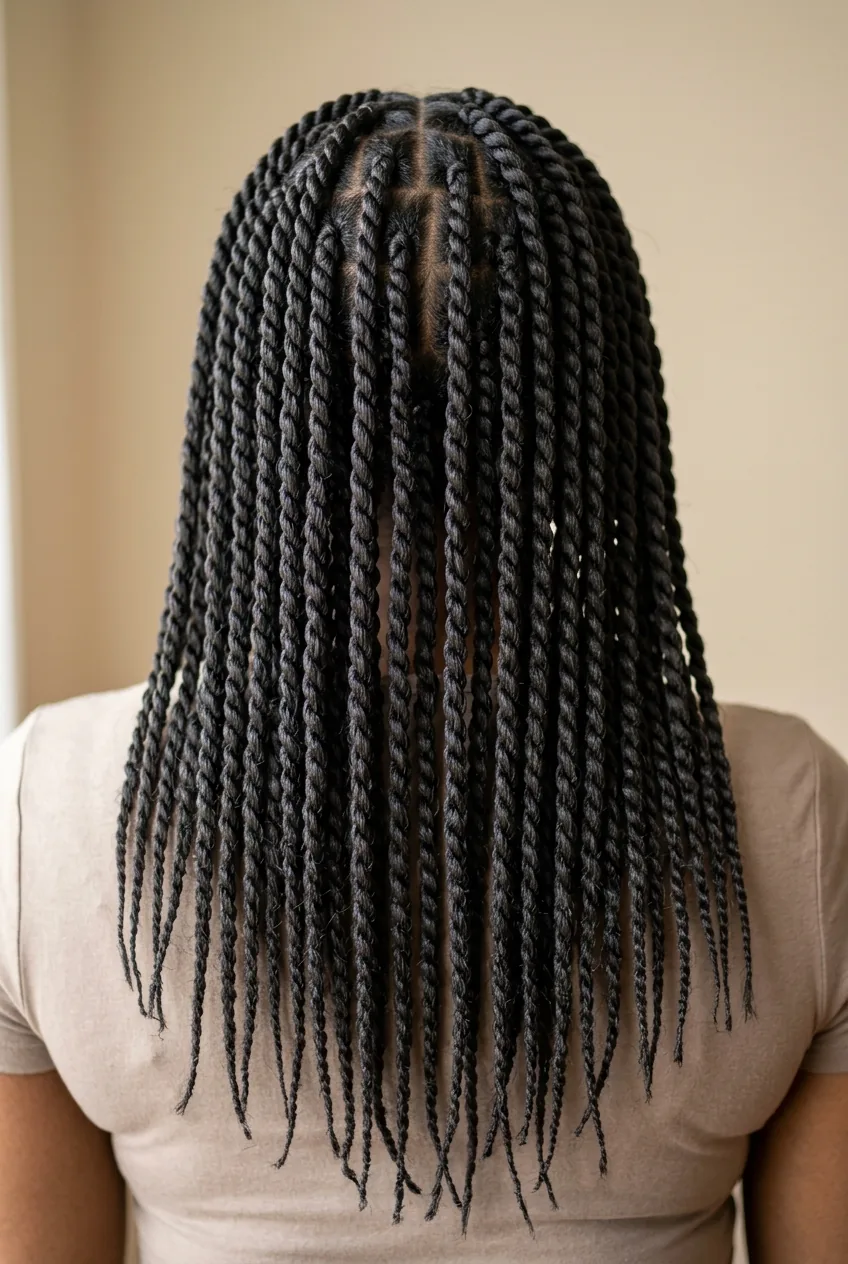
These rope-like twists are gentler on your hair than traditional box braids because there’s less tension at the root. Proper installation techniques make all the difference in longevity. I can keep these in for up to eight weeks with proper care and maintenance.
For Special Occasions
When you need something more elevated than your everyday protective style, these braided looks deliver elegance without compromising hair health.
Braided Updo with Extensions
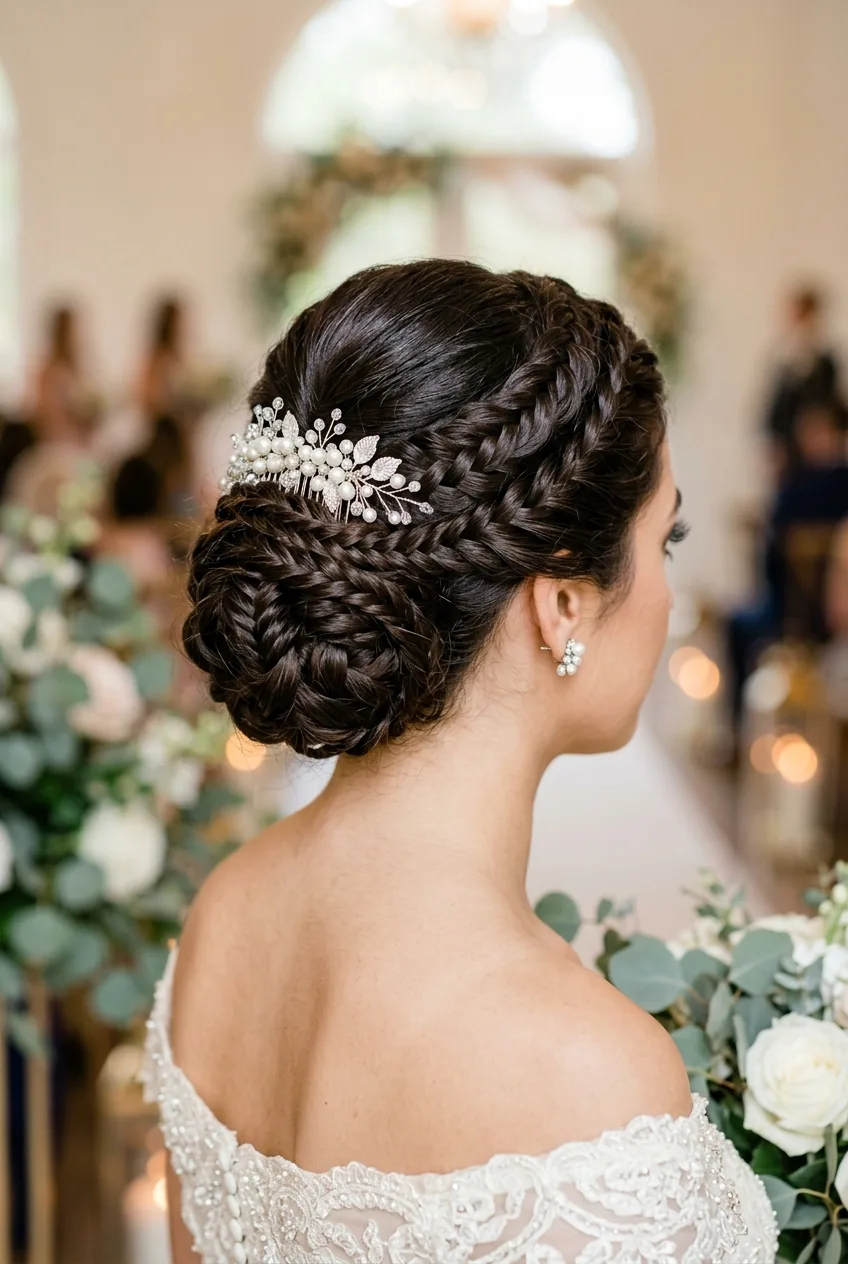
For weddings or formal events, I love creating an elaborate braided updo using clip-in extensions that match my natural texture. This gives you the volume and length for intricate patterns without the commitment of sewn-in extensions. The result looks like it took hours but can be achieved in about 45 minutes.
Ghana Braids with Intricate Patterns
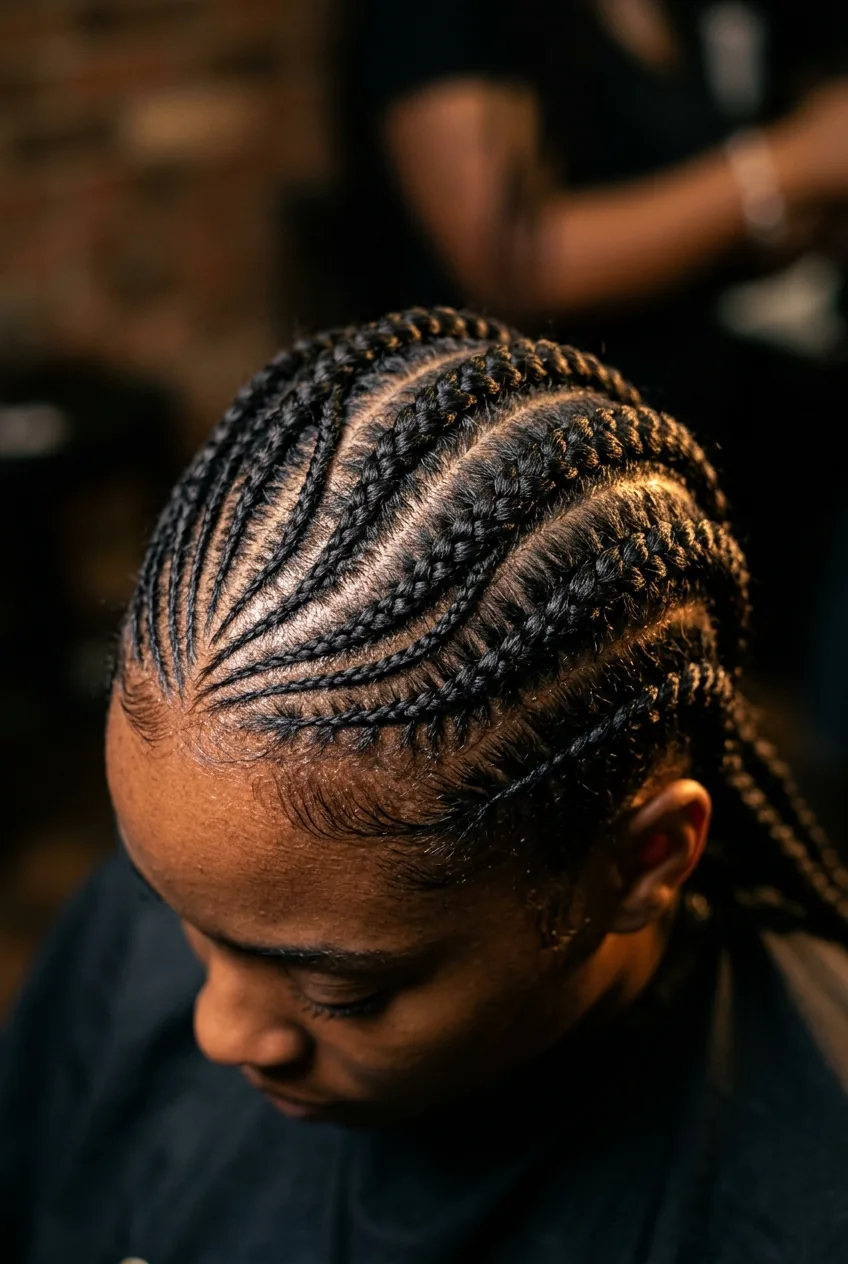
Also called banana braids or Cherokee cornrows, Ghana braids start small at the hairline and gradually get thicker as you add hair. The pattern possibilities are endless — straight lines, curves, or geometric designs. These work beautifully for special events because they photograph well and last several days without touch-ups.
What I love most about having so many braiding options is that there’s always something that works with my mood, my schedule, and my hair’s current needs. Some weeks I want the low-maintenance ease of box braids. Other times I’m feeling creative and want to try a new cornrow pattern.
The most important thing is listening to your hair. If a style feels too tight or causes discomfort, it’s not worth the potential damage. Healthy braiding practices should always prioritize your hair’s long-term health over short-term style goals.
Questions I Get About Braiding
How long should I keep braids in?
It depends on the style and your hair type, but I never keep any braided style in longer than 8 weeks. For tighter styles like cornrows, 4-6 weeks is my maximum. Your hair is still growing underneath, and leaving braids in too long can cause matting and breakage.
Can I wash my hair while it’s braided?
Absolutely! I wash my braided hair every 2-3 weeks using diluted shampoo and focusing on the scalp. The key is thorough rinsing and complete drying to prevent mildew or scalp issues.
What’s the best way to sleep in braids?
A silk or satin pillowcase is essential, but I also use a silk scarf or bonnet for extra protection. For longer braids, I loosely gather them at the top of my head with a silk scrunchie to prevent tangling while I sleep.
Why do my braids get fuzzy so quickly?
Usually it’s because the hair wasn’t properly prepped before braiding or the braids are too loose. Starting with clean, well-moisturized hair and maintaining consistent tension throughout the braid helps prevent premature fuzziness.
Remember that braiding is both an art and a skill that improves with practice. Don’t be discouraged if your first attempts don’t look like the salon photos. With time and patience, you’ll develop your own signature braiding style that works perfectly for your hair.