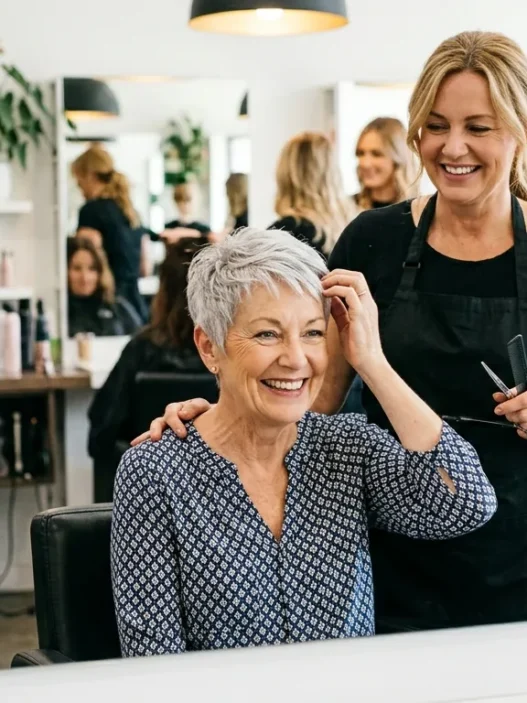







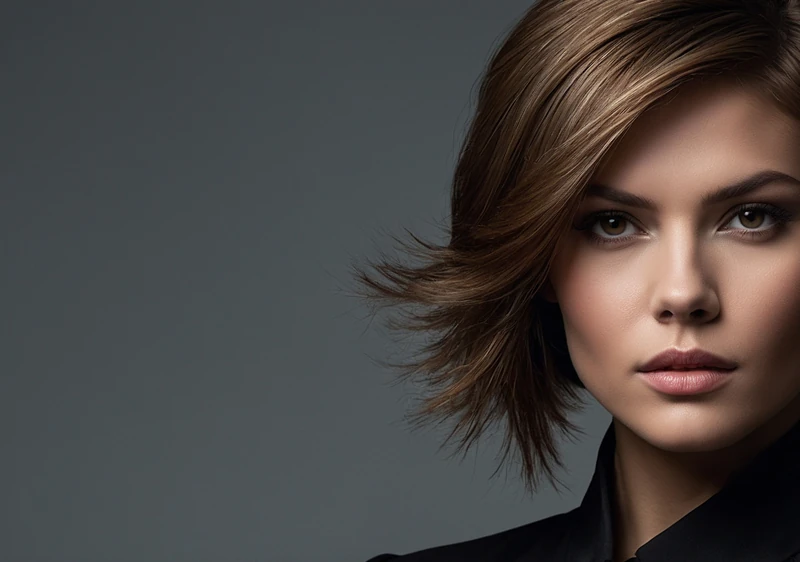
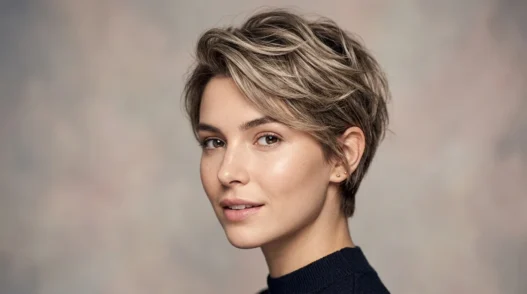
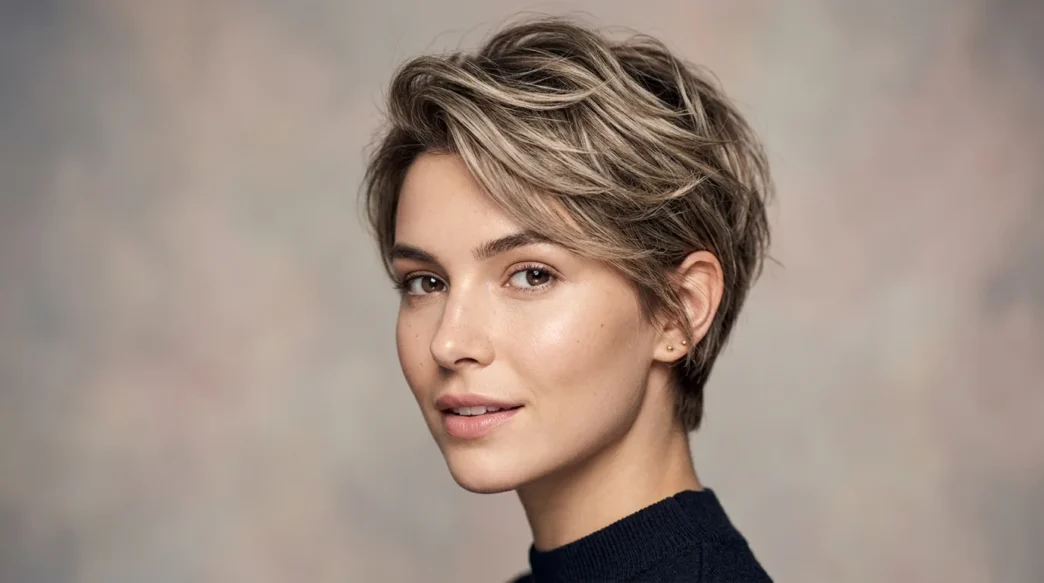
Last month, my client Sarah walked in asking for “anything but a boy cut” because her sister told her she’d look too masculine. Twenty minutes later, she was staring at herself in the mirror with the most gorgeous textured crop I’d ever created on her. “I can’t believe I almost missed out on this,” she whispered. That conversation made me realize how many women are avoiding the perfect haircut because of outdated myths.
Myth: Boy Cuts Only Work on Angular Faces
I hear this one constantly, and it drives me absolutely crazy. The idea that you need sharp cheekbones and a defined jawline to pull off a boy cut is complete nonsense. Where did this even come from?
I think it stems from seeing celebrities like Charlize Theron and Halle Berry rock these cuts in the ’90s. But here’s what people miss — it’s not about having angular features. It’s about the cut working with your natural bone structure, not against it.
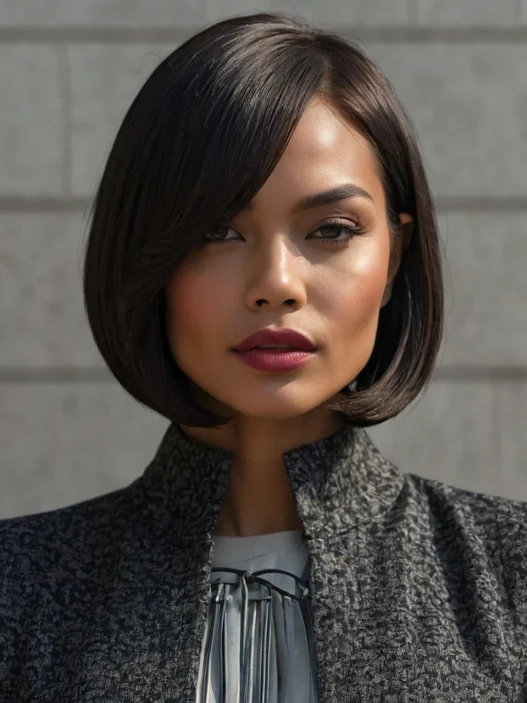
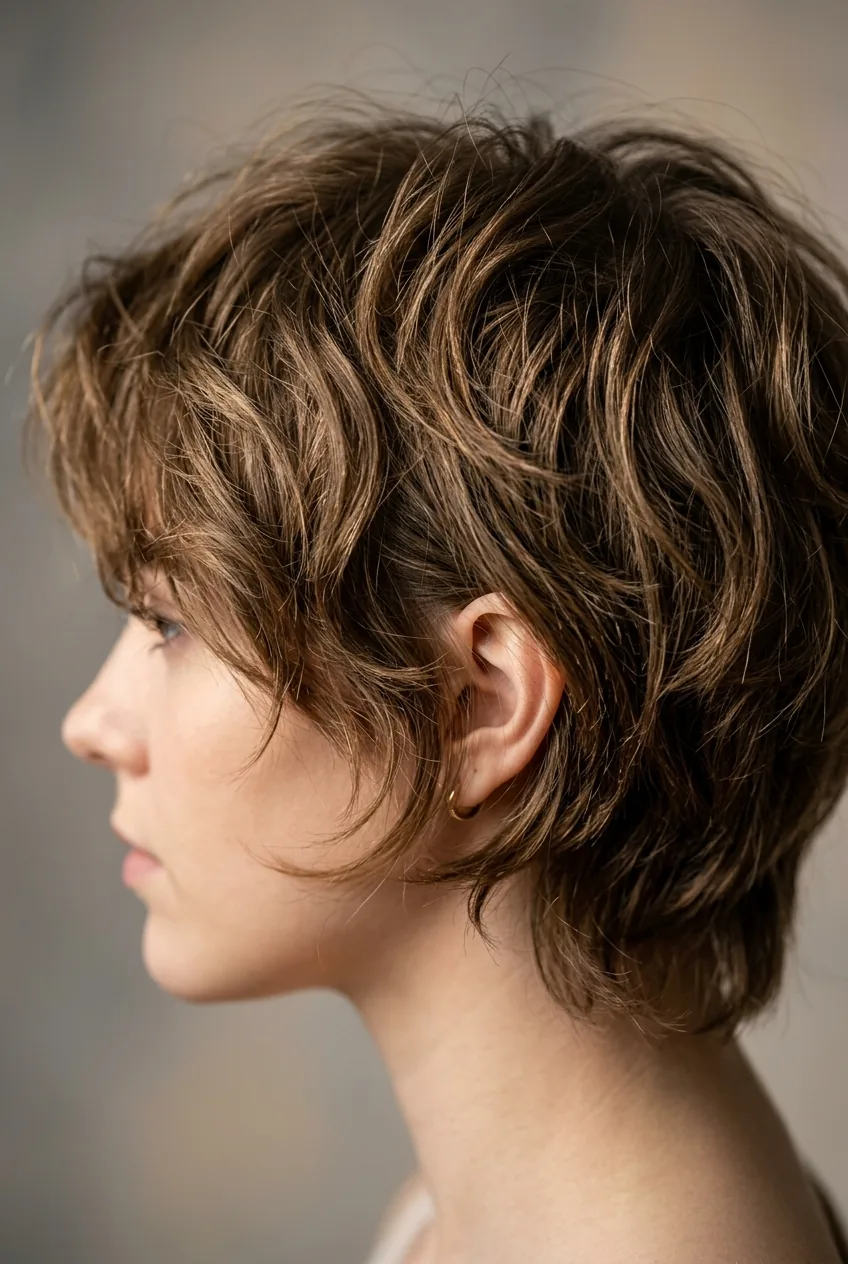
Look at her in this photo — she has the softest, roundest face you’ve ever seen. And that textured boy cut? Absolutely stunning. The key is in how the layers are cut to enhance what she’s already got, not to create some fictional “ideal” face shape.
What Actually Matters: Face Shape Guidelines
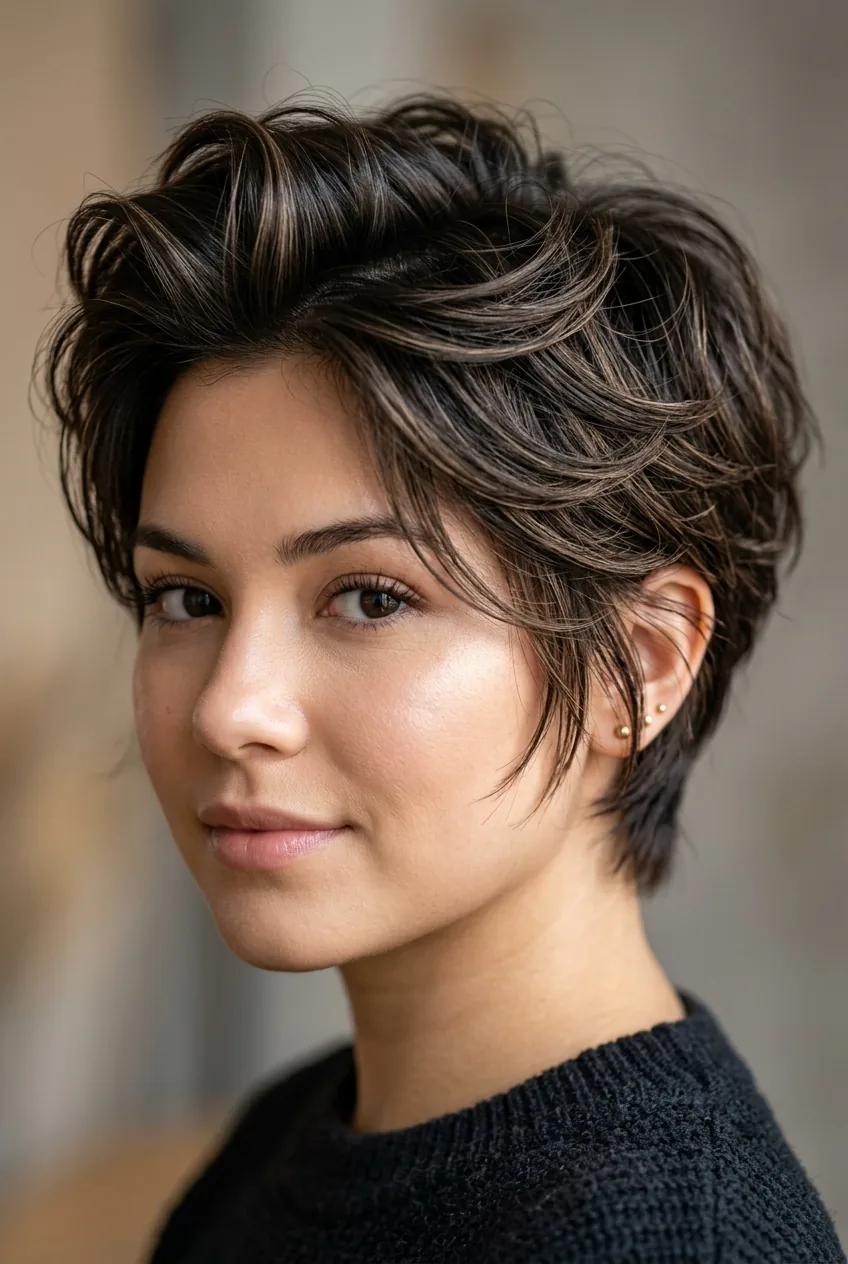
Instead of worrying about whether your face is “angular enough,” focus on these actual guidelines that work:
- Round faces: Add height at the crown and keep sides slightly longer
- Square faces: Soften with textured layers and avoid blunt edges
- Heart-shaped: Balance a wider forehead with volume at the jawline
- Oval faces: Lucky you — almost any variation works
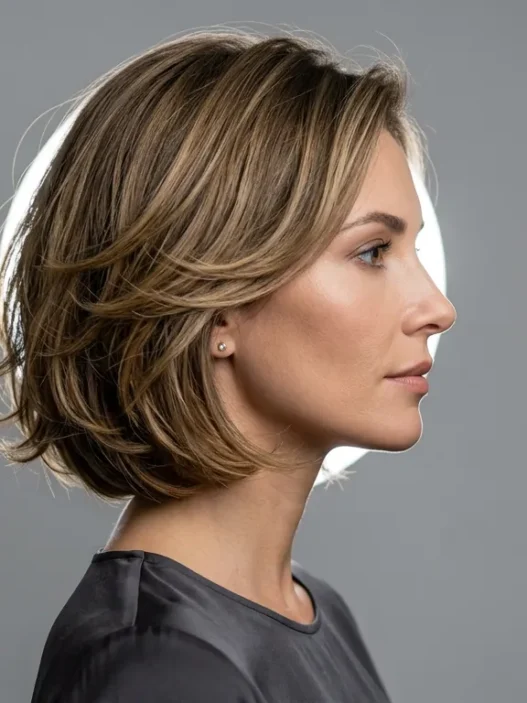
See how she’s wearing hers with that gorgeous side-swept texture? That’s exactly what I mean about working with your natural shape instead of fighting it. The cut follows the curve of her face rather than trying to reshape it.
Myth: You Need Perfect Features
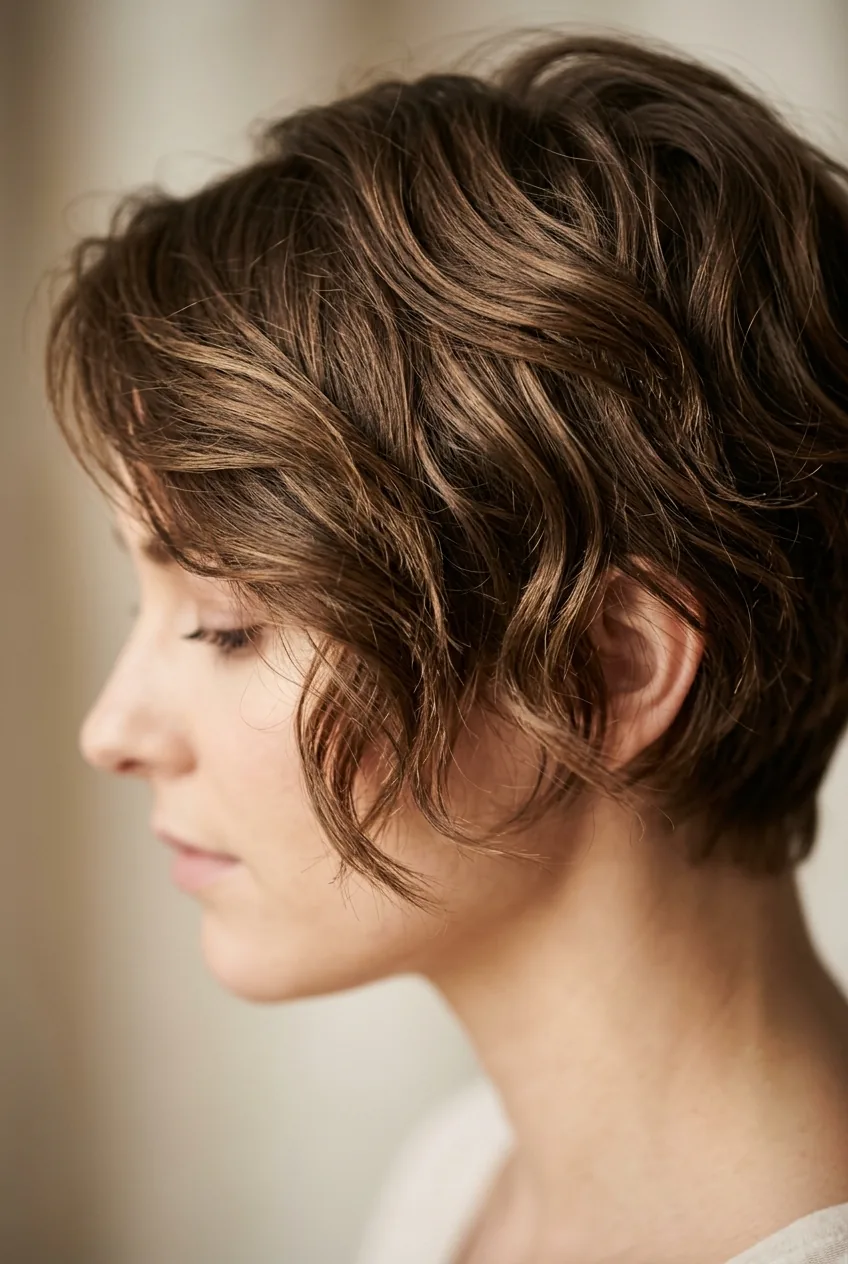
Oh, this one makes my blood boil. “I could never pull off a boy cut because my nose is too big” or “my ears stick out too much.” Stop it. Just stop.
I’ve been cutting hair for fifteen years, and you know what I’ve learned? The women who think they have “imperfect” features are often the ones who look most stunning in boy cuts. Why? Because short hair draws attention to your eyes, your smile, your personality — not whatever imaginary flaw you’re fixated on.
My client Maria was convinced her prominent nose would look huge with short hair. Now she gets stopped on the street for compliments. The crop cut actually balanced her features beautifully, and she finally stopped hiding behind long hair that was doing nothing for her.
The Real Deal: Styling Makes the Magic

Here’s what actually determines whether a boy cut works on you: how you style it. Not your bone structure. Not your features. Your styling game.
The difference between a boy cut that looks amazing and one that falls flat comes down to three things: texture, volume, and movement. You can have the most “perfect” face in the world, but if you’re not working with your hair’s natural texture and adding the right products, it’s going to look lifeless.
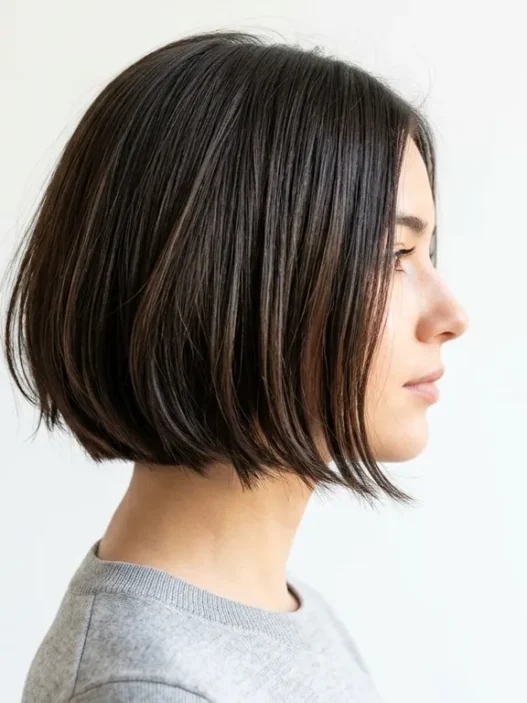
This is the length I’m talking about — see how it hits just below her chin? But notice the texture. That’s not just a basic chop. There are layers creating movement, and I guarantee she’s using a texturizing spray to enhance what the cut started.
For those interested in other short styles that complement different face shapes, check out these pixie cut styles for thin hair that add incredible volume.
Watch This Stylist Work Her Magic
Myth: Boy Cuts Are High Maintenance
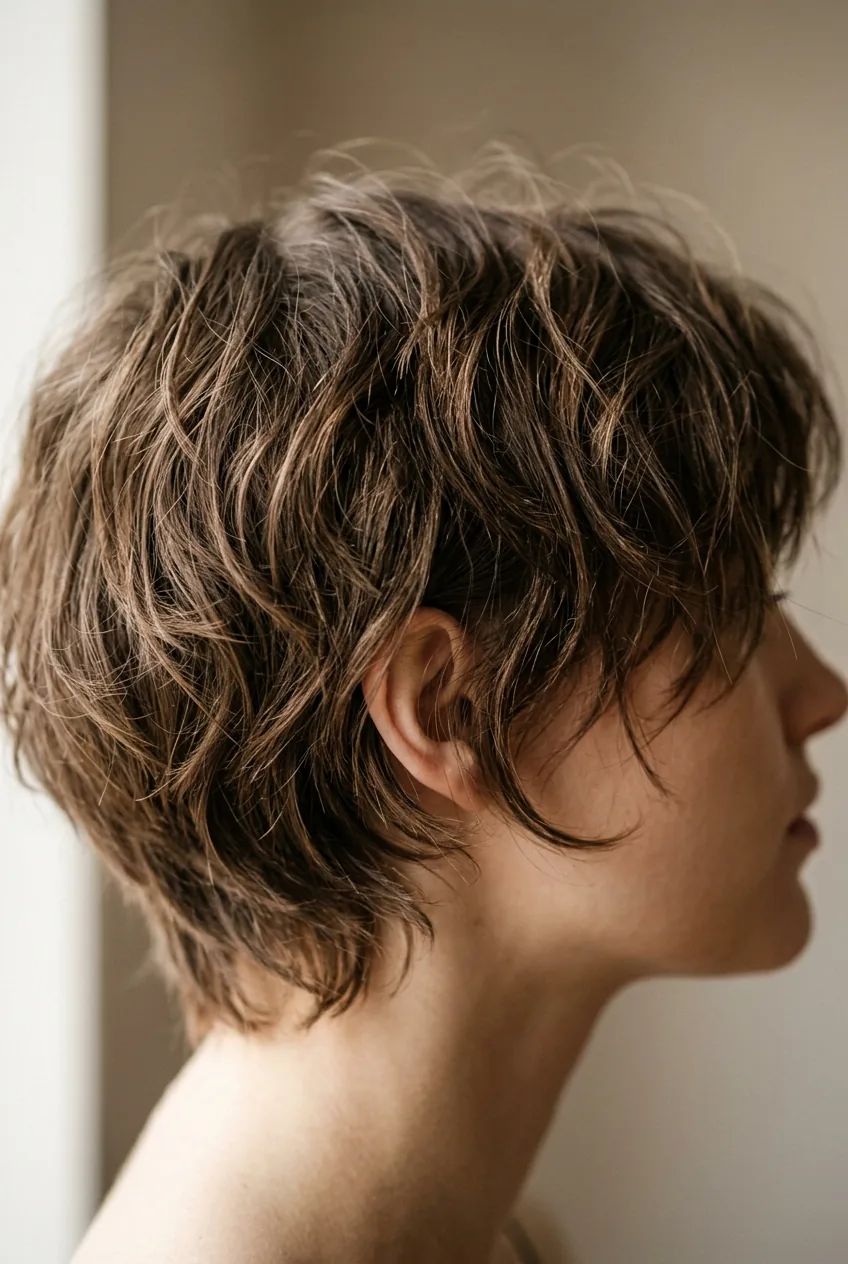
Wrong again! This myth probably exists because people see celebrities with perfectly styled boy cuts on red carpets and think that’s what daily maintenance looks like. Spoiler alert: it’s not.
A well-cut boy cut should be the easiest thing you’ve ever styled. Seriously. I tell my clients they should be able to roll out of bed, run their fingers through their hair, maybe add a tiny bit of product, and be ready to go.
The secret is in the cut itself. When your stylist understands your hair’s natural growth patterns and works with them, your boy cut literally styles itself. I’ve had clients tell me it’s the first time in their lives they’ve loved their hair in the morning.
She’s got a similar face shape to mine, and honestly, this effortless style looks incredible on her. That’s what a good boy cut should do — enhance your natural beauty without requiring a styling degree.
The key is finding a stylist who understands the importance of face-framing layers that work with your specific features and lifestyle.
What People Usually Ask About Boy Cuts
How often do I need trims with a boy cut?
Every 4-6 weeks, depending on how fast your hair grows and how precise you like the shape. But honestly, boy cuts grow out better than most people think — they just evolve into different short styles as they grow.
Can I wear earrings with a boy cut?
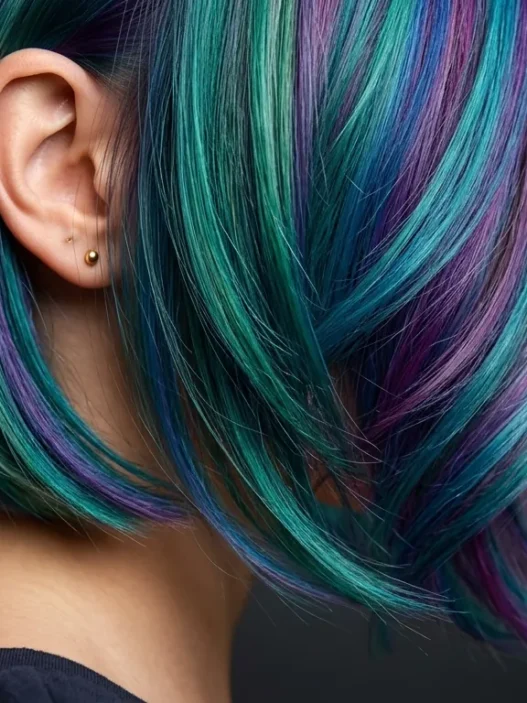
Absolutely! Boy cuts actually showcase earrings beautifully because there’s no long hair to hide them. I always tell clients to go bold with their jewelry choices — it’s one of the best perks of short hair.
What if I hate it and want to grow it out?
Hair grows about half an inch per month, so you’re looking at maybe 6-8 months to get to a longer bob length. But here’s the thing — most of my boy cut clients never want to go back to long hair once they experience the freedom.
Will a boy cut make me look masculine?
Only if you want it to! The beauty of modern boy cuts is how feminine and soft they can be. It’s all about the cutting technique and styling — we’re not talking about military buzz cuts here.
Stop letting outdated myths keep you from trying something that could be absolutely perfect for you. The worst that happens? Your hair grows back. But I have a feeling you might just fall in love with the woman you see in the mirror.