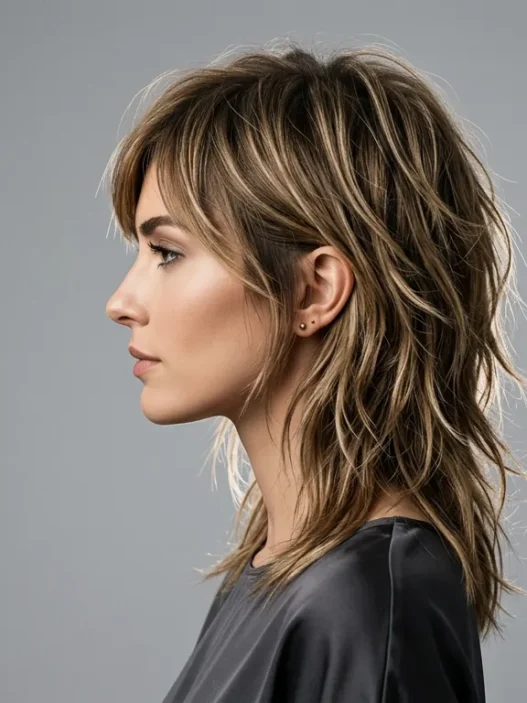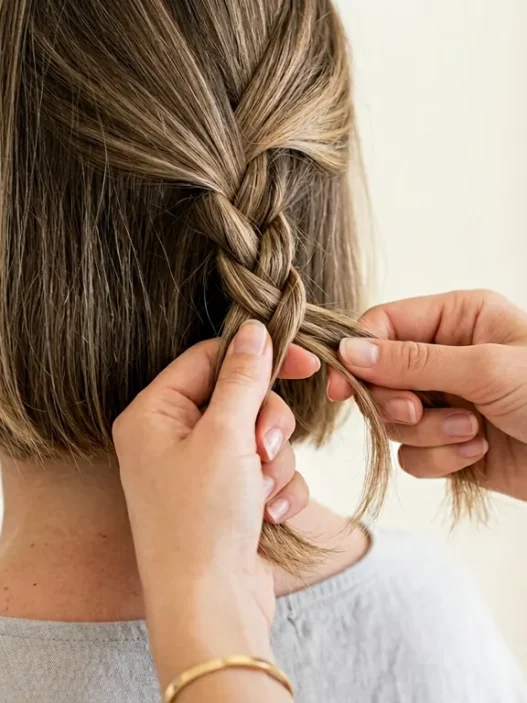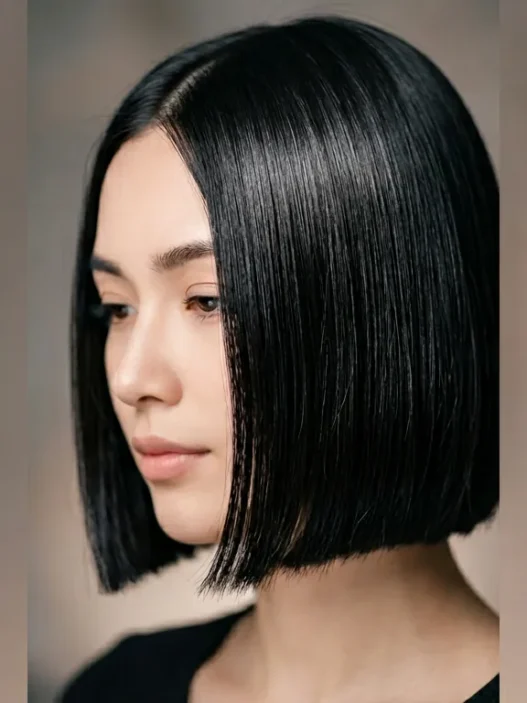










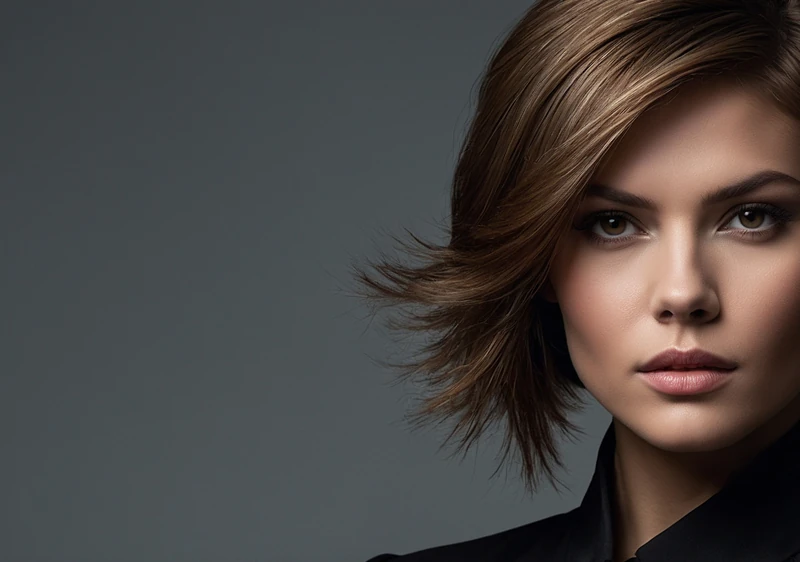

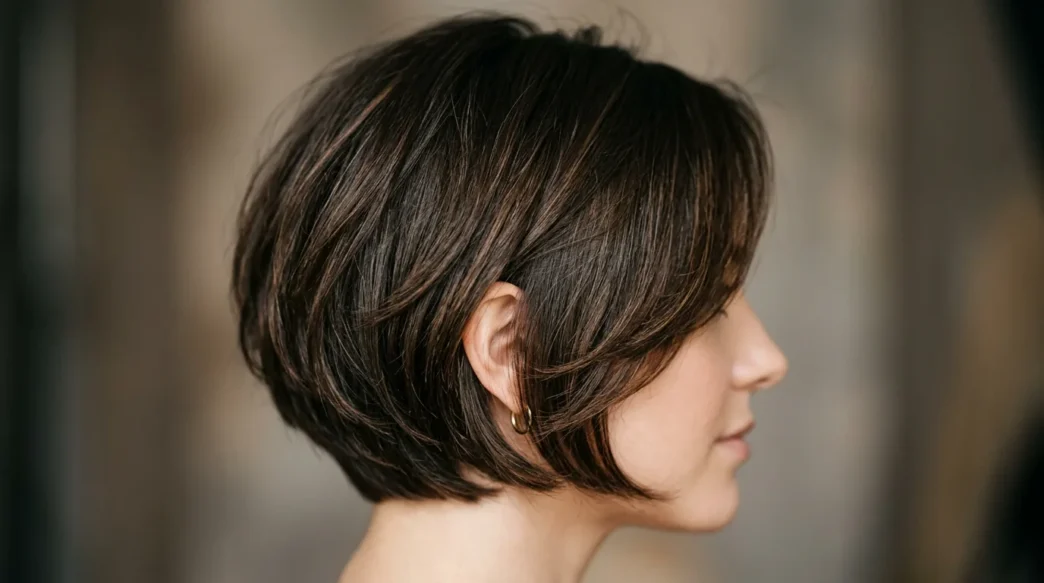
I spent three years avoiding layers in my short hair because every stylist seemed to butcher them. You know the look — that choppy, disconnected mess that screams “I cut this myself with kitchen scissors.” But then I found a stylist who actually understood the anatomy of short hair layers, and everything changed. My flat, lifeless bob transformed into something with actual movement and personality.
Why Most Short Hair Layers Fall Flat
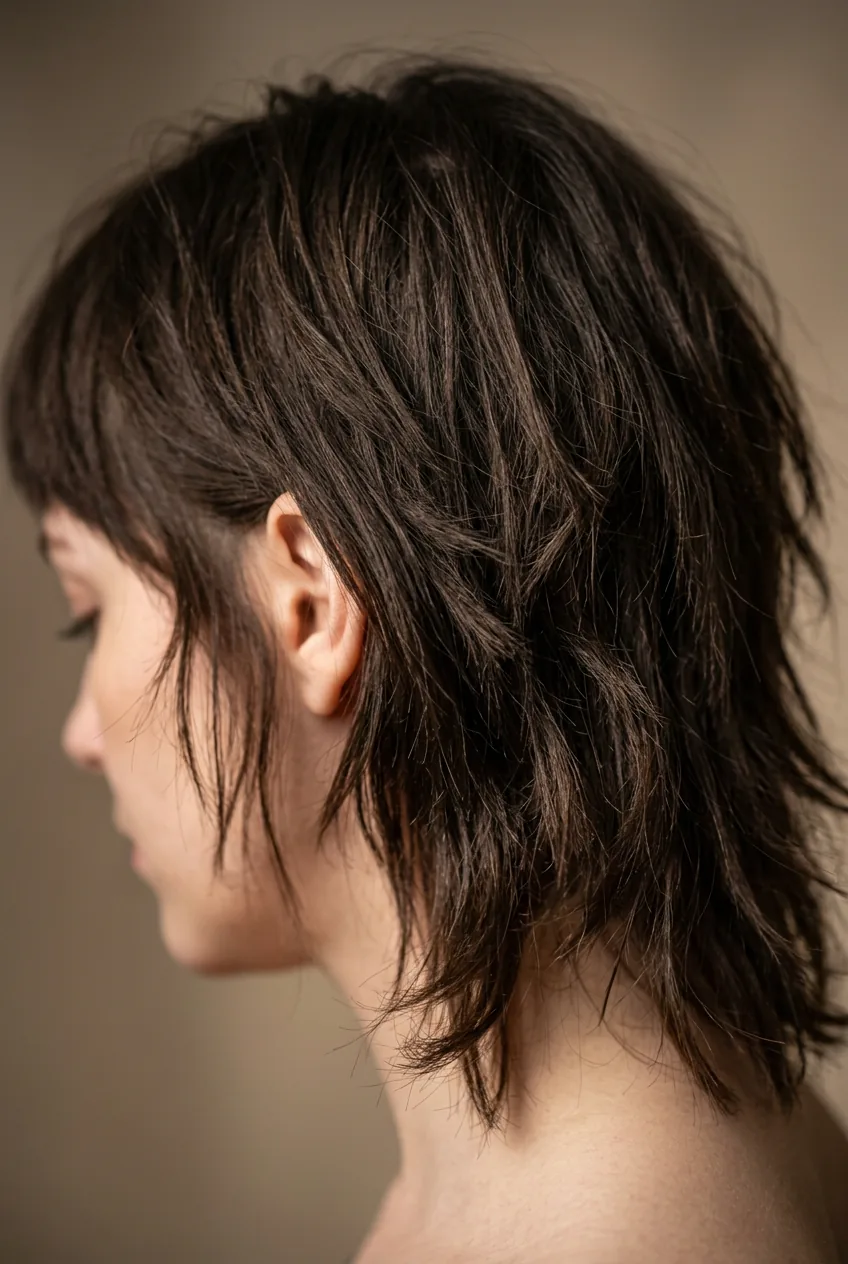
Here’s what I learned the hard way: most stylists approach short hair layers like they’re cutting long hair, just shorter. Big mistake. Short hair doesn’t have the weight to pull layers into place naturally. Without that weight, poorly placed layers just stick out at weird angles.
The problem starts with elevation. When stylists lift sections too high during cutting, they create layers that are too disconnected from the base. I’ve watched this happen in salon chairs — the stylist pulls the hair straight up at 90 degrees and cuts. Looks fine when it’s wet and controlled. But the moment you style it at home? Chaos.
Good short hair layers should blend seamlessly. Think of them as subtle graduation rather than obvious steps. The best cuts I’ve seen use what stylists call “overdirection” — pulling sections slightly forward or back during cutting to create softer transitions.
Another issue? Stylists often add layers to fix problems that layers can’t actually solve. Thin hair doesn’t magically become thicker with layers. In fact, excessive layering can make fine hair look even more sparse. I learned this when I asked for “lots of layers for volume” and ended up looking like I’d lost half my hair.
The secret is strategic layering. Not more layers — smarter ones. Focus on the areas that actually need movement: usually around the face and through the crown. Leave the perimeter solid for weight and fullness.
The Science Behind Strategic Layer Placement
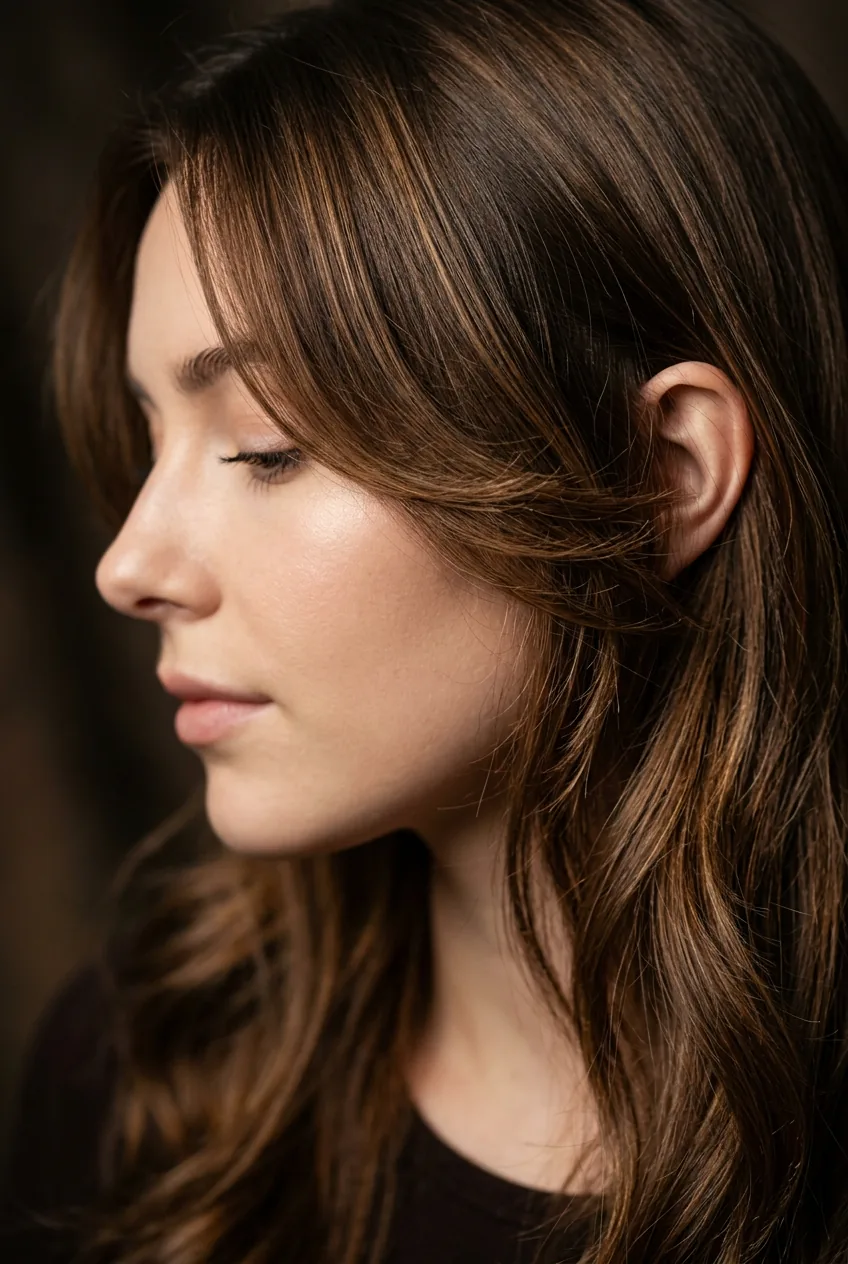
Let’s talk about hair physics for a minute. Each strand of hair naturally wants to fall toward the earth — shocking, I know. But short hair fights gravity differently than long hair. Without length to weigh it down, short hair relies on the angle of the cut to determine its final position.
This is where most people get confused about layer placement. The crown of your head is naturally the highest point, so hair cut there will always want to lift up. If you add too many short layers at the crown, you’re asking for that “poufy” look that screams 2003.
The magic happens in the transition zones — those areas between your crown, sides, and nape. Smart stylists create gentle gradations in these zones, using techniques like point cutting or slide cutting to soften the edges. It’s not about removing bulk everywhere; it’s about removing bulk strategically.
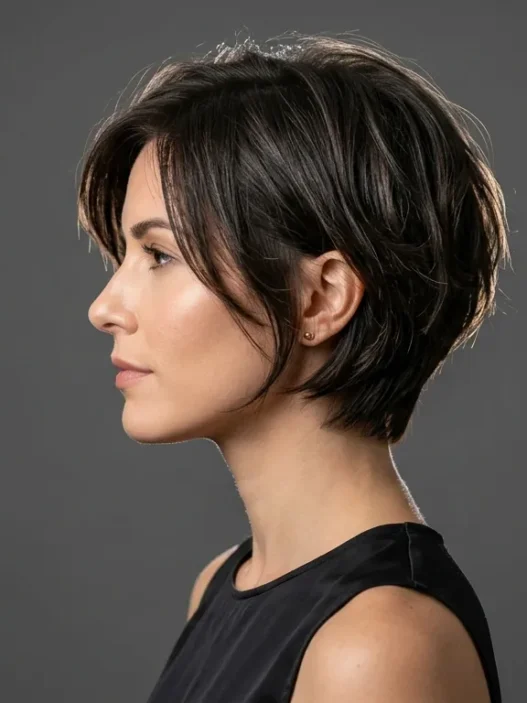
Face-framing layers deserve special mention here. These aren’t just “short pieces in front.” The angle and length of face-framing layers determine whether they enhance your features or create unflattering shadows. I prefer layers that hit somewhere between the cheekbone and jawline — long enough to move but short enough to frame.
Temperature also affects how layers behave. Humid weather makes layers lift and separate more. Dry weather can make them lie flat. A good layer cut accounts for this variability by creating shapes that work in different conditions. Trending hair colors can actually help define layer separation when cut and styled properly.
Here’s something most people don’t consider: the direction of your hair growth patterns affects how layers will lay. Everyone has cowlicks and natural growth directions. A skilled stylist cuts with these patterns, not against them. Fighting your natural hair growth is a losing battle.
What The Hair Industry Gets Wrong About Face Shapes
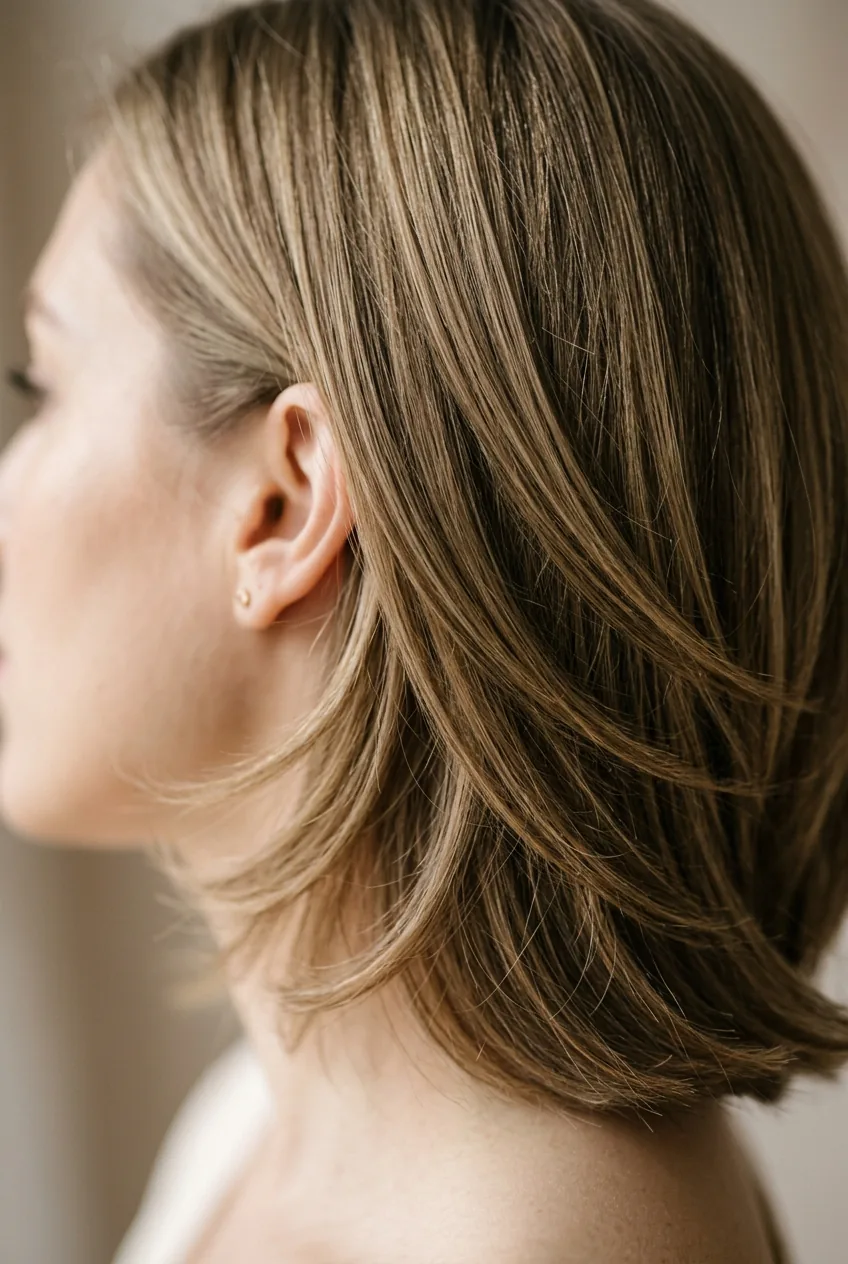
Can we please stop with the rigid face shape rules? I’m so tired of hearing “round faces can’t have layers above the jawline” or “square faces need softening layers.” These oversimplified guidelines ignore so many variables that actually matter.
Your bone structure matters more than your overall face shape. Two people can have “round” faces but completely different cheekbone placement, jawline definition, or forehead proportions. Cookie-cutter layer placement based on basic face shapes just doesn’t work.
I have what stylists would call a “square” face, but my cheekbones are my best feature. Following traditional rules, I should avoid layers that hit at cheekbone level. But guess what? Layers that graze my cheekbones actually enhance them beautifully. Rules are meant to be broken when they don’t serve you.
The real question isn’t “what’s your face shape?” It’s “what features do you want to highlight?” Layers can draw attention to great cheekbones, create the illusion of a stronger jawline, or add width to a narrow face. But only if they’re placed with intention, not according to some outdated chart.
Personal style matters too. Some people look amazing with edgy, obvious layers that break all the “flattering” rules. Others prefer subtle, barely-there layers that just add movement. There’s no wrong choice — only wrong execution.
Here’s my controversial opinion: face shape guidelines were created to make stylists’ jobs easier, not to make clients look better. A truly skilled stylist looks at your individual features, hair texture, lifestyle, and personal preferences. Face shape considerations should inform the conversation, not dictate it.
The Nuance Nobody Mentions: Hair Density vs. Thickness

This is where things get really interesting, and where most people — including some stylists — get completely lost. Hair density and hair thickness are not the same thing, but they both dramatically affect how layers should be cut.
Density refers to how many hair strands you have per square inch. Thickness refers to the diameter of each individual strand. You can have fine hair (thin strands) that’s very dense, or coarse hair (thick strands) that’s sparse. Each combination requires a different approach to layering.
Fine, dense hair — like mine — can actually handle more layers than people think. The key is keeping them long and soft. Short, choppy layers in dense fine hair create a poufy triangle effect. But longer, subtle layers remove weight while maintaining the illusion of thickness.
Coarse, sparse hair needs the opposite approach. Here, every strand counts for visual fullness. Layers should be minimal and strategic — maybe just around the face and through the crown. The goal is to create movement without sacrificing precious volume.
Then there’s the sweet spot: medium-density, medium-thickness hair. This hair type is the most forgiving for layers. You can go shorter, longer, choppier, or softer with good results. If you’re not sure about your hair’s density and thickness, start conservative with your first layered cut.
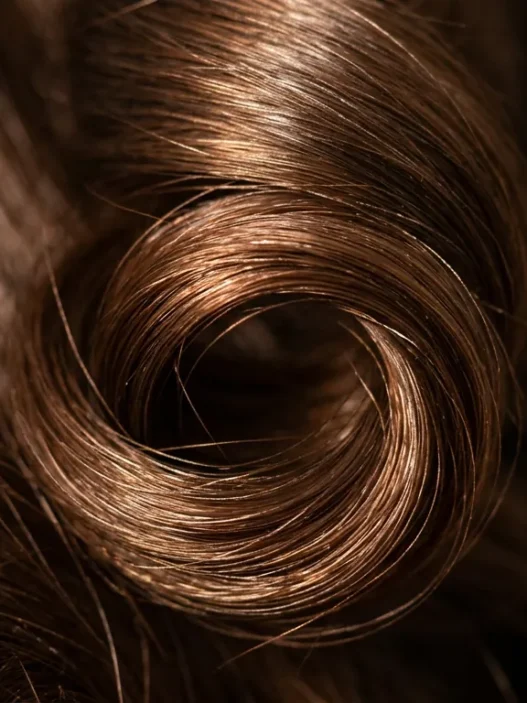
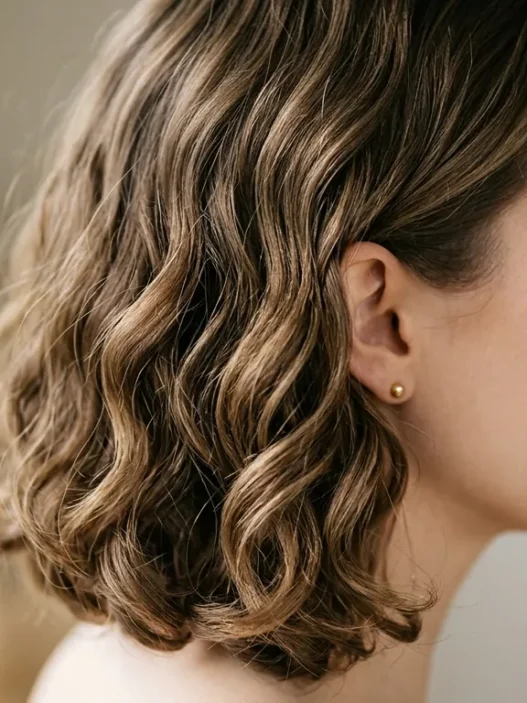
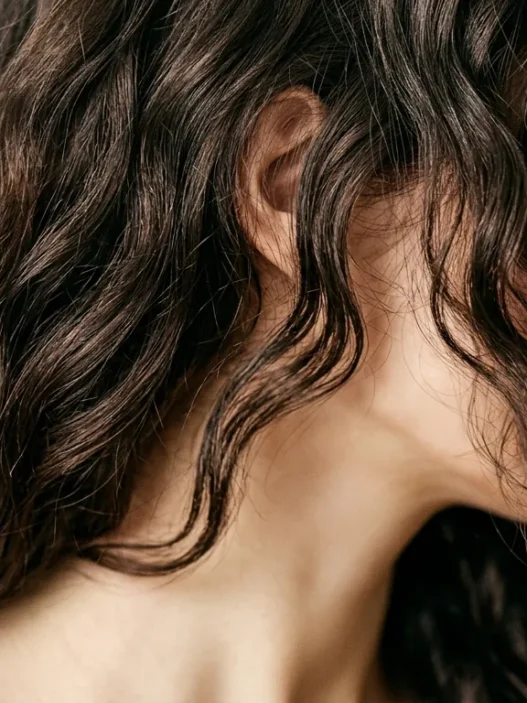
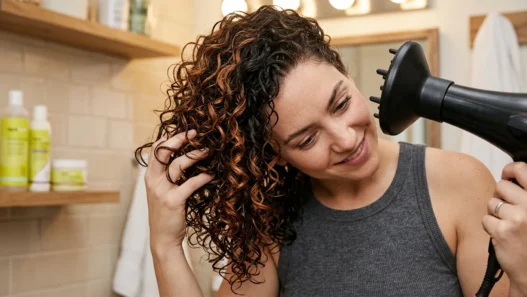
Texture adds another layer of complexity — pun intended. Straight hair shows every imperfection in a layer cut. Wavy hair can hide minor flaws but might get poofy if over-layered. Curly hair considerations require even more careful planning because the curl pattern affects how layers stack and separate.
The bottom line? There’s no universal “good” or “bad” when it comes to short hair layers. It’s all about understanding your specific hair characteristics and finding a stylist who gets the nuances. Don’t settle for generic layer placement based on outdated rules. Your hair deserves better.
Quick Answers to Common Layer Questions
How often do short hair layers need trimming?
Every 6-8 weeks for optimal shape. Short layers grow out faster and lose their intended line more quickly than longer cuts. I stretch mine to 8 weeks maximum before they start looking shaggy.
Can you add layers to any short haircut?
Not always successfully. Pixie cuts with very little length can’t accommodate traditional layers. Ultra-short bobs might look choppy with layers. Your current cut’s length and shape determine what’s possible.
Do layers make styling more difficult?
Well-cut layers actually make styling easier by adding natural movement and reducing bulk. Poorly cut layers definitely make styling harder — they’ll stick out at odd angles and refuse to cooperate.
What’s the biggest mistake people make with short hair layers?
Asking for “lots of layers” without specifying placement or purpose. More isn’t always better. Strategic placement of fewer layers usually gives better results than many disconnected layers.
Short hair layers aren’t the enemy — bad short hair layers are. Take the time to find a stylist who understands the mechanics of how short hair behaves, and don’t be afraid to bring reference photos. Your hair will thank you for the extra effort.