










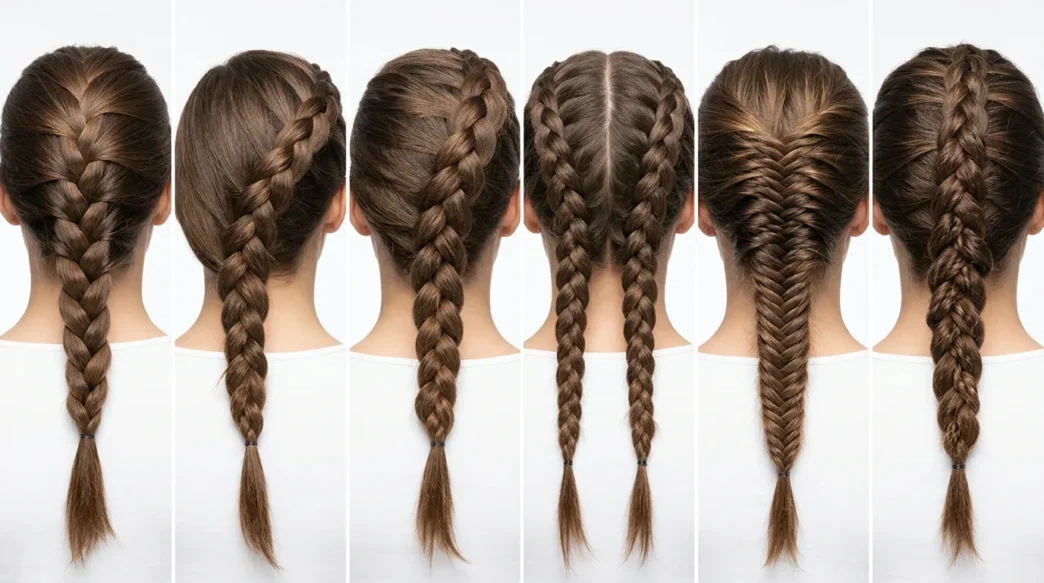
I still remember the first time I attempted a French braid — it was a disaster that looked more like a tangled mess than anything remotely chic. But after years of practice and teaching others, I’ve learned that French braids aren’t just one technique. There’s actually a whole spectrum of difficulty levels, and starting with the right one makes all the difference.
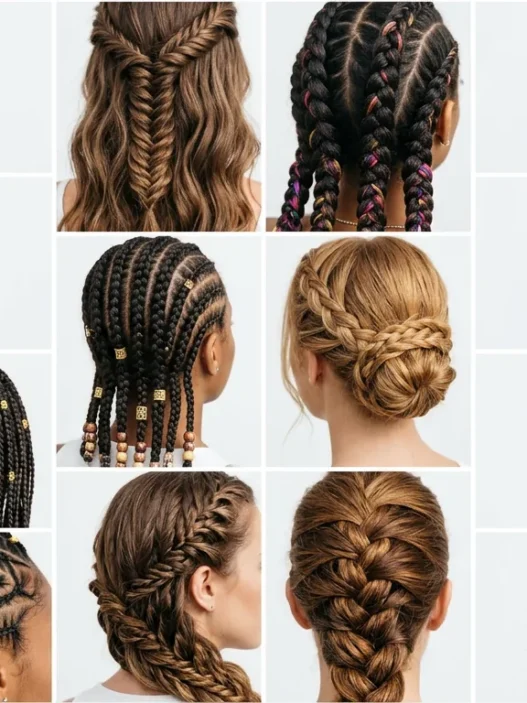
French Braid Techniques by Difficulty
- Beginner Friendly: Simple Side French Braid
- Easy Level: Classic French Braid
- Beginner Plus: French Braid Ponytail
- Intermediate Challenge: Dutch French Braid
- Intermediate Plus: French Braid Crown
- Advanced Beginner: Double French Braids
- Advanced Level: French Fishtail Braid
- Expert Challenge: Waterfall French Braid
- Master Level: French Braid Updo
Beginner Friendly: Simple Side French Braid
Difficulty: ⭐ (1/5)
Time: 3-5 minutes
Tools: Hair elastic, brush
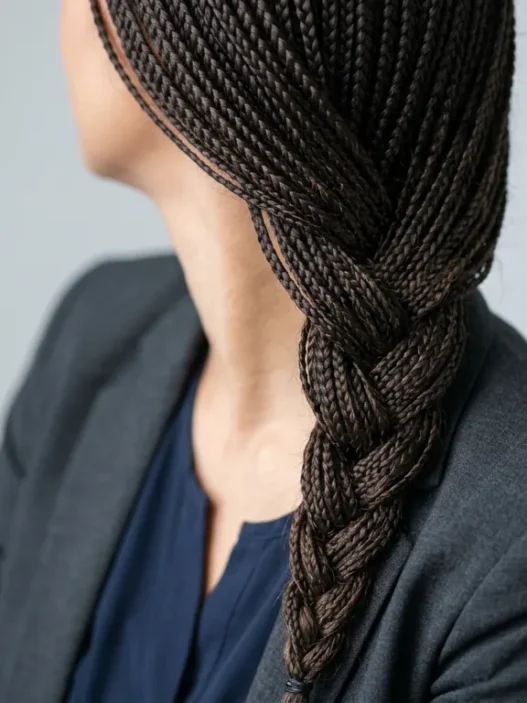
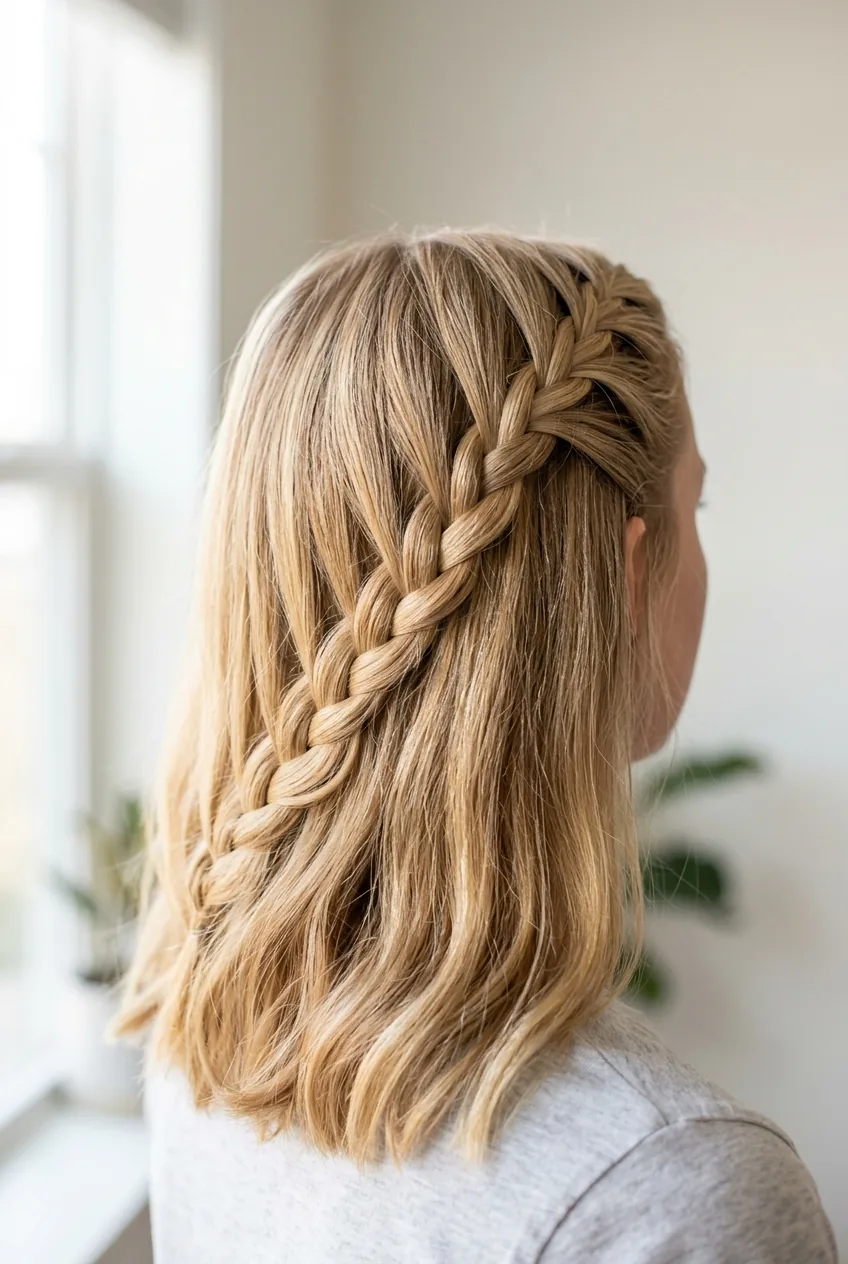
This is where I tell every beginner to start. Instead of wrestling with braiding straight down the back of your head (where you can’t see what you’re doing), a side French braid lets you work where your hands naturally want to go. You start at your part and braid diagonally across to one ear.
The magic happens because you can actually watch what you’re doing in the mirror. When I teach this to my friends’ daughters, they usually nail it on their second try. The key is starting with slightly damp hair — it grips better and won’t slip out of your fingers.
Easy Level: Classic French Braid
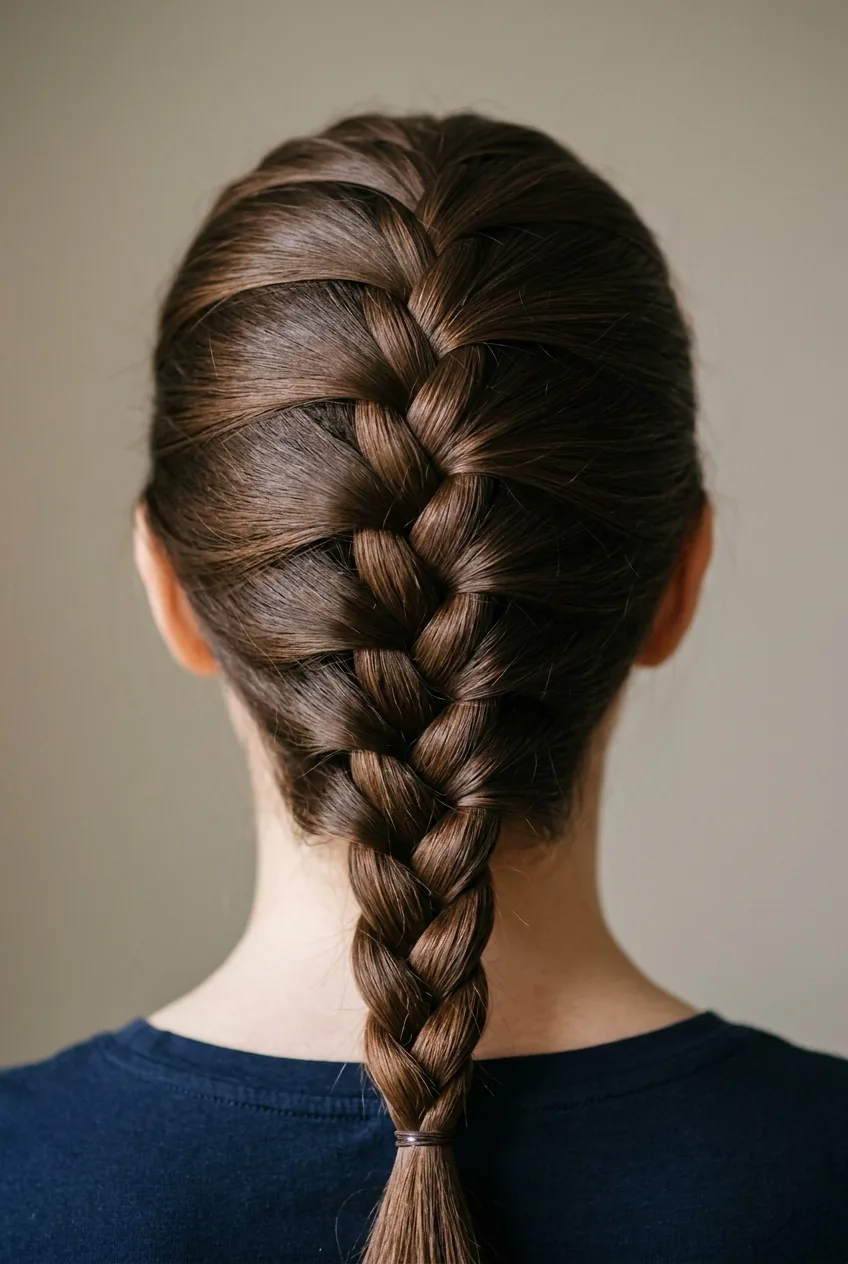
Difficulty: ⭐⭐ (2/5)
Time: 5-7 minutes
Tools: Hair elastic, brush, light-hold hairspray
Once you’ve conquered the side version, the classic center French braid is your next milestone. I love that this style works for literally everything — gym sessions, office meetings, casual weekends. It’s that perfect “I put effort in but didn’t overthink it” vibe.
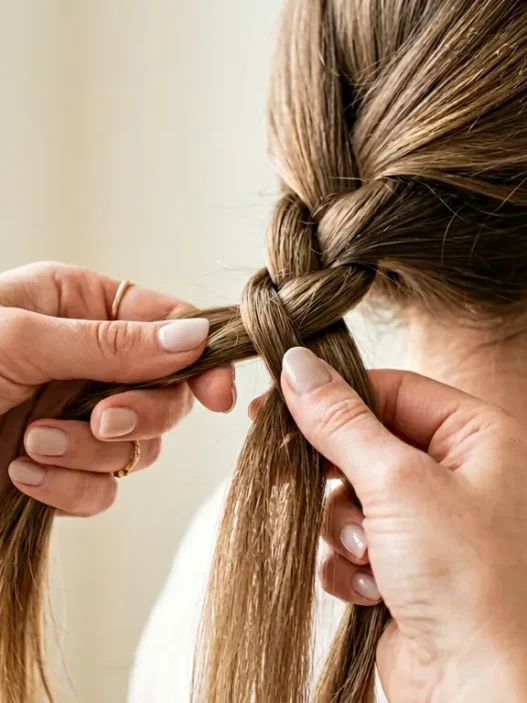
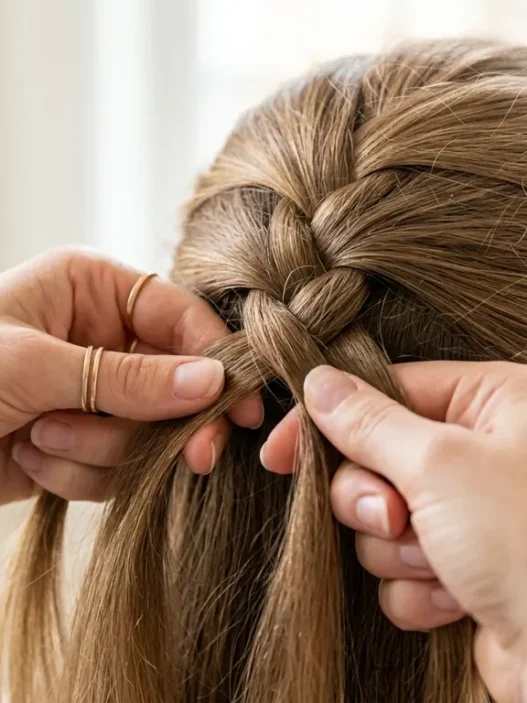
Start with three small sections at your crown, then gradually add hair from each side as you work down. The trick I wish someone had told me years ago? Keep your sections small at first. Big chunks of hair are harder to control, especially when you’re still building muscle memory.
Beginner Plus: French Braid Ponytail
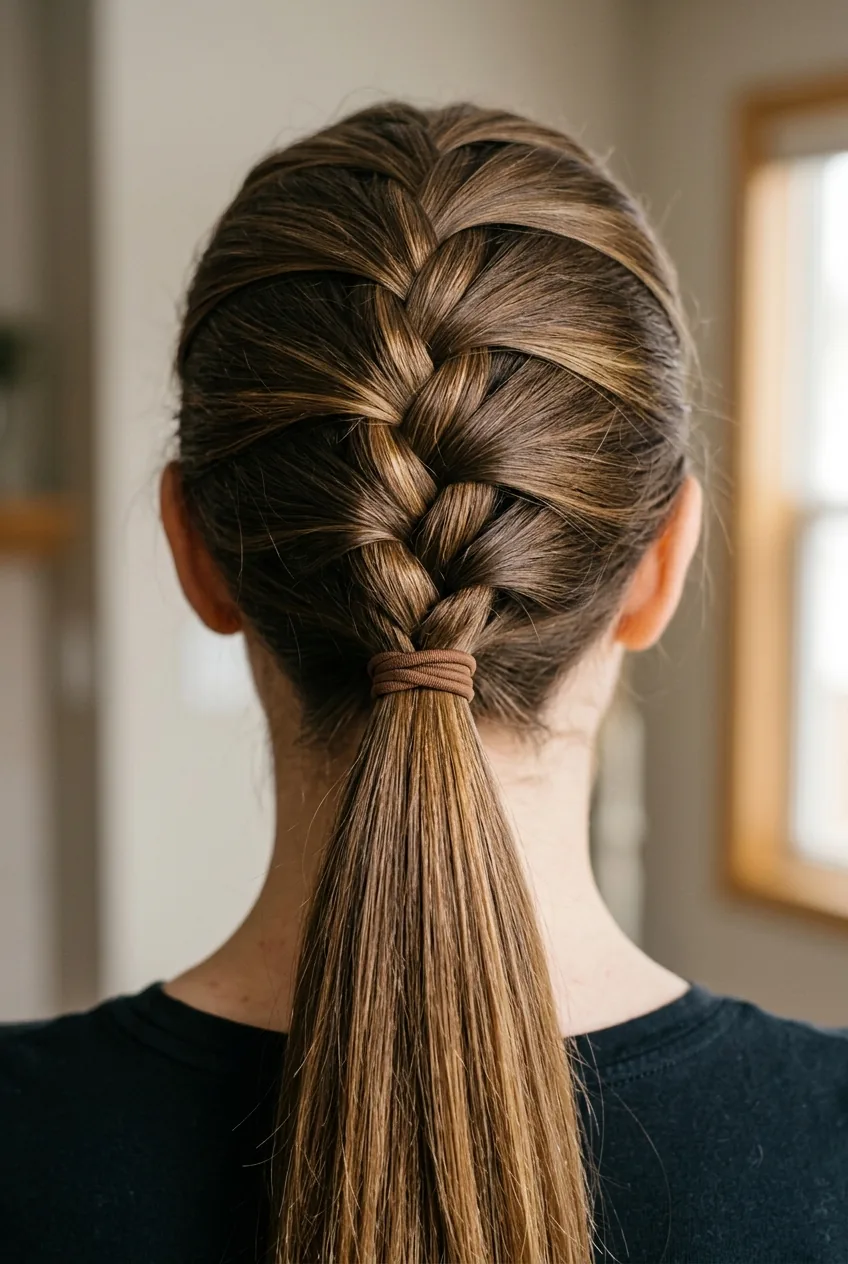
Difficulty: ⭐⭐ (2/5)
Time: 4-6 minutes
Tools: Two hair elastics, brush
This hybrid style saves you when your French braid skills are good but not great. You French braid from your hairline to about ear level, then secure everything into a regular ponytail. It gives you that intricate look without requiring perfect technique all the way to the ends.
My personal pick for busy mornings. It looks way more complicated than it actually is, and even if the braid isn’t perfect, the ponytail disguises any wonky sections at the bottom.
I wear this constantly for hairstyles when my hair needs some texture but I’m running late. The combination of sleek and casual hits just right for most situations.
Intermediate Challenge: Dutch French Braid
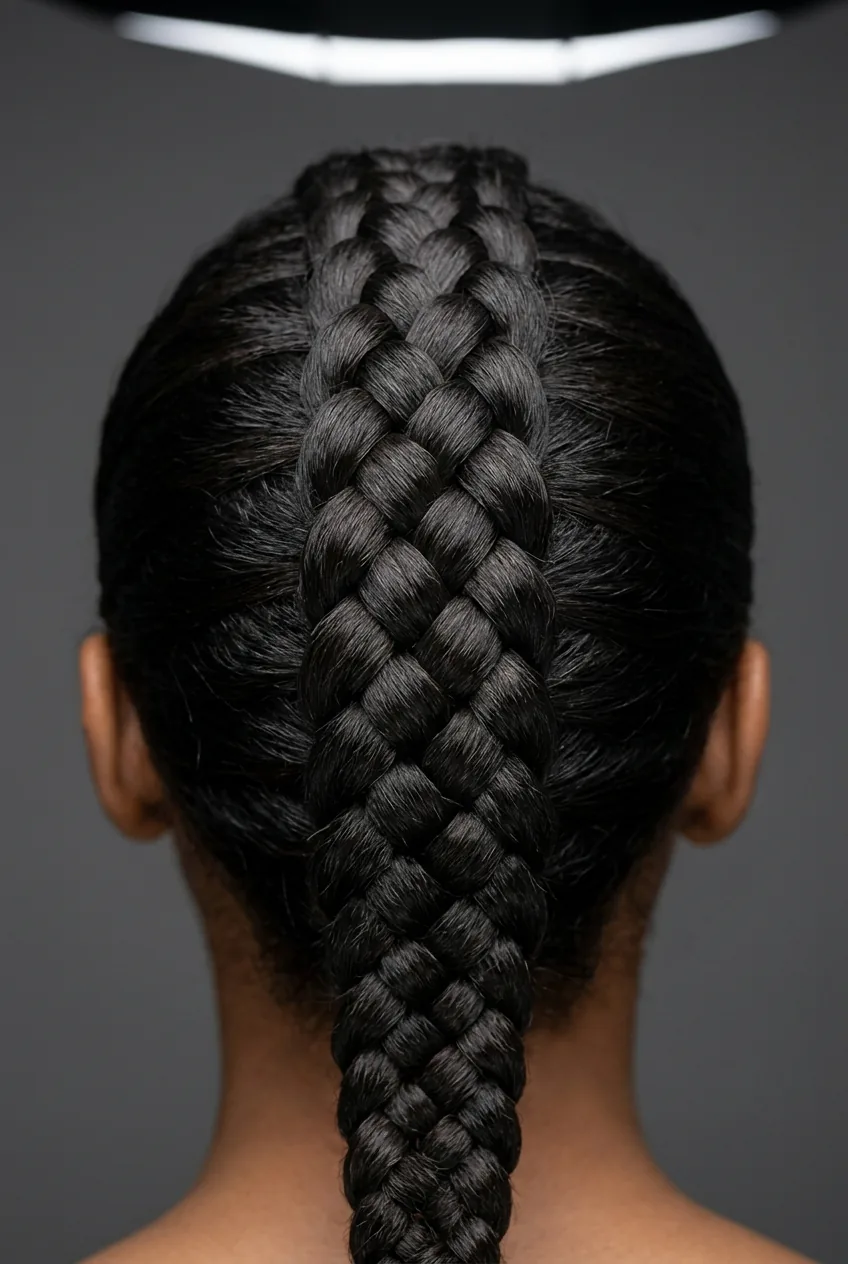
Difficulty: ⭐⭐⭐ (3/5)
Time: 7-10 minutes
Tools: Hair elastic, brush, texturizing spray
Here’s where things get interesting. A Dutch braid (sometimes called an “inside-out French braid”) creates that gorgeous raised effect by crossing sections under instead of over. It took me probably twenty attempts to stop reverting to the regular French braid motion mid-way through.
The visual payoff is incredible though. Dutch braids photograph beautifully and give you that editorial, high-fashion look that regular French braids can’t quite achieve. They’re also surprisingly good at staying put — something about the inverted weaving technique makes them grip better.
Watch This Technique in Action
Intermediate Plus: French Braid Crown

Difficulty: ⭐⭐⭐ (3/5)
Time: 10-12 minutes
Tools: Bobby pins, hair elastic, brush, strong-hold hairspray
This style makes me feel like actual royalty. You French braid around your hairline like a headband, starting behind one ear and ending behind the other. The remaining hair can stay loose, get twisted into a bun, or even hold a second braid.
The challenging part isn’t the braiding technique itself — it’s maintaining even tension while working around the curve of your head. Proper sectioning becomes crucial here because uneven pieces will make the whole crown look lopsided.
Advanced Beginner: Double French Braids
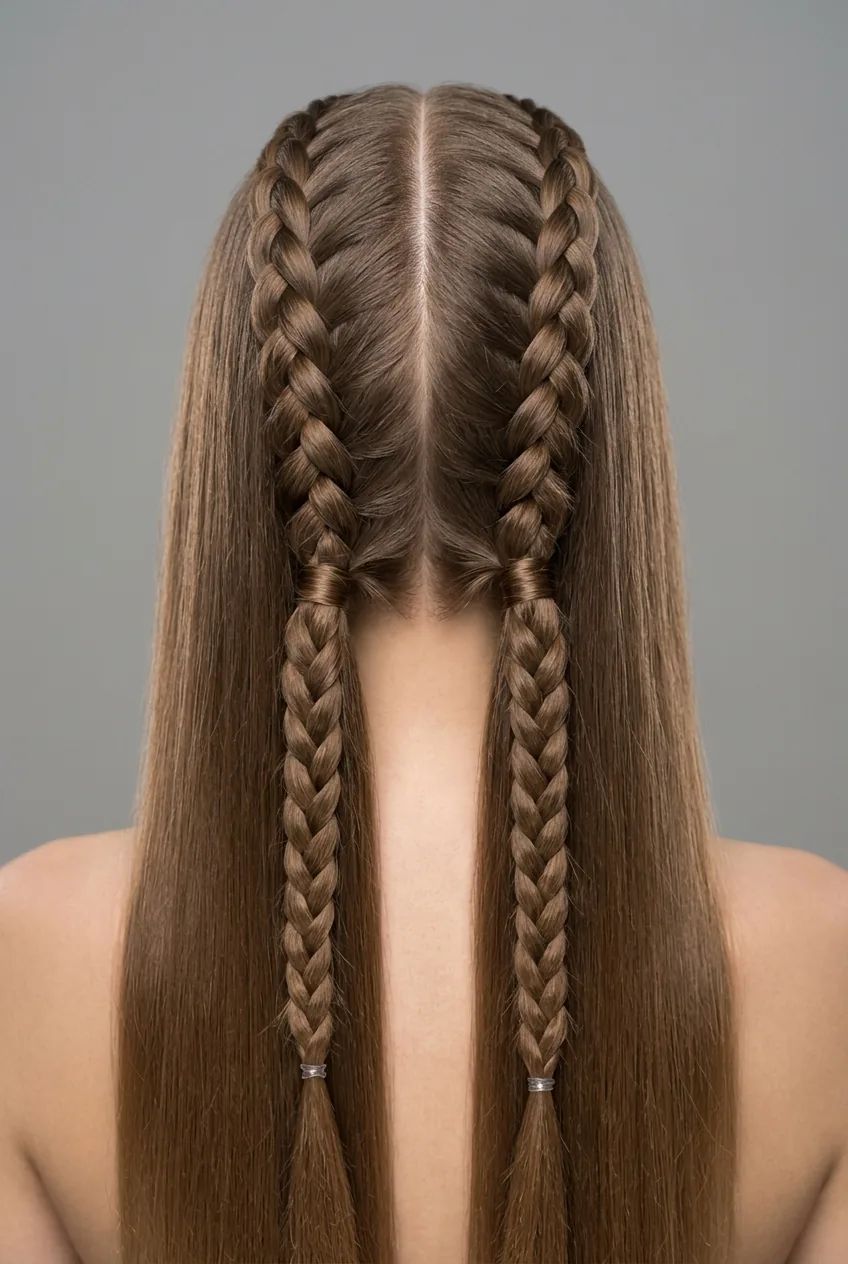
Difficulty: ⭐⭐⭐ (3/5)
Time: 12-15 minutes
Tools: Two hair elastics, rat-tail comb, brush
Two French braids aren’t necessarily harder than one — they’re just more time-consuming and require better planning. You need to part your hair precisely down the middle and keep each braid at the same level as you work.
I love these for active days because they distribute the weight of your hair evenly and nothing moves around. Plus, when you take them out, you get those gorgeous crimped waves. It’s like getting two hairstyles in one.
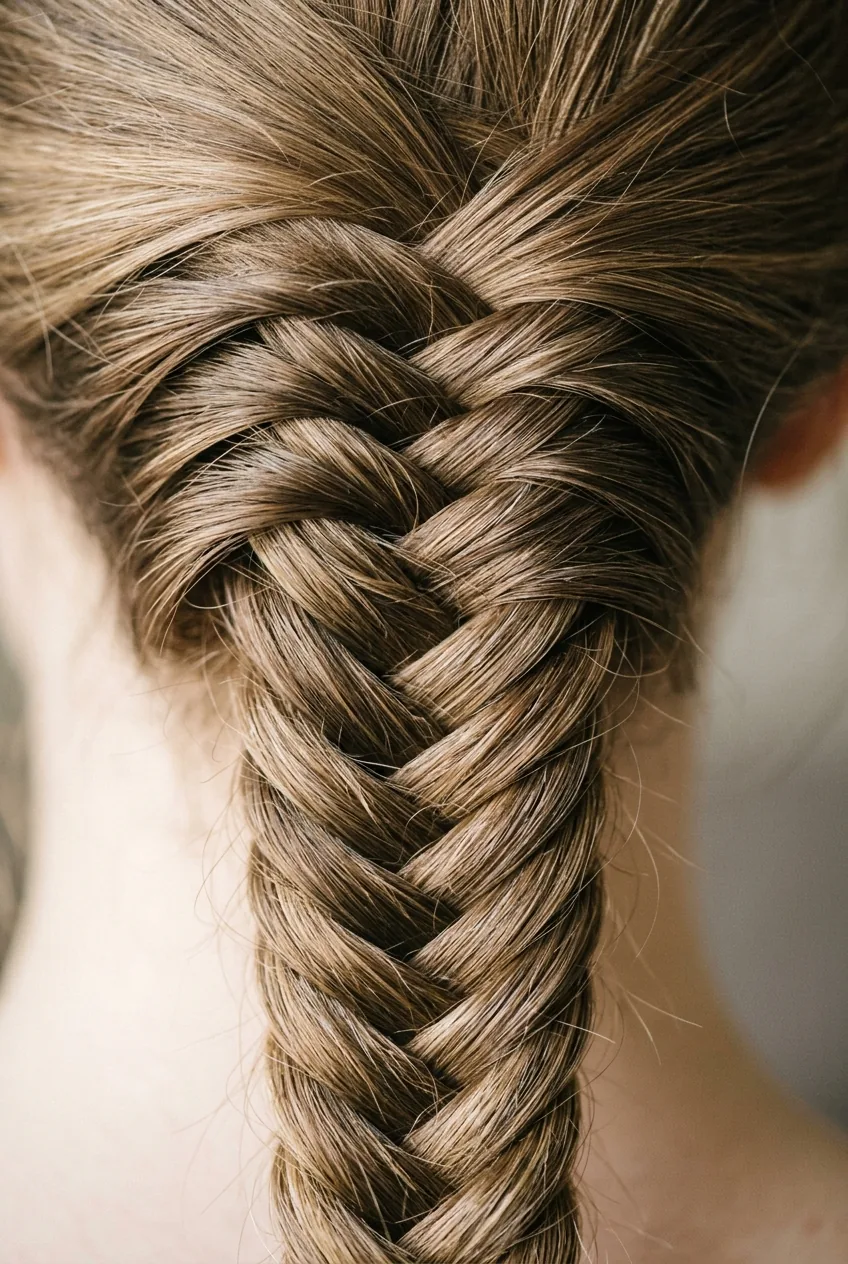
Advanced Level: French Fishtail Braid
Difficulty: ⭐⭐⭐⭐ (4/5)
Time: 15-20 minutes
Tools: Hair elastic, brush, texturizing spray, patience
This is where French braids get seriously sophisticated. Instead of working with three sections, you’re continuously splitting two sections and crossing tiny pieces over. Add in the French braid element of picking up new hair, and your hands are doing some complex choreography.
The result is absolutely stunning — intricate, textured, and impossible to ignore. I save this technique for special occasions because it demands both time and focus. But when I nail it? I feel unstoppable.
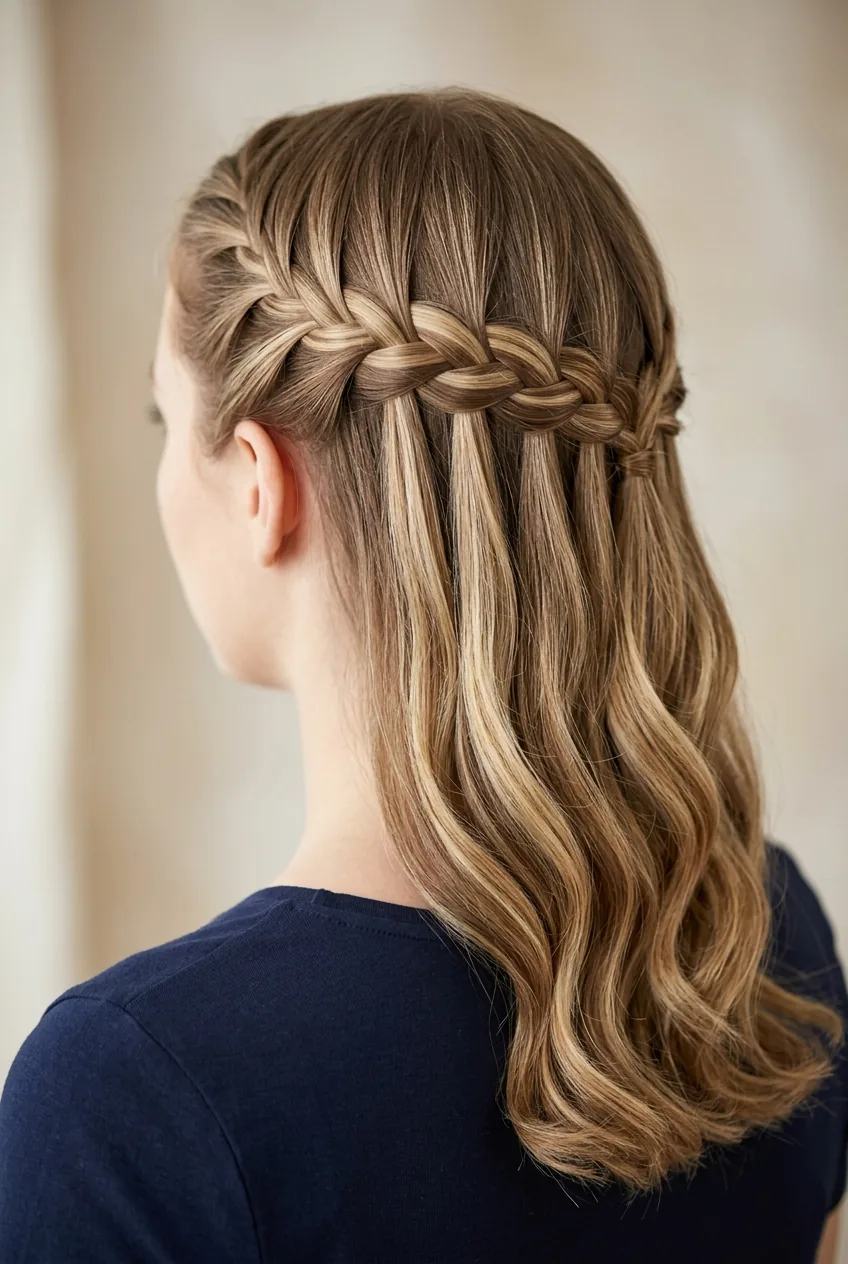
Expert Challenge: Waterfall French Braid
Difficulty: ⭐⭐⭐⭐ (4/5)
Time: 12-18 minutes
Tools: Clear elastics, bobby pins, brush, curling iron (optional)
This style looks like magic when it’s done right. You French braid horizontally around your head, but instead of incorporating all the hair, you let sections “fall” through the braid like a waterfall. Each dropped section gets replaced with new hair from above.
The coordination required is genuinely challenging. You’re juggling traditional French braid technique while constantly dropping and picking up new sections. I’ve definitely had attempts where I lost track and ended up with regular braids by accident. When you master it though, people will ask how you did it.
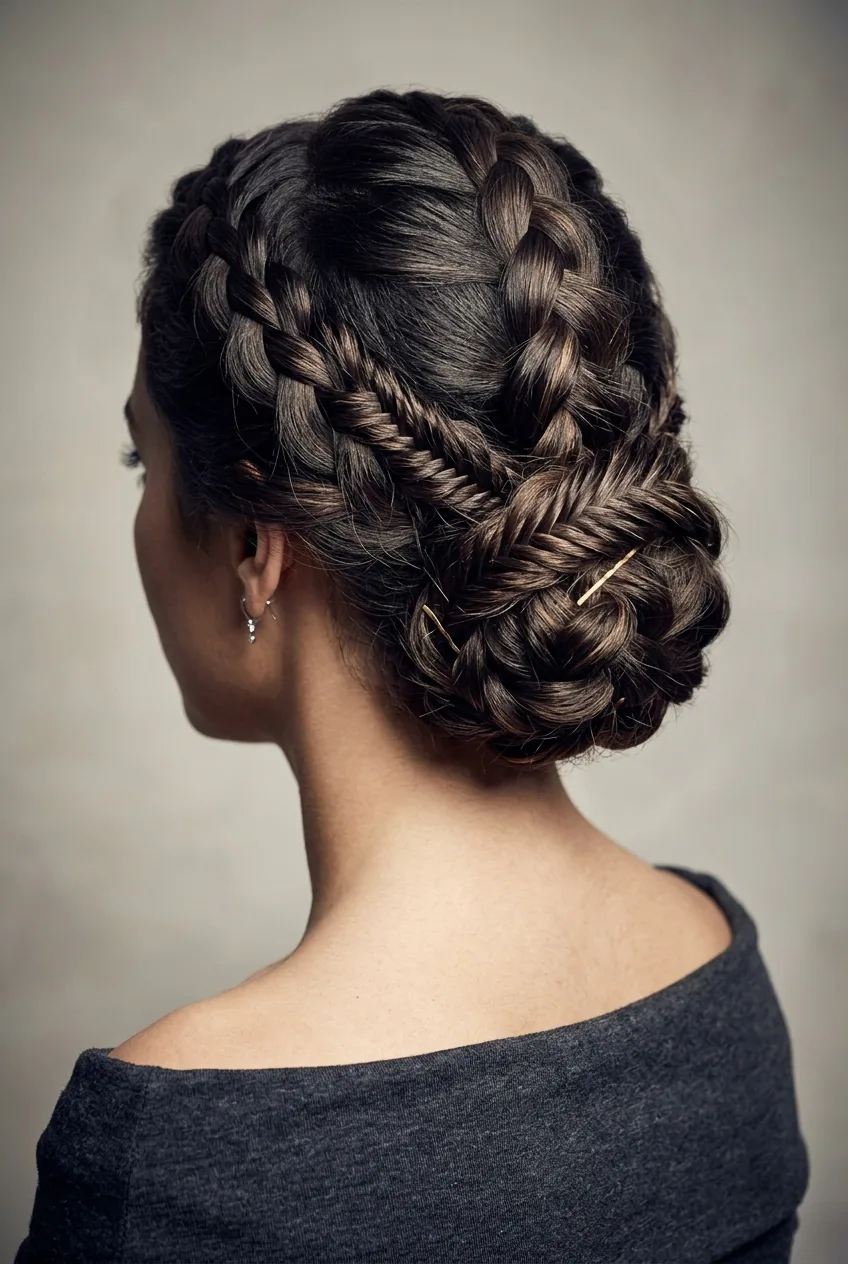
Master Level: French Braid Updo
Difficulty: ⭐⭐⭐⭐⭐ (5/5)
Time: 20-30 minutes
Tools: Multiple bobby pins, hair elastics, brush, strong-hold hairspray, texturizing powder
This is the ultimate French braid challenge — combining multiple braid techniques into a sculptural updo. You might start with a Dutch braid at the nape, transition to a regular French braid up one side, then twist everything into an intricate knot secured with strategic bobby pinning.
I usually only attempt these elaborate updos when I have plenty of time and good lighting. They’re perfect for bridal hairstyles or formal events where you want something truly special. The learning curve is steep, but the payoff makes you feel like a professional stylist.
Some days I still mess up techniques I’ve done dozens of times before. French braiding is one of those skills that keeps you humble while rewarding practice. Start with the simpler versions, build your confidence, and work your way up. Your fingers will thank you for the gradual progression, and you’ll actually enjoy the process instead of fighting through frustration.
Quick Questions About French Braiding
How long should my hair be for French braids?
You need at least shoulder-length hair for most French braid styles. Shorter hair can work for partial braids like the crown version, but you’ll need headbands or clips to secure loose pieces.
Why does my French braid always look messy?
Usually it’s a tension issue — either too tight (which creates gaps) or too loose (which looks sloppy). Practice maintaining consistent pressure as you braid, and start with slightly damp hair for better grip.
Can I sleep in a French braid?
Absolutely! Loose French braids are great for overnight waves and protect your hair from tangles. Just don’t braid too tightly or you’ll wake up with a headache and strange dents.
Which French braid style lasts longest?
Dutch braids and double French braids tend to stay put best because they distribute tension more evenly. Single side braids are the most likely to loosen up during the day.