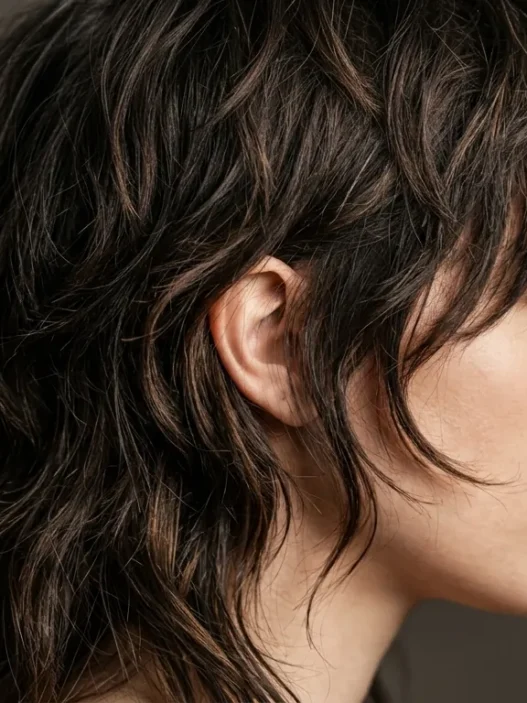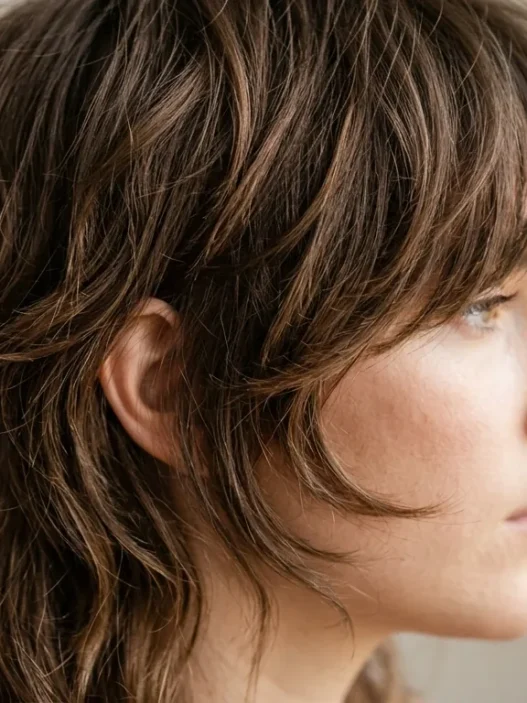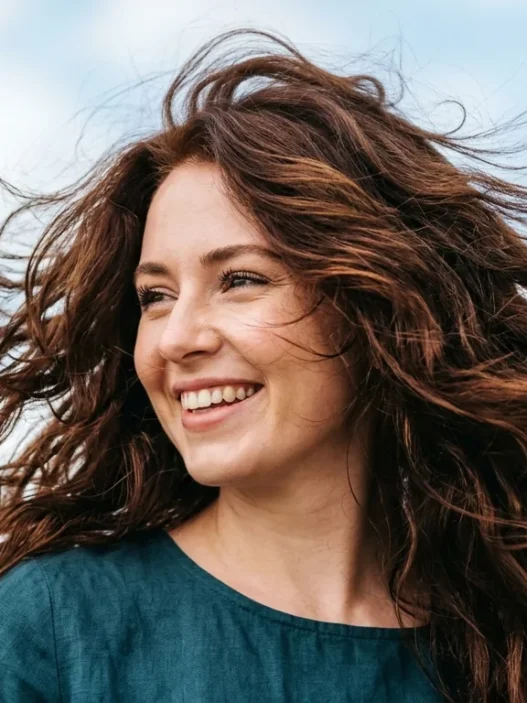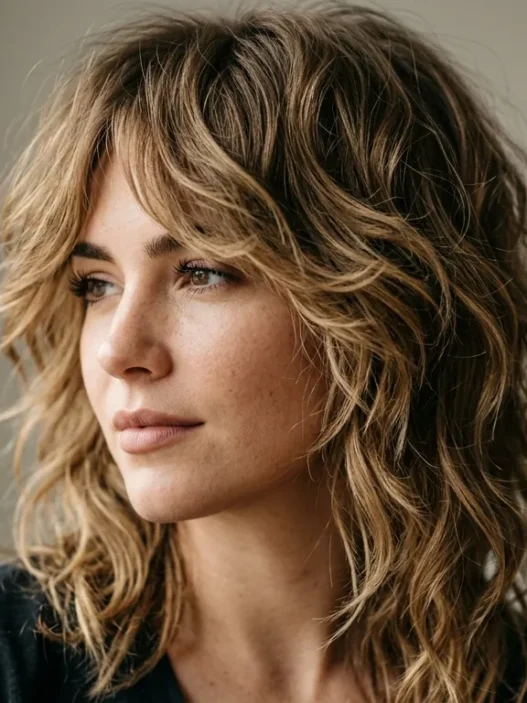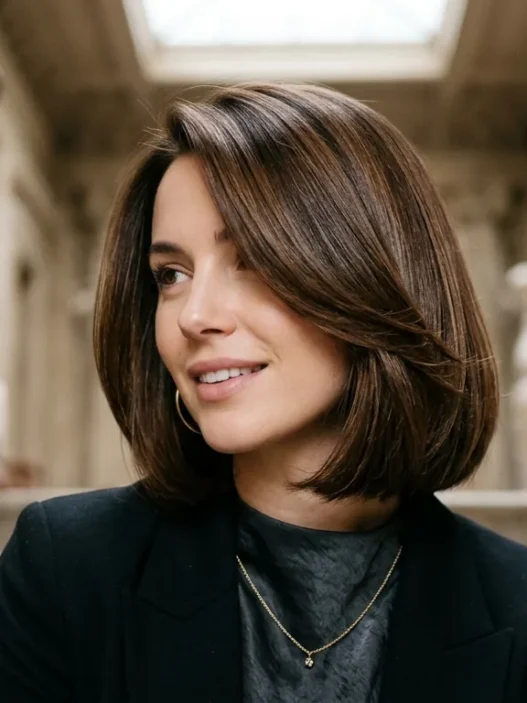


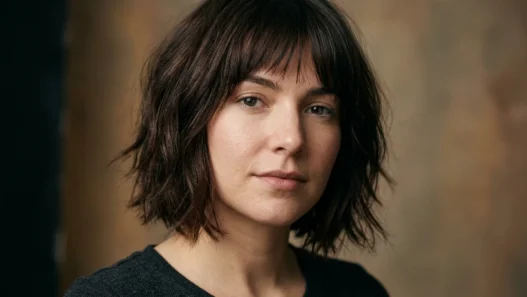

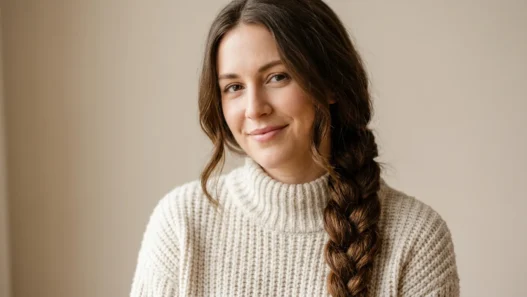

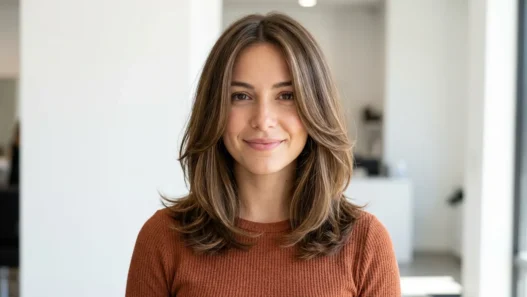



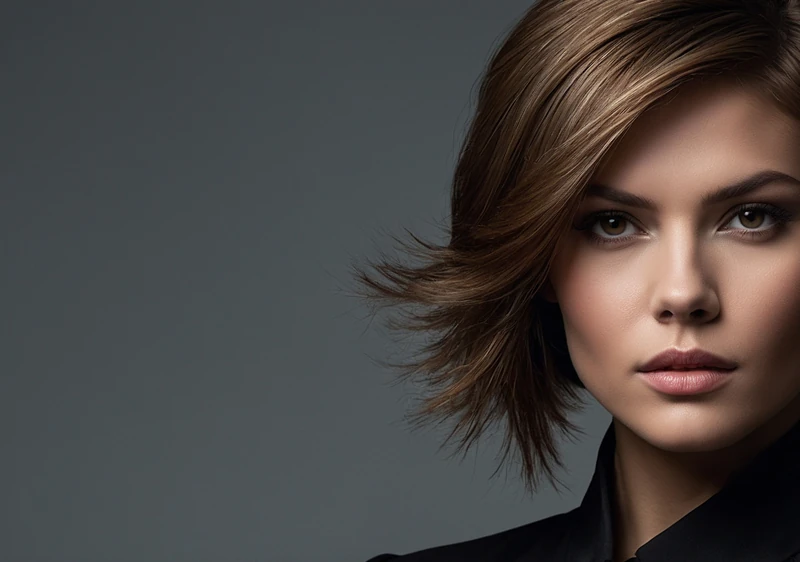
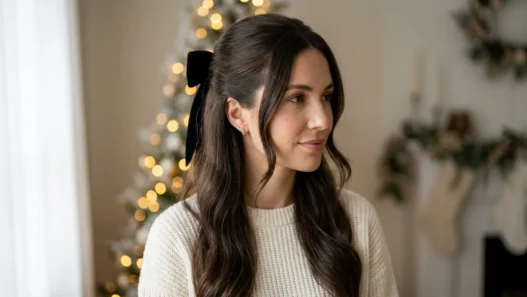
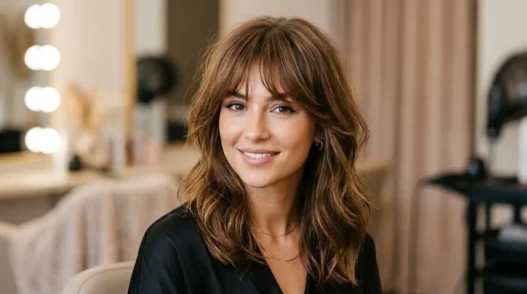
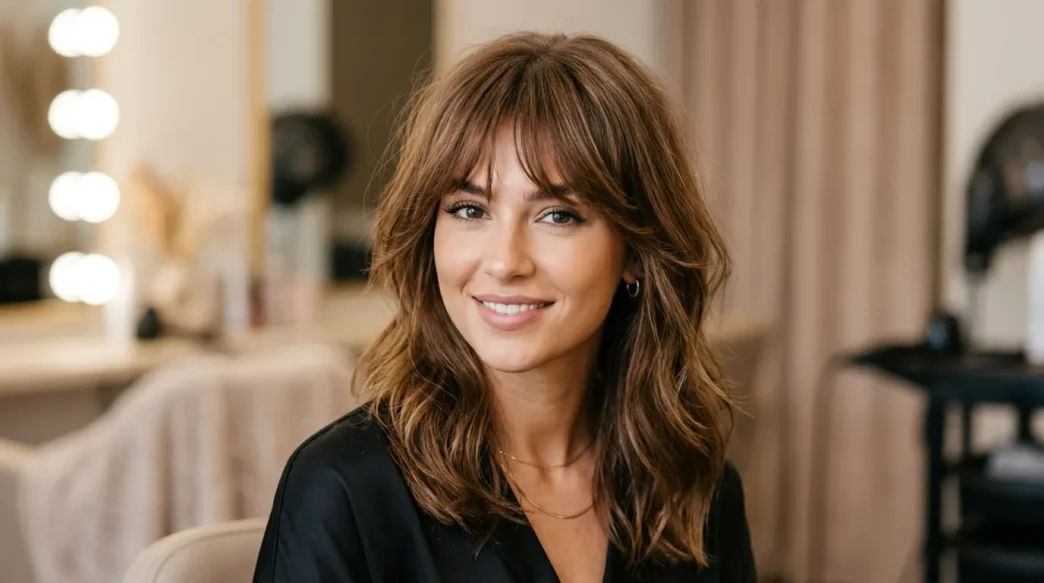
I walked into my salon three months ago asking for “something different” and walked out with butterfly bangs. My stylist barely looked up from her phone before saying “finally, someone who gets it.” Apparently, I was the fourth client that week to request the same cut. What I didn’t realize was that I’d stumbled into the biggest hair trend of 2026.
Inside This Butterfly Bangs Trend Analysis
What Changed in 2026
The butterfly bang explosion didn’t happen overnight. But something shifted dramatically this year that made them go from niche salon request to mainstream obsession.
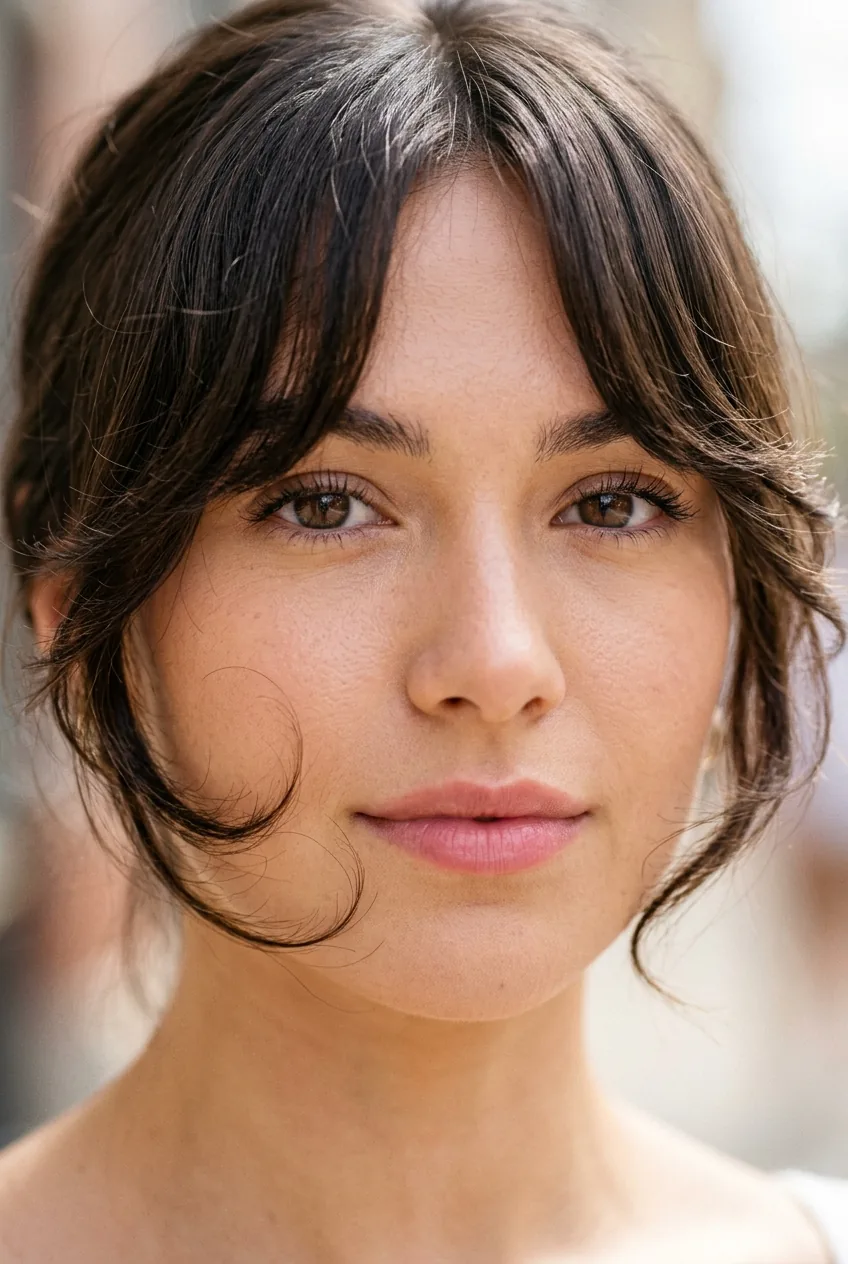
First, the post-pandemic hair rebellion finally hit its stride. People got tired of growing out their COVID cuts and wanted something that felt intentional again. Butterfly bangs offered the perfect solution — they’re structured enough to look polished but soft enough to feel effortless.
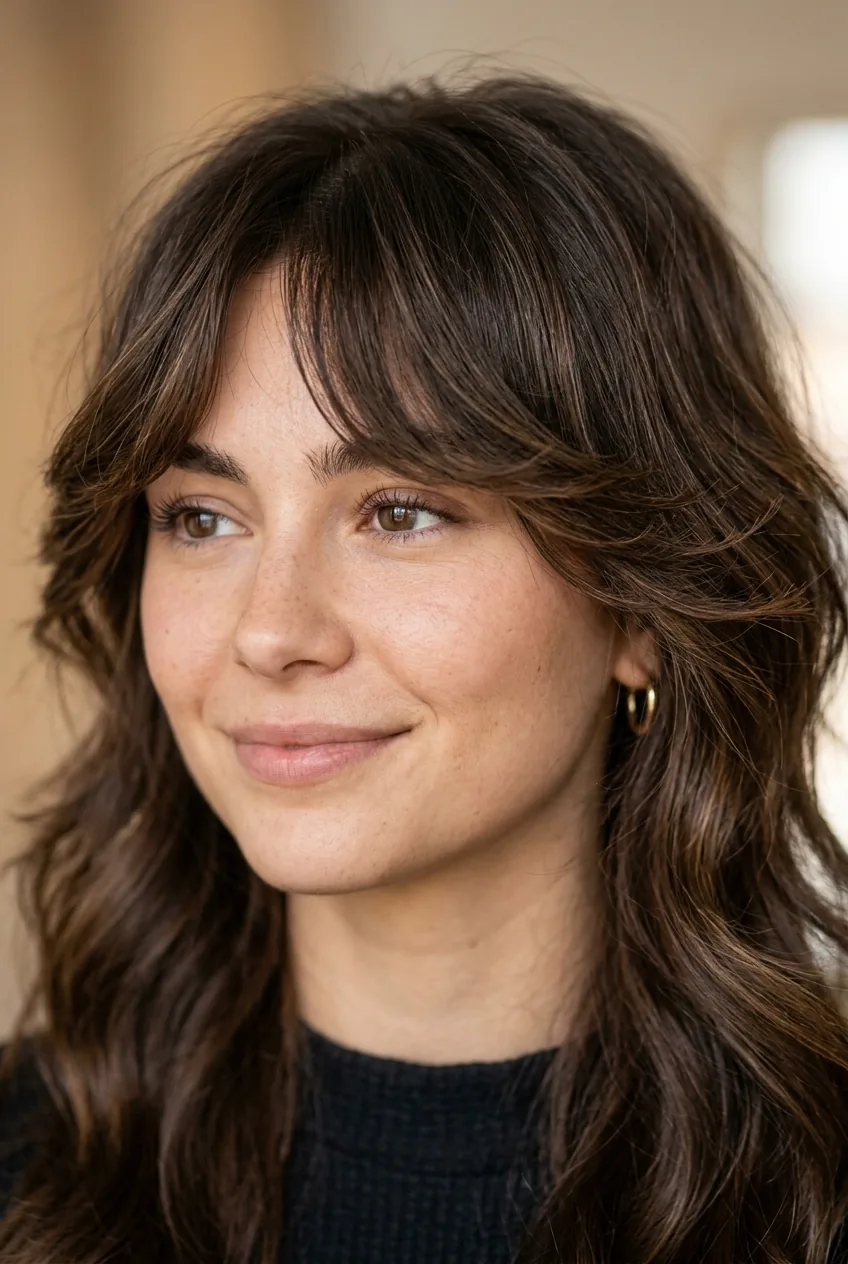
Then came the technology factor. New cutting techniques made these bangs more achievable for different face shapes. The traditional heavy fringe that dominated the 2010s? Gone. This softer, layered approach works on round faces, square faces, even heart-shaped faces that stylists used to steer away from bangs entirely.
But here’s what really changed the game: butterfly haircuts became the perfect canvas for these bangs. The layered, face-framing structure of the butterfly cut creates natural movement that makes the bangs look lived-in from day one.
Who’s Driving This Movement
Let me tell you who I see requesting butterfly bangs in my stylist’s chair:
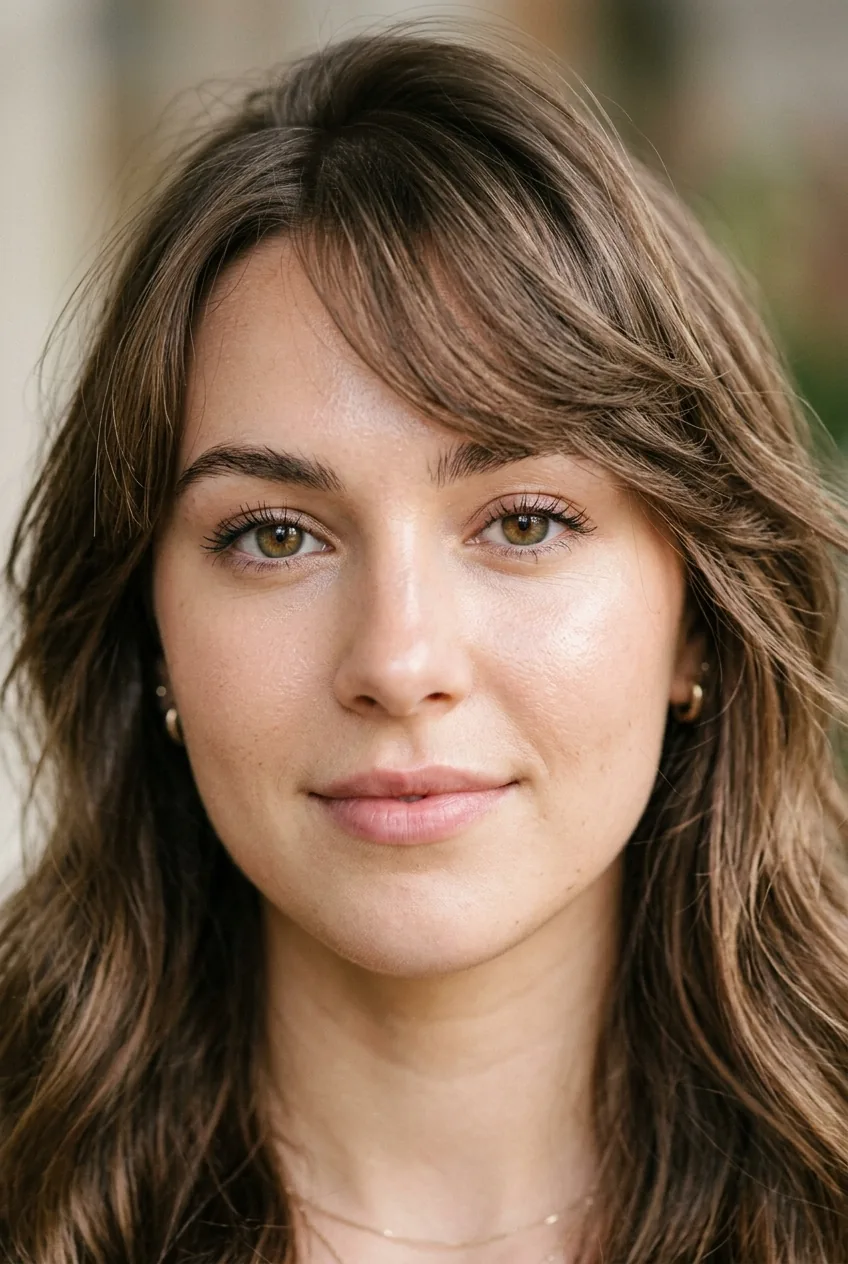
- Women in their late twenties who want to look more sophisticated but not older
- Busy moms who need a style that works with minimal effort
- Gen Z clients who discovered the look through TikTok hair tutorials
- Anyone transitioning from long hair who isn’t ready for a dramatic chop
The celebrity influence is undeniable too. When I see Billie Eilish’s soft fringe or Zendaya’s face-framing pieces, I’m looking at butterfly bangs evolution. These aren’t the harsh, blunt cuts of previous decades. They’re softer, more forgiving, more adaptable.
Social media amplified everything. Instagram tutorials made the technique accessible to home stylists, though I’d still recommend professional execution for the initial cut. The algorithm loves transformation content, and butterfly bangs deliver that satisfying before-and-after moment every time.
The Psychology Behind the Appeal
There’s something fascinating happening psychologically with this trend. Butterfly bangs hit this sweet spot between change and safety that resonates with where we are culturally right now.
Think about it — we’re coming out of years of uncertainty, and people want transformation but not risk. Butterfly bangs give you that “new me” feeling without the commitment anxiety of a pixie cut or the maintenance nightmare of high-maintenance color.
“I can hide behind them when I want to, or push them aside when I don’t. It’s like having a security blanket for my face.”
That quote from my friend Sarah perfectly captures why these bangs work. They’re adaptable to your mood, your confidence level, even your skin day. Bad breakout? Let them fall forward. Feeling bold? Sweep them to the side.
The face-framing effect is incredibly flattering too. Unlike straight-across bangs that can harsh your features, butterfly bangs soften everything. They create shadows and depth around your eyes, making them appear larger. The graduated length draws attention to your cheekbones.
This Transformation Says It All
Should You Jump on Board
Here’s my honest take: yes, but with conditions.
Butterfly bangs work best if you’re willing to style them. Not every day, but you can’t just wash and go like you might with a blunt bob. They need that little bit of attention — a blow dry with a round brush, maybe some texturizing spray.
Your hair texture matters too. Fine hair actually loves butterfly bangs because the layered cut creates the illusion of thickness. Thick hair works beautifully but needs the right stylist to avoid that overwhelming triangle effect.
And let’s be real about maintenance. You’ll need trims every 6-8 weeks to keep the shape fresh. But here’s the thing — they grow out better than traditional bangs. The layered structure means you won’t hit that awkward in-between phase as dramatically.
One controversial opinion: I think butterfly bangs look better slightly grown out than freshly cut. That imperfect, lived-in texture is part of their charm. Don’t panic if they look too “perfect” the first week after your appointment.
Where This Trend Goes Next
I predict butterfly bangs have staying power — but they’re going to evolve. We’re already seeing variations like the “curtain butterfly” (longer on the sides, shorter in the center) and the “asymmetrical butterfly” (one side longer than the other).
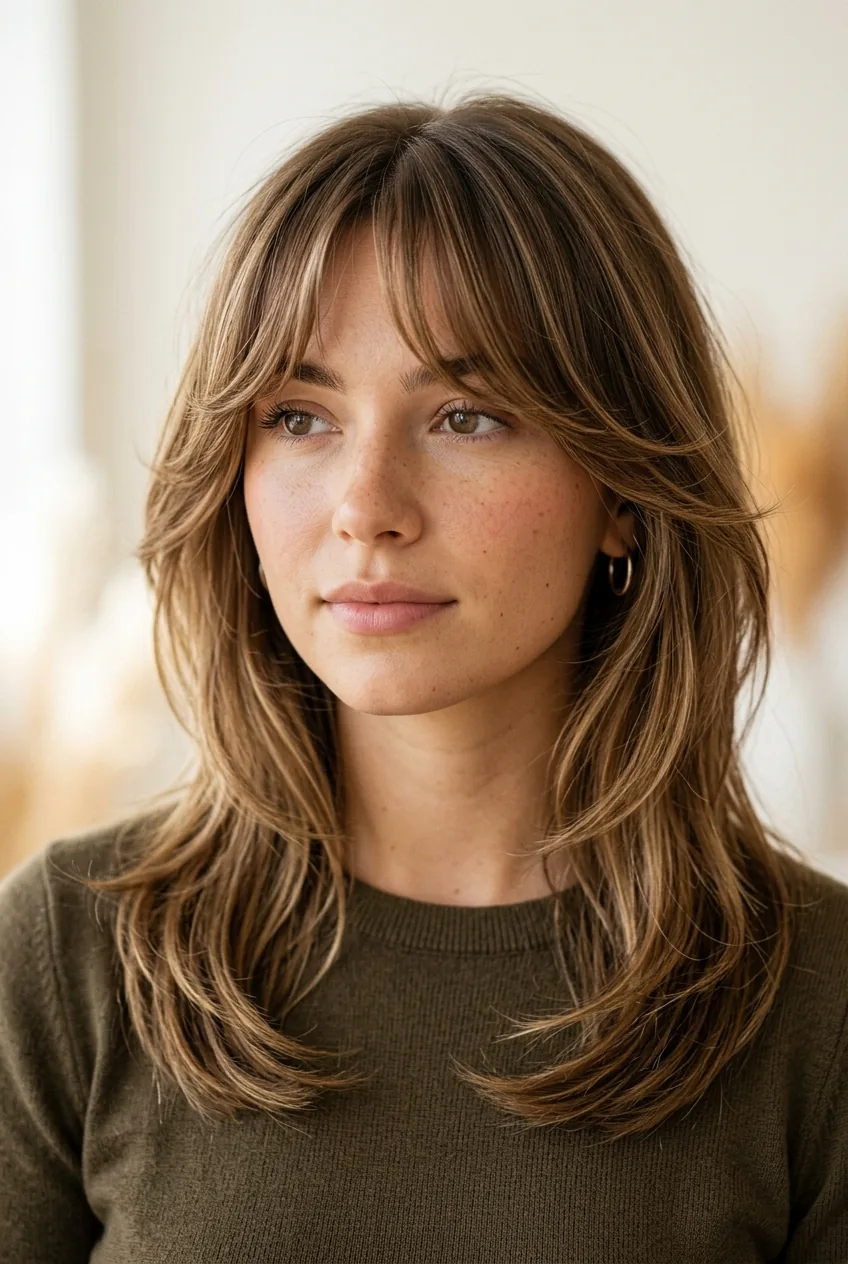
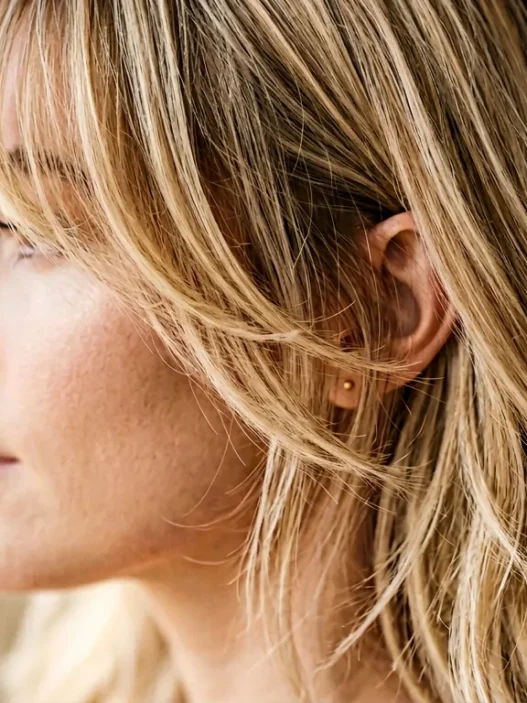
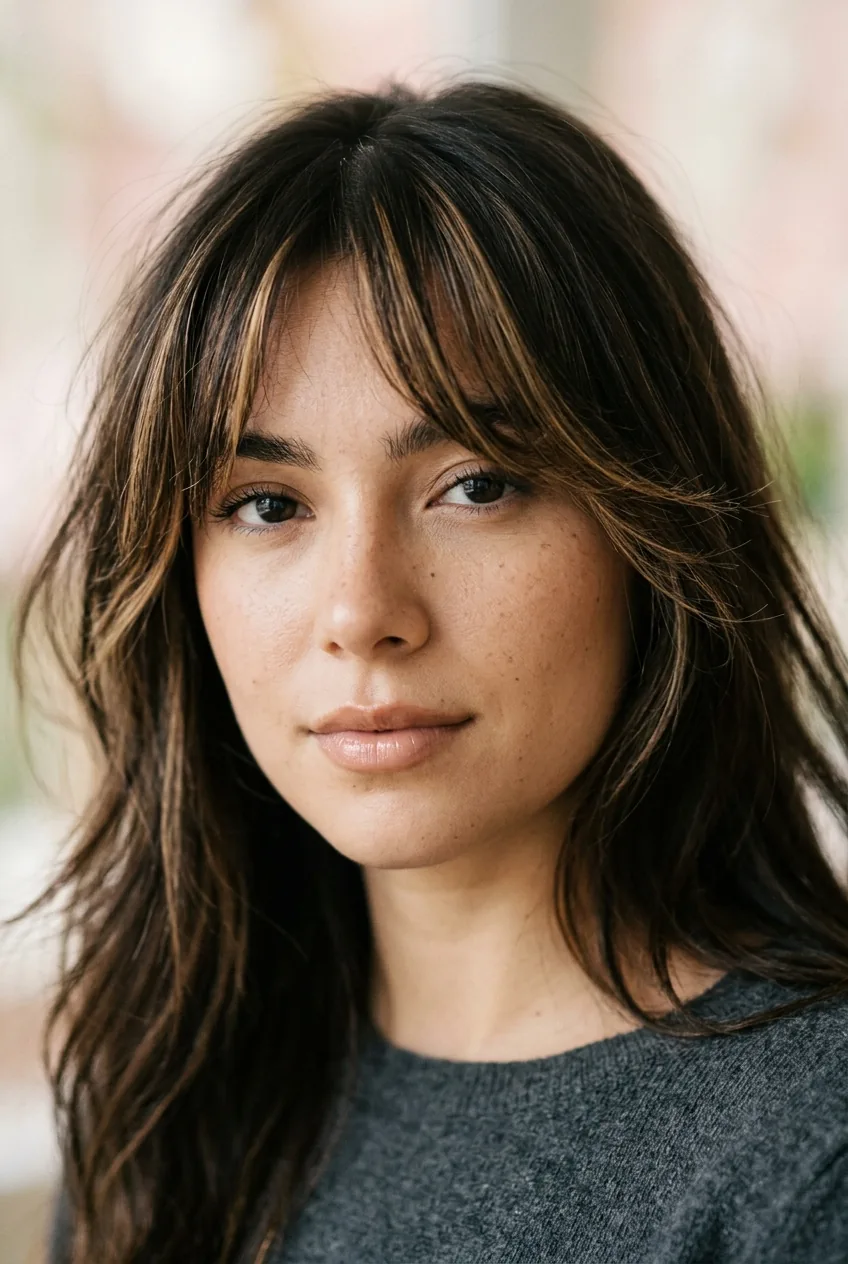
The next phase will probably be color integration. I’m seeing more people adding subtle highlights just to their bangs, creating dimension that emphasizes the layered cut. Highlight techniques are becoming more sophisticated for fringe work.
What won’t change is the fundamental appeal — this hybrid between structure and softness that butterfly bangs deliver. In a world where we’re all trying to look put-together without trying too hard, they hit exactly the right note.
The trend might peak in early 2025, but I think it transitions into something more classic rather than disappearing entirely. Like how the lob evolved from the bob, butterfly bangs will probably become the new standard for face-framing cuts.
Quick Answers
How long do butterfly bangs take to grow out?
About 4-6 months to fully grow into your hair length, but they look good at every stage because of the layered cut. The transition is much smoother than traditional blunt bangs.
Can I cut butterfly bangs myself at home?
I strongly advise against it for your first butterfly bang cut. The layering technique requires precision to get the right shape and movement. Once you have the foundation, minor trims might be manageable.
Do butterfly bangs work with curly hair?
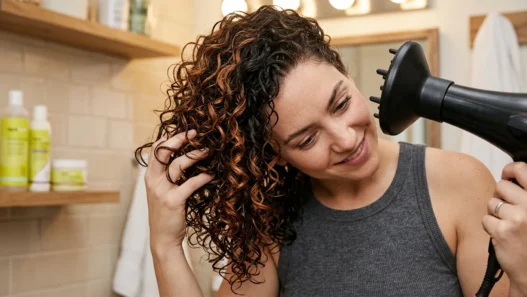
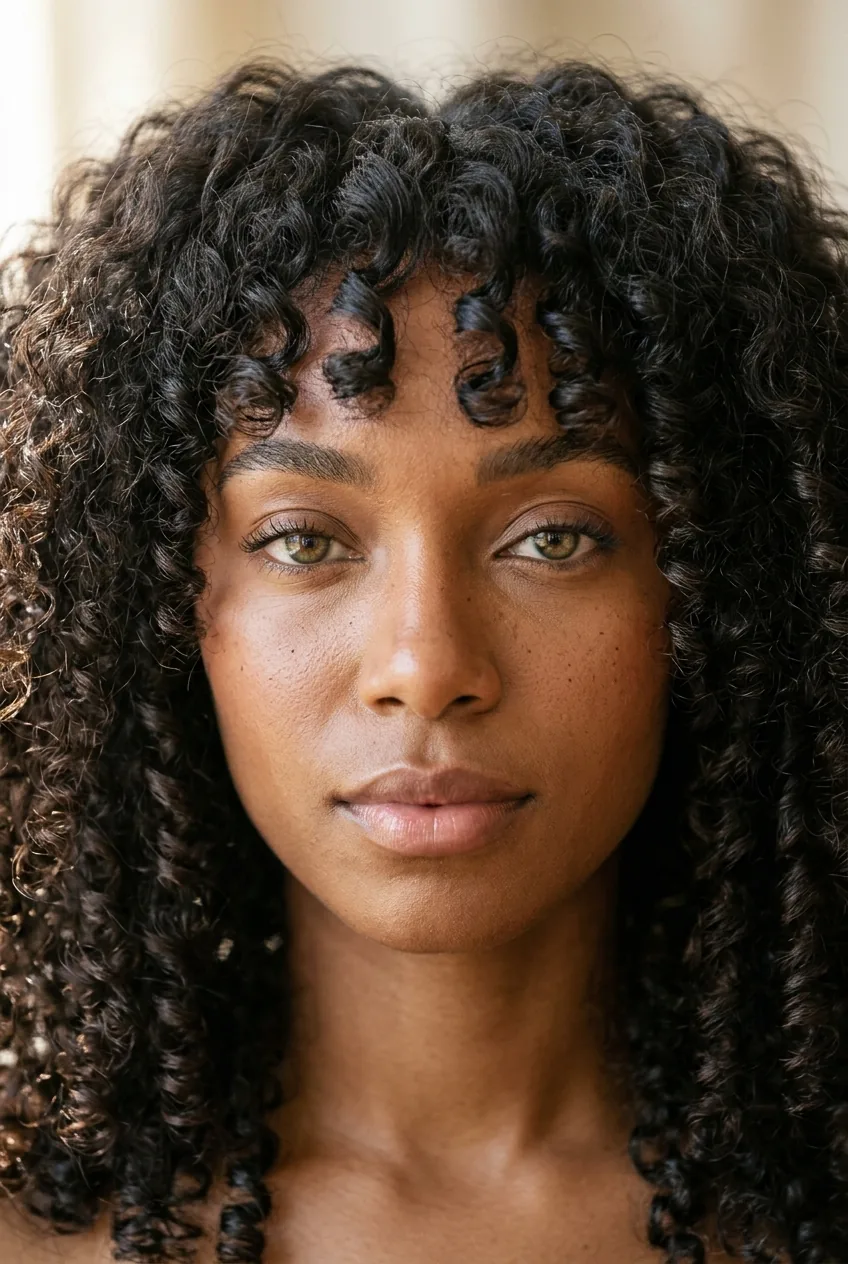
Absolutely, but the approach is different. Your stylist needs to cut them longer when wet to account for shrinkage, and the layers should follow your natural curl pattern rather than fighting it.
How often should I wash butterfly bangs?
You can wash just your bangs daily if needed while washing the rest of your hair less frequently. Use dry shampoo on your roots to extend time between full washes while keeping your fringe fresh.
Three months in, and I’m still obsessing over my butterfly bangs in the mirror every morning. The trend might be everywhere, but when something works this well, I’m not complaining about the company.