






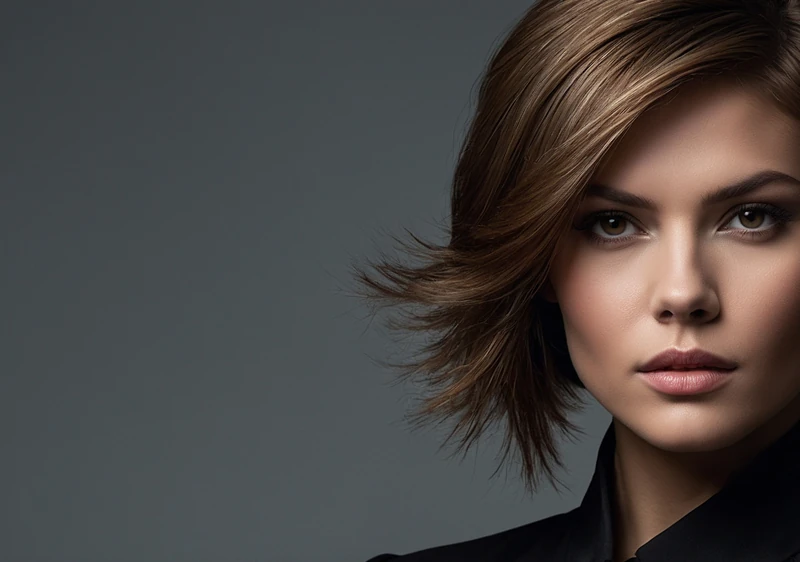
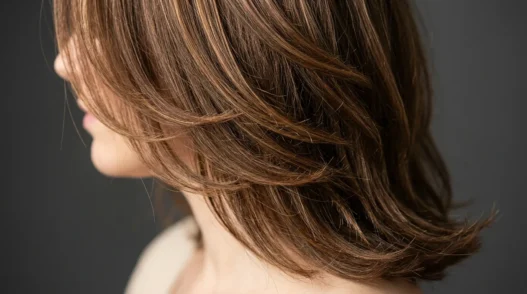
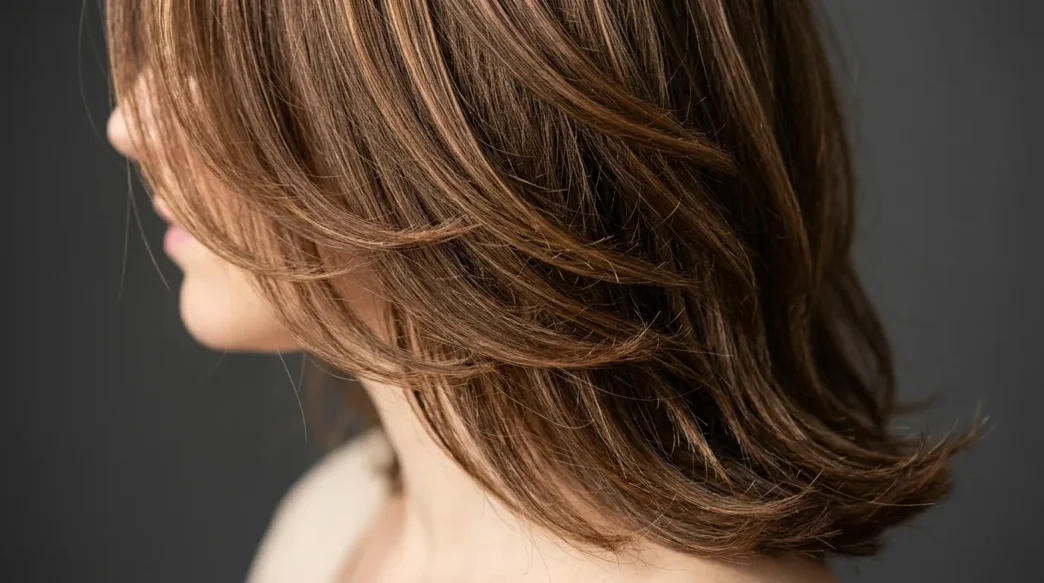
I’ve had layered hair for fifteen years, and I’m tired of pretending it’s always easy to style. You know that feeling when you leave the salon looking incredible, then spend the next three months trying to recreate that magic at home? That was my life until I stopped following generic advice and started understanding what my layers actually needed.
Why Most Layered Hair Advice Falls Flat
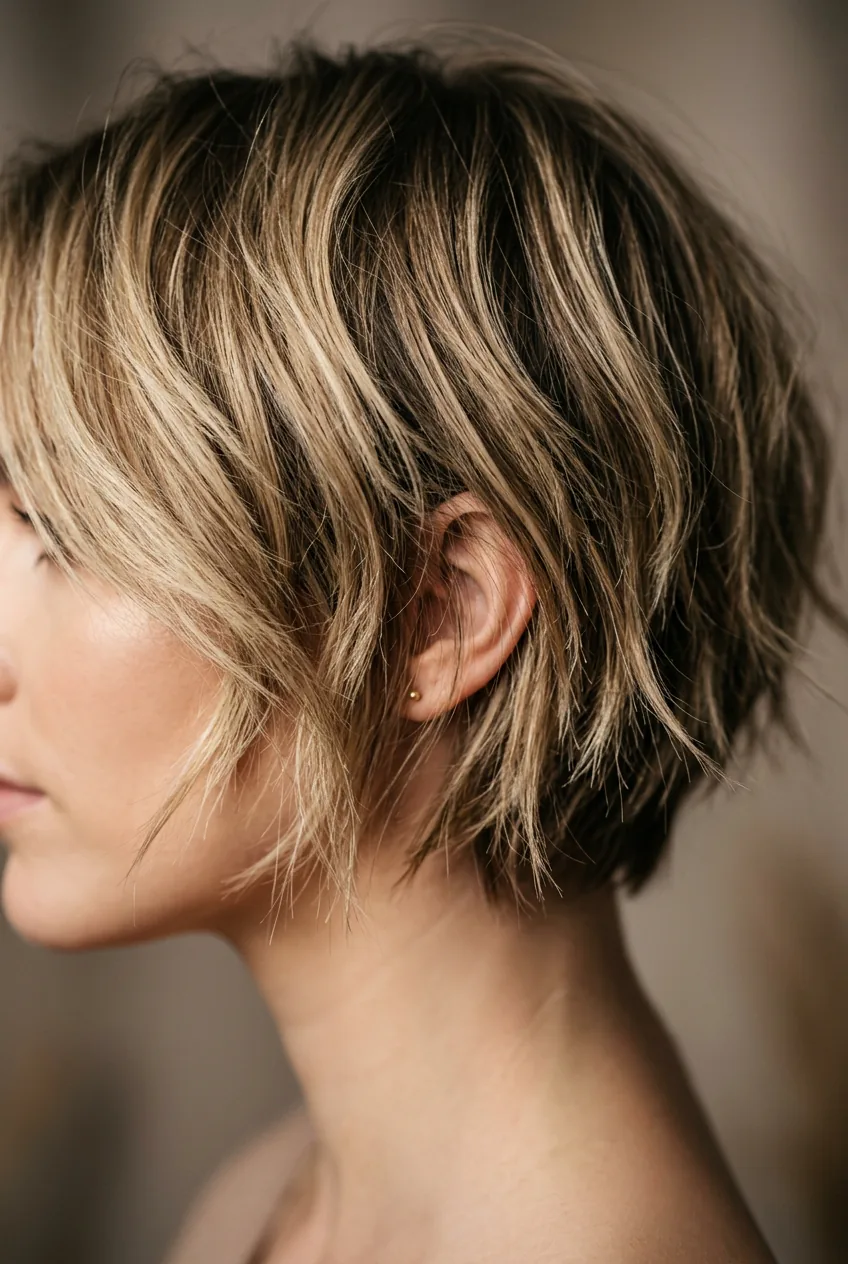
Most hairstyling advice treats layered hair like it’s just long hair with some pieces chopped off. But here’s what I’ve learned: layers create their own physics. Each layer has a different weight, different bounce points, and different ways it wants to fall.
I spent years fighting this reality. Trying to make my layers behave like one-length hair. Using the same products, the same techniques, expecting the same results. The breakthrough came when I started working with each layer instead of against the whole system.
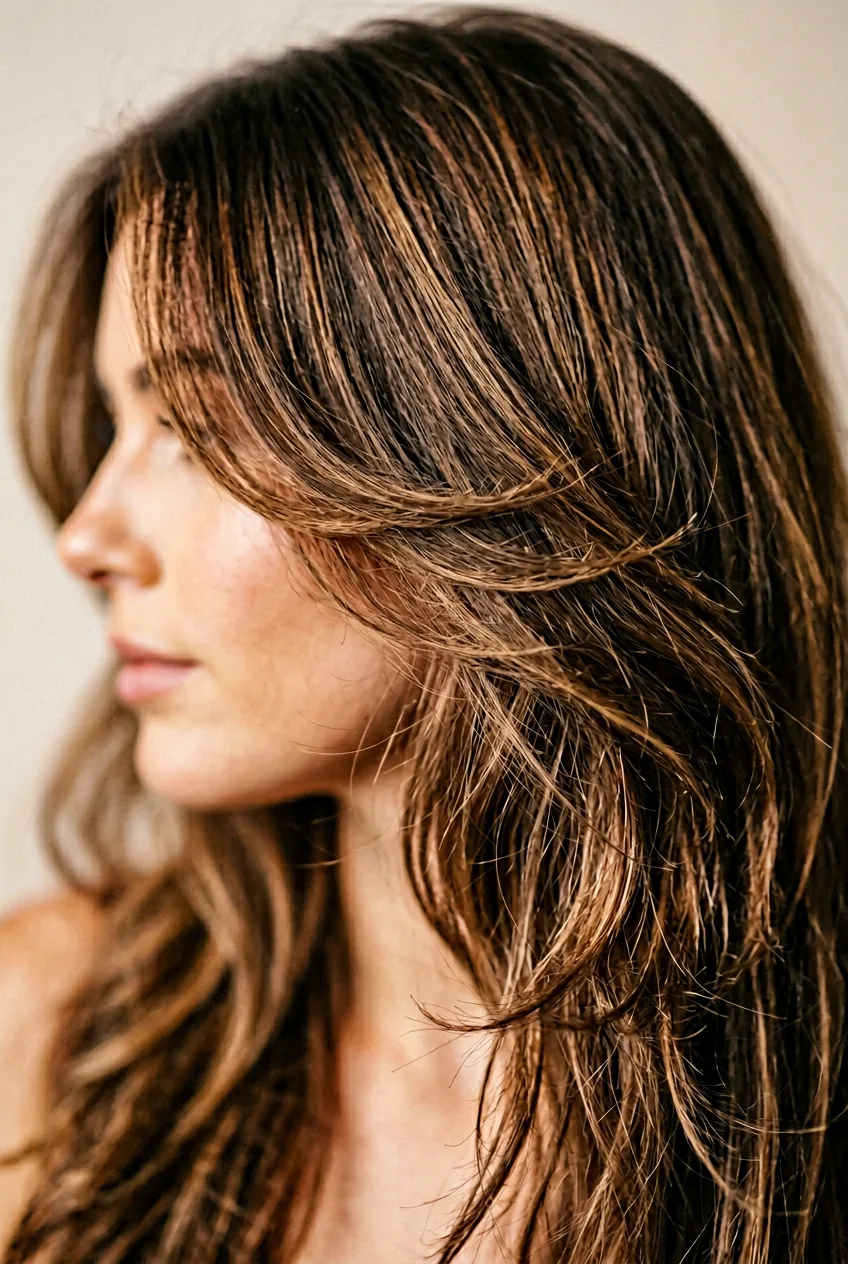
Think about it this way: when you have layers, you essentially have multiple hairstyles happening on your head at once. The shortest pieces around your face are doing one thing. The middle layers are doing something else entirely. And the longest pieces? They’re in their own world.
This is why that one-size-fits-all approach never works. You need to acknowledge that you’re styling at least three different lengths, each with their own personality. Once I accepted this, everything changed.
The biggest mistake I see women make is trying to control every layer. Some days, you need to let the shorter pieces do their thing while you focus on the longer sections. Other days, it’s the opposite. Reading your hair’s mood becomes part of the process.
The Science Behind What Makes Layers Work
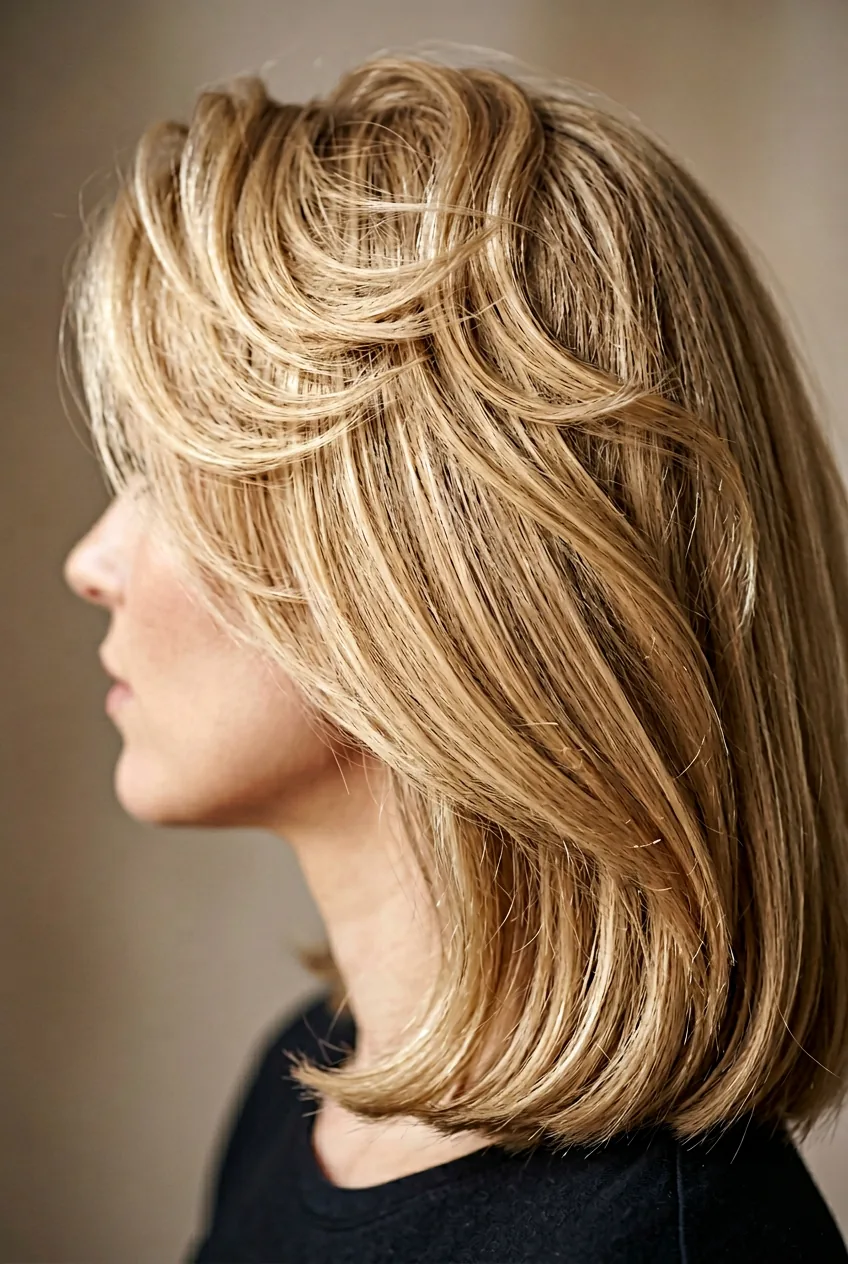
Here’s something most stylists won’t tell you: layers have mathematical relationships. The angle of each cut determines how the layers will stack and move together. When these angles work in harmony, you get that effortless, lived-in look everyone wants.
But when the angles fight each other? That’s when you get the dreaded triangle head or that weird shelf effect where one layer seems to stick out awkwardly. I learned this the hard way after a particularly unfortunate cut that took eight months to grow out.
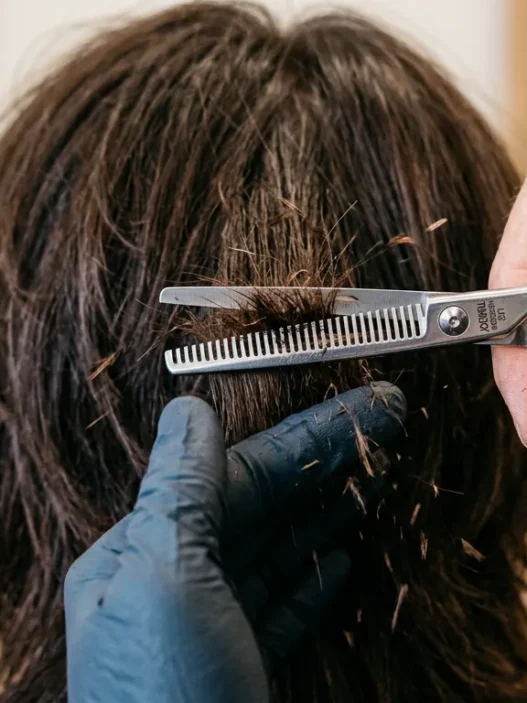
The key is understanding elevation and graduation. Elevation is how high the hair is lifted during cutting. Graduation is the angle at which it’s cut. These two factors determine whether your layers will blend seamlessly or create unwanted bulk in specific areas.
For styling purposes, this means certain techniques will enhance these relationships while others will work against them. Blow-drying with a round brush, for instance, can either emphasize the natural flow of your layers or fight against it, depending on the direction you’re pulling.
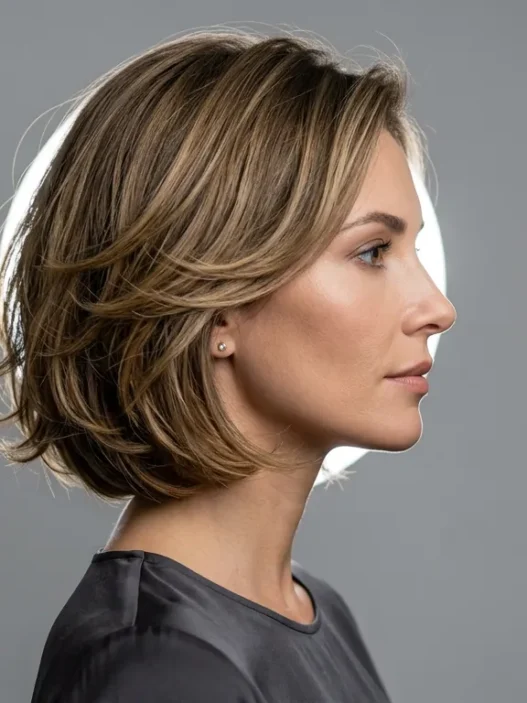
I’ve found that layered medium hairstyles respond best when you work section by section, respecting the natural fall line of each layer. This takes longer initially, but once you understand your hair’s architecture, the daily styling becomes much more intuitive.
Temperature also plays a huge role. Each layer responds differently to heat because the lengths have different porosity levels. The shorter, more damaged pieces around your face often need less heat than the virgin hair at the bottom. Adjusting your approach layer by layer prevents that fried-on-top, limp-on-bottom situation.
What The Industry Gets Wrong About Movement
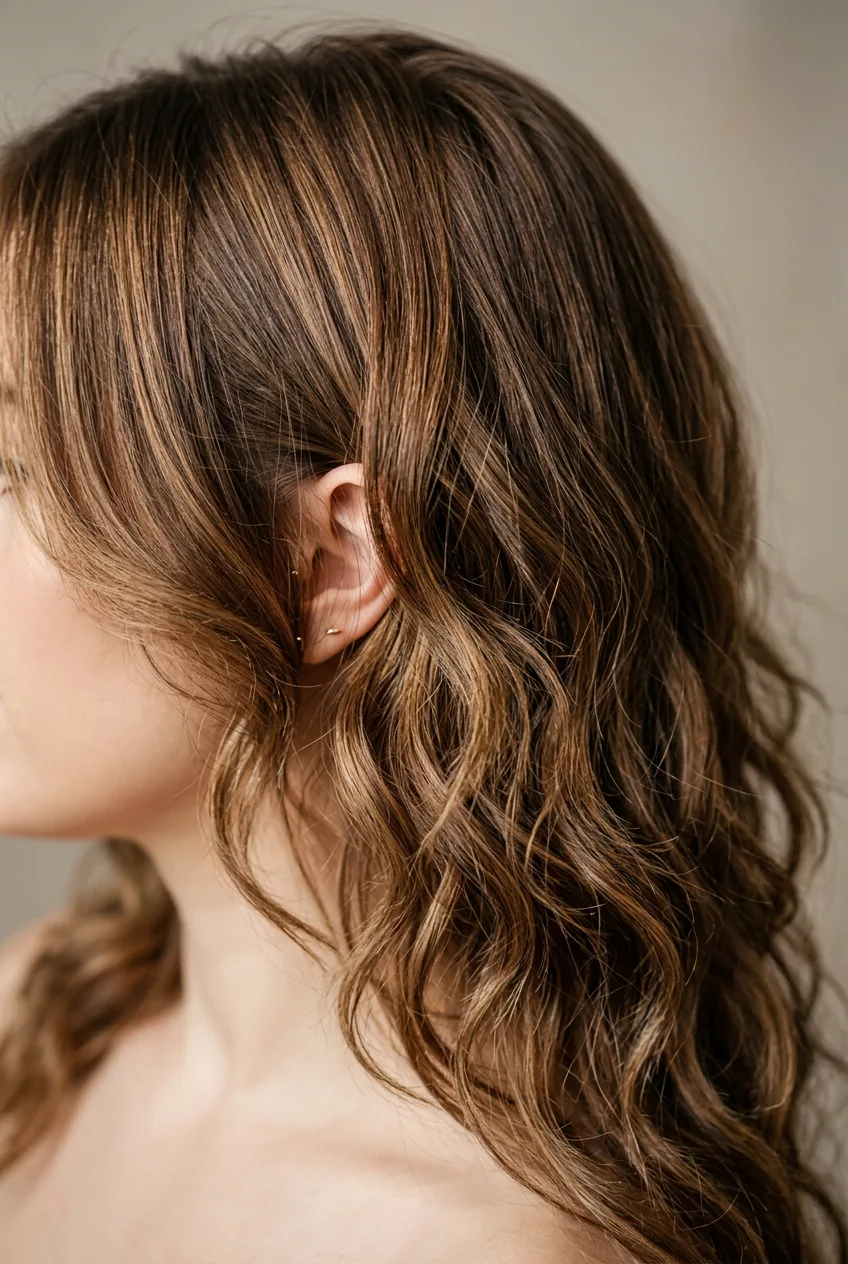
The beauty industry has this obsession with “movement” in layered hair, but they rarely explain what movement actually means or how to achieve it without looking like you stuck your finger in an electrical socket.
Real movement isn’t about making your hair bounce around like a shampoo commercial. It’s about creating intentional flow patterns that complement your face shape and lifestyle. I see so many women over-texturizing their layers because they think more movement equals better movement.
Here’s my controversial take: not every layer needs to move. Some layers should provide structure and stability while others create the visual interest. When every single piece is trying to do something different, you end up with chaos instead of cohesion.
The secret is identifying your “anchor layers” — usually the longest pieces that provide weight and stability — and your “accent layers” — the shorter pieces that create frame and movement. The anchor layers should behave predictably. The accent layers can have more personality.
I learned this from watching how professional stylists work. They don’t treat every layer equally. They create a hierarchy where some layers lead and others follow. This is why some layered cuts look effortless while others look messy in a bad way.
Product placement becomes crucial here. Heavy products on your accent layers will kill movement. But skipping product on your anchor layers can make everything look stringy. You need different products for different purposes, applied to different sections.
The Texture Factor Everyone Ignores
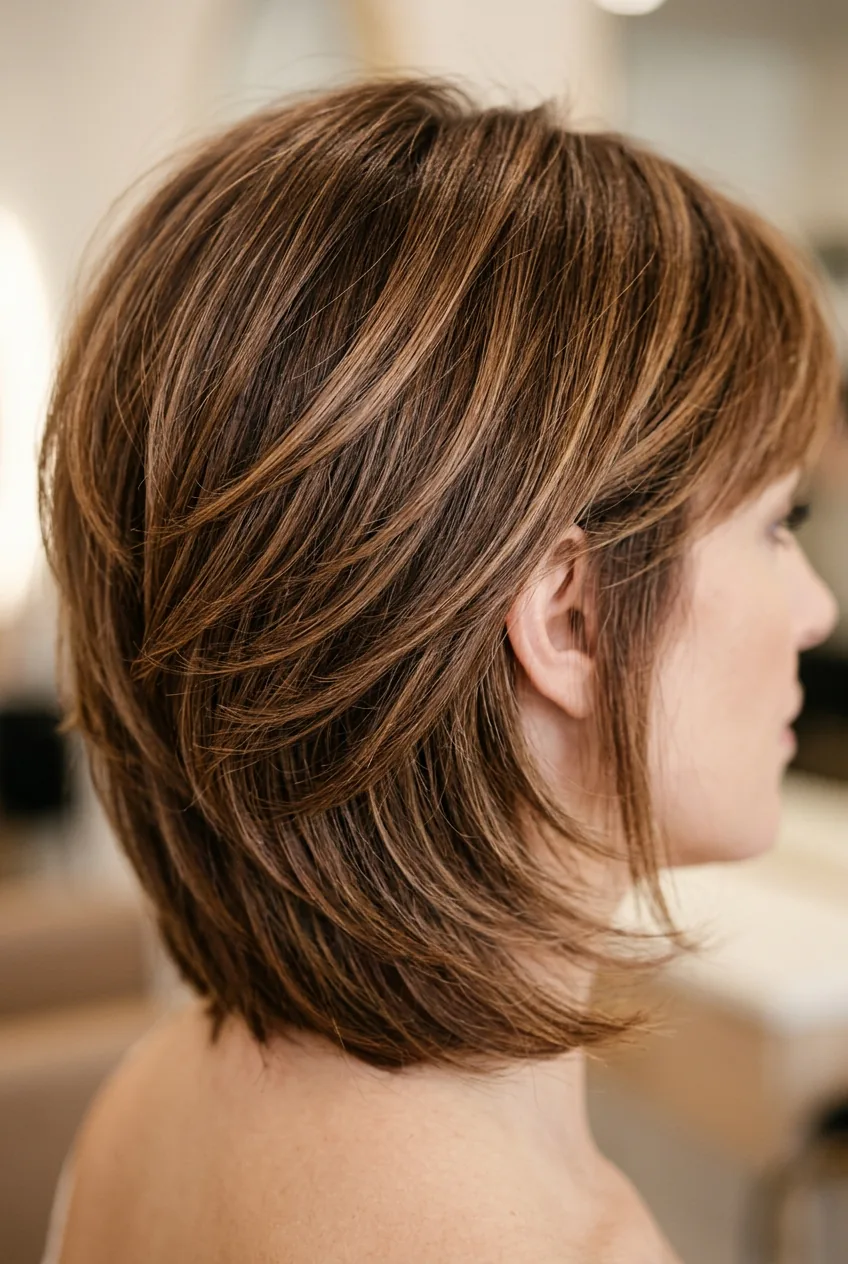
Let’s talk about something nobody mentions: layered hair changes your natural texture. Cut fine hair into layers, and suddenly you might have more body than you know what to do with. Layer thick hair, and you might lose the weight that was keeping everything smooth.
I have naturally straight, medium-density hair. When it was all one length, it was sleek but flat. Add layers, and suddenly I had this weird hybrid texture — straight at the roots, flippy in the middle, and somehow wavy at the ends. Nobody warned me about this.
The problem is that most styling advice assumes your texture stays consistent throughout your hair. But layers interrupt the natural weight distribution, which changes how each section behaves. You might need different techniques for different areas of the same head.
For women with hairstyles thick hair, layers can create liberation from bulk, but they can also create unpredictable cowlicks and weird kinks where the hair was previously weighed down. The solution isn’t fighting these new textures — it’s learning to enhance them strategically.
I’ve started thinking of my layered hair as having zones with different personalities. The crown area responds best to volumizing products and lifting techniques. The mid-lengths need smoothing and definition. The ends want lightweight oils and protective products because they’re the most damaged from processing and environmental exposure.
This is why those all-in-one styling products rarely work well for layered hair. You need targeted solutions for targeted problems. It sounds complicated, but once you identify your hair’s zones, it becomes second nature.
See the Zone Technique in Action
Building Volume Without Looking Dated
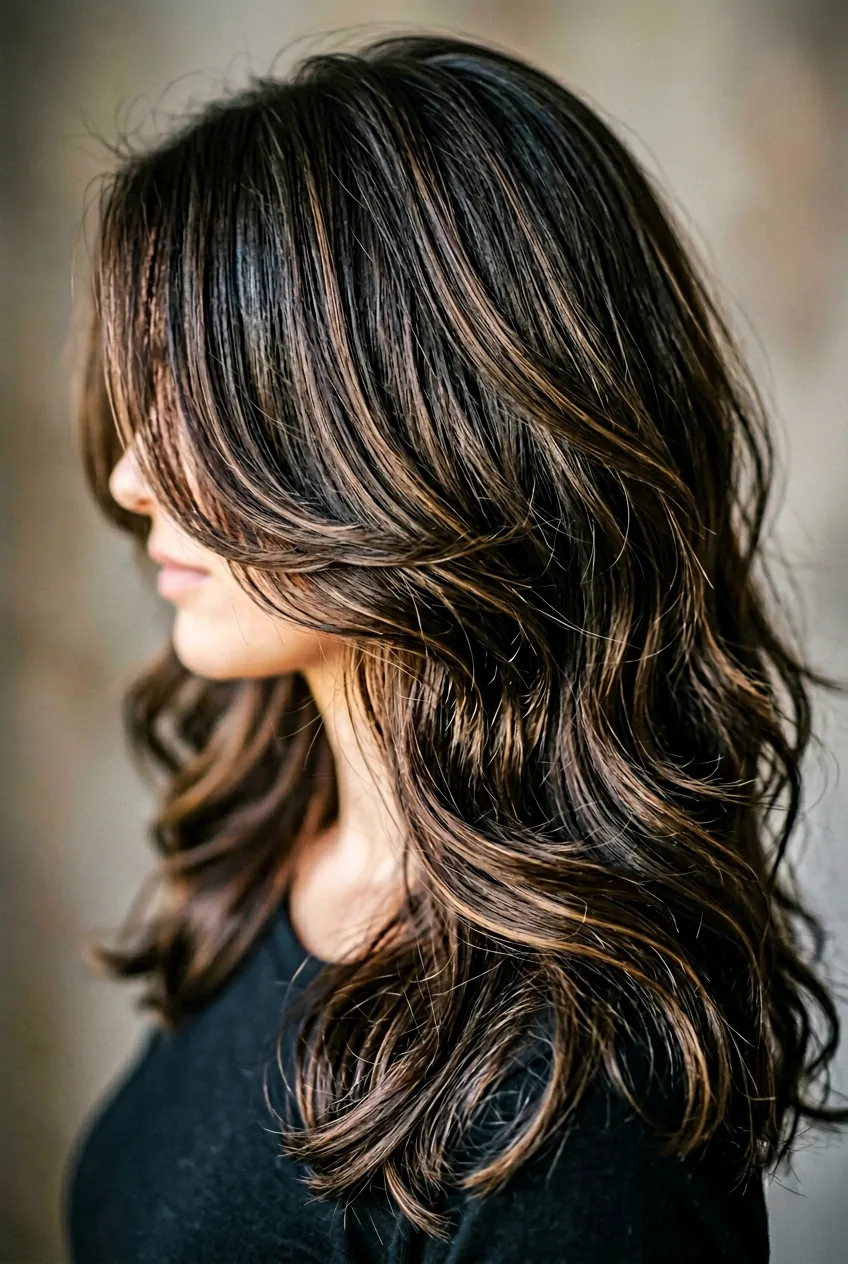
Volume in layered hair is tricky because you’re working with multiple lengths that all want to create lift in different places. Get it wrong, and you end up with that early 2000s pyramid shape or worse — the dreaded “mall hair” effect.
The key insight I’ve learned is that volume in layered hair should feel graduated, not uniform. You want more lift at the crown, medium lift through the mid-lengths, and strategic weight at the ends to prevent everything from flying away.
Root lifting is your best friend, but it needs to be precise. Random teasing or backcombing will create texture in all the wrong places. Instead, focus on creating lift only where the shortest layers begin — usually around the crown and temple areas.
I’ve discovered that the best volume comes from strategic blow-drying with tension, not from products alone. Using a round brush to create lift at the root while smoothing the mid-lengths gives you that modern, polished volume instead of the crunchy, hairspray-heavy volume of previous decades.
The mistake most women make is trying to create volume throughout all their layers simultaneously. This creates that dated, over-styled look. Instead, create intentional flat spots to balance the lifted areas. It’s about contrast and visual interest, not maximum height everywhere.
For special occasions, I’ve learned to work with curly wavy hairstyles spring 2025 trends by adding temporary texture to specific layers while keeping others smooth. This creates that effortless, undone look that photographs beautifully without requiring permanent chemical processing.
Questions I Get About This
How often should I trim layered hair?
Every 8-10 weeks, but focus on the shortest layers first. They grow out fastest and lose their shape quickest. Sometimes I only trim the face-framing pieces between full cuts.
Can I air-dry layered hair and still look polished?
Absolutely, but you need the right products applied to the right sections. I use a lightweight leave-in on the longer pieces and a volumizing mousse on the shorter layers. The key is working with your hair’s natural tendencies, not against them.
What’s the biggest mistake people make with layered hair?
Trying to make all the layers do the same thing. Each length has its own personality — embrace that instead of fighting it. Your styling routine should acknowledge these differences, not ignore them.
Do layers work on every face shape?
Layers can work on any face shape, but the placement and angles need to be customized. It’s not about whether to get layers — it’s about getting the right layers for your specific features and lifestyle.
Living with layered hair has taught me that there’s no universal formula for success. What works depends on your hair’s natural characteristics, your lifestyle, and honestly, how much time you want to spend styling each morning. But when you find the right approach for your specific situation, layered hair can be incredibly versatile and flattering. It just takes patience to figure out what your particular layers need from you.