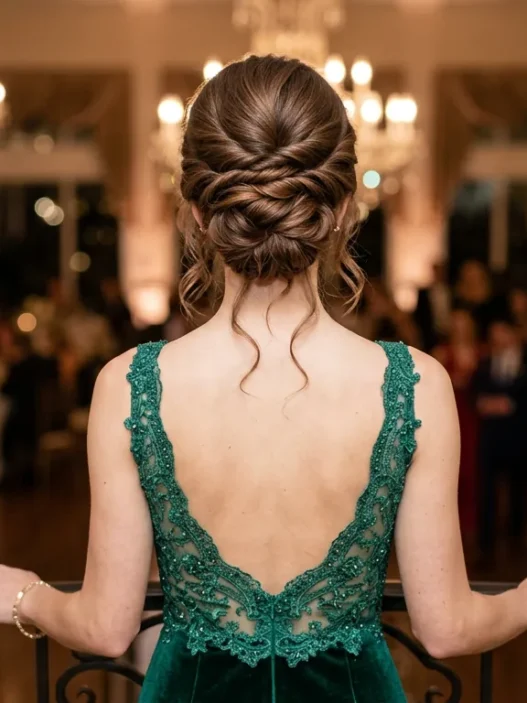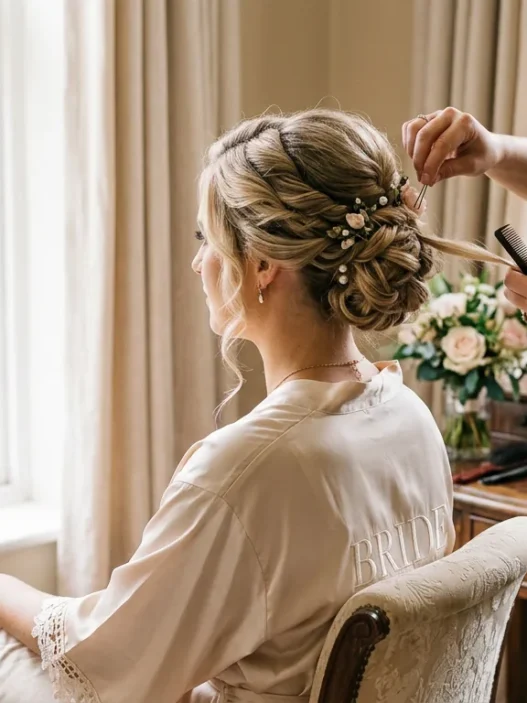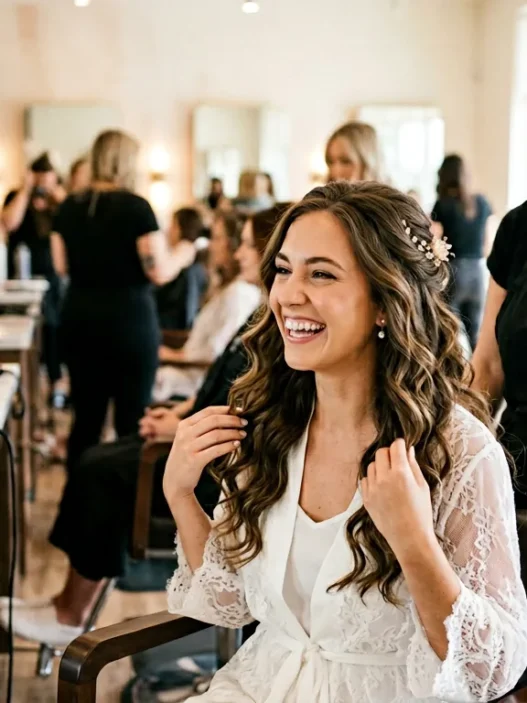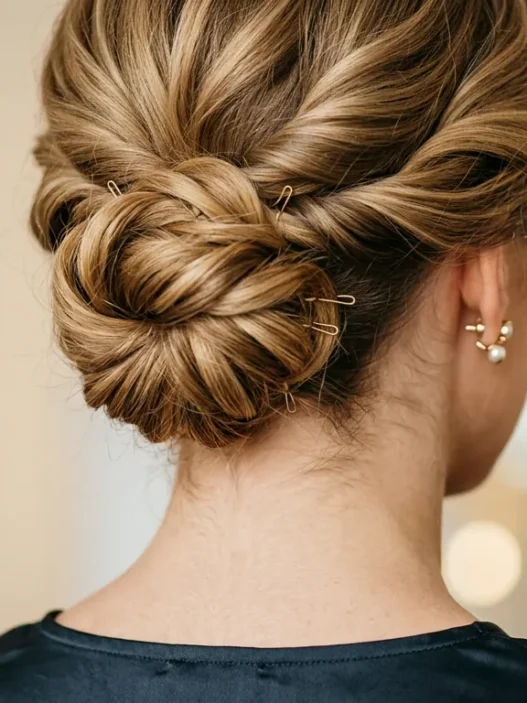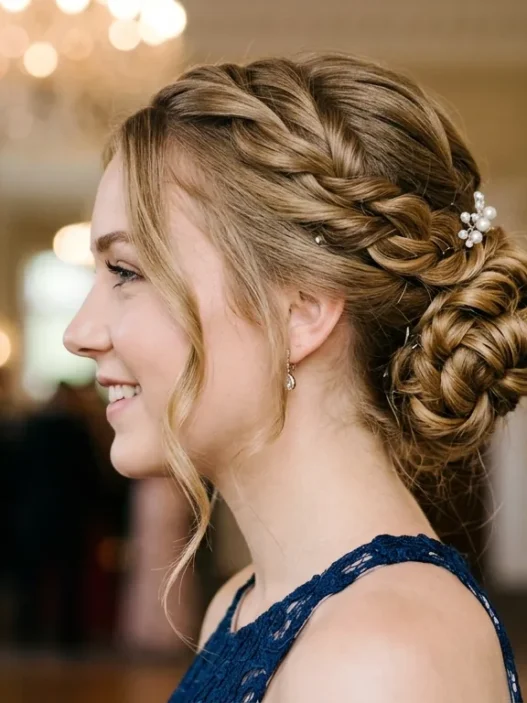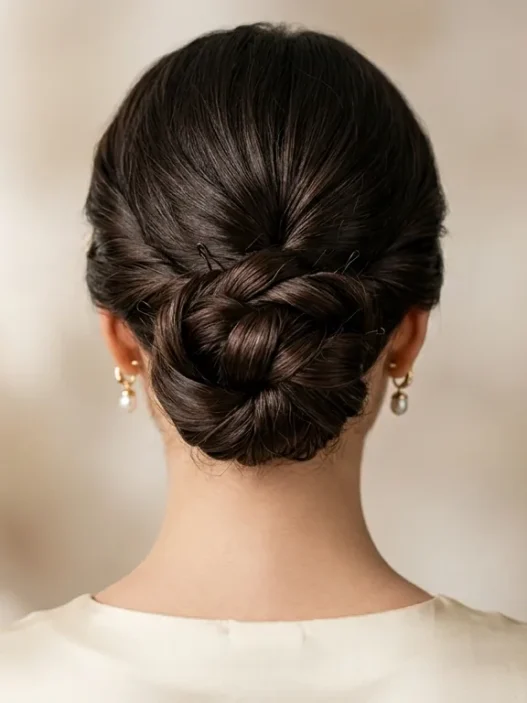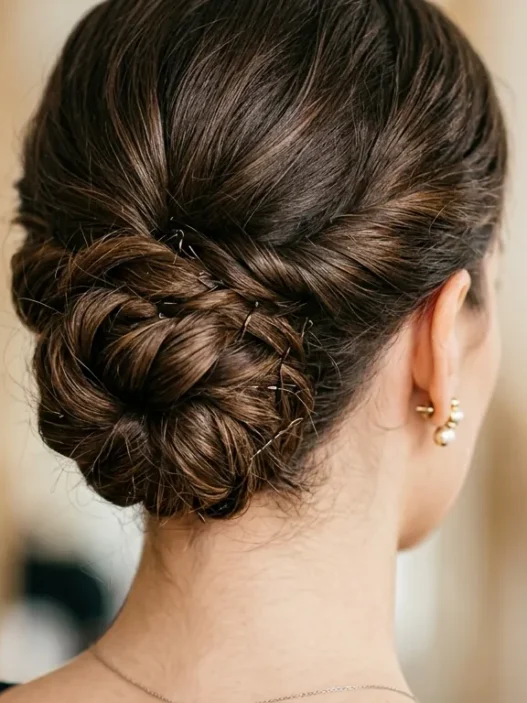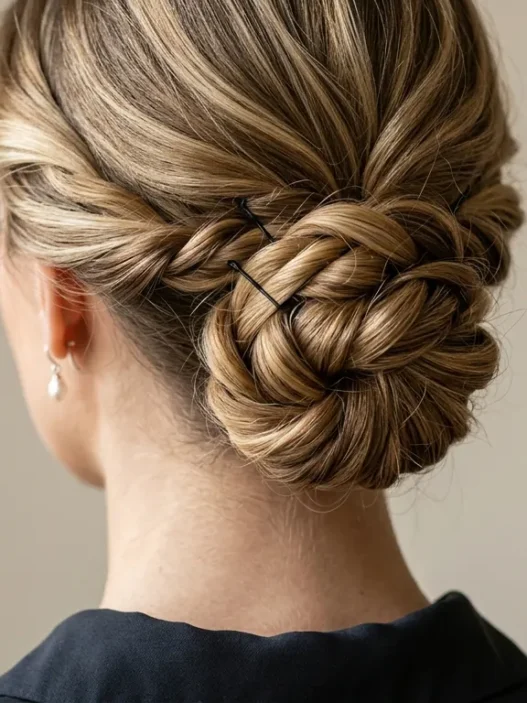







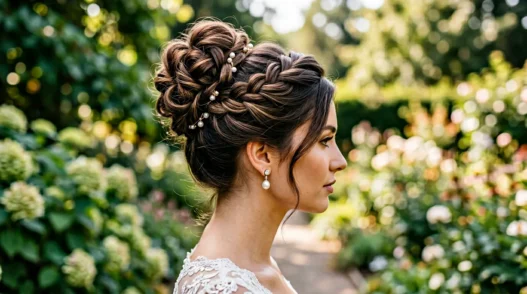
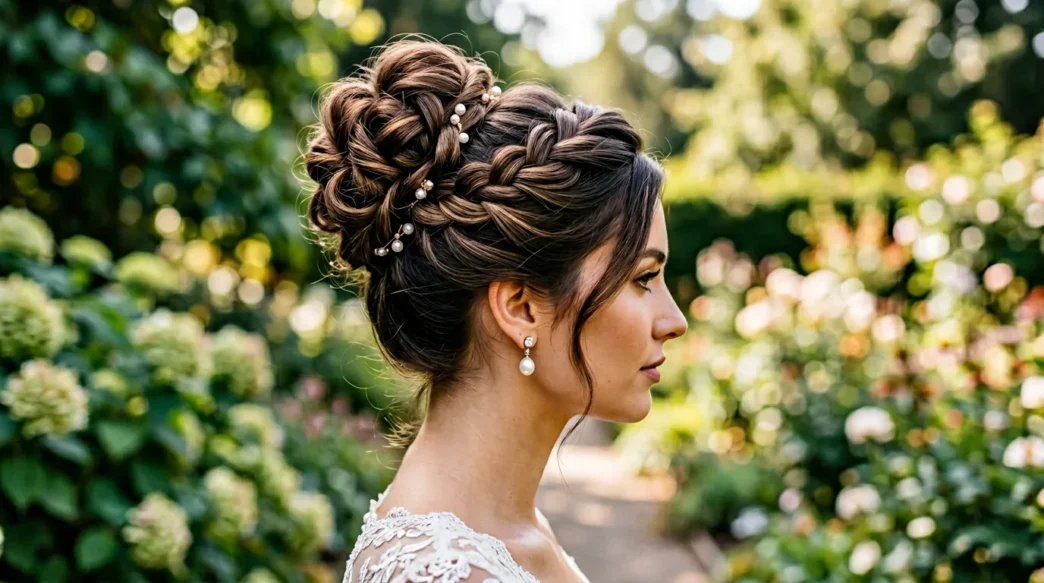
Last month I had three weddings in two weeks. Yes, three. And being the hair obsessive I am, I decided to experiment with both low buns and high updos to see which one actually lives up to the hype. Spoiler alert: one clear winner emerged, and it’s probably not what you’d expect.
Round 1: Ease of Styling
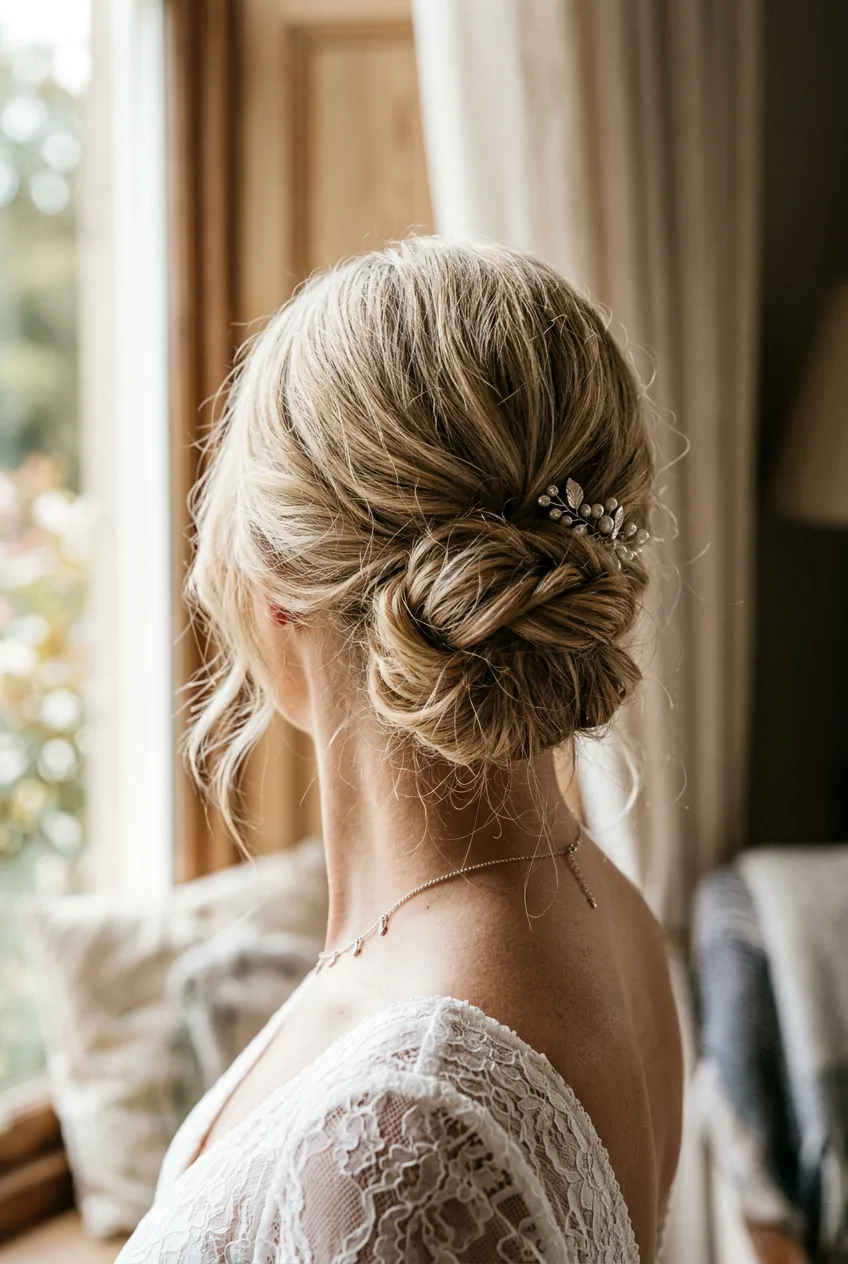
Let me be brutally honest here. Low buns are deceptively tricky. Everyone thinks they’re “easier” because they look effortless, but achieving that perfect messy-but-not-messy texture? It took me forty-five minutes and three YouTube tutorials.
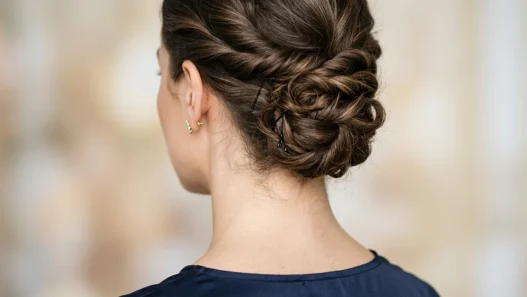
The key with low buns is the prep work. You need texture spray, you need to tease sections, and you absolutely need bobby pins that match your exact hair color. I learned this the hard way when my blonde pins showed through my brunette hair at wedding number one.
High updos, on the other hand, are surprisingly forgiving. Sure, they look complicated, but once you get the basic twisted-and-pinned technique down, you can literally do them with your eyes closed. The structure is more defined, so small imperfections actually add character rather than looking like mistakes.
Winner: High updos. They’re more predictable, and predictable is what you want when you’re getting ready for a big event.
Round 2: How Long It Lasts
This is where things get interesting. I tracked both styles through entire wedding days — ceremony at 2 PM, reception until midnight.
My low bun started gorgeous. Romantic. Pinterest-worthy. But by the time we hit cocktail hour? Pieces were falling. Not in that intentionally tousled way either — in that “did she forget to finish her hair?” way. Dancing made it worse. By 9 PM I was basically wearing a half-ponytail with bobby pins scattered across my scalp.
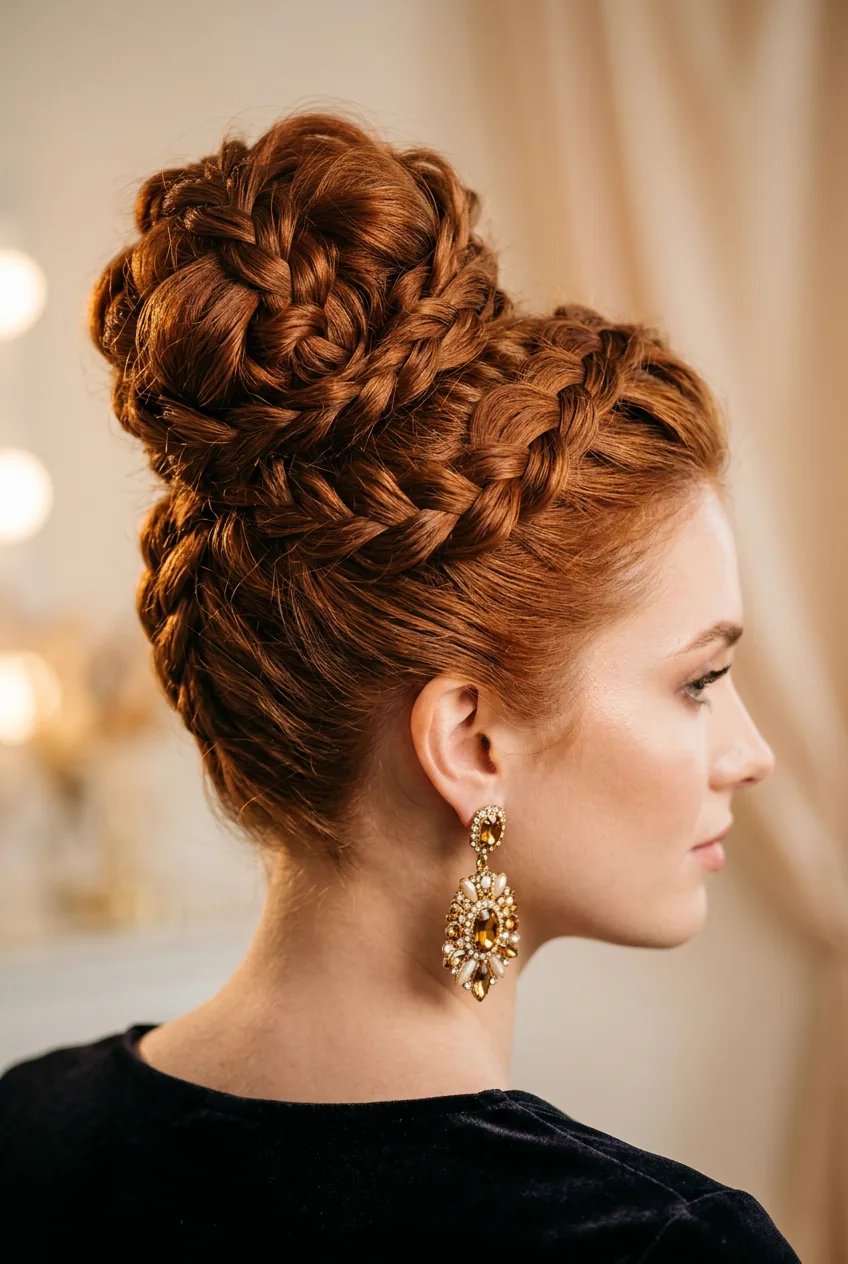
The high updo? Rock solid. I’m talking twelve hours later and maybe one piece needed tucking. The height actually works with gravity instead of against it. Plus, when a few wisps do escape, they frame your face rather than just hanging there looking defeated.
I tested this theory with different hair textures too. Fine hair holds high updos better because there’s less weight pulling down. Thick hair benefits from the secure anchor point up high. Longevity techniques really do make a difference here.
Winner: High updos, by a landslide. If you want to look the same at midnight as you did at 2 PM, go high.
Round 3: Versatility for Different Dress Styles
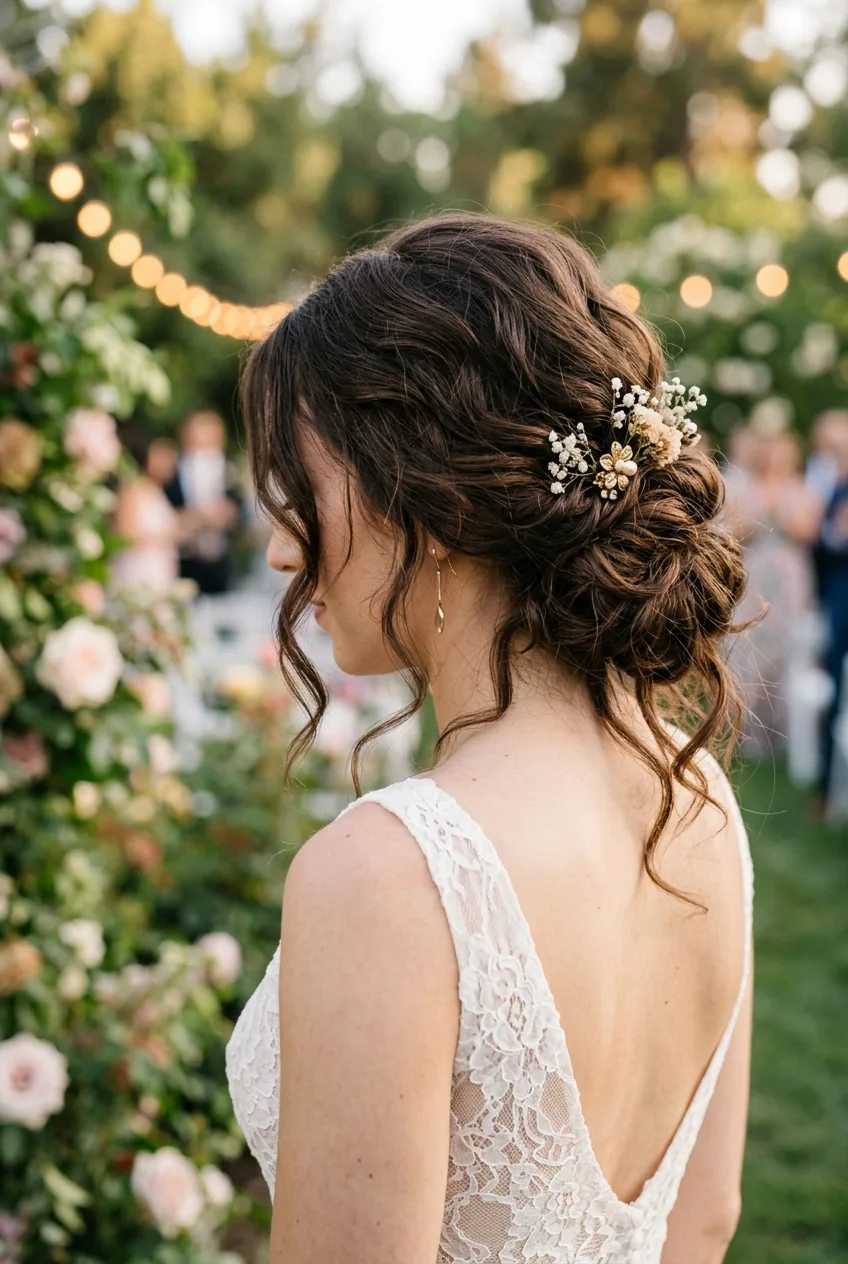
Here’s where low buns actually shine. They’re like the little black dress of wedding hairstyles — they work with almost everything. Strapless? Yes. Off-shoulder? Perfect. High neckline? Absolutely. Low buns don’t compete with your dress details; they complement them.
But high updos are more dramatic. If you’re wearing a simple sheath dress or a minimalist gown, a high updo adds that wow factor you might be missing. They photograph beautifully from behind too, which matters more than you’d think for ceremony shots.
The real test? I wore both styles with the same navy wrap dress to different weddings. The low bun made me look elegant and understated — perfect for an afternoon garden party. The high updo made me look more formal and polished — better for the evening black-tie affair.
Winner: It’s actually a tie. Your venue and dress style should dictate this one.
Round 4: Comfort Factor
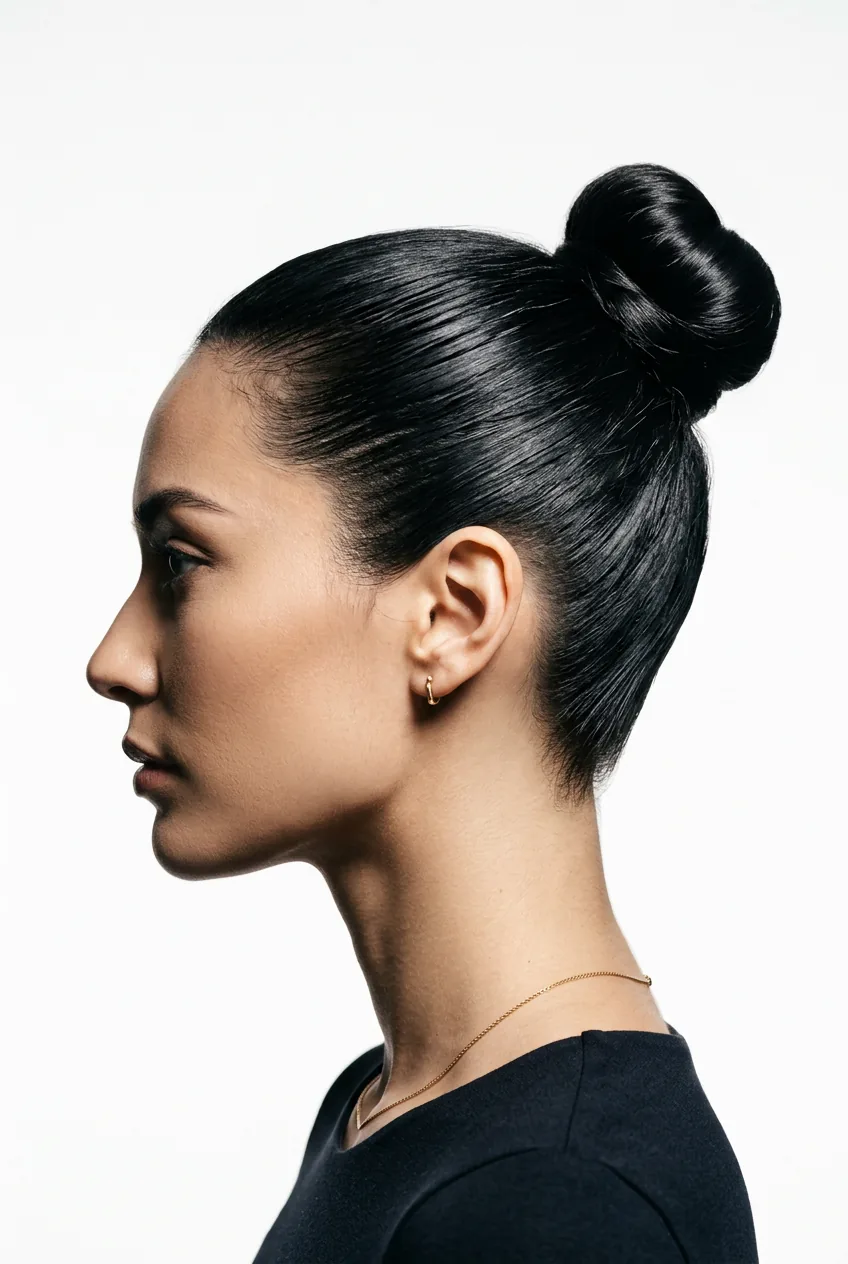
Nobody talks about this, but comfort matters when you’re wearing a hairstyle for twelve hours straight. Low buns sit right at the nape of your neck, which sounds comfortable in theory. In practice? That’s exactly where your dress’s zipper hits. Or where the back of restaurant chairs press. Or where your partner’s hand rests during slow dances.
I got so tired of readjusting my low bun every time I sat down that I started avoiding chairs altogether. Not ideal when you’re at a seated dinner.
High updos sit well above all of that. They don’t interfere with necklines, don’t get squished by headrests in cars, and don’t get in the way when you’re hugging people (which, at weddings, happens constantly).
The weight distribution is better too. Instead of pulling at the base of your neck, high updos distribute the weight across your crown. Less neck strain after a long day.
Winner: High updos. Comfort isn’t glamorous, but it’s crucial.
The Verdict: Which One Should You Choose
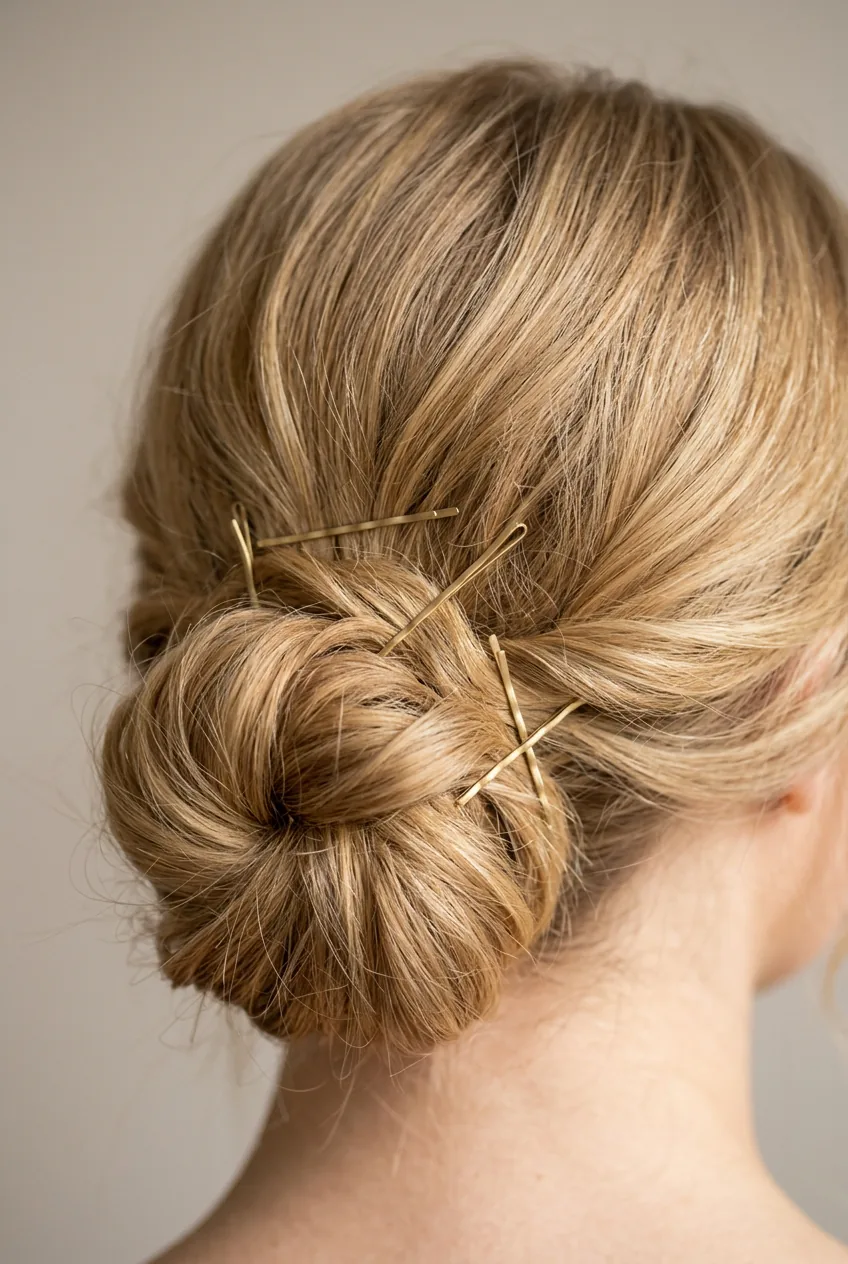
After three real-world tests, I’m team high updo for weddings. The longevity and comfort factors are just too important to ignore. You’re paying for professional photos, you’ll be on your feet for hours, and you want to feel confident from ceremony to last dance.
But — and this is important — choose low buns if:
- You’re the bride and want that soft, romantic vibe
- It’s a daytime or outdoor wedding (more forgiving if pieces fall)
- You have a detailed back neckline you want to show off
- You’re confident with touch-ups throughout the day
Choose high updos if:
- You want zero-maintenance hair all day
- You’re dancing or will be very active
- It’s an evening or formal event
- You want maximum elegance and polish
For wedding guest hairstyles every length, I actually lean toward high updos every single time now. They photograph better, they last longer, and they let you focus on enjoying the celebration instead of worrying about your hair.
If you’re still torn, try both styles during a practice run. Wear each one for a full day of normal activities. The winner will become obvious pretty quickly — trust me on this one.
Questions I Always Get About This
Can I switch from low to high during the day?
Not really. The pin placement and base structure are completely different. If your low bun is falling apart, your best bet is to do a quick refresh or switch to a ponytail.
Do high updos work with veils?
Absolutely. High updos actually anchor veils better than low buns because there’s more surface area to pin into. Just place the veil attachment slightly below the updo, not through it.
What if I have a cowlick at my crown?
High updos can actually help disguise cowlicks because you’re working with the hair’s natural direction rather than against it. Use a strong-hold gel on damp hair before styling to tame any stubborn pieces.
How much hair do I need for either style?
You need at least shoulder-length hair for a proper low bun. High updos can work with shorter lengths because you’re creating height and texture rather than length. Even chin-length hair can work with the right technique and some strategic teasing.
The truth is, both styles have their place. But for weddings specifically? High updos win on pure practicality. And sometimes, practical is exactly what you need to feel beautiful all day long.