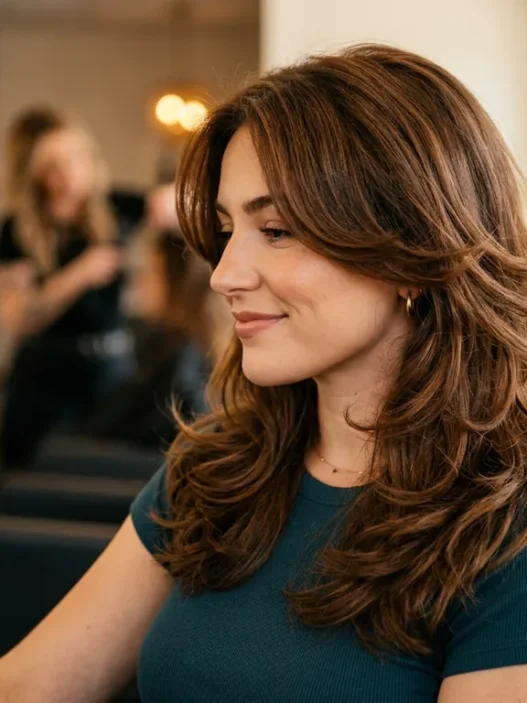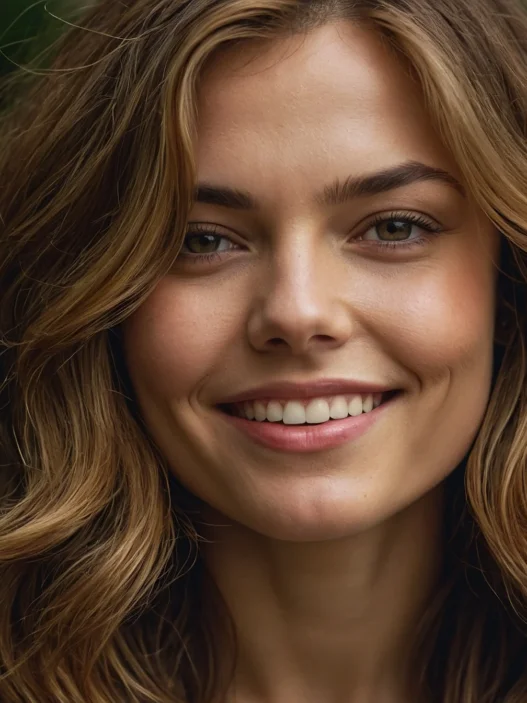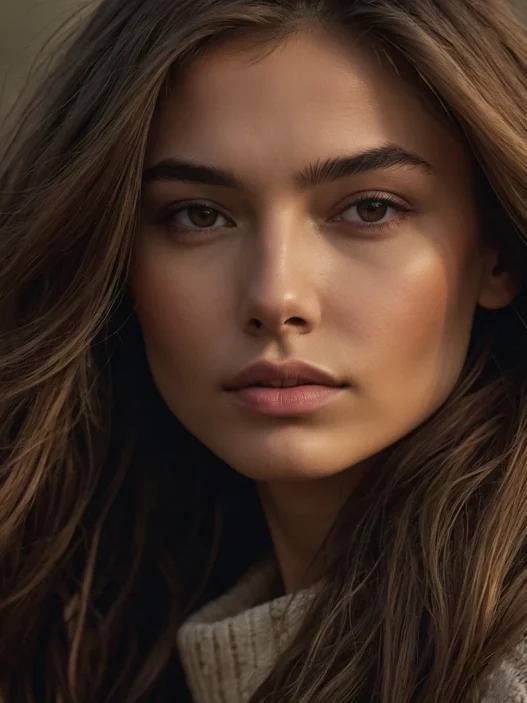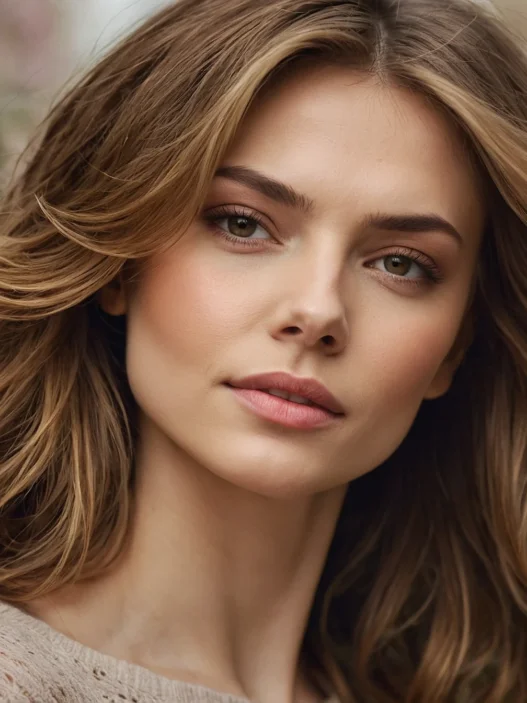







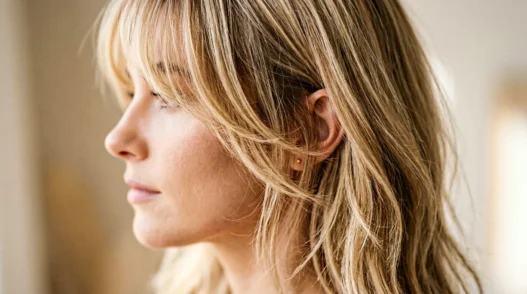
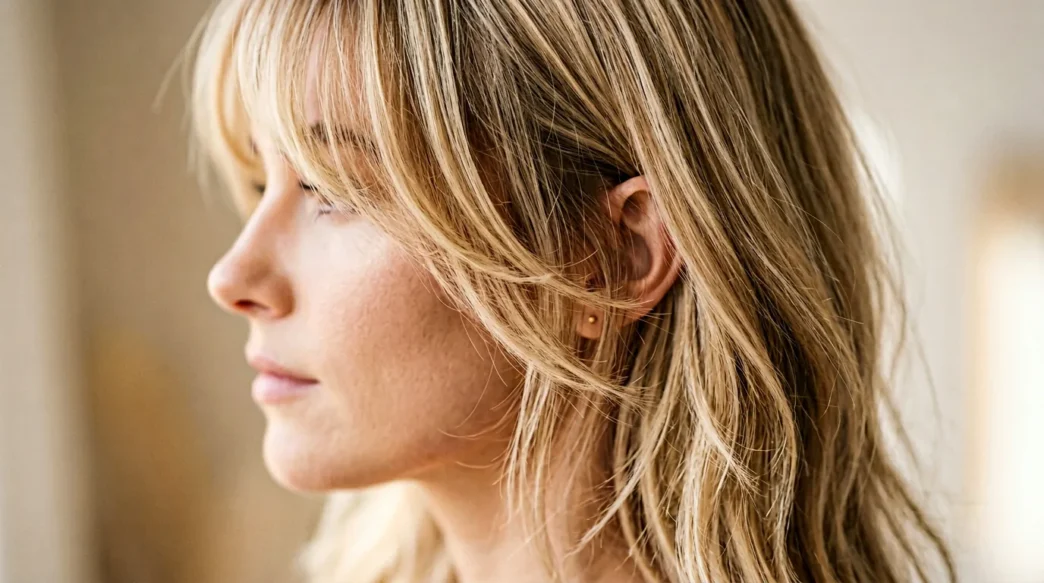
I walked into my salon last month asking for a trim and walked out with wispy bangs layers. My stylist literally said “trust me” and started cutting before I could protest. Three weeks later, I’m getting stopped on the street by strangers asking about my hair. What is happening right now?
What Changed in the Bang Game
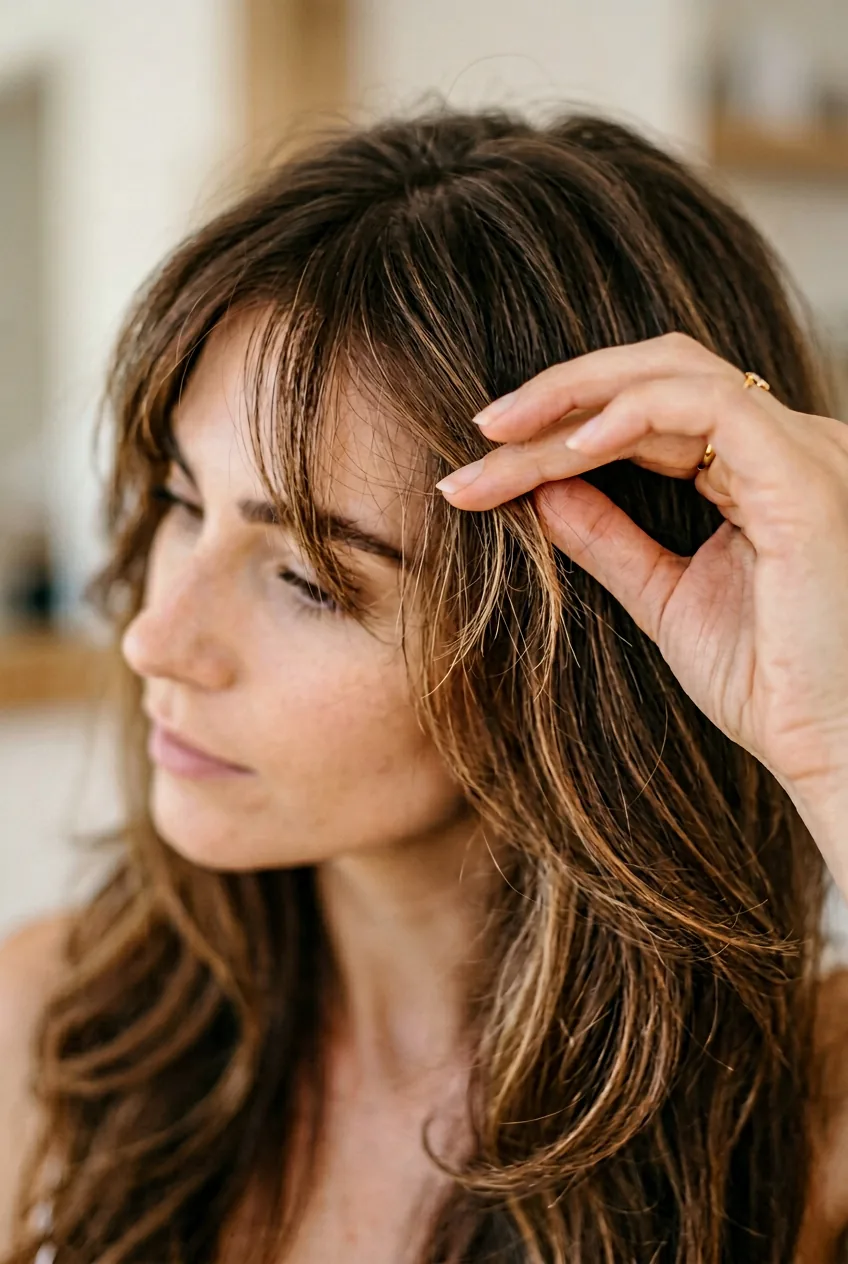
Remember when bangs meant commitment? Thick, blunt lines that either worked or looked like you stuck your finger in an electrical socket. Those days are dead and buried. Wispy bangs layers changed everything because they’re forgiving.
The game-changer is the layering technique. Instead of cutting straight across, stylists are point-cutting and texturizing to create these soft, feathered pieces that blend seamlessly with the rest of your hair. When they grow out, they don’t create that awkward shelf effect we all know and hate.
I’ve watched this evolution happen in real time. Two years ago, clients would book bang cuts maybe twice a year. Now? Every third appointment includes some version of wispy layers around the face. The maintenance anxiety is gone because these grow out beautifully.
The technique itself borrowed from French girl styling methods that prioritize effortless texture over precision. It’s less “I got my bangs cut” and more “I woke up like this.”
Who’s Driving This Movement
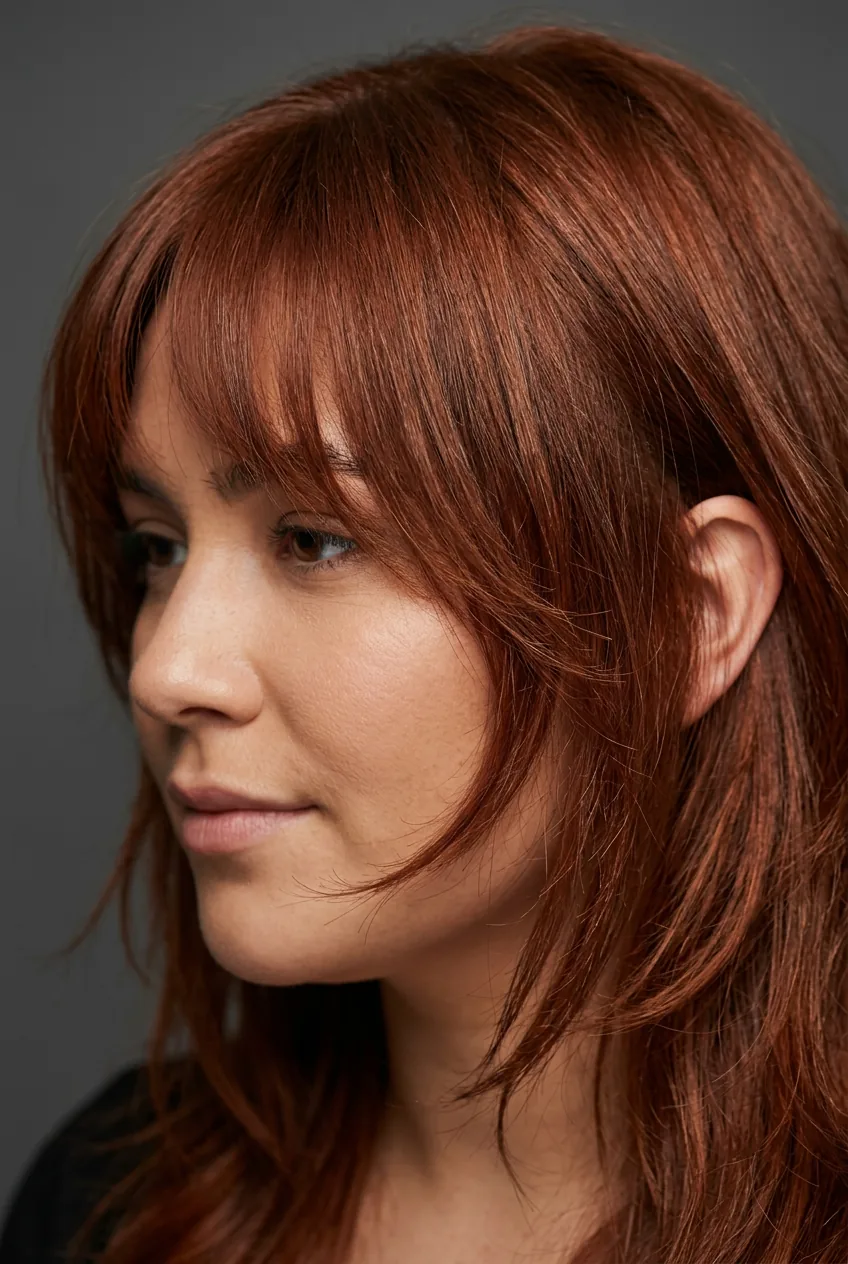
TikTok creators started it. The #wispybangs hashtag exploded when creators began showing their before-and-afters, specifically focusing on how the layers frame different face shapes. But here’s what’s interesting — it wasn’t the beauty influencers who made this go viral.
Regular people with regular hair problems did. Women showing how wispy layers solved their “my forehead is too big” or “my hair is too fine for bangs” issues. That authenticity hit different than polished salon content.
Celebrities followed, not led. Billie Eilish’s soft curtain bangs at the Met Gala. Zendaya’s face-framing pieces at Cannes. But they were reflecting what was already happening in everyday salons, not dictating it.
Salon professionals embraced the trend because it’s actually easier to execute than perfect blunt bangs. Less precision required, more room for interpretation. When stylists are excited about a trend, it spreads fast.
The movement feels grassroots in a way that most hair trends don’t. It came from people wanting bangs but being scared of the commitment, not from fashion week runways.
The Face Shape Rules Nobody Talks About
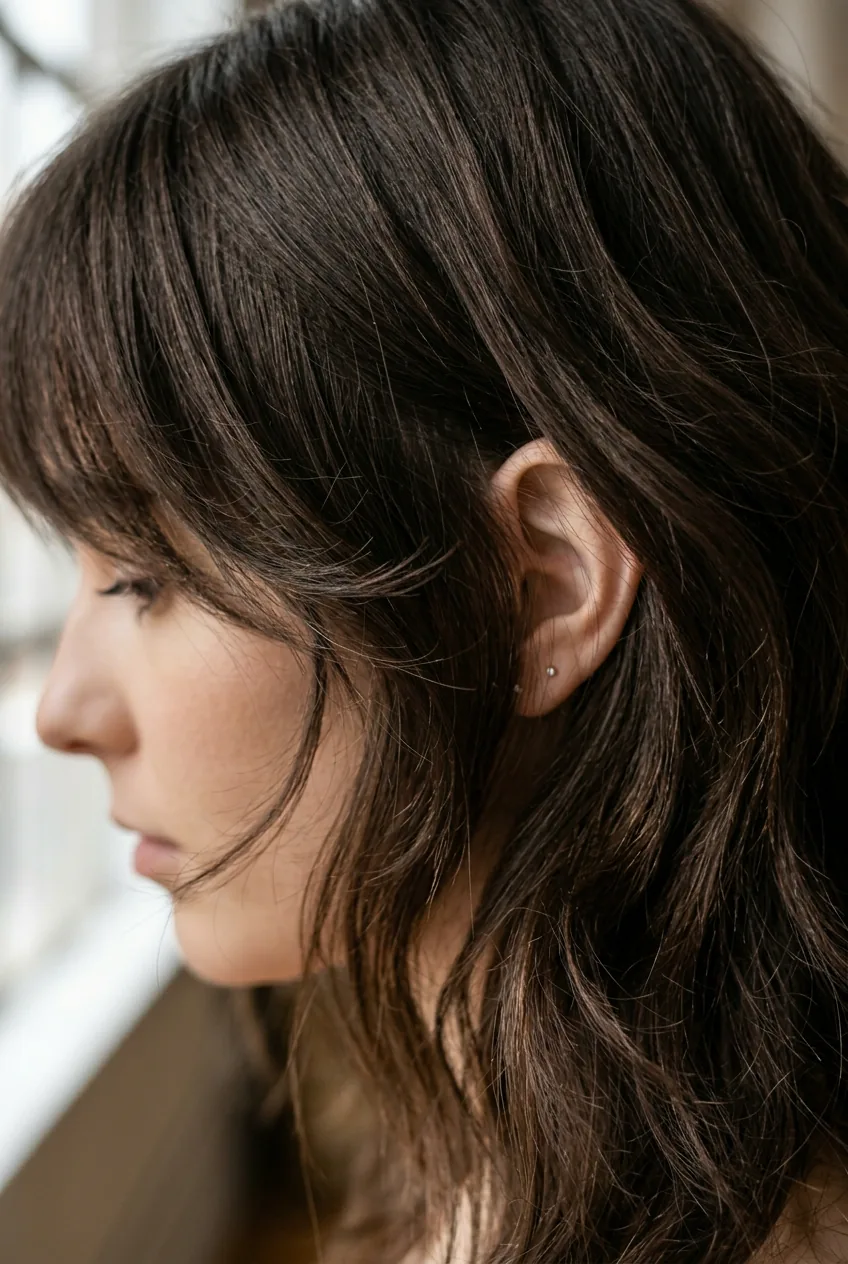
Everyone’s talking about how “wispy bangs work on everyone,” but that’s not entirely true. They work on more face shapes than blunt bangs, but the execution has to be different. And honestly? Some stylists are getting this wrong.
For round faces, the wisps need to start longer and angle downward toward the cheekbones. I see too many stylists cutting them straight across and just texturizing — that’s not the same thing. The length variation is what creates the illusion of length.
Square faces need the opposite approach. Shorter wisps that hit right at the brow bone, with more texture through the center. The goal is to soften that strong jawline, not emphasize the width of the forehead.
Here’s my controversial take: heart-shaped faces should skip this trend entirely. The wisps draw attention to the narrow chin, which is the opposite of what you want. You need weight and fullness at the jawline, not delicate pieces framing your temples.
Oval faces can handle almost any variation, which is why they dominate the trend’s social media presence. But just because you can doesn’t mean you should — consider your lifestyle and styling commitment first.
I learned this the hard way when my friend with a heart-shaped face copied my exact cut. On me (oval face), it looks effortless. On her, it emphasized everything she wanted to downplay. Fine hair hairstyles require even more consideration with face shape because there’s less hair to work with overall.
This Stylist Explains It Perfectly
Where This Trend is Going Next
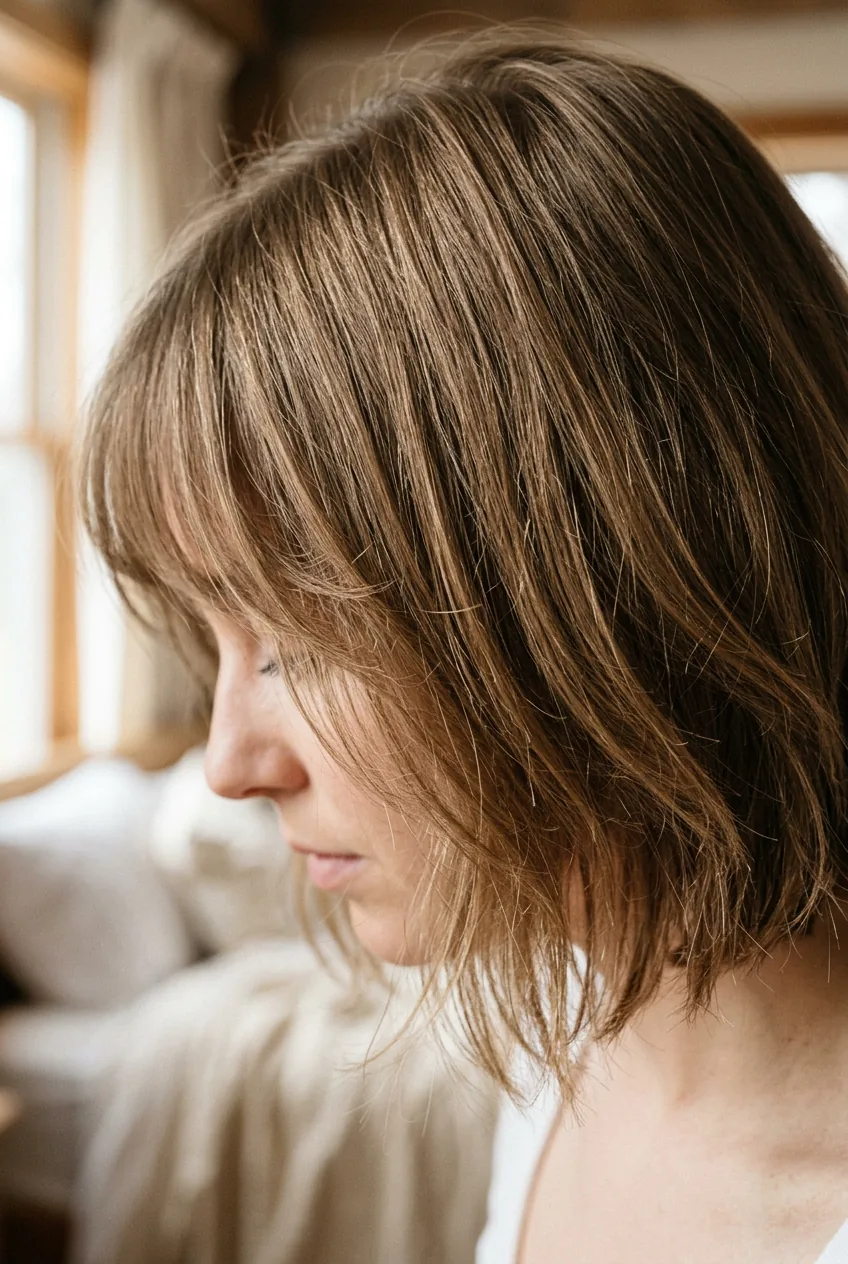
I’m calling it now — wispy bangs layers are evolving into something bigger. We’re moving toward what I’m seeing stylists call “lived-in layering” throughout the entire haircut, not just around the face.
The next phase will be integrating these textured, face-framing pieces with equally textured layers through the mid-lengths and ends. Think Rachel Green’s haircut but with modern cutting techniques that actually work on different hair types.
Color is playing into this too. Highlight placement techniques are becoming more strategic, focusing on the pieces that frame the face rather than all-over color. It’s about enhancing the movement, not competing with it.
I predict this trend has at least two more years of dominance, but it will morph. The wispy texture will stay, but the length and density will vary seasonally. Spring 2026 will probably bring longer, more dramatic face-framing layers. Fall will see shorter, more defined pieces.
What won’t change? The low-maintenance appeal. People discovered they can have interesting hair without high-maintenance styling, and there’s no going back from that revelation.
Should You Take the Plunge?
Yes, if you’re scared of commitment. These grow out gracefully, so your worst-case scenario is growing them out for three months, not six.
Yes, if you have fine hair. The texture adds visual density without weighing your hair down. Just make sure your stylist understands the difference between thinning shears and point cutting — you want texture, not less hair.
Maybe, if you have very curly hair. The wispy effect can work, but you need a stylist who specializes in curly cutting. Regular techniques don’t translate directly, and you could end up with a frizzy mess around your face.
No, if you’re looking for drama. This trend is about subtle enhancement, not transformation. If you want people to notice you got your hair cut, go for something bolder.
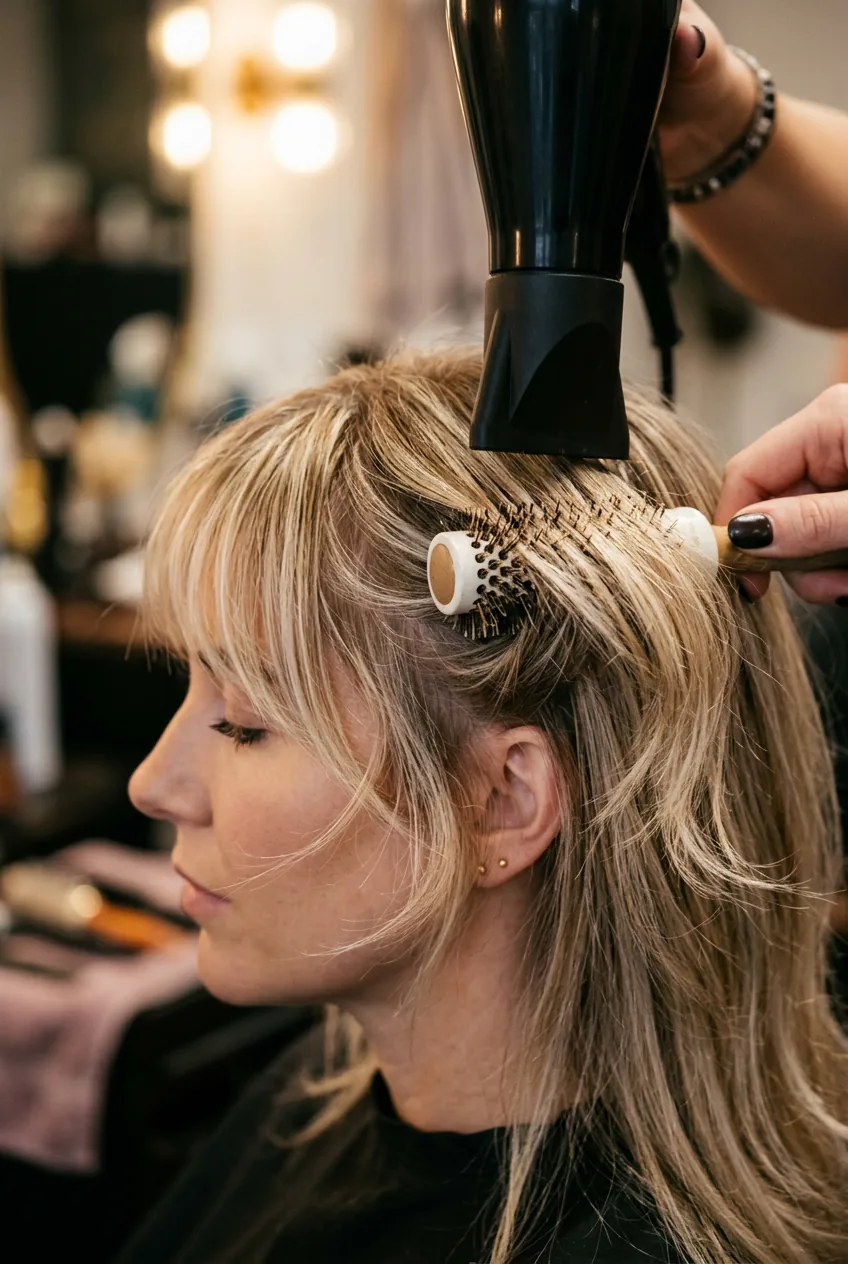
The styling is surprisingly easy once you get the hang of it. I use a small round brush and blow-dry the pieces forward, then sweep them to the side with my fingers. Takes maybe two extra minutes in my morning routine. Some people prefer to scrunch them with a little texturizing spray and let them air dry — both methods work.
My biggest piece of advice? Bring multiple photos to your stylist, not just one. Show them the length you want, the density you want, and how you want them to blend with your existing layers. Communication is everything with this cut because “wispy bangs layers” means different things to different stylists.
And honestly? If you’ve been thinking about it for months, just do it. Hair grows, trends change, but the confidence boost from a great haircut lasts way longer than the actual cut itself. That’s probably the real reason this trend is having such a moment — it makes people feel like the best version of themselves without asking for much in return.