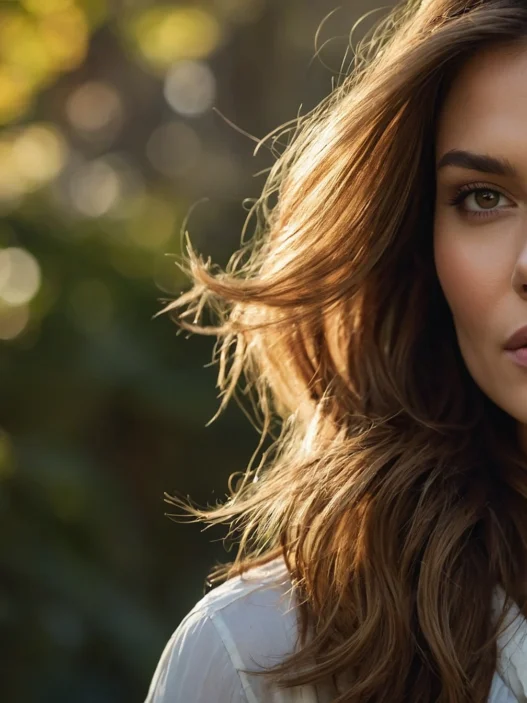









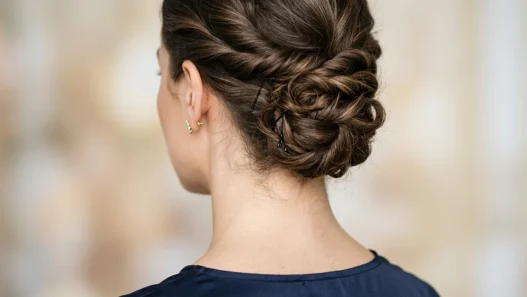

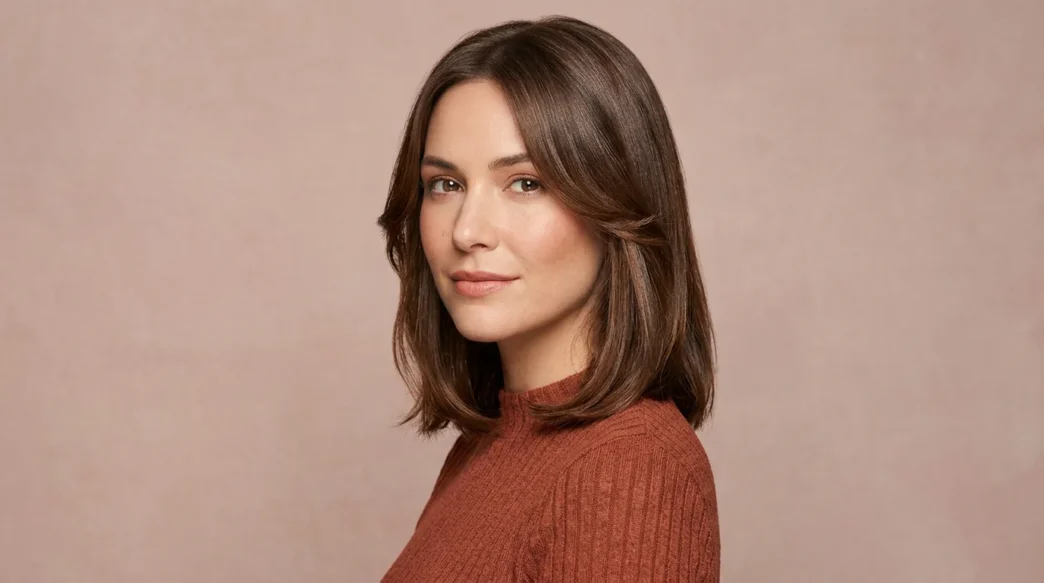
I cut my hair into a blunt bob in March because I was bored and a little bit sad, and I told myself a sharp change would fix it. It did not. By June it was growing out in that in-between, flippy, nothing-quite-right stage and every morning I stood in my bathroom trying to tuck it behind my ears like that would make me like myself more. I kept saving the same photo over and over, this mid length hair with face framing layers that looked soft and lived-in and so easy, and I finally admitted I did not want short hair. I wanted movement around my face again.
That is how this whole thing started. Not with a trend board. With me avoiding mirrors.
The Year I Hated My Hair
I turned 34 in the middle of this awkward length and I swear my hair knew it. The back kept kicking out at my shoulders, the front pieces hung too long to be bangs and too short to stay tucked, and photos from my sister’s backyard birthday show me with that tight, polite smile women do when they hate how they look but do not want to ruin the day. I was wearing a linen dress I loved and all I could see was the shelf where my old bob just stopped.
I tried everything that was not an actual haircut. Slicked buns that gave me a headache by 3 p.m. A middle part ironed completely flat that made my face look longer and more tired. One very unfortunate week where I curled only the ends with a big iron and walked around looking like a 2004 prom chaperone. My bathroom drawer was full of claw clips and half-used texture sprays and I still felt frumpy.
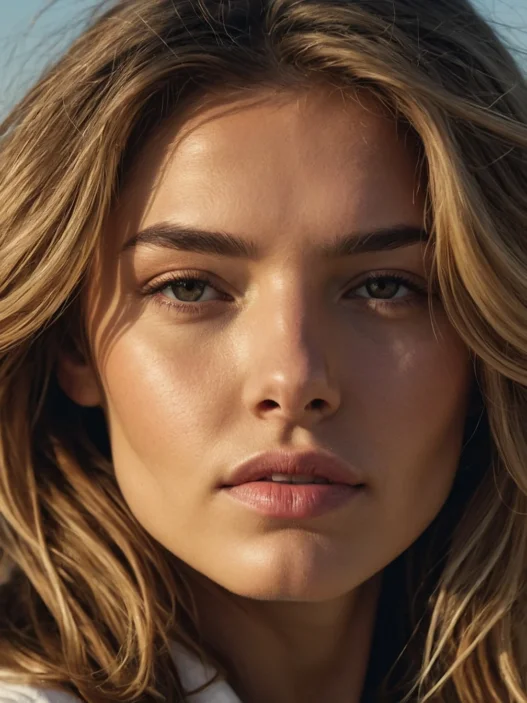
What I wanted was pretty specific, even if I did not have words for it yet. I wanted length that hit around my collarbone, not my bra strap. I wanted those shorter bits in front that curve in at the cheekbone and then open up again at the jaw. Look at how she is wearing hers in this photo, that soft angle right under the cheek. That is exactly what I was screenshot-saving at midnight.
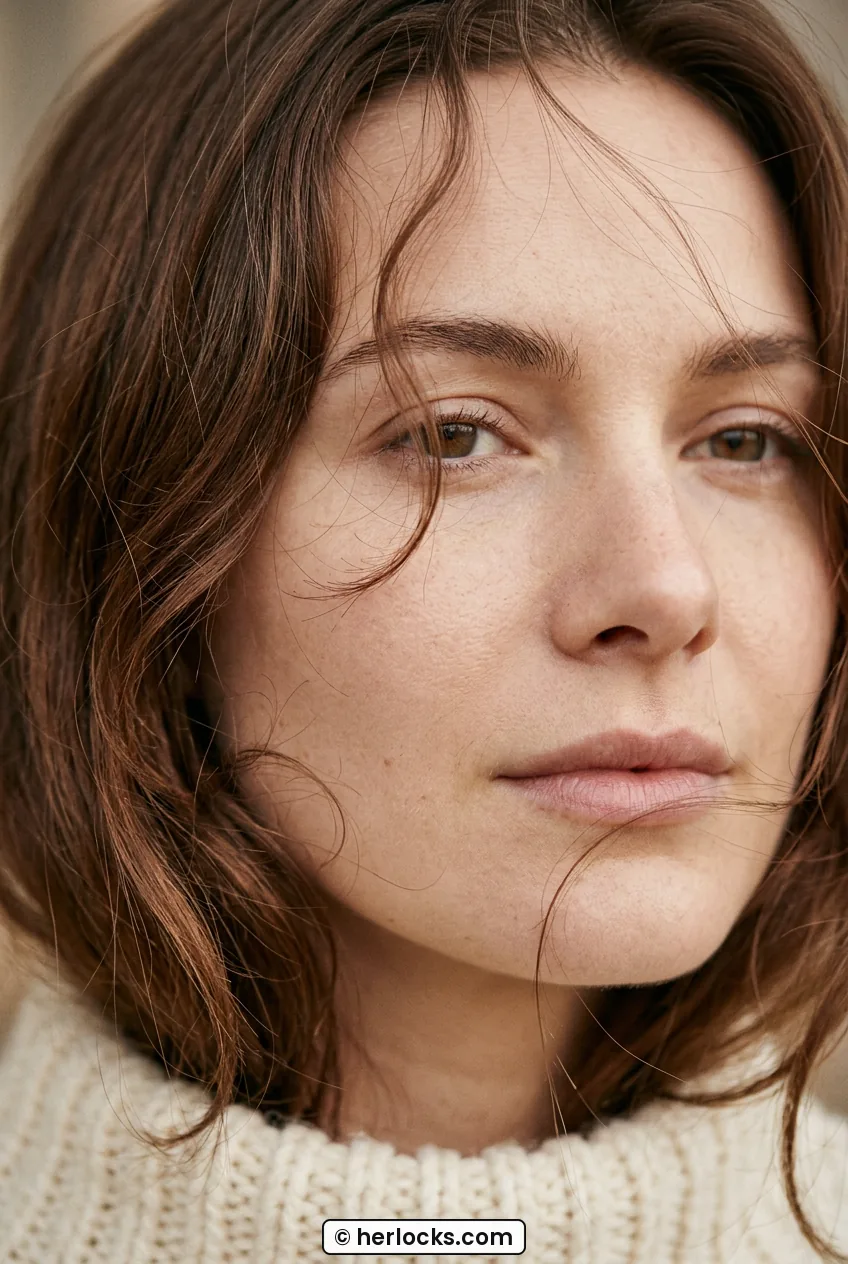
I also started noticing how different mid-length cuts behaved on real people versus Instagram. On Instagram everything is blown out and filtered to perfection. In real life, at Trader Joe’s, I kept spotting women with that grown-out, touchable shape and thinking, her hair moves when she talks. I want that. One woman in line had the most perfect long layered shape with lighter pieces around her face, and I almost asked her for her stylist’s name while holding frozen peas. I did not. I regret it.
Here is my slightly controversial take, and I will stand by it. I think most of us do not need longer hair when we feel blah. We need better front hair. I spent a year thinking if I just grew everything to my waist I would feel pretty again, but all that extra length in back was just dragging me down. The second I started focusing on the first three inches around my face, everything changed. Back length is background noise. Front layers are the whole conversation.
The First Cut That Felt Right
My first attempt was not the good one. I went to a walk-in place near my office on my lunch break, showed a photo of a shaggy, Bardot-ish cut, and left with what I can only describe as stair steps. You know that choppy, disconnected feeling where you can feel each layer as a separate ledge with your fingers? I cried in my car, then went back to work and pretended I had allergies.
It took six weeks to grow enough to fix it, and in that time I got very nerdy about what I actually wanted. I made a little list in my Notes app and I still have it:
- Keep the overall length at the collarbone, no shorter, so I can still pull it up for workouts
- Ask for two face-framing pieces that start at the lip or chin, not at the eye, so they do not puff out
- Keep the back layers long and blended, nothing above the shoulder in back
- No hard curtain bangs yet, just longer blended corners I can part in the middle or sweep aside
Bringing that list in was the first time I felt like an adult at the salon instead of a people-pleaser who just says do whatever you think. I booked with a different salon, a woman named Priya who specializes in layered medium hairstyles and actually listens before she picks up the scissors. I told her about the stair steps. She nodded and said, yeah, that happens when someone cuts wet and rushes the front.
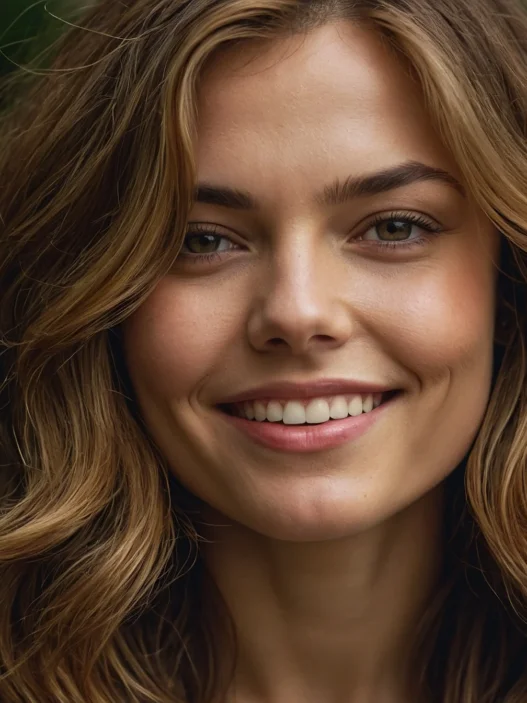
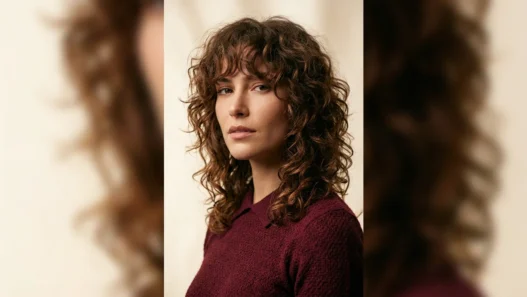
This is the length I am talking about. See how it hits just below her chin in front but the back is still full? That little dip in front is what makes it feel styled even when you do almost nothing. Priya cut my front pieces dry, a tiny bit at a time, and had me shake my head and part it where I normally part it. It took ten extra minutes. It made all the difference.
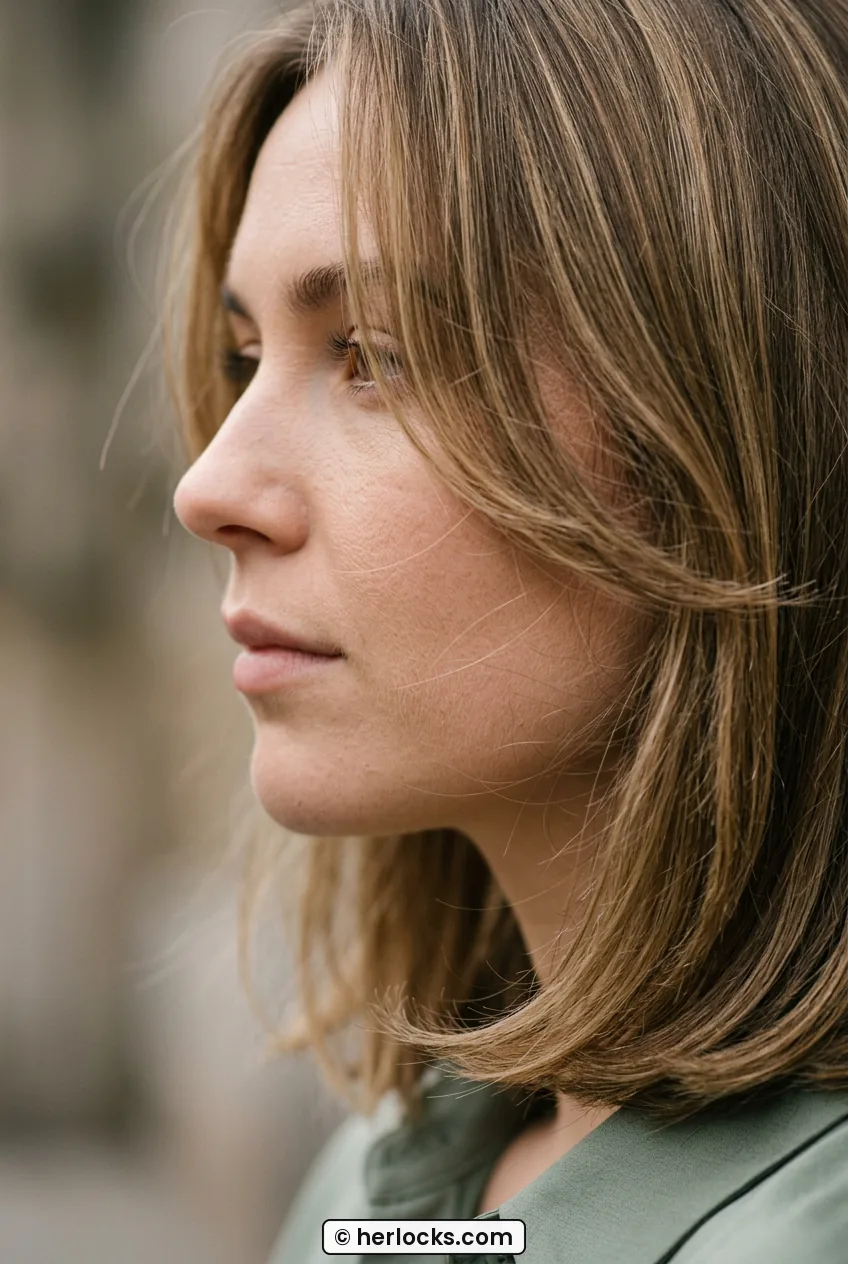
She also talked me out of going too short around the face. I had shown her a very piece-y, 90s supermodel photo and she said, I love this, but your hair is finer through the front and if I take that much out you will see scalp when it is humid. Instead she gave me a softer, more blended version that still curled under my jawline when I tucked one side back. I left feeling like myself, just clearer. I wore it air-dried that first night with a little cream and I kept catching myself in the hallway mirror.
The Stylist Who Got It
Priya is the kind of stylist who will tell you no in the nicest way, and I needed that. On my second visit I came in with four new photos and a vague idea about going blonder and shorter, and she turned my chair away from the mirror and said, tell me what you do not like when you style it at home. Not what you like on Pinterest. That question embarrassed me because the truth was I was still round-brushing like I had a bob, pulling everything under too hard and creating that bubble flip I hated.
She re-taught me everything in about fifteen minutes while my color processed. Rough-dry with my head upside down for volume at the roots. Then a big round brush only on the top crown, and for the face pieces, pull forward and out, not under. She showed me how a face-framing haircut should fall forward over the shoulders when it is fresh, not pushed back behind the ears immediately. I had been tucking it before it even cooled and wondering why it went flat.
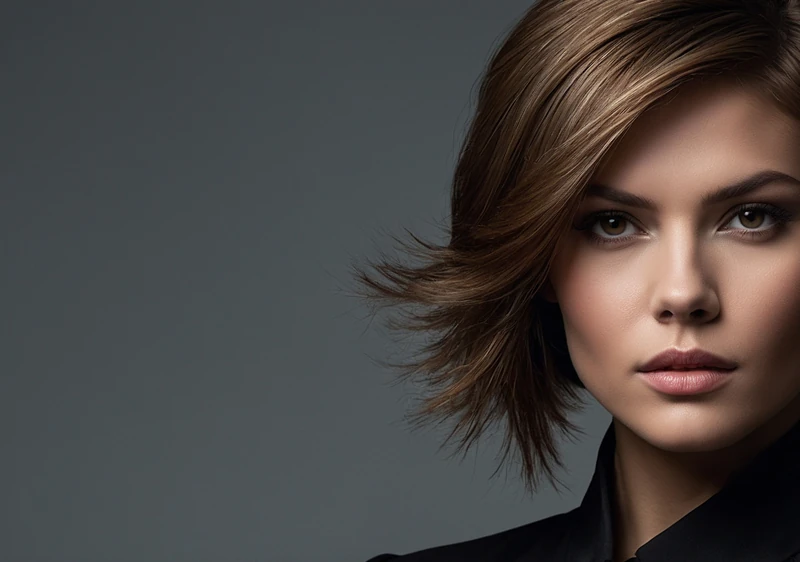
She has a similar face shape to mine, round cheeks and a shorter forehead, and honestly watching her demo the technique on her own hair helped more than any tutorial. She wears hers a little longer than mine, with that bend at the cheekbone that opens up the face. She said, you do not need more layers, you need your layers in the right postcode. I still think about that.
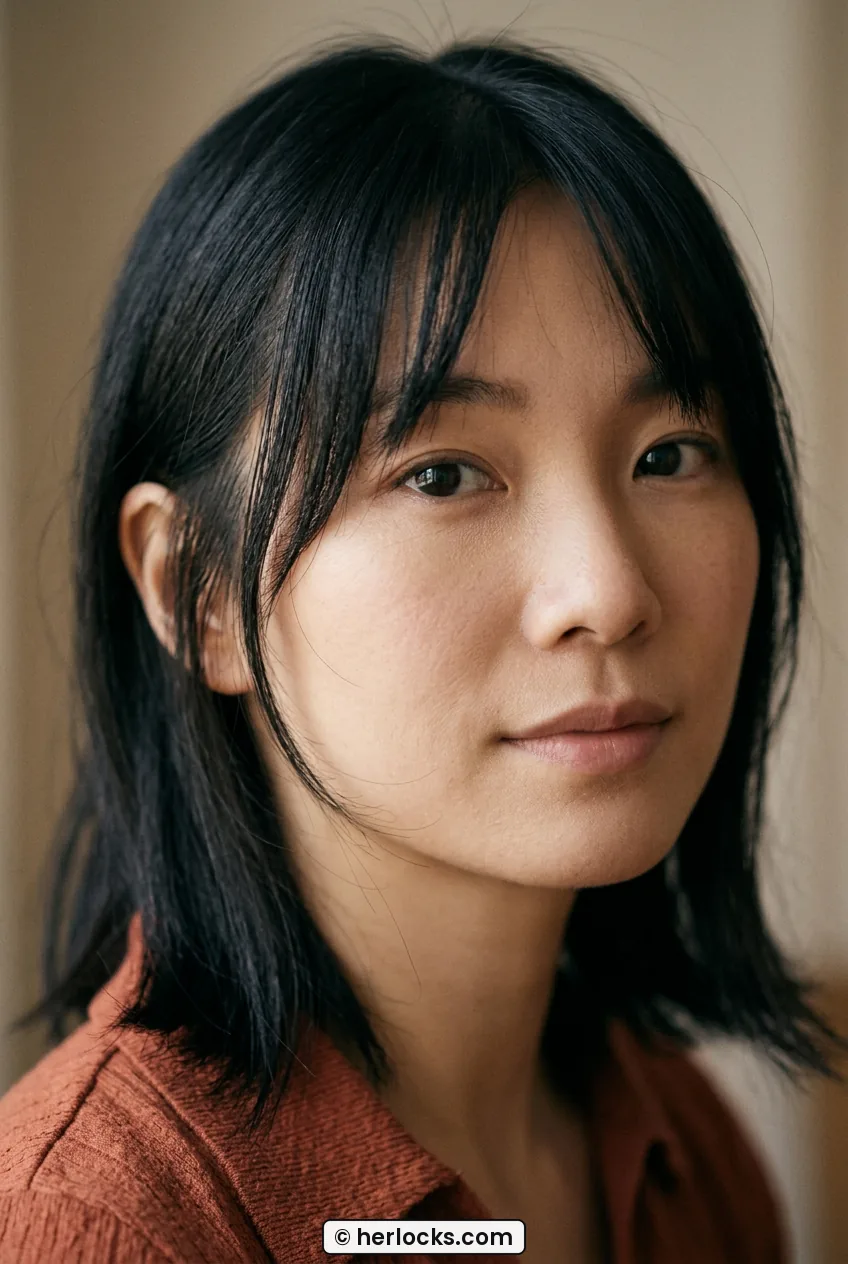
We also talked product, because my thick-haired friends can use oils like they are free and my hair just goes stringy. I have that medium-density hair that looks like a lot until you try to hold a curl. I started reading up on lightweight finishing oils after she told me to switch to a pea-size amount on damp ends only, and that small shift kept my front tendrils soft instead of separated and crunchy. Paired with a heat protectant, it was enough. She told me to stop layering three creams at once, which I was absolutely doing.
That appointment cost more than the walk-in chop, of course. It was $145 before tip in 2026, plus a glaze. Worth every dollar because I did not need a fix-it cut two weeks later. I went back every ten weeks after that, just dusting the ends and re-carving those front corners. My hair finally started to grow with a shape instead of growing into a blob.
I stopped asking for Pinterest hair and started asking for my hair, just placed where it actually wants to go.
What I Learned About Soft Layers and Curtain Bangs
Once the shape was right, I got brave. Last fall I asked Priya for the curtain-bang version I had been circling for months. Not full bangs, just that wispy center part that splits open on the forehead and melts into the longer frame. I was nervous because I had bangs in seventh grade and the photos are still painful, but this felt different. Softer. Less commitment.
Do face-framing layers work if my hair is wavy, not straight?
Mine is wavy, that 2A bend that goes frizzy if you look at it wrong, and honestly the layers work better with my texture than when I flat-iron. When I let my natural wave do its thing with a little mousse scrunched in, those front pieces curl just slightly at the jaw and I do not have to do much. When I flat-iron everything stick-straight, I lose that cheekbone shadow and my face looks wider. So I stopped straightening the front. I bend it with a one-inch iron, away from the face, one slow pass, then I leave it alone. If you have curlier texture, I would ask for longer front pieces to account for shrinkage, like the kind of shape you see in curly wavy medium hairstyles where the frame sits lower when dry.
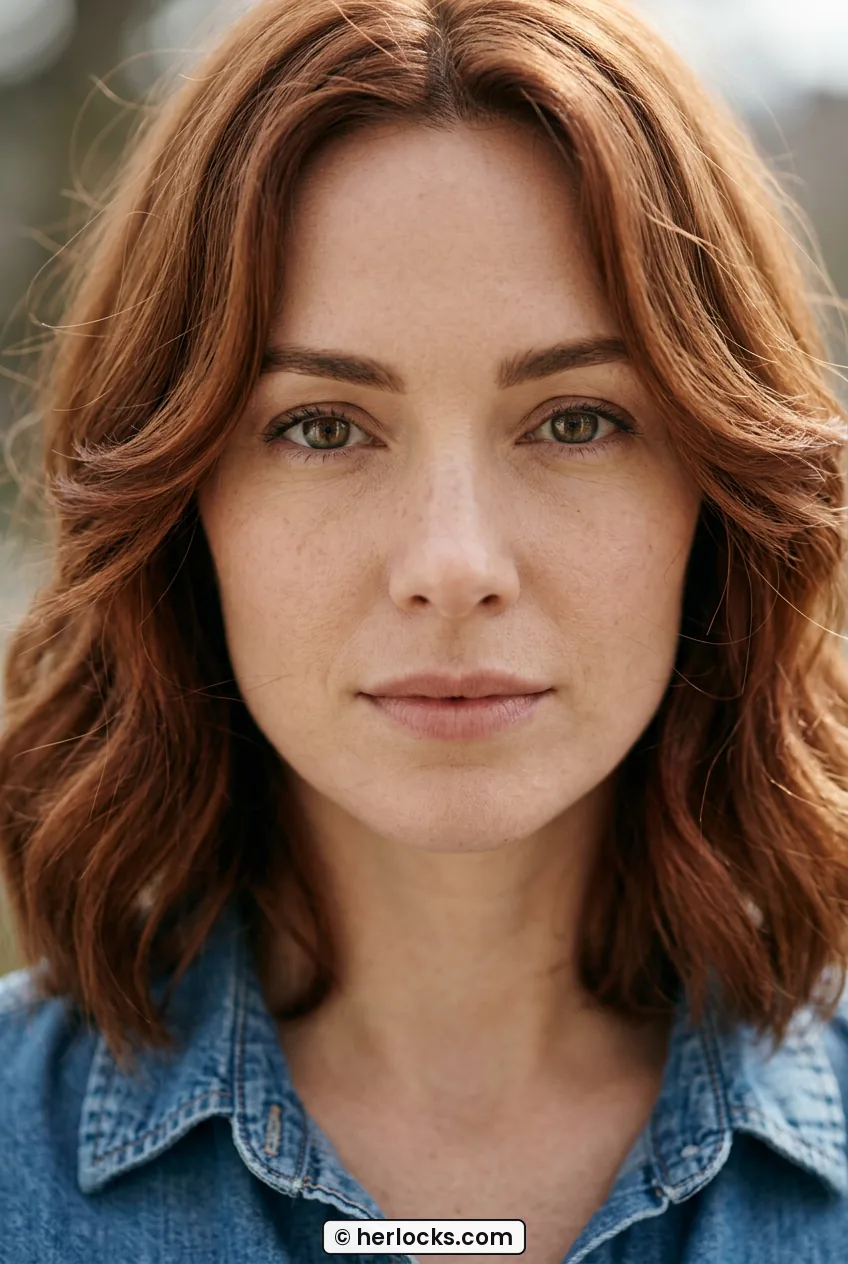
Will soft layers make thin or fine hair look thinner?
This was my big fear. I thought any layer meant less hair. Priya explained there is a huge difference between soft, long layers that keep the perimeter thick and those choppy 2016 layers that thinned everything out. We kept my bottom edge almost blunt, with only the last two inches texturized, and all the movement lives from the chin up. My ponytail still feels full. From the front I look like I have tons of layers, from the back I still have a solid hem. That illusion is the whole trick.
Comparing the two versions side by side, this is what I tell friends now. The version without curtain bangs is easier. Wash, rough-dry, go. The version with curtain bangs is prettier in photos but needier for the first three minutes of the day. You have to train that center split with a blow dryer or a damp rewet, or it separates weird. I love both, but if you hate fussing in the morning, stick with longer blended corners and skip the short center bit. If you love styling and you wear your hair down a lot, add the curtain. I wear mine down four days a week, so for me the extra minute is worth it.
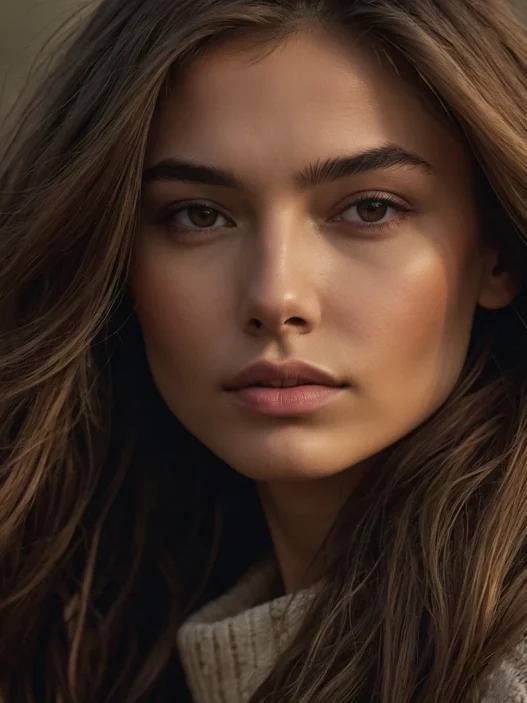
She has got that curtain split I am talking about here, see how it opens in the middle and then hugs the temples? I read a piece on blowout techniques for curtain bangs while I was growing mine in and the forward-and-split drying method finally made mine sit right instead of puffing up like a bouffant. I also leaned on shoulder length hairstyles galleries for grow-out ideas when my bangs were at that awkward nose length, lots of pin-back and side-sweep tricks in there.
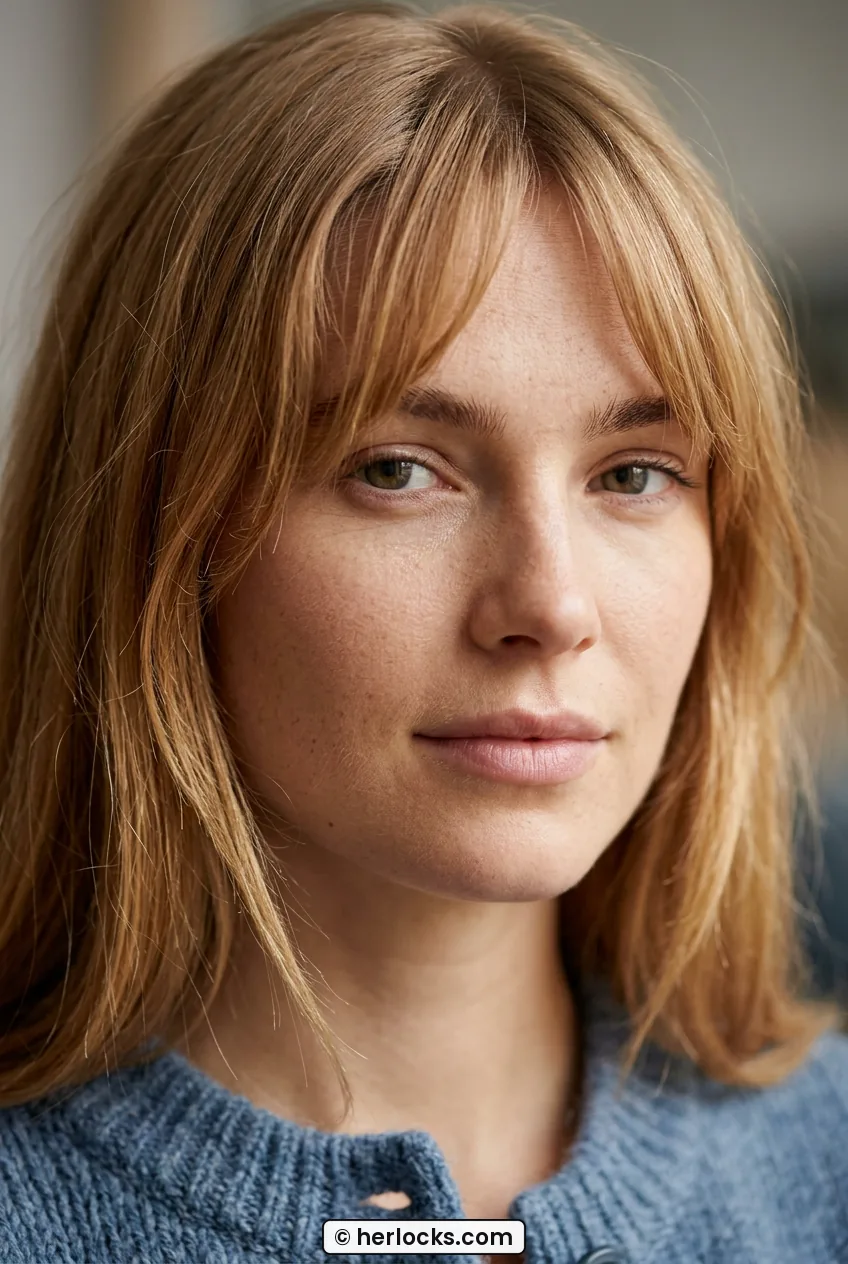
One more practical thing. If your hair is very thick through the sides, ask for internal weight removal, not shorter layers on top. My friend with dense, heavy hair got the same cut as me but with the bulk taken out underneath, and hers lays so much flatter around the cheeks. I borrowed that idea from what I had seen in layered medium hairstyles for thick hair and it saved her from triangle head. Same shape, different engineering underneath.
See My Curtain Blend Technique Live
Who I Am With This Hair Now
It is spring 2026 now and my hair hits about two inches below my collarbone in front, an inch longer in back. I part it in the middle most days. The shortest frame hits at my lower lip when straight, at my chin when wavy. I trim those front bits every six weeks, just a dusting, because they grow fast and start poking my eyes. The rest I leave alone for ten to twelve weeks so it keeps getting longer without losing shape.
My morning routine is embarrassingly simple compared to last year. I wash every two to three days, I sleep in a loose low bun on a silk scrunchie, and I refresh the front with water from a spray bottle and a one-minute bend with a flat iron. I use dry shampoo at the crown on day two, never on the face pieces because it makes them gritty. Total time on a workday is maybe eight minutes. On weekends I sometimes do nothing at all and it still looks intentional, which feels like magic after the year I had.
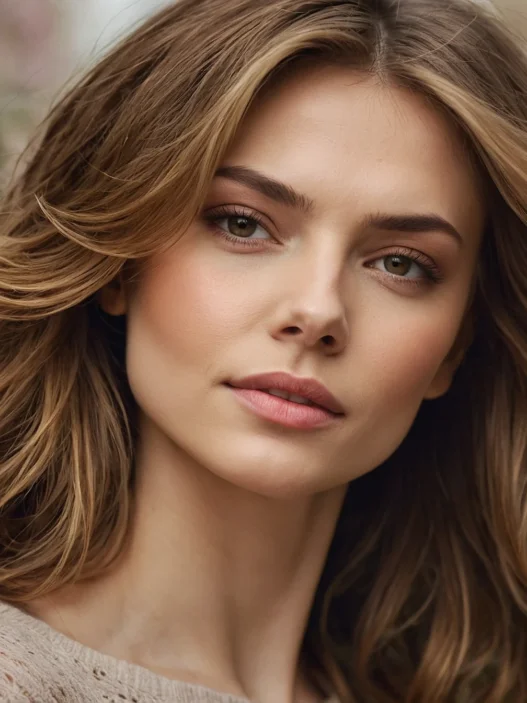
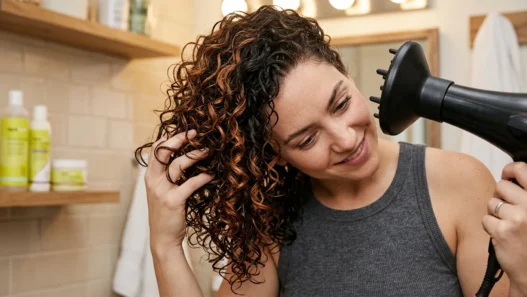
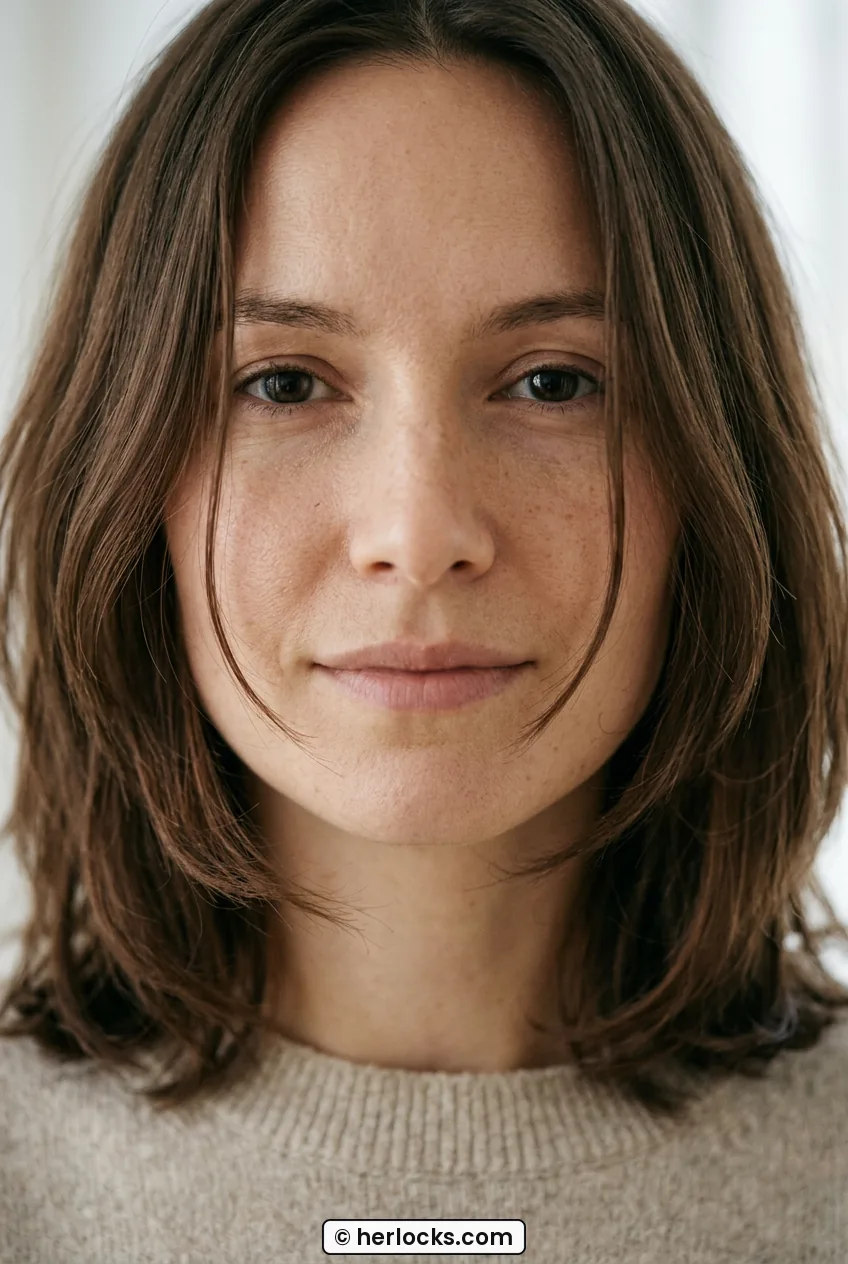
Look at her ends here, how they are not perfectly curled, just bent and soft? That is my favorite way to wear mine now. I used to think polished meant curls all going the same way. Now I alternate directions around my face and I leave the very ends straight for a quarter inch. It photographs better and it holds longer in humidity. I learned that alternating pattern from curling techniques for medium hair after burning my ear twice and finally slowing down.

I took these photos to my last appointment to show Priya what I meant by soft but not stringy, especially for fall when I want a little more volume at the crown. We talked about layered fall haircuts for volume and decided to keep my length but add one extra long layer through the back for lift when I wear sweaters. No big chop. Just engineering.
Do I still have days where I want to cut it all off or grow it to my waist? Of course. Last Tuesday I was late, it was raining, my bangs split in the middle like curtains in a haunted house, and I briefly considered a pixie. But then I put on a headband, pulled the front forward a little, and got three compliments at work. Three. On a rain-hair day. That never happened with my bob.
What I love most is that this cut lets me look like me on low-effort days and a slightly fancier me when I try. It does not require a personality transplant. I am still the woman who air-dries and runs out the door, I just have hair that was cut to do that. If you are in that in-between stage and you feel invisible, go get the front shaped. Keep the length if you want it. Change the conversation around your face.
Face-Framing Questions From Friends, Answered Honestly
How do I ask for this cut without showing ten photos?
Say collarbone length in front, a touch longer in back, with blended face framing starting at the lip and melting into the length. Ask them to cut the front dry so they can see your natural fall. That sentence got me closer than any photo ever did.
How often do the front layers need trimming?
For me, every six weeks for the face pieces, every ten to twelve for the back. If you wait too long the front starts to hang and drag your cheeks down. A quick dusting is cheap and keeps the whole cut alive.
Can I grow out curtain bangs into face-framing layers?
Yes, that is exactly what I did. Let the center grow to chin length, keep sweeping it to the sides while it grows, and have your stylist blend the corners. The awkward nose stage lasts about three weeks if you style it with a little bend.
What if my hair is fine and falls flat by noon?
Keep the back blunt, keep styling product off the roots in front, and rough-dry upside down. I also switch my part by half an inch every other day so it does not learn to lie flat. Volume powder at the crown helps, but only there.
Anyway, I am off to wash mine and do absolutely nothing to it, which is my favorite styling technique now. If you try this shape, tell me how you wear your front pieces, tucked or forward? I am firmly team one side tucked, one side out, and I will not be taking feedback at this time. Mostly kidding. Write me anyway.