






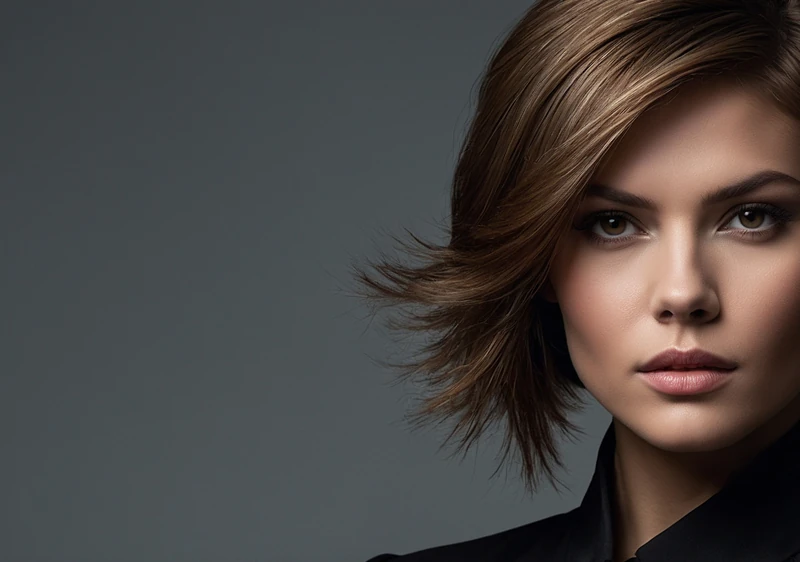


I spent three years looking like a lion. Not the majestic kind — the “just rolled out of bed and stuck my paw in an electrical socket” kind. My stylist had convinced me that long layered haircuts were universally flattering, and I believed her. What followed was a series of disappointing mirror moments and way too much money spent on smoothing serums that promised miracles but delivered mediocrity.
Here’s what I wish someone had told me: long layered haircuts are not the magic solution the hair industry wants you to believe they are. They can be absolutely gorgeous, yes. But they can also be a disaster if you don’t understand the nuances that most stylists gloss over.
The Face Shape Reality Check

Let me start with a controversial opinion: face shape rules for layered cuts are mostly nonsense. I have a round face, and according to every beauty magazine ever printed, I should avoid layers that “add width.” But some of the most stunning layered cuts I’ve seen were on women with round faces.
The real issue isn’t your face shape — it’s where the layers are placed. I’ve watched stylists automatically start layering at the cheekbones because that’s what they learned in beauty school. But if you have a softer jawline like I do, those layers can actually make your face appear wider, not longer.
What actually works is starting your shortest layers below the jawline. I learned this from a stylist in Brooklyn who told me to forget everything I’d read about round faces needing “vertical lines.” She was right. When the layers begin lower, they create movement without competing with your facial features.
The same principle applies to other face shapes. Oval faces can handle layers starting anywhere, but that doesn’t mean they should. I’ve seen oval-faced women with layers that start too high, creating a dated, feathered look that ages them. Square faces benefit from layers that soften the jawline, but not the choppy, piece-y layers that were trendy in 2010.
Here’s my test: look at where your collarbone sits. If your shortest layer hits above that point, you’re in risky territory unless you have very fine hair that needs the volume boost. Most faces look better with the shortest layer hitting at or below the collarbone, regardless of shape.
Why Your Hair Texture Actually Matters

This is where most people get it wrong. Your hair texture determines whether long layers will look like a dream or a nightmare, and I see so many women ignoring this fundamental truth.
Fine hair and long layers can be tricky. Yes, layers add movement, but they also remove weight. If you have fine hair like my sister does, too many layers will leave you with wispy ends that look stringy rather than voluminous. She learned this lesson after a stylist gave her what she called “lots of layers for body.” The result? Hair that looked thinner, not fuller.
The sweet spot for fine hair is minimal layering — just enough to prevent that blunt, heavy look without sacrificing density. I’ve found that face-framing layers starting around the collarbone, with very subtle internal layering, work best. Layered fall haircuts that add volume typically use this approach.
Thick, coarse hair is the opposite problem. Without enough layering, thick hair becomes a triangle — wider at the bottom than the top. I have naturally thick hair, and when I skip my regular layer refresh, I start looking like I’m wearing a hair costume.
But here’s what stylists don’t always explain: thick hair needs strategic layering, not just “taking weight out.” Random layers throughout thick hair create bulk in weird places. What works is graduated layering — shorter pieces on top that get progressively longer toward the bottom, creating a controlled shape rather than just removing weight.
Curly hair adds another layer of complexity. Curls spring up when cut, so what looks like a subtle layer on wet hair can become a dramatic difference when dry. I’ve watched curly-haired friends get layers that looked perfect in the salon, only to find at home that their curls had created an uneven, lopsided shape.
The Maintenance Nobody Warns You About

Here’s the truth that will save you hundreds of dollars: long layered haircuts require more maintenance than most stylists admit. Not just more frequent trims, but different styling habits, products, and realistic expectations about daily upkeep.
I used to think layered cuts would be easier to style because the layers would “fall naturally.” What a joke. Layers need to be styled to look intentional. Without proper styling, they separate in weird places, flip in different directions, and generally look like you cut your own hair with kitchen scissors.
The styling time increases significantly. My unlayered long hair could air dry into something presentable. Layered hair? It needs guidance. I spend at least 15 minutes more with a round brush and blow dryer to make the layers work together instead of against each other.
Product use changes too. Layered hair needs more styling products because each layer moves independently. I go through texturizing spray like it’s water, and don’t get me started on how much leave-in conditioner the ends consume. Quality styling products become essential, not optional.
The trim schedule is more critical than with blunt cuts. Layers grow out unevenly, and after about 8-10 weeks, most layered cuts start looking shaggy rather than stylish. I learned to book my next appointment before leaving the salon because waiting too long means starting over with the shape.
Color maintenance is affected too. If you highlight your hair, layers mean more surface area exposed to fading. The shorter pieces around your face, which get the most sun exposure, will fade faster than the longer underneath layers. Budget for more frequent color touch-ups or accept that your layers will look slightly different shades.
What Stylists Get Wrong About Layers
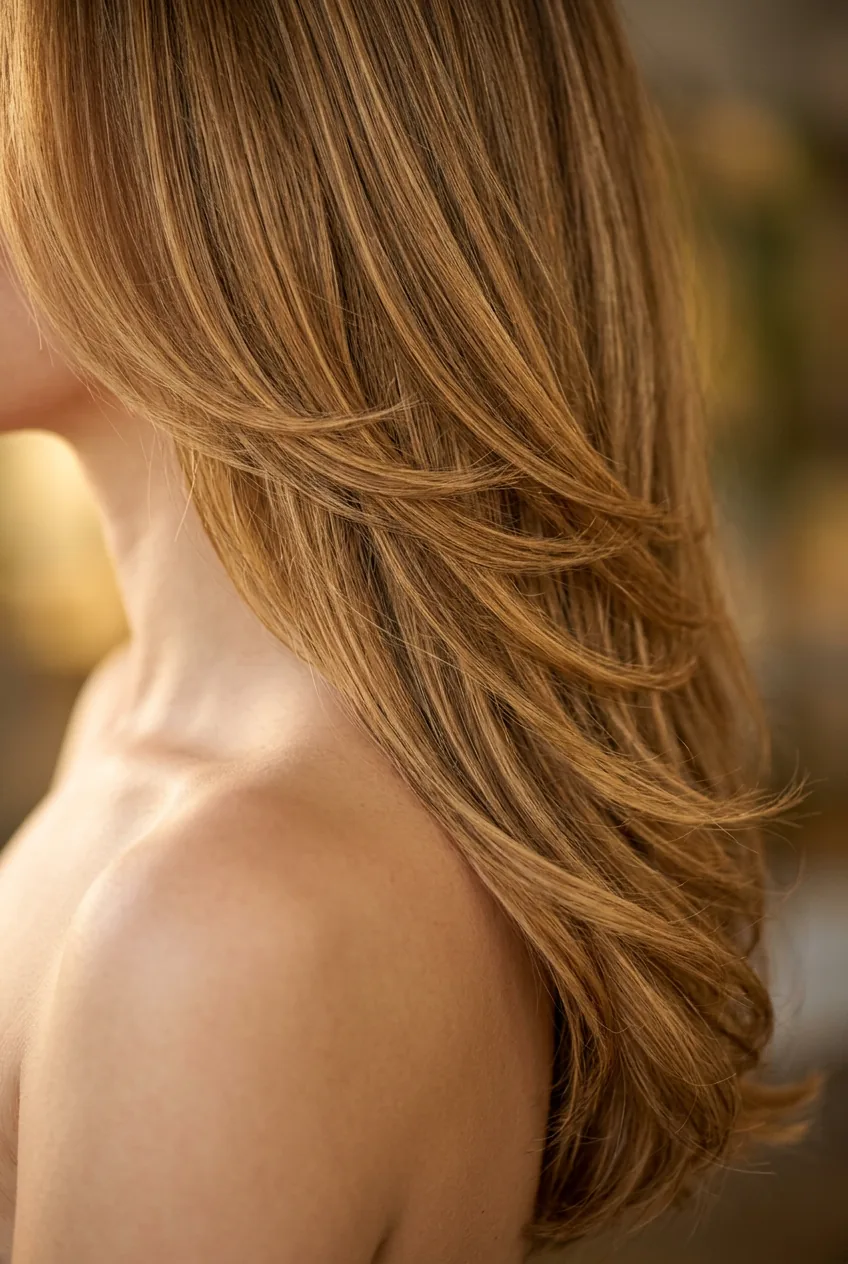
After years of good and terrible layered cuts, I’ve identified the most common mistakes stylists make. Some of these are technique issues, others are communication problems, but all of them lead to disappointed clients.
The biggest mistake? Creating too much contrast between layer lengths. I see this constantly — stylists who think dramatic layering looks more professional or skilled. But unless you’re going for a very specific editorial look, extreme layer contrast just looks choppy and dated.
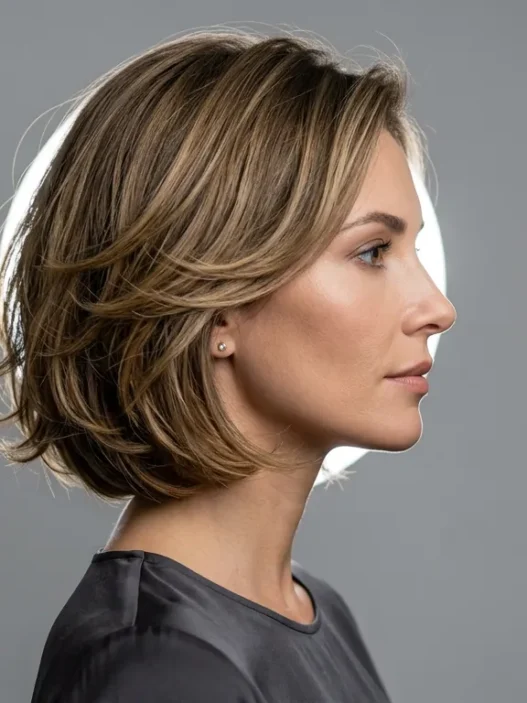
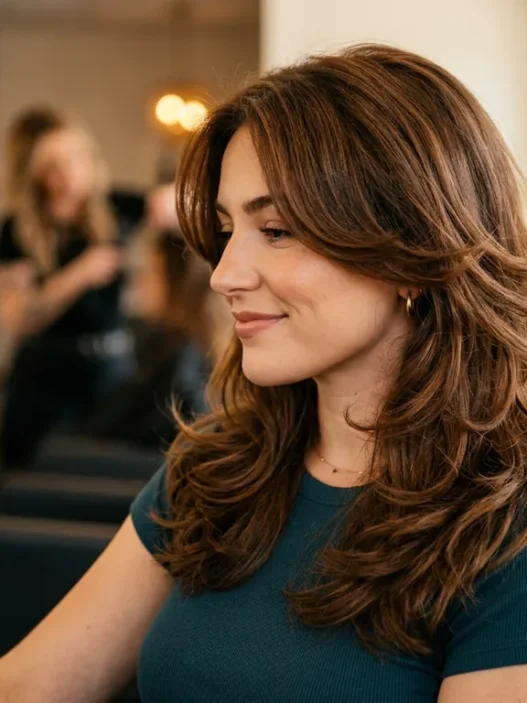
Gradual layering, where each layer is only slightly shorter than the one below it, looks more modern and grows out better. The difference should be subtle enough that you see movement and shape, not distinct sections of hair. Soft layered cuts exemplify this approach perfectly.
Another issue: stylists who layer wet hair without considering how it will dry. This is especially problematic for wavy or curly hair, but even straight hair behaves differently wet versus dry. The best stylists I’ve worked with do the initial cut on damp hair, then refine the layers on completely dry hair.
There’s also the tendency to use the same layering technique on everyone. Cookie-cutter approaches don’t work because everyone’s hair grows in different patterns. My cowlicks affect how my layers fall, and a good stylist accounts for that. Bad stylists use the same technique they used on the previous client.
Communication is where many layered cuts go wrong. When clients say they want “lots of layers,” stylists should ask clarifying questions. Layers for volume? Layers for movement? Layers to remove weight? These are three different cutting approaches, but I’ve seen stylists assume they know what the client means.
The worst assumption is that layered cuts are universally low-maintenance. Some stylists sell layers as the “wash and go” solution for difficult hair. This sets unrealistic expectations and leads to frustrated clients who feel lied to when their new cut requires more styling, not less.
This Stylist Explains It Perfectly
Making Long Layers Work for You

Despite all the challenges I’ve outlined, I still love my layered cut. The key is approaching it strategically, with realistic expectations and the right support system.
Start with a consultation that goes beyond just showing photos. Bring pictures, yes, but also discuss your styling routine, how much time you spend on your hair, what products you’re willing to invest in, and what specific problems you want the layers to solve.
Be honest about your styling skills. If you’re not comfortable with a round brush, tell your stylist. They can adjust the layering to work with air drying or simpler styling methods. There’s no shame in choosing a cut that matches your lifestyle rather than your aspirations.
Consider your hair’s natural tendencies. My hair naturally flips out at the ends, so my stylist cuts layers that work with this tendency rather than against it. Fighting your hair’s natural behavior with layering usually ends poorly.
Invest in the right tools and products from day one. Don’t wait until you’re frustrated with how your layers look to buy proper styling products. A good round brush, quality blow dryer, and appropriate styling products are part of the layered cut package, not optional extras.
Build a relationship with your stylist rather than salon hopping. Layered cuts improve over time as your stylist learns how your hair grows and behaves. Each appointment should refine the cut, not start from scratch.
Professional cutting techniques vary significantly between stylists, so finding someone who understands your specific hair needs is worth the investment in time and possibly money.
Quick Answers to Common Questions
How often do long layered cuts need trimming?
Every 8-10 weeks for maintenance, 6-8 weeks if you want them looking perfect. Layers grow out less gracefully than blunt cuts, so staying on schedule matters more.
Can I get long layers with very fine hair?
Yes, but sparingly. Stick to face-framing layers and minimal internal layering. Too many layers will make fine hair look thinner and stringier.
Do long layers work with naturally straight hair?
Absolutely, but you’ll need to style them for movement. Straight hair can look flat with layers if you just air dry without any styling products or techniques.
What’s the biggest mistake people make with layered cuts?
Expecting them to be low-maintenance. Layers need styling to look intentional, and they require more frequent trims than most people anticipate.
The bottom line? Long layered haircuts can be gorgeous, but they’re not the universal solution they’re often portrayed as. Do your homework, find a skilled stylist who listens, and be prepared for the commitment they require. When done right, they’re worth every bit of extra effort.