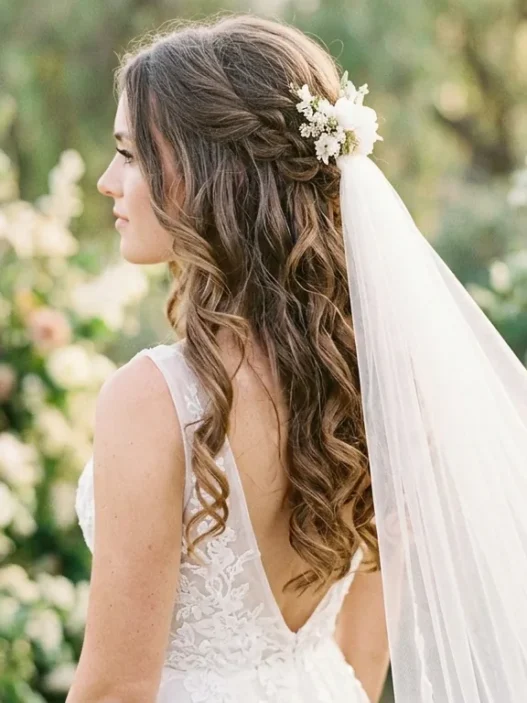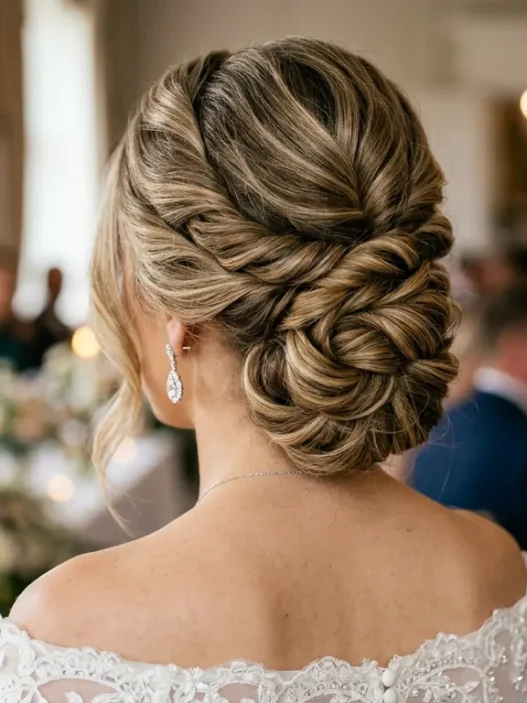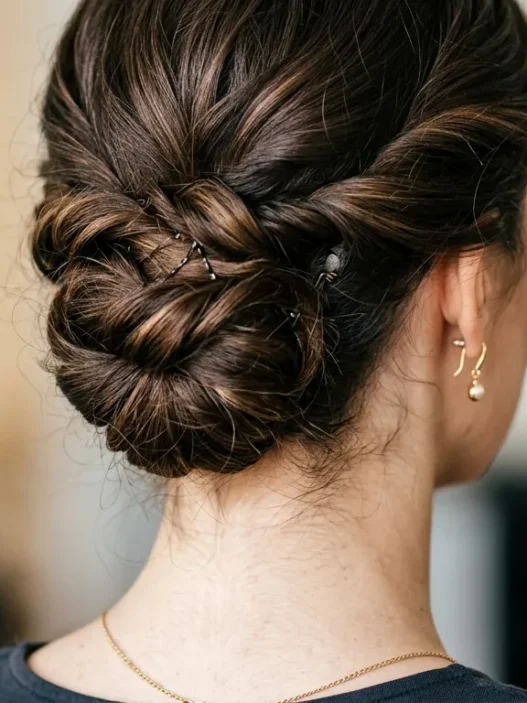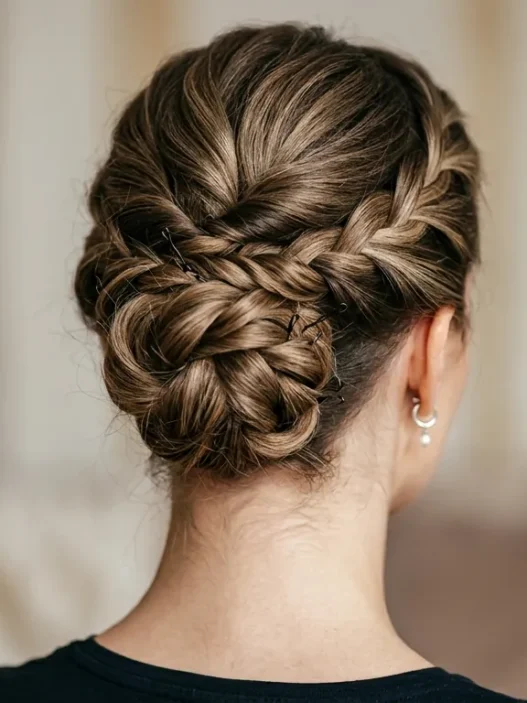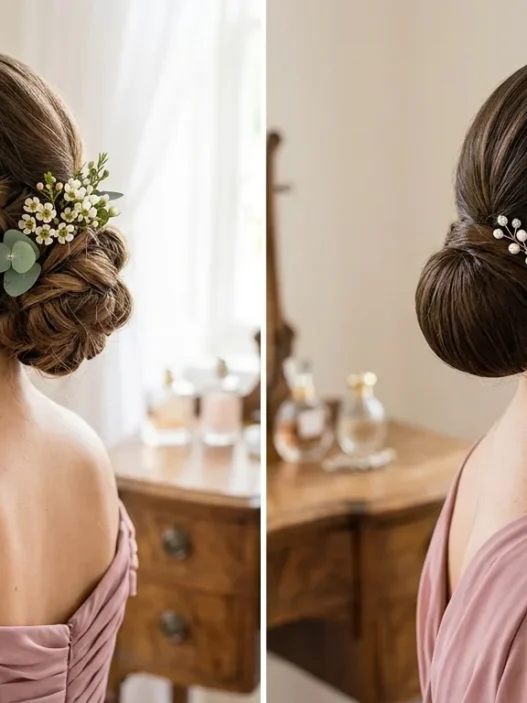



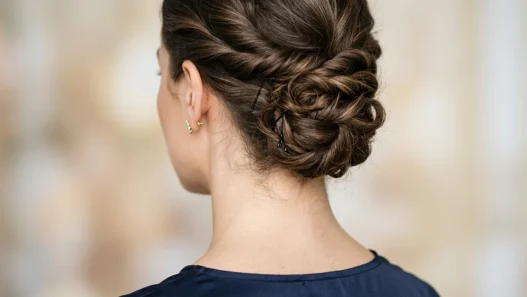




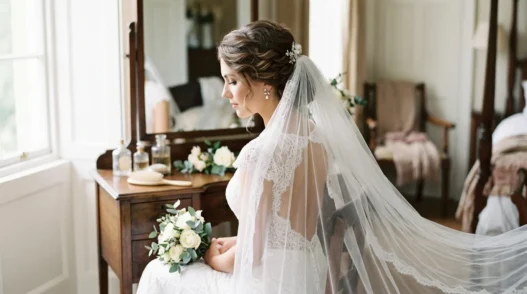
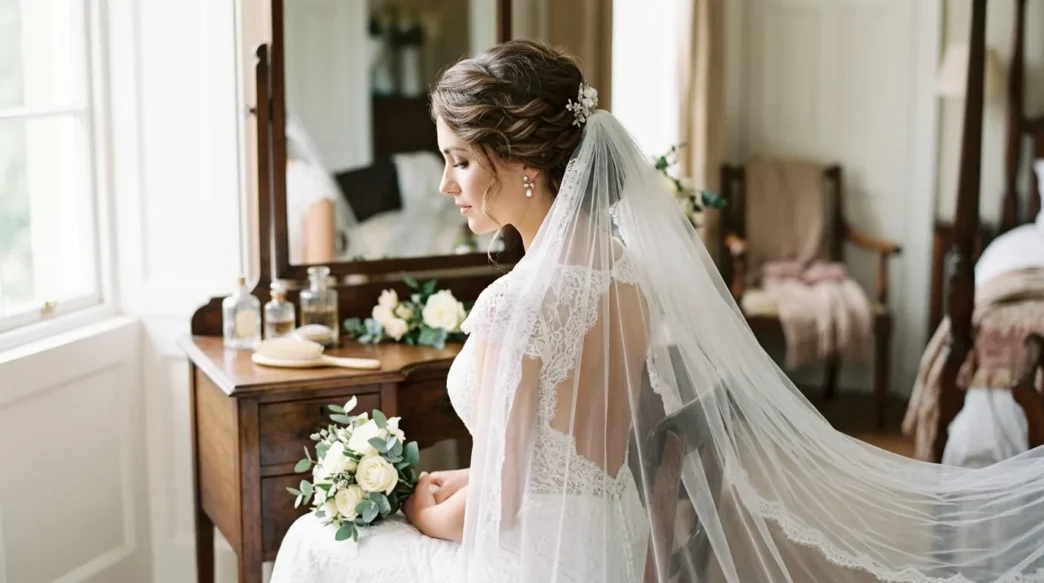
I’ve been behind the scenes for dozens of bridal hair trials, and let me tell you — those Pinterest-perfect bride hairstyles with veil updo shots are not showing you the whole story. Last month I watched a bride nearly cry when her “simple” low bun took three attempts and forty-seven bobby pins. But by the end? She looked absolutely radiant.
The thing is, creating the perfect bridal updo with a veil isn’t just about the final look. It’s about understanding what happens in those two hours before the ceremony, when stress is high and every detail matters.
What They Don’t Show You About Veil Placement
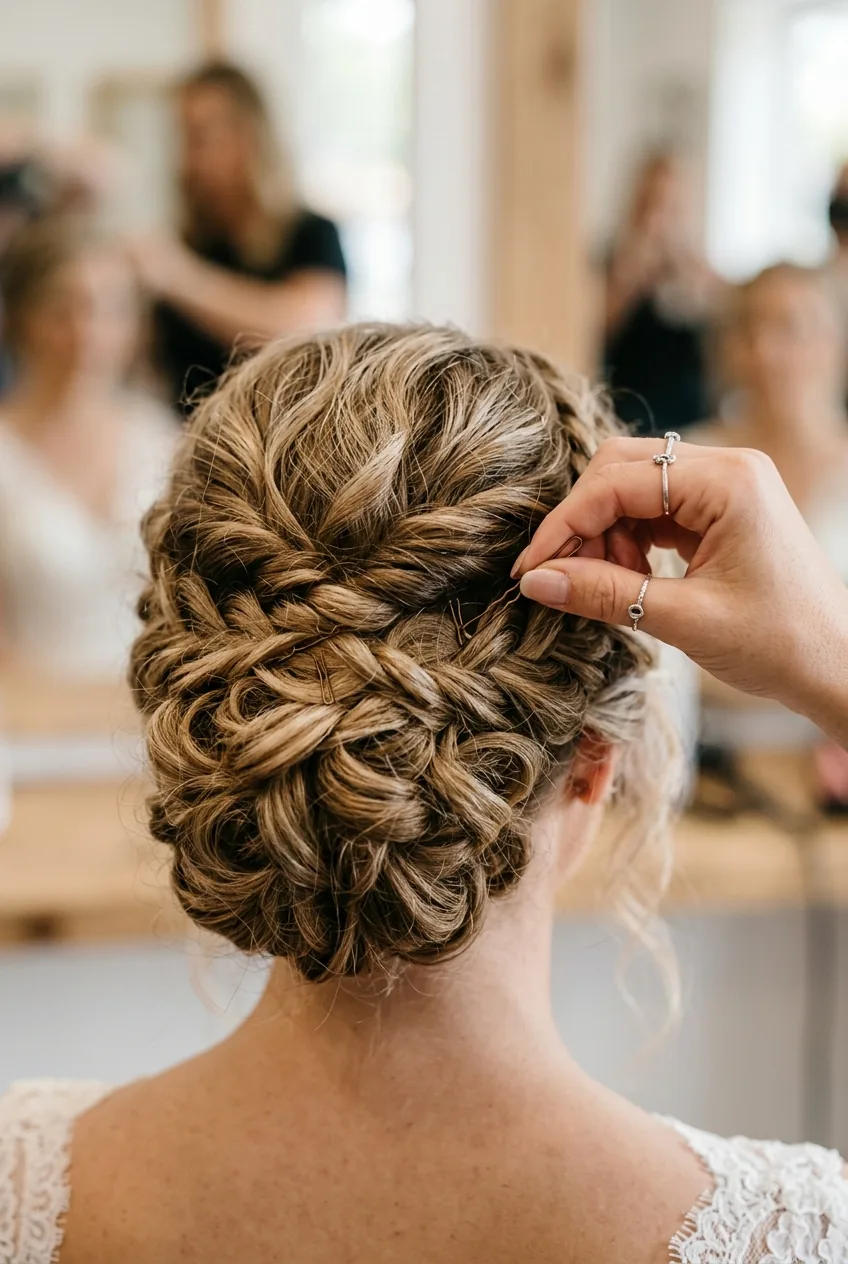
Here’s what no one tells you: the veil placement happens AFTER the updo is completely finished. Not during. Not “as you go.” After. And it’s a delicate dance of positioning that can make or break the entire look.
I’ve watched stylists spend twenty minutes just finding the right spot for the comb. Too high and you look like you’re wearing a costume. Too low and the veil pulls the whole style down. The sweet spot is usually about an inch below the crown, but it depends entirely on your face shape and the style of your updo.
The real kicker? Sometimes you have to partially undo sections of the updo to get the veil comb seated properly. Yes, really. Those Instagram time-lapse videos conveniently skip this part.
The Part That Takes the Longest
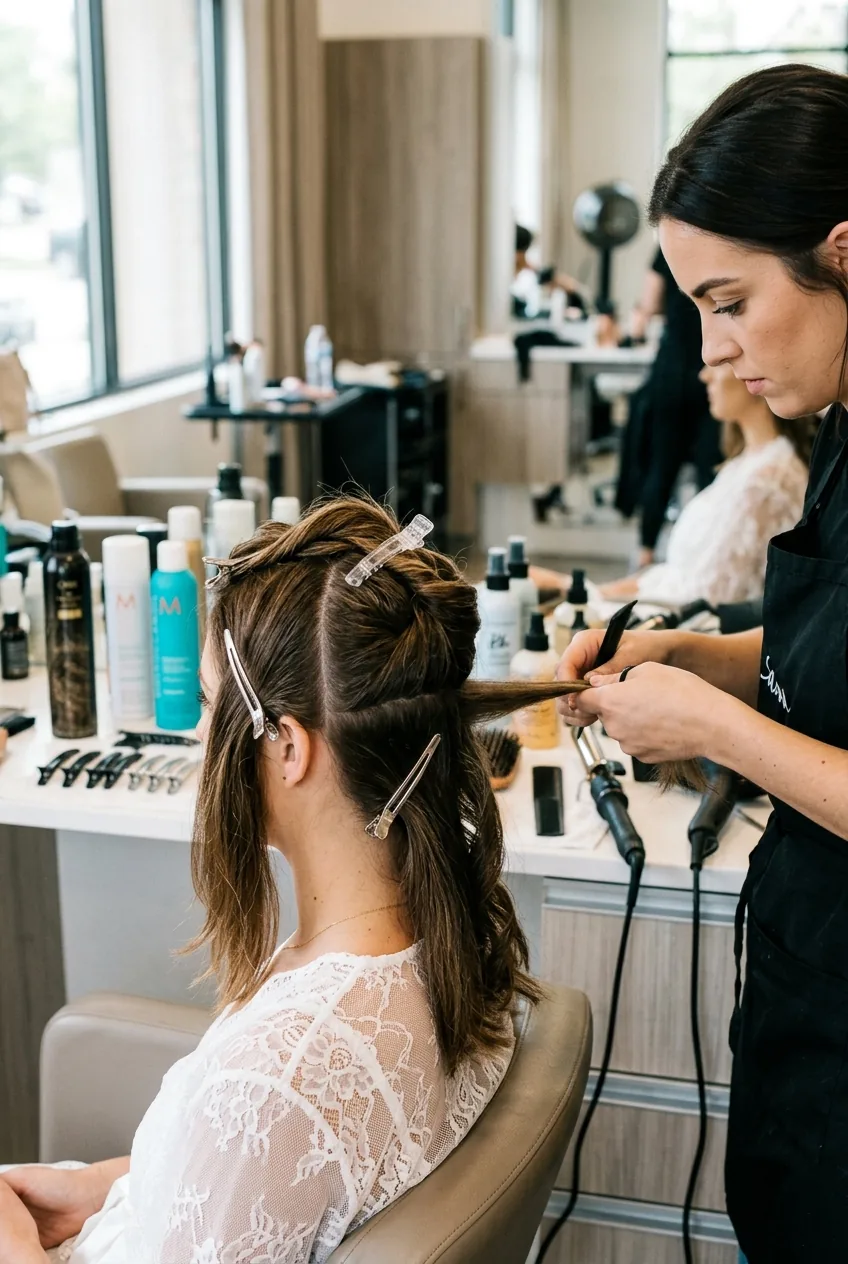
You’d think it’s the actual styling, right? Wrong. It’s the prep work. Texturizing the hair, creating the right amount of grip, sectioning everything perfectly — that’s where the time goes.
I watched one stylist spend forty minutes just prepping hair that looked “ready” to me. But she explained that wedding updos need to last 12-16 hours through photos, ceremony, reception, and dancing. The foundation work is everything. Proper preparation techniques can make the difference between a style that lasts and one that falls apart during the first dance.
And here’s something that surprised me: the actual twisting and pinning? That’s often the quickest part once the prep is done right.
The Secret Nobody Mentions
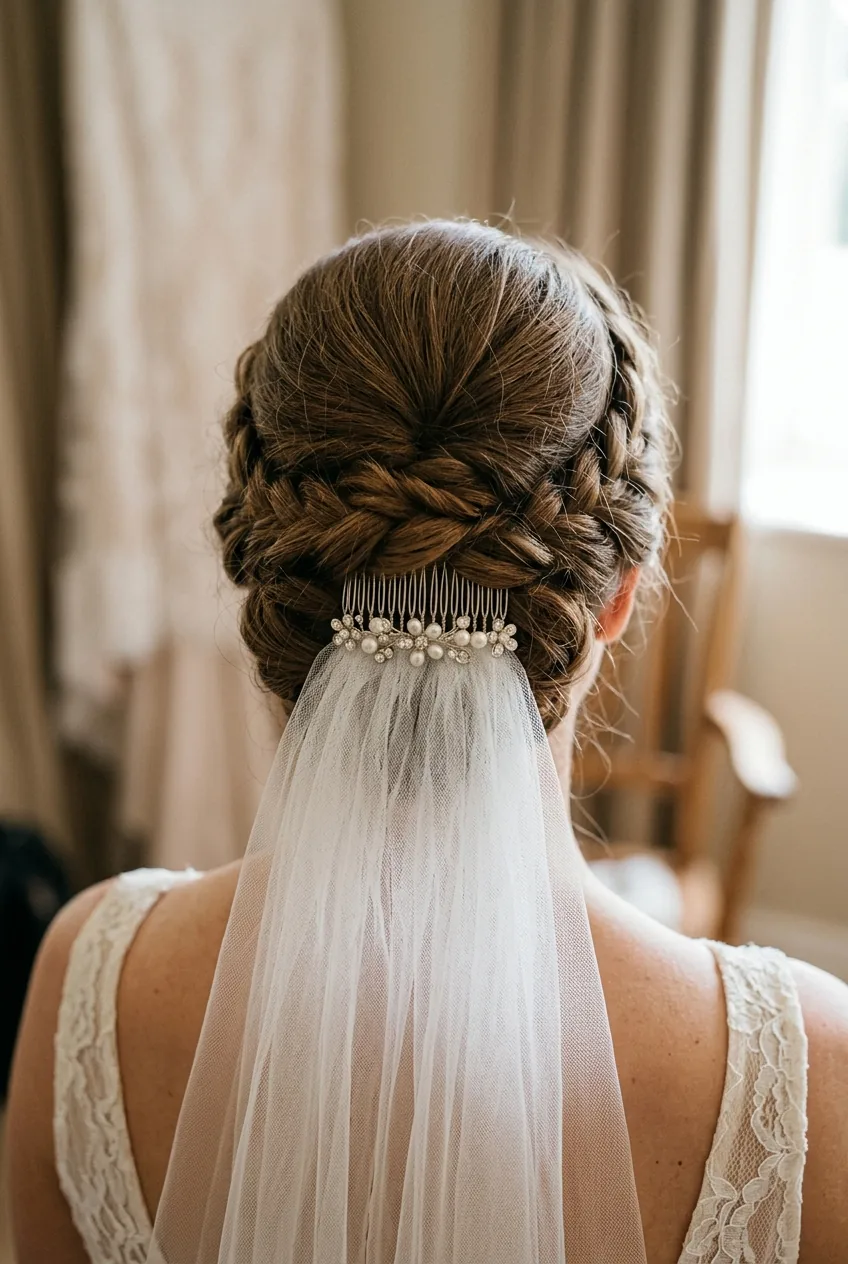
The bobby pin count is insane. We’re talking 30-50 pins for a secure bridal updo. But here’s the secret part: they’re not just randomly stuck in there. Each pin has a purpose, an angle, a partner pin that it’s working with.
Professional stylists create what I call “pin architecture” — a hidden framework that supports the entire style. Some pins are structural (holding weight), some are cosmetic (hiding flyaways), and some are insurance (backup support for the high-stress moments).
I’ve seen brides worry about feeling the pins, but honestly? A well-executed updo should feel secure, not uncomfortable. If it hurts, something’s wrong with the technique.
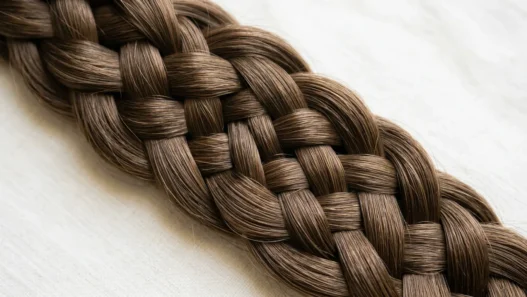
See the Pin Technique in Action
Why Most Brides Panic at Step Four
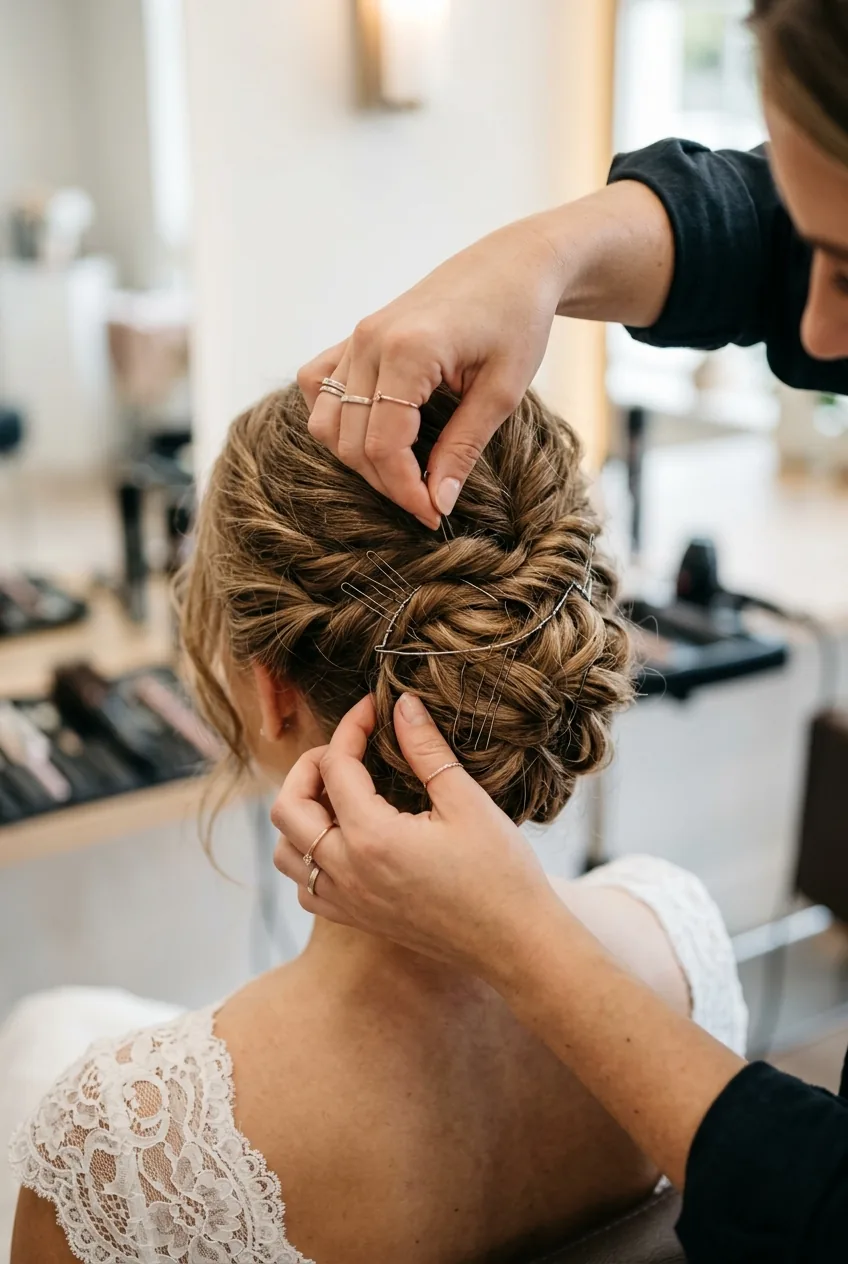
There’s this moment — usually after the base is set but before the final shaping — where everything looks messy and wrong. I call it the “ugly duckling” phase. The bride looks in the mirror and panics because it doesn’t look like anything resembling the inspiration photo.
This is completely normal. The magic happens in the finishing touches. Those final ten minutes of tweaking, smoothing, and perfecting can transform what looks like a hot mess into something gorgeous.
But here’s my controversial take: some brides need to trust the process more. The constant mirror-checking and second-guessing can actually slow things down and increase anxiety. Sometimes you just have to let the professional work.
When Everything Finally Clicks
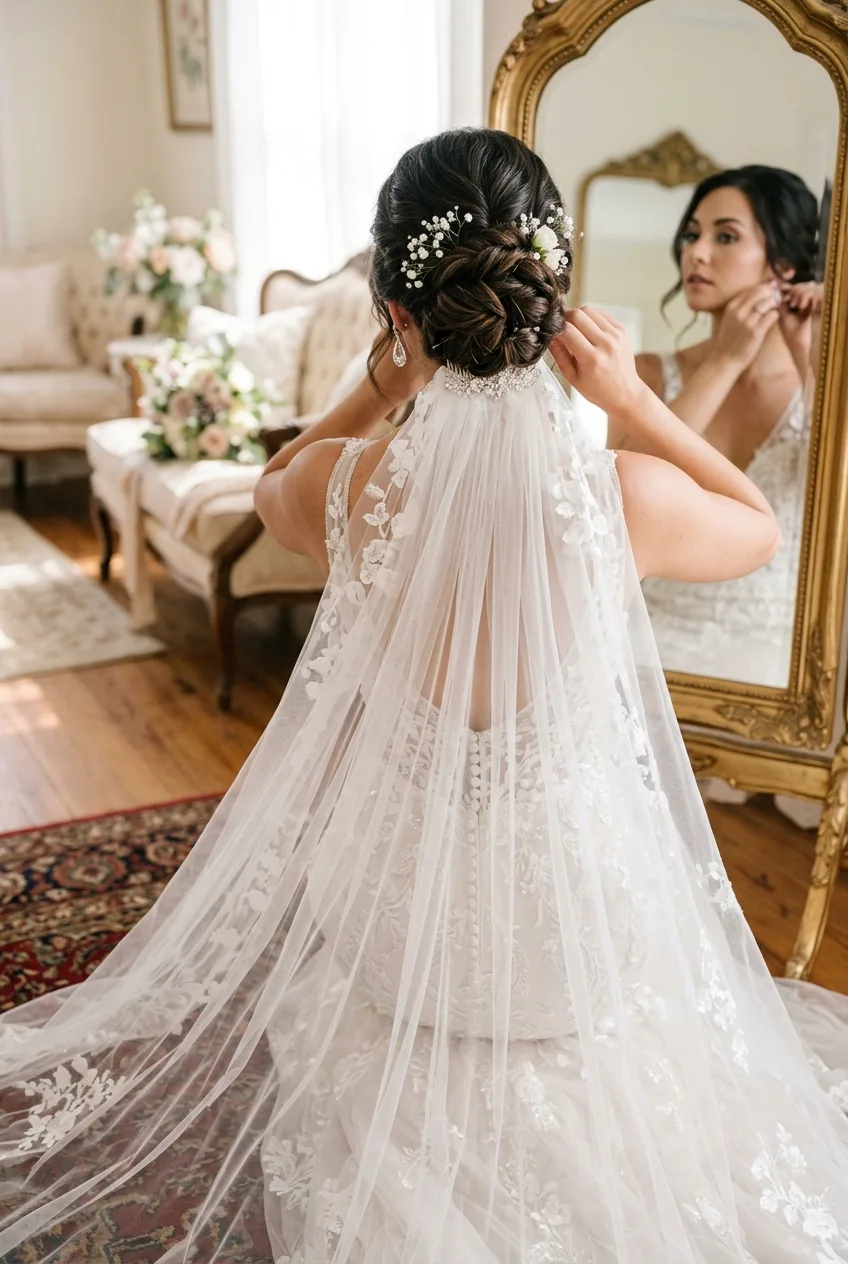
There’s this magical moment when the stylist steps back, the bride sees herself in the mirror, and everything just… works. The proportions are right, the veil sits perfectly, and suddenly all that prep time makes sense.
I love watching this transformation because it’s not just about the hair. The bride’s posture changes, her confidence shifts, and you can see her start to embody her wedding day vision. It’s pretty powerful stuff.
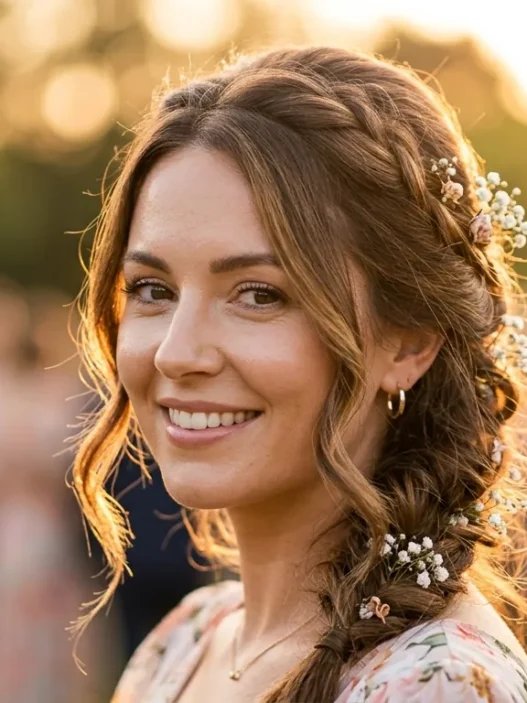
This is also when you realize why wedding hairstyles elegant hair accessories work so beautifully with these styles — they complement the architecture rather than competing with it.
Why It’s Worth It Anyway
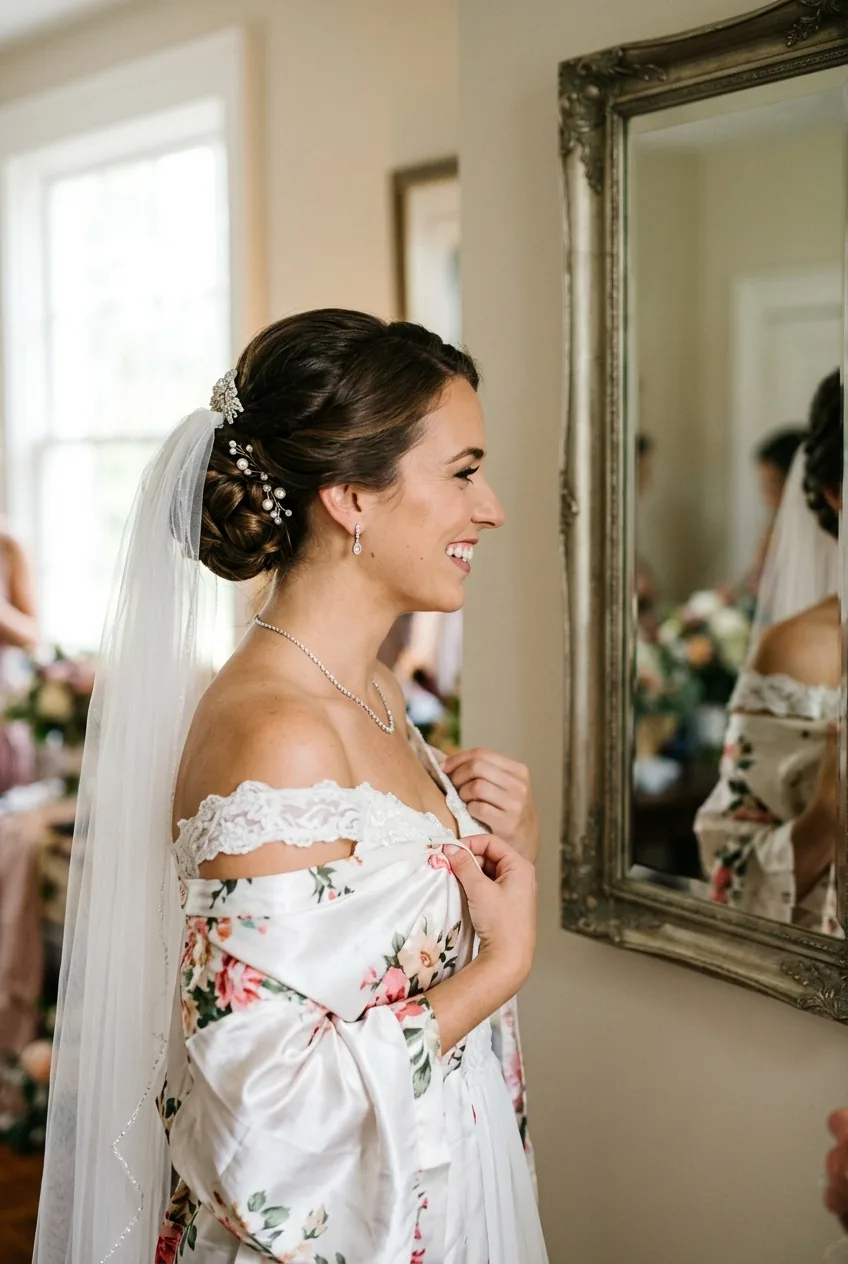
Yes, it takes longer than you expect. Yes, it uses more products and pins than seems reasonable. And yes, it can be stressful in the moment.
But when you see those photos later — when you see yourself dancing at 11 PM with your updo still perfect and your veil flowing behind you — you understand why all that behind-the-scenes work mattered.
The investment in proper technique and time pays off in confidence, comfort, and photos you’ll treasure forever. And honestly? Planning your hair timeline properly can eliminate most of the stress I’ve described here.
The messy reality behind bride hairstyles with veil updo might not be Instagram-perfect, but the end result absolutely can be. Sometimes the best things just take a little more time and trust than we expect.
Questions I Get About This
How long should I plan for the full process?
Plan for 90 minutes minimum, but give yourself 2 hours to be safe. This includes prep, styling, veil placement, and final touches. Rushing this process never ends well.
Can I do a trial run with my actual veil?
Absolutely, and I highly recommend it. The weight and length of your specific veil affects the updo construction. Don’t just bring a sample veil — bring YOUR veil to the trial.
What if my hair is too fine or slippery for an updo?
This is actually more common than you think. Fine or freshly washed hair can be tricky, but the right prep products and techniques can create enough texture and grip. Just communicate this concern during your consultation.
Should I wash my hair the day of the wedding?
Generally no — day-old hair has better texture for updos. But this depends on your hair type and what your stylist recommends during the trial. Follow their specific instructions for YOUR hair.