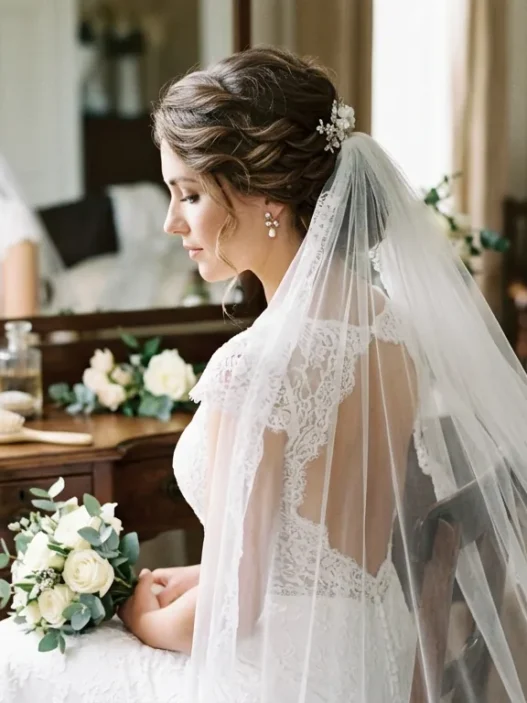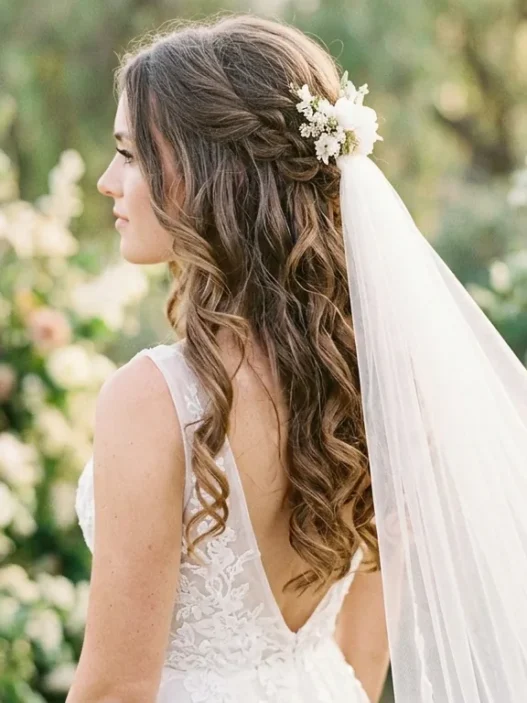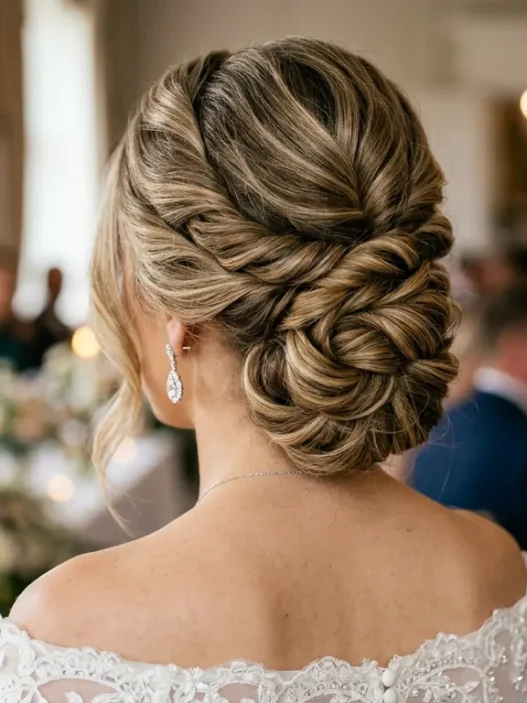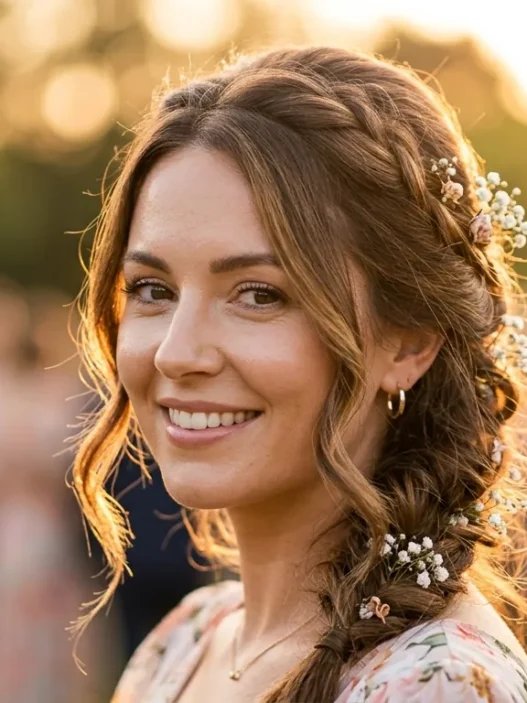







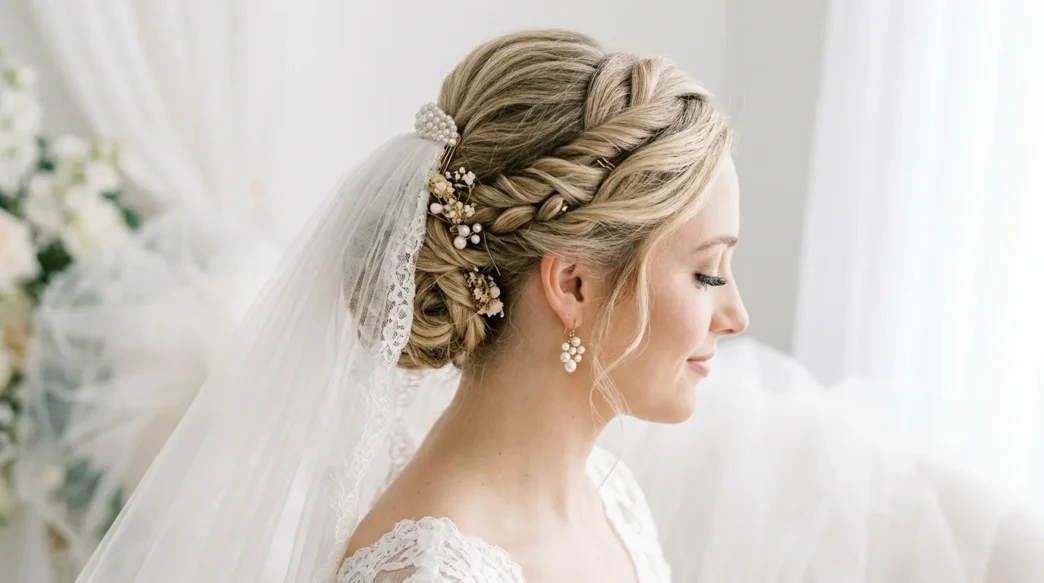
I thought my wedding hair would be like those YouTube tutorials — smooth, quick, and Instagram-ready in thirty minutes. Three hours later, with my scalp feeling like a pincushion and hairspray coating everything in a five-foot radius, I learned the truth about wedding hair updo with veil styling. It’s nothing like the videos make it look.
My stylist arrived at 6 AM with a tackle box full of tools I’d never seen before. And that “effortless” updo I’d pinned on Pinterest? Turns out it requires military-level precision and the patience of a saint.
The 6AM Hair Appointment Nobody Warns You About
Nobody tells you that wedding hair starts before sunrise. My stylist texted me at 5:30 AM: “Running five minutes late!” Five minutes? I was still in my pajamas, wondering why anyone needs to start hair at dawn.
The early start isn’t just dramatic flair — it’s survival. Between the base styling, the actual updo construction, veil placement, and the inevitable “let’s try this section again” moments, you need every minute. Plus, hair settles differently throughout the day. What looks perfect at 8 AM might be sliding by noon if you don’t give it time to lock into place.
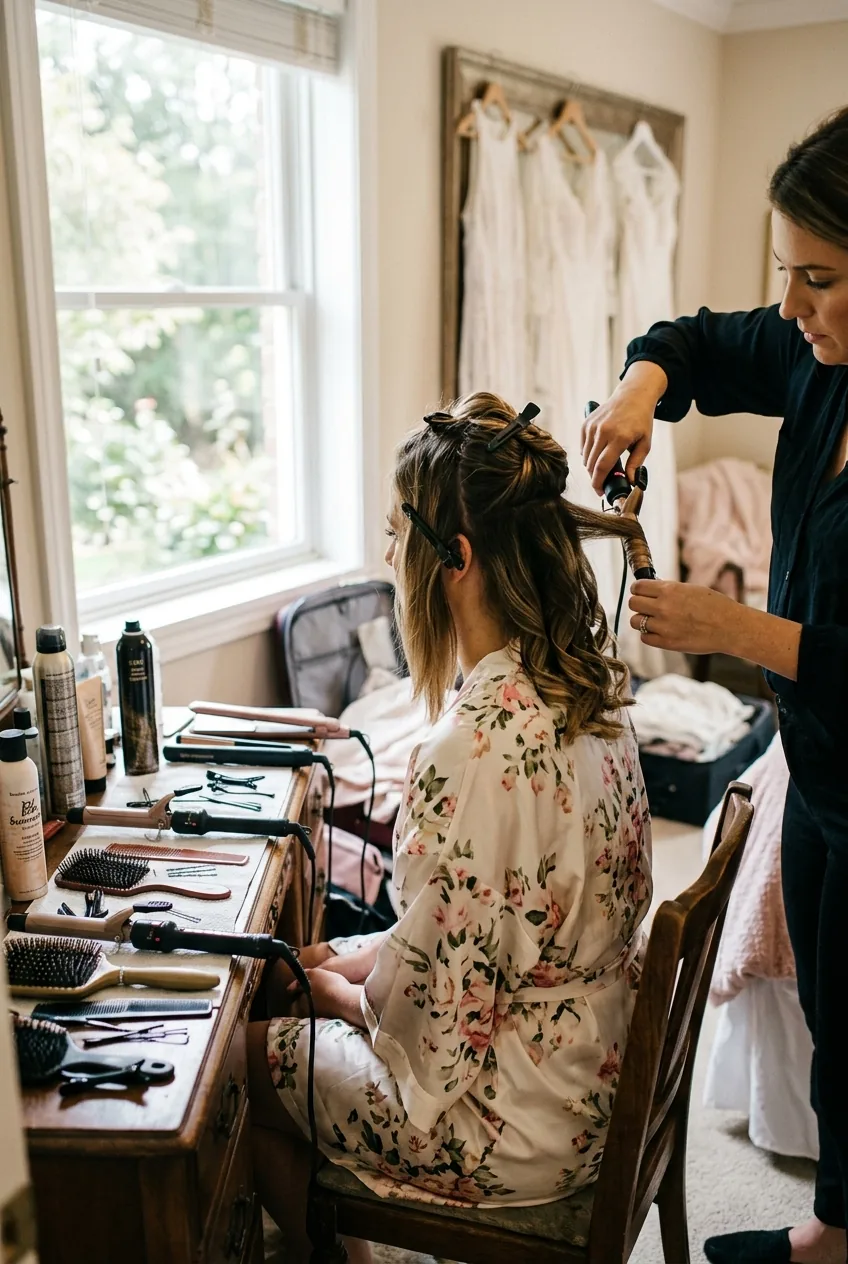
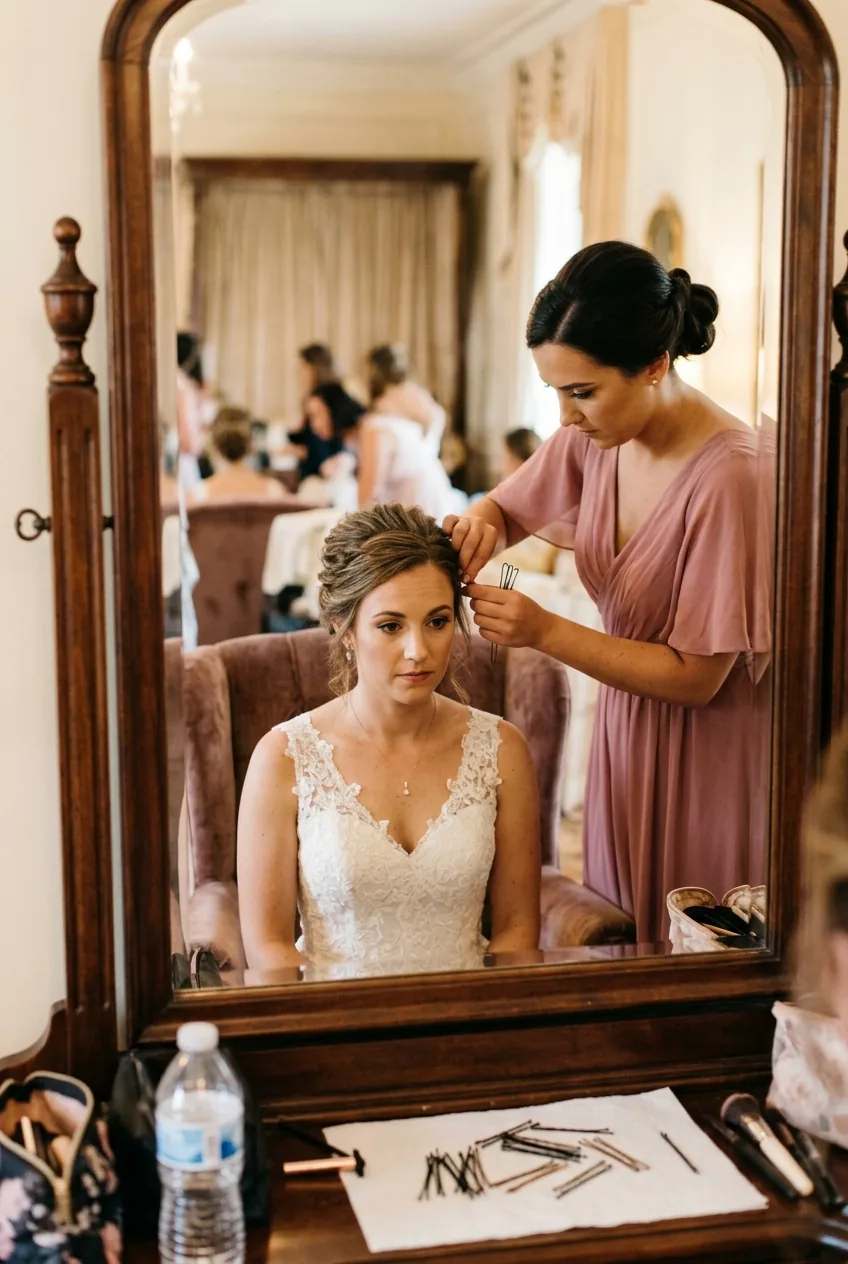
I watched my stylist set up her station like a surgeon preparing for operation. Curling irons at three different temperatures. Bobby pins sorted by color and size. And enough hairspray to fuel a small rocket. The prep work alone took twenty minutes.
What They Don’t Show You About Pin Placement
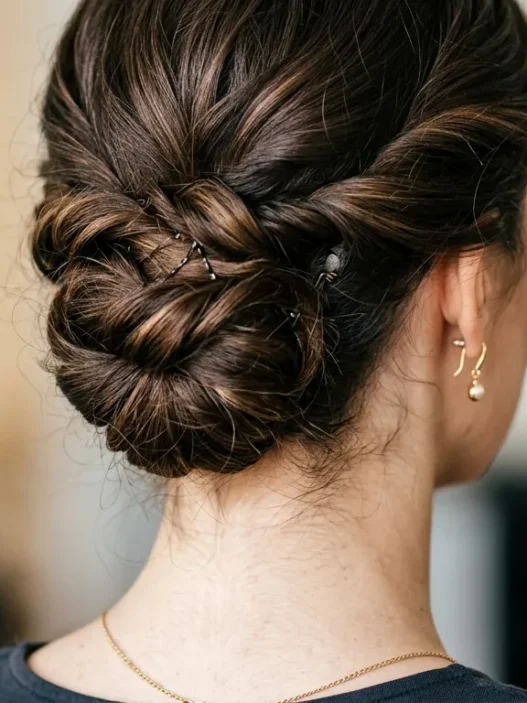
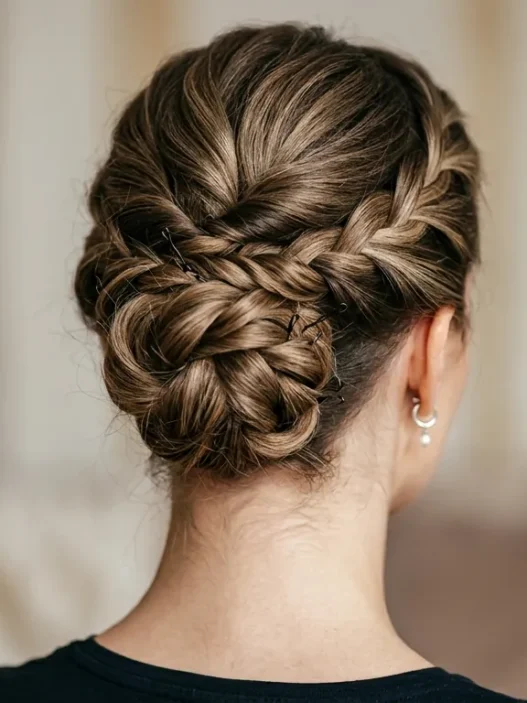
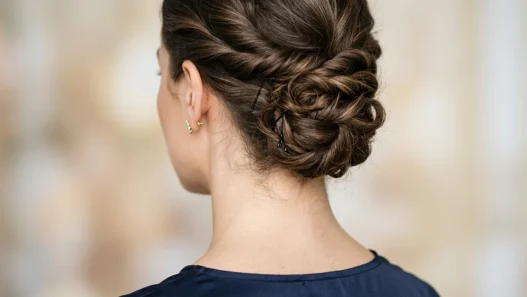
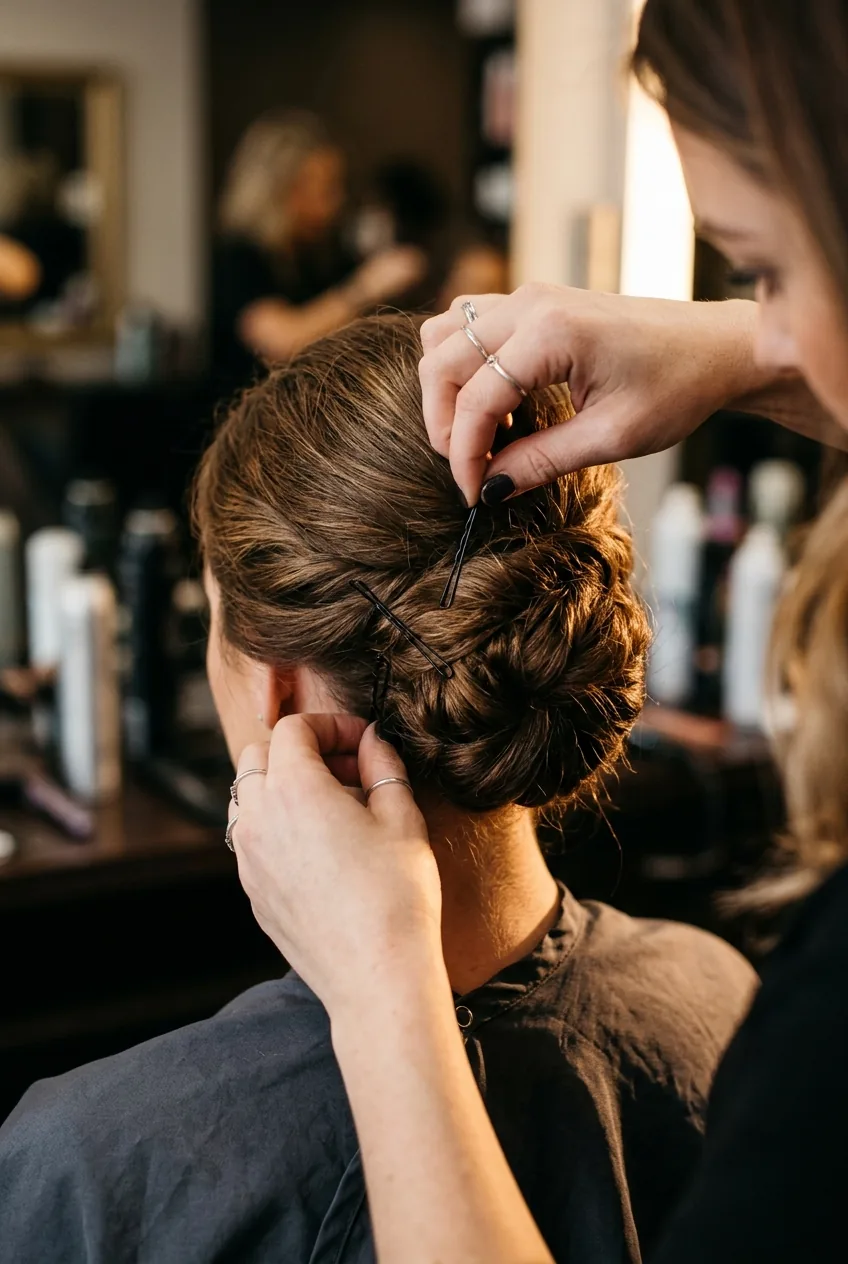
Here’s what Instagram doesn’t show you: the bobby pin archaeology dig happening on your scalp. I counted forty-seven bobby pins in my hair afterward. Forty-seven! And that was for a “simple” chignon.
Each pin has a job. Some hold the foundation structure. Others secure loose pieces. A few are just backup insurance because your hair will test gravity all day long. My stylist explained the “triangle theory” — pins need to form triangles to create lasting hold. Who knew geometry was involved in hair?
The worst part? You can’t scratch. Not even a tiny itch. One wrong move and you’re pulling out a support pin that’s holding up an entire section. I spent my entire wedding day with the discipline of a meditation master, resisting every urge to touch my head.
And those professional bobby pin techniques? They’re not just randomly stabbed into your hair. Each one gets twisted, anchored against another pin, and locked into place with surgical precision.
Watch the Pin Technique in Action
The Part That Takes the Longest
Forget the actual styling. The longest part is the texture prep. My stylist spent an hour — a full hour — just getting my hair to the right starting point. Washing, conditioning, blow-drying with three different brushes, then adding texture spray, volumizing powder, and something called “grip paste” that I’d never heard of.
“Your hair is too clean,” she said, working some gritty product through my strands. Too clean? I’d spent weeks perfecting my hair routine, and apparently, I’d been doing it wrong. Wedding hair needs grip. It needs texture. Squeaky-clean hair won’t hold pins or stay in place.
Then came the sectioning. Precise mathematical sections that looked like a road map drawn on my head. Each section got its own treatment — some curled, some straightened, some twisted and teased. The variety of techniques happening simultaneously was dizzying.
By the time we got to the actual updo construction, I understood why wedding guest hairstyles always look simpler. Guest hair doesn’t need to survive twelve hours of photos, dancing, crying, and hugging. Bridal hair is engineered for endurance.
When Your Veil Won’t Cooperate
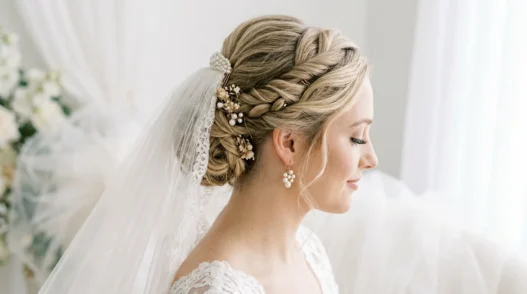
The veil placement session nearly broke me. What should be a simple “clip it in and go” moment turned into a twenty-minute negotiation between my stylist, gravity, and a piece of tulle that had its own agenda.
First attempt: too high. Made me look like I was wearing a party hat. Second attempt: too low, covering the entire back design of my updo. Third attempt: perfectly placed but creating a weird bump in my hair structure.
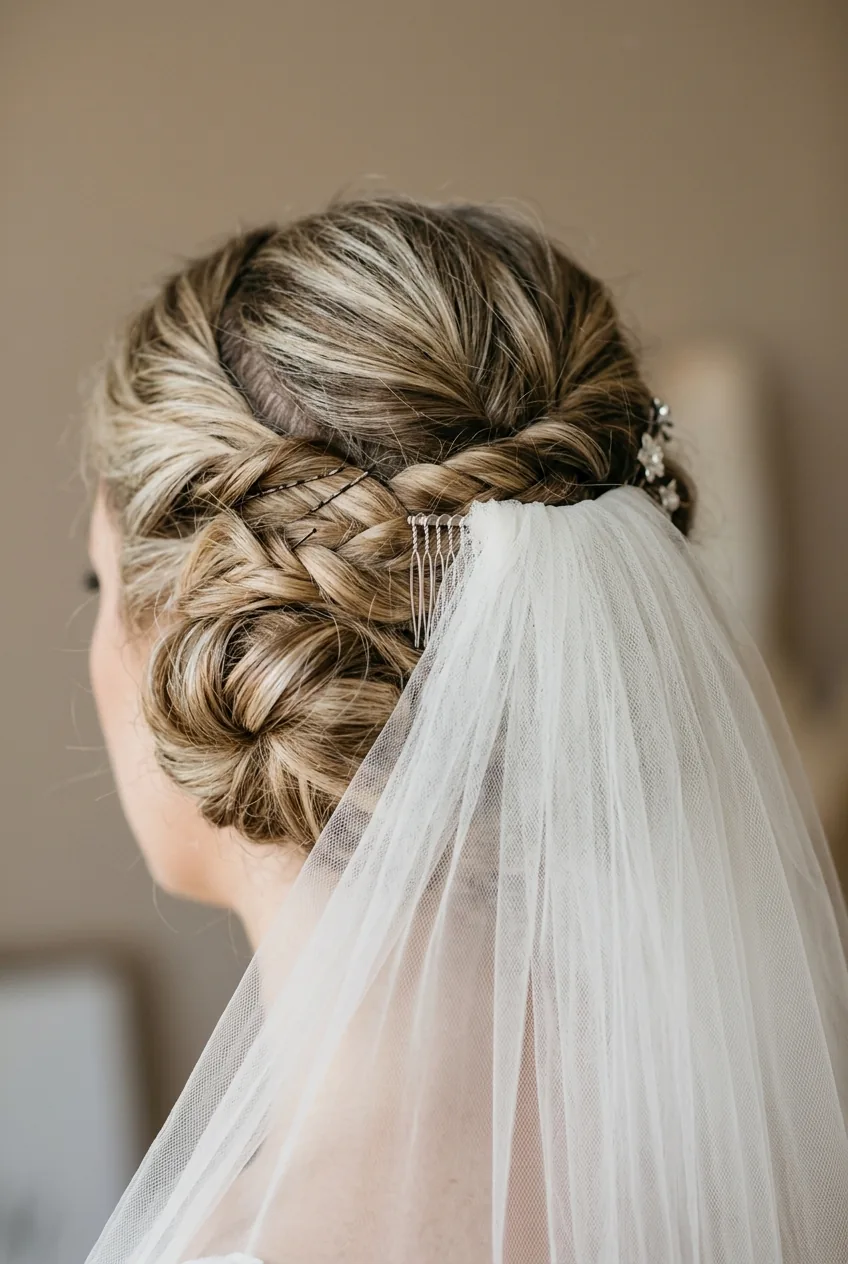
The veil comb — that innocent little piece of plastic — required its own architectural support system. More bobby pins. More hairspray. And a technique my stylist called “the anchor method” that involved basically building a nest of crossed pins to hold the weight.
“Cathedral length veils are beautiful,” my stylist said, wrestling with the fabric, “but they’re also heavy. Physics doesn’t care about your Pinterest board.” She wasn’t wrong. My veil weighed more than my shoes.
The final placement required strategic veil attachment methods that she’d learned from a master class in New York. Apparently, there are professionals who specialize just in veil mechanics. Who knew?
The Secret Nobody Mentions About Touch-Ups
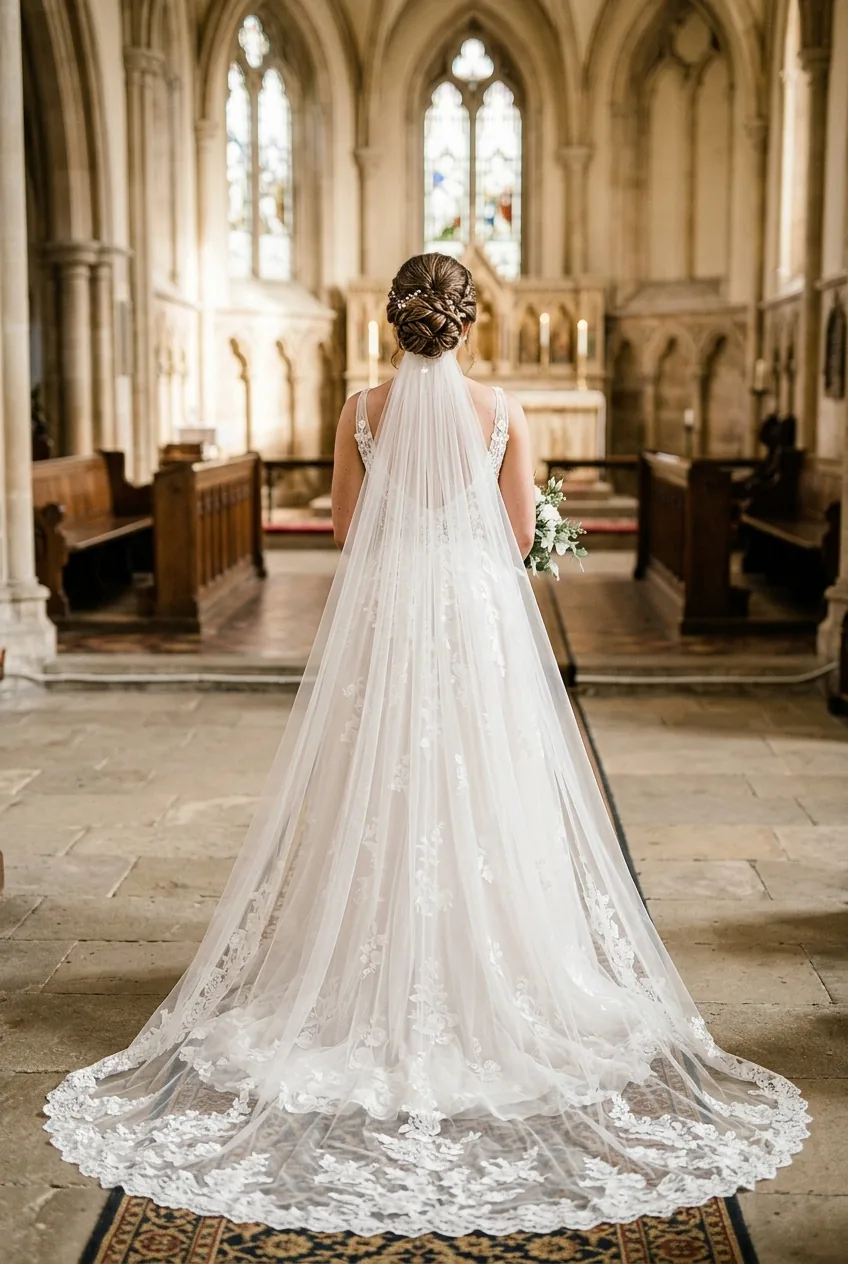
Here’s the secret part: your wedding hair updo with veil isn’t a “set it and forget it” situation. It’s a living, breathing architectural structure that needs maintenance. My stylist gave my maid of honor a emergency kit — bobby pins, mini hairspray, and detailed instructions written on a notecard.
“Check the back every hour,” she instructed. “Look for pieces sliding down or pins working loose.” My poor maid of honor became my personal hair engineer, doing stealth repairs between the ceremony and reception.
The veil needs its own maintenance schedule. After the ceremony, we adjusted the placement for photos. Before dinner, we secured it differently for dancing. By the end of the night, it had been repositioned four times.
Nobody tells you about the spray-and-pray moments throughout the day. Emergency touch-ups happening in church vestibules and restaurant bathrooms. The bride’s team becomes a mobile hair repair unit, armed with supplies and determination.
Why It’s Worth the Chaos Anyway
After all that behind-the-scenes chaos, you might wonder if it’s worth it. Looking at my wedding photos now, absolutely yes. But not for the reasons you’d expect.
The hours of prep, the military precision, the emergency repair kit — it all created something that lasted. My updo survived twelve hours of celebration without major casualties. More importantly, I never once worried about my hair during the actual wedding. That peace of mind was priceless.
The process taught me to appreciate the craftsmanship behind “effortless” beauty. Those Pinterest photos that look so simple? They represent hours of invisible work. The best styling makes complexity look easy, not the other way around.
And honestly? The whole experience became part of my wedding story. The 6 AM start time. The bobby pin negotiations. My maid of honor’s hair repair missions. These aren’t the glamorous details, but they’re the real ones. They make the perfect end result feel earned, not just lucky.
Looking back, I’d do it all again. The early morning, the pins, the hairspray cloud — every chaotic minute. Because when you’re walking down the aisle, you want hair that’s been battle-tested, not just Instagram-ready. And that kind of confidence? It’s worth waking up before sunrise.