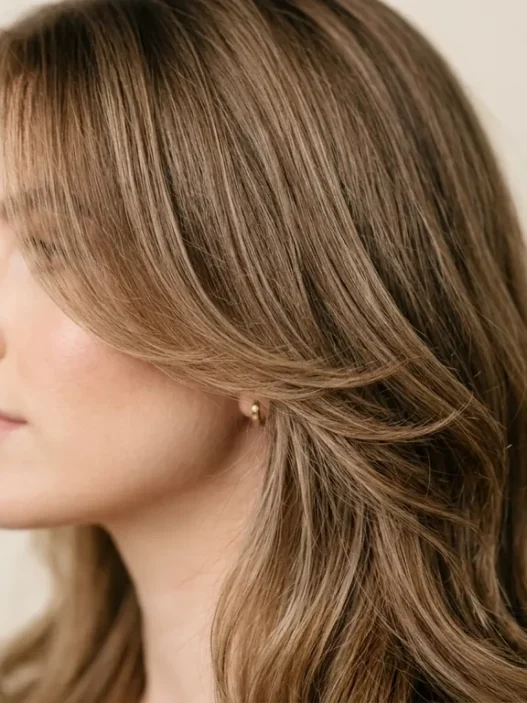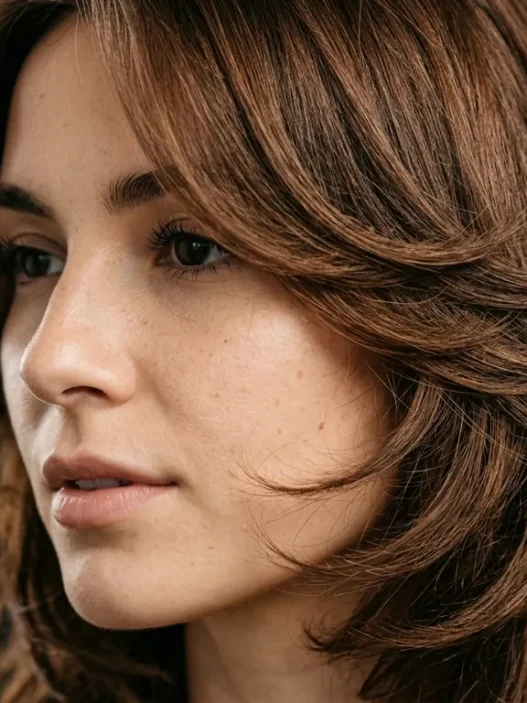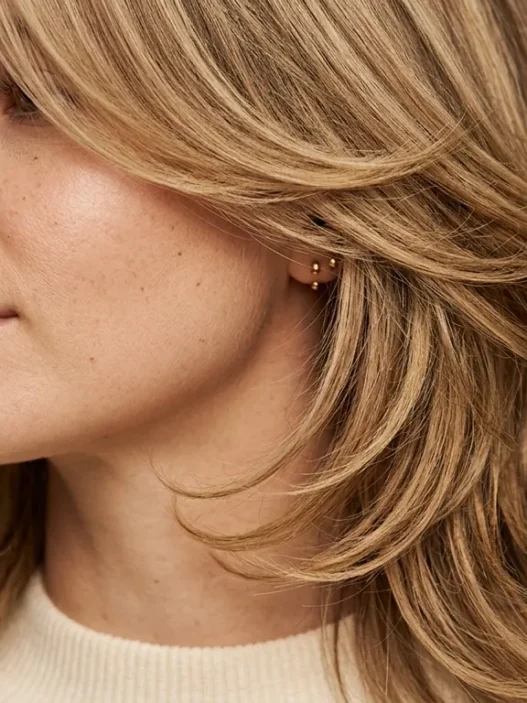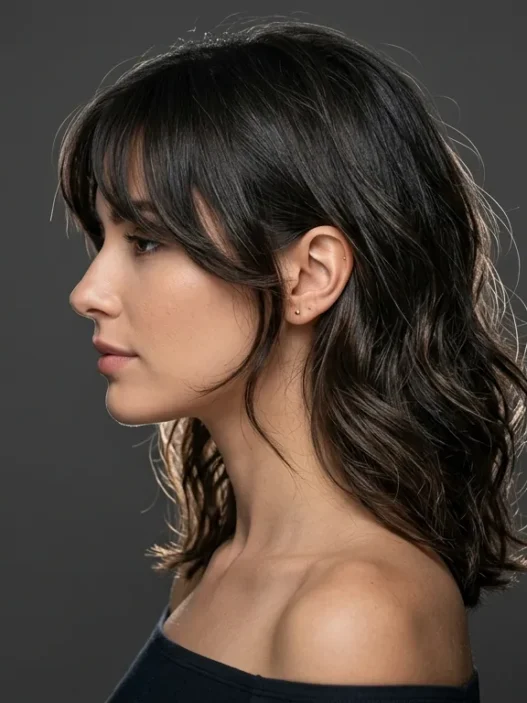







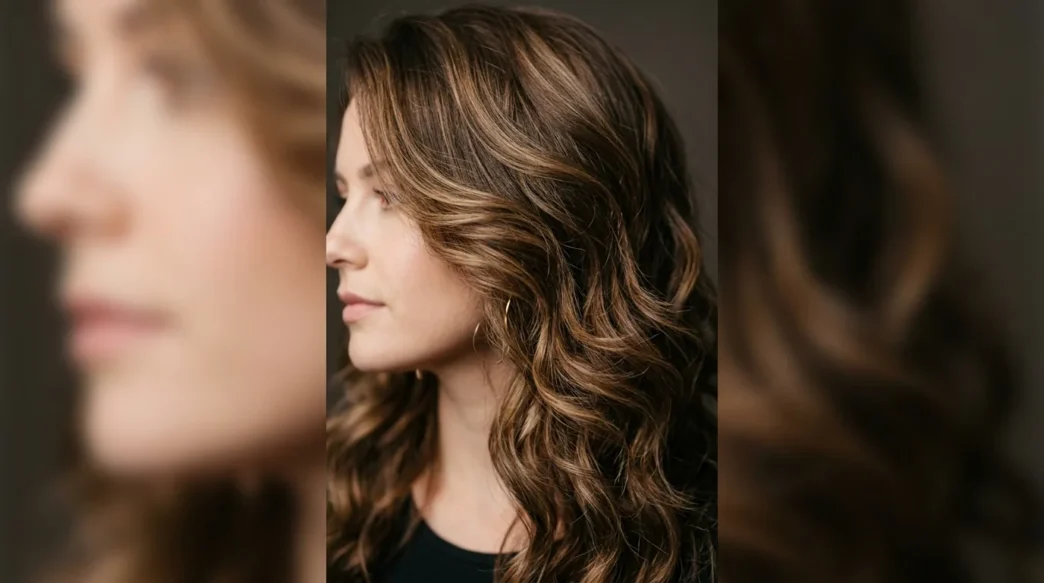
I’ve been obsessing over mid length hair with layers for three years now. Started when my stylist suggested it would “solve all my problems” — you know, add volume to my fine hair, frame my face, give me that effortless look everyone’s after. Spoiler alert: it wasn’t that simple. But after countless cuts, way too much money spent, and some serious trial and error, I finally understand what actually works and what’s just pretty Instagram nonsense.
The Foundation Facts Everyone Gets Wrong
Let’s start with the biggest myth: that layers automatically add volume. They don’t. Not always. Sometimes they actually make fine hair look thinner by removing bulk from where you need it most. I learned this the hard way with my first layered cut — walked out thinking I’d have this gorgeous, bouncy mane and instead looked like I’d stuck my finger in an electrical socket.
The truth about mid length layers is that they’re incredibly technique-dependent. The difference between amazing and awful comes down to where exactly those layers are placed, how much hair is removed, and whether your stylist understands your specific hair type. I’ve seen the same cut look stunning on one person and completely flat on another.
Here’s what I wish someone had told me upfront: layers work best when they’re customized to your hair’s natural movement pattern. If your hair naturally falls forward, fighting that with layers that push it back will give you constant frustration. If you have a cowlick at your crown, layers need to work with it, not against it.
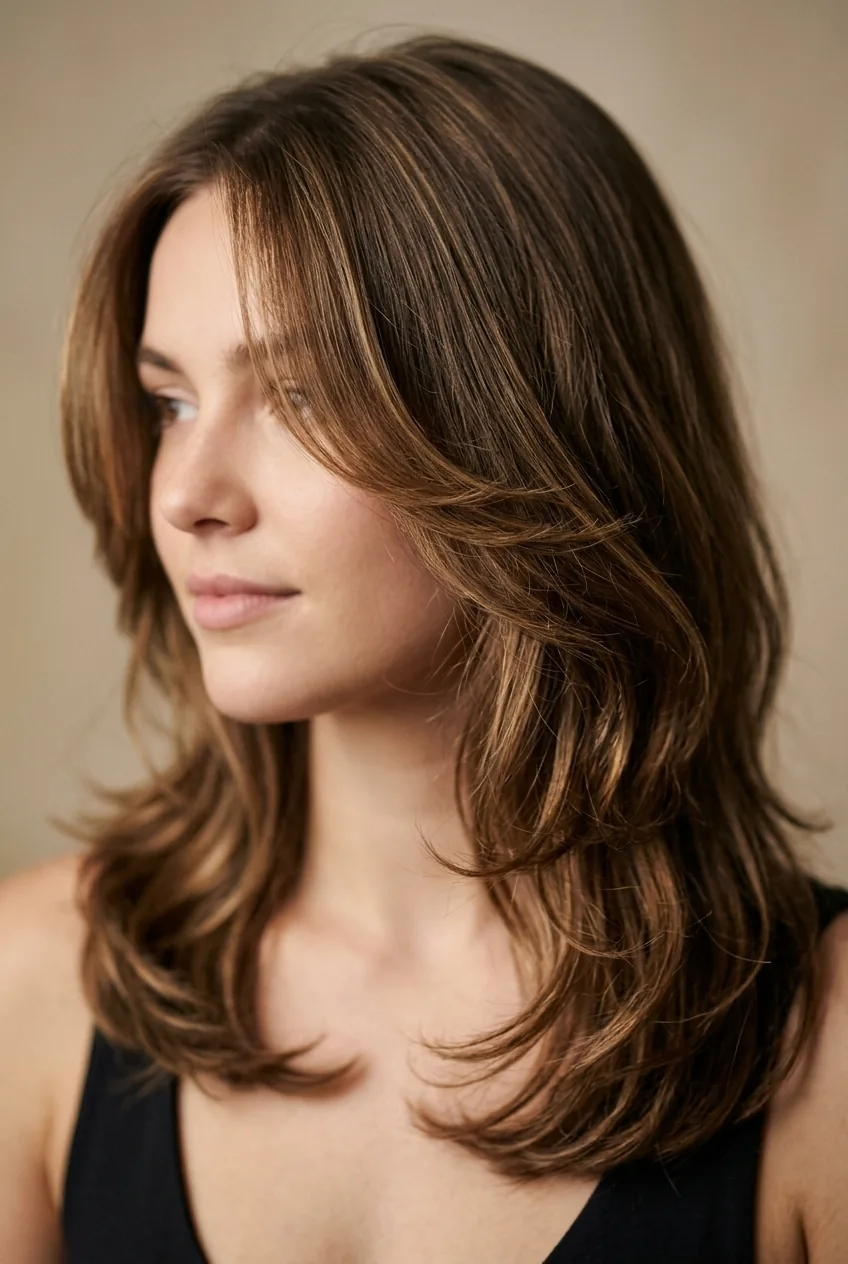
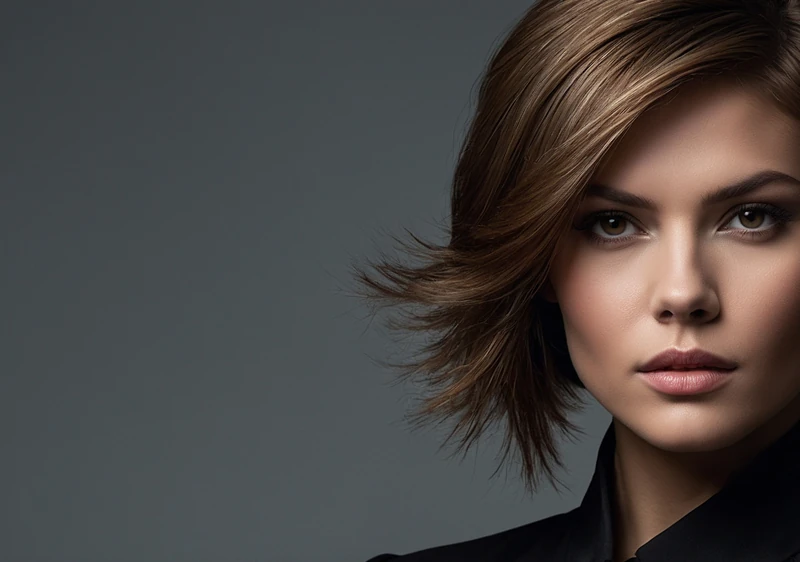
The sweet spot for most people? Starting layers about two inches below the jawline and gradually increasing the length difference as you move down. This gives movement without sacrificing the weight that makes mid length hair look intentionally polished rather than accidentally choppy.
But here’s my controversial take: if you have very fine, straight hair, you might be better off with subtle internal layers rather than obvious face-framing ones. The short wavy hair cuts that work so well often translate poorly to mid length fine hair because there isn’t enough texture to support the shape.
Why Texture Is Everything (And How to Get It Right)
This is where most people get stuck. You see those gorgeous layered cuts on Pinterest — all tousled and lived-in looking — and assume it’s just the cut doing the work. Wrong. It’s about 30% cut, 70% how you create and enhance texture.
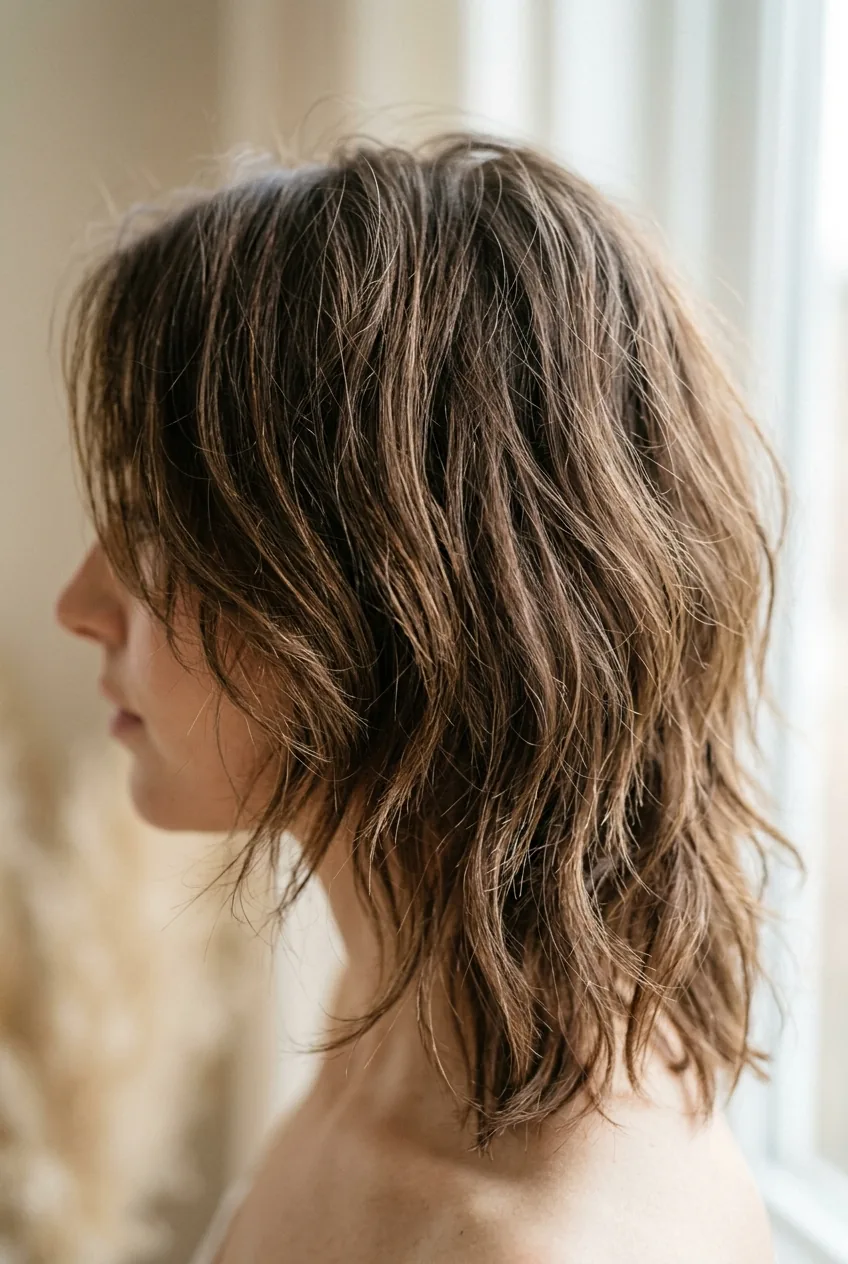
I spent months trying to recreate those looks with just a blow dryer and got nowhere. Then I discovered the magic of texturizing products applied to damp hair. Not mousse (too heavy for most mid length cuts), not gel (too crispy), but texturizing creams and sea salt sprays that enhance your hair’s natural movement patterns.
The game-changer for me was learning to scrunch while air drying, even with naturally straight hair. Sounds weird, but it creates just enough bend and irregularity to make layers look intentional rather than blunt. I scrunch in a lightweight cream, let it air dry about 80%, then finish with a diffuser on low heat.
For naturally wavy or curly hair, layers can be absolute magic — but only if they’re cut while your hair is dry and in its natural state. Wet cutting curly hair for layers is like trying to tailor a dress on a mannequin when the real person has completely different proportions.
Here’s the technique that changed everything: professional cutting methods make the difference between okay and spectacular. I found this out when I finally went to a curl specialist instead of my regular stylist.
This Technique Changed Everything for Me
The Cut That Changed My Mind About Face Shapes
Can we please stop with the rigid face shape rules? I have what everyone calls a “round face,” and according to every magazine ever, I should avoid layers that hit at my cheekbones. Supposedly they’ll make my face look wider.
Complete nonsense.
The most flattering cut I’ve ever had breaks every single “rule” for my face shape. It has layers that start right at my cheekbones, curve slightly forward, and somehow make my whole face look more balanced and interesting. The secret wasn’t avoiding certain layer placements — it was finding a stylist who looked at my actual face, not some theoretical category.
What matters more than face shape is your bone structure, where your hair naturally parts, and how you actually style your hair day-to-day. Those Instagram-perfect side parts look amazing in photos but if you naturally part your hair in the middle, fighting that will make any cut look forced.
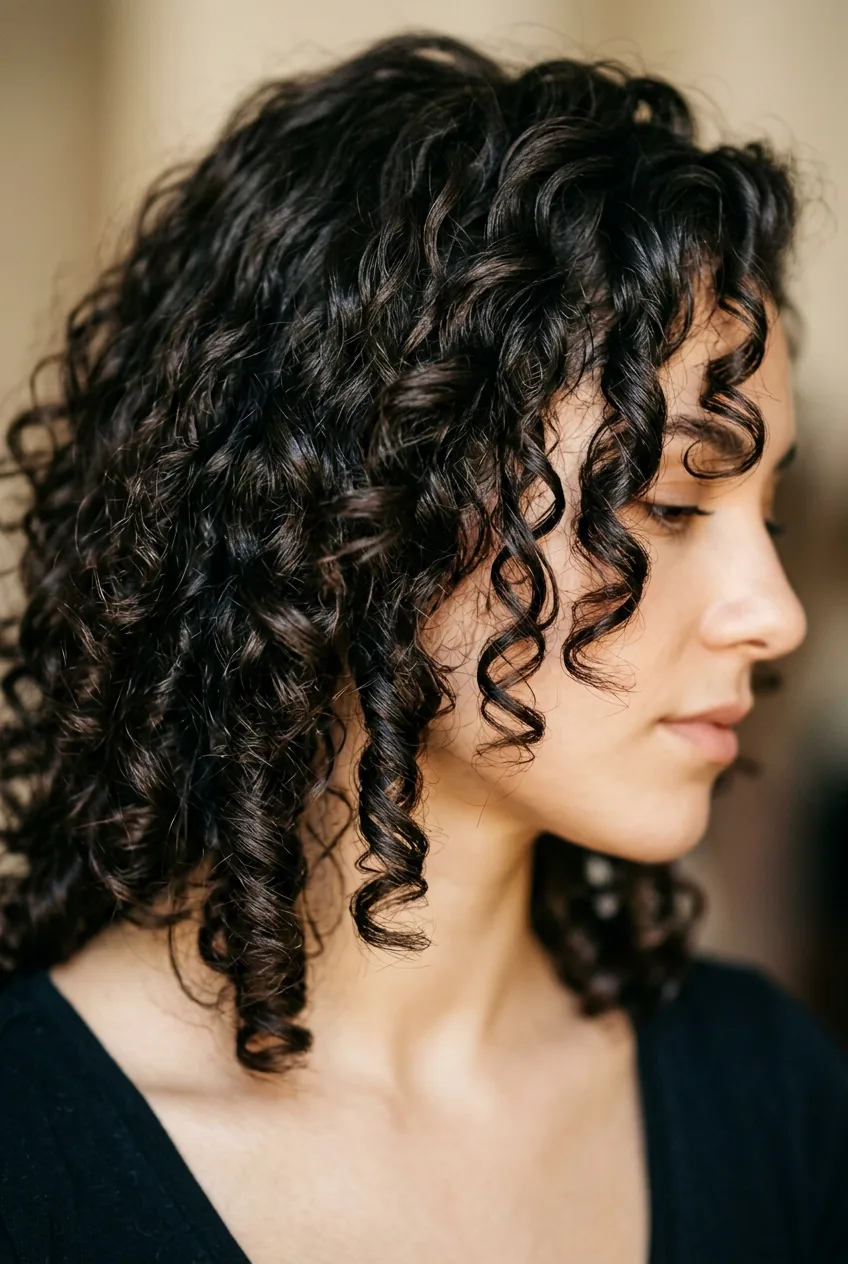
I’ve seen “unflattering” cuts become stunning when the person learned to work with their hair’s natural tendencies instead of against them. The best layers enhance what’s already there rather than trying to create something completely different.
My advice? Find photos of people who have similar hair texture and natural part patterns to yours, regardless of face shape. Those are the cuts most likely to work on you with minimal daily effort.
Styling Reality vs Instagram Fantasy
Those perfectly tousled, “I woke up like this” layered styles you see everywhere? They take about 45 minutes to create and require at least four different products. I know because I’ve tried to recreate them.
The reality of mid length layers is that they need some daily styling to look intentional. Not necessarily complicated styling, but something. Left completely to their own devices, most layered cuts end up looking like you forgot to brush your hair rather than effortlessly chic.
But here’s what actually works for busy mornings: a good leave-in conditioning cream applied to damp hair, then either braiding it loosely while it dries or twisting sections and pinning them up for 20 minutes. When you take it down, you get soft waves that make the layers look purposeful.
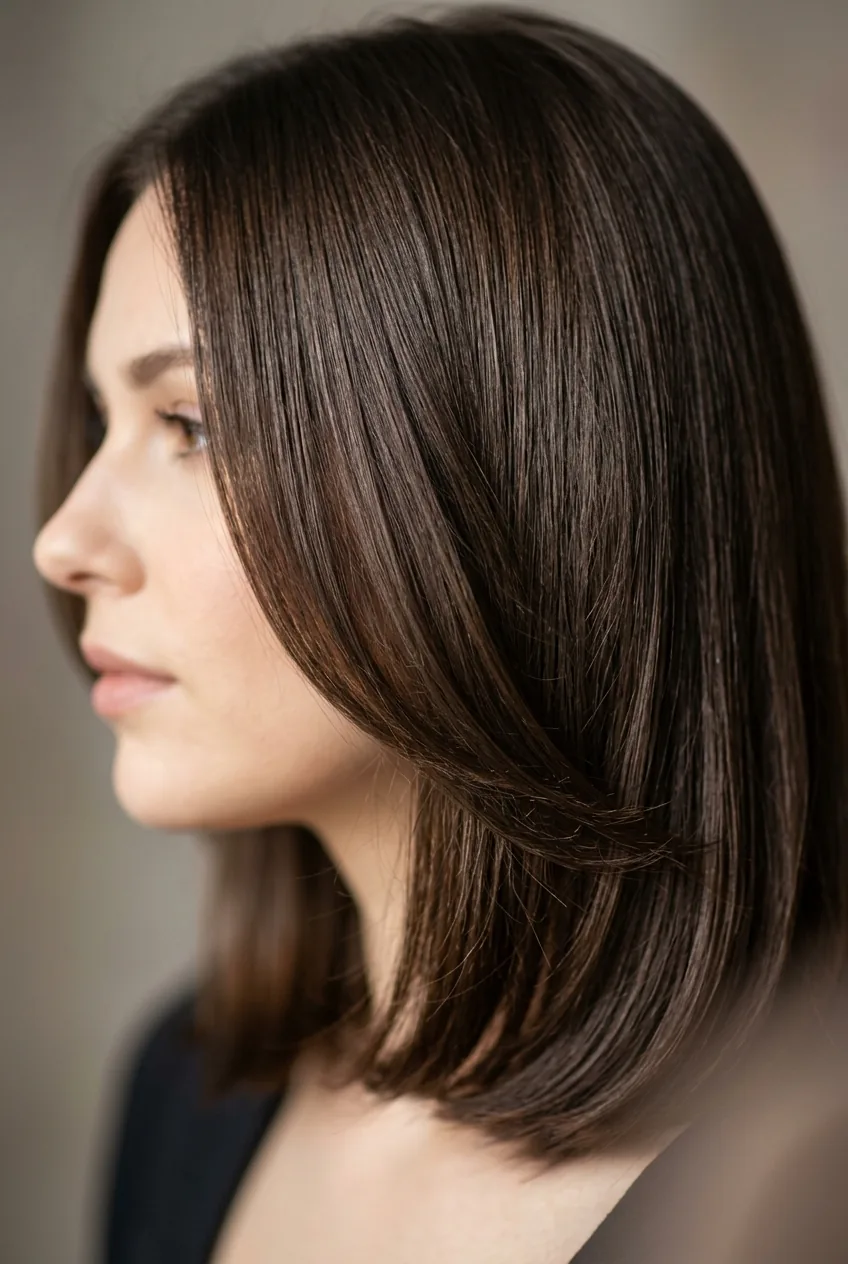
The styling trick that saved my sanity was learning to embrace “good enough.” Not every day needs to be a hair commercial. Some days, throwing it in a low ponytail with a few pieces pulled out around your face is perfectly polished. Layers actually make casual updos look more interesting and less severe.
For special occasions when you want that full-glam layered look, invest in a good 1.25-inch curling iron and proper curling techniques that work with your cut rather than against it. The key is curling in different directions and then gently separating the curls with your fingers.
The Maintenance Nobody Warns You About
Here’s the part that makes me want to shake every stylist who promises “low-maintenance layers.” They’re lying. Or at least seriously underselling the upkeep required.
Mid length layers grow out in the most awkward way possible. The shortest pieces hit that weird in-between length where they’re too short to tuck behind your ears but too long to look intentionally choppy. This happens around the 8-week mark, which means if you want to keep the shape looking good, you need trims every 6-7 weeks.
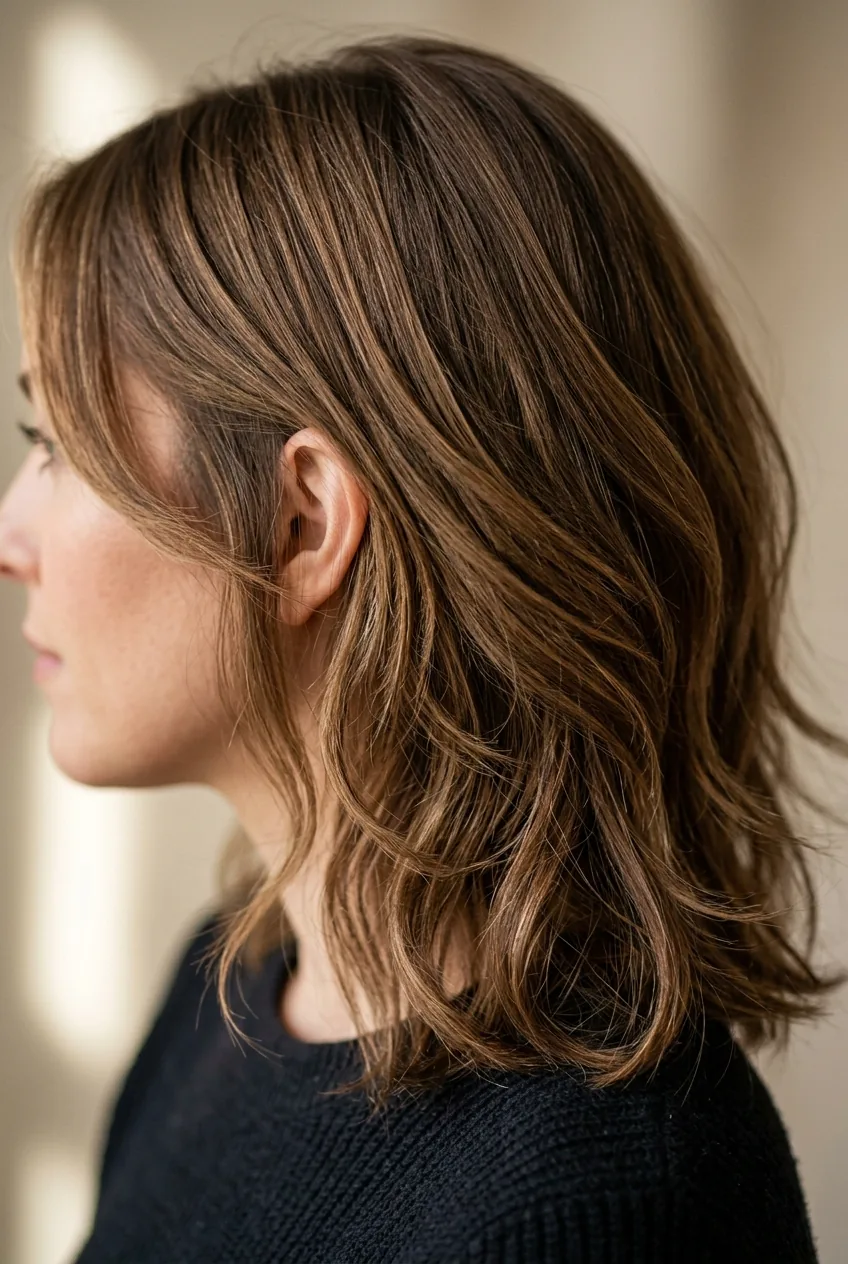
That’s not “low maintenance” in my book. That’s an expensive habit.
The alternative is learning to work with the grow-out phase instead of fighting it. I’ve found that around week 6, switching from my usual texturizing routine to smoother styling actually helps blend the layers as they lose their shape. A little smoothing serum and a paddle brush can make growing-out layers look intentionally sleek rather than accidentally messy.
Color also affects how layers look as they grow. If you have highlights or lowlights, the grow-out is much more forgiving because the color variation disguises the blunt edges that start to appear. Solid colors show every millimeter of growth, especially if you have any gray coming in at the roots.
My strategy now is to get a fresh cut right before any big events or photo opportunities, then let it grow for 10-12 weeks while I figure out if I want to keep the layers or try something different. Much easier on both my schedule and my wallet.
Making It Work for Your Actual Life
The best layered cut is the one you can actually manage with your real routine, not your ideal routine. I learned this after getting a gorgeous, complicated layered cut that required 30 minutes of styling every morning. Looked amazing when I had time. Looked terrible when I didn’t. Guess which was more often?
Now I ask myself these questions before any layered cut: How much time do I realistically spend on my hair each morning? How often do I actually wash it? Do I air dry or blow dry? Am I willing to use multiple styling products?
If you wash and go most days, you need layers that look good with minimal intervention. Subtle, long layers that add movement without requiring specific styling work best. If you love spending time on your hair and trying new techniques, you can handle more dramatic, high-maintenance layers.
The middle ground that works for most people is what I call “enhanced natural” layers — cut to improve what your hair already wants to do, not force it into a completely different shape. These work whether you style them or not, they just look different depending on your effort level.
And honestly? Sometimes the best solution is accepting that layers might not be for you right now. I went back to a simple, one-length cut last winter when my life got crazy, and it was such a relief. Not every hair trend needs to work for every person at every stage of life.
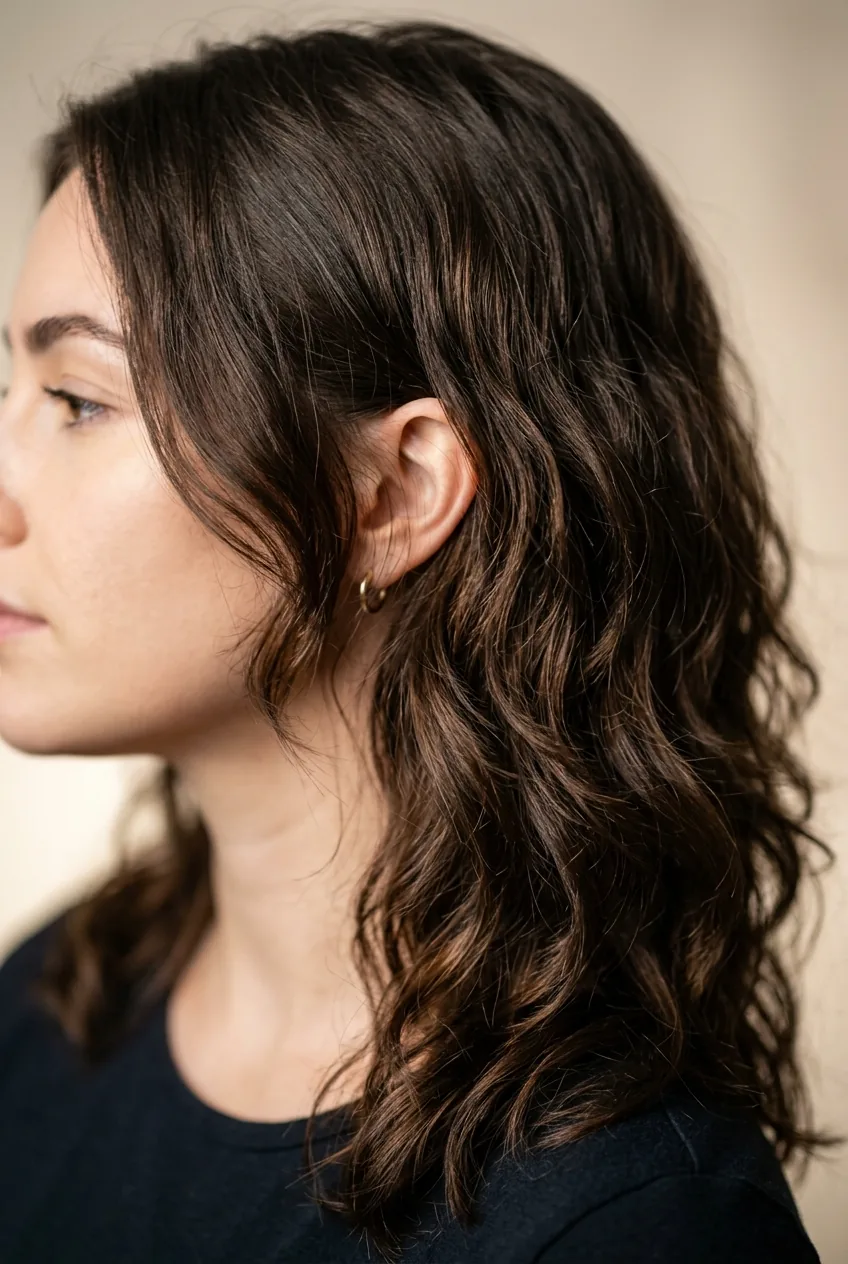
But when mid length layers do work — when you find that perfect combination of cut, styling routine, and lifestyle fit — they’re absolutely magic. Just be honest about what “working” actually means for your real life, not your Pinterest dreams.
Questions I Get About This
How do I know if my face shape can handle layers at cheekbone level?
Forget the face shape rules — try pulling sections of hair forward while looking in the mirror. If framing your cheekbones makes your eyes look brighter and your face more balanced, go for it. Your actual bone structure matters more than some theoretical category.
Can I get good layers from any stylist or do I need a specialist?
For straight to slightly wavy hair, most experienced stylists can handle basic layers. But if you have curly or very fine hair, definitely seek out someone who specializes in your texture. The cutting techniques are completely different.
How long before I can tell if the layers are working for me?
Give it two wash cycles minimum. Layers often need a few days to “settle” and your styling routine needs time to adjust. If you’re still struggling after two weeks, it’s probably the cut, not your technique.
What’s the biggest mistake people make with layered hair?
Trying to force their hair into looks it’s not naturally suited for. Work with your hair’s natural patterns and texture rather than against them. The best layers enhance what’s already there.
The truth about mid length hair with layers is that they’re neither a magic solution nor a guaranteed disaster. They’re simply a tool that works brilliantly for some people in some circumstances and terribly for others. The key is being honest about which category you’re in and what you’re actually willing to do to maintain them. When that alignment happens, layers can transform not just how your hair looks, but how confident you feel wearing it.