












I live where January means a tight beanie and August means full-on frizz, so I stopped falling for one-season hair. I want winter hairstyles that still work in July, and summer cuts that do not quit when the heat turns on. These are the ten I keep coming back to, through hats, rain, weddings, and all of it.
My Year-Round Keepers at a Glance
- 1. The Low Bun That Holds Up Under a Beanie
- 2. The Braid That Survives Humidity and Static
- 3. The Lob That Adapts From Summer to Winter
- 4. The Cozy Claw-Clip Twist for Hat Days
- 5. The Curtain-Bang Layers That Handle Wind and Rain
- 6. The Sleek Ponytail That Stays Polished in Any Weather
- 7. The Bob That Survives Sweaters and Scarves
- 8. The Loose Waves That Work From Humid August to Dry January
- 9. The Wedding-Ready Chignon in Any Weather
- 10. The Curly Pineapple Updo That Loves Cold Air
1. The Low Bun That Holds Up Under a Beanie
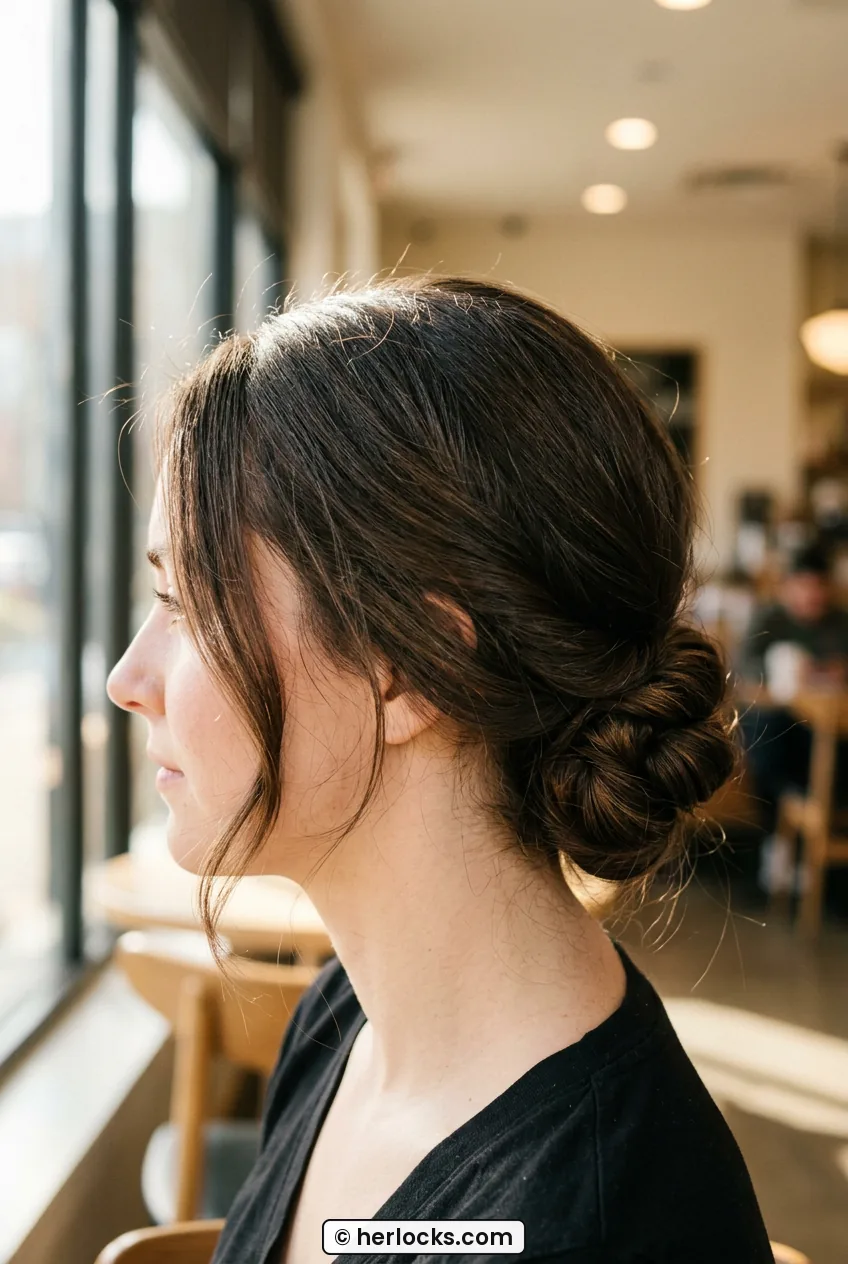
If I had to pick one cold-weather workhorse, it would be this. A low, slightly loose bun that sits right at the nape is basically made for beanies. I pull my hair into a low pony, twist it once, and pin it flat so my hat can slide right over without pushing everything forward.
What I love is how it behaves after the hat comes off. No weird dent across the crown, no flat-to-the-head top, just a soft bun that still looks intentional. In summer, the same bun keeps my neck cool and survives a humid commute. I will add a little texturizing cream in winter for static and a light-hold gel in summer for frizz.
Look at how she is wearing hers in this photo, low and a little undone by the cafe window. See that soft halo of light around the loose edges? That is exactly the lived-in texture you want, not a tight ballerina bun. I leave two thin face-framing pieces out and tuck them behind my ears when the wind picks up.
Rain test? It passes. A quick mist and a smoothing of the top layer brings it right back. This is also my go-to for second-day or even third-day hair, when a high pony would just show the grease.
2. The Braid That Survives Humidity and Static
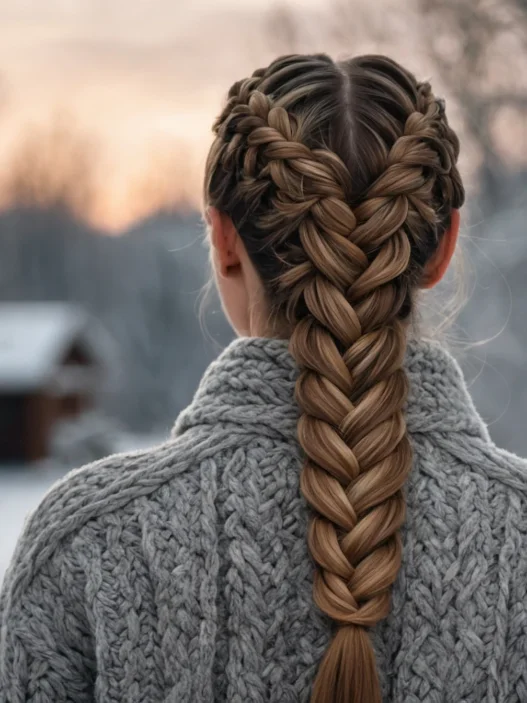
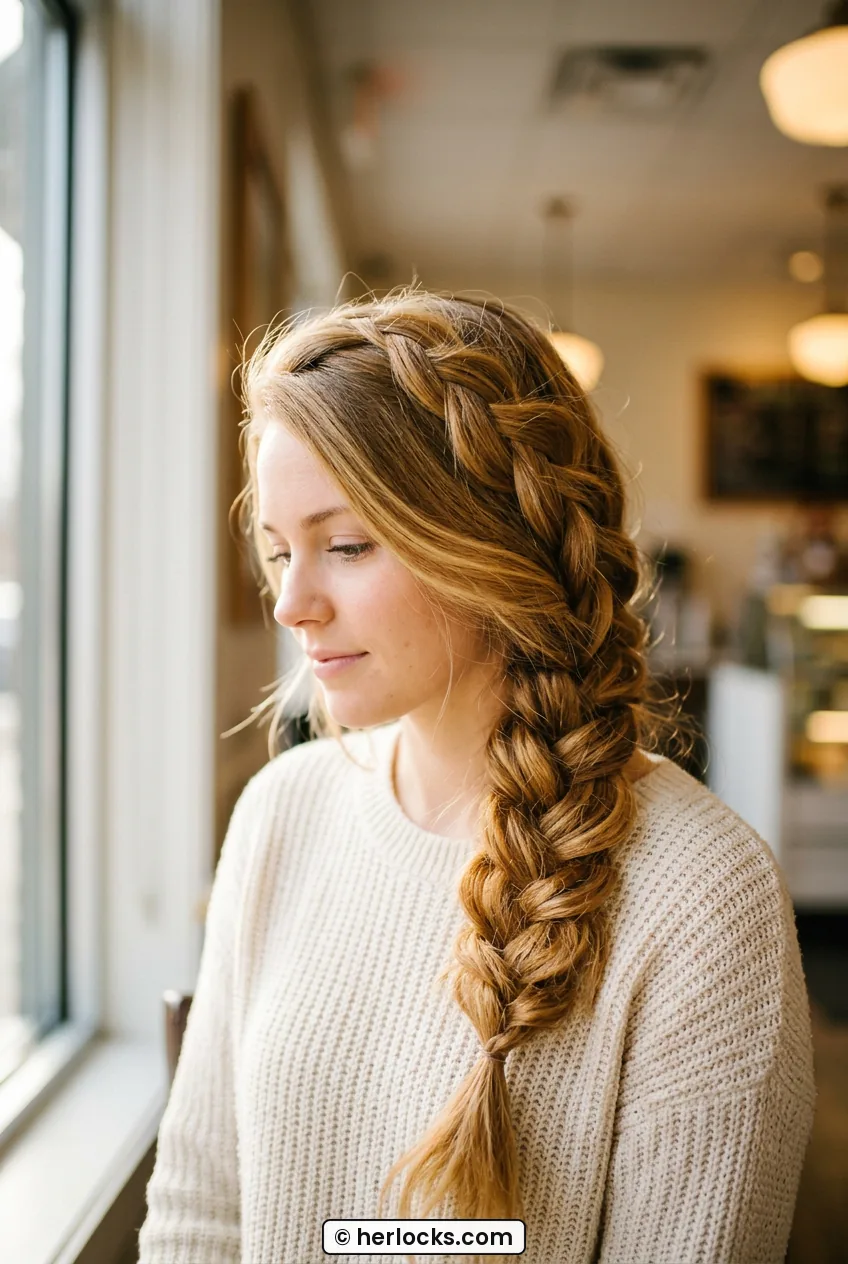
A loose side braid is my answer to both January static and July puff. I started wearing it on ski weekends because nothing else stayed put under a neck gaiter, and now I wear the same braid to summer cookouts. It is contained without being stiff.
My trick is to braid on slightly damp, detangled hair with a pea-sized drop of leave-in. In winter that stops the flyaways from standing straight up when I take my scarf off. In summer it locks the wave pattern in so humidity just makes it softer, not frizzy. Pancake it gently after, never before, or it loosens by noon.
She has got that perfect chunky texture here, you can see each twist clearly in the window light. That is the thickness I aim for, and I get it by starting the braid lower, below the ear, instead of up high where hats rub. A low start means no beanie bump.
When I want something a little prettier, I do the same base as one of my favorite winter wedding braided hairstyles but looser for daytime. And honestly, a three-strand braid survives wind better than any fancy fishtail I have tried. Simple wins here.
3. The Lob That Adapts From Summer to Winter
The lob is my forever four-season cut. Not too long to get caught in a scarf zipper, not too short to pull back on a sweaty day. Mine hits right at the collarbone, with long, barely-there layers at the ends.
How does it handle weather? In humid months, those blunt-ish ends keep it from triangling out, and air-drying actually gives it a nice bend. In winter, it tucks neatly inside a turtleneck without flipping out in ten directions, which my longer hair always did. I get a tiny trim every 10-12 weeks and it just coasts.
This length in the photo is exactly what I am talking about. See how it grazes her shoulders but still moves? I love that side-lit softness around her ends. When I tried this length last February, my morning routine dropped to about eight minutes.

Hat-friendly? Very. A lob does not get that squashed-long-hair look under a beanie because there is less weight pulling it down. I will often add a deep side part on hat days for extra lift at the roots. You can read more about keeping ends healthy with tips on fall hairstyles for a cozy look that carry right into winter, since the layering idea is the same.
4. The Cozy Claw-Clip Twist for Hat Days
Can we talk about how the claw clip saved my winter? Hats and elastics used to give me headaches and dents. Now I do a loose French twist and clamp it. It takes me 40 seconds, literally timed it while my coffee brewed.
The beauty is the give. A claw clip flexes when you pull a beanie on and off, so you do not get that snapped-elastic crease. In summer, the same twist keeps hair off a sweaty neck but does not pull like a tight pony. I keep a medium matte clip in my tote and a small one in my coat pocket.
Look at her twist from the three-quarter angle, it is not perfect and that is the point. Those soft, tucked ends catching the window light are what make it look cozy rather than office-stiff. My hair is thick and even mine holds all day if I twist up, then push the clip down slightly instead of straight in.

My personal pick for busy weeks is this clip twist. It is the only updo I can redo with gloves half-on in a parking lot and still look cute inside.
One small fix I learned: if your layers poke out in dry winter air, do not rewet the whole thing. Just smooth a hand cream-sized bit of oil over the surface. I learned that from reading about smoothing winter flyaways during a particularly staticky week and it works in humid weather too.
5. The Curtain-Bang Layers That Handle Wind and Rain
I was scared of bangs in winter. Wind, hats, static. But curtain bangs are different. They are longer, parted in the middle, and they actually look better a little mussed. That makes them perfect for real weather.
Mine are cheekbone-grazing and blended into face-framing layers. Under a beanie, I push them flat and to the sides. When the hat comes off, I fluff them forward with my fingers and they fall right back into place. No straight-across fringe can do that. In summer humidity, they air-dry into a soft wave instead of sticking to my forehead.
She is wearing hers exactly how I like, parted softly with light falling through the layers. See how the sides melt into the rest of her hair? That grown-out blend is what survives hats. Blunt, short bangs show every dent. These just shrug it off.

Styling is low-key. I blow-dry them forward for 30 seconds with a round brush in the morning, then leave them alone. A spritz of dry shampoo at the roots before a hat keeps them from going limp. If it rains, I let them air-dry and they turn into soft waves, which I actually prefer now.
6. The Sleek Ponytail That Stays Polished in Any Weather
A mid-height sleek pony is my dress-up, dress-down fix. It works with a wool coat and sneakers in January and with a sundress in June. And unlike a high pony, it does not fight with a beanie or a sun hat.
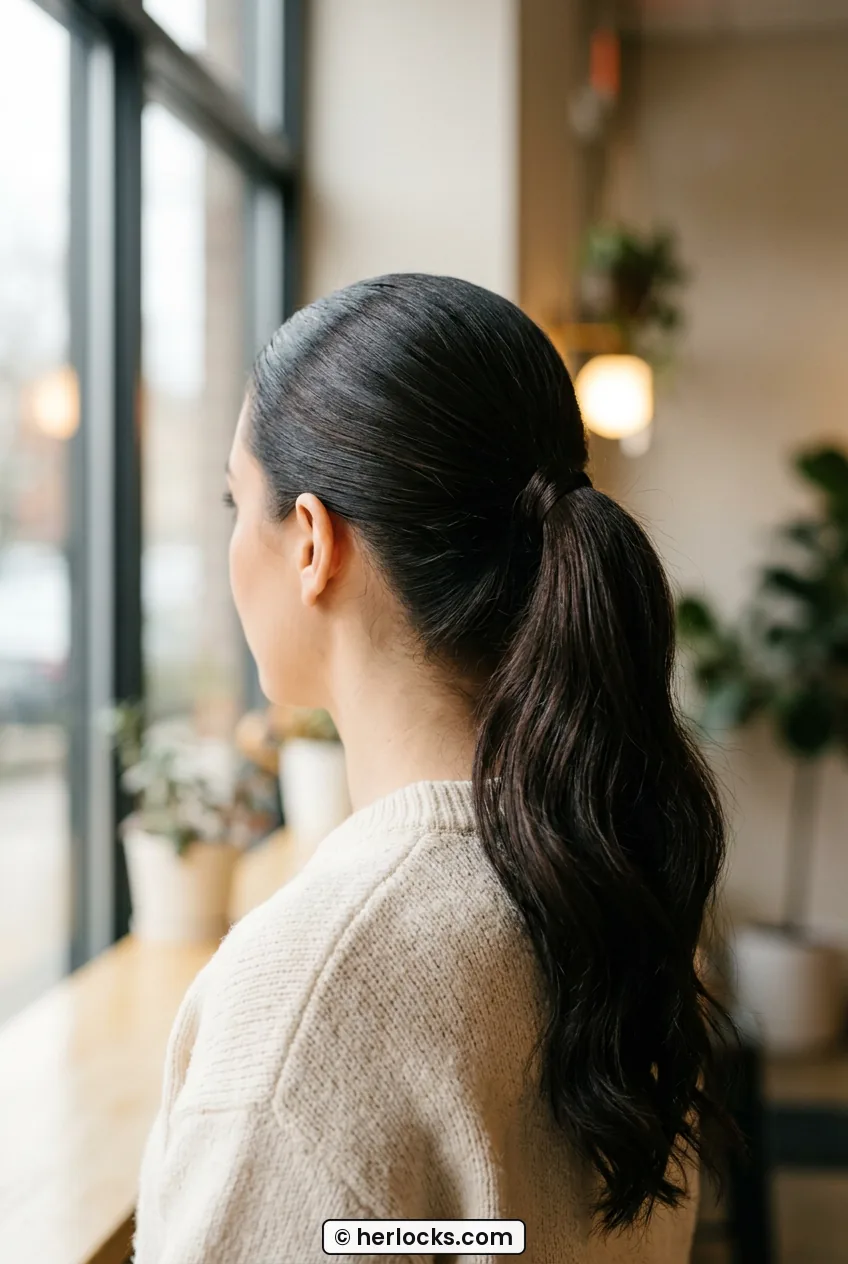
The key is placement. Right at the back of the crown, not too high, wrapped with a small section of hair to hide the elastic. That low center of gravity means wind does not whip it into a tangle as fast. I brush in a little styling cream before smoothing, which helps with both winter static and summer flyaways.
In this close portrait you can really see the smooth crown and the clean light on her hair. That glass-like top is the whole trick. I get mine by brushing with a boar bristle brush, then tying, then smoothing once more on top. Doing it in that order changed everything for me.
For shine that lasts through dry indoor heat, I swear by a silk scarf at night instead of a cotton pillowcase when I want to rewear the pony next day. And if you struggle with breakage from tight elastics, try reading up on no-damage elastics for thick hair before you stock up again, it made a big difference for my ends.
7. The Bob That Survives Sweaters and Scarves
Short hair in winter? Yes, if it is the right bob. My chin-length bob with a slightly stacked back never gets trapped under backpack straps or chunky scarves the way my long hair did. And in summer, it dries in minutes.
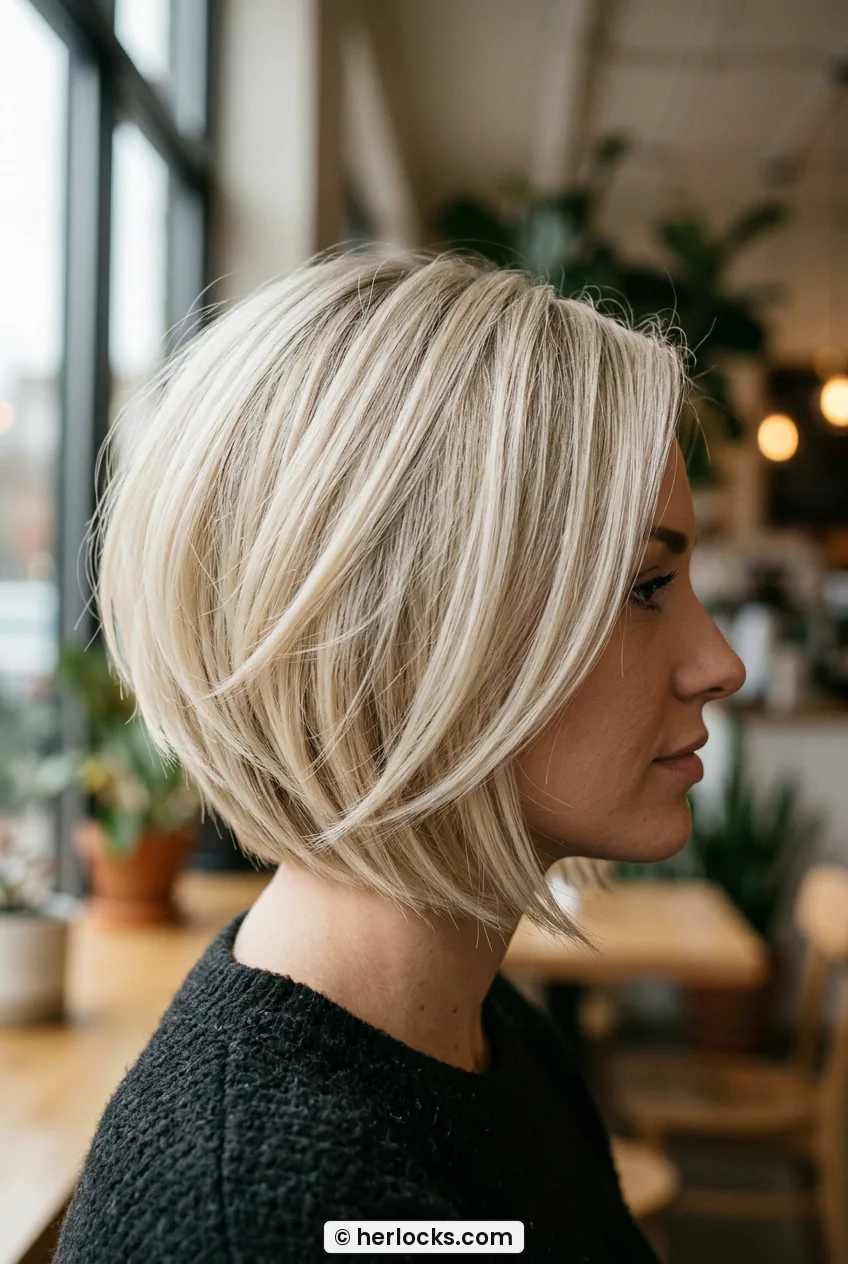
What makes it four-season is the cut. A little weight at the perimeter keeps it from puffing in humidity, and soft under-layers keep it from flipping too much against a turtleneck. I ask for clean lines but not razor-thin ends, because those go wispy in dry air.
Look at her bob here, that sharp jawline framing is everything. The side light shows how tidy the perimeter is while still having movement. She has a similar face shape to mine, and honestly, this cut looks incredible on her.
I style it with a flat brush and a quick tuck behind one ear when it is windy. On beanie days I wear a looser knit and pull the front pieces forward after. If you are debating length, these chic bob hairstyles for winter helped me choose mine, and most of them would sail through spring too.
8. The Loose Waves That Work From Humid August to Dry January
Loose, brushed-out waves are my most-worn texture, period. Tight curls fall in winter hats and frizz in summer air, but a soft bend? It just settles in and looks better as the day goes on. I call it my two-day wave.
How I do it to last: I curl large sections away from my face with a one-inch iron, let them cool fully, then brush through with my fingers. In winter I finish with a light oil to fight dryness. In summer I skip the oil and use a humidity-shield spray instead. Same base, different topcoat.
This wider chest-up shot shows the full fall of the waves down past her shoulders, and you can see why length matters here. The light through the ends shows that soft, airy separation. That is what you want, not crunchy ringlets.

Wind and light rain do not ruin this, they just make it more beachy. If it gets too flat under a hat, I flip my head over and shake at the roots. Done. For color that makes winter waves glow, I keep eyeing winter hair colors for Christmas because those rich, warm tones photograph beautifully in low winter light and still feel sun-kissed by May.
See My Go-To Waves in Action
9. The Wedding-Ready Chignon in Any Weather
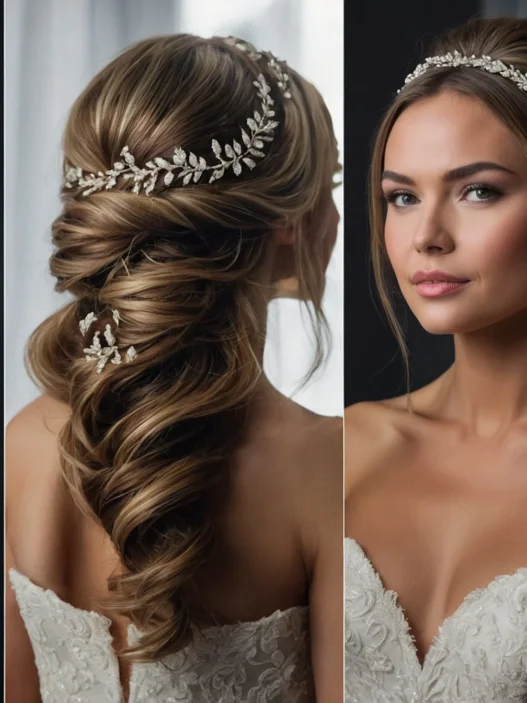
Winter weddings are magical and brutal on hair. Cold air outside, dry heat inside, photos in light rain. I needed an updo that would not move, and this low chignon is it. I wore a version of it to my cousin’s December wedding and danced for four hours without a single pin stabbing me.
Why it works year-round: it is anchored low, so veils, hoods, wind, and humidity all hit it less. I prep with mousse for grip, twist into a low knot, and pin in a star pattern. Then a flexible-hold spray, not a helmet spray, so it can move a little without falling. The same style held through an outdoor June ceremony too.
See how low and tucked hers sits at the nape in this back-angle view? That placement is so smart for coats and scarves. Nothing catches. I add a small gold pin or pearl clip just above the knot for winter, and swap it for fresh flowers in summer.
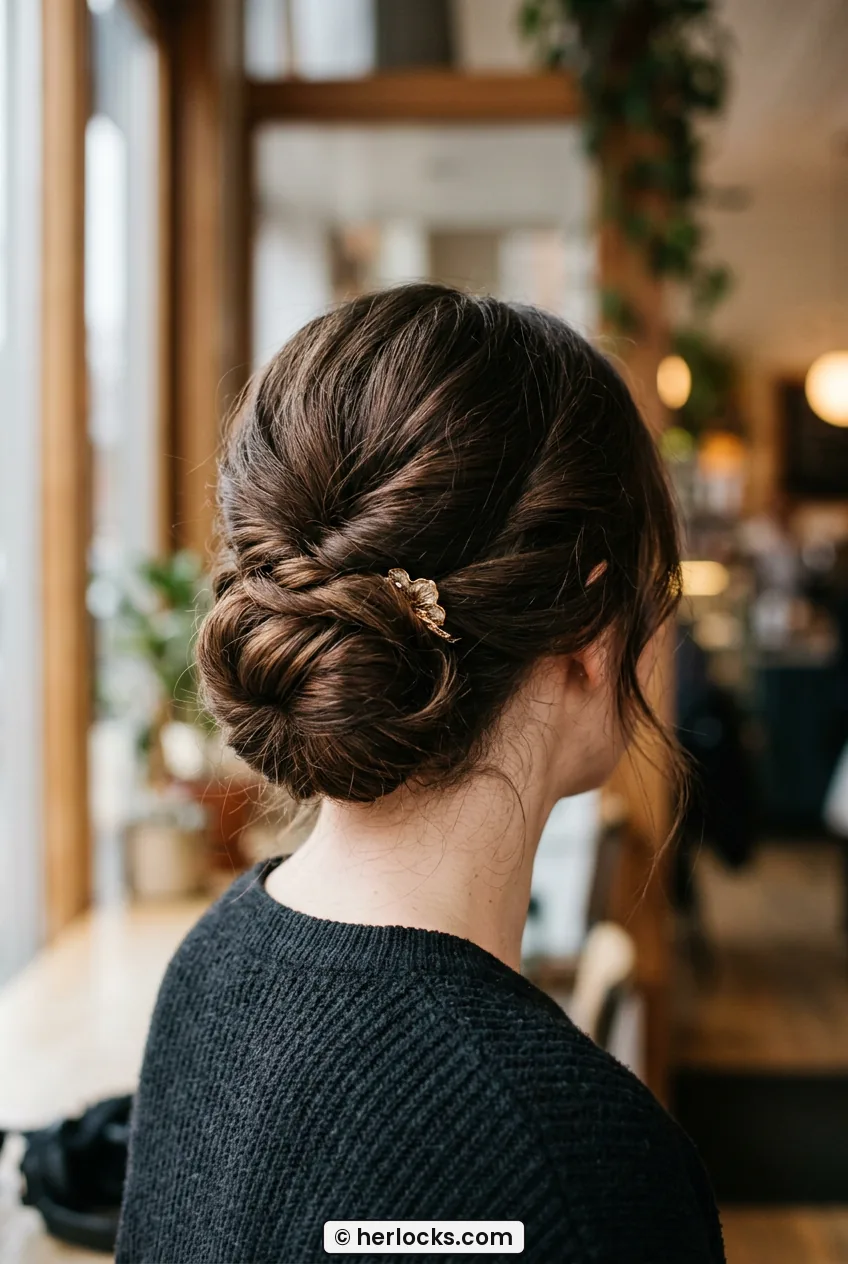
If you are the bride or in the party, do a trial on a windy day if you can. You will learn more in 20 minutes outside than in an hour indoors. I also found it helpful to read about making updos last all day before my trial, especially the part about prepping second-day hair for better grip.
10. The Curly Pineapple Updo That Loves Cold Air
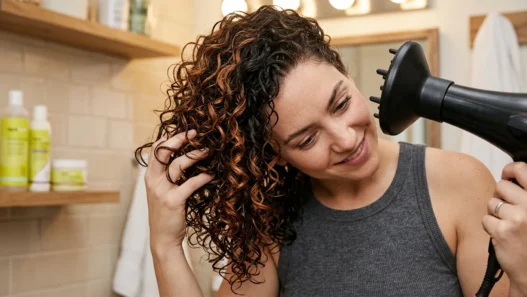
Curly girls, this one is for us. Winter air can actually be great for curls if you protect them, less humidity means more definition. My pineapple updo, high and loose with the ends free, keeps curls off wet coats and scratchy scarves while showing off the pattern.
I gather my curls high with a satin scrunchie, very loosely, and let the front fall naturally. Under a roomy beanie or a satin-lined hat, the curls stay squish-free. In summer, the same pineapple keeps me cool and stretches wash day by a full day. Win-win.
I love this photo because you can see her curl texture so clearly in that side light, each coil lit up against the cozy cafe background. That volume on top is what a good pineapple gives you. My favorite is how it looks even better on day two, a little bigger, a little softer.
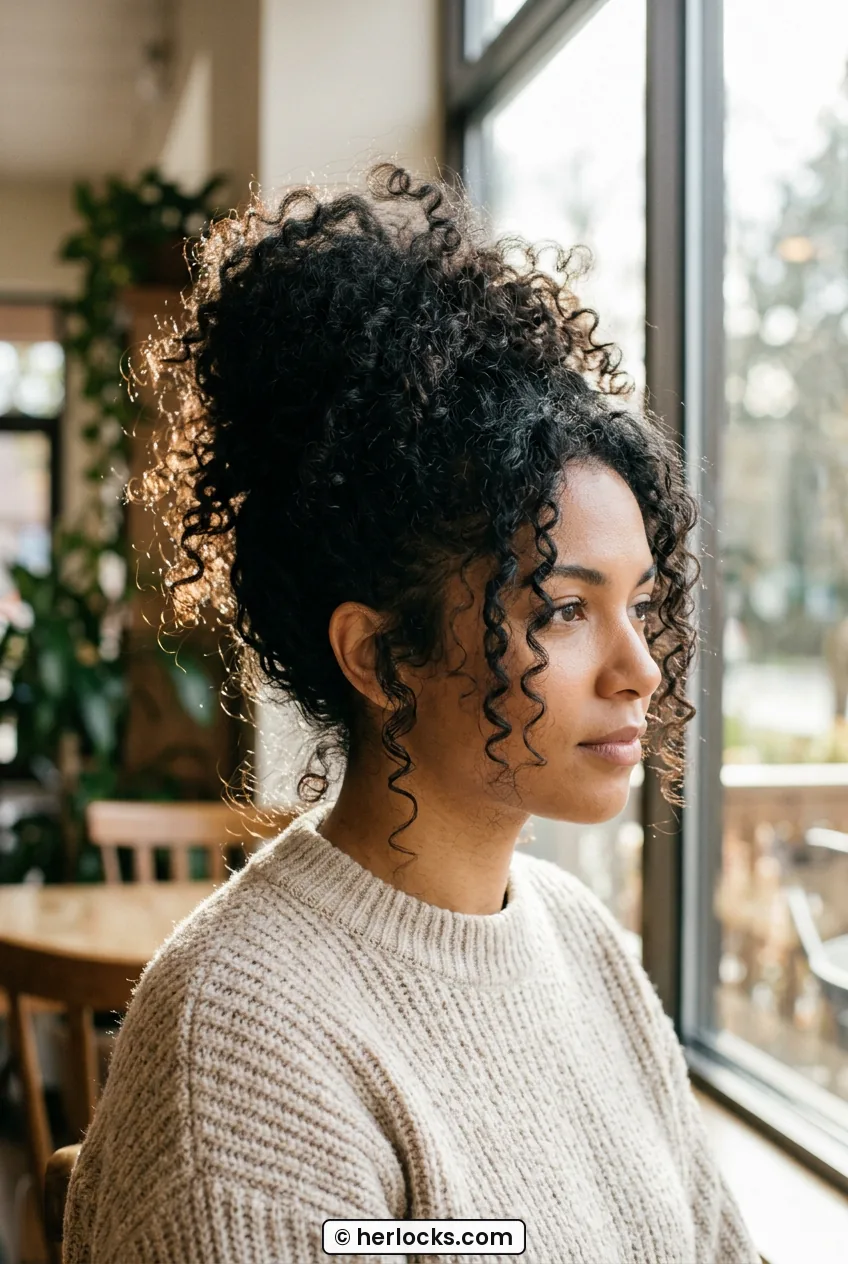
Night care matters more than morning styling for this. Pineapple at night, satin pillowcase, light refresh with water and leave-in in the morning. These winter curly hair care basics saved my ends last year when the heat was blasting nonstop. And in summer? Just add a little extra gel at the crown for humidity.
What I Ask Before I Commit to a Cut
So that is my little year-round edit. If you take one thing from me, let it be this: try every new style with a hat, with rain, and on day two. If it survives all three, it earns a spot in your rotation.
Which one are you trying first? I am still bouncing between my clip twist and my lob most days. Tell me yours, I read every comment and I love a good hair update.