







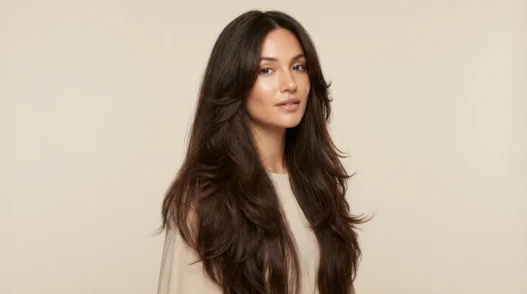
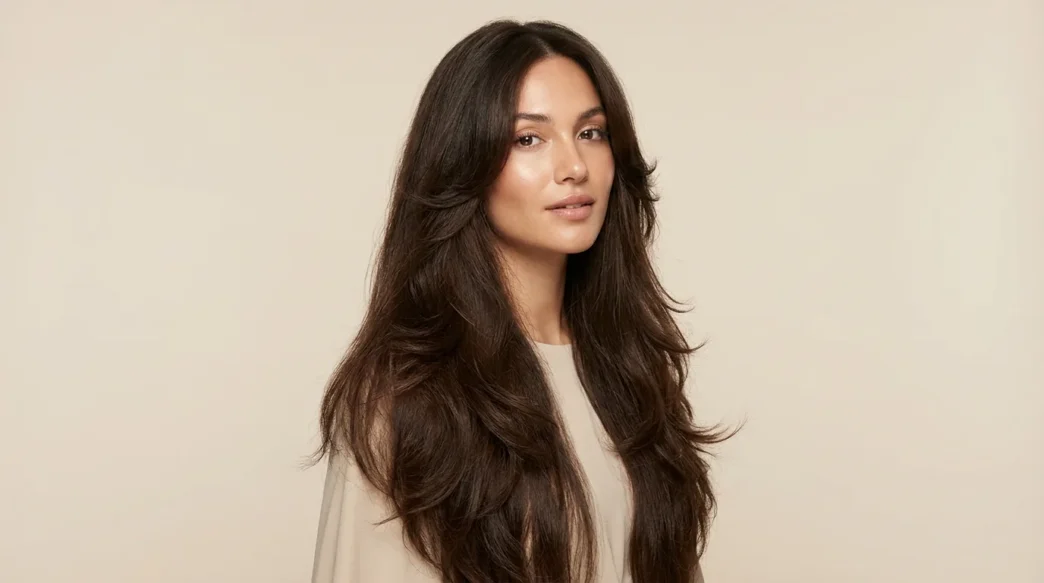
I did not plan to get a butterfly cut. I went in for a trim in late spring and left with chin-grazing pieces and a stylist telling me, trust me, you will see. She was right. For three weeks straight, strangers and friends asked if I had done something different, even though my length had barely moved.
That is the whole trick of a butterfly haircut long hair version. It looks like nothing changed from the back, and like everything changed from the front. And in 2026, that quiet transformation feels exactly right.
How It Started
If you lived through the late 90s, you already know this haircut. You just called it something else. Back then it was the Charlie Angel flick, the Rachel grow-out, the mall-bang with long layers underneath. Two distinct lengths living on one head. Short and bouncy around the face, long and sleek down the back.
What I love about the 2026 version is how much softer it got. The old 90s butterfly haircut was loud. Big roller blowouts, crispy flipped ends, so much hairspray your bangs did not move in wind. This one whispers. The face-framing pieces start a little lower, usually at the cheekbone or lip, and they melt into the length instead of sitting on top of it like a separate haircut.
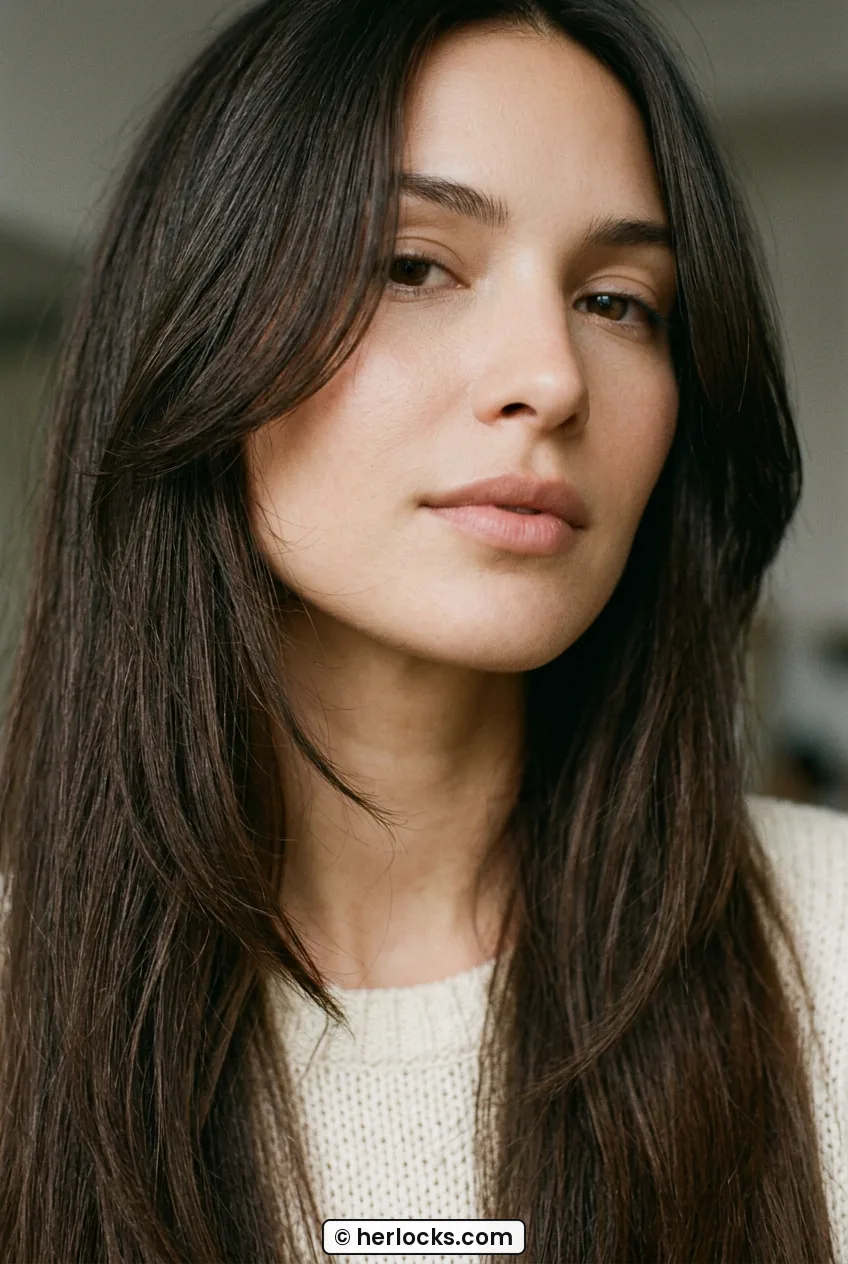
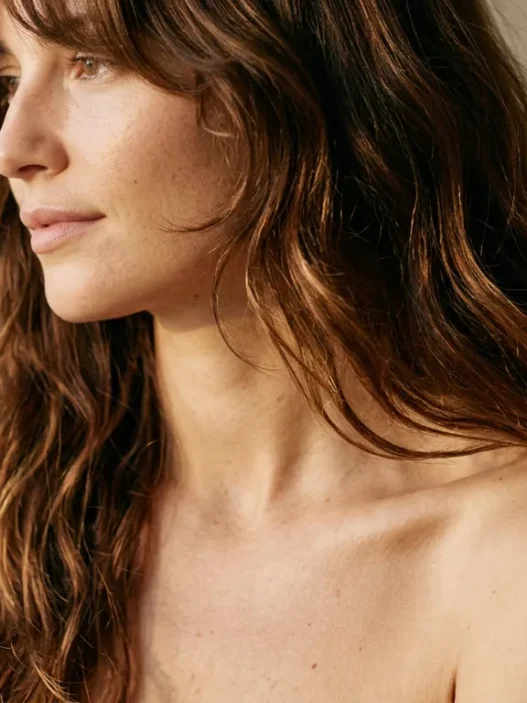
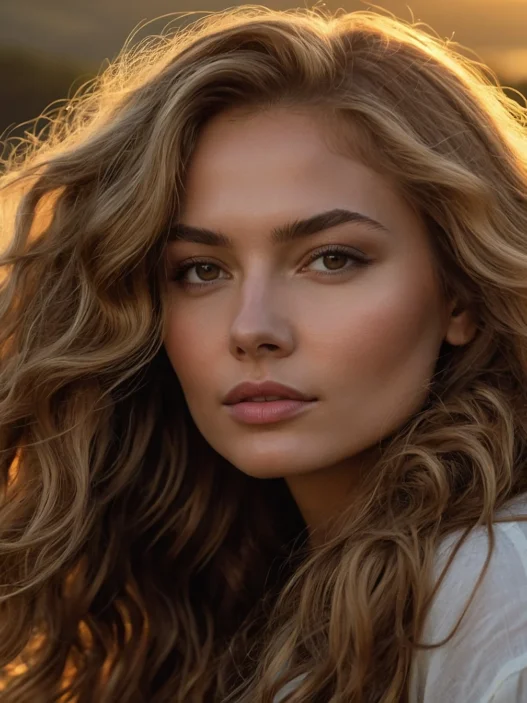
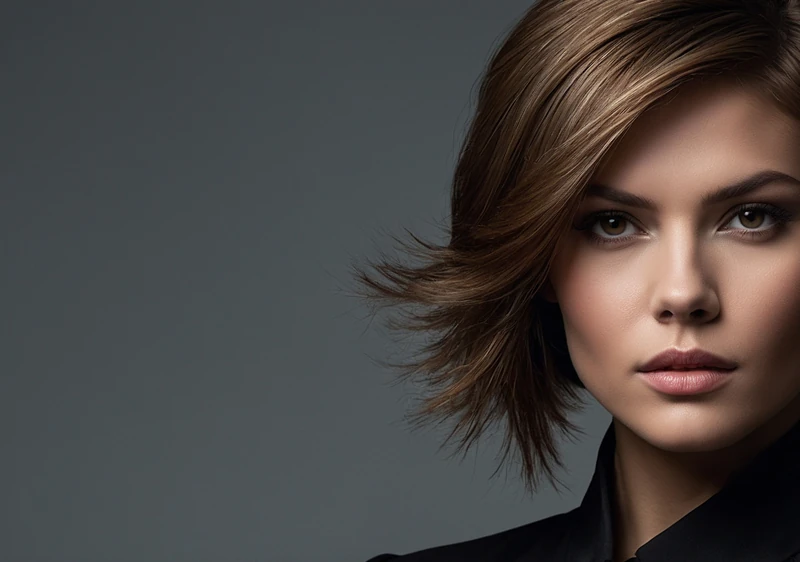
Look at how she’s wearing hers, that first short layer kicks out right at her cheekbone and then curves in toward her jawline. That angle is exactly what I mean about the new softness. It is not a chunky step. It is a well-blended slope.
TikTok gets the credit, of course. Around 2023 the transformation videos exploded. Girl with one-length, waist-long hair sits down, stylist chops invisible short layers underneath, she pulls the top section forward and suddenly she has a bob and long hair at the same time. It was pure magic for the algorithm. I watched at least fifty of those videos before my own appointment, which probably explains why I caved.
But runways helped too. For two seasons now I have been seeing this in-between styling on the spring shows. Not a full shag, not a clean one-length. Models with very long hair but with the front pieces curled forward, tucked behind the ear, then pulled back out. It photographs like effort. If you want the fuller backstory on the shape, I keep sending friends to this butterfly haircut complete guide because it shows how the top and bottom sections are meant to work together.
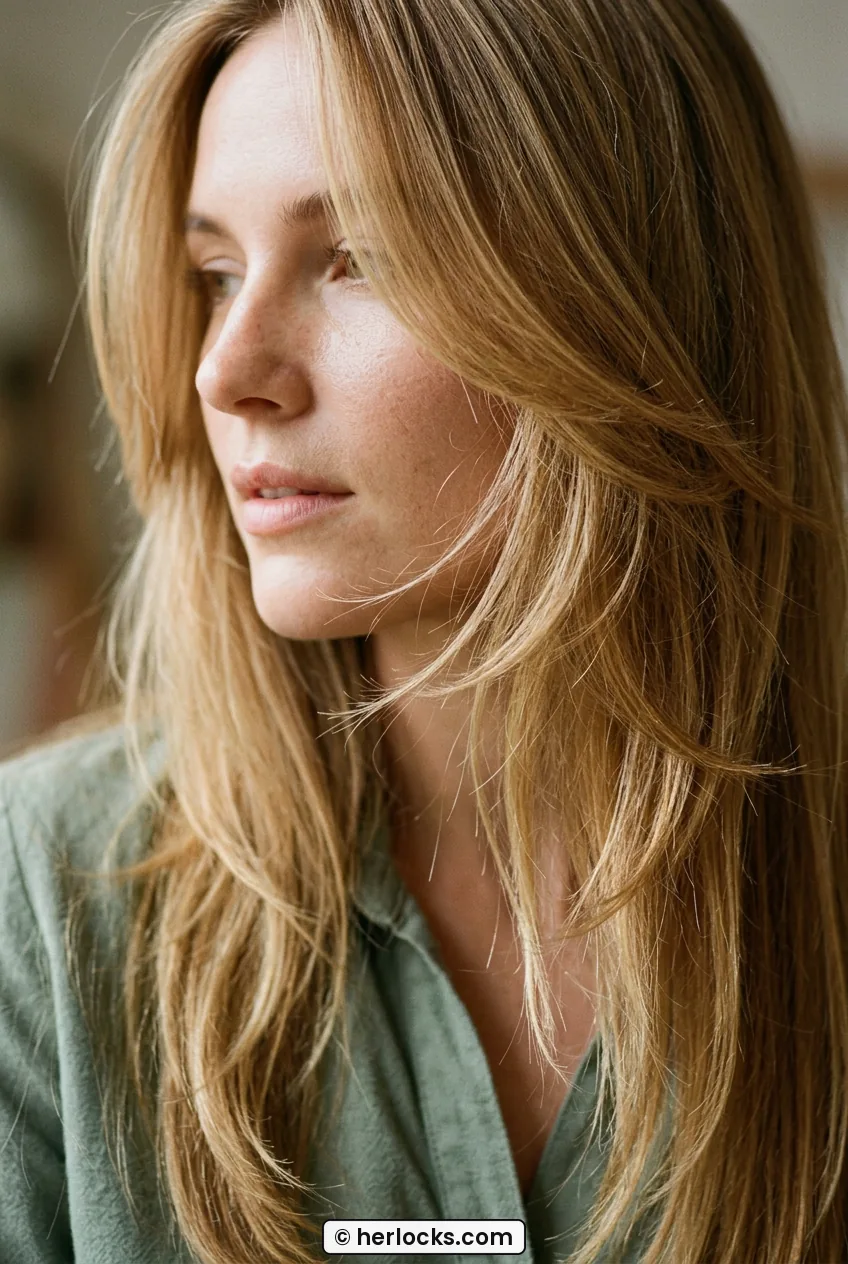
Here is my slightly controversial take, and my stylist friends groan when I say it out loud. I think the butterfly beat out the wolf cut and the jellyfish because it lets us pretend we are edgy without losing our safety blanket. We get to say we have layers, movement, a real haircut, while keeping every inch of length for a ponytail. It is commitment-phobia as a hairstyle. And honestly? I am fine with that.
The cultural timing matters. After years of either pin-straight glass hair or full curly-girl routines, both of which demand a lot of control, this cut offers a middle path. You can air-dry the back and just style the front. You can scrape it all back and still have those little tendrils to soften your face. It fits a post-perfection moment where we want to look polished but not overdone.
My mom had the original version in 1997 with frosted tips, and when I showed her my cut she laughed and said welcome back. She is not wrong. Fashion does this every 25 years. What feels different now is the cutting technique. Stylists are texturizing more, point-cutting instead of blunt-cutting, so the grow-out is less awkward. Mine is four months old and it still looks intentional, just longer and lazier, which suits me.
Who’s Actually Driving This
Is this just a TikTok haircut, or are real women actually asking for it in real salons?
Both, but not the same women. That is what makes this moment interesting. On TikTok, it is 19 to 26 year olds doing the dramatic reveal. Off TikTok, it is 30 to 45 year olds quietly asking for something that makes long hair feel lighter without going short. I sit in that second group. I do not want a bob. I tried a long bob lob styles cut in 2021 and spent eight months hating ponytails. Never again.
I asked three stylists in my city what people actually say at the chair, and none of them said clients walk in saying butterfly. They say things like, my hair feels heavy, my face looks dragged down, I want movement but I am growing it out. The stylist translates that to butterfly layers. So the name lives online, the need lives offline.
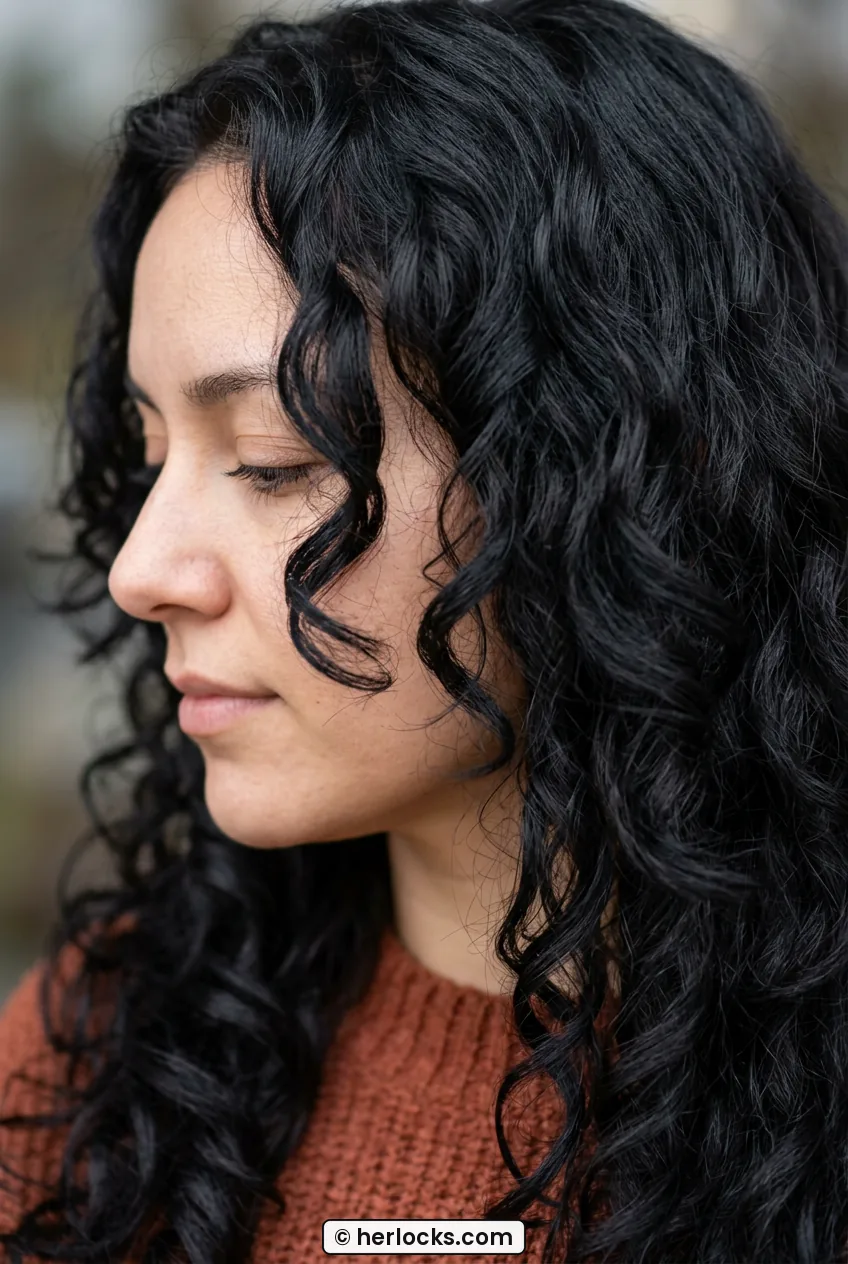
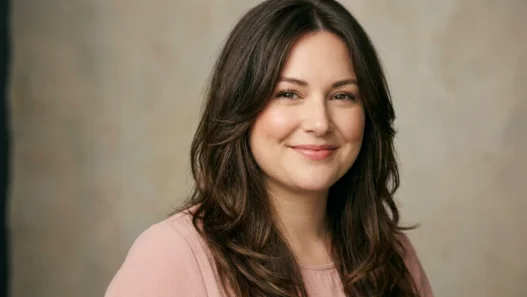
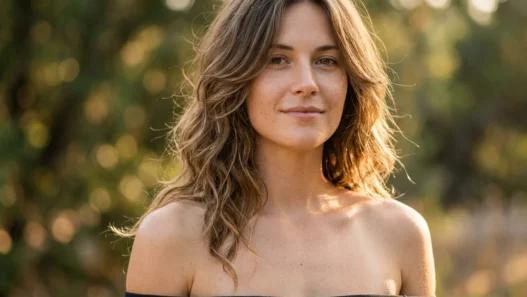
She’s got a similar face shape to mine, rounder in the cheek, and honestly this cut looks incredible on her. See how it hits just below her chin and opens up? That is why my long-faced friends and my round-faced friends both end up with a version of it. The short pieces can be placed where you need lift.
What about curls? Does this even work for curly hair?
Yes, but it is a totally different haircut. On straight to wavy hair, the butterfly reads as two lengths. On curly hair, it reads as shape control. My friend Maya has 3B curls and she got what her stylist called a curly butterfly, with shorter curls on top to create volume at the crown and longer spirals underneath to keep length. It took out that triangle effect she hated. She diffuses just the top for five minutes and lets the rest do its thing. If you have tight texture, you can learn a lot from reading about layering curly hair before your consult because weight removal changes everything.
And medium hair? I thought this was only for super long hair.
That is the quiet shift I am seeing now. The original rule was you needed at least past-the-chest length to get the contrast. But stylists are adapting it for collarbone to armpit length. It becomes less butterfly, more soft shaglet. The wings are shorter, the back does not have as far to fall. I saw a woman on the subway last week with a shoulder-grazing version paired with wavy shoulder length cuts spring texture and it looked modern, not stubby. So if you are in that awkward growing-out-a-lob phase, this is actually your friend.
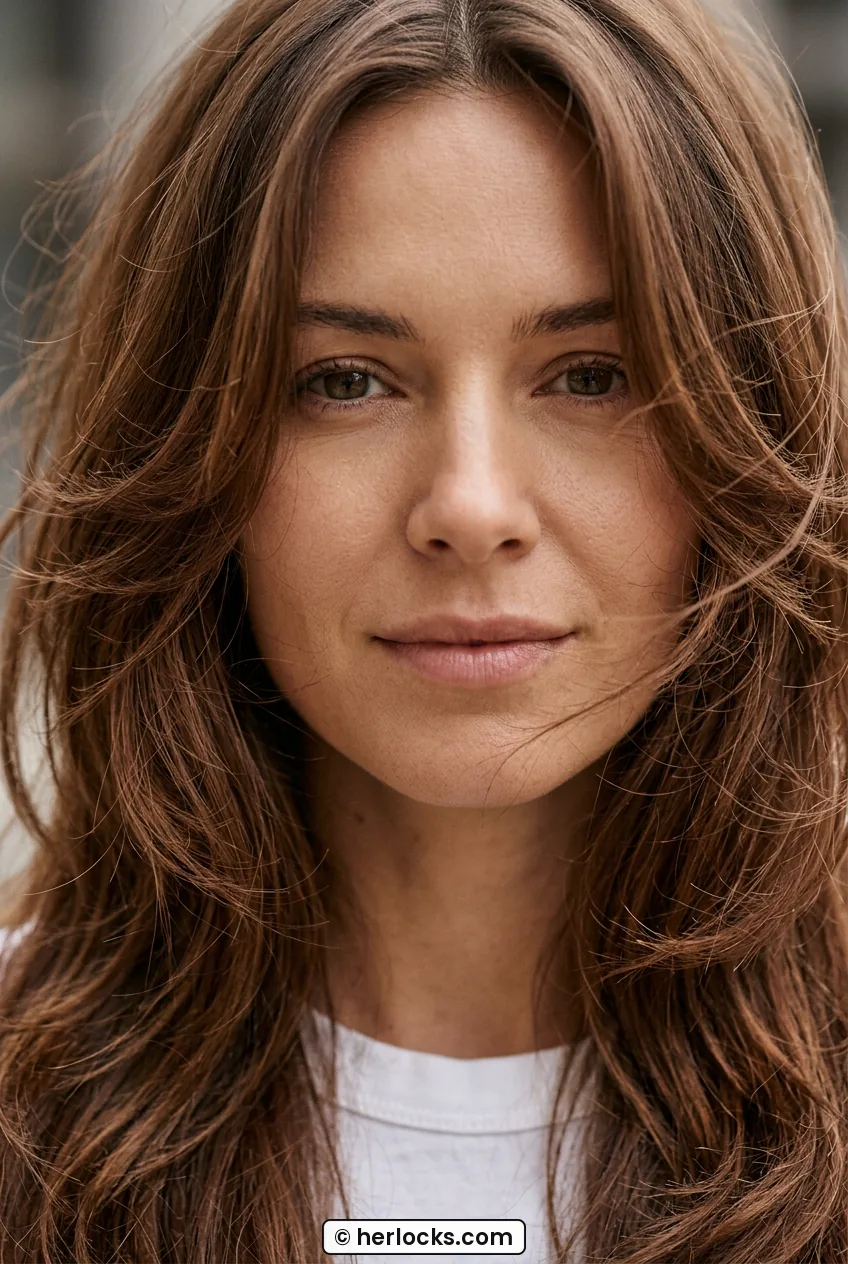
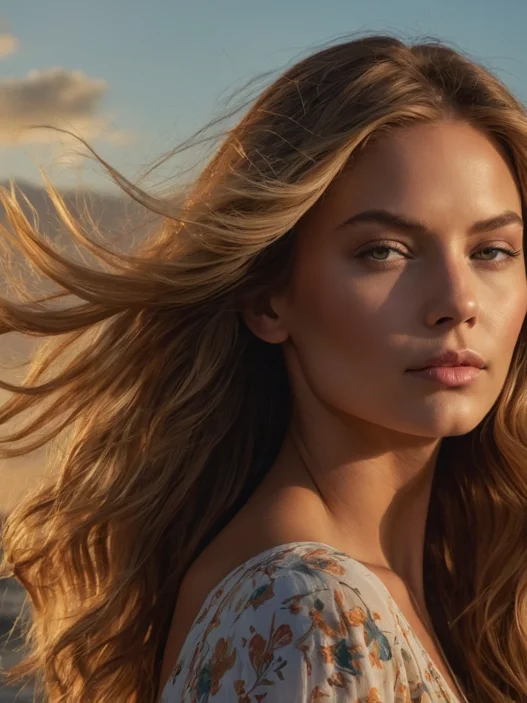
This is the length I am talking about for medium hair. Not waist-long, just past her shoulders, with those cheek-hugging tendrils doing all the work. You do not need mermaid length to get the effect, you just need a stylist who understands face framing.
Who is not driving it? Interestingly, celebrities are late. Apart from a few red-carpet blowouts, most A-listers are still in sleek buns or old-money bobs. This feels like a bottom-up trend, pushed by salon clients and mid-size creators, not handed down from a Met Gala moment. That usually means it has stronger roots.
What the Salon Industry Says
Stylists have mixed feelings, which I find telling. On the salon floor, the butterfly is both a moneymaker and a headache. It books well because it sounds specific and pretty. But it is technically demanding, especially on long hair where mistakes show fast.
- Consultation takes longer because placement changes the whole face
- Cutting dry versus wet changes how bouncy those front pieces spring up
- Styling education is non-negotiable, clients leave confused without it
- Grow-out needs a dusting plan at 10 to 12 weeks, not a full re-cut
My stylist told me she spends an extra 15 minutes just mapping where the shortest piece should hit. Jawline for width, cheekbone for lift, chin for softening. Get it wrong and the client thinks the cut is bad, when really the placement was off by an inch. That is why she now cuts the front dry on me, after rough-drying, so she can see the real fall.
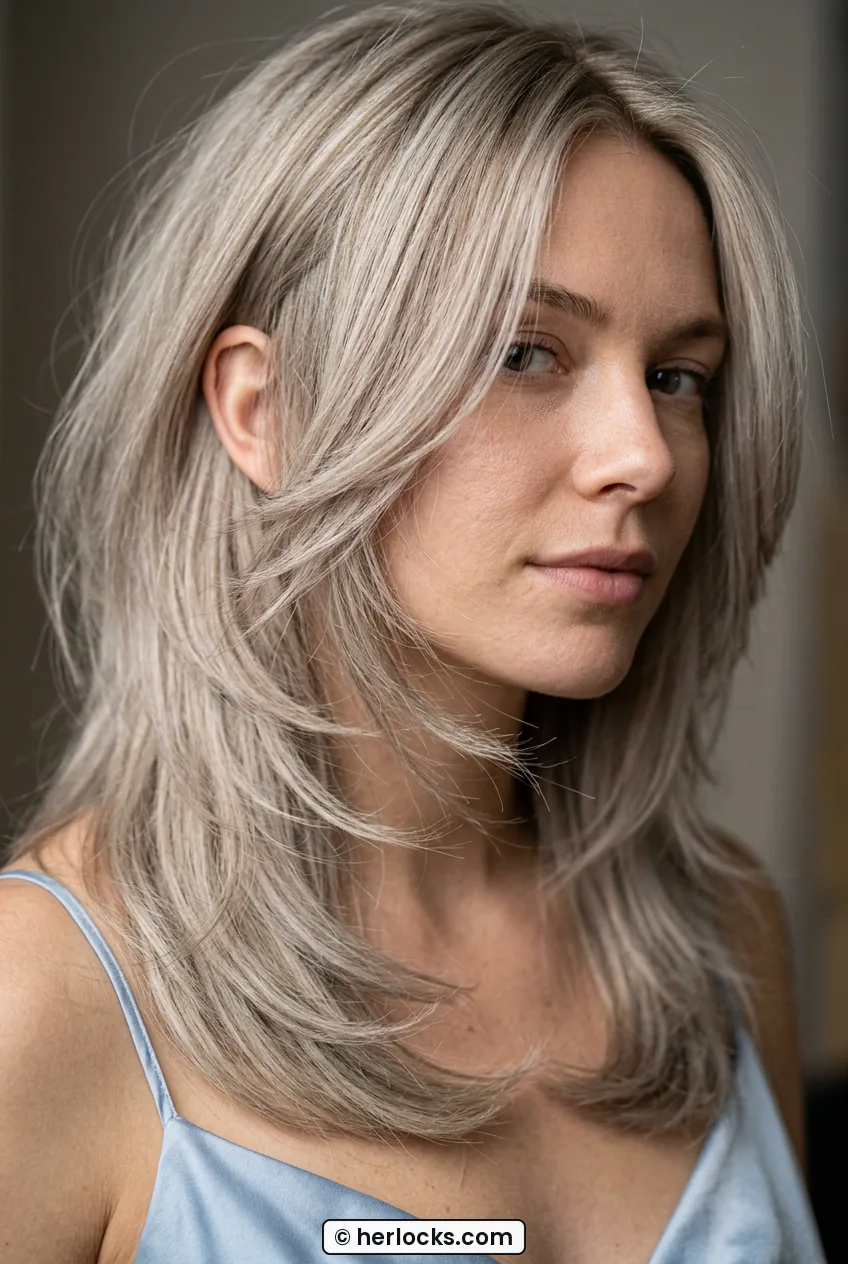
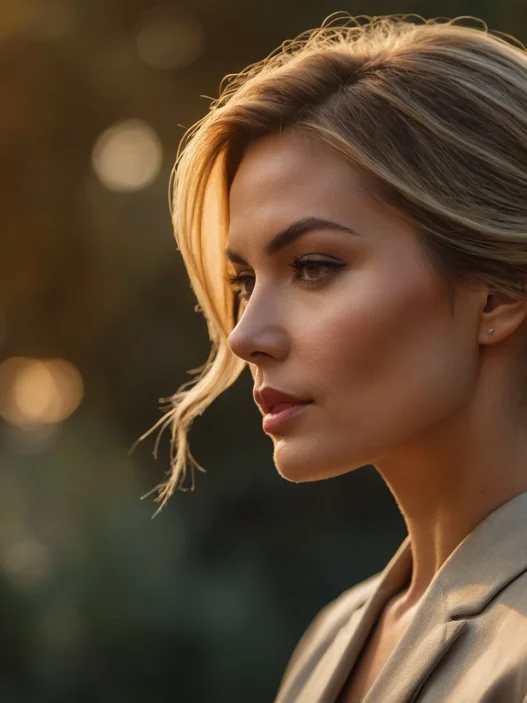
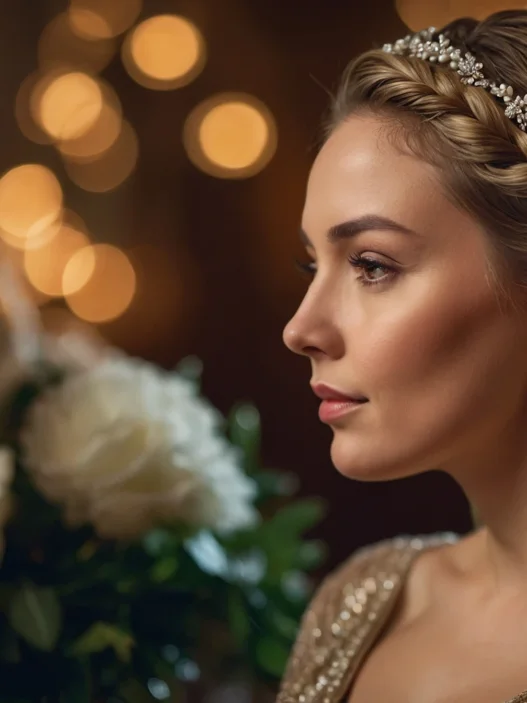
Look closely at her jawline here. See how the hair tucks and then flicks? That is dry-cut precision. You cannot get that feathered edge if you cut everything soaking wet and hope it lands right.
I do not style the whole head anymore. I style the front six inches and let the back be lazy. That is the real butterfly routine.
Products matter less than technique, which surprised me. I expected a long list of must-buys. Instead, most pros say the same thing. A heat protectant, a medium round brush or a flat iron turned under, and a light texture spray. The key is over-directing the front layers forward when you blow-dry, then flicking them away from the face at the very end. You can read up on blowout techniques for curtain bangs before you try it because the motion is almost identical.
For fine hair, there is a warning I wish someone gave me louder. Too many short layers can make the ends look stringy. My hair is medium-fine, and my stylist kept the back fairly blunt with only internal softening. That preserved density while the front gave movement. If your hair is very fine, look at top long hairstyles fine hair ideas with your stylist and ask for fewer, longer wings rather than lots of choppy ones. Density first, flutter second.
Pricing has crept up too. Because this is positioned as a specialty cut, some salons charge a premium over a regular trim. I paid more, and I think it was worth it for the consultation time. But ask what is included. Does it come with a styling lesson? A grow-out trim? Those details make the difference between loving it for three months and hating it by week three.
See the Front Layers Styled Live
Whether It Outlives the Algorithm
So does it last? Let me put it next to its cousins, because that tells you a lot. The wolf cut was all attitude, heavy crown layers, edgy disconnect. Fun for photos, hard for work meetings. The one-length sleek cut is all discipline, perfect ends, no movement. Gorgeous but high maintenance emotionally. The butterfly sits in the middle. Professional from the back, playful from the front. That duality is why I think it survives.
Generational signaling plays in here too. Gen Z brought back the 90s irony, the claw clips, the brown lip liner, the overt referencing. Millennials, my generation, took the same reference and softened it. We do not want to look like we are in costume. We want the nod without the nostalgia drag. The 2026 butterfly gives us that. It reads current, not retro, even though we know exactly where it came from.
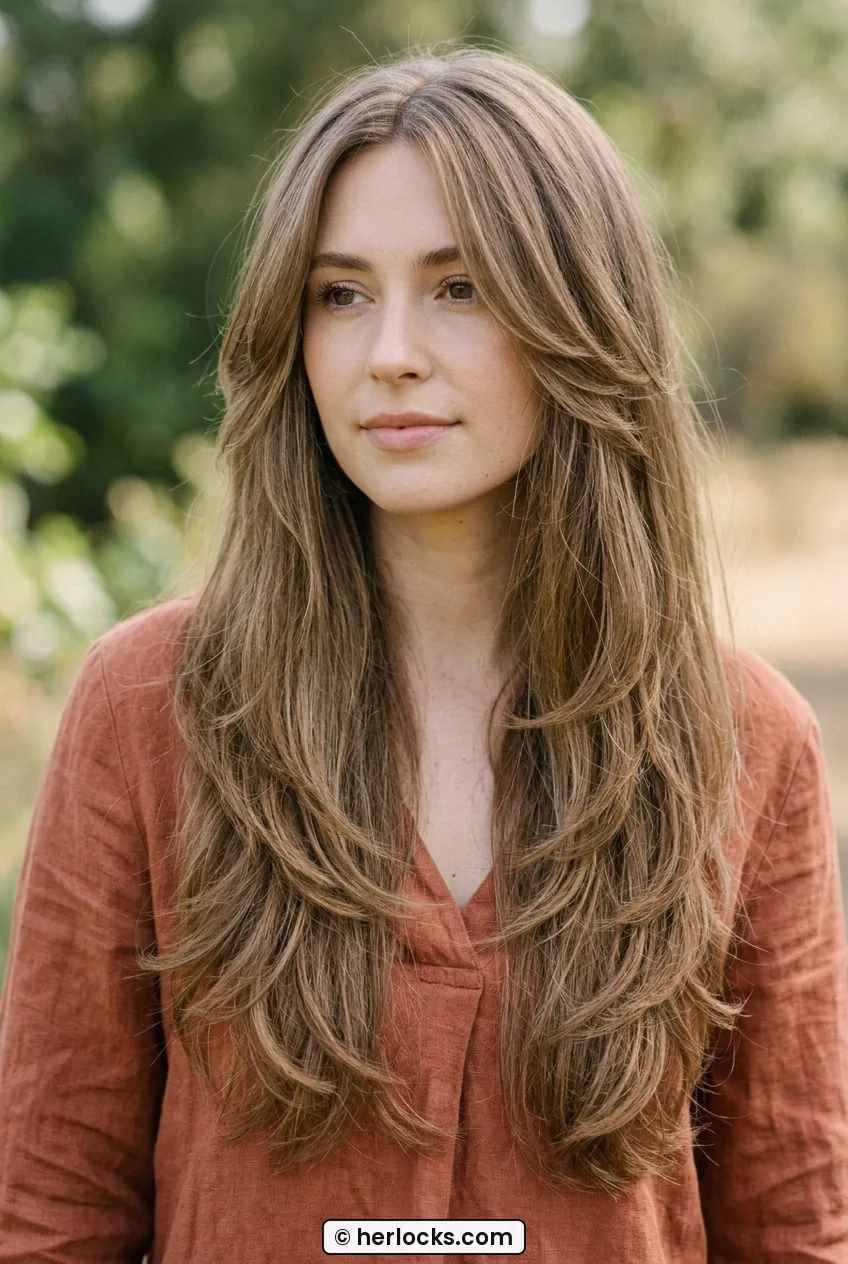
She is wearing the grown-out version here, longer in front, easy through the ends, and it still works. That grow-out is my whole argument for longevity. A trend that grows out gracefully stops being a trend.
Post-pandemic comfort is the other piece. We spent years in top knots and air-dried waves. We learned to do less. A cut that only asks you to style the pieces around your face fits how we actually live now. I work from home two days a week. On those days my routine is a two-minute front blowout while my coffee brews. On office days I do the full round-brush moment. Same haircut, two effort levels. You can get more background on why this layered approach keeps coming back in these layered fall haircuts volume breakdowns, the logic is the same, remove weight where you want lift.
There is also a maintenance reality that helps it. Unlike a blunt bob that looks grown out in six weeks, this one blurs. The shortest pieces grow into curtain bangs, then into regular face-framing layers. You are not trapped in a reschedule cycle. Stylists love that because it builds trust, clients love it because it saves money. Trends that save money tend to stick around.
My prediction? The name will fade by next year. We will stop saying butterfly the way we stopped saying Rachel. But the shape, those short, well-placed front layers with long length behind, will just become how long hair is cut. It will absorb into the default. And that is the highest compliment a trend can get. It stops being a moment and starts being an option. I am already seeing my stylist do it without calling it anything at all. She just asks, do you want some movement around your face? And of course I nod yes.
For fine or heat-weary hair, ask your stylist about volumizing long hair during the consult because placement alone can do half the lifting before any hot tool touches your head.
Anyway, I am off to wash just my bangs in the sink like a true butterfly convert. If you try it, tell me where your shortest piece hits. I am weirdly invested now. Talk soon.