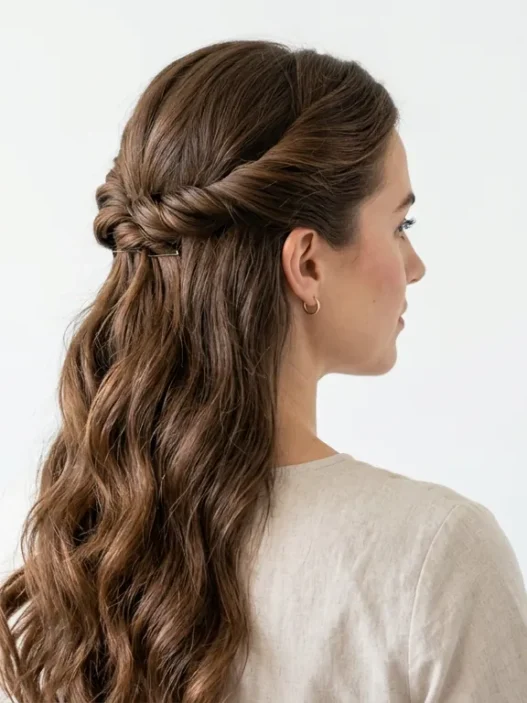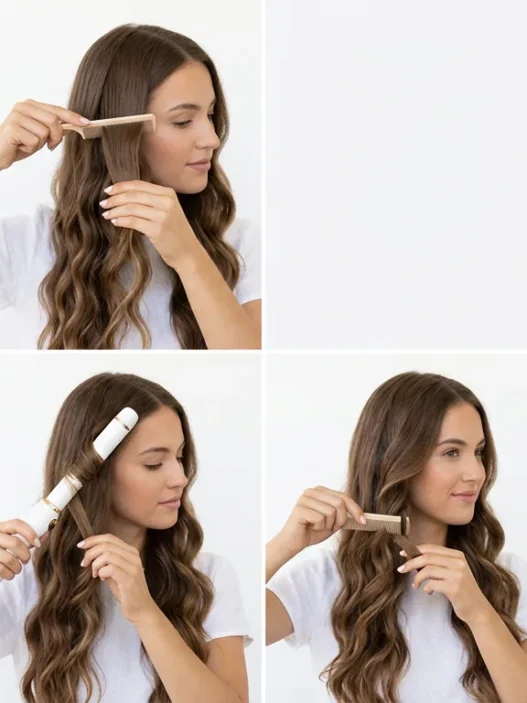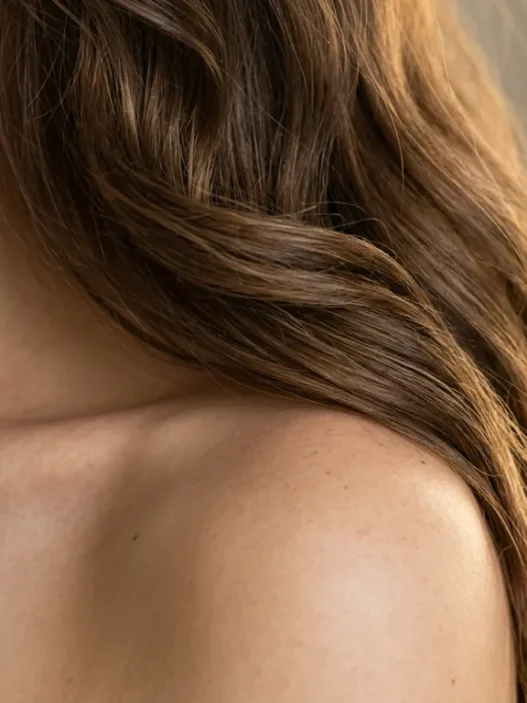












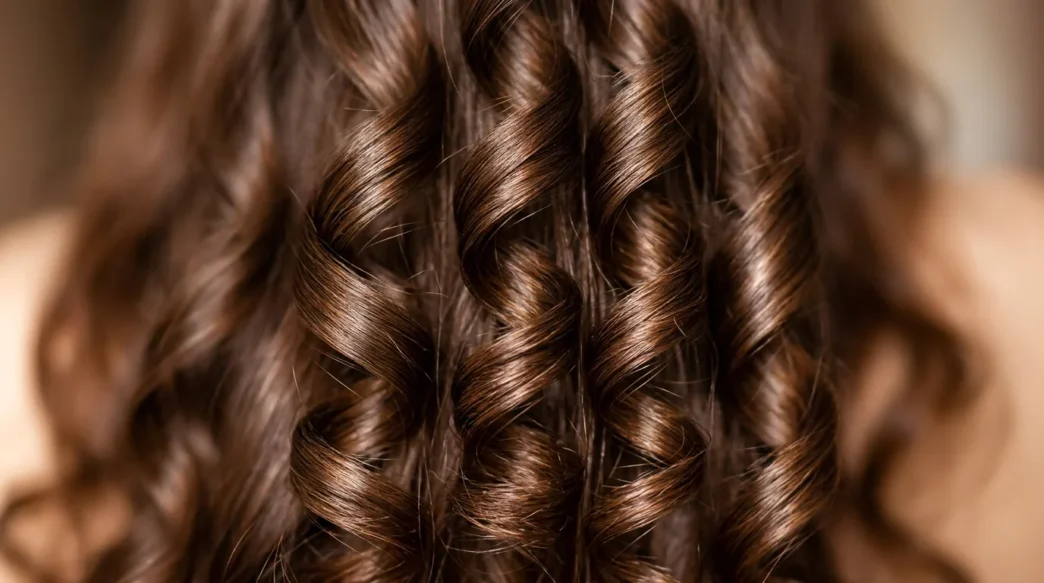
I spent years fighting my long wavy hair. It would start gorgeous in the morning — perfect spirals, beautiful definition — then turn into a frizzy, shapeless mess by noon. I tried everything from expensive salon treatments to DIY masks, but nothing stuck. Then I discovered it wasn’t about the products I was using. It was about HOW I was using them.
What You’ll Need
Here’s what I keep in my hair arsenal now. Nothing fancy, but each item has a purpose:
- Leave-in conditioner (lightweight formula)
- Curl-enhancing cream or mousse
- Wide-tooth comb
- Microfiber towel or cotton t-shirt
- Diffuser attachment for your blow dryer
- Hair clips for sectioning
- Light-hold hairspray
- Refresh spray for day two
Starting With the Right Products
The first thing I learned? Less is more. I used to pile on every curl product I owned, thinking more would equal better waves. Wrong. My hair would get weighed down and lose its natural bounce.
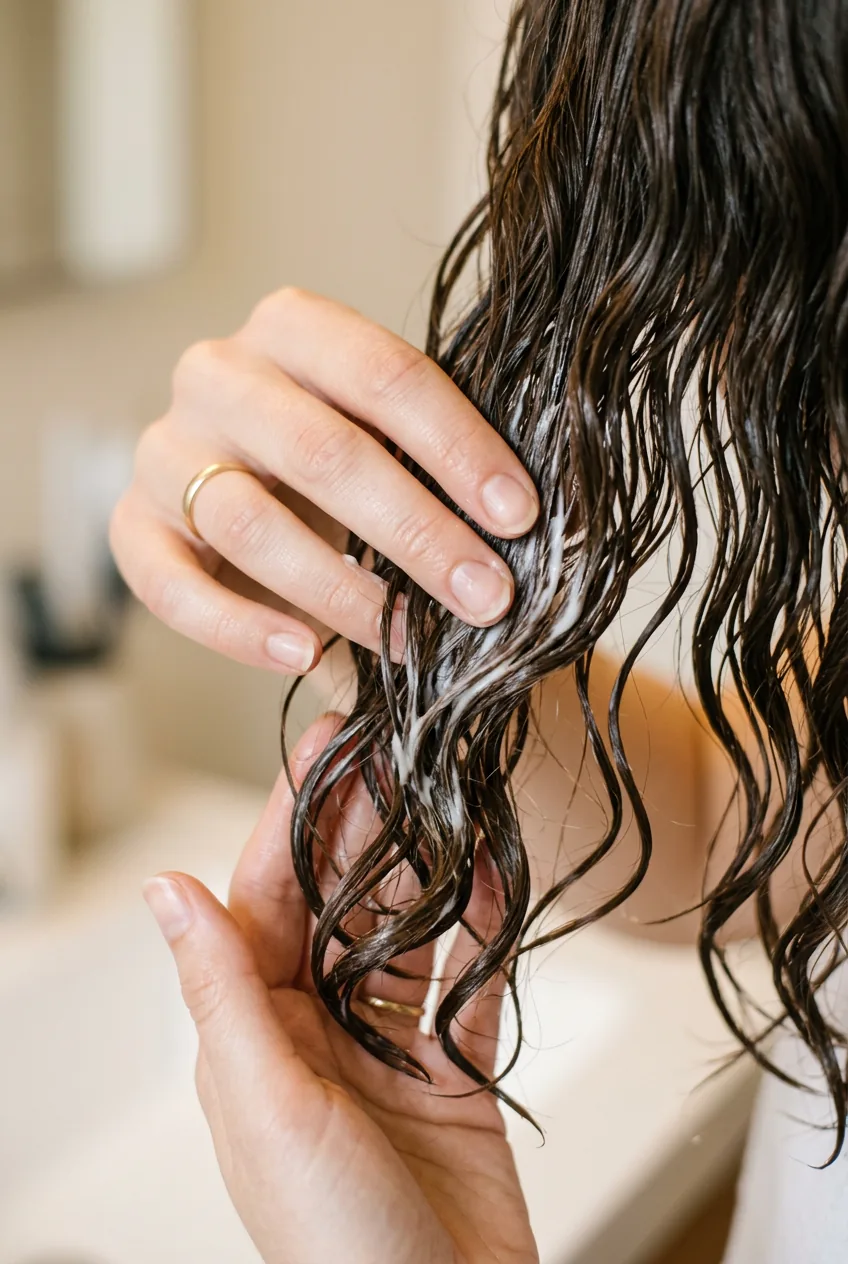
I start with a lightweight leave-in conditioner on damp hair — about a quarter-size amount distributed from mid-length to ends. Then comes the curl cream. The key here is choosing between cream and mousse, not using both. Cream gives me more definition but less volume. Mousse gives bounce but can sometimes feel crunchy if I use too much.
For my long waves, I prefer cream because the weight of my hair needs that extra moisture and hold. If you have shorter waves or want more volume, mousse might be your friend. The right products make all the difference in how your waves form and last.
The Prep Work Nobody Talks About
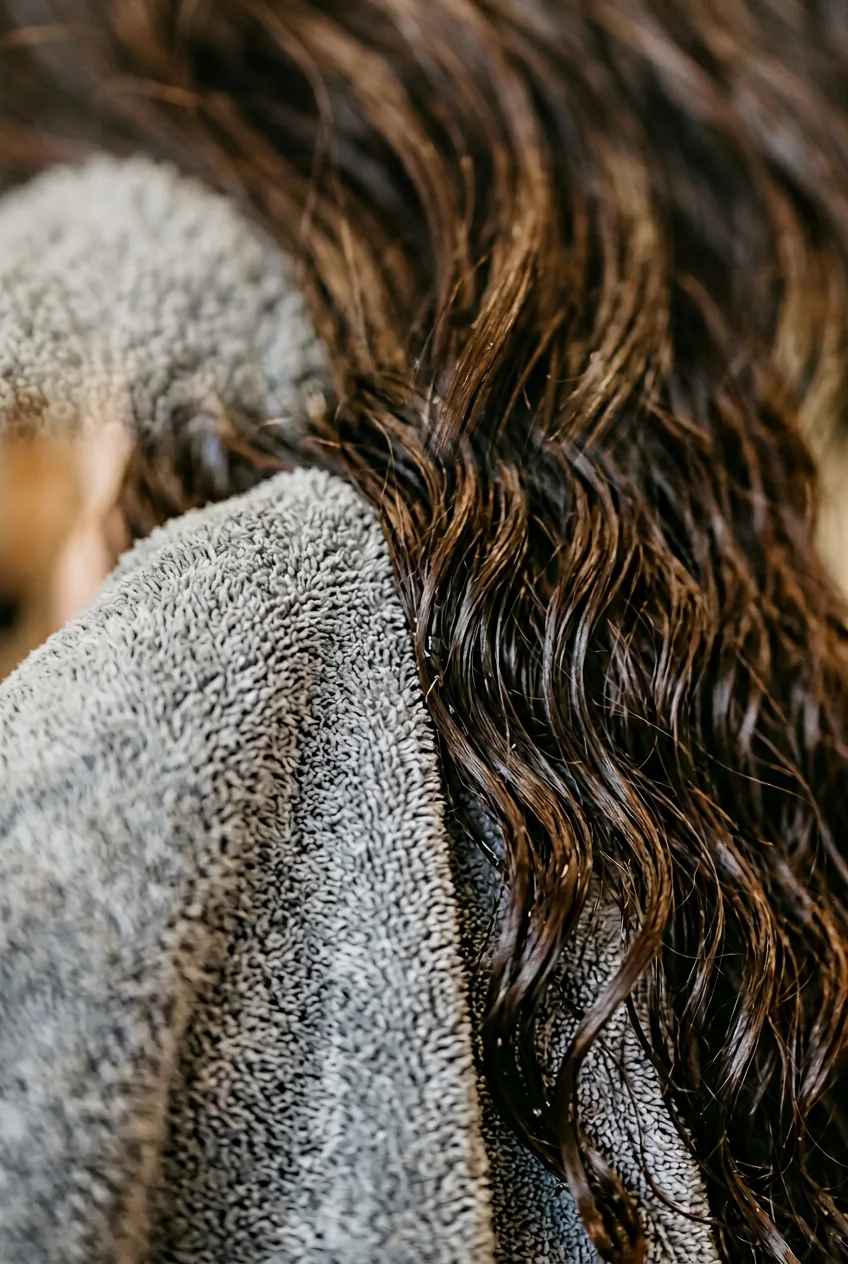
This part took me forever to figure out. I used to just squeeze out excess water with my hands and call it good. But how you remove water from wavy hair actually determines how well your products distribute and how your waves will form.
After washing, I gently squeeze out water with my hands first. Not wringing, not twisting — just cupping sections and pressing gently. Then I take my microfiber towel (game changer from regular terry cloth) and press it against my hair in sections. I’m not rubbing or scrunching yet. Just pressing.
Your hair should be damp but not dripping when you apply products. Too wet and the products will slide right off. Too dry and they won’t distribute evenly. It’s that sweet spot where your hair feels heavy with moisture but isn’t leaving puddles on your shoulders.
The Scrunching Technique That Changed Everything
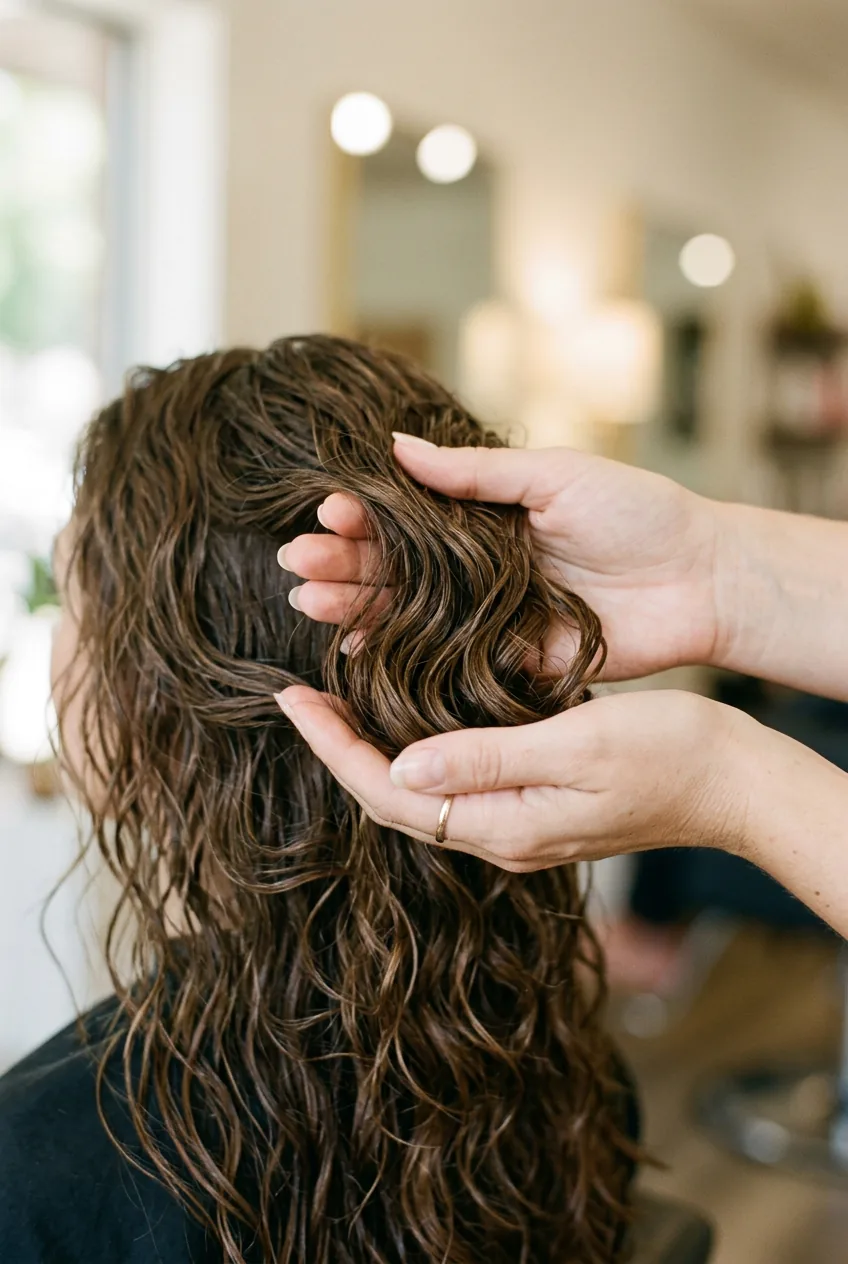
Here’s where everything clicked for me. I was scrunching all wrong. I thought you had to be aggressive about it — really grab those curls and scrunch hard. That just created frizz and broke up my wave pattern.
The right way feels almost too gentle at first. I take a section of hair and cup it in my palm, then gently press upward toward my scalp. Hold for a few seconds, then release. I’m not squeezing tight or twisting. Just supporting the hair while it naturally coils.
I spent months wondering why my waves looked stringy and separated. Turns out I was breaking up the natural curl clumps by being too rough with the scrunching. Once I started treating my hair like delicate silk, everything changed.
Work in sections — about six sections for long hair. I start at the nape of my neck and work my way up. Each section gets the gentle scrunch treatment, encouraging the waves to form their natural spiral pattern. Some people like to add more product at this stage, but I find the initial application is usually enough.
Drying Without Destroying Your Pattern
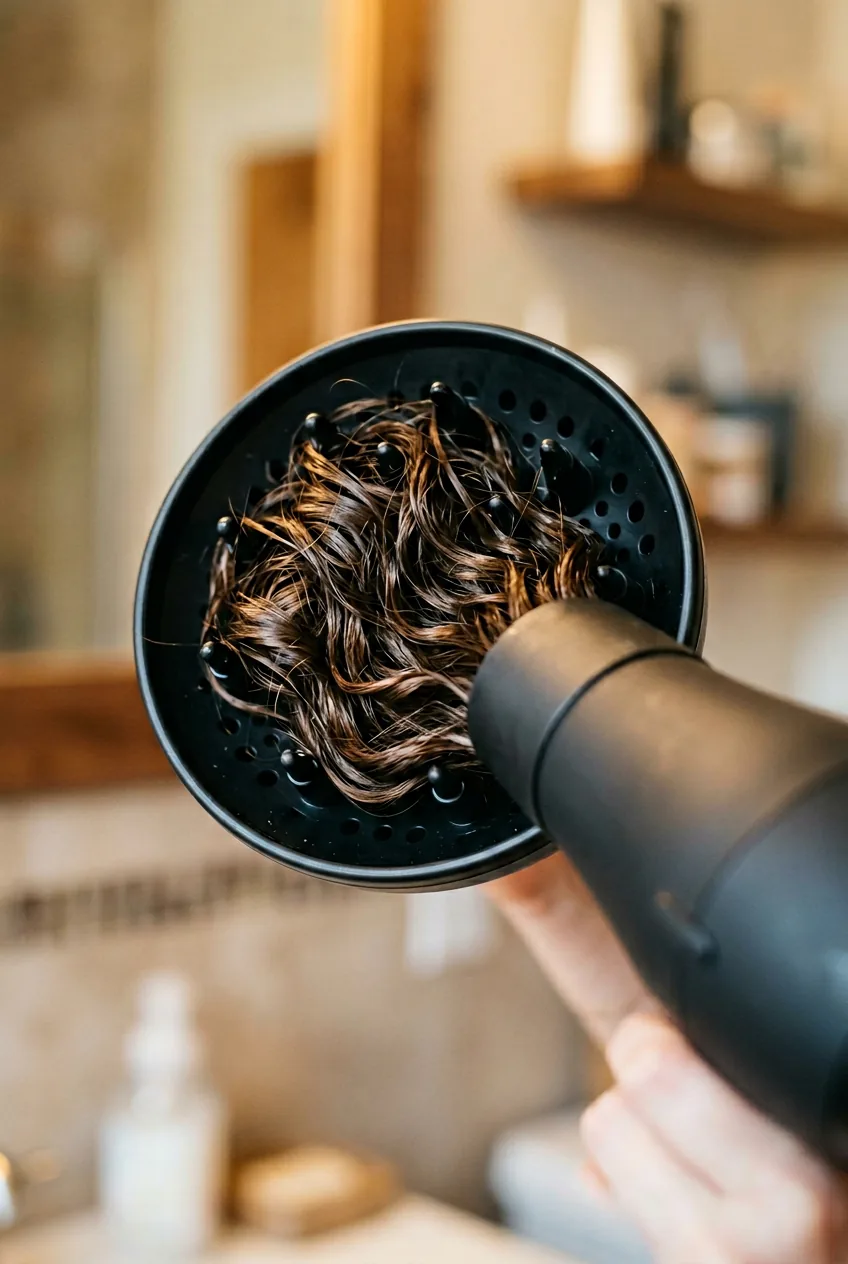
This is where most people mess up their beautiful wet waves. Air drying sounds gentle, but it can actually cause frizz as your hair moves around. Heat styling seems scary, but done right, it locks in your pattern.
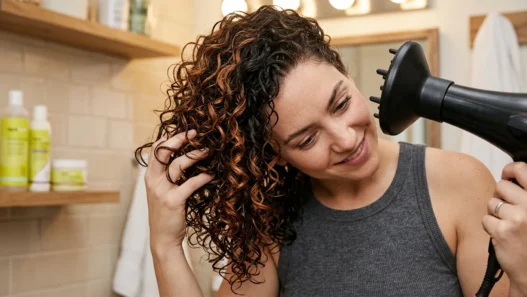
I use my diffuser on low heat, low speed. The key is not to move the diffuser around too much. I place a section of hair in the bowl of the diffuser, bring it up to my scalp, and hold it there for about 30 seconds. Then I move to the next section.
Some days I’ll diffuse about 80% dry, then let it air dry the rest of the way. This gives me the best of both worlds — the frizz control of heat styling with the natural texture of air drying. The whole process takes about 15 minutes of active diffusing.
I learned about proper curly wavy drying techniques through trial and error, but it was so worth mastering this step.
Setting Your Waves for All-Day Hold
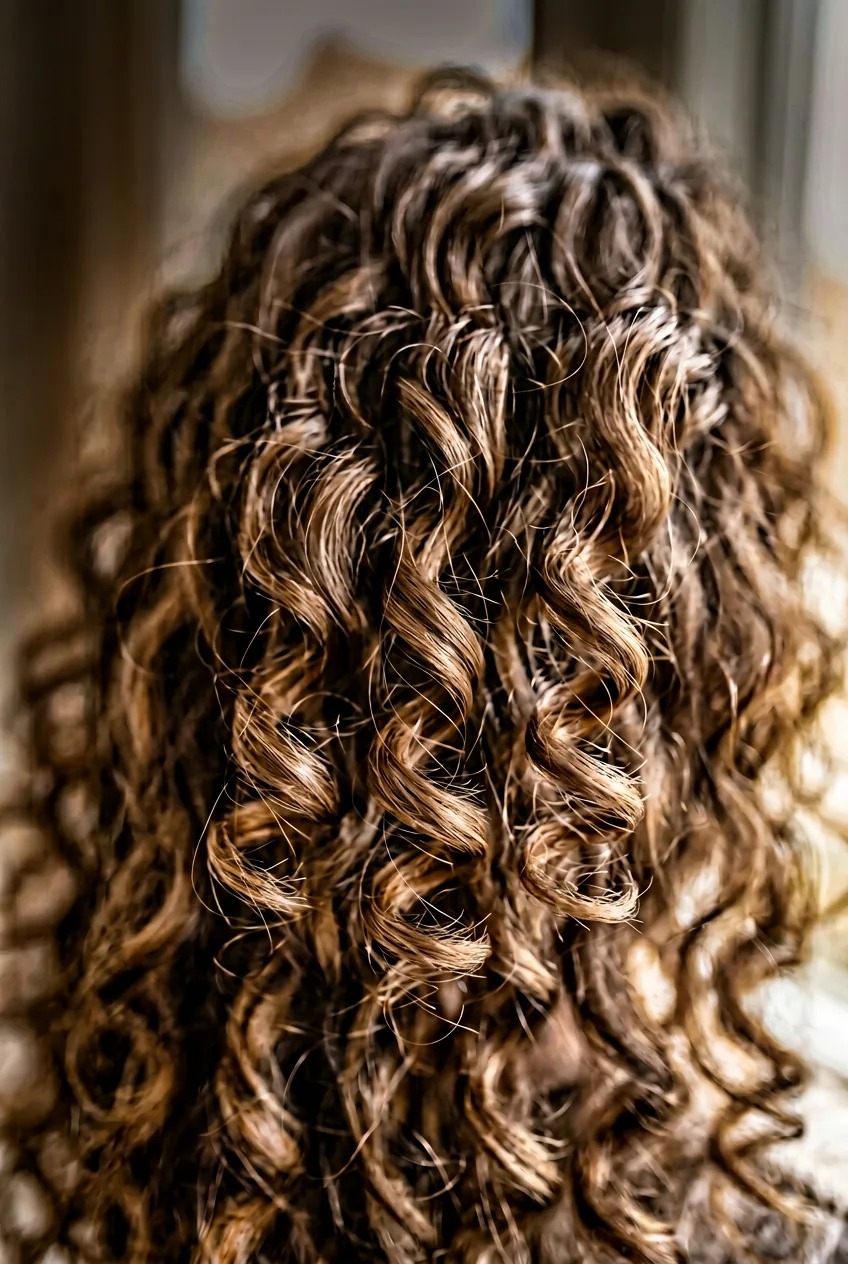
Once my hair is completely dry, there’s usually a slight “crunch” from the styling products. This is actually good — it means the products formed a cast around each wave. But nobody wants crunchy hair all day.
I gently scrunch out the crunch with dry hands, working in the same sections I used for styling. This breaks the cast but leaves the wave pattern intact. The result is soft, touchable waves that still have hold and definition.
Then I hit it with a light mist of flexible hold hairspray. Not the helmet-hair kind — something that moves with your hair. I hold the bottle about 12 inches away and give each section a quick spritz. This seals everything in place without making it stiff.
Refreshing Second-Day Hair
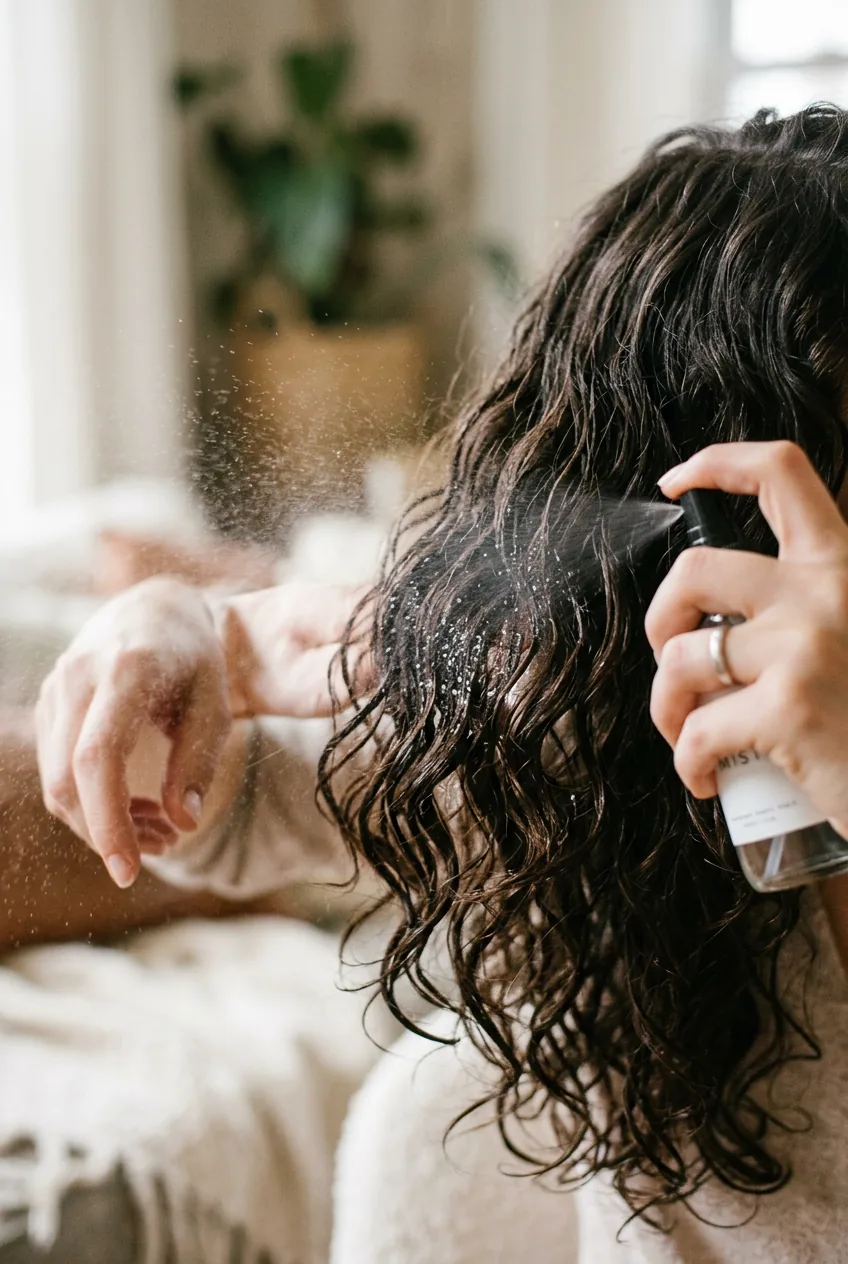
Second-day waves used to be my nemesis. I’d wake up with half my waves flattened and the other half somehow more defined than the day before. Now I have a system that actually makes day two better than day one sometimes.
I sleep with my hair in a loose top knot using a silk scrunchie. In the morning, I take it down and assess the damage. Usually, there are a few sections that need refreshing.
For flat spots, I lightly mist with water mixed with a tiny bit of leave-in conditioner, then scrunch those sections and let them air dry. For frizzy pieces, I smooth a tiny amount of curl cream between my palms and gently press it over the problem areas.
The trick is addressing individual sections rather than redoing your whole head. Most of your waves are probably still gorgeous — you just need to rescue the trouble spots. Proper maintenance extends the life of your style significantly.
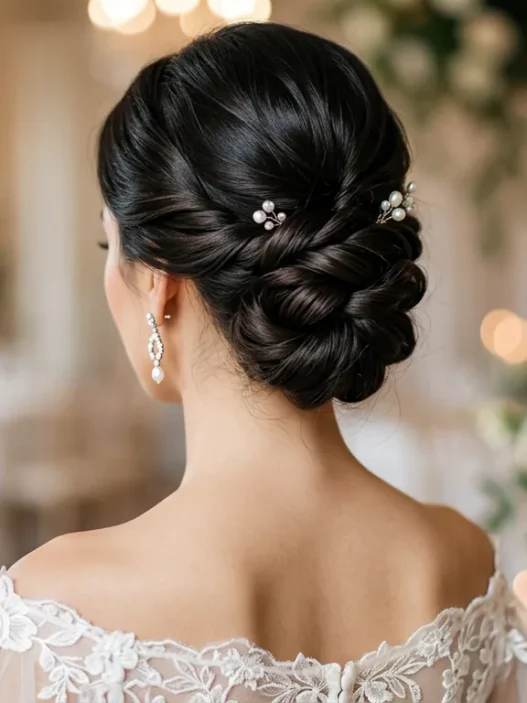
When I perfect those trendy ponytails updos long hair looks, I use this same wave-setting technique as the base — it makes updos so much more interesting when you start with great texture.
Questions I Get About This Method
Can this work on chemically treated hair?
Yes, but you might need to adjust your products. Color-treated or chemically processed hair tends to be more porous, so it may need extra moisture. I’d recommend adding a protein treatment once a week and using slightly heavier leave-in products.
How often should I wash to maintain these waves?
I wash every 3-4 days now, which took some getting used to. On non-wash days, I refresh with the method above. Some people can go longer, but my hair gets oily at the roots after about four days.
What if my waves are different textures throughout my head?
This is totally normal! I have looser waves at the crown and tighter spirals underneath. I use slightly less product on the tighter sections and sometimes diffuse them for a shorter time. It’s about working with your hair’s natural patterns, not forcing uniformity.
Will this method work in humid weather?
Humidity is always challenging, but this method actually helps because you’re sealing the hair cuticle with proper products and techniques. On extra humid days, I use a bit more anti-frizz serum and make sure my hair is completely dry before I leave the house.
Now my long wavy hair actually looks intentional instead of like I just rolled out of bed. The waves stay defined from morning until night, and I finally feel confident wearing my hair down. It took some practice to get the technique down, but once I did, everything became so much easier. My waves work with me now instead of against me.