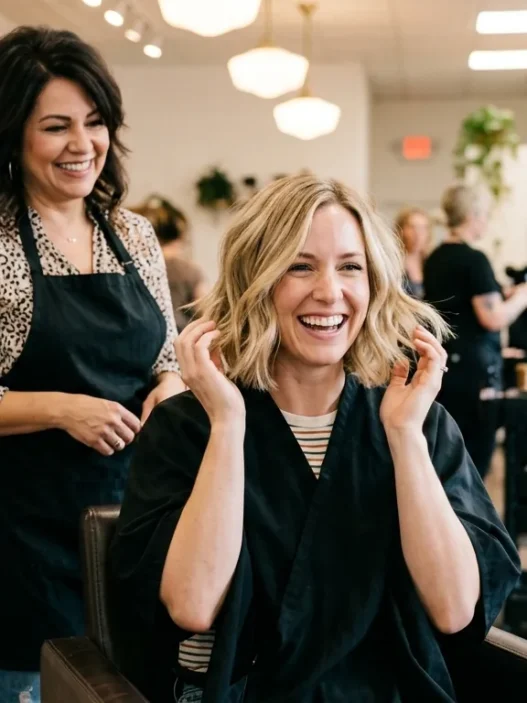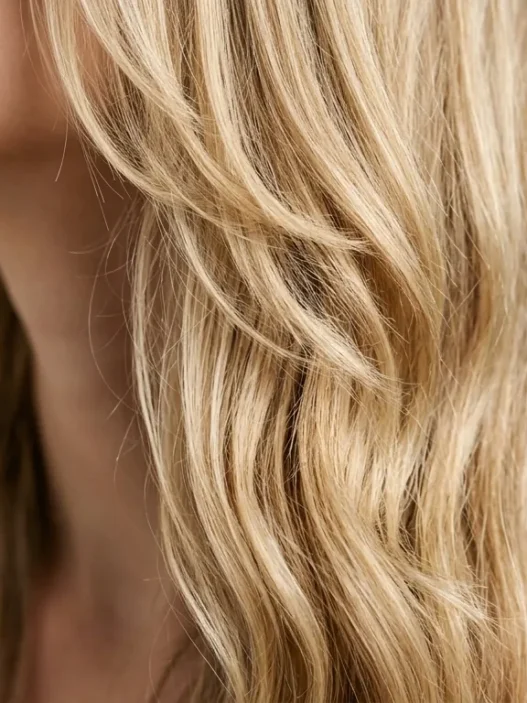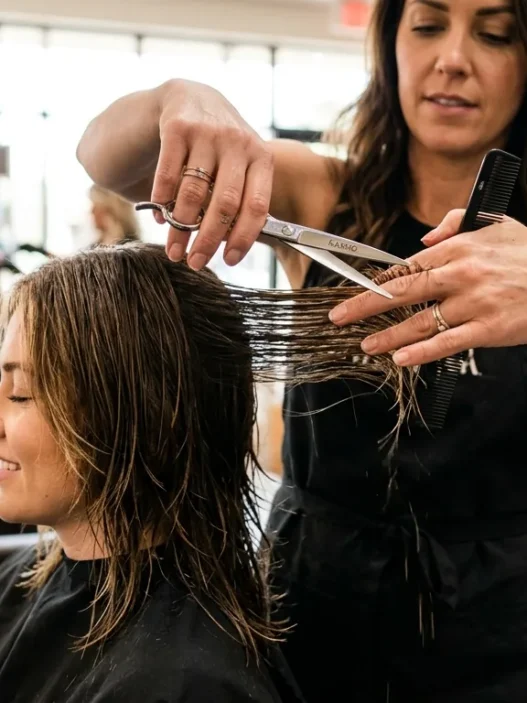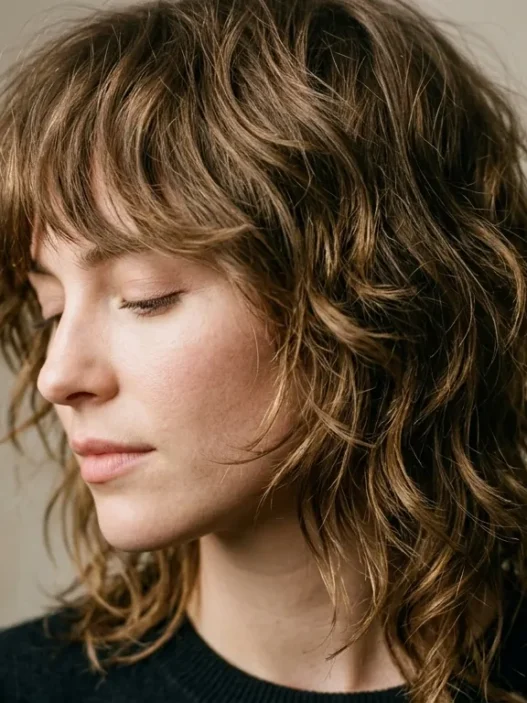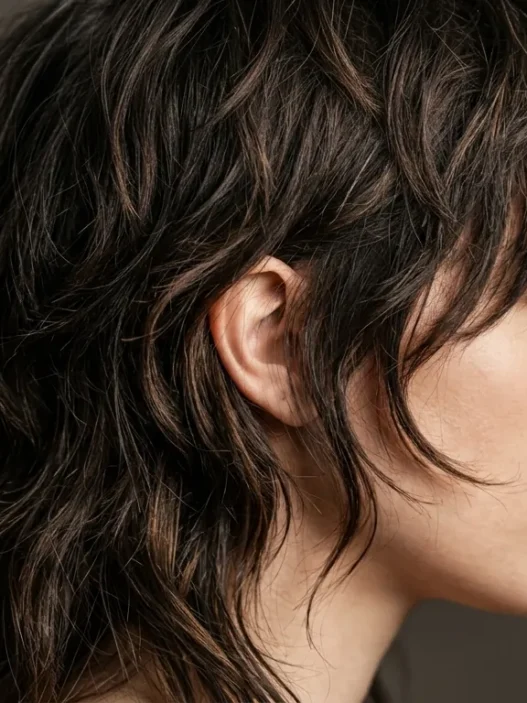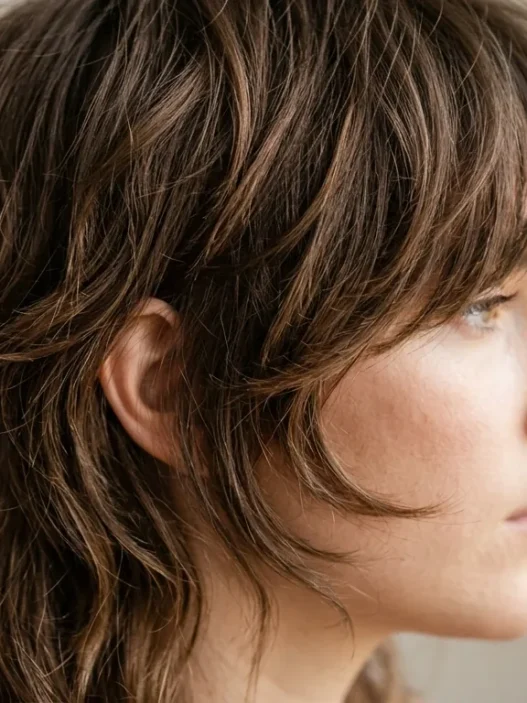







I was scrolling through my feed last week when I saw it — another stunning shot of those lived-in, perfectly imperfect layers that made the 90s so iconic. But here’s the thing: they didn’t look like the chunky, over-teased disaster I remember from high school. These layers were… sophisticated? Effortless? I had to dig deeper into what’s actually happening with this trend.
What’s Inside This Hair Revival Guide
What Changed About 90s Layers
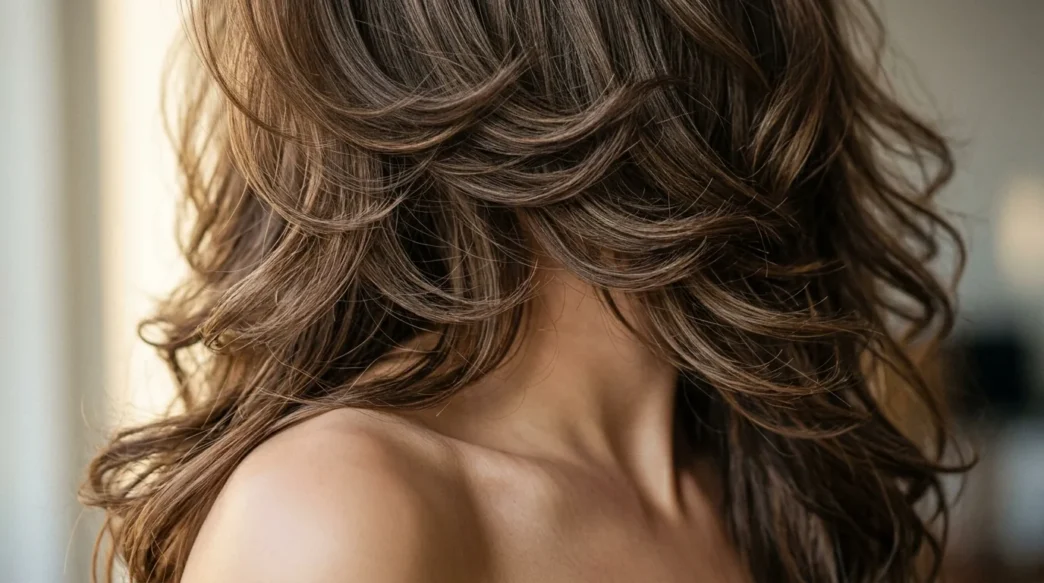
The difference between then and now? Everything. The 90s layers we’re seeing everywhere aren’t the harsh, stepped cuts that looked like someone took garden shears to your hair. Modern stylists have figured out how to keep that dimensional movement while making it actually wearable.
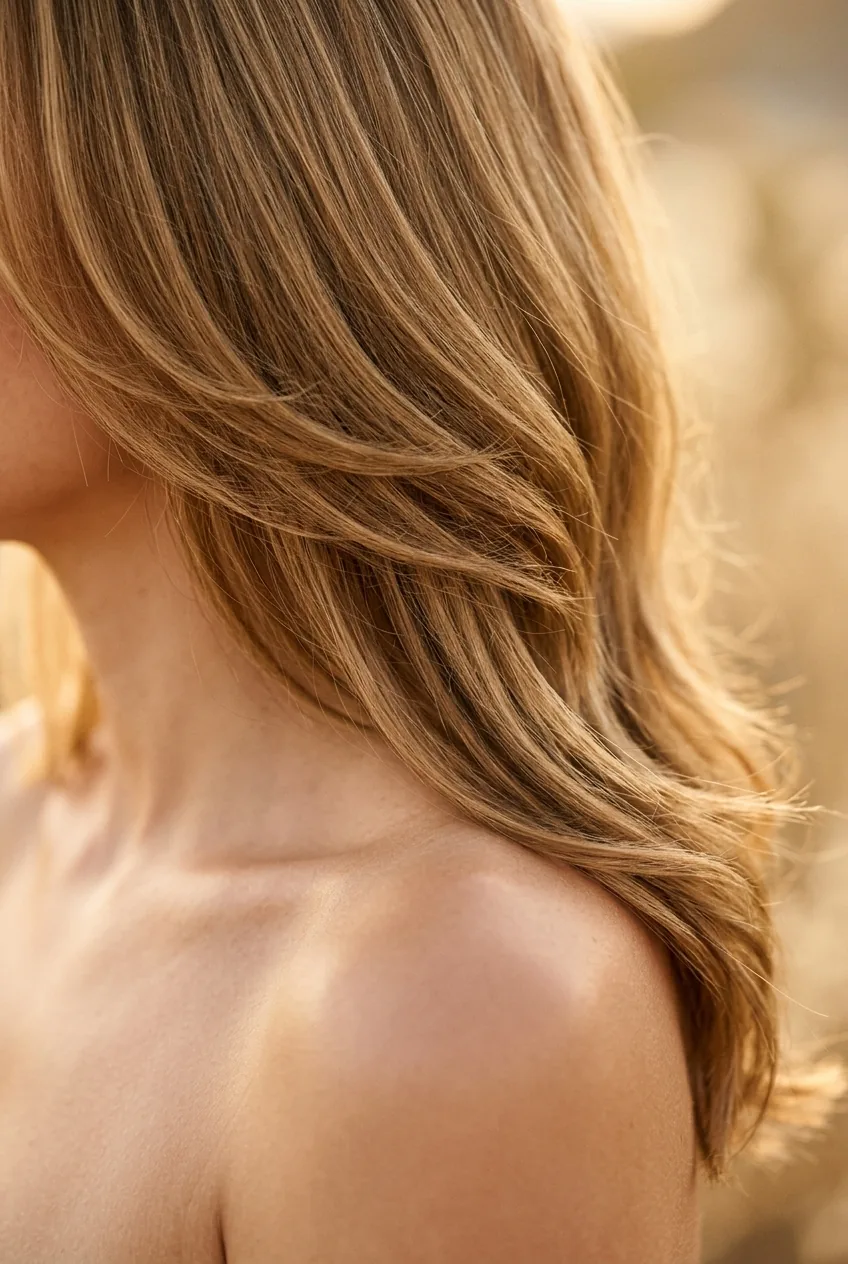
Instead of those dramatic length differences, today’s version uses subtle graduation. The layers blend seamlessly, creating movement without that obvious “I just got layered” look. And thank god for that — because those old-school layers required so much styling work just to look decent.
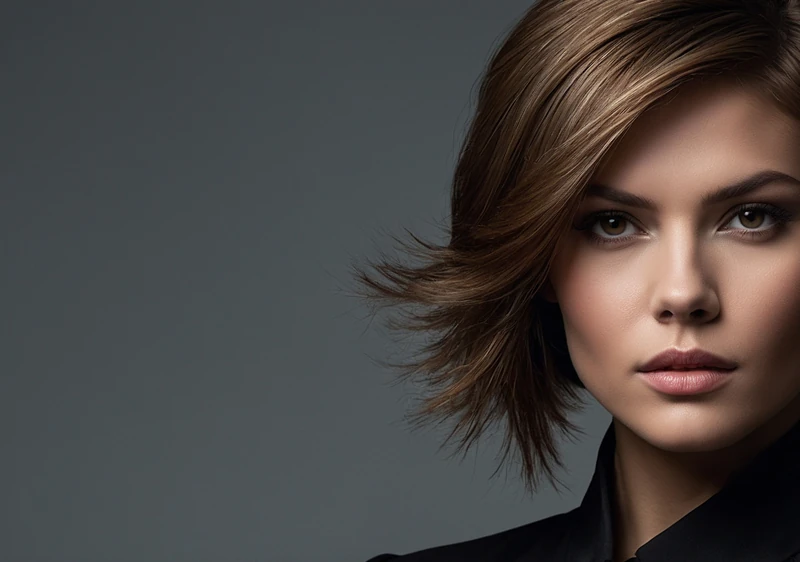
What really changed my mind about this trend was seeing how 90s layered bob cuts are being interpreted now. They’re softer around the face, more lived-in through the lengths. It’s like someone took the best parts of that era and left all the high-maintenance drama behind.
Who’s Driving This Comeback
Here’s where it gets interesting. This isn’t just nostalgia-driven millennials (though we’re definitely here for it). Gen Z is leading the charge, but they’re doing it their way.
- Stylists like Chris Appleton and Jen Atkin are showing A-listers how to wear layers without looking dated
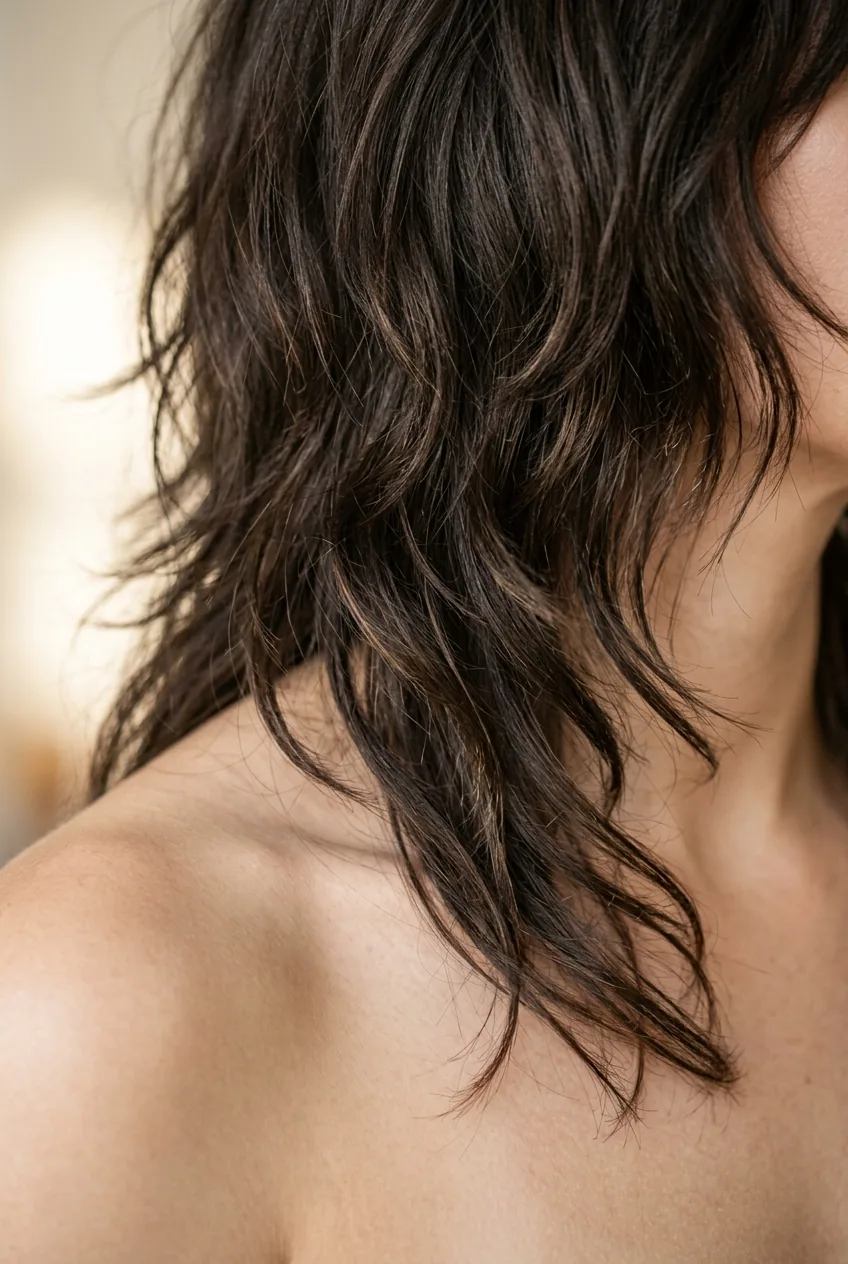
- TikTok creators are obsessing over the “wolf cut” — basically 90s layers with a modern attitude
- Runway shows from Versace to Isabel Marant featured textured, layered looks all season
- Even K-pop stars are rocking updated versions of the classic shag
But what’s really driving this? I think we’re all craving hair that looks effortless after years of perfectly polished Instagram waves. Modern layering techniques give you that “I woke up like this” vibe without actually rolling out of bed looking perfect.
Where the Trend Is Going Next
I’m calling it now — this trend has serious staying power. Unlike some of the more extreme throwback moments we’ve seen, 90s layered hair actually solves real problems people have with their hair today.
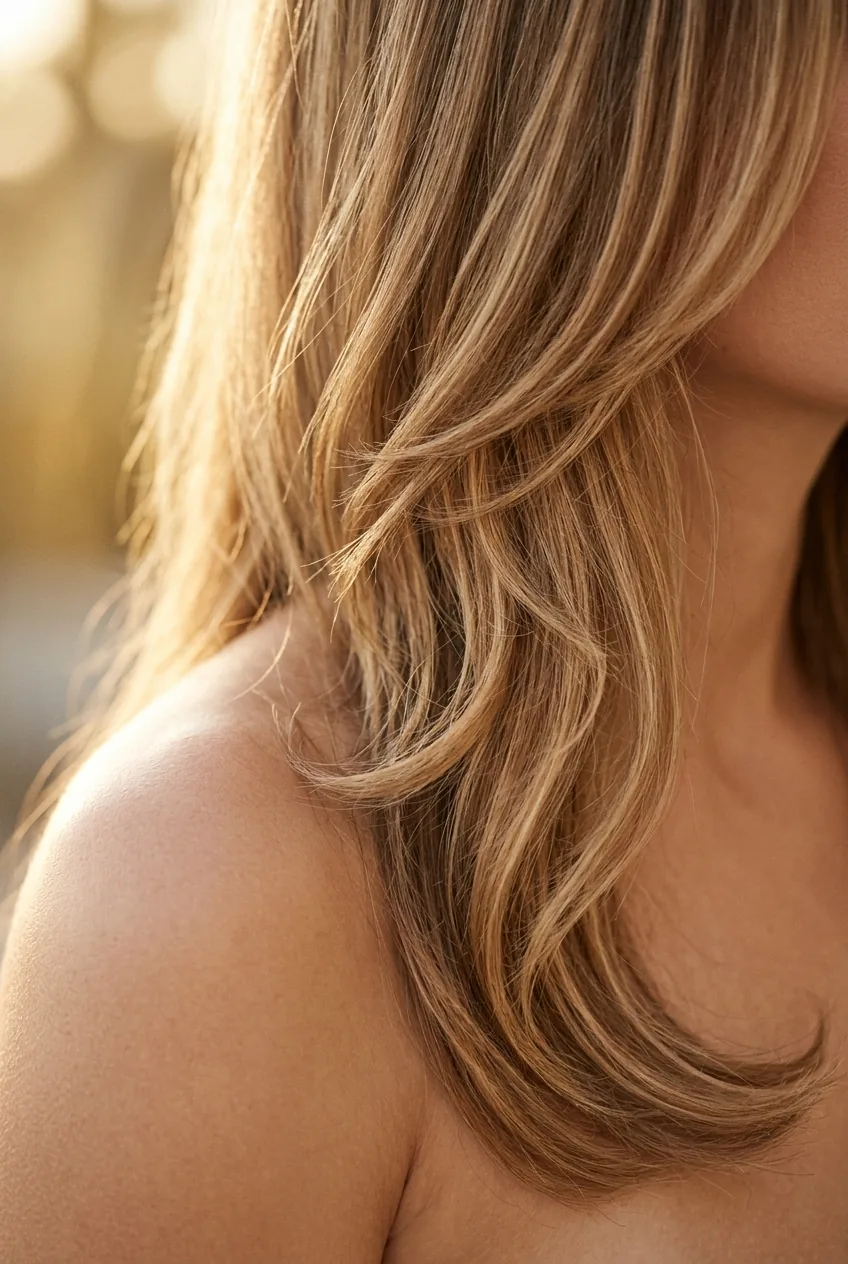
The evolution I’m seeing in salons? Customized layers based on hair texture and lifestyle. No more one-size-fits-all approaches. If you have fine hair that needs body, your layers will be completely different from someone with thick, coarse textures.
And here’s my controversial take: I think this trend will outlast the current obsession with glass hair and sleek styles. Why? Because layers are inherently more forgiving. Bad hair day? The texture works in your favor. No time to style? The layers create natural movement.
The next phase? I’m seeing hints of 70s shag elements creeping in. Longer, more graduated layers that work beautifully on longer lengths. It’s going to be gorgeous.
Should You Try It Right Now?
Honestly? If you’ve been on the fence, this is your moment. But — and this is crucial — not everyone should jump into dramatic layers without a game plan.
You’re a perfect candidate if:
- Your hair feels flat or lacks movement
- You’re tired of spending 30 minutes on styling every morning
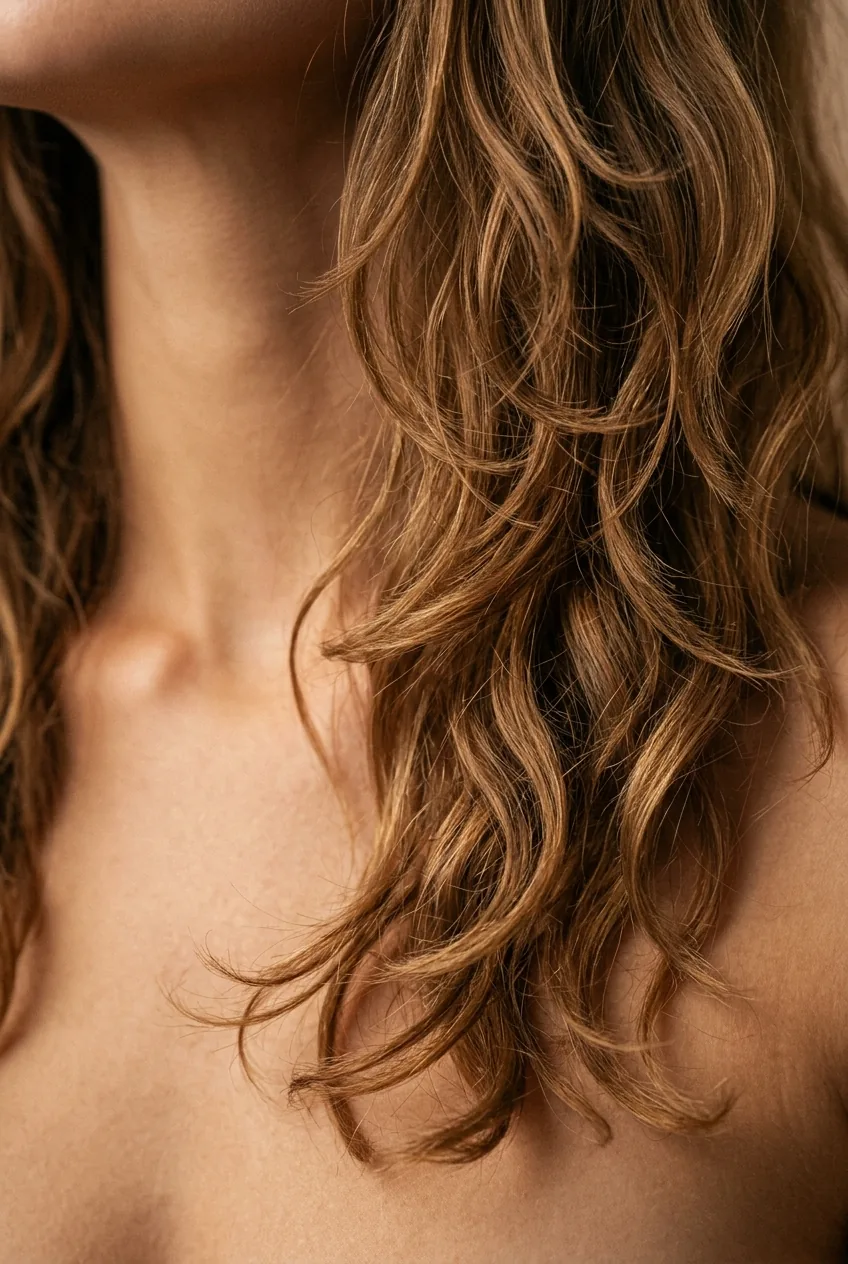
- You have naturally wavy or curly texture that gets weighed down
- You want face-framing without committing to bangs
Maybe wait if:
- You’re growing out a bad cut (layers can slow down the process)
- Your hair is severely damaged and needs length to look healthy
- You prefer super sleek, minimal styling routines
The key is finding a stylist who understands the modern interpretation. Show them photos, but also explain your lifestyle. No point getting layers that require two hours of styling when you’re a wash-and-go person.
Making Modern Layers Work
The styling game has completely changed since the 90s. No more round brushes and an hour of blow-drying. Modern layered hair is all about enhancing natural texture and working with what you’ve got.

My current obsession? Air-drying with a texture spray and scrunching gently with a microfiber towel. The layers create natural movement, and you get that perfectly imperfect finish that screams expensive salon visit.
For styling tools, I’ve ditched most of my collection. A good diffuser for curly textures, maybe a flat iron for face-framing pieces on special occasions. That’s it. The beauty of well-cut layers is that they do most of the work for you.
One thing I learned the hard way — maintenance matters. These cuts grow out beautifully if you keep up with regular trims every 6-8 weeks. Skip the appointments, and you’ll end up with that dreaded triangle shape that made everyone hate layers in the first place.
What really sealed the deal for me on this trend? Watching how it translates across different face shapes. I’ve seen incredible transformations on women who thought layers would never work for them. Sometimes the right cut can completely change how you feel about your hair — and honestly, we all deserve that kind of confidence boost.
See the Technique in Action
Questions I Get About This Trend
Will 90s layers work on fine hair?
Absolutely, but the approach is different. You need longer, more subtle layers that add movement without removing too much weight. The key is strategic placement around your face and through the mid-lengths.
How do I avoid the triangle shape?
It’s all about the graduation. Modern layering techniques create seamless blending rather than obvious steps. A good stylist will customize the angle and placement based on your hair’s natural fall pattern.
Can I add layers to chemically treated hair?
Yes, but timing matters. If you’ve recently had color or chemical services, wait at least two weeks before cutting. Damaged hair doesn’t hold layers well and can look stringy rather than textured.
How long will this trend last?
I think we’re looking at a long-term shift rather than a quick trend. The modern interpretation of layered hair solves real styling problems, which gives it serious staying power beyond just nostalgia appeal.