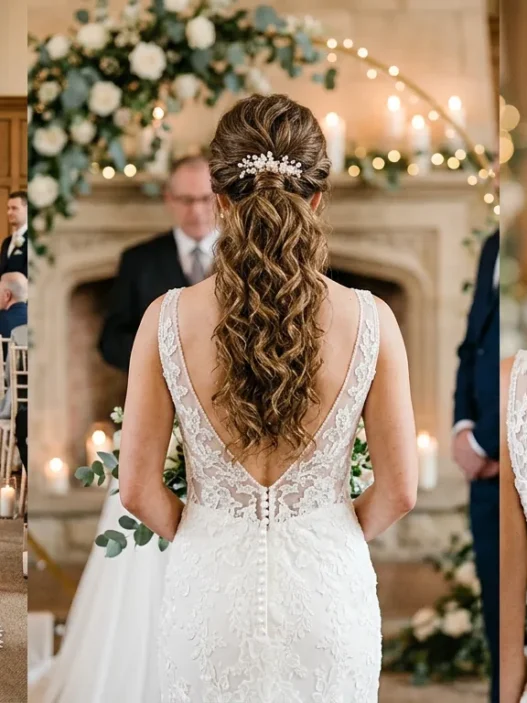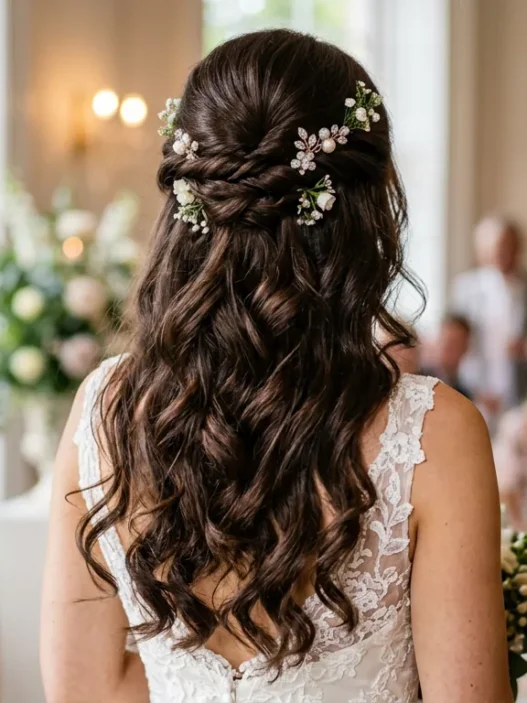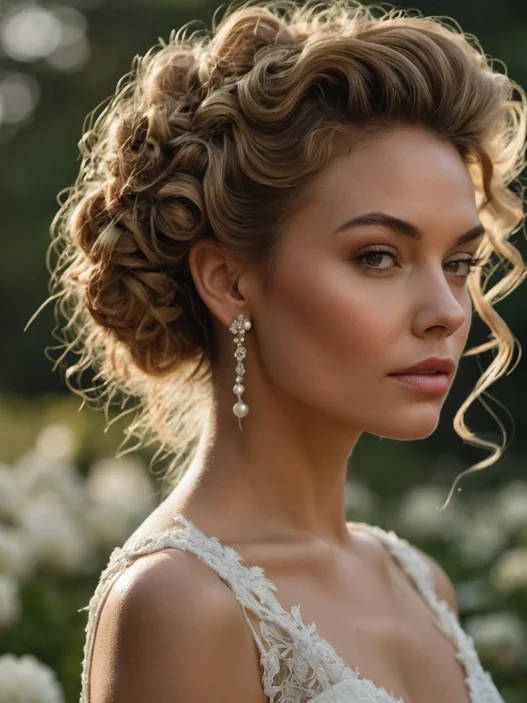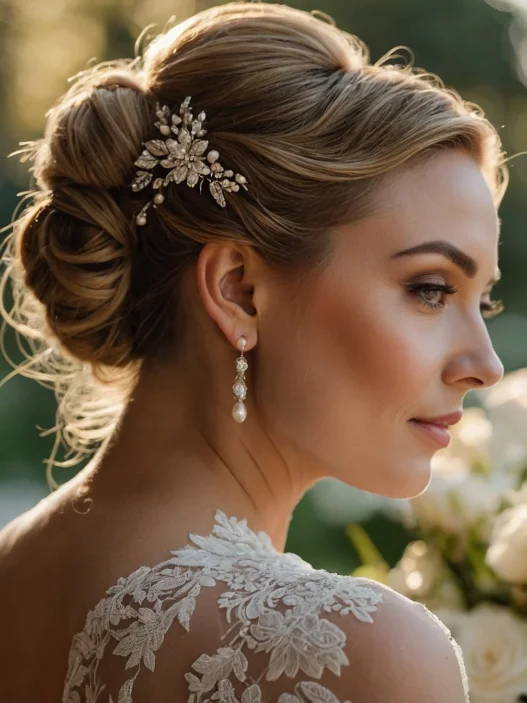







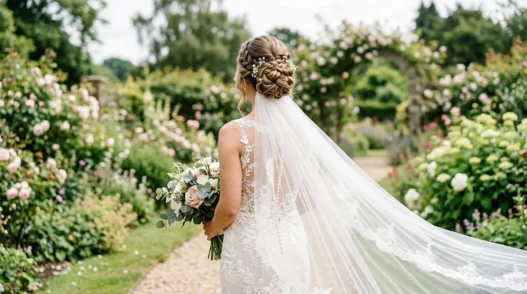
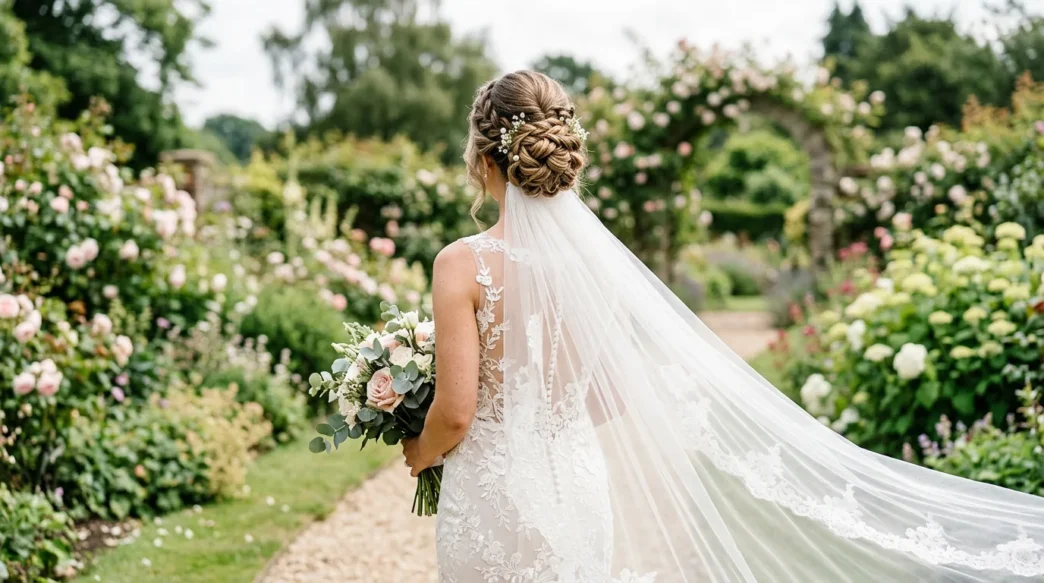
I’ve been watching bridal trends for over a decade, and I have to admit — I didn’t see this coming. Three months ago, I was convinced the “no veil” movement had won. Clean, minimalist updos were everywhere. Sleek ponytails dominated my Instagram feed. Then something shifted. Suddenly, every bride walking into salons started asking for the same thing: dramatic veils paired with intricate hairstyles that actually work together, not against each other.
What’s Inside This Bridal Hair Revolution
What Changed in Bridal Hair
The shift started on TikTok, but it wasn’t the usual viral dance or trend. Brides began posting “veil regret” videos — women showing off their beautiful wedding photos, then admitting they wished they’d worn a veil. The comments were brutal in the most supportive way possible. Hundreds of women saying “I made the same mistake” and “wear the veil, girl.”
But here’s what’s different about this revival. It’s not your grandmother’s veil situation. We’re not talking about cathedral-length drama that requires three bridesmaids to manage. Today’s brides want veils that enhance their hairstyle, not hide it. They’re choosing shorter lengths — fingertip, elbow, or waltz — and pairing them with formal hairstyles that create intentional contrast.
The technical challenge? Creating updos that look stunning from every angle because the veil will be lifted, moved, and eventually removed during the reception. That’s completely changed how we approach bridal hair construction.
Who’s Driving This Veil Revival
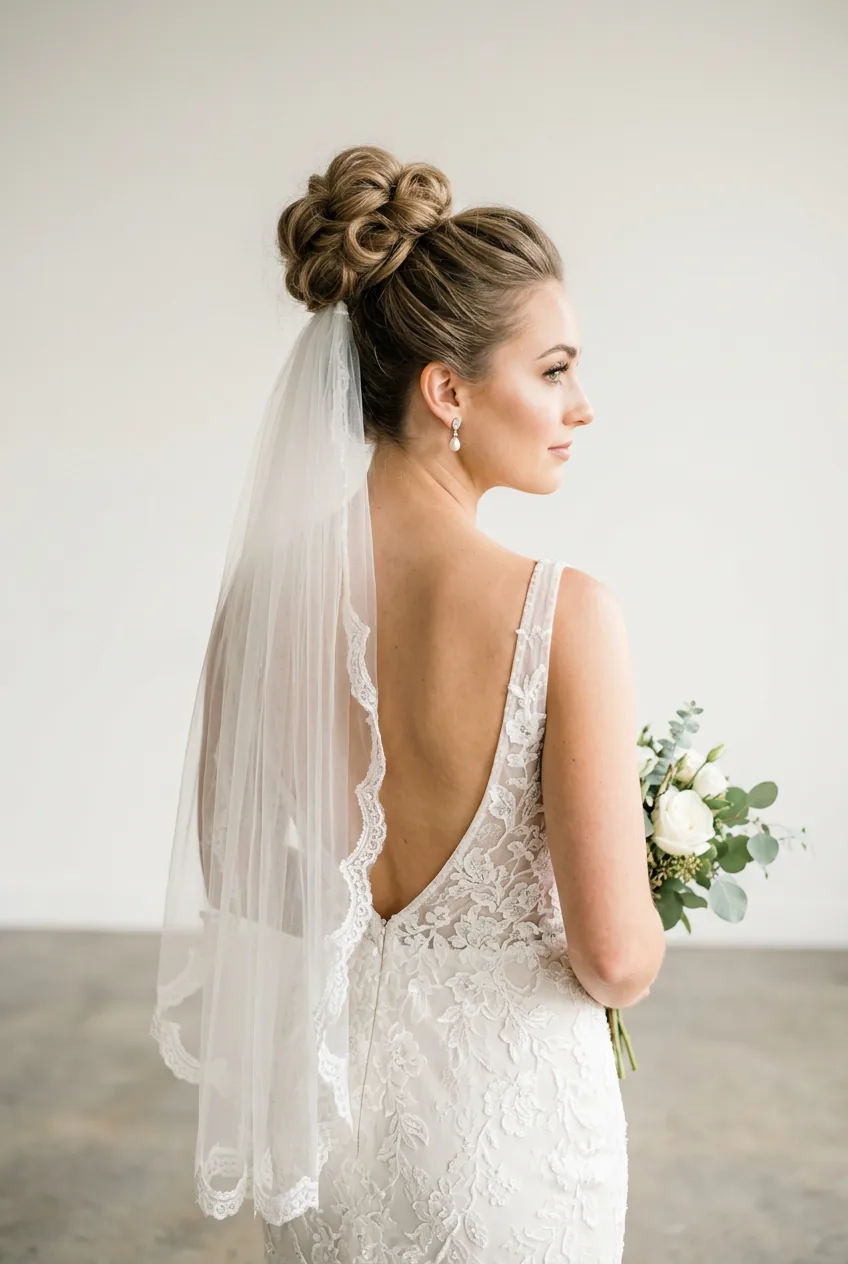
Three groups are pushing this trend hard, and their influence is undeniable.
First: celebrity weddings. When Nicola Peltz wore that stunning cathedral veil with a low chignon, something clicked for brides. Here was a modern woman choosing maximum romance without looking dated. The photos went viral not just because of the dress, but because the hair-and-veil combination felt fresh.
Second: bridal stylists who got tired of the “no veil” trend. I’ll be honest — some of us were getting bored. When every bride wants the same sleek low bun, creativity suffers. Veils force us to think three-dimensionally about hair placement, and that challenge has reinvigorated the entire industry.
Third: the sustainability movement in weddings. Rental services have exploded, making designer veils accessible without the lifetime commitment. Brides can experiment with dramatic looks without the environmental guilt or massive expense.
The Five Looks Everyone’s Requesting
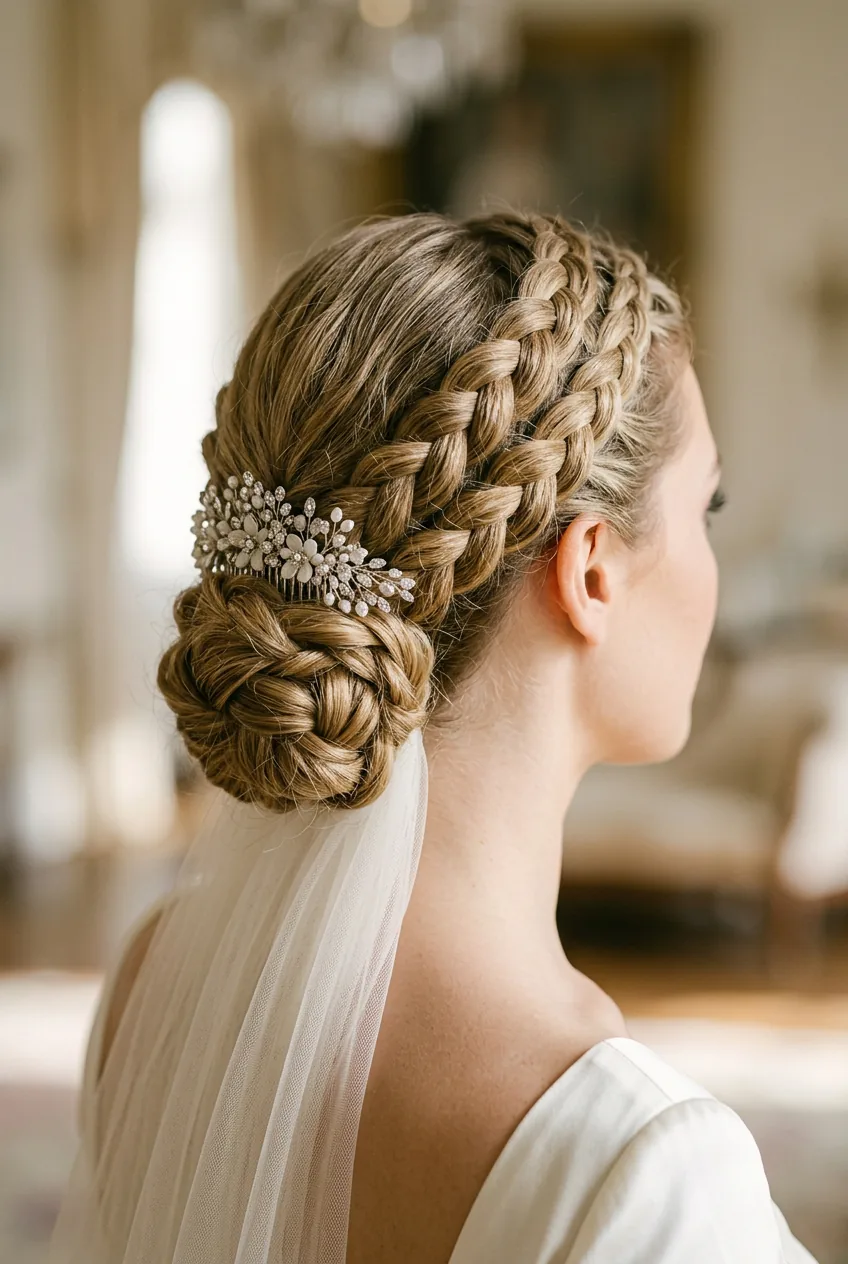
These are the exact combinations I’m booking every weekend. Each one solves the age-old veil-versus-hairstyle dilemma in a different way.
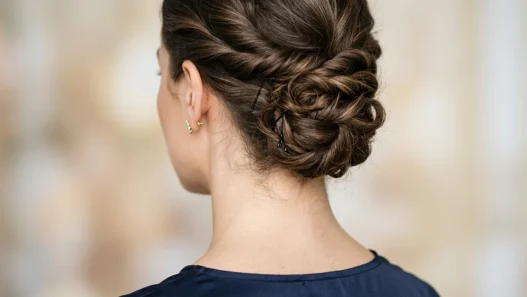
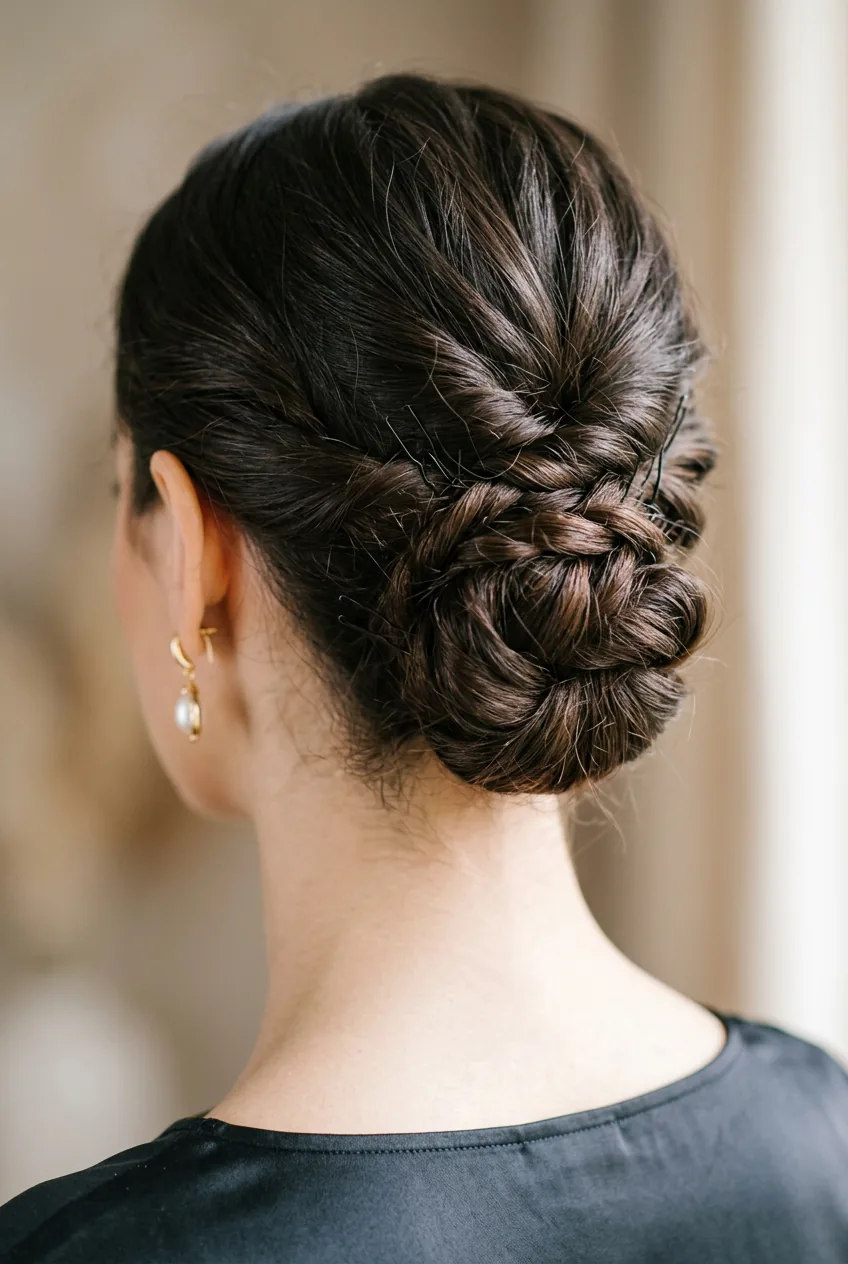
The Low Twisted Chignon
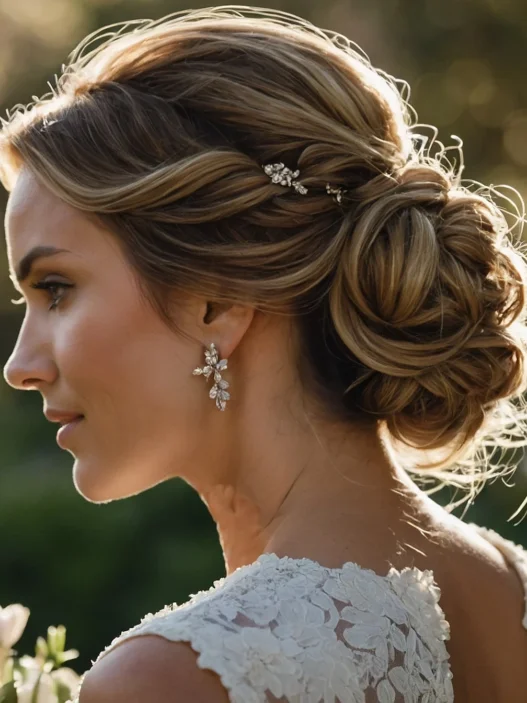
Positioned at the nape, this creates the perfect anchor point for fingertip or elbow veils. The twist detail adds texture that shows beautifully when the veil is lifted for the reception. I love this on brides with fine hair because the twisting technique creates volume without teasing.
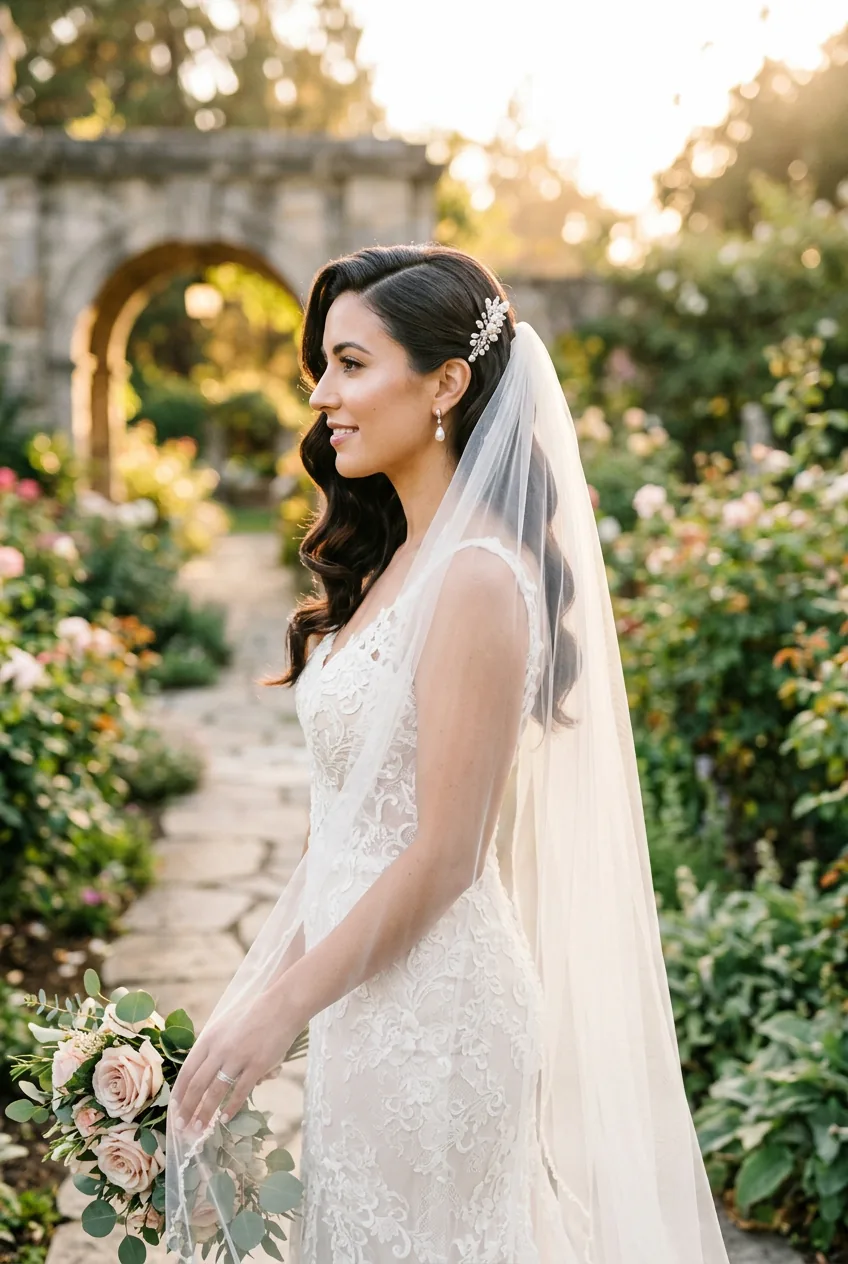
Side-Swept Hollywood Waves
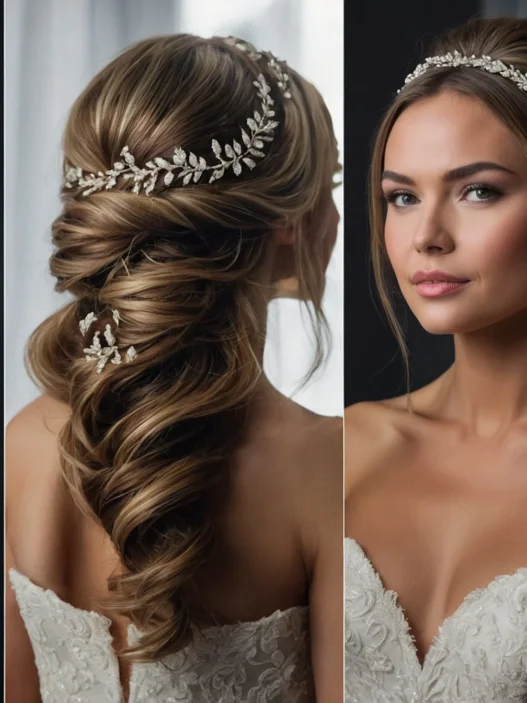
Yes, you can absolutely wear a veil with hair down. The key is asymmetrical placement — veil attached on the opposite side from your hair sweep. This look photographs incredibly well and gives you two distinct moments: dramatic veil entrance, glamorous hair for dancing.
The Textured Top Knot
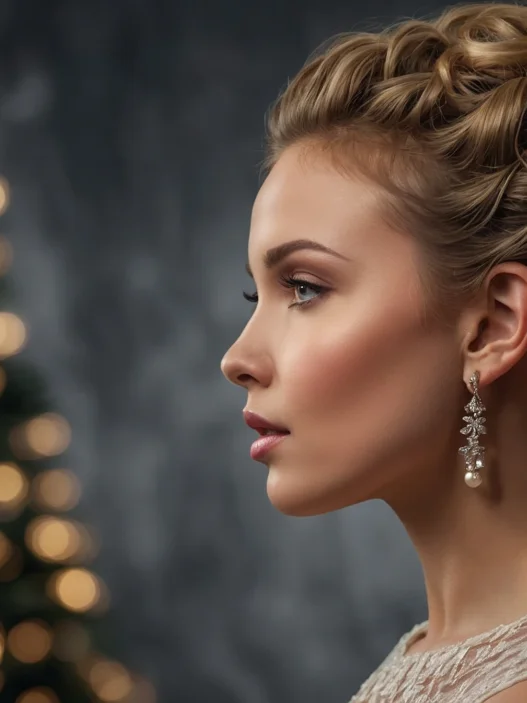
Higher placement than traditional chignons, with deliberately messy pieces framing the face. This works with shorter veils because it creates height that balances the veil’s weight. Plus, it’s secure enough for outdoor ceremonies where wind might be a factor.
Braided Crown with Low Bun
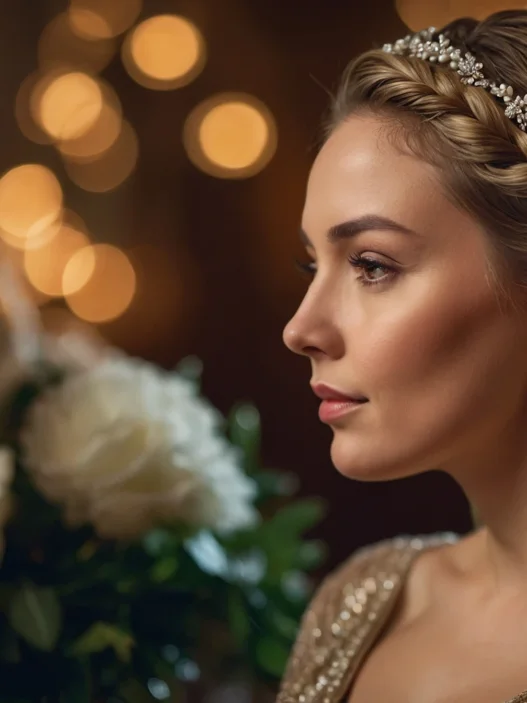
The braid creates a natural “shelf” for veil attachment while the low bun keeps everything elegant. This is my go-to for brides who want intricate details that show in photos. The combination looks complex but actually simplifies veil placement.
The Off-Center Chignon
Positioned behind one ear rather than centered, this creates asymmetrical interest that pairs beautifully with single-layer veils. It’s unexpected but not trendy in a way that will look dated in ten years.
See These Techniques in Action
Where Bridal Styling Goes Next
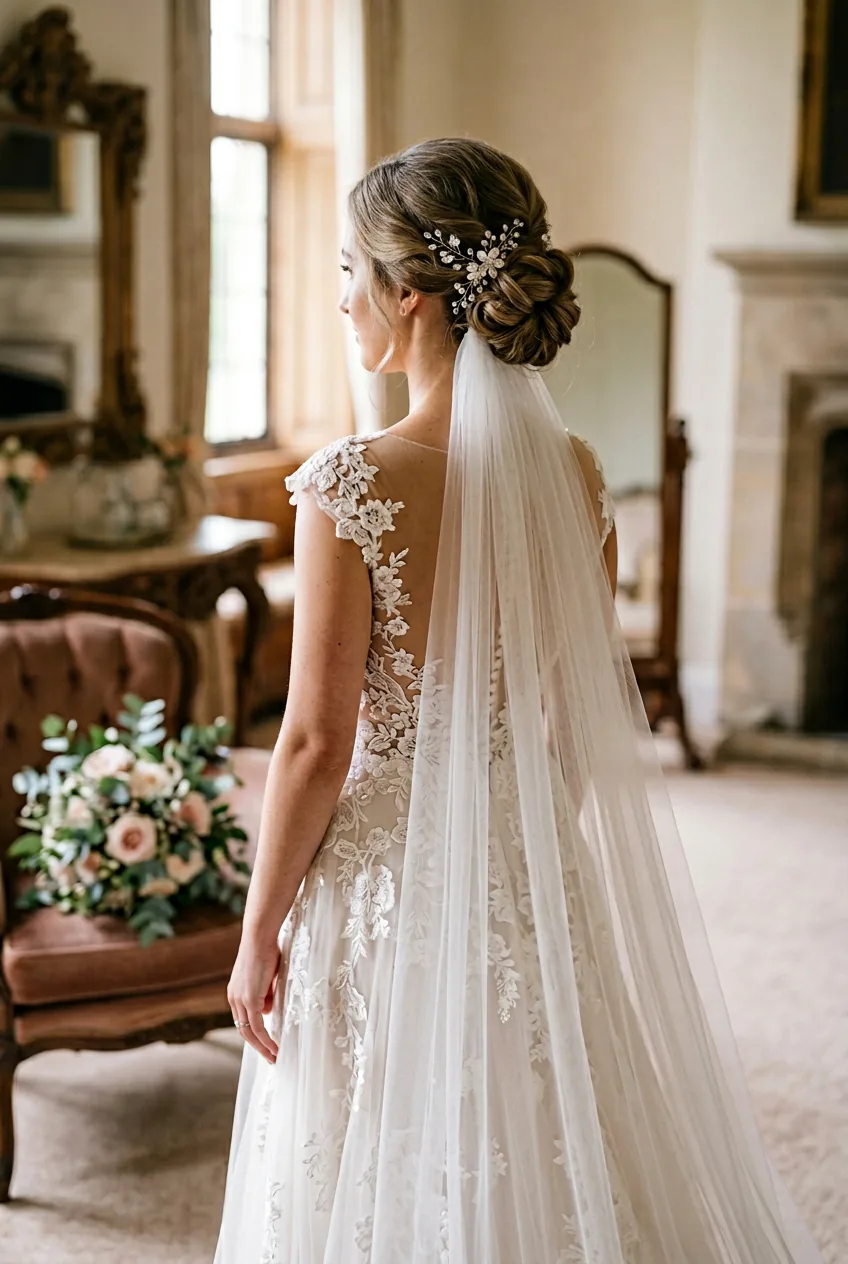
I’m seeing two major directions emerging, and they couldn’t be more different.
Path one: maximum drama. Think multiple veils for different ceremony moments, hair pieces that coordinate with veil details, and hairstyles specifically designed to create “reveals” as layers are removed. It’s theatrical in the best way.
Path two: the opposite. Brides are requesting simple, classic combinations that feel timeless rather than trendy. These are often inspired by vintage family wedding photos — grandmother’s veil with updated hair techniques that achieve the same silhouette with modern staying power.
What’s interesting is how hair accessories are evolving to bridge both approaches. We’re seeing combs and pins designed to work seamlessly with veils, creating cohesive looks that feel intentional rather than like two separate decisions.
My prediction? The trend splits into these two camps within the next year. Dramatic brides go bigger, classic brides go more refined, and the middle ground disappears entirely.
Should You Jump on This Trend?
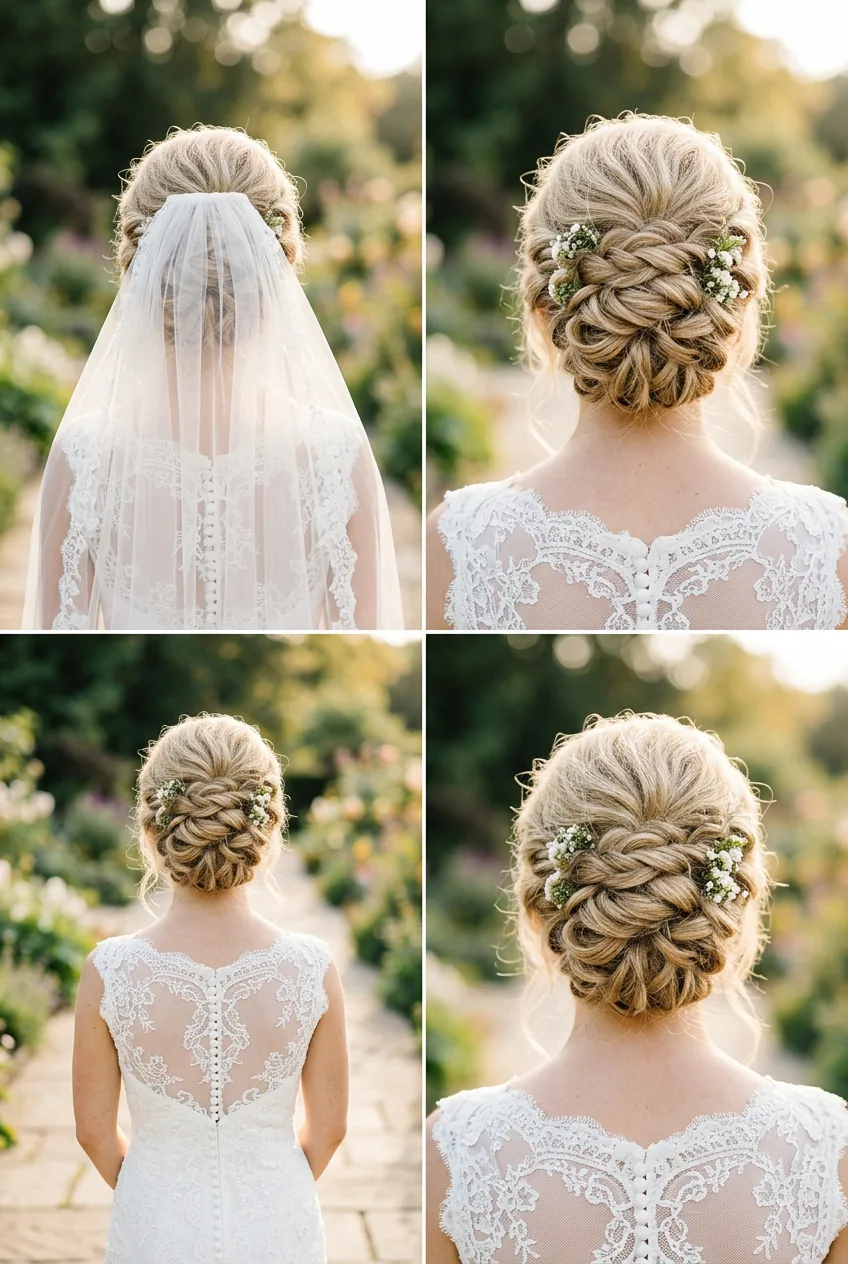
Here’s my brutally honest take: if you’re asking whether you should wear a veil, you probably should.
I’ve never had a bride regret wearing one, but I’ve had dozens regret skipping it. The “veil regret” is real, and it hits about six months after the wedding when you’re looking through photos. You start noticing how the hairstyle looks a little unfinished in certain shots, how the back of your head needed something more.
But — and this is important — choose your veil length based on your comfort level, not what’s trending. If cathedral length makes you anxious, fingertip veils create the same romantic effect with zero drama. If you’re worried about dancing, detachable options exist for exactly this reason.
The controversial opinion I’ll stand by? Skip the veil only if you’re doing something equally dramatic with your hair. Wedding hairstyles with veil work because they create visual balance. Without that veil weight, your hairstyle needs to be the statement piece.
This trend isn’t going anywhere soon. Unlike some bridal fads that feel forced, veils solve real problems: they photograph beautifully, they add movement to static poses, and they create that once-in-a-lifetime feeling that brides are actually seeking.
Questions I Get About This Trend
Will this veil revival last beyond 2024?
Absolutely. Unlike passing trends, this one addresses real bridal needs — romance, photogenic appeal, and ceremony drama. The specific styles may evolve, but veils are here to stay.
Can I wear a veil with any hairstyle?
Almost any, but placement is everything. Pixie cuts work with birdcage veils, long hair can handle cathedral lengths, and medium hair looks stunning with elbow-length options. Your stylist should plan the attachment point during your trial.
How do I choose between dramatic and simple veil styles?
Consider your dress complexity and venue. Intricate dress details pair better with simpler veils, while minimalist gowns can handle elaborate veil work. Outdoor venues call for shorter, more manageable lengths.
What if I want to remove my veil for the reception?
Plan for this from the start. Your hairstyle should look complete without the veil. Practice the removal process during your trial so you know exactly how it’ll look and feel.
The bottom line? This isn’t just a trend — it’s a return to what weddings have always been about. A little magic, a lot of beauty, and moments that feel bigger than everyday life.