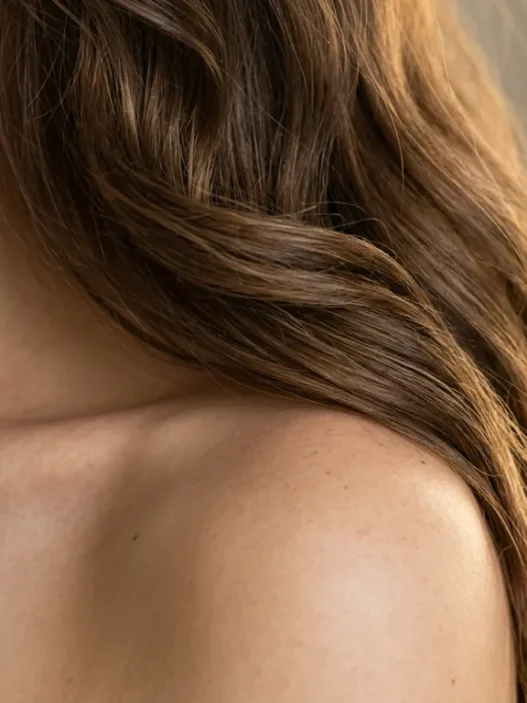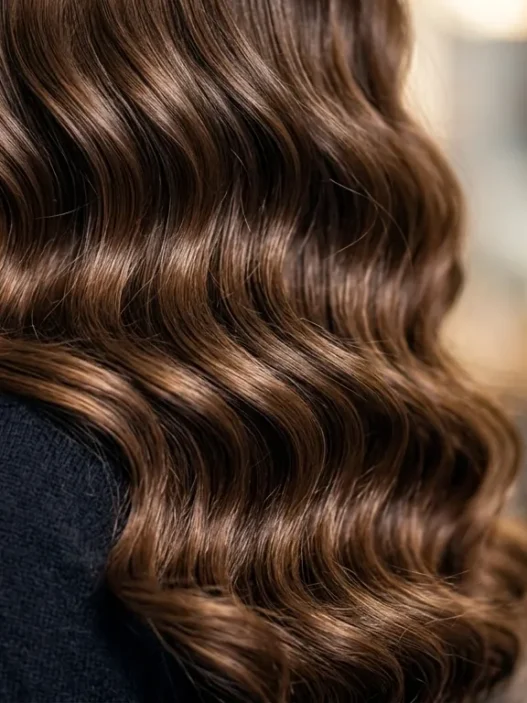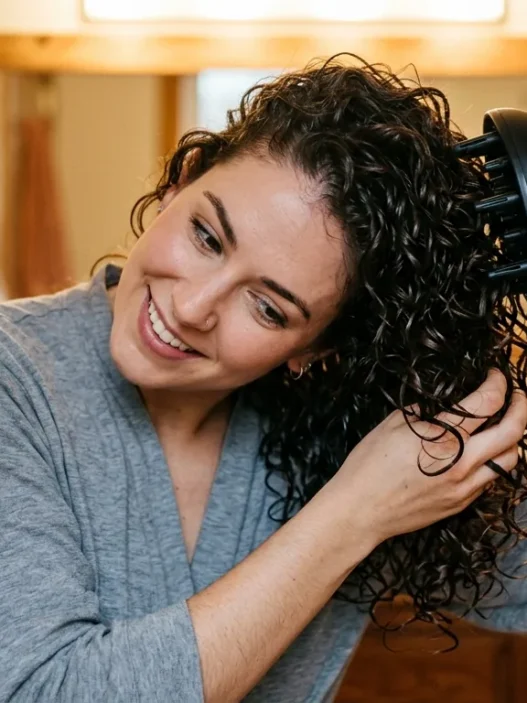












I’ve been on a wavy hair journey for three years now, and let me tell you — finding cuts that actually work with natural texture instead of fighting it changed everything. My waves used to look like a mess of frizz by noon. Now? I get compliments from strangers.
The thing about wavy hair is that it’s the most misunderstood texture. Too curly for straight hair advice, not curly enough for traditional curly girl methods. But once you find the right cut for your specific wave pattern and hair density, magic happens.
For Fine Wavy Hair
Fine wavy hair is tricky because you need volume without weight. I learned this the hard way after years of heavy layers that just made my waves limp and stringy.
The Lived-In Lob
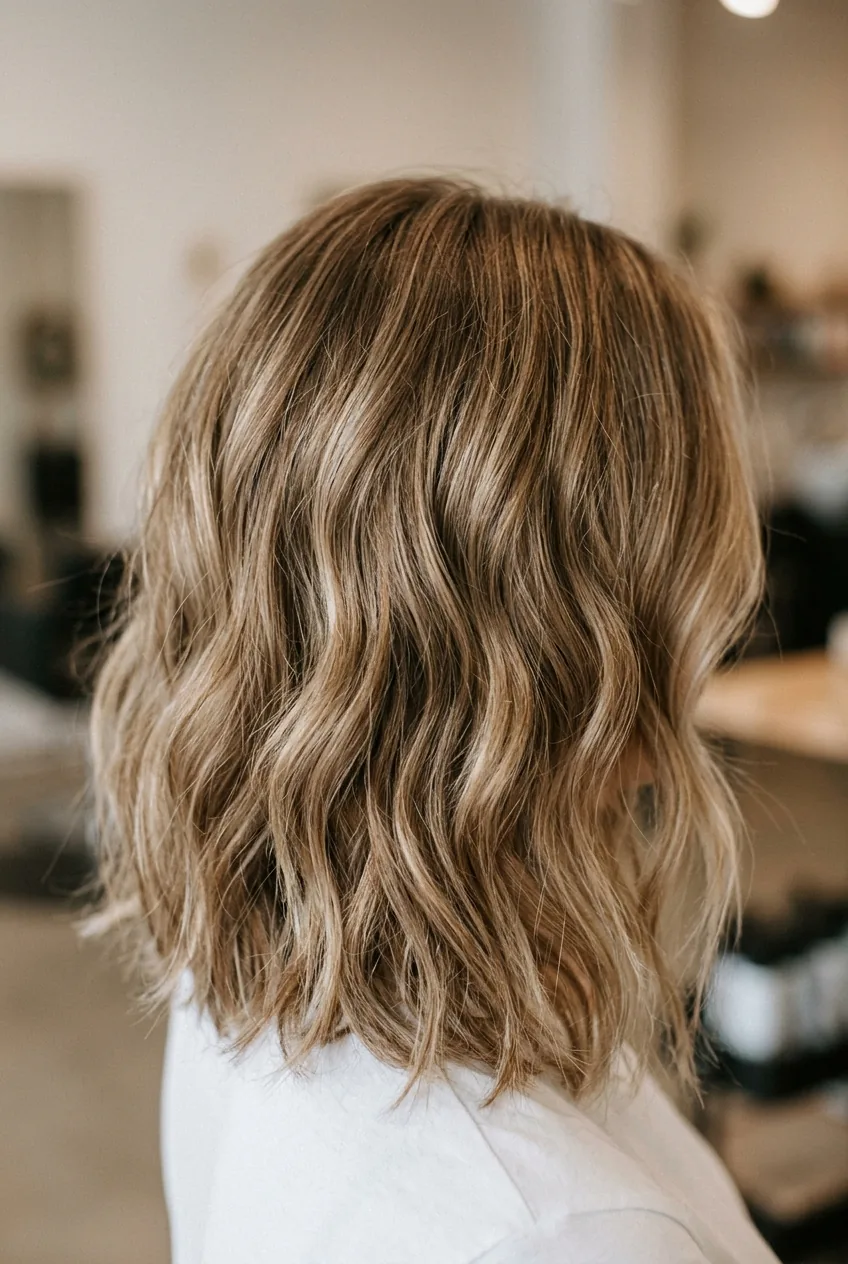
This cut hits right at the collarbone and uses subtle layers to create movement without removing too much hair. The key is asking for “lived-in” layers — not choppy, not blunt, but something that looks effortlessly tousled. My fine-haired friend Sarah got this cut six months ago and still can’t believe how much body it gives her.
Micro-Bang Waves

Wispy, textured bangs that barely graze your eyebrows can add so much visual weight to fine wavy hair. The waves frame your face while the micro-bangs create the illusion of fuller hair overall. Just make sure your stylist texturizes them properly — blunt micro-bangs look harsh against soft waves.
The Asymmetrical Wave Bob
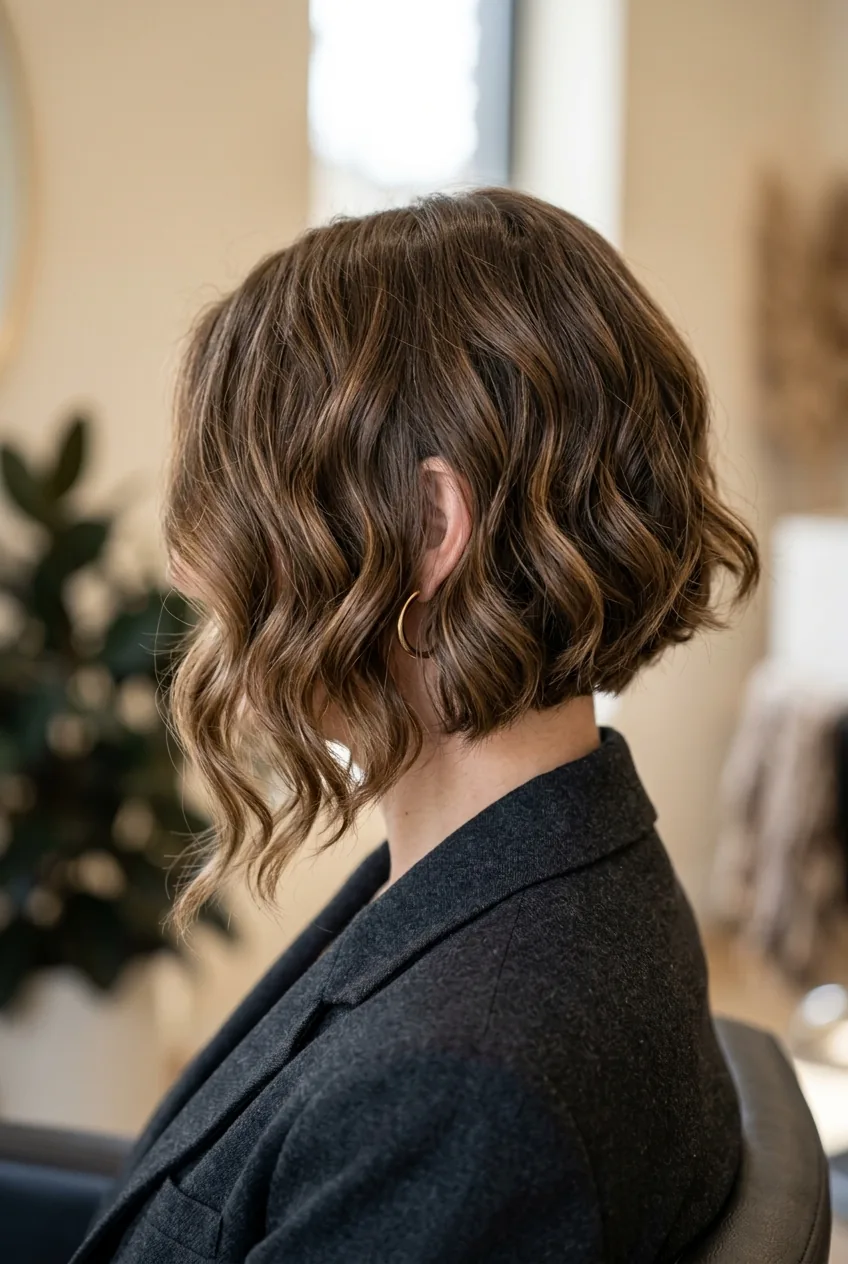
One side longer than the other, cut to enhance your natural wave pattern rather than fight it. This works incredibly well for fine hair because the asymmetry creates visual interest and makes your hair appear thicker than it actually is. Plus, it air-dries beautifully with just a bit of winter-appropriate styling cream.
For Thick & Curly Waves
If you have thick, coarse waves that border on curly, your biggest challenge is probably managing the bulk without losing your natural texture. These cuts work with your hair’s natural tendency to expand.
Long Layered Waves
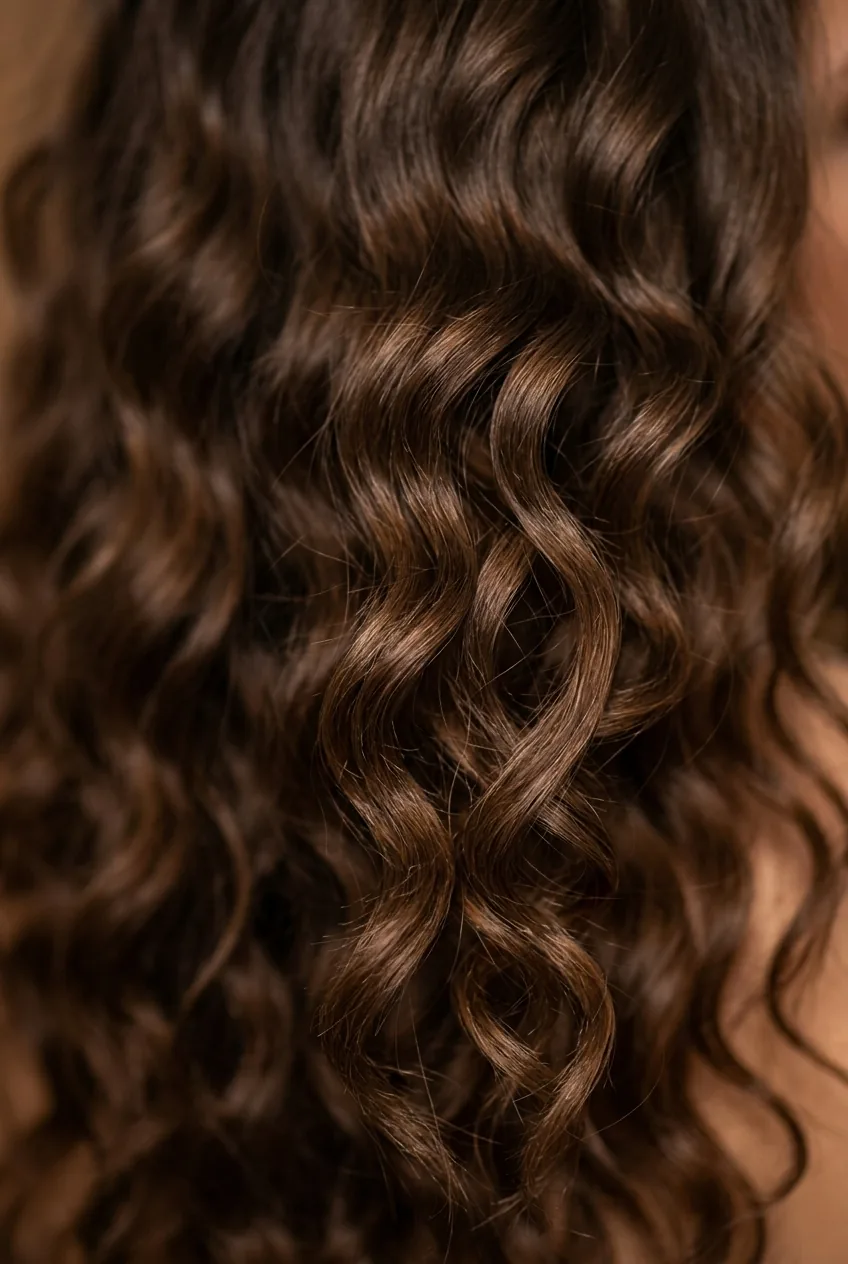
Strategic long layers that start around your shoulders can remove weight without creating the dreaded triangle shape. The longest pieces should hit mid-back, with layers gradually working up. This gives you movement and prevents that “Christmas tree” silhouette that thick-haired people know all too well.
My personal pick for thick waves? The shag with curtain bangs. I’ve had this cut for eight months now and it’s the first time in my life I can air-dry and actually love the result. The key is finding a stylist who understands how to thin out bulk without making your hair look choppy.
The Modern Shag
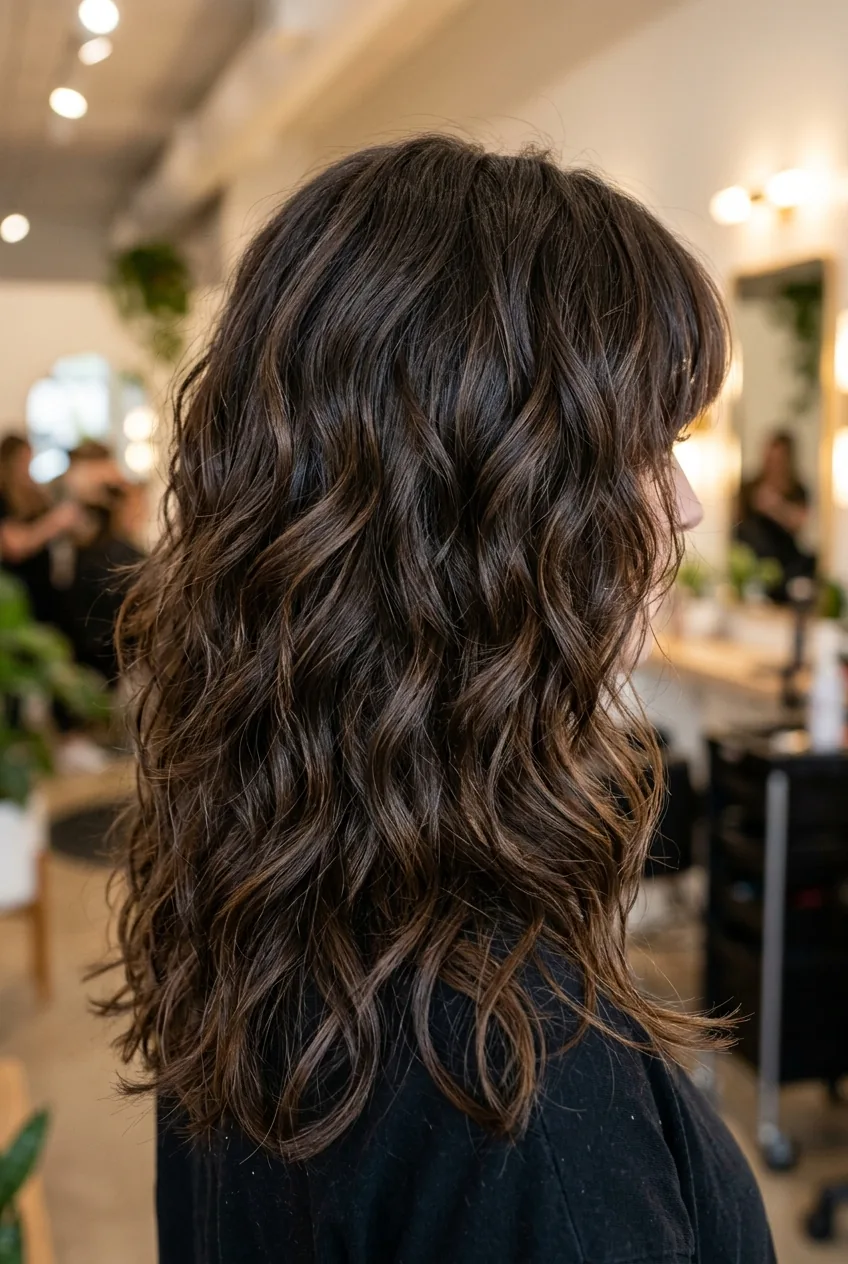
This isn’t your mom’s 70s shag. Modern shags for thick wavy hair focus on removing bulk through strategic layering while maintaining the overall shape. The layers should be longer and more subtle than traditional shags. When done right, you get incredible movement and texture without looking like you stuck your finger in an electrical socket.
Shoulder-Grazing Layers
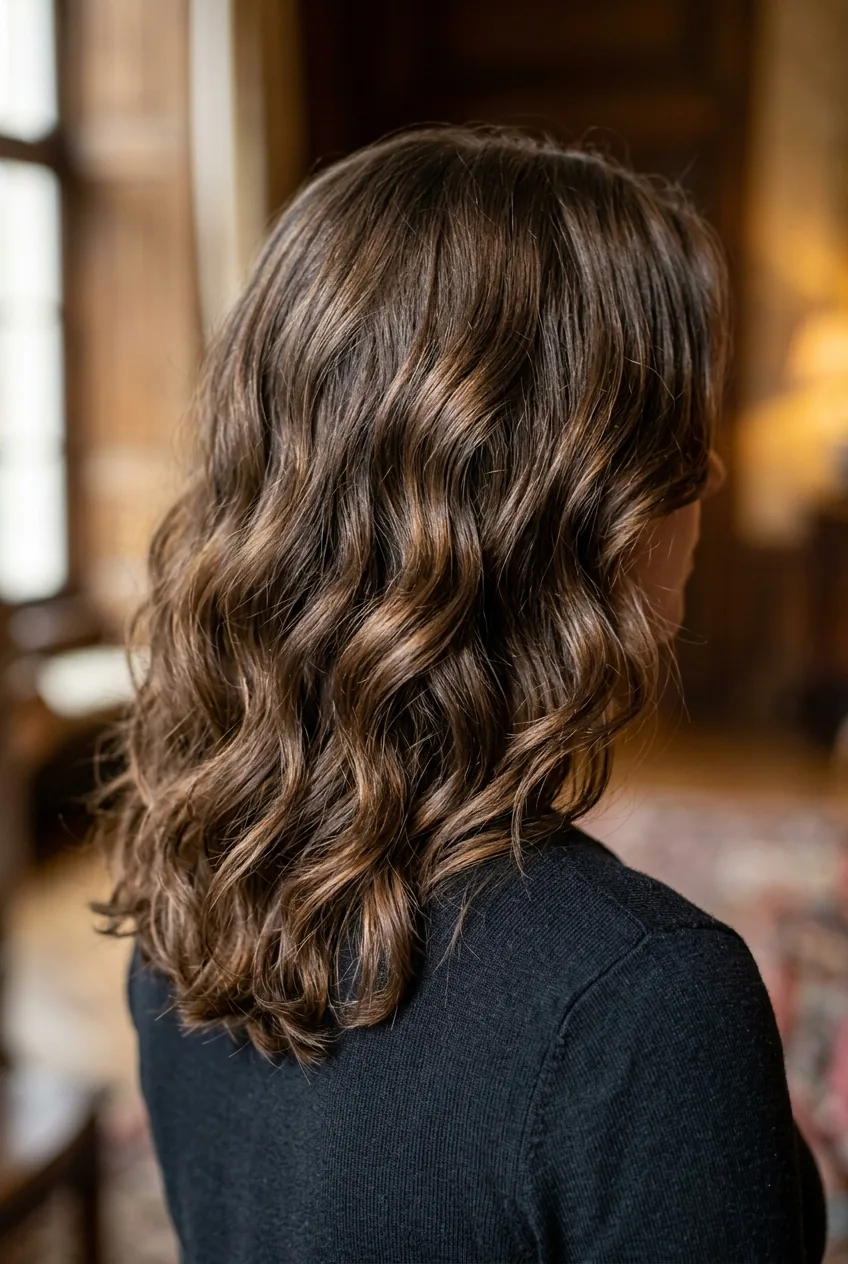
Sometimes the best approach with thick waves is to embrace the weight and work with it. A cut that hits right at shoulder length with face-framing layers can look incredibly sophisticated. The weight actually helps elongate your waves and prevents frizz. Proper styling techniques can help you maximize this cut’s potential.
For Short Wave Lovers
Short wavy hair can be absolutely stunning when cut properly. The trick is working with your wave pattern, not against it. These cuts celebrate natural texture in a shorter length.
The Wavy Pixie
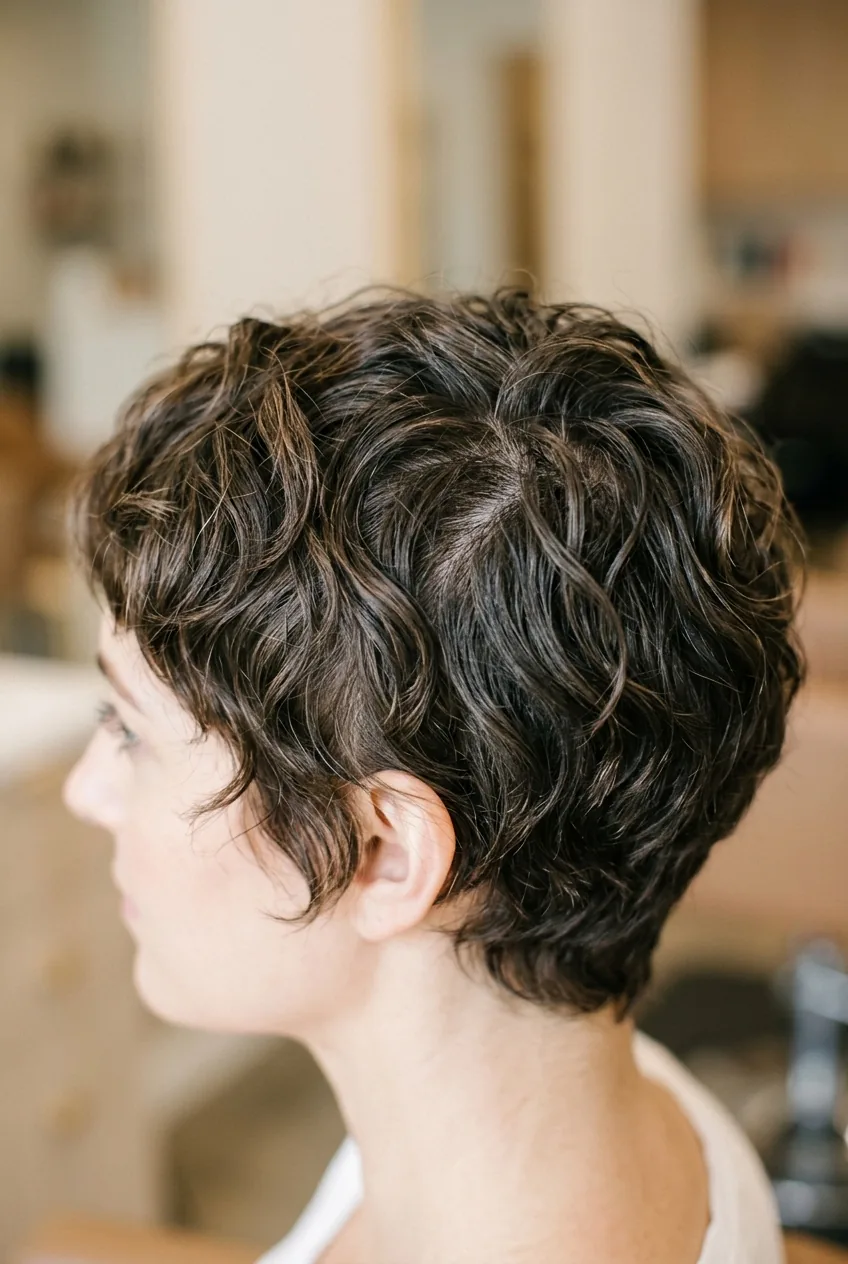
This only works if you have strong wave pattern that starts close to the roots. The cut should be longer on top to showcase your waves, with tapered sides that don’t compete with the texture. It’s edgy but feminine, and surprisingly versatile for styling.
Textured Crop
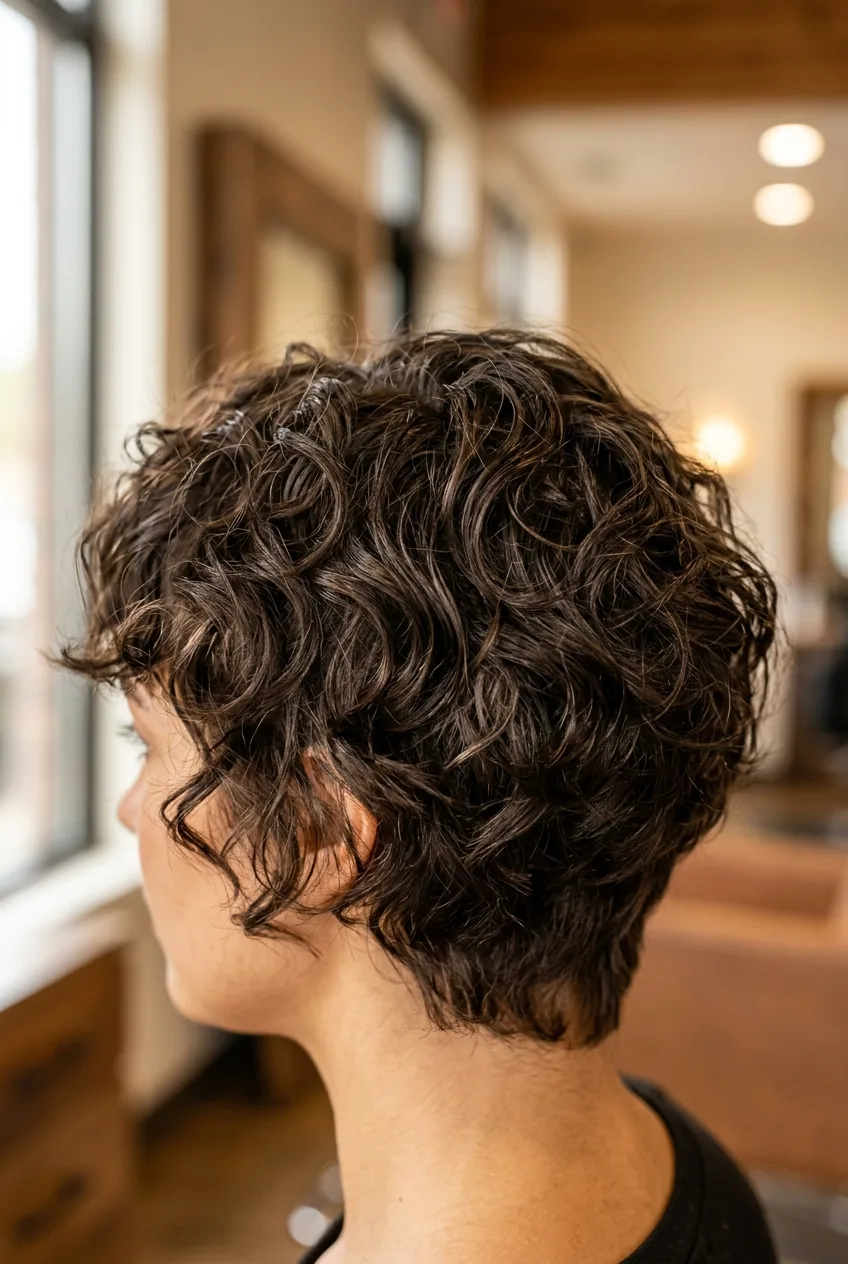
A crop cut that’s specifically designed around your natural wave pattern. The key is having enough length on top for your waves to actually form, usually at least 2-3 inches. The sides and back are kept shorter but not buzzed. This cut looks effortlessly cool and requires minimal styling.
For Long Wave Goals
Long wavy hair is gorgeous but comes with its own set of challenges. The weight can pull out your waves, and without the right cut, you end up with boring, shapeless hair that just hangs there.
Cascading Layers
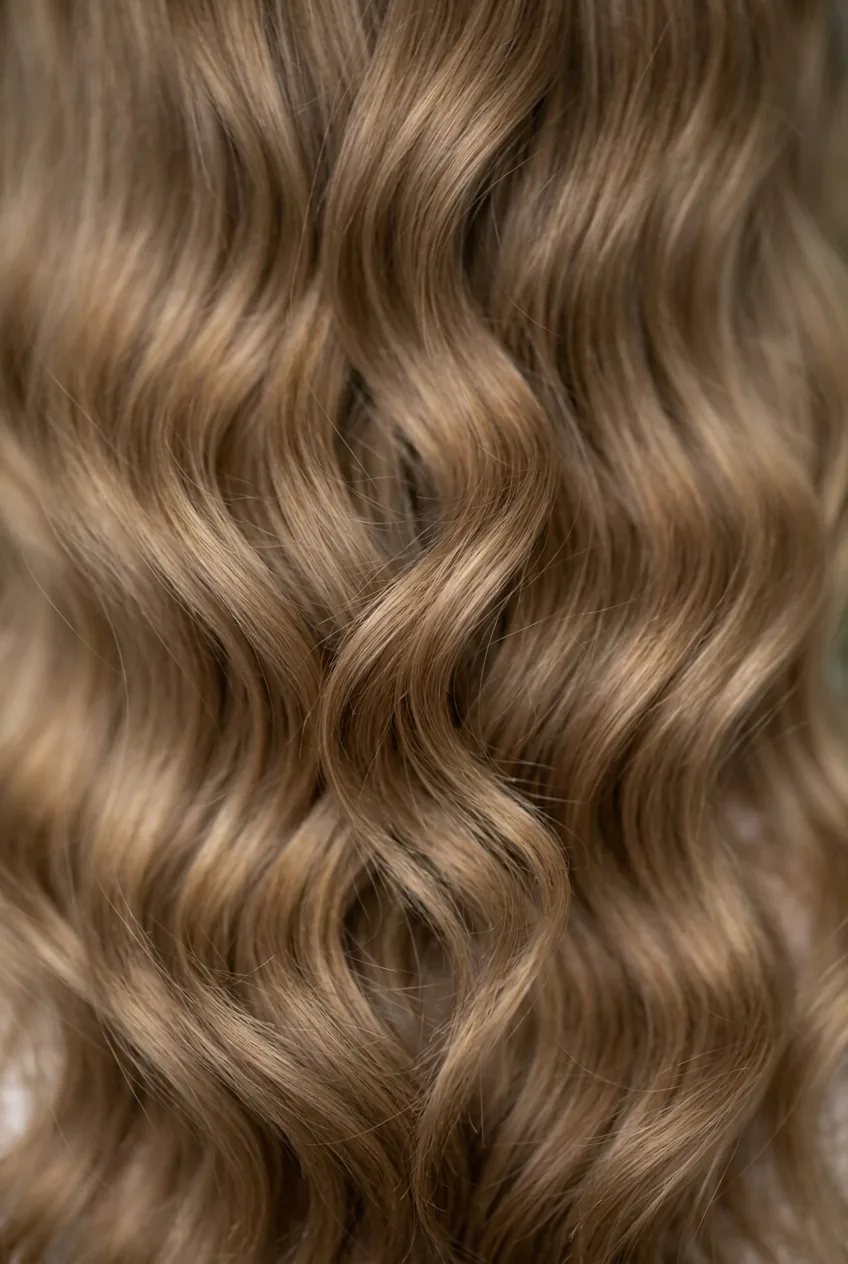
Think mermaid hair with purpose. Layers that start around your chest and cascade down create movement without sacrificing length. The longest pieces should hit your lower back, with layers that follow your natural wave pattern. This cut looks amazing in photos and moves beautifully when you walk.
The V-Cut with Waves
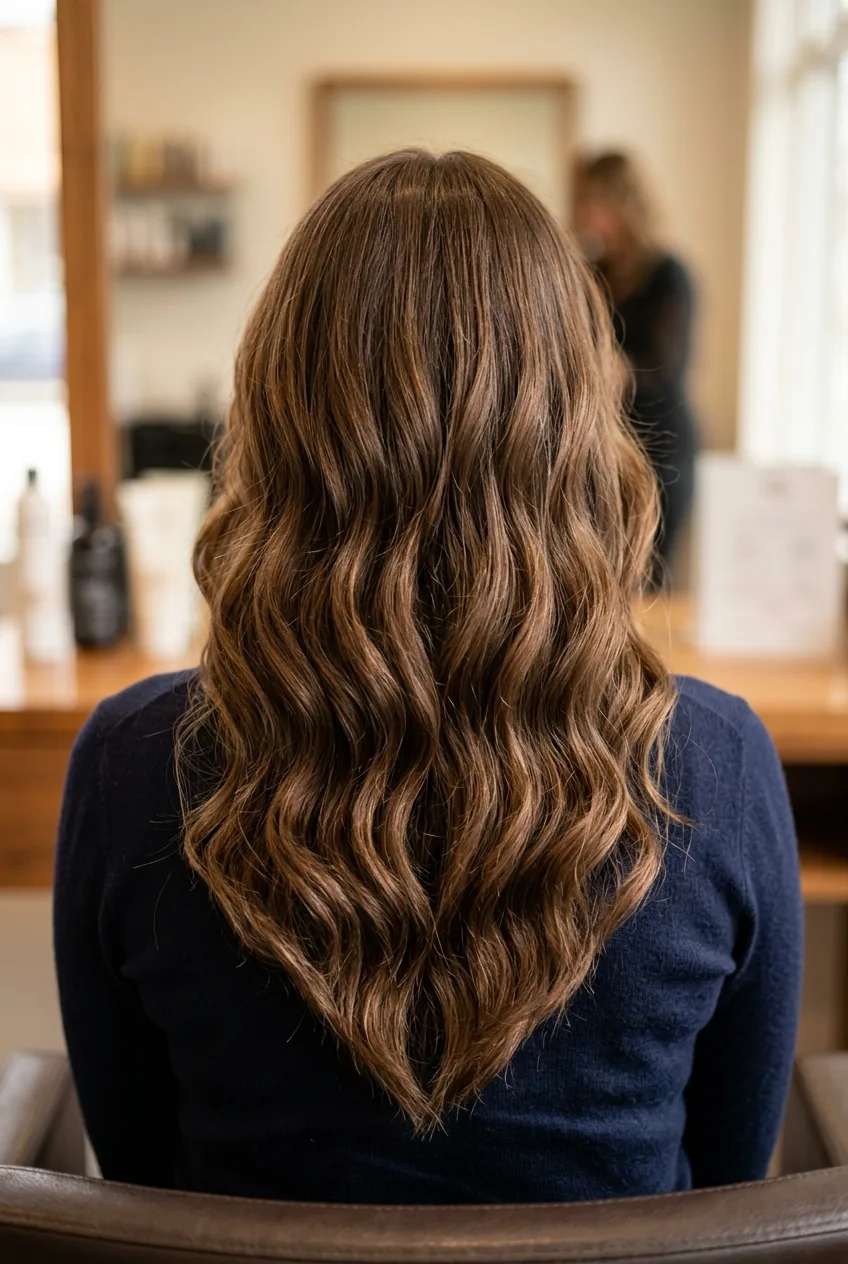
Instead of a blunt line across the bottom, a V-shaped cut creates visual interest and actually enhances your natural wave pattern. The pointed back draws the eye down and makes your hair appear even longer. It’s dramatic without being over-the-top, and it photographs incredibly well for special occasions.
For the Low-Maintenance Types
Let’s be honest — some of us just want to wash, scrunch, and go. These cuts are designed for maximum impact with minimal effort. Perfect for busy mornings or anyone who doesn’t want to spend 30 minutes on their hair every day.
The Wash-and-Wear Waves

This cut is all about working with your natural growth pattern and wave formation. Your stylist should study how your hair falls naturally and cut around that, removing weight in strategic places while maintaining the overall shape. The result? Hair that looks intentionally styled even when you’ve done absolutely nothing to it.
Blunt Bob with Natural Texture
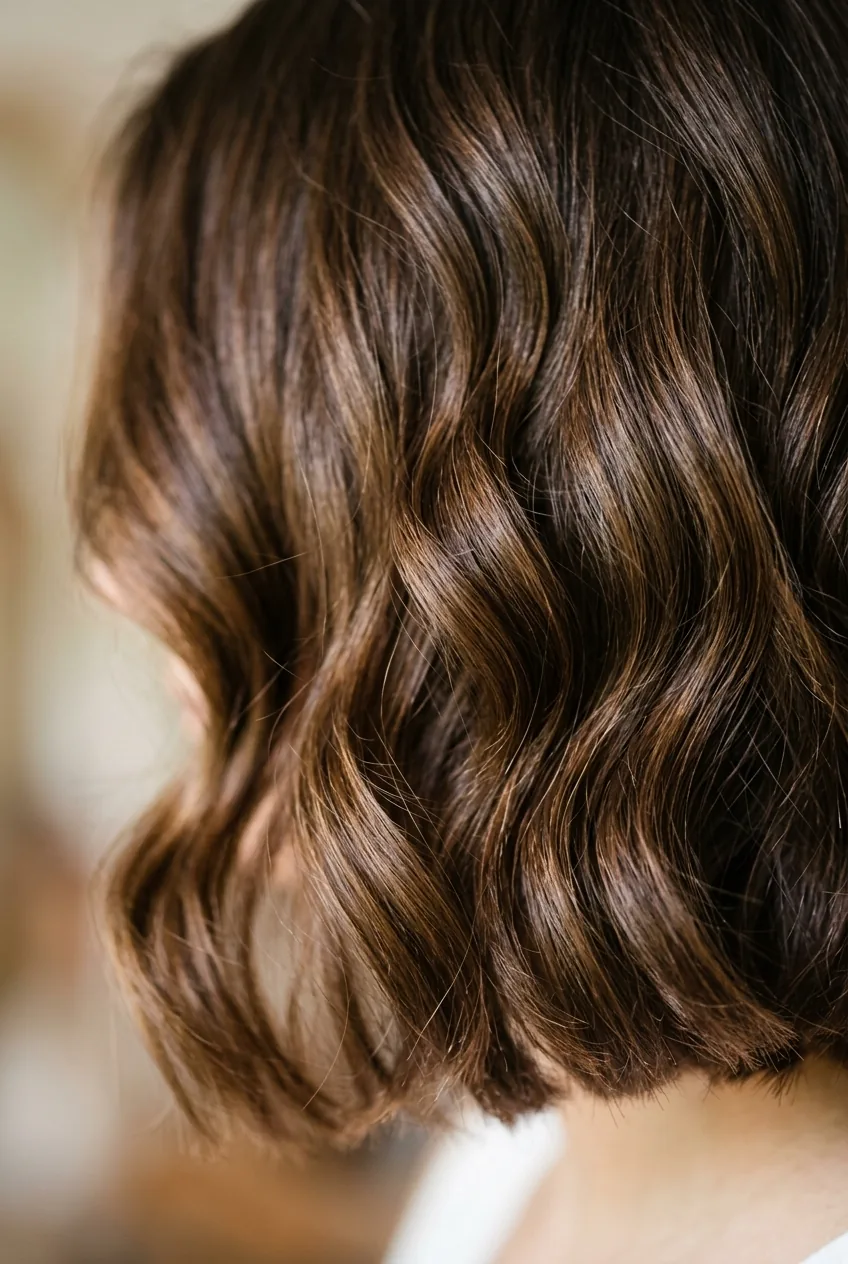
Sometimes the most low-maintenance approach is the simplest one. A blunt bob cut to enhance your natural wave pattern can look polished and put-together with zero effort. The key is finding the right length for your specific wave type — usually somewhere between chin and shoulder length works best.
And here’s what I’ve learned after trying most of these cuts myself: the right cut for wavy hair isn’t just about the shape. It’s about finding a stylist who understands natural texture and isn’t trying to force your waves into submission. Once you find that person, stick with them. Trust me on this one.
Quick Answers for Wavy Hair Questions
How often should I trim wavy hair?
Every 6-8 weeks for shorter cuts, every 8-12 weeks for longer styles. Wavy hair tends to show split ends more than straight hair, so regular trims are essential for maintaining the shape and health of your cut.
Can I get layers if I have thin wavy hair?
Yes, but they need to be longer, subtler layers. Avoid short choppy layers that can make fine hair look even thinner. Instead, ask for “long layers” or “face-framing layers” that start below your chin.
What’s the best length for thick wavy hair?
Medium to long lengths work best because the weight helps control the bulk. Anything shorter than chin-length can make thick wavy hair look triangular and unmanageable.
Should I cut my wavy hair wet or dry?
For wavy hair, dry cutting is usually better because your stylist can see exactly how your natural pattern falls and cut accordingly. However, some stylists prefer to rough-cut wet and then refine dry — both can work with the right technique.