









I spent fifteen years getting terrible haircuts because stylists kept treating my wavy hair like it was straight hair having a bad day. You know the drill — they’d cut it wet, layer it to death, and send me home looking like I’d stuck my finger in an electrical socket. But here’s what I wish someone had told me from the beginning: wavy hair isn’t broken straight hair that needs fixing.
The Science Behind Wavy Hair Structure
Let me start with something that blew my mind when I finally understood it. Wavy hair isn’t just straight hair with bends in it. The actual follicle shape under your scalp is different — it’s asymmetrical, which creates that natural S-pattern as your hair grows.
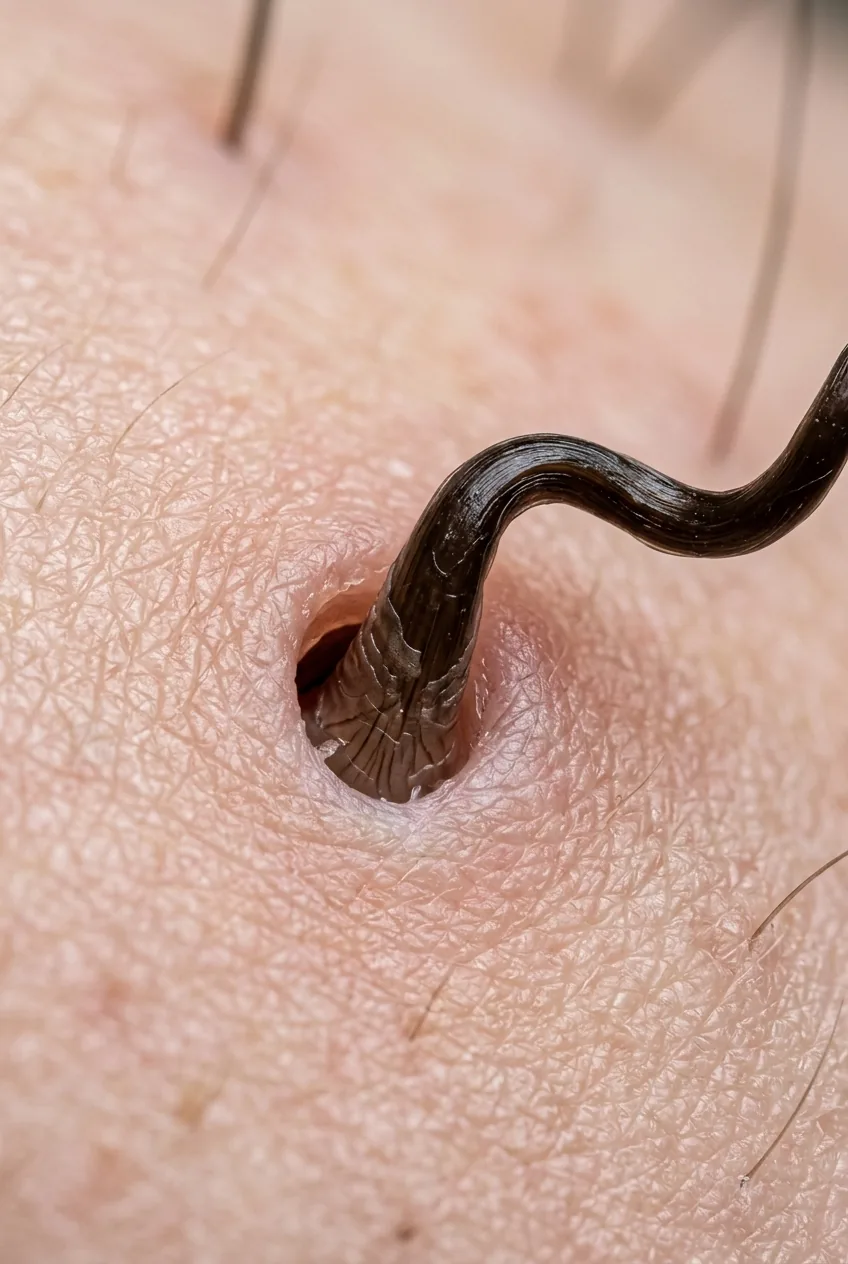
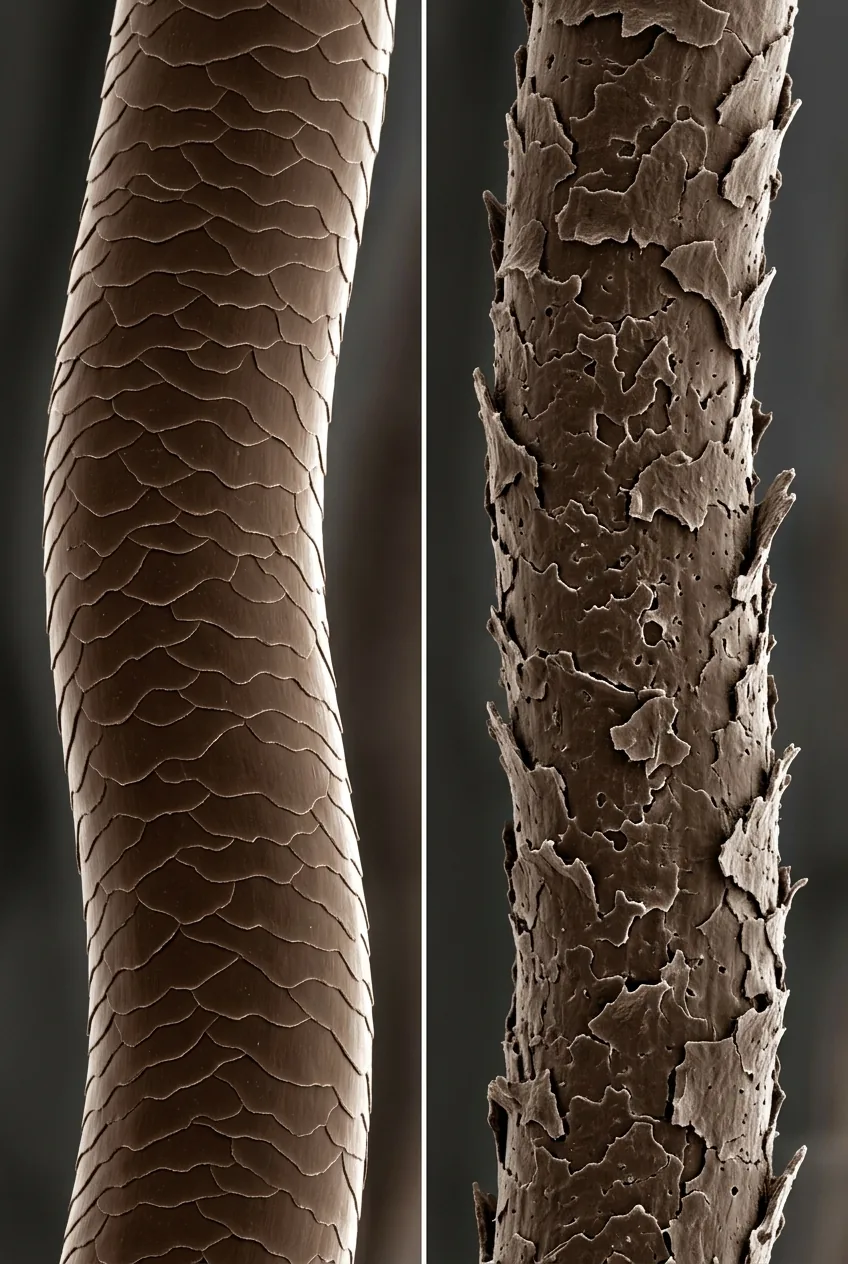
This means your hair shaft changes thickness along its length. The bends are naturally thinner and more fragile. When stylists attack these areas with thinning shears or razor cuts, they’re essentially creating weak points that will frizz and break.
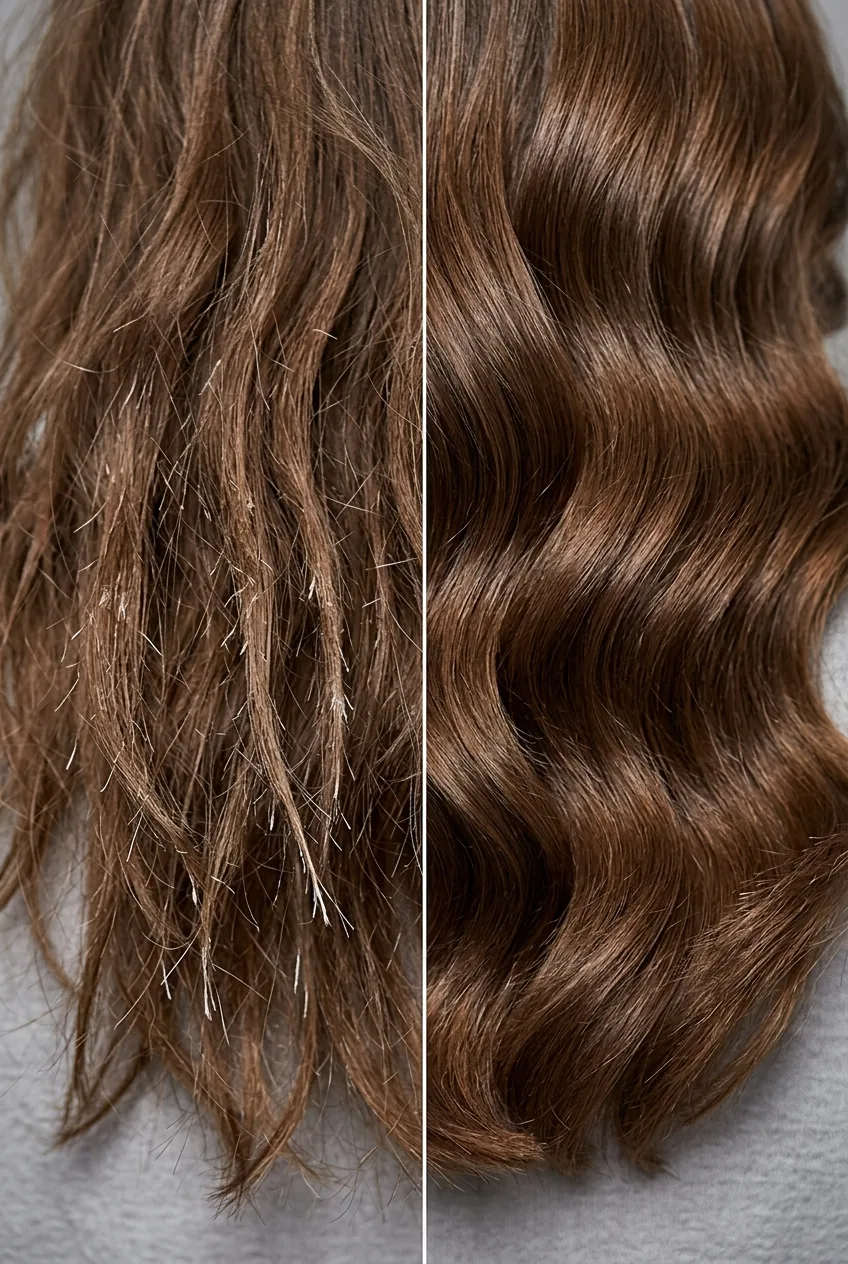
I learned this the hard way after a particularly disastrous cut where the stylist “thinned out” my waves. Within two weeks, I had a halo of broken pieces that wouldn’t lay flat no matter what I did. Scientific studies confirm what many of us have experienced — wavy hair needs completely different cutting techniques.
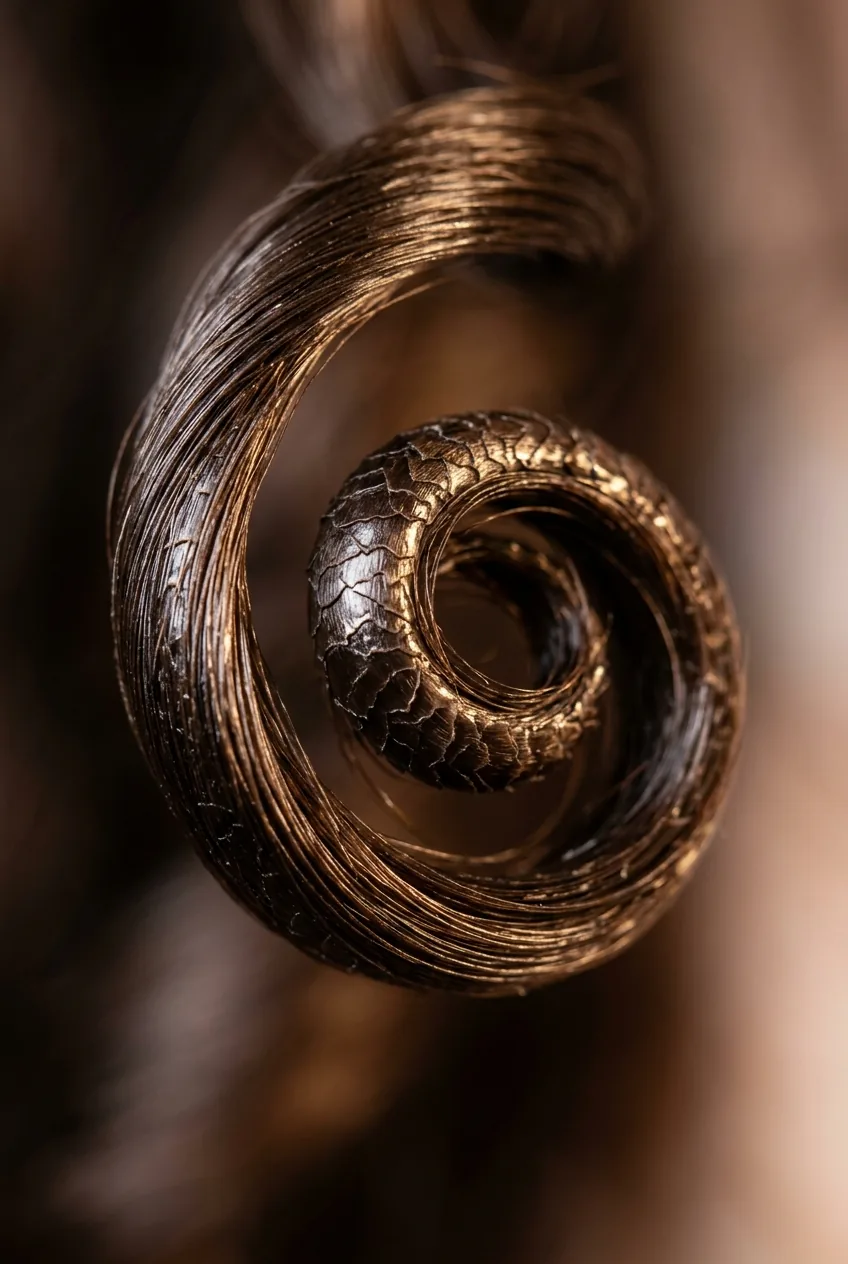
The other thing that matters? Porosity. Wavy hair tends to be more porous along those bends, which means it absorbs and loses moisture differently than straight hair. A cut that works on straight, low-porosity hair will look completely different on wavy, high-porosity hair.
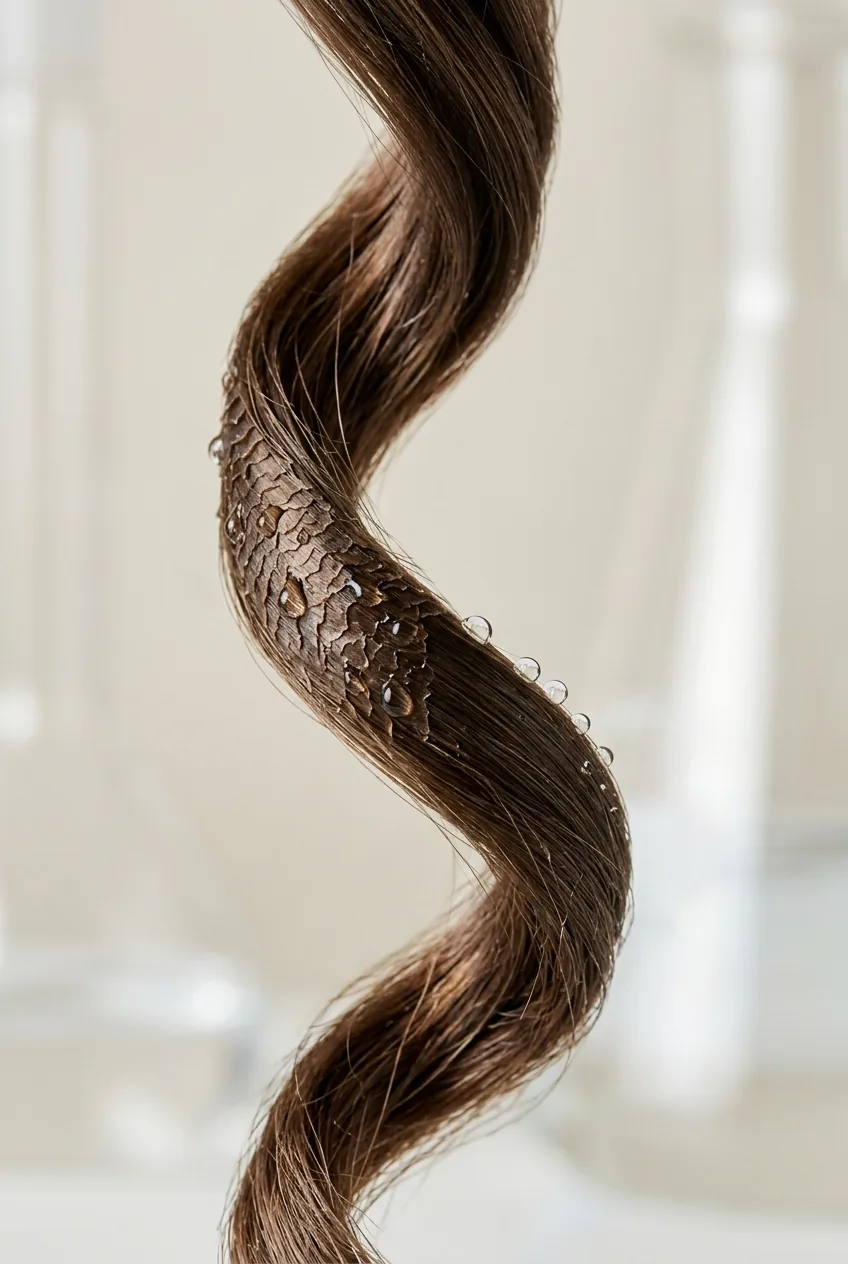
This isn’t just technical hair nerd stuff. Understanding your hair’s structure changes everything about how you should approach cutting it. And unfortunately, most traditional cosmetology programs barely touch on these differences.
What The Hair Industry Gets Wrong
Here’s my controversial opinion: the beauty industry has been gaslighting people with wavy hair for decades. We’re told our hair is “difficult” or “unmanageable” when really, we’ve just been getting the wrong cuts.
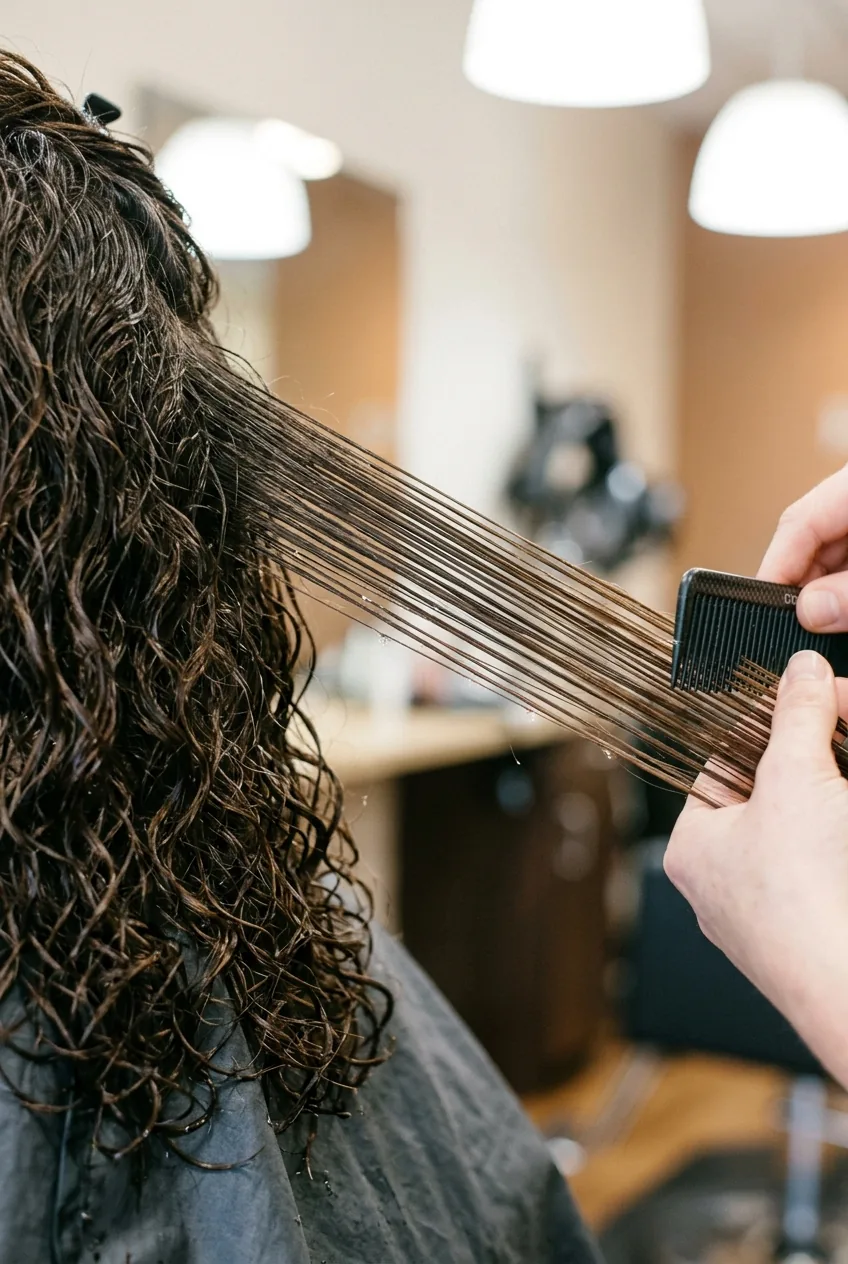
The biggest mistake? Cutting wavy hair wet. I cannot tell you how many times I’ve sat in that chair watching my stylist comb my waves straight and cut across them like they’re dealing with pin-straight hair. When wet, my 2C waves stretch to nearly straight. The stylist thinks they’re creating a nice, even line. But when it dries and springs back up? Chaos.
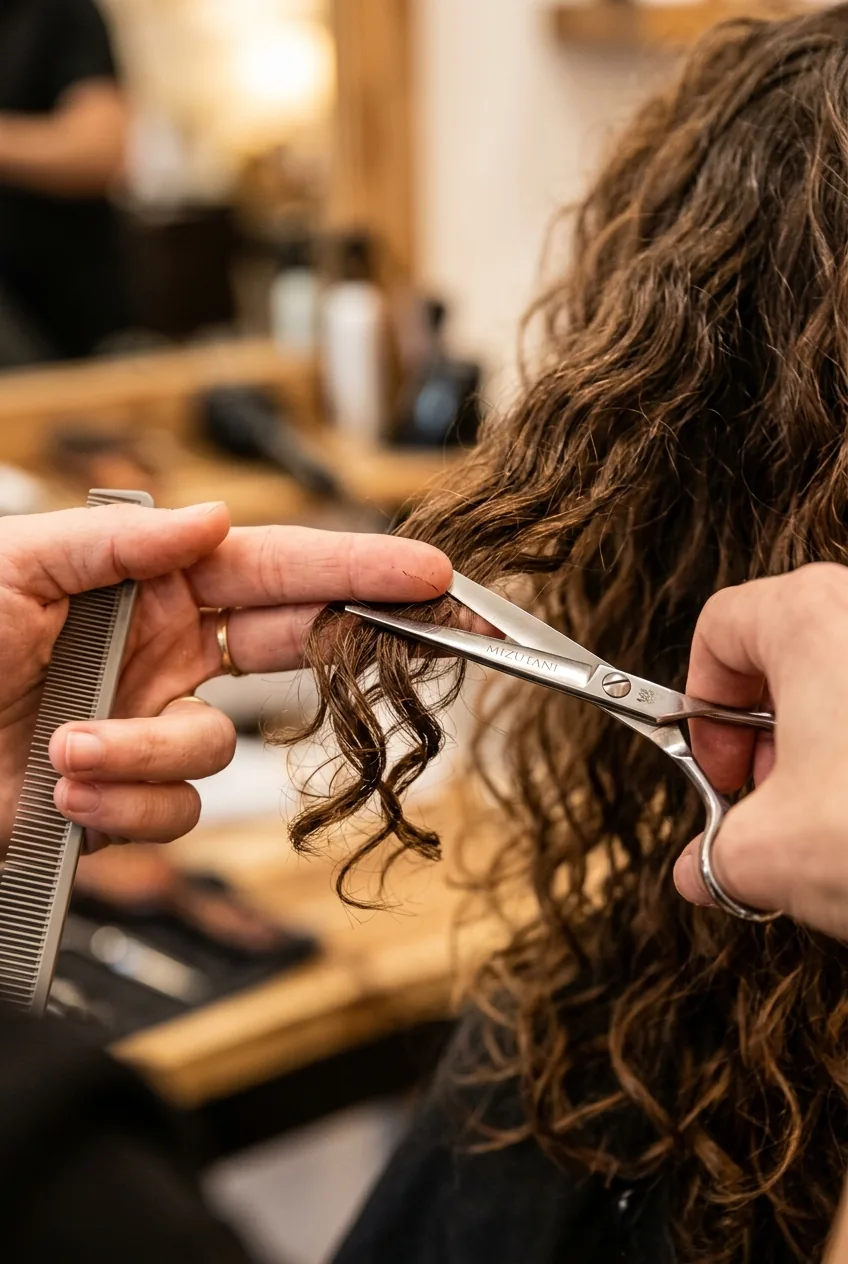
I finally found a curly-cut specialist who cuts my hair dry, in its natural state. The difference was like getting glasses for the first time — suddenly everything made sense. She could see exactly how each section wanted to fall and worked with my natural pattern instead of against it.
Another industry myth that drives me crazy: “layers will give you movement.” Not on wavy hair, they won’t. Too many layers on waves creates what I call the triangle effect — wide at the bottom, flat at the top. Instead of bouncy, defined waves, you get a shapeless mess that only looks good for about six hours after professional styling.
The truth is, most stylists learned to cut on straight hair models. They’re applying straight-hair logic to wavy hair physics, and it just doesn’t work. We need stylists who understand that our hair isn’t broken — it’s just different.
And don’t get me started on the obsession with “taming” wavy hair. Since when did natural texture become something that needs taming? My waves aren’t wild animals. They’re just waves.
The Four Non-Negotiable Rules
After years of trial and error (mostly error), I’ve narrowed down the essential rules for cutting wavy hair. These aren’t suggestions — they’re requirements if you want a cut that actually works with your texture.
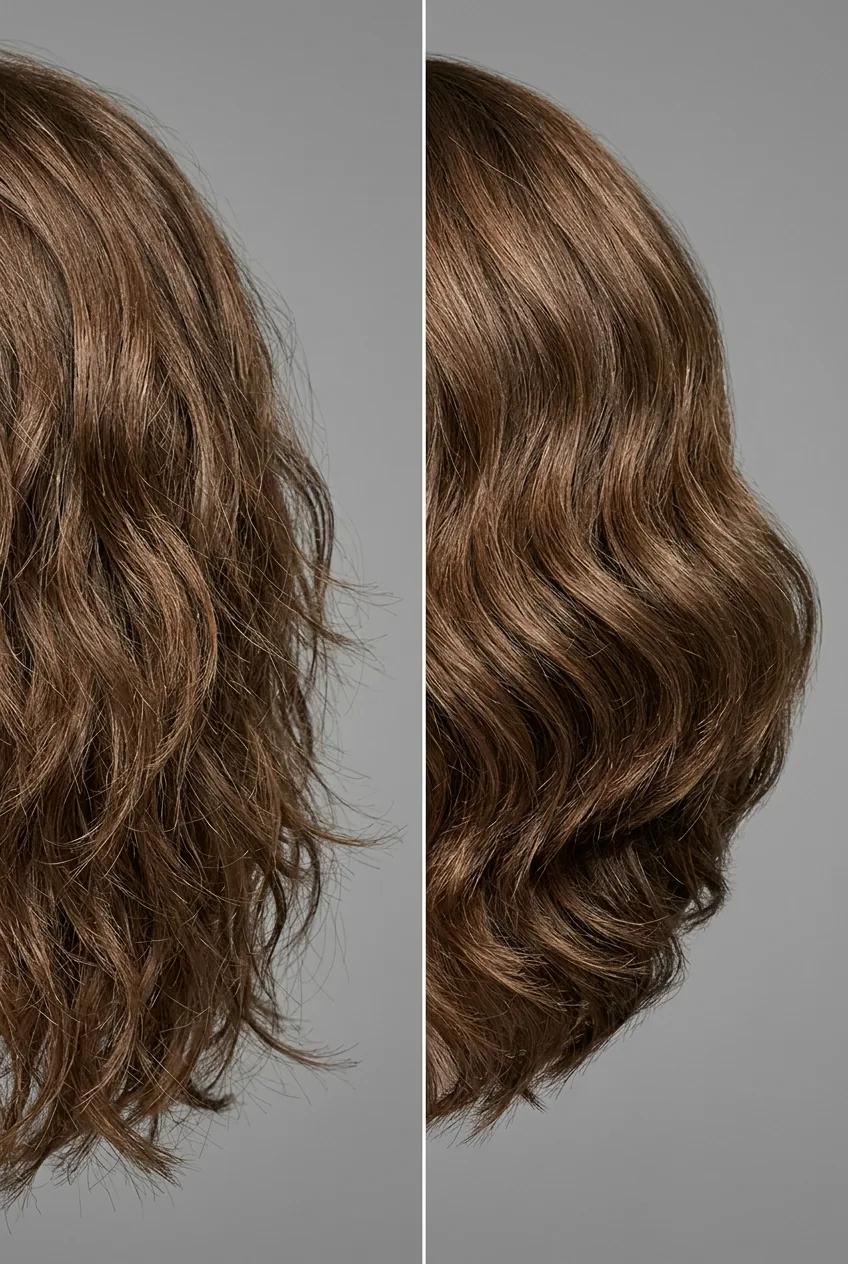
Rule One: Always cut dry. I don’t care if your regular stylist thinks this is weird. Wavy hair behaves completely differently wet versus dry. A stylist needs to see your natural curl pattern to cut it properly. Period.
Rule Two: Minimal layers, maximum length variation. This sounds contradictory, but hear me out. Instead of traditional layering (which creates steps), wavy hair needs length variation that follows the natural curl pattern. Think gentle graduation rather than distinct layers.
Rule Three: No thinning shears. Ever. This is where I’ll probably get pushback from stylists, but thinning shears are the enemy of wavy hair. They create microscopic damage along the hair shaft that shows up as frizz. If your hair needs to be less bulky, the solution is better shaping, not thinning.
Rule Four: Work section by section. Wavy hair isn’t uniform. The waves at my crown are different from the ones at my nape. A good wavy hair cut addresses each section individually rather than treating your whole head like one entity.
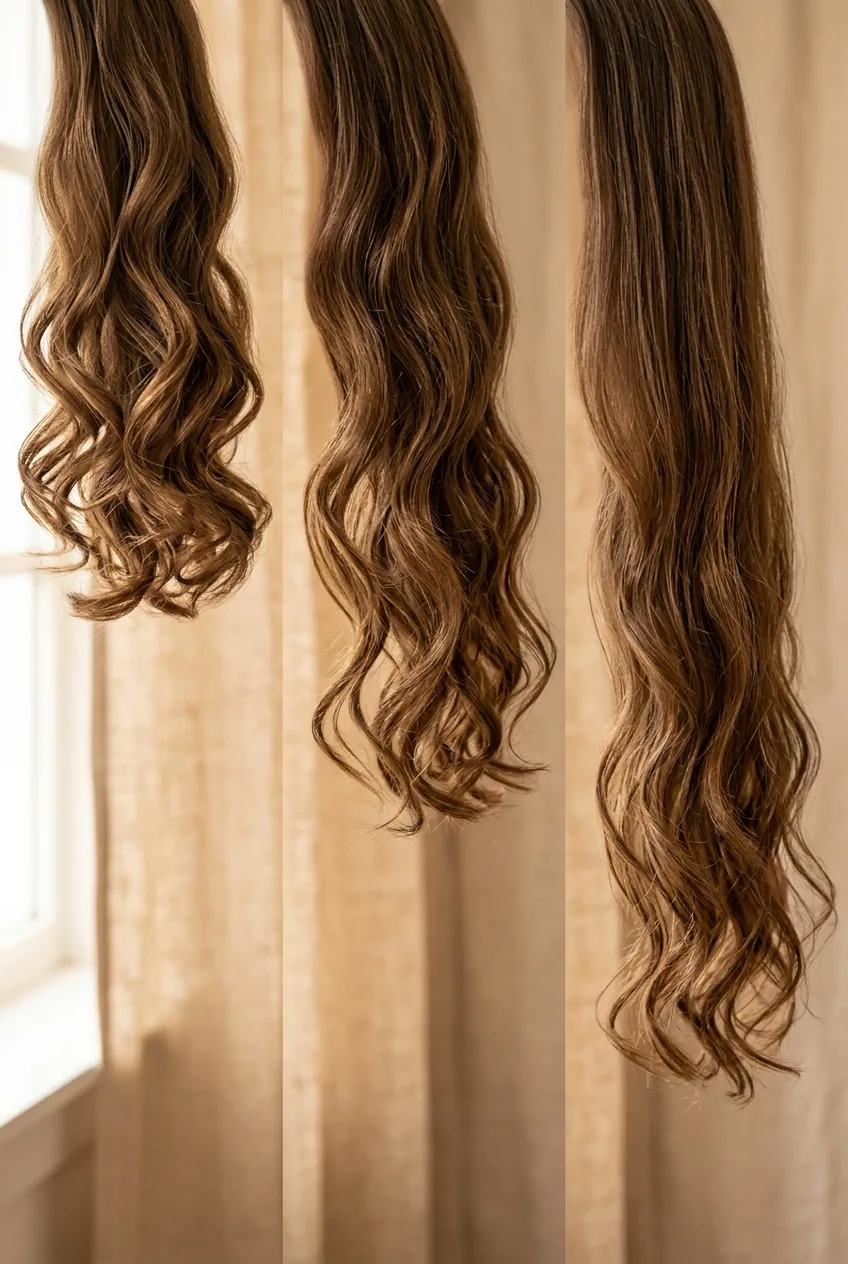
I know these rules might sound high-maintenance, but they’re actually the opposite. When you get a cut that works with your natural texture, styling becomes so much easier. I went from spending 45 minutes fighting my hair every morning to 10 minutes enhancing what’s already there.
See the Dry Cutting Method in Action
Why Length Matters More Than You Think
Length isn’t just about personal preference when you have wavy hair — it’s about physics. The weight of your hair affects how your waves form and where they sit. Too short, and you lose the weight needed to elongate your curl pattern. Too long, and the weight can pull your waves straight.
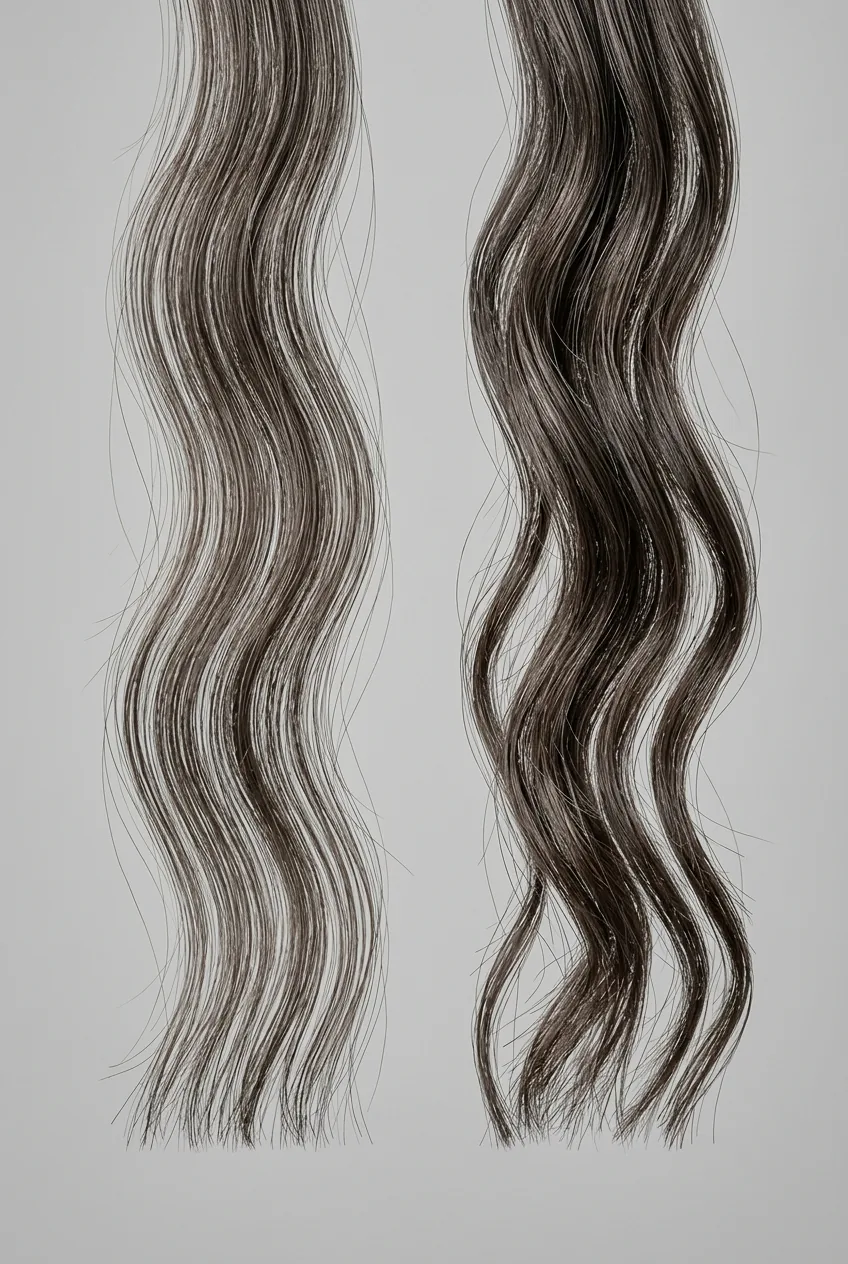
I learned this lesson when I impulsively cut my waist-length waves to a chin-length bob. The waves that had been loose and flowing suddenly became tight spirals that stuck out sideways. Same hair, same texture, completely different behavior because I’d removed the weight that was gently stretching my curl pattern.
For most wavy hair types, there’s a sweet spot between the collarbone and mid-chest where the weight-to-curl ratio is perfect. Your waves get enough weight to drape nicely but not so much that they lose their shape. This is why short wavy hair that actually works requires such precise cutting — there’s much less margin for error.
But here’s what’s interesting — fine wavy hair can actually handle shorter lengths better than coarse wavy hair. My fine-haired friends can rock a wavy bob that would look terrible on my coarse waves. It’s not just about curl pattern; it’s about hair density and individual strand thickness.
The key is finding your hair’s natural length preference and working with it rather than against it. If your waves look amazing at shoulder length but you’ve always wanted long hair, you might need to accept that your best hair happens at shoulder length. Fighting your hair’s natural preferences is a losing battle.
I also want to mention something nobody talks about: how length affects your styling routine. Longer wavy hair takes longer to air dry but often needs less product per inch. Shorter wavy hair dries faster but can require more concentrated product application. Factor this into your length decision — there’s no point having a gorgeous cut if you don’t have time to style it properly.
The Nuance Nobody Mentions About Face Shape
Everyone talks about face shape when choosing haircuts, but with wavy hair, it’s more complicated than “round faces need layers.” The volume and movement of wavy hair changes the entire equation. A cut that flatters a round face in straight hair might overwhelm it in wavy hair.
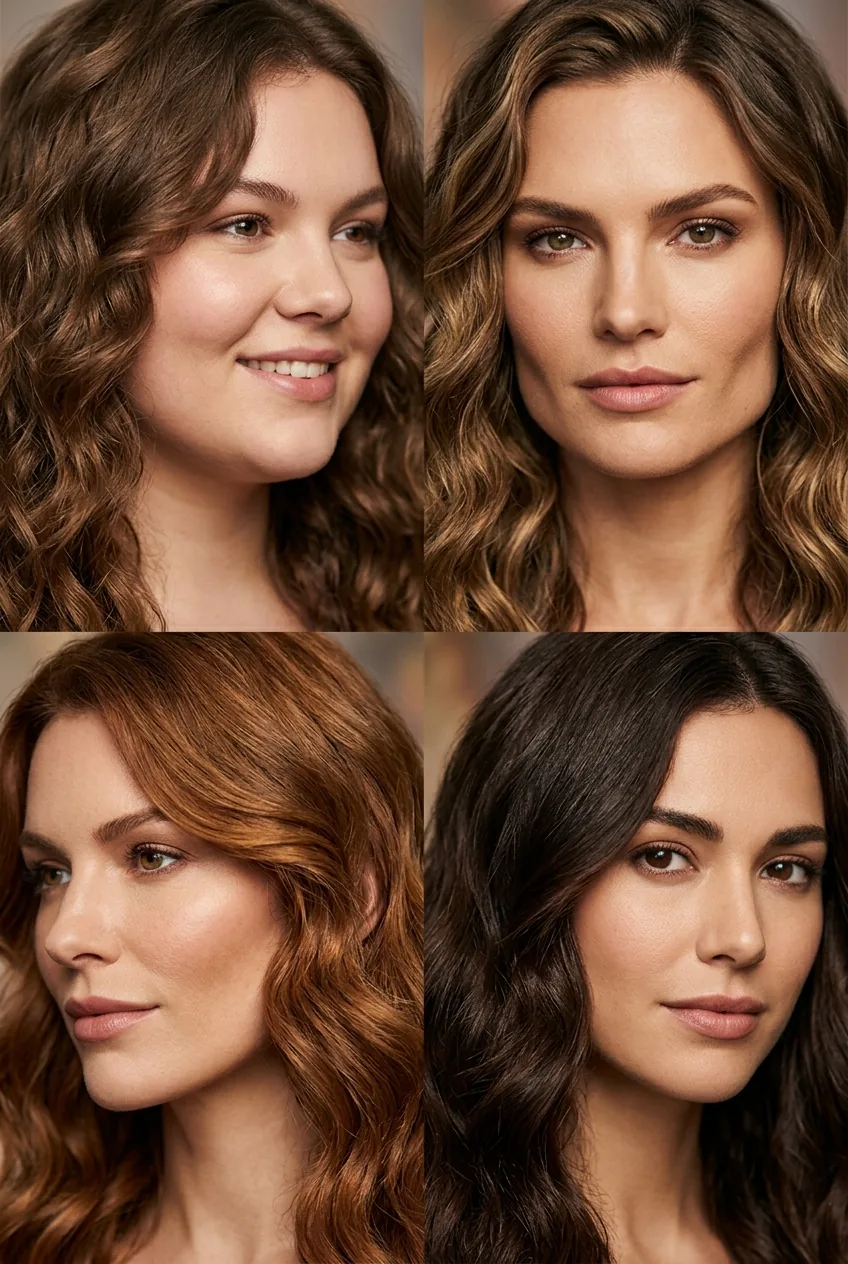
Take heart-shaped faces, for example. The standard advice is to add width at the jawline. But if you have voluminous waves, adding more width at the jawline can create an unbalanced, bottom-heavy look. Instead, you might need strategic length that lets your waves cascade past the jawline, creating length rather than width.
I have a square face, and for years I followed the advice to “soften” my angles with layers and side-swept bangs. But my waves already provide natural softness. What I actually needed was structure — clean lines that complement my natural wave pattern without competing with it.
Here’s something I’ve noticed: wavy hair has its own optical illusions. The movement and texture can actually make your face appear different shapes depending on how the waves fall. A professional analysis showed me that my perceived face shape changes dramatically depending on whether my waves are defined or frizzy.
The biggest mistake I see is people trying to hide their face shape with their hair rather than choosing cuts that enhance their natural features. Your waves should frame your face, not camouflage it. If you have strong cheekbones, don’t hide them — let your waves emphasize them.
And please, let’s retire the idea that certain face shapes “can’t” wear certain cuts. I’ve seen gorgeous wavy pixie cuts on round faces and stunning long waves on long faces. The key is execution and understanding how your specific wave pattern interacts with your features. Rules are made to be broken, especially when it comes to embracing your natural texture.
What works for celebrity inspired holiday hair ideas might need adaptation for your daily routine and natural texture. The goal isn’t to copy someone else’s look exactly — it’s to find inspiration and make it work for your unique combination of face shape, hair texture, and lifestyle.
Questions I Get About This
Can I still get a good wavy haircut at a regular salon?
Yes, but you need to be selective about the stylist. Look for someone who specifically mentions experience with curly or wavy hair, and don’t be afraid to ask if they cut dry. Many traditional stylists are learning these techniques now.
How often should wavy hair be cut?
I get my hair cut every 10-12 weeks instead of the standard 6-8. Wavy hair disguises split ends better than straight hair, and frequent cuts can disrupt your hair’s natural growth pattern. When I do get trims, I ask for “dustings” rather than full cuts.
What if my waves are different textures throughout my head?
This is totally normal! I have 2A waves at my crown and 2C spirals underneath. A skilled stylist will cut each section according to its natural pattern rather than trying to force uniformity. Embrace the variation — it adds character.
Are there any cuts that just don’t work on wavy hair?
Very blunt, geometric cuts can look awkward because they fight against your hair’s natural movement. That said, I’ve seen skilled stylists make almost anything work by adapting the cutting technique. The key is finding someone who understands wavy hair physics.
The bottom line? Your wavy hair isn’t difficult or unmanageable. It just needs a stylist who understands that waves have their own rules. Once you find that person (and they’re out there, I promise), you’ll wonder why you spent so many years fighting your natural texture. Sometimes the best haircut isn’t about changing your hair — it’s about finally letting it be itself.