






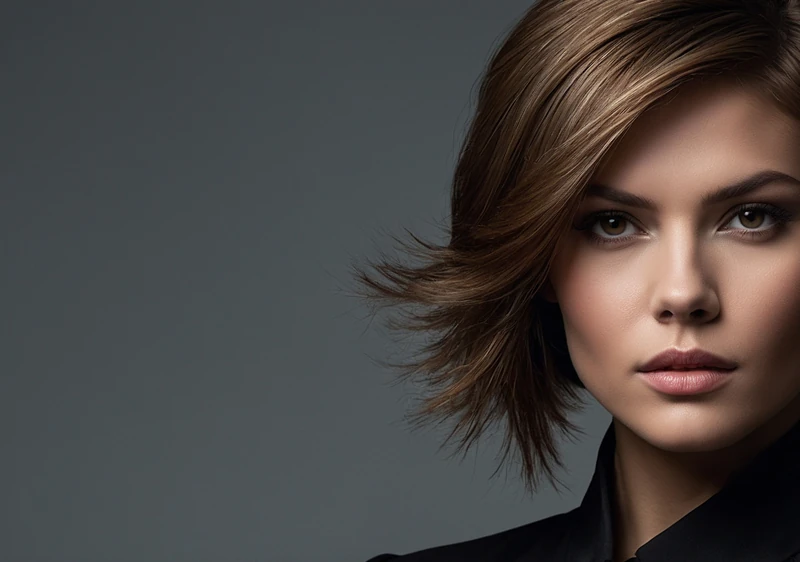


I used to be one of those people who thought layers were the answer to everything. Flat hair? Layers. Too much bulk? Layers. Weird cowlick situation? Obviously, more layers. Then I spent three years growing out the worst layered disaster of my life, and it completely changed how I think about this cut.
The truth is, layers can be absolutely transformative — or they can leave you looking like you stuck your finger in an electrical socket. And honestly? Most stylists won’t tell you which category your hair falls into until it’s too late.
Why I Changed My Mind About Layers
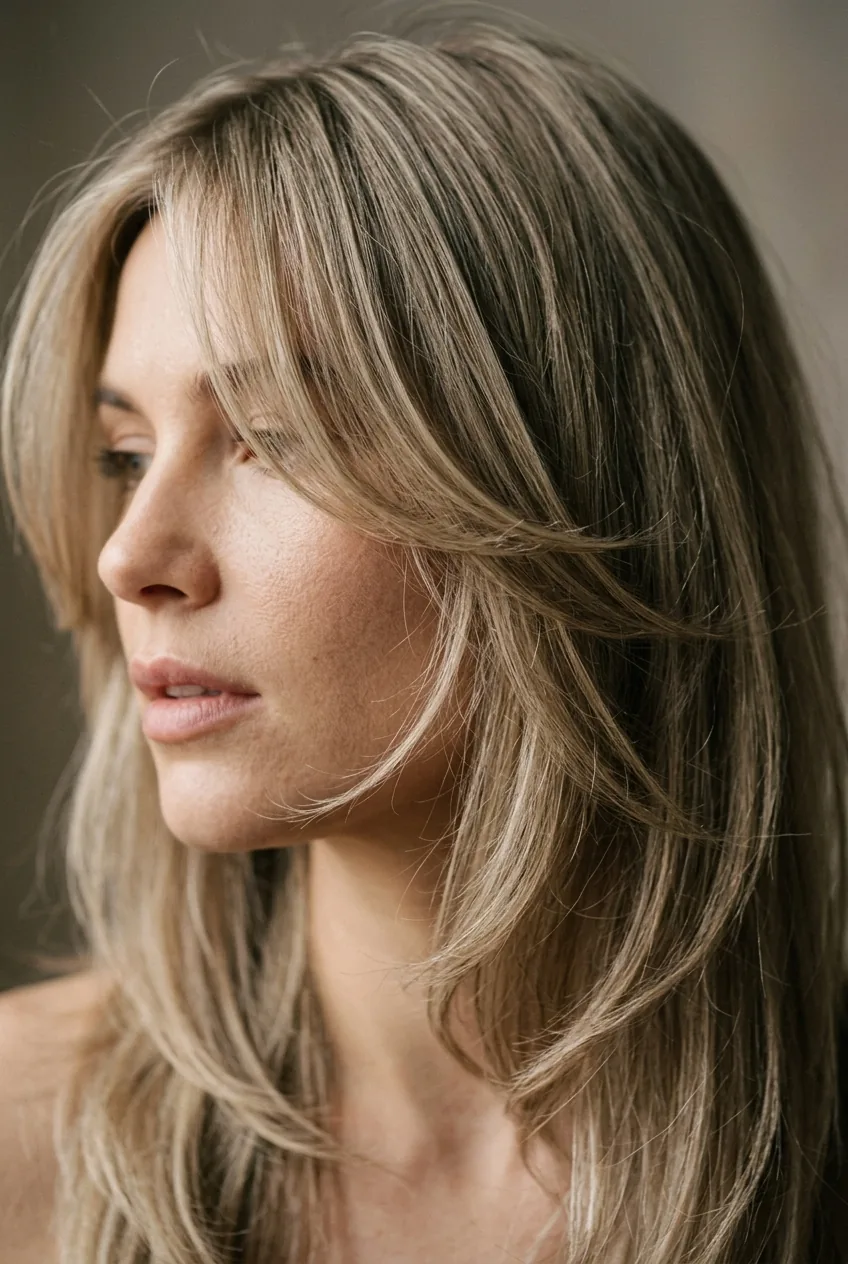
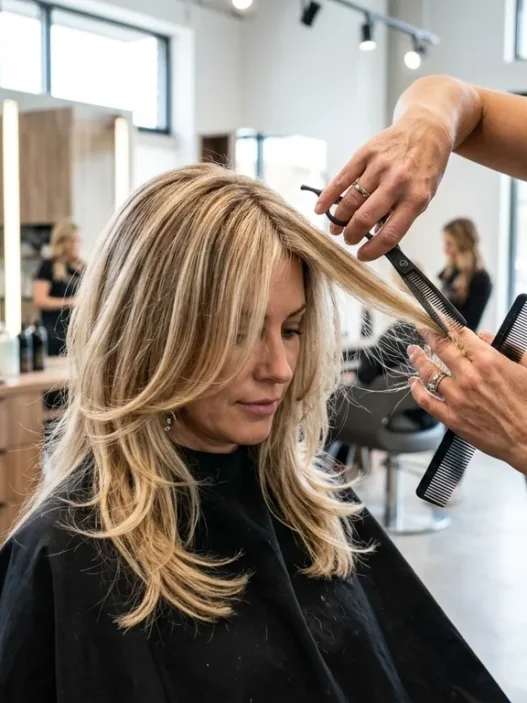
Let me paint you a picture. It was 2019, I had shoulder-length hair that felt heavy and lifeless, and I marched into a salon asking for “face-framing layers.” The stylist nodded enthusiastically, started cutting, and within twenty minutes I looked like I’d been attacked by a weed whacker.
The problem wasn’t the stylist’s skill — she was actually quite good. The problem was that nobody had bothered to assess whether my fine, straight hair could actually support the kind of layering I was asking for. Spoiler alert: it couldn’t.
What followed was eighteen months of awkward growing-out phases, constant styling battles, and the realization that I’d been thinking about layers all wrong. They’re not a universal solution. They’re a very specific tool that works brilliantly on some hair types and creates chaos on others.
That disaster taught me something important: the best haircuts work with your hair’s natural tendencies, not against them. And sometimes that means saying no to trends, even when they look gorgeous on everyone else.
The silver lining? Those eighteen months forced me to really understand my hair — its texture, its movement patterns, how it responds to different cutting techniques. Now when I see someone with amazing pixie cut hairstyles that are perfectly layered, I can appreciate the skill that went into making those layers work.
The Science Behind Layering
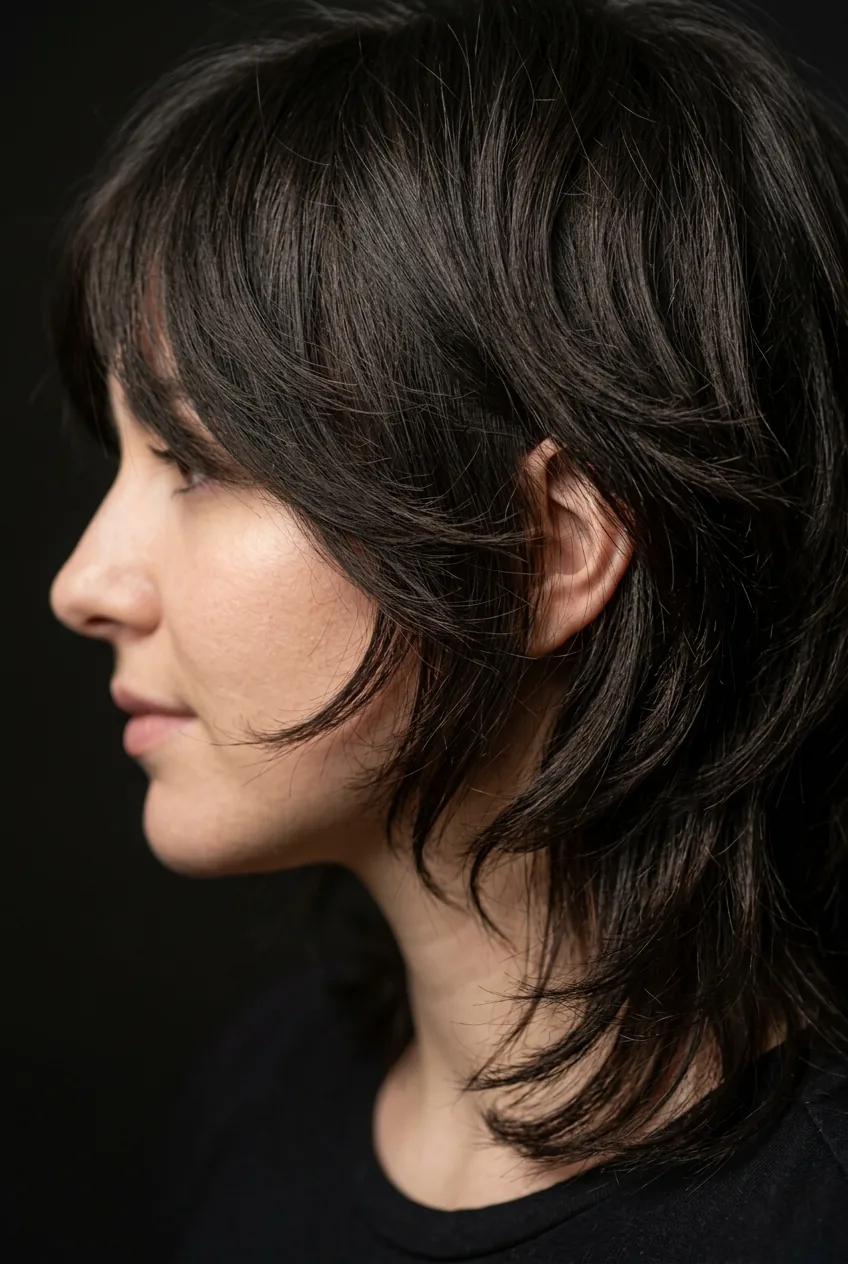
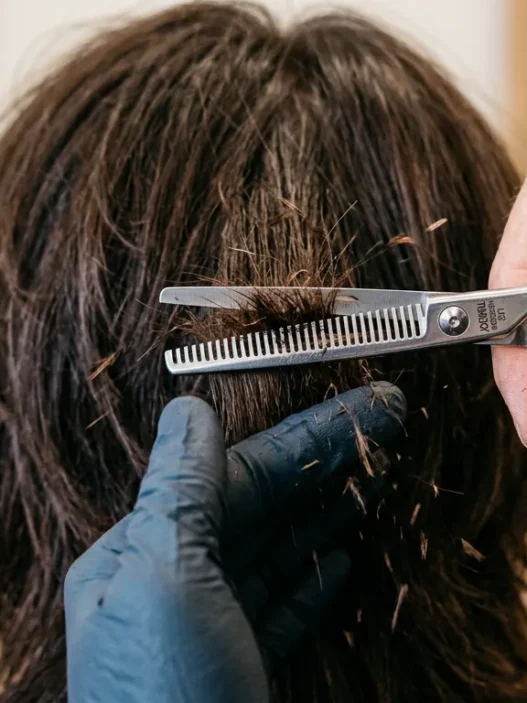
Here’s what most people don’t realize: layering isn’t just about cutting hair at different lengths. It’s about understanding weight distribution, hair physics, and how your specific texture moves through space.
When you remove weight from certain sections of hair, you’re changing how gravity affects the entire head of hair. Thick, coarse hair has enough structure to support dramatic layering because each strand is strong enough to hold its shape even when isolated. Fine hair? Not so much.
Think of it like architecture. You wouldn’t use the same support system for a skyscraper that you’d use for a garden shed, right? Hair works the same way. Professional texture analysis reveals why some hair needs more internal structure than others.
The direction of your natural growth patterns also plays a huge role. I have two cowlicks at my crown that spiral in opposite directions. Any layer cut that doesn’t account for those will create chaos at the back of my head. Your stylist should be mapping these patterns before they pick up scissors.
And here’s something I learned the hard way: curl pattern matters even if your hair appears straight. I always thought my hair was pin-straight until I started paying attention to how it dried naturally. There’s actually a subtle wave pattern that only shows up when layers are cut properly. Get the layers wrong, and that wave turns into a weird flip situation that no amount of styling can fix.
Watch This Technique in Action
What The Industry Gets Wrong

The biggest lie the hair industry tells us is that layers add volume to fine hair. This is backward thinking, and it drives me crazy.
Layers don’t create volume — they reveal existing volume by removing weight. If your hair doesn’t have natural body and movement, layering it will just make it look thinner and more stringy. I see this constantly in salons: clients with fine hair asking for layers to “add fullness,” and stylists agreeing instead of explaining why that’s not how it works.
Another myth that needs to die: face-framing layers work on everyone. Your face shape matters, yes, but your hairline and growth patterns matter more. I have a slightly receding hairline on one side (genetics, thanks Mom), and face-framing layers on that side just emphasize the thinness. On the other side, where my hairline is fuller, the same layers look amazing.
Then there’s the maintenance lie. Stylists love to sell layers as “low-maintenance” because they “grow out naturally.” This is complete nonsense. Layers require more frequent trims than blunt cuts because the proportions change as they grow. What looks perfectly balanced at six weeks can look completely off at ten weeks.
The industry also pushes this idea that there’s one “right” way to layer hair. Long layers, short layers, choppy layers — they talk about these like they’re interchangeable techniques. But the angle and placement of each layer dramatically changes how the cut functions. A layer that starts at your jawline will behave completely differently than one that starts at your collarbone, even if the overall “look” seems similar.
What really frustrates me is how rarely stylists discuss lifestyle compatibility. If you’re someone who air-dries your hair 90% of the time, certain layer cuts will never look good on you without significant styling. That’s not a failure — that’s just reality. But somehow this conversation rarely happens during consultations.
The Nuance Nobody Mentions
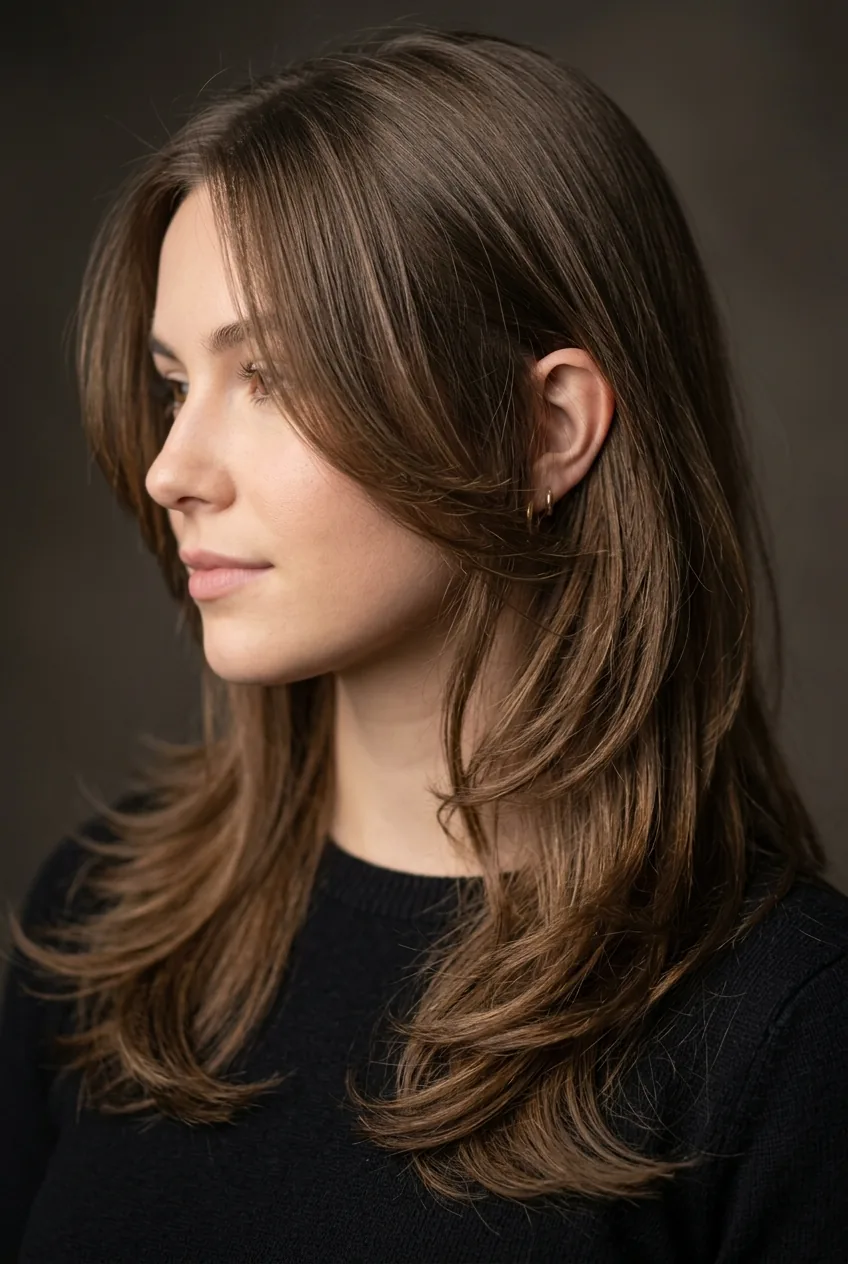
Let’s talk about the stuff that doesn’t make it into hair magazines or Instagram tutorials.
First: seasonal changes affect layered hair differently than blunt cuts. My layers look completely different in humid summer weather versus dry winter air. The same cut that gives me perfect beachy waves in July turns into a frizzy mess in August. If you live in a climate with dramatic seasonal changes, this needs to be part of your decision-making process.
Hormonal changes also impact how layers perform. During certain times of my cycle, my hair texture actually changes — it becomes finer and more prone to static. Layers that normally give me great movement suddenly look limp and separated. Pregnancy, menopause, medication changes — all of these can shift how your hair responds to layering.
Here’s something I discovered through trial and error: the order in which you cut layers matters enormously. Starting with the longest layer and working shorter creates a different shape than starting short and working longer. Most clients never know to ask about this, but it can be the difference between a cut that looks intentional and one that looks accidental.
Age is another factor that gets glossed over. The same layering technique that looked effortless in my twenties started looking choppy and harsh in my thirties. My hair became slightly coarser and less elastic, changing how it held the shape of the cut. Mature hair texture shifts are real, and they affect how layers should be approached.
And then there’s the personality factor that nobody talks about. Some people are natural hair touslers — they run their fingers through their hair, sleep on it weird, wear hats constantly. Layers can look amazing on this type of person because the slightly messy, lived-in look works with the cut’s natural movement. But if you’re someone who prefers smooth, controlled styles, layers might fight against your natural styling preferences.
The relationship between layers and color is another overlooked element. Highlights and lowlights can completely change how layers appear by creating visual texture and dimension. But if your color fades unevenly, layers can emphasize that patchiness in unflattering ways.
My Personal Testing Results
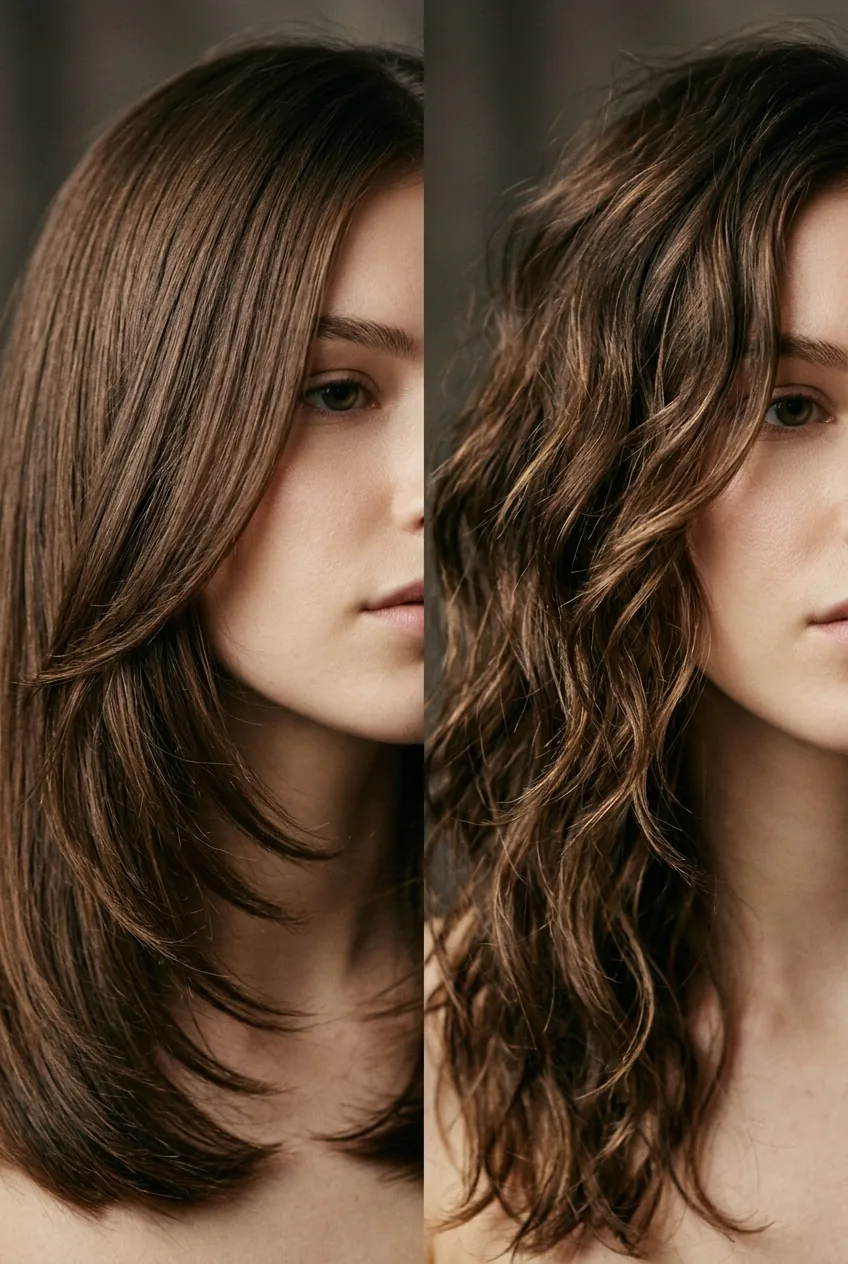
After that 2019 disaster, I became obsessed with understanding exactly what works for my hair type. I spent the next few years systematically testing different approaches, keeping detailed notes, and photographing the results.
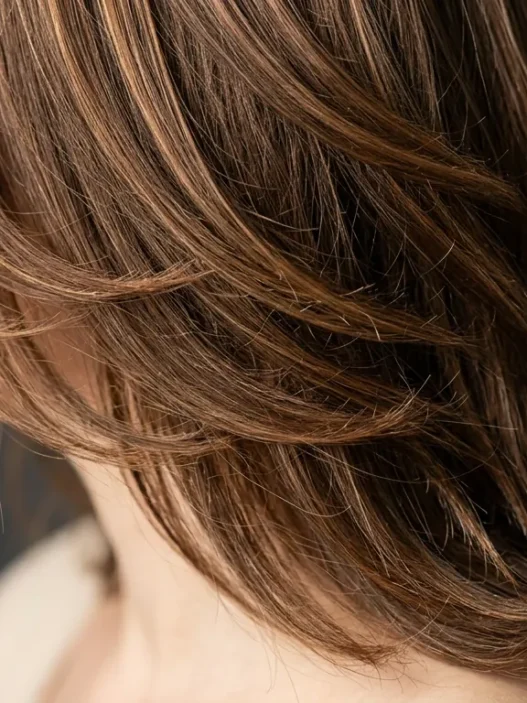
What I discovered surprised me. My hair actually can handle layers — just not the kind I was asking for. Subtle, long layers starting below my collarbones work beautifully. They add movement without compromising the overall density. But anything shorter than that turns into chaos.
The sweet spot for my hair is layers that are no more than two inches different in length from longest to shortest. Any more dramatic than that, and the shorter pieces stick out awkwardly instead of blending seamlessly. This is probably specific to fine, straight hair — thicker textures can handle much more variation.
I also learned that the styling method completely changes how layers look on me. When I scrunch my hair while it’s damp and let it air dry, the layers create beautiful natural waves. But when I blow-dry smooth, those same layers create weird kinks and bends that look unintentional.
Timing matters too. I get the best results when I book layer cuts for late morning appointments. My hair is completely clean but not freshly washed (which makes it too slippery), and I’m not tired or rushed. The stylist can see exactly how my hair naturally falls and behaves.
One of my most important discoveries: maintenance scheduling is crucial. I need to trim layers every 8-9 weeks, not the standard 6-8 weeks most stylists recommend. My hair grows relatively slowly, and cutting too frequently actually prevents the layers from settling into their optimal shape.
The product factor was also eye-opening. Layers respond differently to different styling products. Mousses and gels enhance the separation between layers (sometimes too much), while creams and oils help them blend together. I had to completely rebuild my styling routine after getting layers.
Perhaps most importantly, I learned to be extremely specific in consultations. Instead of saying “I want layers,” I now bring photos and discuss exactly what I’m hoping to achieve. Do I want more movement? Better face-framing? Easier styling? Each goal requires a slightly different approach to layering.
Looking back, I realize my 2019 disaster wasn’t really a disaster — it was education. Those challenging eighteen months taught me more about my hair than the previous decade of “safe” cuts. And honestly? Even though I’m much more cautious now, I don’t regret taking that risk. Sometimes you have to fail spectacularly to figure out what actually works.
The layer cut isn’t going anywhere — it’s too versatile and transformative when done right. But it deserves more thoughtful consideration than it usually gets. Your hair is unique, your lifestyle is unique, and your cut should reflect that specificity. Whether that means embracing bold layers or sticking with subtle ones, the key is making an informed choice rather than following trends blindly.