


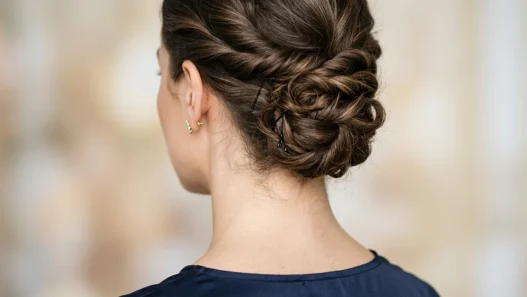




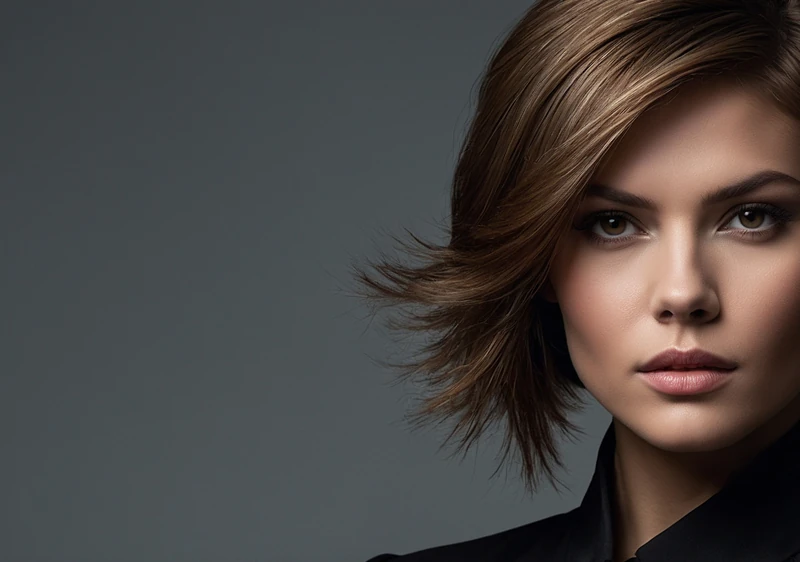


I’ve been on both sides of this debate. Last spring, I went full curtain bang mode after seeing Billie Eilish rock them. Six months later, I chopped them off and asked for face framing layers instead. Now I’ve lived with both long enough to give you the real tea on what works and what doesn’t.
Round 1: The Cut Itself
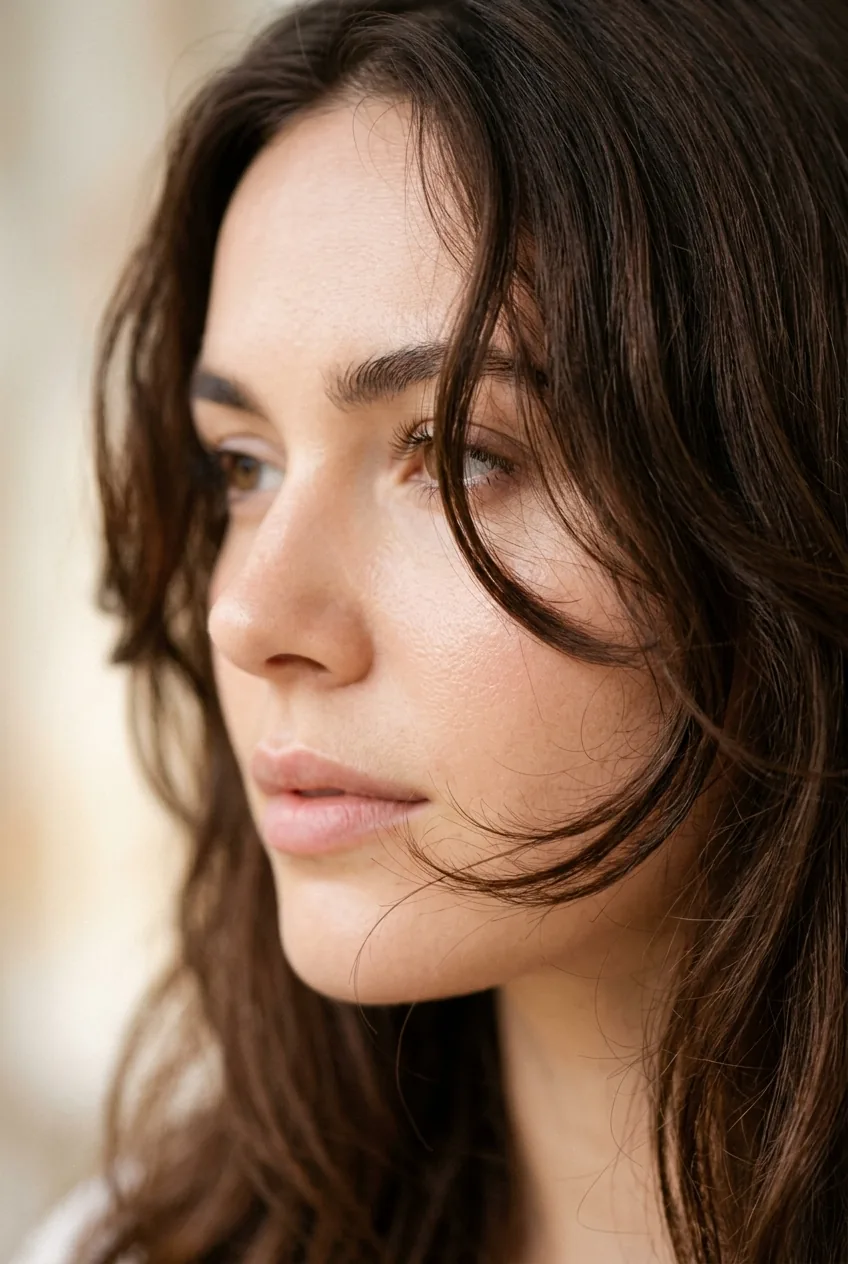
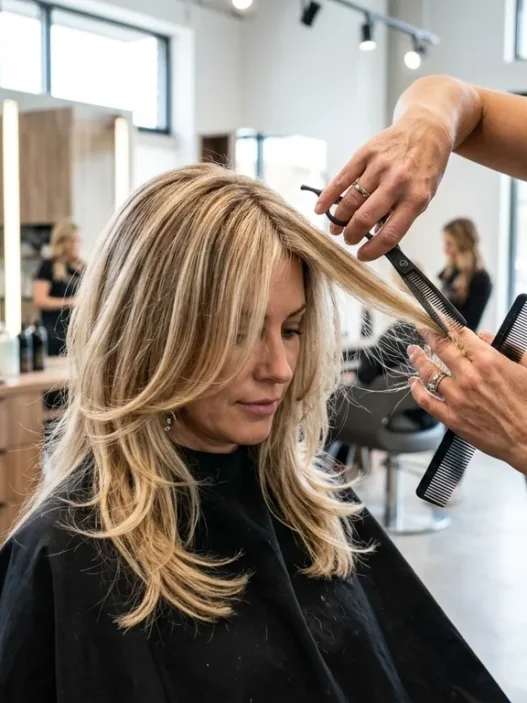
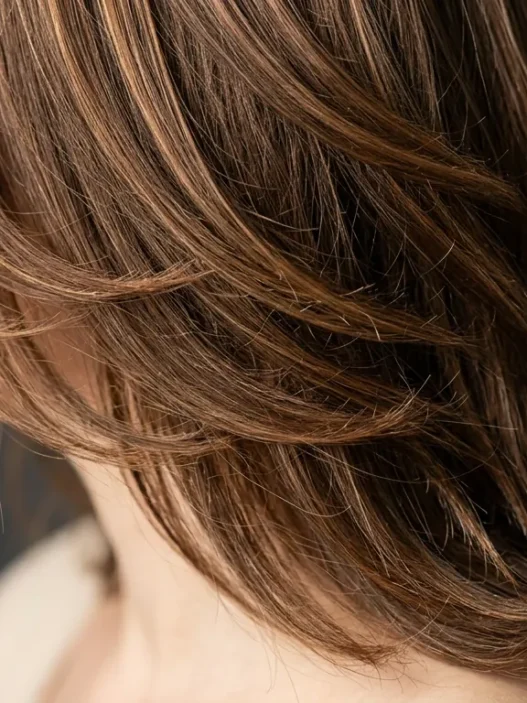
Let’s start with what you’re actually asking your stylist to do. Face framing layers are basically longer pieces of hair cut at different lengths around your face — think of it like a subtle graduation that starts around your cheekbones and flows down. They blend into your overall haircut seamlessly.
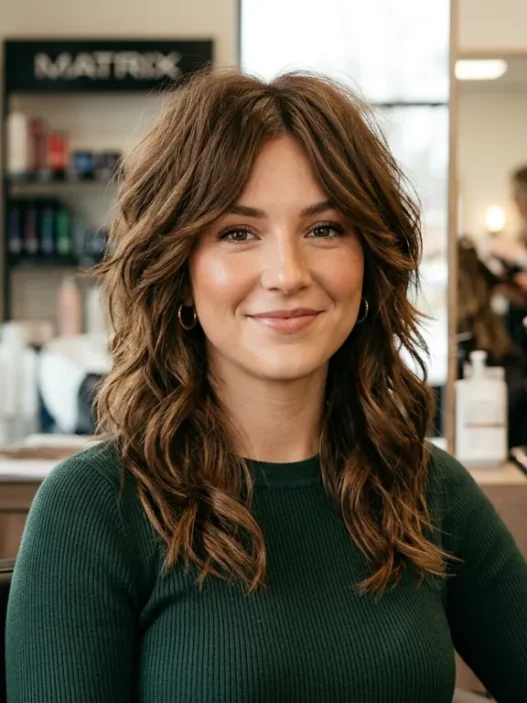
Curtain bangs? They’re a completely separate element. Your stylist is literally creating a fringe that parts in the middle and sweeps to both sides. Look at her in this photo — see how those pieces are distinctly different from the rest of her hair? That’s the key difference right there.
Here’s what I learned: face framing layers work WITH your existing cut, while curtain bangs CREATE a new focal point. If you’re someone who likes subtle changes, layers win. If you want drama and definition, bangs take it.
Winner: Face framing layers (they’re more forgiving if your stylist goes too short)
Round 2: Daily Styling Reality
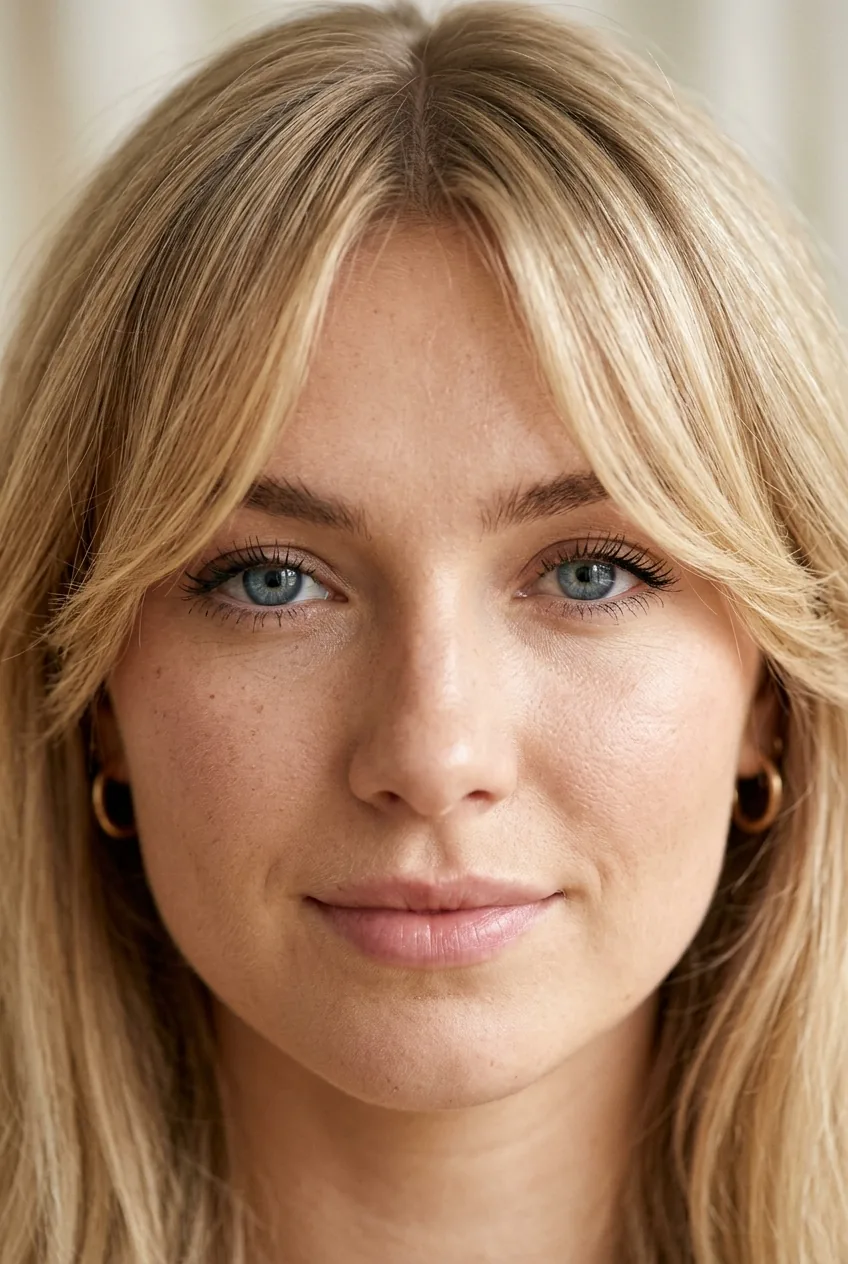
This is where the rubber meets the road. I’m going to be brutally honest here because Instagram lies to you about this stuff.
Face framing layers? Most mornings I literally do nothing to them. Air dry, scrunch with some face framing layers product, and they fall naturally around my face. Even on bad hair days, they somehow look intentional.
Curtain bangs are a different beast entirely. They need daily attention. And I mean DAILY. Sleep on them wrong? You’re blow drying and round brushing before you leave the house. Skip washing your hair? Those bangs will be greasy while the rest of your hair still looks fresh.
I spent so many mornings cursing at my bathroom mirror, trying to get both sides to curl the same way. Proper styling techniques make a huge difference, but honestly? Most of us don’t have 15 extra minutes every morning.
Winner: Face framing layers (and it’s not even close)
This Tutorial Changed My Styling Game
Round 3: Maintenance Schedule
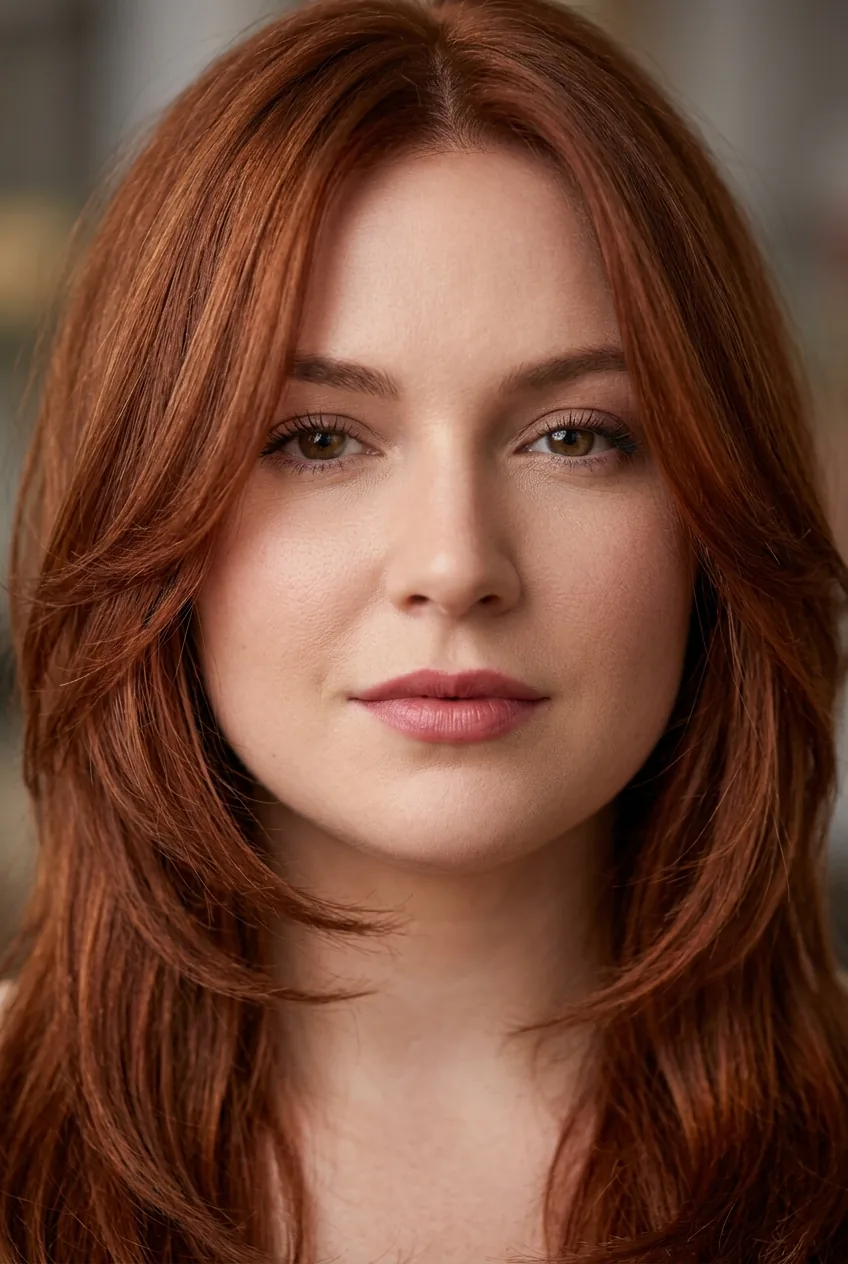
Let’s talk about your wallet and your calendar. Face framing layers grow out gracefully — I can easily go 3-4 months between cuts without looking shaggy. They just get longer and blend into different lengths around my face.
But curtain bangs? Oh honey. Every 6-8 weeks, maximum. I learned this the hard way when I tried to stretch it to 10 weeks and ended up looking like I was peering through curtains. Literally.
The cost adds up fast. Between bang trims ($25-40 each) and the fact that you can’t really DIY them safely, you’re looking at significant salon visits. Meanwhile, face framing layers can wait until your regular cut appointment.
Winner: Face framing layers (your bank account will thank you)
Round 4: Face Shape Flexibility
This is where things get interesting, and where I have to give curtain bangs some credit.
Face framing layers are incredibly forgiving across different face shapes. Round face? They add angles. Square face? They soften the jawline. Long face? They add width at the cheekbones. I’ve literally never seen them look bad on anyone.
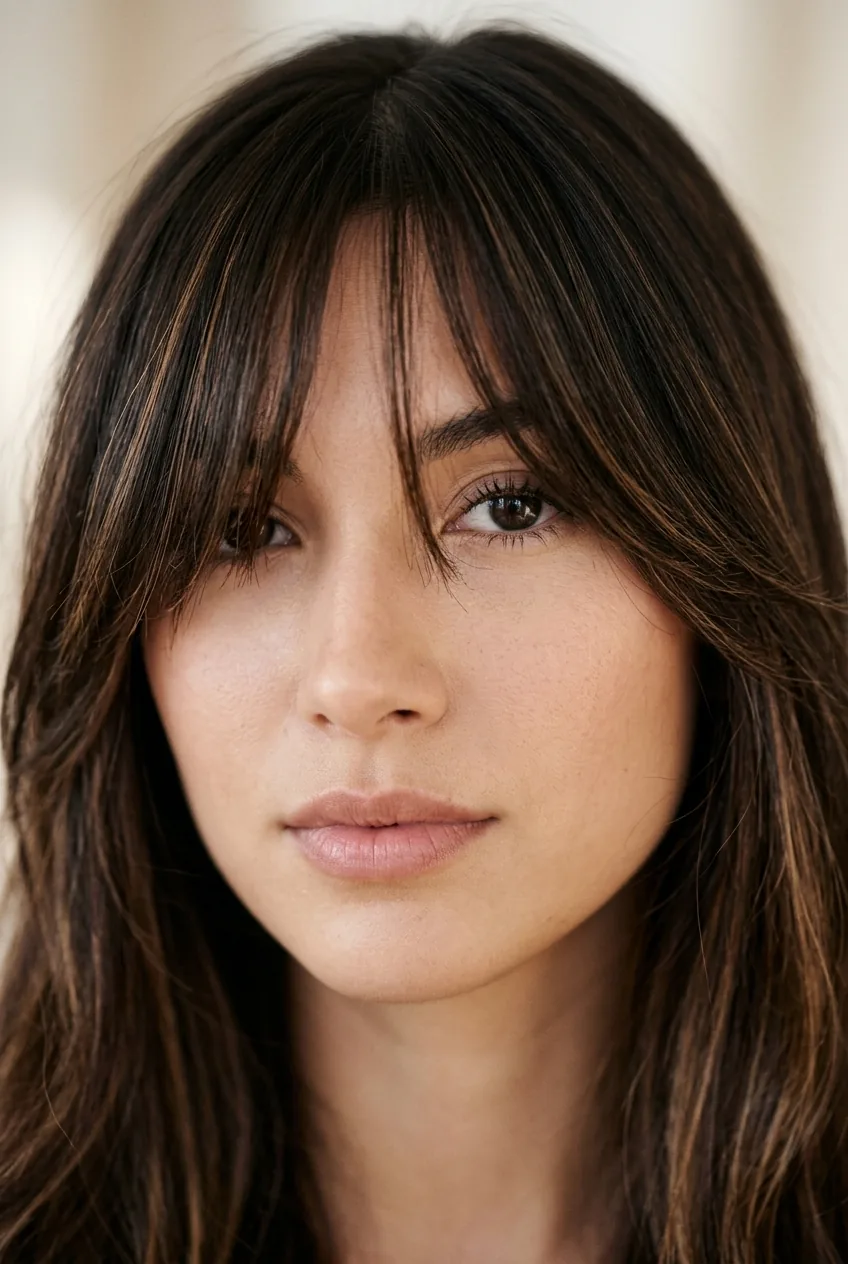
Curtain bangs are trickier but more transformative when they work. On round faces, they can create the illusion of length. On heart-shaped faces, they balance a wider forehead beautifully. But get the length wrong, and they can emphasize exactly what you’re trying to minimize.
The thing is, layers are subtle enough that even if they’re not perfect, they don’t dominate your look. Bangs? They’re front and center. She’s got the perfect length in this shot — see how they hit right at her cheekbone? Move that up or down even half an inch and the whole vibe changes.
Winner: Tie (layers are safer, bangs are more impactful when done right)
The Verdict
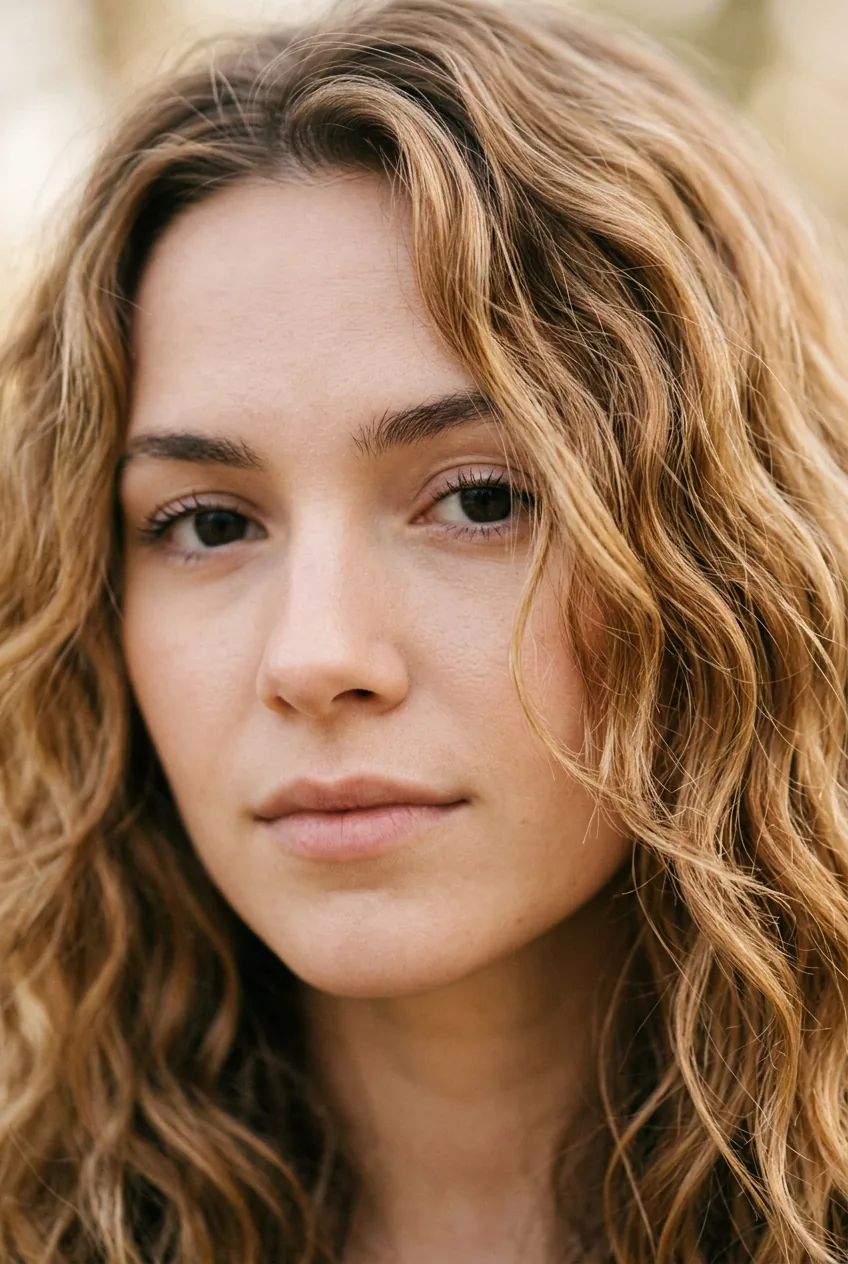
After living with both, I’m team face framing layers all the way. And here’s my controversial take: most people who think they want curtain bangs actually want the EFFECT of curtain bangs — that face-framing, dimension-adding magic — without the daily commitment.
Face framing layers give you 80% of that benefit with 20% of the effort. They photograph beautifully, they’re Instagram-ready without trying, and they work with your lifestyle instead of against it.
But here’s who should absolutely get curtain bangs: you love doing your hair every day, you have fine hair that needs the structure, or you’re ready to commit to the maintenance. They’re stunning when styled properly.
My advice? Start with layers. If you’re craving more drama after six months, you can always add bangs. But once you cut bangs, you’re locked in until they grow out. Medium hairstyles with face framing layers hit that sweet spot between interesting and manageable.
Quick Answers About Both Options
Can I get both face framing layers and curtain bangs together?
Absolutely, but it’s a lot of face-framing elements competing for attention. I’d recommend trying one first, then adding the other if you want more dimension.
Which option works better for thick hair?
Face framing layers hands down. They help remove bulk while adding movement. Curtain bangs on thick hair can look heavy and require more thinning out.
How do I know if my face shape suits curtain bangs?
Try the ponytail test — pull your hair back and see where you’d want bangs to hit. If you like how it looks at cheekbone level, curtain bangs will probably work for you.
What if I mess up DIY face framing layers?
They’re more forgiving than bangs because they blend into your existing hair. Even slightly uneven layers can look intentionally textured. But seriously, invest in a good stylist for the initial cut.
The bottom line? Both options can be gorgeous, but face framing layers are the safer bet for most of us real humans who don’t have a glam squad on speed dial. Sometimes the best beauty choice is the one that makes your life easier, not harder.