








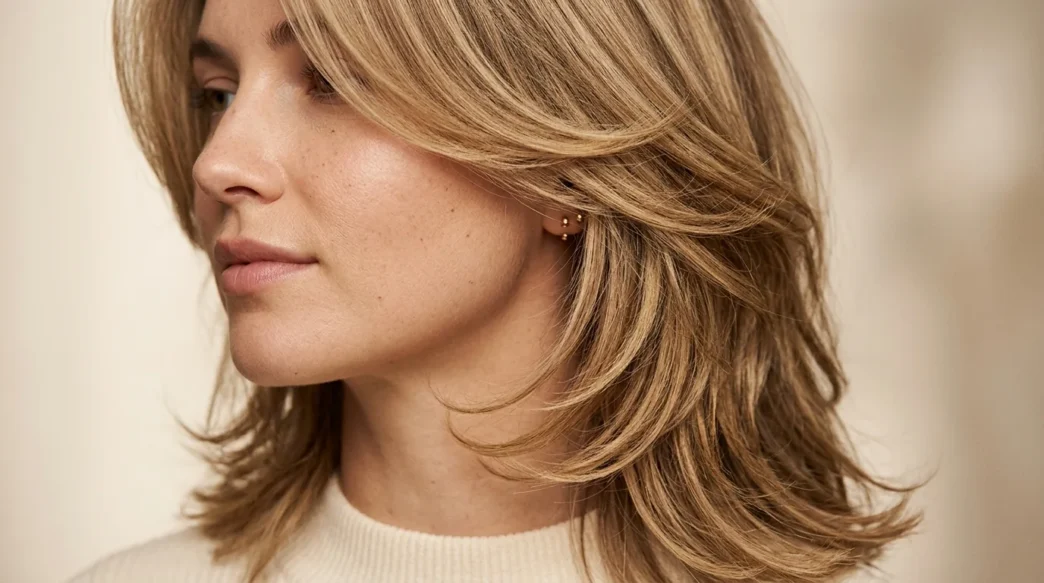
I walked into my first salon appointment asking for “layers” like it was some magical hair word that would solve all my problems. The stylist nodded knowingly, snipped away for forty minutes, and I left looking like I’d stuck my finger in an electrical socket. That was eight years and countless layered disasters ago.
Since then, I’ve become obsessed with understanding why layered haircuts medium length hair can look absolutely stunning on some people and completely tragic on others. Spoiler alert: it’s not just about face shape.
After testing different layering techniques on my own medium-length hair and studying what actually works, I’ve learned some hard truths that most stylists won’t tell you upfront. And honestly? Some of these revelations completely changed how I think about layers.
What We’re Covering About Medium Layered Cuts
The Reality Check Nobody Gives You
Let me start with something controversial: most people asking for layered haircuts medium length hair shouldn’t get them. There, I said it.
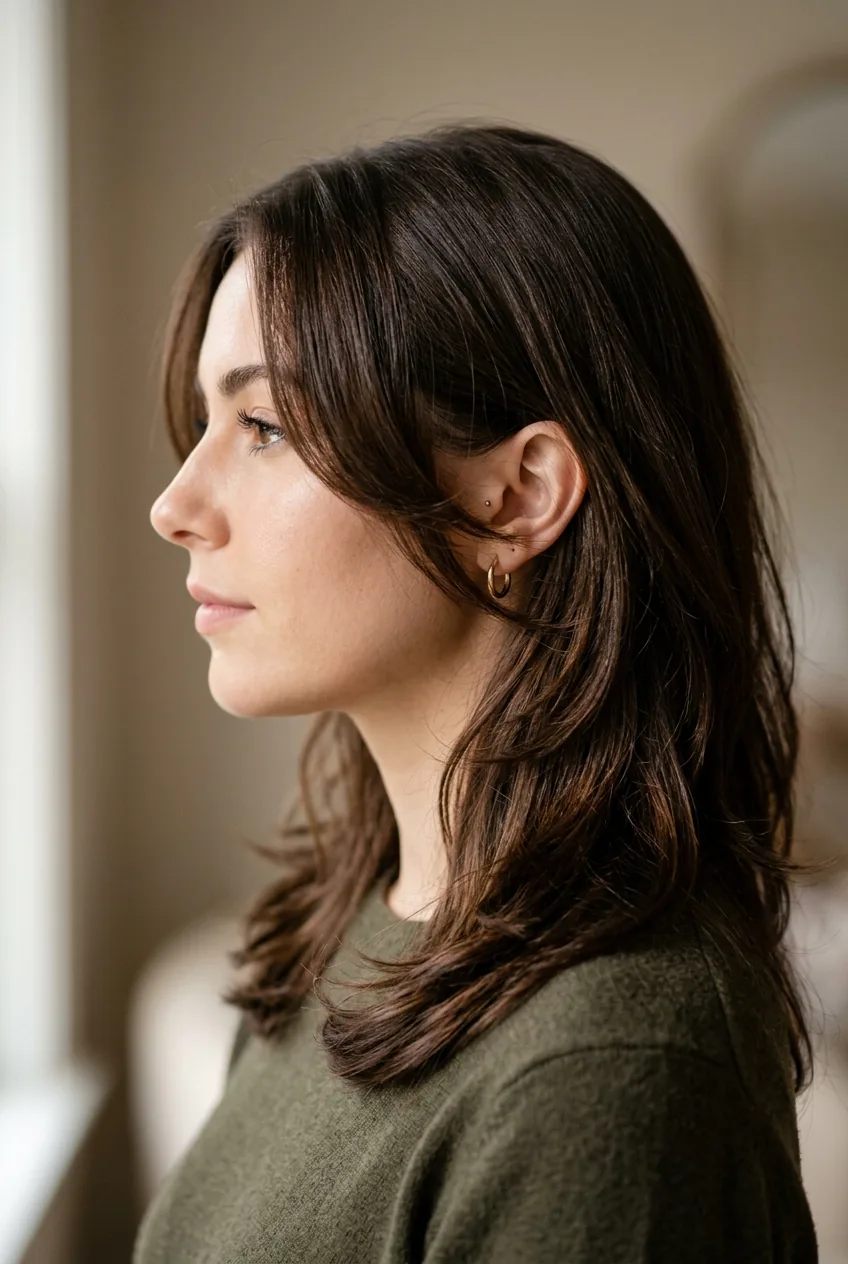
I spent three years believing I was doing something wrong with my styling routine. Turns out, my hair just wasn’t built for traditional layers. My strands are fine but dense, which means layers often created this weird puffball effect instead of the effortless movement I was craving. The breakthrough came when I finally found a stylist who told me the truth instead of just giving me what I asked for.
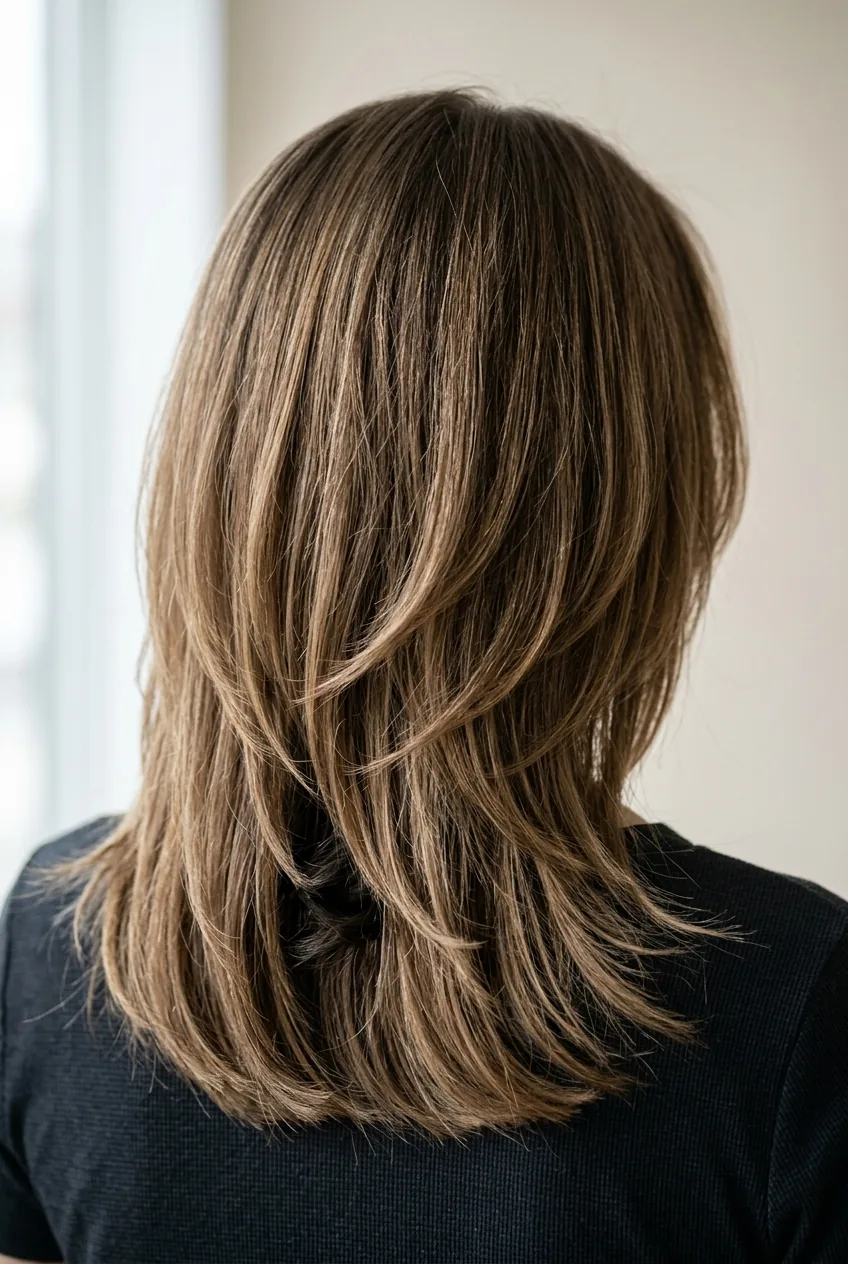
Here’s what I wish someone had explained from the beginning: layers work by removing weight from specific sections of your hair. But if your hair doesn’t have enough natural body to support that weight removal, you end up with limp, disconnected pieces that refuse to blend together. It’s like trying to create volume in something that needs density to look good in the first place.
The hair industry has this obsession with layers being universally flattering, but that’s marketing talking. In reality, successful layered cuts depend on about six different factors working together: your hair’s natural texture, density, growth patterns, face shape, styling habits, and even your lifestyle. Miss one of these, and you’re looking at months of growing out a cut that never quite works.
I’ve learned to spot the warning signs now. If you find yourself constantly fighting your layers with round brushes and heat tools just to make them look presentable, that’s your hair telling you something. Natural texture should work with layers, not against them. When I finally got a cut that respected my hair’s natural tendencies instead of fighting them, everything changed.
What Hair Texture Actually Means for Layers
Most people think they know their hair texture, but they’re usually wrong. I thought I had straight hair for twenty-five years. Turns out, I have naturally wavy hair that had been brushed and blown out into submission since childhood. This discovery completely revolutionized how I approach layered cuts.

Real texture assessment happens when your hair is clean, product-free, and air-dried without any manipulation. What you see then is what your layers will work with every day. If your hair has natural movement, layers can enhance it beautifully. If it’s genuinely straight and fine, traditional layers might just create gaps and make your hair look thinner.
Thick, coarse hair handles layers completely differently than fine hair. With thick hair, layers are often essential for removing bulk and creating shape. The key is strategic placement — too many layers and you lose the hair’s natural strength, too few and you’re left with a heavy triangle. I’ve watched stylists completely transform thick, unruly hair with the right layering technique.
Fine hair is trickier. Long layers can work beautifully if they’re subtle and placed correctly, but short, choppy layers almost always backfire. The goal with fine hair is to create the illusion of thickness, which means maintaining some weight while adding just enough movement to prevent that flat, lifeless look. Layered medium hairstyles for fine hair require a completely different approach than what works for thick hair.
Curly and wavy hair types have their own rules entirely. Natural texture provides built-in volume and movement, which means layers can enhance what’s already there. But the cutting technique matters enormously — cutting curly hair while wet versus dry can create completely different results, and many stylists still don’t understand this fundamental difference.
The Sweet Spot Science
After years of experimentation, I’ve discovered there’s actual science behind where layers should start and end on medium-length hair. It’s not arbitrary, and it’s definitely not the same for everyone.
The collarbone area is what I call the danger zone. Layers that hit right at your collarbone can create an unflattering widening effect, especially if you have broader shoulders. I learned this the hard way during a particularly unfortunate haircut in 2019. The sweet spot for most people is either just above the collarbone or well below it — never right at that horizontal line.

Face-framing layers follow different rules. The key is understanding your bone structure, not just your face shape. High cheekbones can handle shorter face-framing pieces that others can’t pull off. A strong jawline might need longer, softer layers to create balance. I have a square jaw, and I’ve learned that ultra-short face-framing layers make me look harsh, while longer, graduated pieces soften everything beautifully.
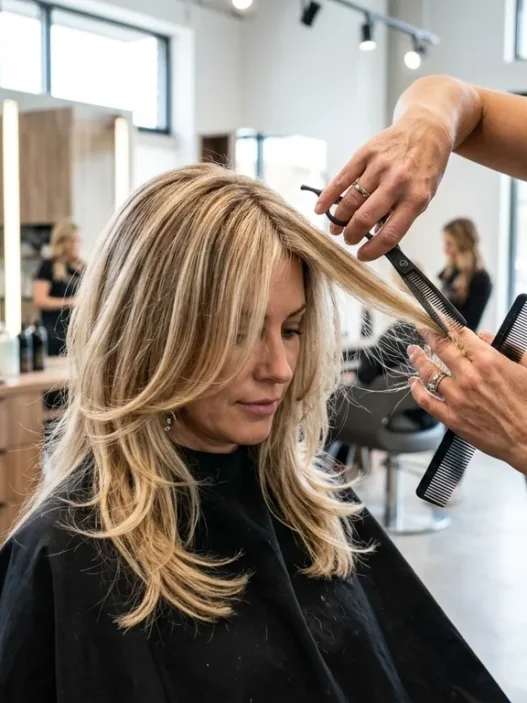
There’s also the question of layer graduation — how dramatically the lengths change between sections. Subtle graduation creates a polished, professional look that works well in conservative environments. Dramatic graduation gives you more movement and edge but requires more styling commitment. Professional cutting techniques can explain the technical differences, but the choice really comes down to your lifestyle and personality.
Crown layers deserve special attention because they can make or break the entire cut. Too short, and you’ll have pieces sticking up that never lay flat. Too long, and you lose the volume and shape that layers are supposed to create. The crown area also grows out faster than the rest of your hair, which affects how long your cut stays looking fresh.
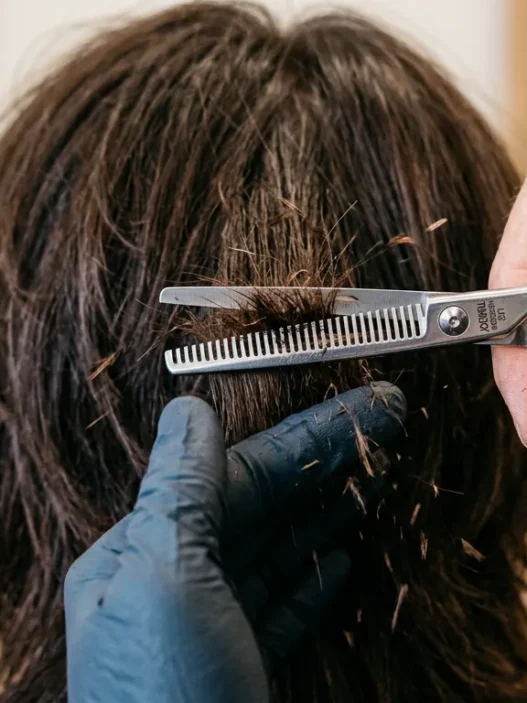
Watch This Cutting Technique
Where Most People Go Wrong
I see the same mistakes over and over, and I’ve made most of them myself. The biggest one? Asking for layers when what you really want is texture or volume. These are not the same thing, and confusing them leads to disappointing results.
Pinterest inspiration photos are another trap. That gorgeous layered look you screenshotted probably required two hours of professional styling, specific lighting, and possibly extensions. I’ve brought countless photos to stylists, only to realize later that the model’s hair was completely different from mine in texture, density, and natural growth patterns.

Communication breakdowns with stylists cause huge problems too. When you say “long layers,” your stylist might be thinking something completely different than what you’re envisioning. I’ve learned to be extremely specific: where I want the shortest layer to fall, how much graduation I’m comfortable with, and what my daily styling routine actually looks like.
Ignoring your hair’s natural growth patterns is another common mistake. Some people have cowlicks that make certain layer placements impossible. Others have hair that grows faster in certain areas, affecting how the cut grows out. A good stylist will work with these patterns instead of against them, but many don’t take the time to really analyze your individual hair behavior.
The biggest mistake, though, is getting layers to fix problems that layers can’t solve. If your hair is damaged, dull, or unhealthy, layers won’t magically make it gorgeous. If you hate your natural texture, layers probably won’t change that fundamental relationship. Sometimes the solution is better products, a different styling approach, or even embracing what you have instead of trying to transform it completely.
The Maintenance Truth
Nobody talks about this enough, but layered haircuts are high-maintenance. I don’t care what anyone tells you — if you want your layers to look intentional and polished, you’re signing up for more frequent salon visits and more complex styling routines.
The grow-out situation is real. Layers don’t grow out gracefully like a blunt cut might. Different sections grow at different rates, and what looked perfectly balanced six weeks ago can start looking shaggy and disconnected. I budget for touch-ups every 8-10 weeks, which is significantly more often than I needed with non-layered cuts.
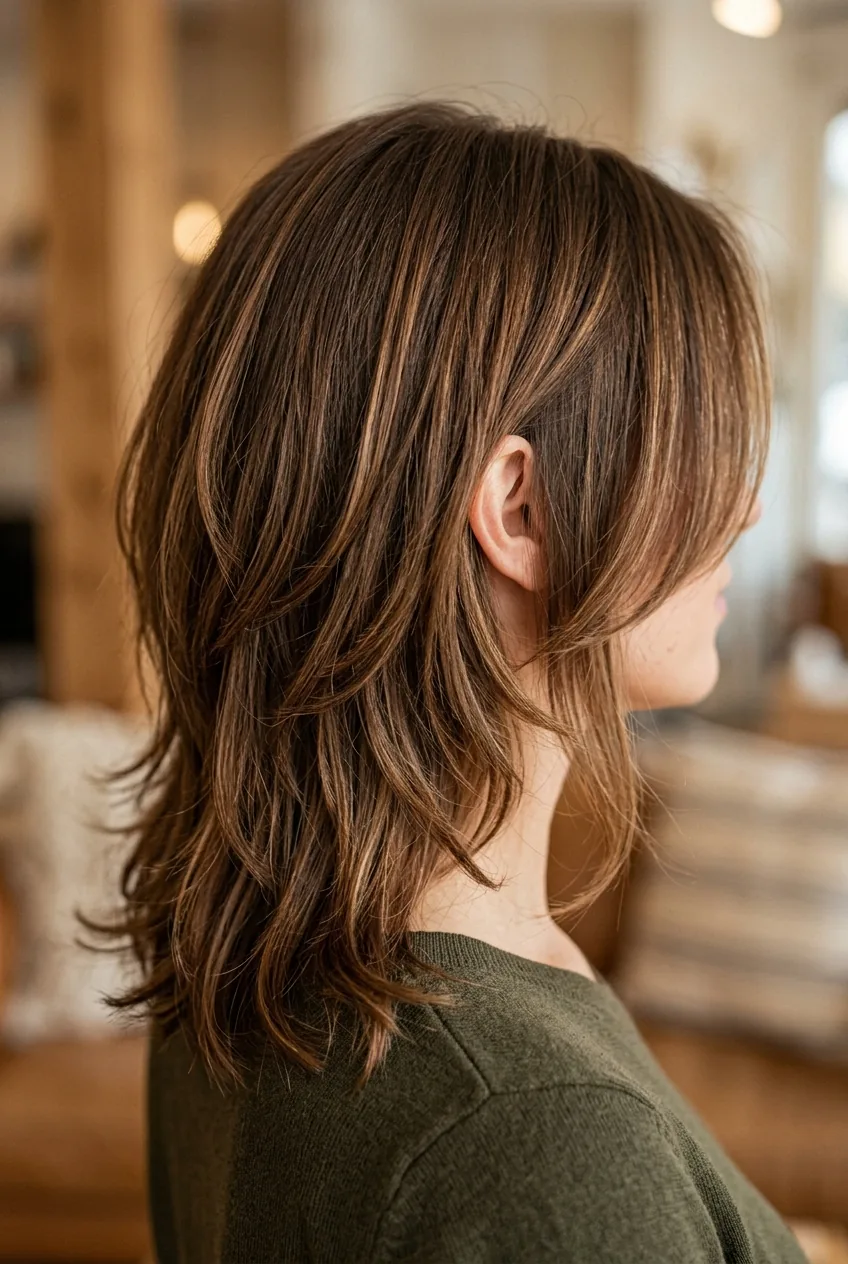
Daily styling becomes more complex too. Blunt cuts can often look polished with just a blow-dry, but layers usually need some kind of product and technique to look their best. I’ve had to invest in better brushes, learn proper blow-drying techniques, and figure out which products enhance my layers without weighing them down.
Weather affects layered cuts more dramatically than uniform-length cuts. Humidity can turn beautiful layers into a frizzy mess. Wind creates more tangles and separation. Even sleeping on layered hair requires different strategies — silk pillowcases became a necessity, not a luxury, once I committed to maintaining my layers properly.
The cost adds up. Between more frequent cuts, better styling products, and possibly professional styling tools, maintaining layered haircuts medium length hair can easily double your hair budget. I’m not saying this to discourage anyone, but it’s information you deserve to have upfront so you can make an informed decision.
But here’s the thing — when layered cuts work, they really work. The movement, the way they catch light, the effortless volume they can create — it’s worth it for the right person with the right hair type and the right expectations. You just need to go in with your eyes wide open about what you’re committing to.
Questions I Get About This
Can you get layers if you have thin hair?
Yes, but they need to be strategic. Long, subtle layers work better than short, choppy ones. The goal is creating movement without removing too much density. Layering techniques for fine hair focus on maintaining weight while adding shape.
How often do layered cuts need maintenance?
Every 8-10 weeks for most people. Fast hair growth or dramatic layers might need touch-ups every 6-8 weeks. The shortest layers determine your maintenance schedule since they’ll lose their shape first.
What’s the difference between long layers and short layers?
Long layers create subtle movement and are easier to style. Short layers give more dramatic texture and volume but require more maintenance and styling skill. Most people are happier with long layers.
Do layers work with naturally straight hair?
It depends on your hair’s density and thickness. Fine, straight hair often looks better with minimal layers or none at all. Thick, straight hair can benefit from layers to reduce bulk and add movement.
The truth about layered haircuts for medium-length hair is that they’re not universally flattering despite what the beauty industry wants you to believe. But when they work — when your hair type, lifestyle, and expectations align — they can be absolutely transformative. Just make sure you’re prepared for the commitment that comes with them.