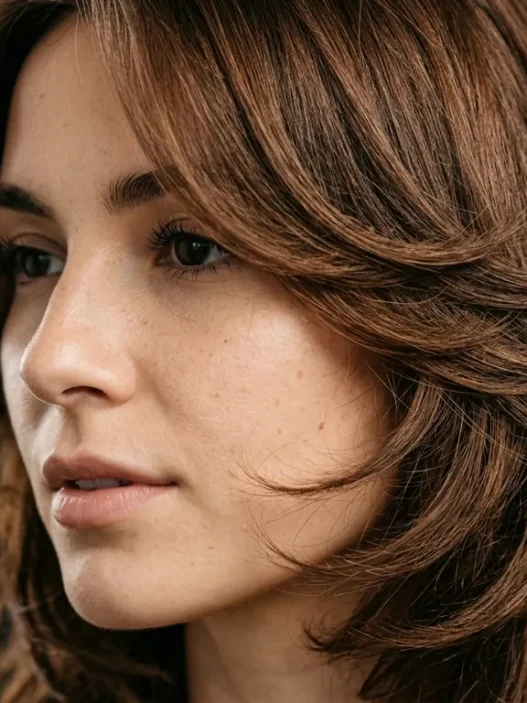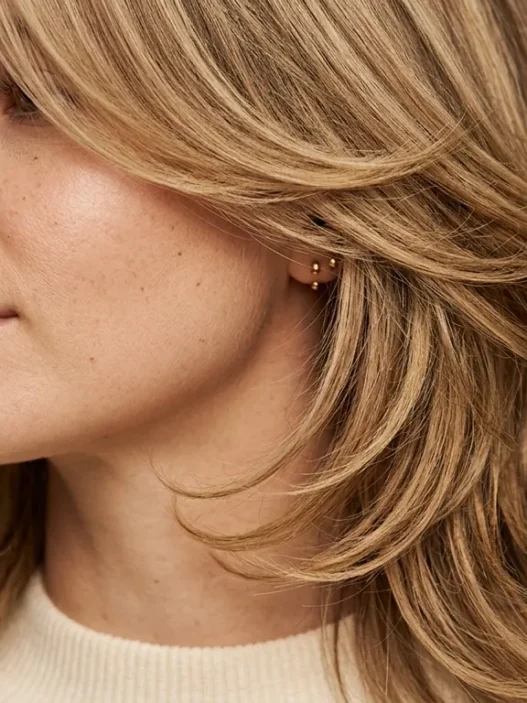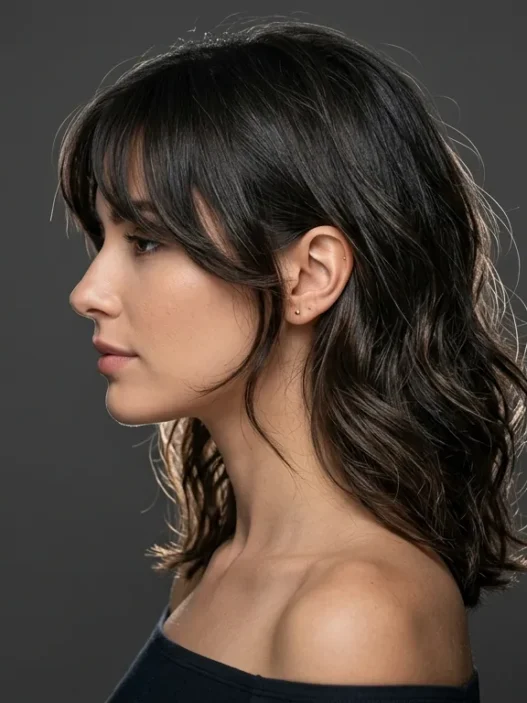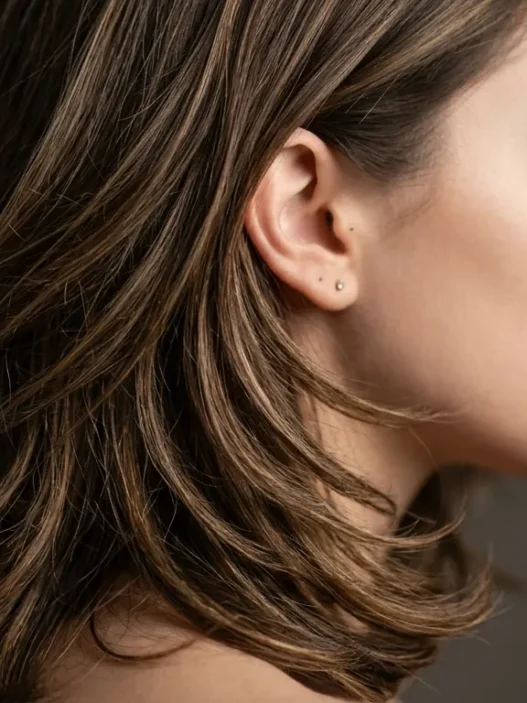







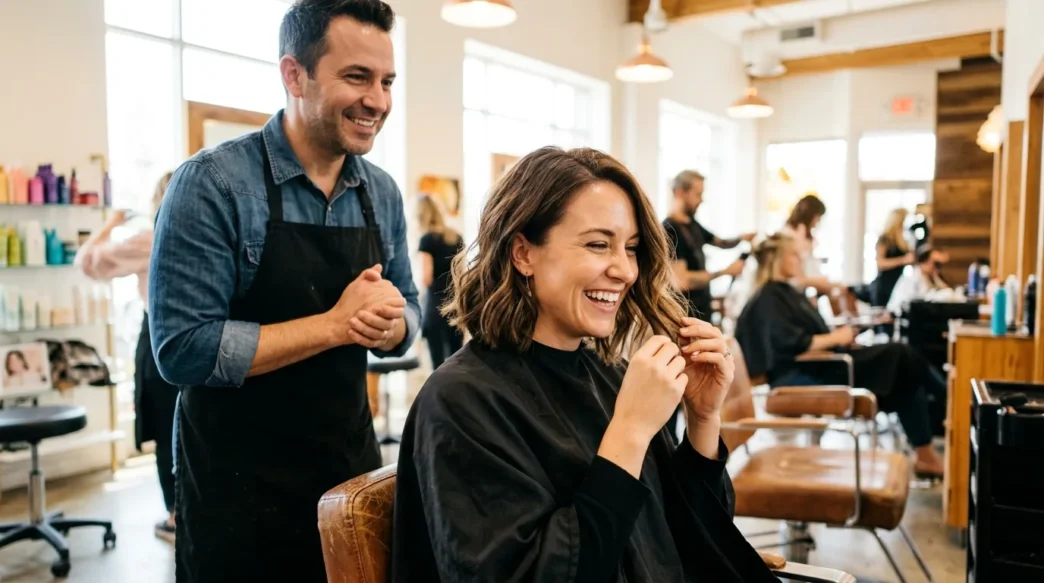
After years of watching my clients struggle with medium-length hair that just sat there doing nothing, I finally cracked the code on what makes a medium cut truly work. It’s not about following every Instagram trend — it’s about understanding which cuts actually complement your lifestyle and hair texture. I’ve tested dozens of cuts on myself and my clients, and these eight consistently deliver that “I woke up like this” vibe we all want.
The Prep Phase: Getting Ready for Your New Cut
Before we dive into specific cuts, let’s talk about what you’ll need to make this work. I learned this the hard way after watching too many clients leave disappointed because we skipped the groundwork.
Tools and Timing Overview
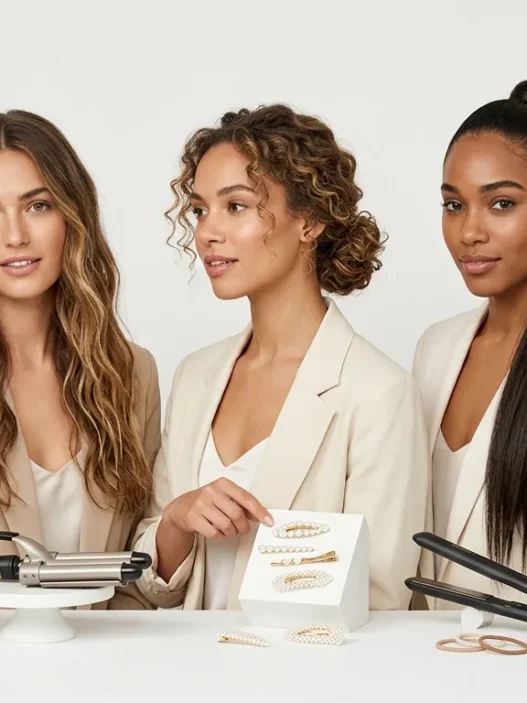
Here’s what I recommend having on hand for styling your new cut:
- A good blow dryer with multiple heat settings
- Round brush (medium barrel for most medium cuts)
- Heat protectant spray that doesn’t weigh hair down
- Texturizing spray for volume and grip
- Wide-tooth comb for detangling
- Small hair clips for sectioning
The timing piece is crucial. Most of these cuts need a trim every 6-8 weeks to maintain their shape. I tell my clients to book their next appointment before they leave — it’s that important.
Assessing Your Hair Type
This step makes or breaks everything. Fine hair needs different techniques than thick hair. Curly hair has completely different requirements than straight. I spend at least five minutes just running my fingers through new clients’ hair, feeling the weight and texture.
Look at your hair when it’s completely dry and unstyled. Does it fall flat against your head? That’s fine hair calling for layers and texture. Does it have natural body that gets frizzy? You need weight and strategic cutting to control the volume.
The Foundation Phase: Essential Cuts That Never Fail
These are the cuts I recommend to 90% of my medium-hair clients. They’re classics for a reason — they work on multiple face shapes and are relatively low-maintenance.
The Modern Lob
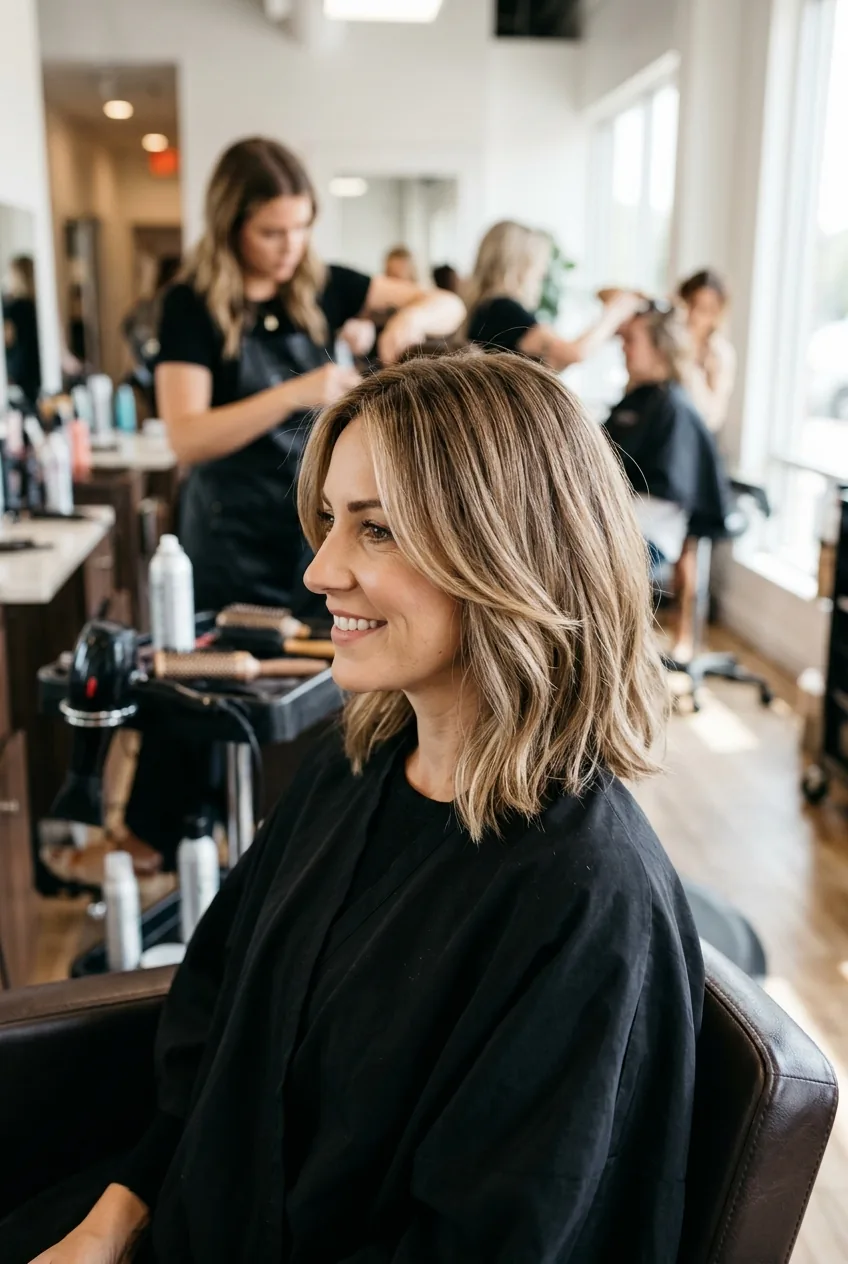
The long bob hits right at the collarbone and works on literally everyone. But here’s the key: it needs to be cut with intention. I see too many “lobs” that are just blunt bobs grown out.
The magic happens in the subtle layering around the face and the way the back is graduated. It should move when you turn your head, not swing like a curtain. I love doing layered lob hairstyles for curly hair because the layers help distribute weight perfectly.
The Textured Shag
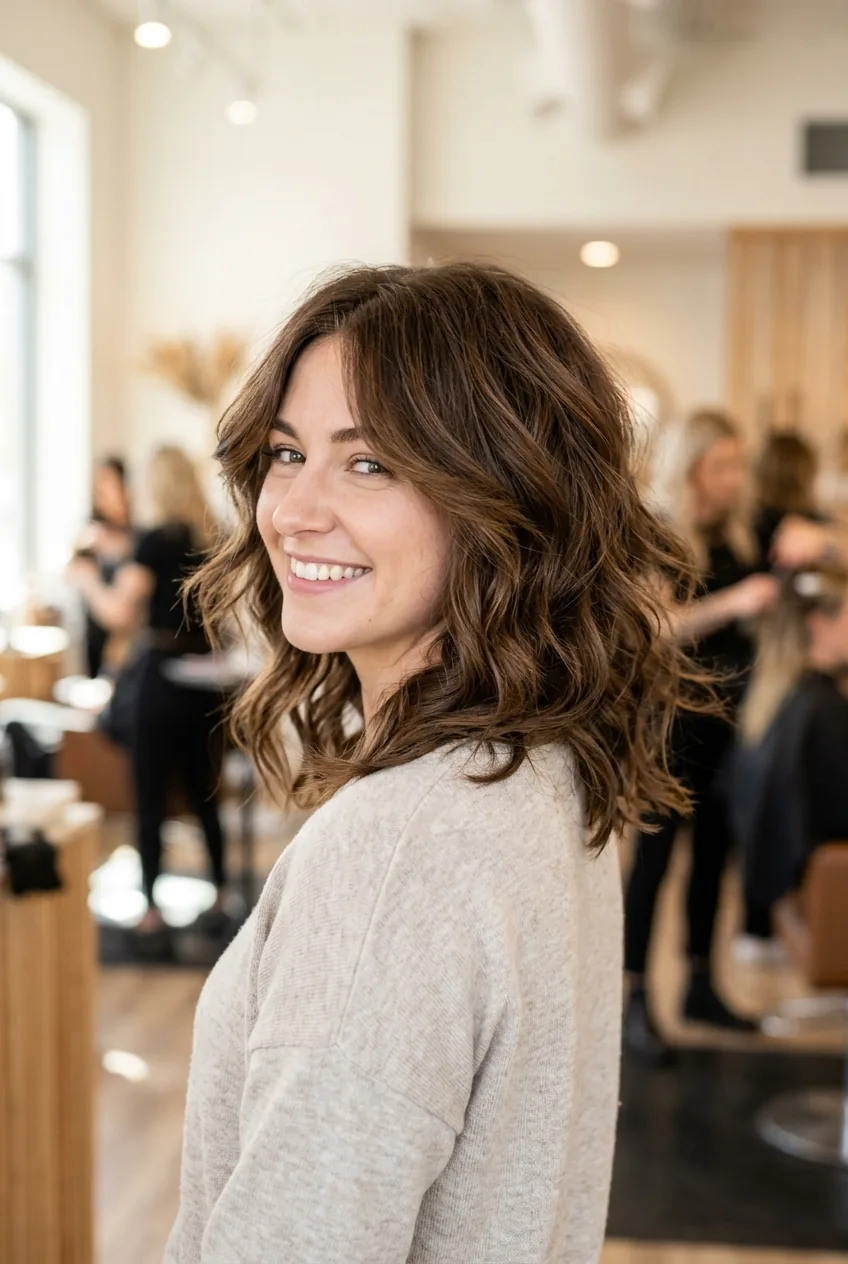
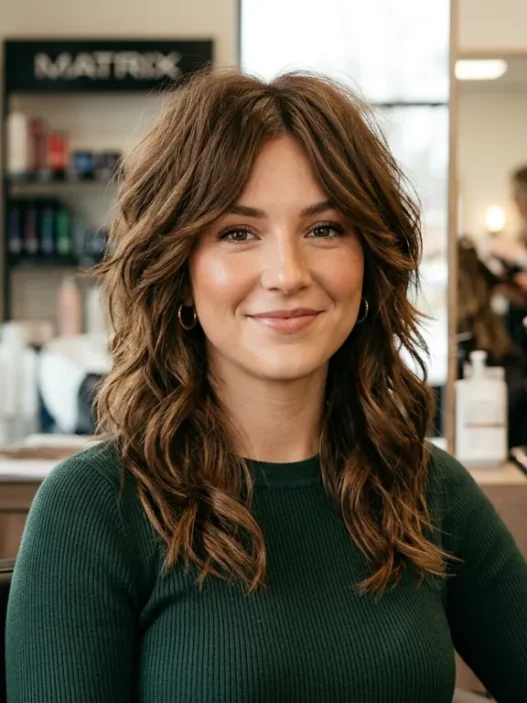
Shags are having a massive moment, and I understand why. They give you that effortless, lived-in texture that looks like you just rolled out of bed looking fabulous.
The key to a good medium shag is the layering technique. It starts around the ears and builds throughout the length. The face-framing pieces should be cut to hit at strategic points — usually the cheekbone and jawline.
I made the mistake of going too heavy with the layers on my first shag attempt. The client looked like she’d stuck her finger in an electrical socket. Now I build the texture gradually, testing as I go.
The Blunt Midi
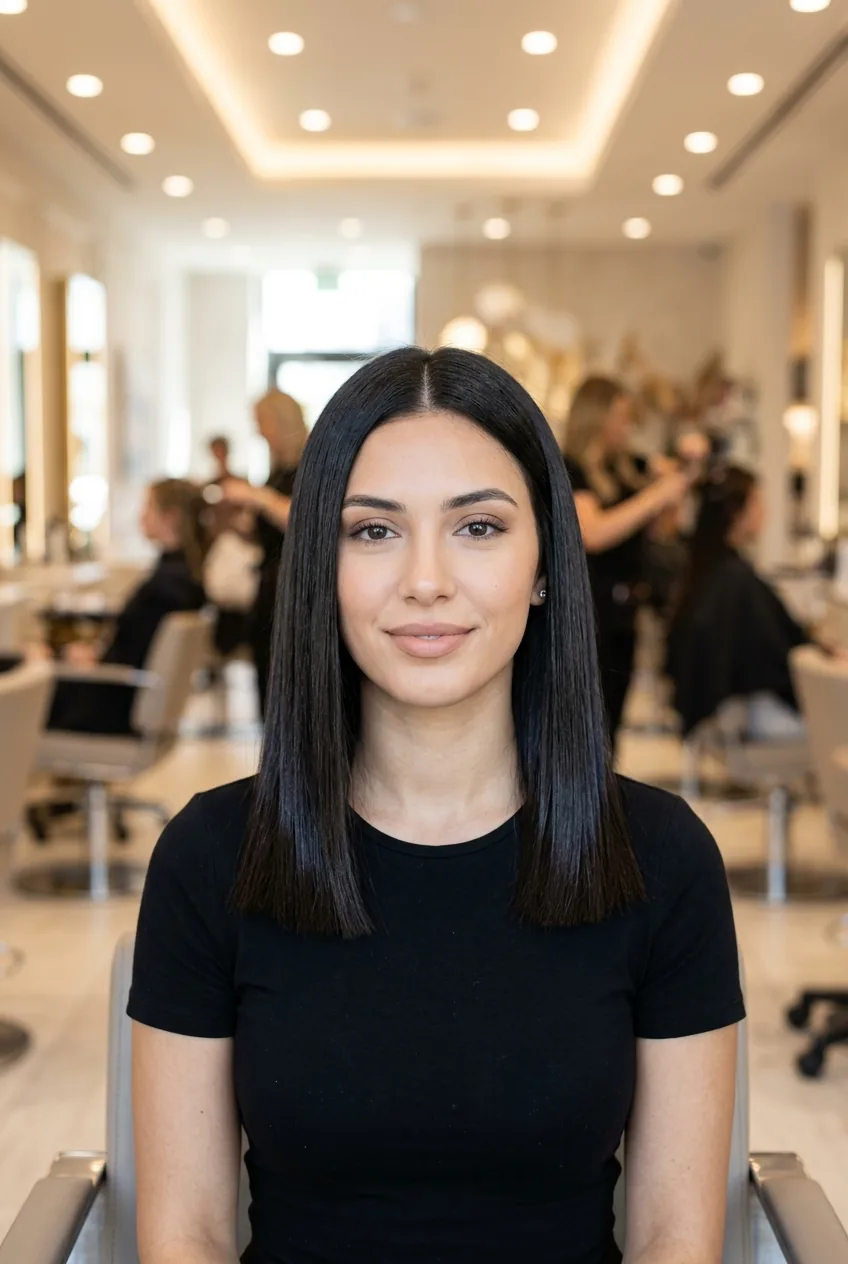
Sometimes simple wins. A blunt cut at medium length creates this gorgeous, heavy line that’s incredibly chic. It works especially well on thick, straight hair that can support the weight.
The trick is getting the line perfectly even and making sure the internal layers create movement without destroying the perimeter weight. It’s harder to execute than it looks.
Watch This Transformation Happen
The Modern Update Phase: Fresh Takes on Classics
These cuts take traditional shapes and give them contemporary twists. They’re perfect if you want something current but not too trendy that it’ll look dated in six months.
The Wolf Cut

The wolf cut is basically a shag’s edgier cousin. It combines the layered texture of a shag with the disconnected pieces of a mullet — but in a way that actually looks intentional and modern.
What makes this cut work is the contrast between the shorter crown layers and the longer perimeter. It creates this incredible movement and texture that photographs beautifully. Plus, it grows out really well.
The Curtain Bang Midi

Adding curtain bangs to a medium-length cut transforms the entire look. The bangs need to be cut to work with your face shape — longer for round faces, shorter and more angled for square faces.
I always cut the bangs last, after the rest of the cut is complete. That way I can see exactly how they’ll frame the face with the new shape. The styling is crucial too — they need to be blow-dried away from the face with a round brush.
The Asymmetrical Bob
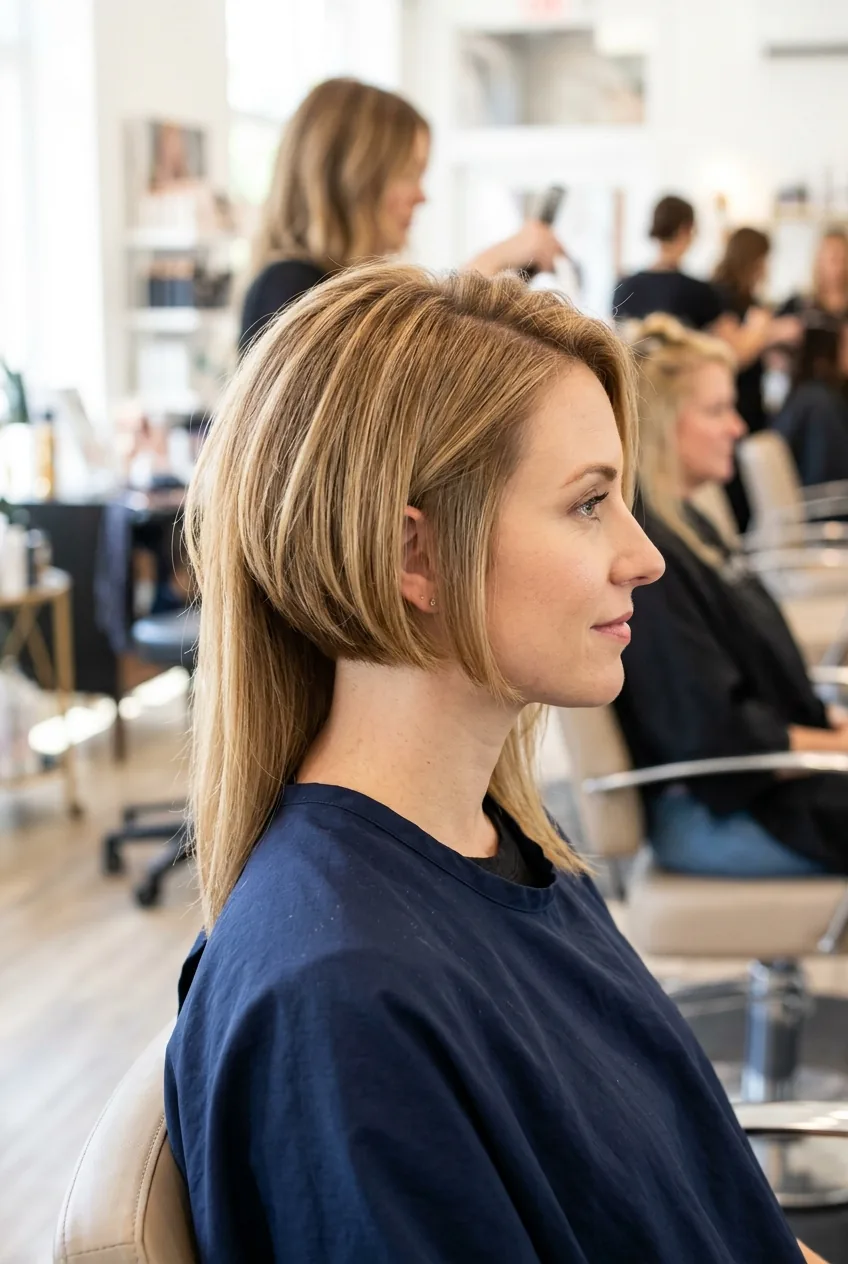
This cut is for clients who want something definitely different but still wearable. One side hits around the chin, the other falls closer to the shoulder. The graduation between the two sides creates beautiful movement.
The challenge is making sure both sides look intentional on their own. If one side looks like a mistake, the whole cut fails. I usually start with the shorter side and work my way to the longer side, constantly checking the balance.
The Wispy Layer Cut
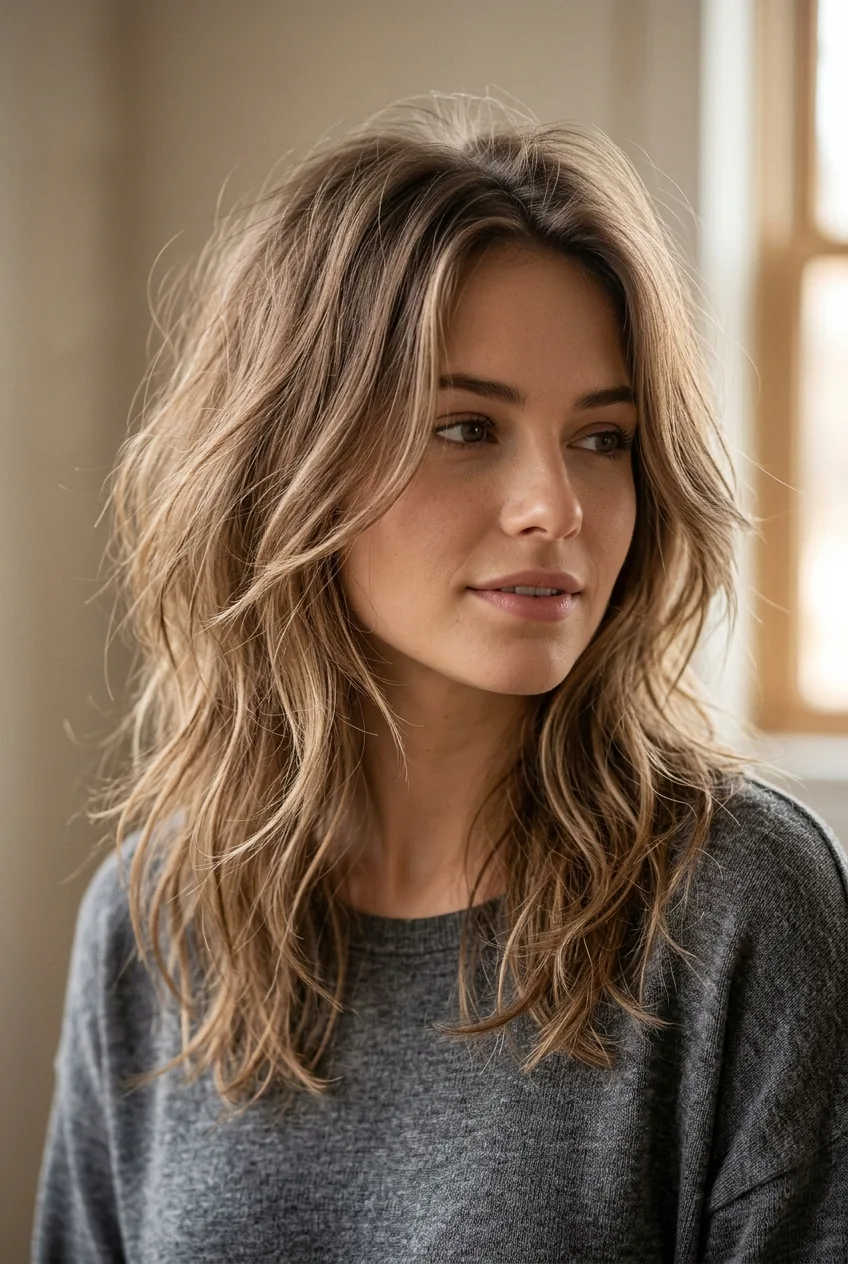
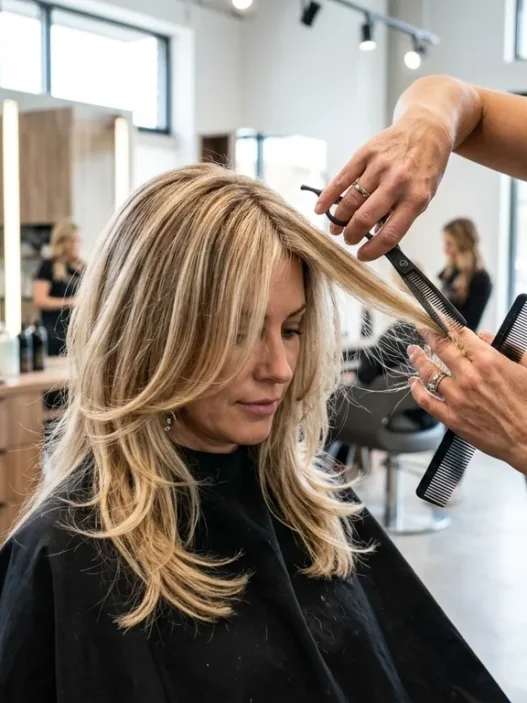
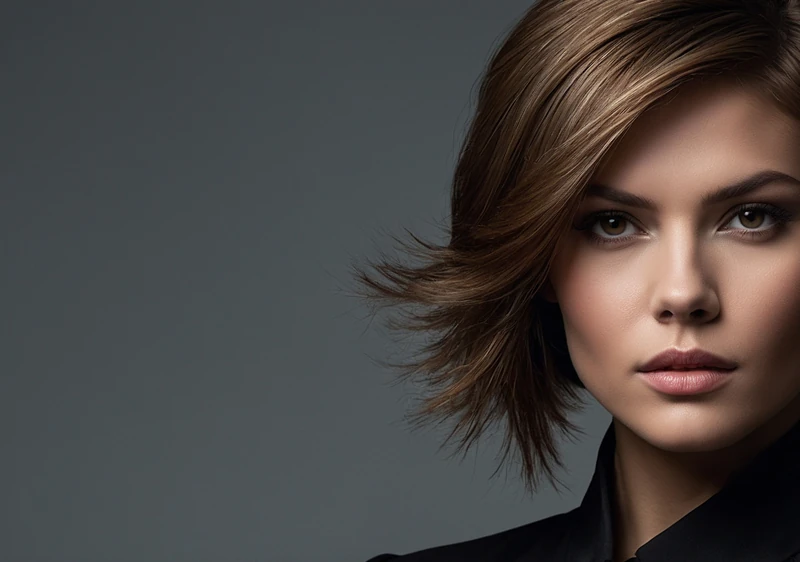
This is my go-to for clients with fine hair who want movement without losing length. The layers are concentrated around the face and through the crown, leaving the back length relatively untouched.
The “wispy” part comes from the texturizing technique. Instead of blunt layers, everything is point-cut to create soft, feathered edges. It gives fine hair incredible movement and makes thick hair feel lighter. Understanding the honest truth about wispy bangs layers really helped me perfect this technique.
The Finishing Touch: Styling Your New Cut
The best cut in the world won’t work if you can’t style it at home. This is where I see most people struggle — they love how it looks when they leave the salon but can’t recreate it.
Mastering the Blow Dry
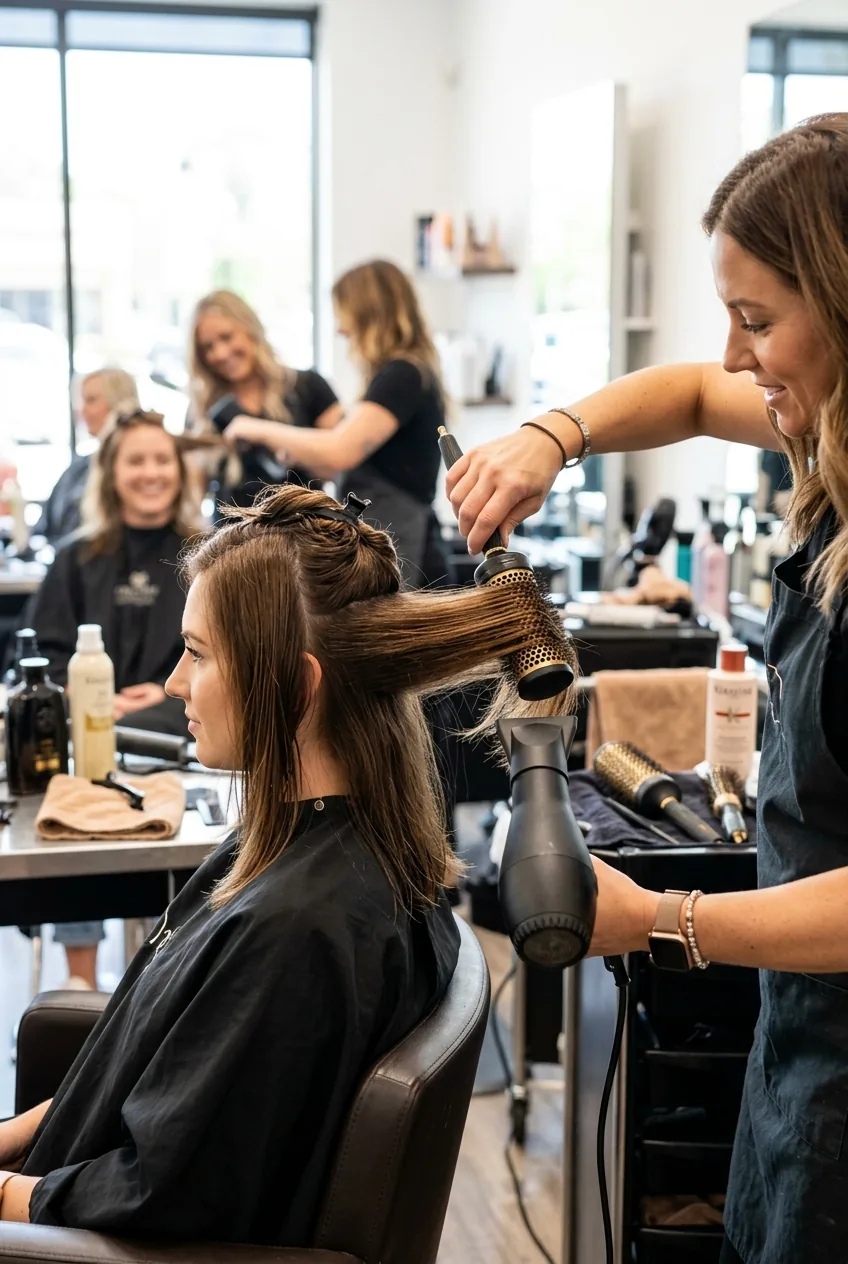
Most medium cuts live or die by the blow dry. The key is working in sections and using the right brush size for your hair length and density. For most medium cuts, a medium barrel round brush works perfectly.
Start with damp (not soaking) hair and work from the bottom up. Roll each section under as you dry, pulling gently at the roots for volume. The direction you wrap the hair around the brush determines how much movement you get.
Products That Actually Work
I’m pretty picky about products because I see what works day after day. For medium cuts, you need something that gives hold without weight. Lightweight styling creams are my favorites for this length.
Heat protectant is non-negotiable. But skip the heavy serums — they’ll weigh down your cut and make it look limp. A light spray or cream applied to damp hair works best.
Color Considerations
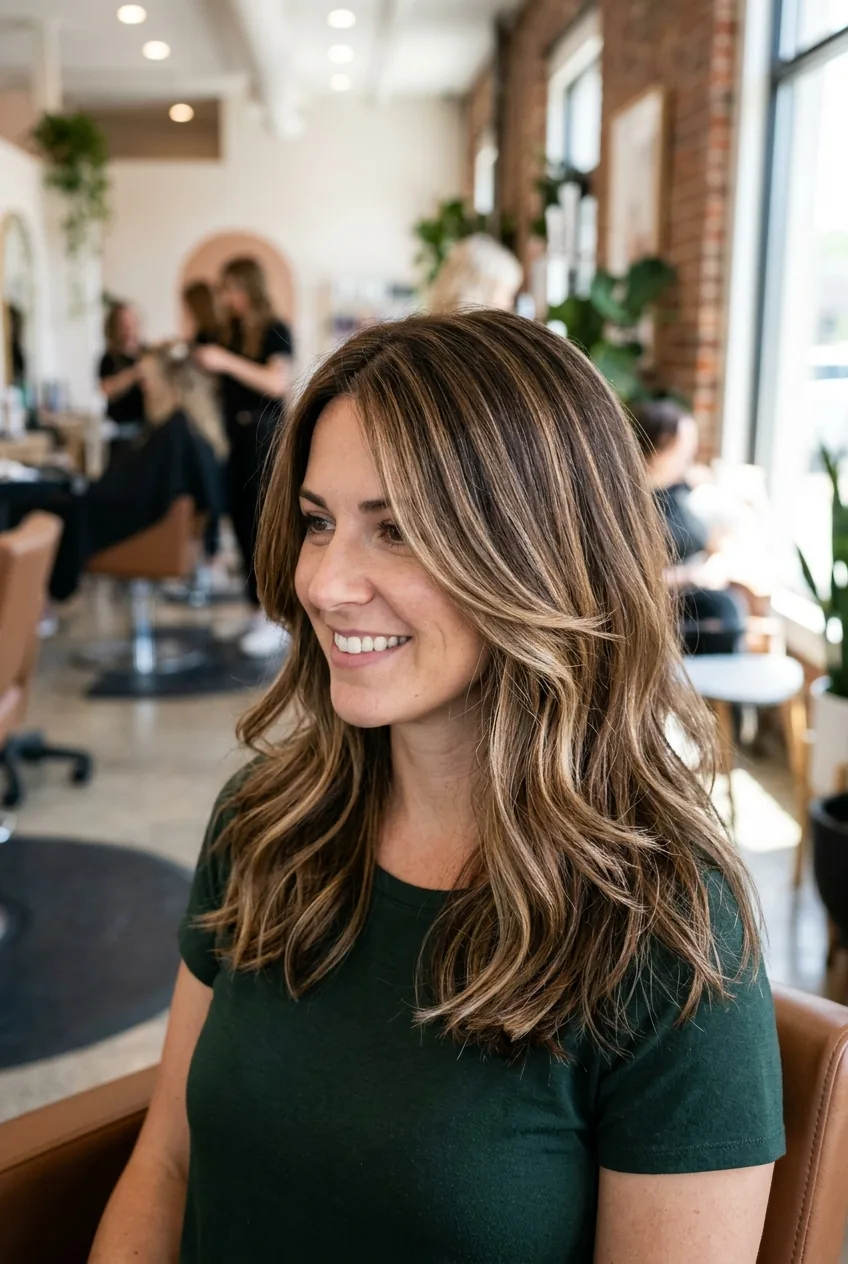
The right color can make any of these cuts look even better. Highlights placed strategically through the layers add dimension and movement. I love how balayage hair color ideas for spring work with textured medium cuts — the color follows the natural movement of the hair.
Single-process color works beautifully too, especially on blunt cuts where you want clean lines and glossy finish. The key is choosing a shade that complements your skin tone and doesn’t fight against your natural undertones.
Questions I Get About These Cuts
How often do I need trims?
Most of these cuts need maintenance every 6-8 weeks to keep their shape. The more textured cuts like shags and wolf cuts can go a bit longer because the grow-out actually adds to the lived-in look.
Can I do these cuts on curly hair?
Absolutely! But they need to be adapted for your curl pattern. Curly hair bounces up when cut, so the length needs to be adjusted accordingly. The texturizing techniques also need to be modified.
What if I have a cowlick?
Work with it, don’t fight it. Most cowlicks can be incorporated into the cut design. Sometimes they actually help create natural movement and texture.
How do I choose between these styles?
Consider your lifestyle first. If you’re low-maintenance, stick with cuts that air-dry well. If you love styling your hair, go for something with more versatility. Your hair texture and face shape matter too, but lifestyle is usually the deciding factor.
After trying all these cuts on different clients and seeing the transformations, I’m convinced that medium-length hair is actually the most versatile length. You get the movement and style options of longer hair with the manageability of shorter cuts. The key is finding the right variation for your specific hair and lifestyle — and now you have eight solid options to choose from.