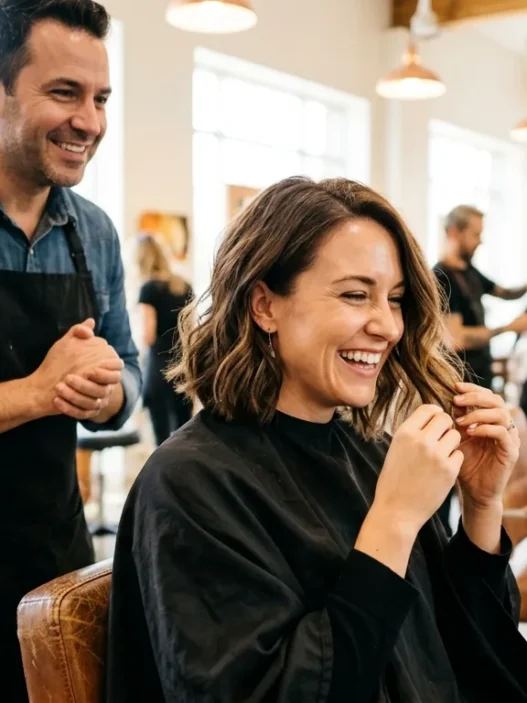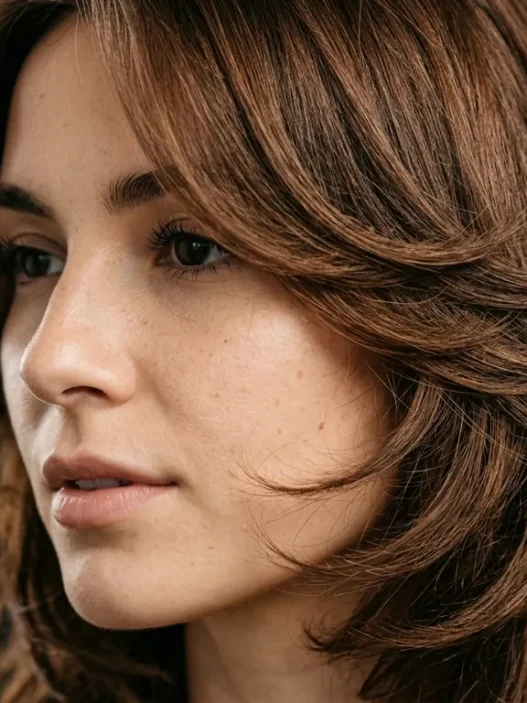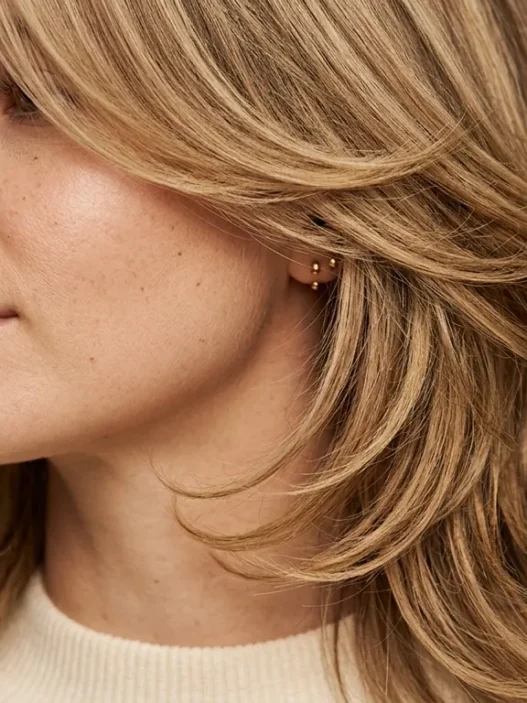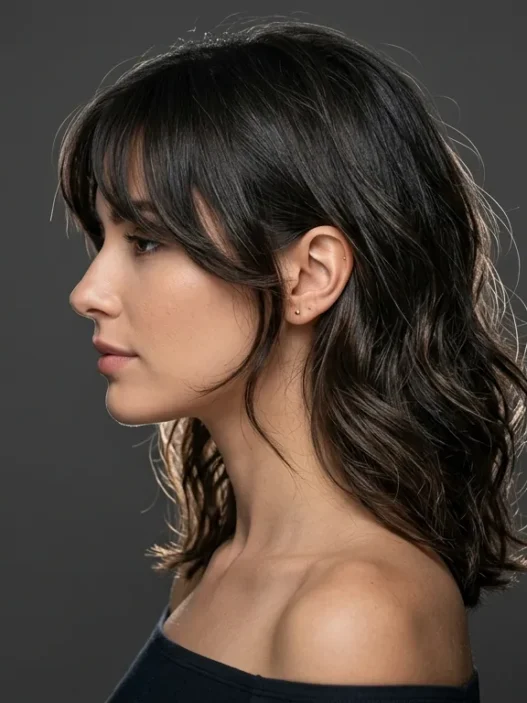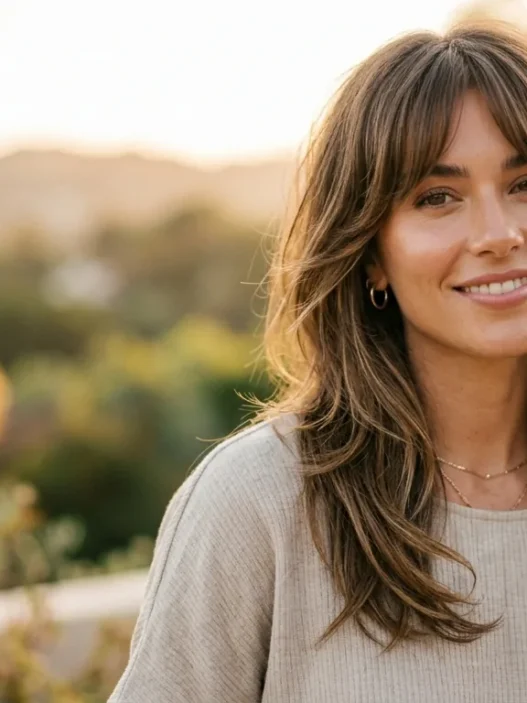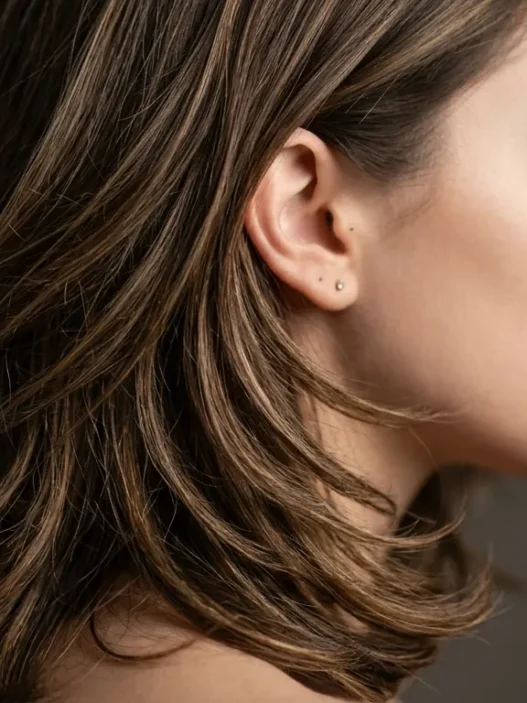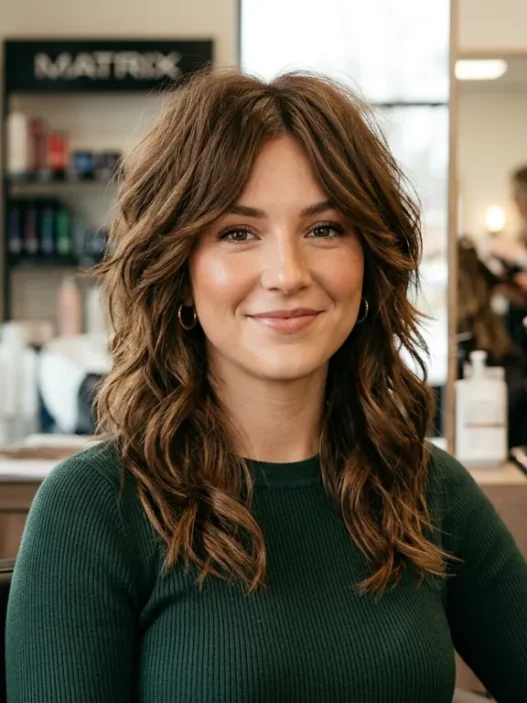







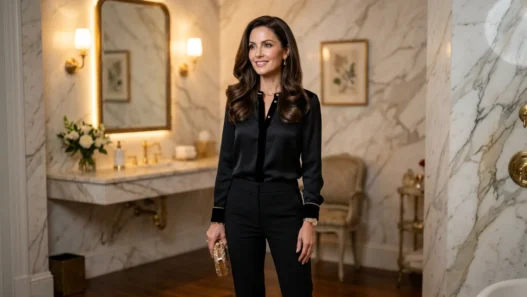
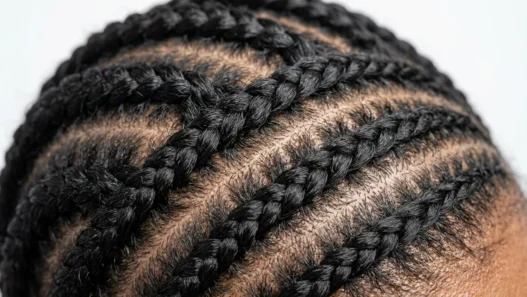
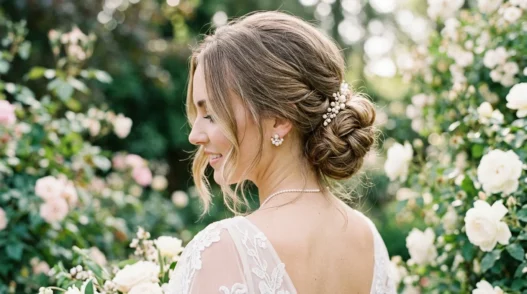
I’ve been watching wedding hair trends for years, and something shifted dramatically in 2024. Suddenly, every bride I know with shoulder-length hair is getting the most incredible styles — while their long-haired friends are actually cutting inches off before their big day. What started as a few Instagram posts has become a full-blown movement, and honestly? I’m here for it.
What Changed in Wedding Hair
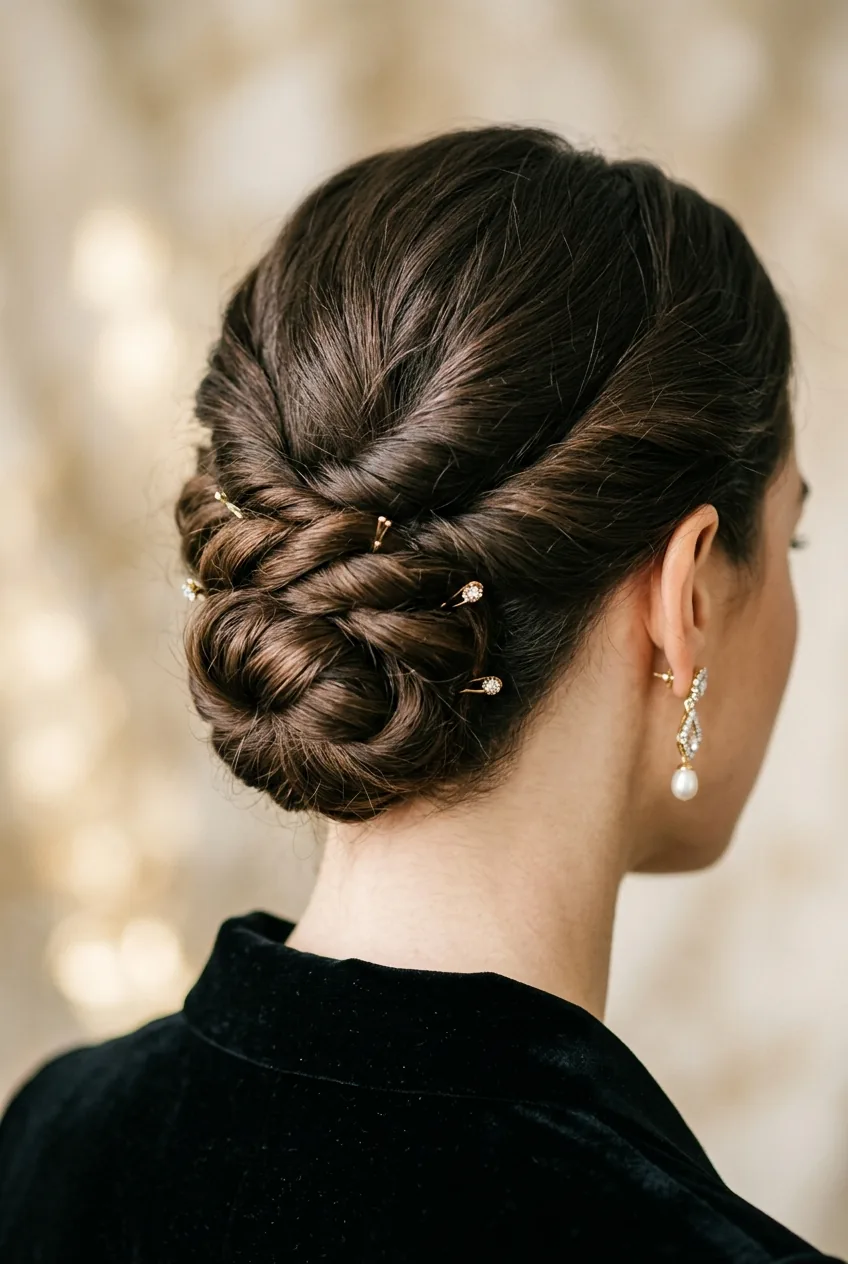
The pandemic changed everything about weddings, including how we think about hair. When salons reopened, brides weren’t asking for the same elaborate updos that required three hours in a chair. They wanted something beautiful but manageable — something that would photograph well but also feel like them.
Medium-length hair hit this sweet spot perfectly. Long enough for romantic updos, short enough to hold its shape all day. But the real game-changer? Formal hairstyles started embracing texture over perfection. Those pin-straight, lacquered looks suddenly felt outdated.
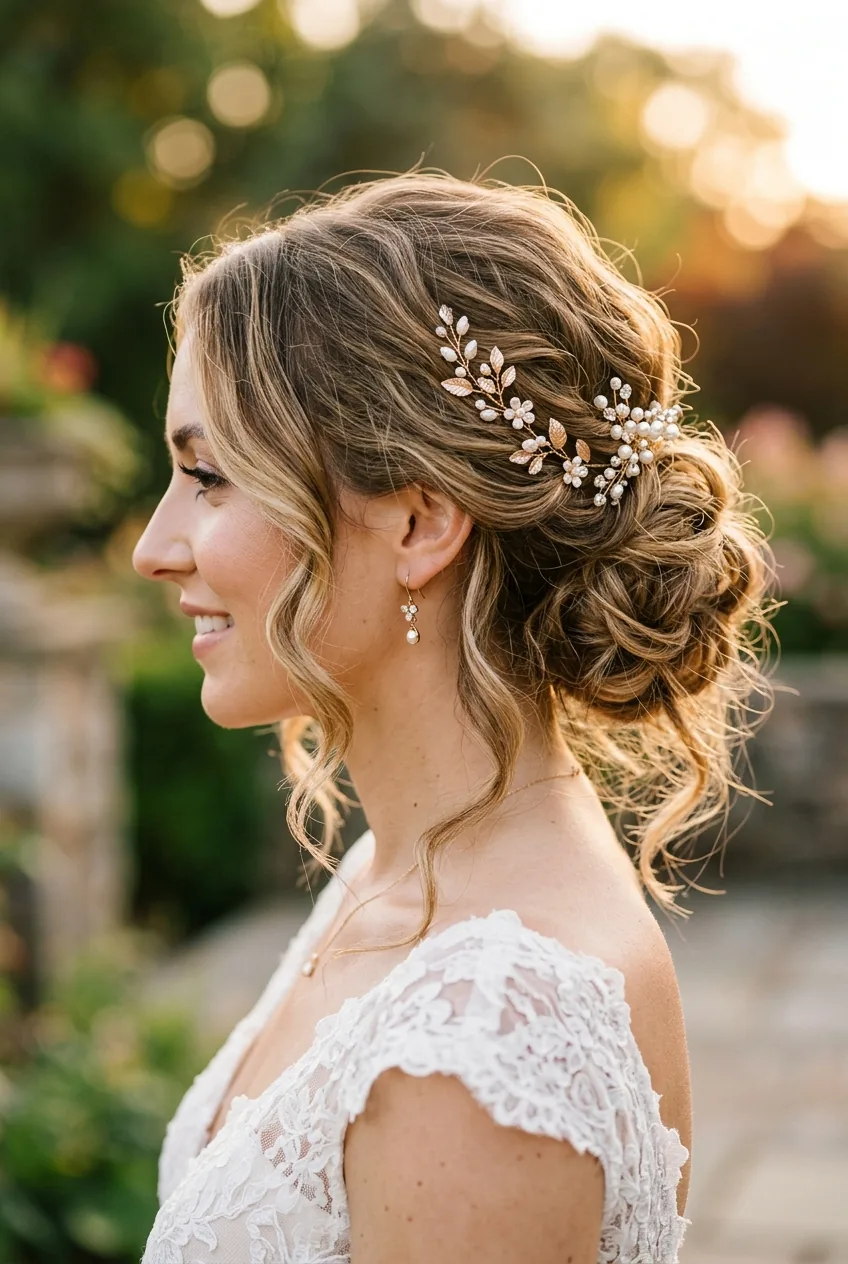
I noticed the shift when my cousin got married last spring. She’d grown her hair out for two years specifically for her wedding, then chopped it to her collarbones six weeks before. “I want to look like myself,” she said. And you know what? She absolutely glowed.
Who’s Driving This Medium Hair Movement
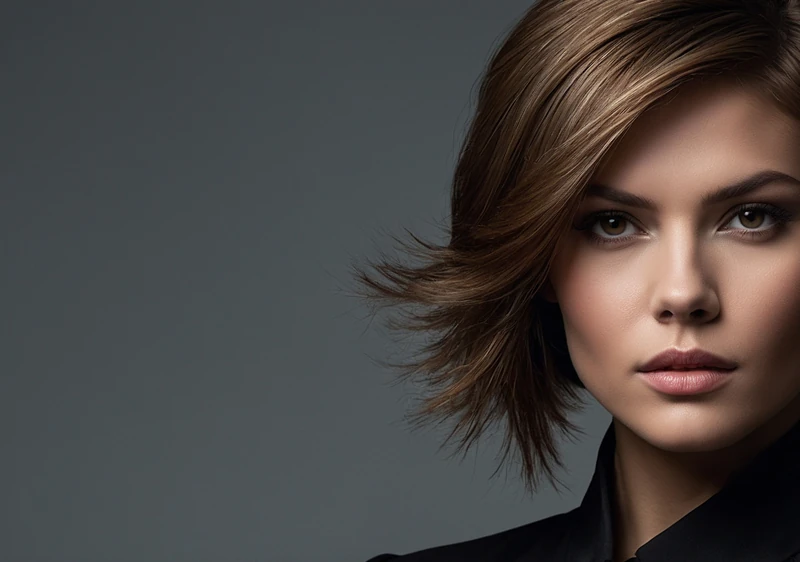
Pinterest searches for “medium hair wedding styles” jumped 340% this year. But the real influence? Celebrity stylists finally started showcasing shoulder-length styles on red carpets. When A-listers started choosing textured bobs over extensions, brides took notice.
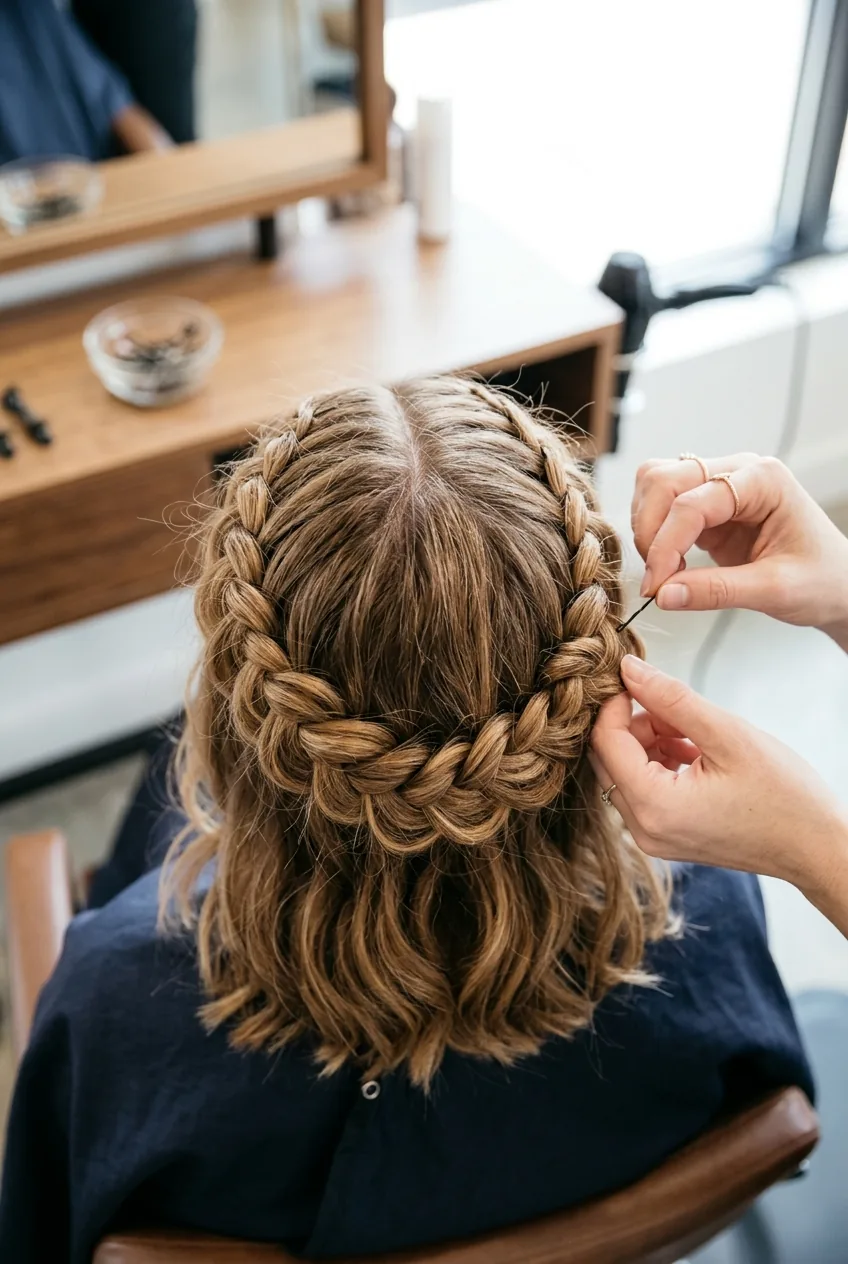
Bridal stylists are the unsung heroes here, though. They’ve been pushing back against the “longer is always better” mentality for years. Current wedding hair trends show that stylists are finally getting brides to trust that medium hair can be just as elegant — maybe more so.
“I had three consultations where brides specifically asked me NOT to give them extensions. That’s when I knew something had shifted.” — Sarah, bridal stylist in Chicago
The DIY beauty movement played a role too. Brides realized they could actually recreate these medium-length styles for their engagement photos or rehearsal dinners. Try doing that with a twelve-step long-hair updo.
The Styles Everyone’s Actually Choosing
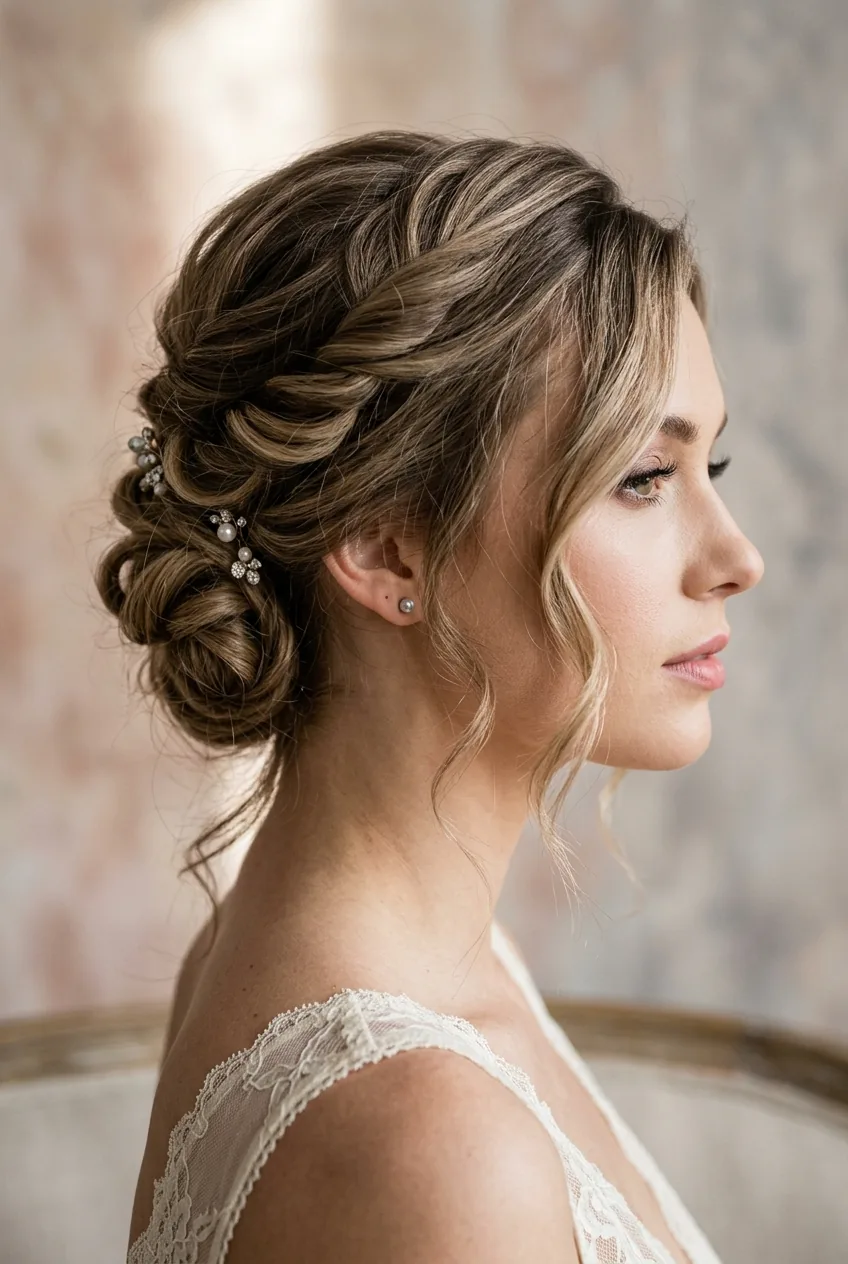
Let me tell you what’s actually walking down aisles right now, because it’s not what you’d expect:
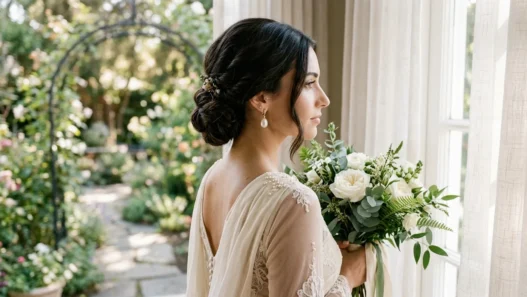
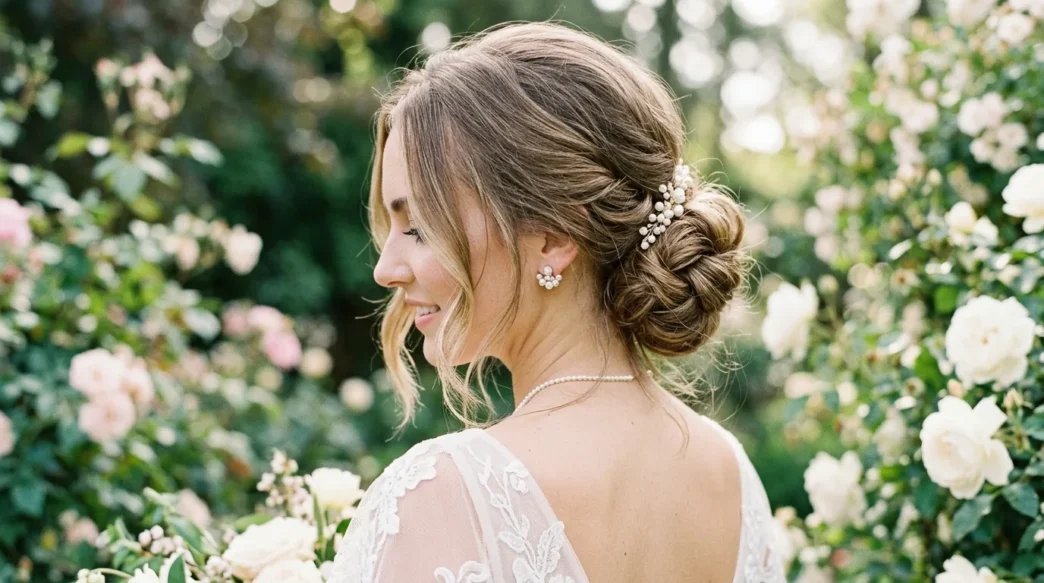
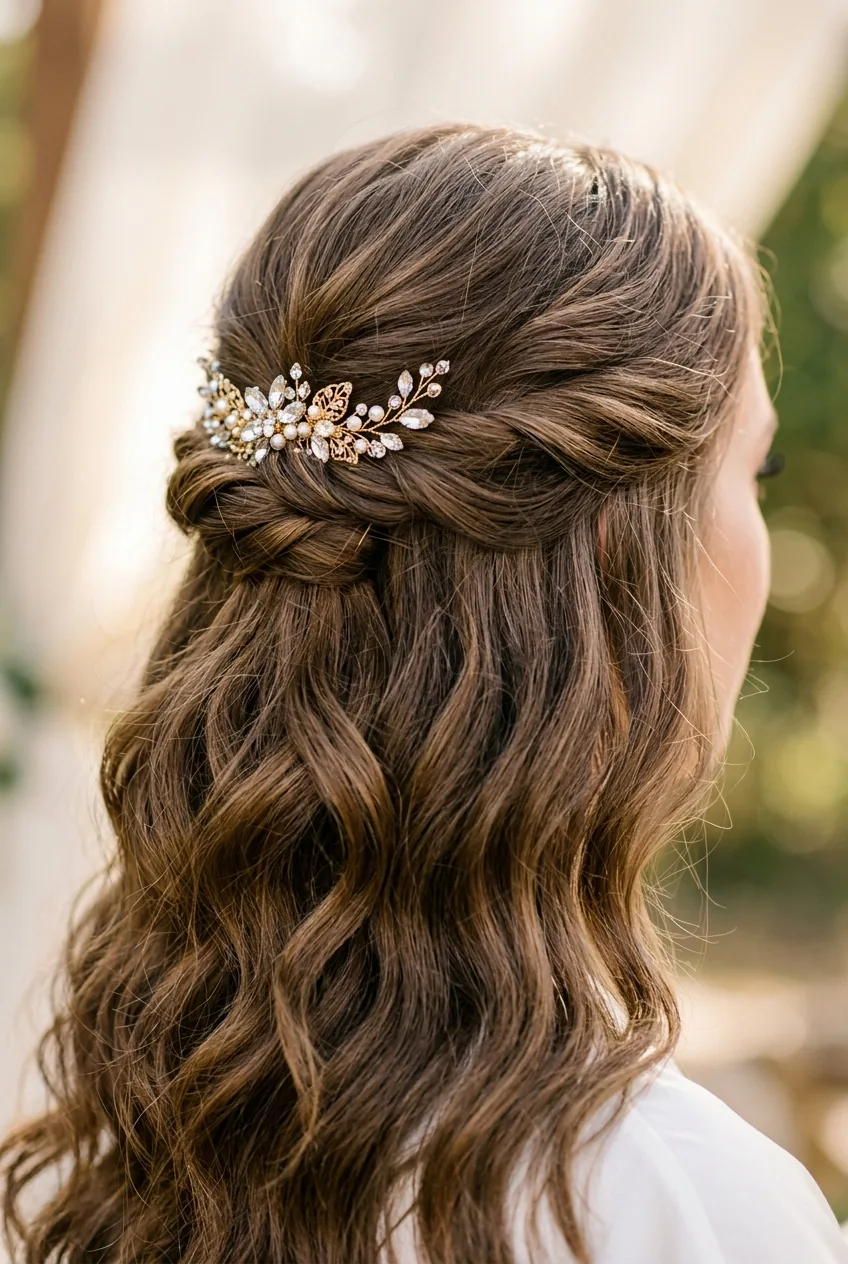
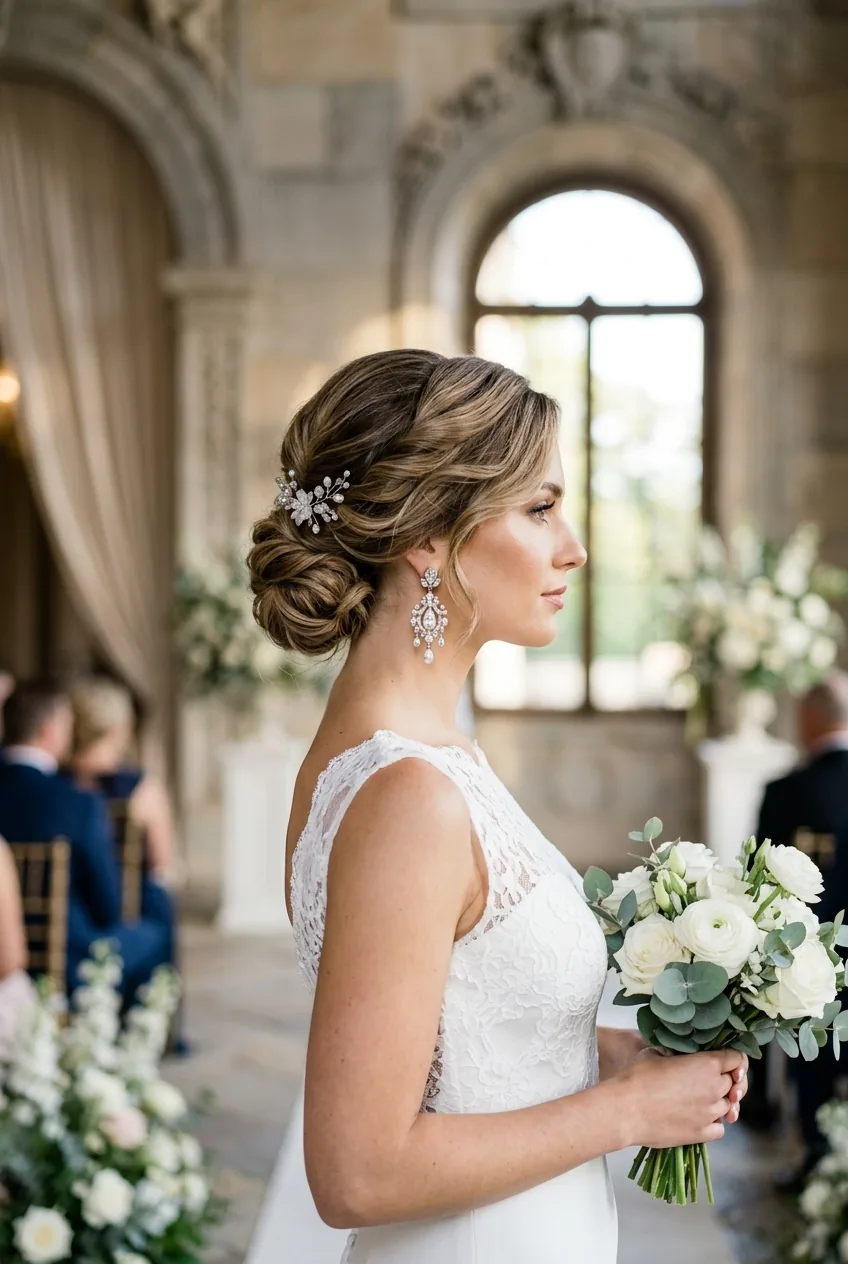
- Textured low buns — messy on purpose, with face-framing pieces
- Side-swept updos — asymmetrical and modern, not your mom’s wedding hair
- Braided crowns — but loose and organic, not tight
- Half-up styles — the ultimate in “effortless elegant”
- Twisted chignons — sophisticated but touchable
What’s fascinating is how these styles photograph. Medium hair catches light differently than long hair — it has more movement, more dimension. Every wedding photographer I’ve talked to mentions this. The hair becomes part of the overall composition instead of overwhelming it.
And can we talk about versatility? These brides are switching from ceremony hair to reception hair with just a few bobby pin adjustments. That never worked with those elaborate long-hair constructions.
See These Styles in Action
Why Salons Are Booked Solid
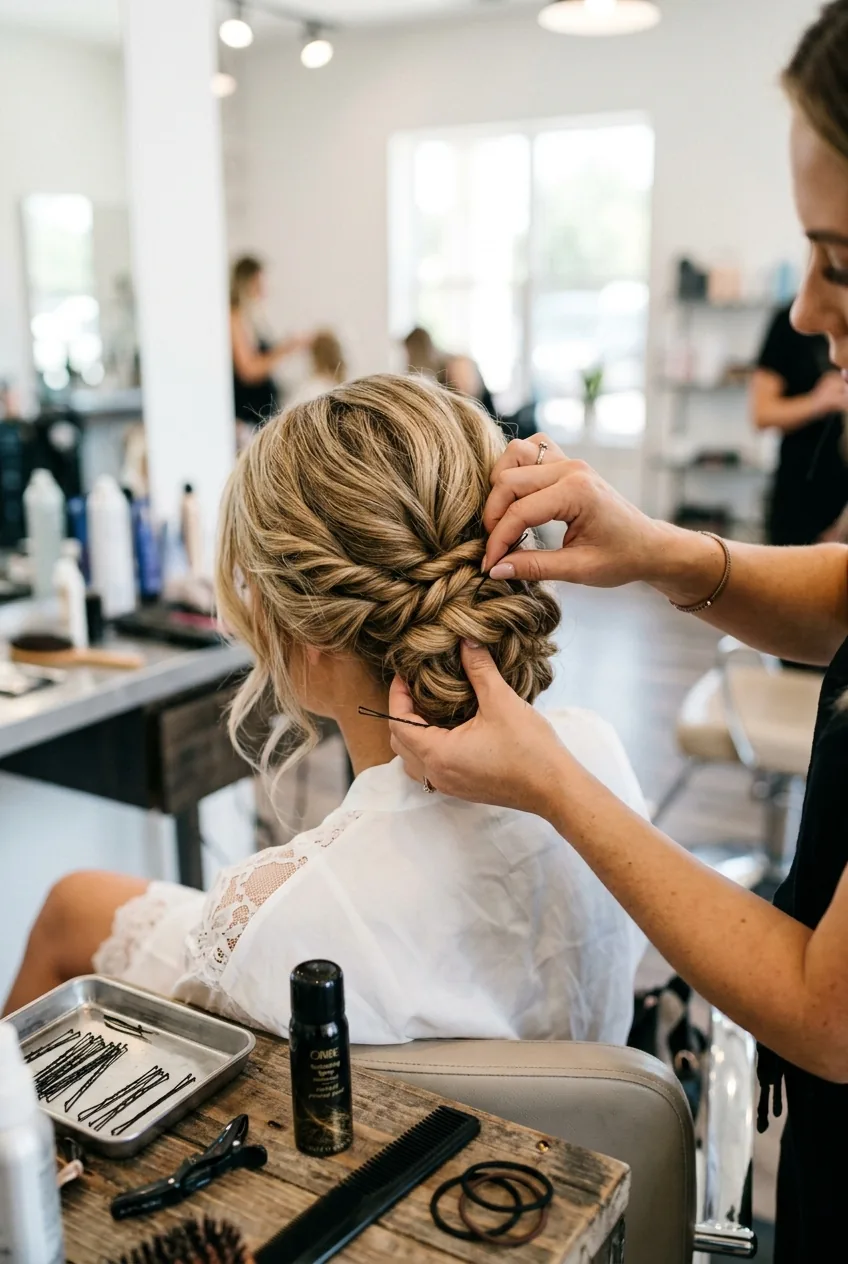
Here’s what’s wild — bridal hair appointments are shorter now, but stylists are booking more of them. A medium-hair updo takes 90 minutes instead of three hours. That means more brides per day, and honestly? Less stress for everyone involved.
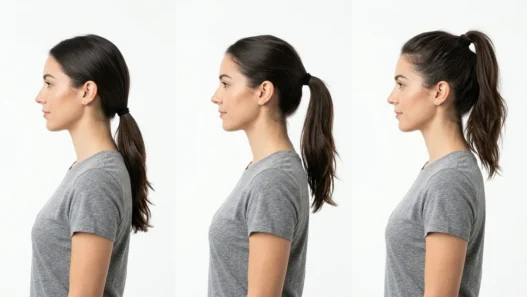
But there’s a skill factor here that people don’t realize. Working with medium hair for weddings requires a different technique. You can’t rely on length and weight to hold styles in place. Advanced styling techniques have become essential skills, not optional ones.
I’ve watched stylists completely retrain their approach. The ones who adapted early? They’re the ones with six-month waiting lists now. The demand isn’t just about the trend — it’s about finding someone who actually knows how to make medium hair look incredible for twelve hours straight.
Where This Trend Goes Next
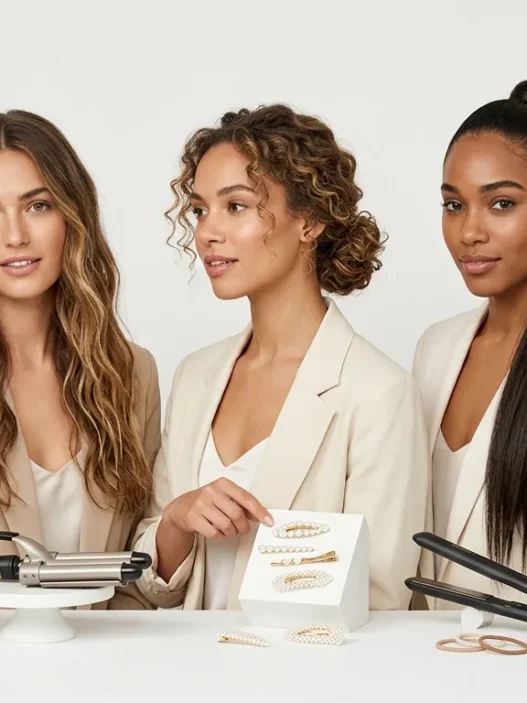
I think we’re just getting started. The accessories game is about to explode — when you’re not hiding everything in a massive updo, suddenly hairpins and combs become statement pieces. I’m seeing more brides invest in beautiful hair jewelry because it actually shows.
Color is getting bolder too. Trending hair colors are becoming part of the wedding look instead of something you hide under a veil. Subtle highlights, face-framing balayage — it all works better on medium length.
My prediction? By 2025, we’ll see formal events beyond weddings embrace this too. Prom hair, gala styles, even corporate events. The whole “longer equals more formal” rule is dissolving, and I’m absolutely here for it.
Should You Jump on This Bandwagon
Look, I’m going to be honest about this. If you’re planning a wedding in the next year and you have long hair, don’t cut it just because it’s trendy. But if you’ve been thinking about shorter hair anyway? This might be your moment.
Medium hair works best when it’s your medium hair, not a length you forced yourself into. The brides who look incredible in these styles? They chose the hair first, then found their perfect wedding style. Not the other way around.
That said, if you’re naturally shoulder-length and you’ve been considering extensions for your wedding… maybe don’t? Test some medium-length styles first. You might surprise yourself.
Questions I Get About This
Will medium hair work with my dress style?
Almost always, yes. Medium hair actually shows off dress details better — necklines, back details, sleeves. The only exception might be very dramatic ball gowns that need equally dramatic hair to balance the proportions.
How long before the wedding should I cut my hair?
Six to eight weeks minimum. You need time to adjust to styling it, and your hair needs time to settle into its natural texture at the new length. Don’t do anything drastic the week before your wedding.
Can I still wear a long veil with medium hair?
Absolutely. The contrast can actually be stunning — the shorter hair makes the veil feel more intentional and dramatic. Just make sure your hairstylist knows how you plan to attach it.
What if I change my mind after cutting it?
Hair grows, but more importantly, extensions exist for emergencies. However, most brides I know who made this switch never looked back. There’s something liberating about wedding hair that doesn’t require an engineering degree.
This medium hair moment feels different from other wedding trends I’ve watched come and go. It’s not about following someone else’s idea of bridal beauty — it’s about finding your own. And honestly? That’s exactly what wedding hair should be about.