









I’ve been obsessed with collarbone length hair for three years now. Not because it’s trendy — honestly, it predates most Instagram hair trends — but because when I first saw it done right, it looked like the kind of effortless beauty that takes zero work. I was so wrong about that last part.
After countless cuts, styling disasters, and way too much money spent on products that promised “beachy waves in minutes,” I finally understand why this length is both beloved and cursed by women everywhere. It sits in this weird sweet spot where everything matters — the cut, your hair type, even how you sleep on it.
But here’s what nobody tells you upfront: collarbone length hair can either be your most flattering cut ever or a daily source of frustration. The difference comes down to understanding exactly what you’re working with.

What You’ll Discover About Collarbone Length Hair
Why This Length Is Trickier Than It Looks
Collarbone length hair sits in what I call the “awkward zone.” It’s not quite shoulder length, not quite long, and definitely not short. This middle ground creates unique challenges that most people don’t anticipate until they’re living with the cut.

The first issue is weight distribution. At this length, your hair is heavy enough to pull itself straight but not long enough to create natural movement through gravity. I learned this the hard way when my first collarbone cut turned into a shapeless curtain within two weeks. The solution isn’t more layers — it’s strategic layering that maintains the length while creating internal structure.

Then there’s the styling paradox. This length needs more daily attention than shoulder-length hair but responds poorly to over-manipulation. Too much heat and it loses that coveted movement. Too little styling and it looks unfinished. I’ve found the sweet spot lies in understanding your hair’s natural patterns and working with them, not against them.
What makes it even trickier? This length shows every single styling mistake. A bad hair day at shoulder length might go unnoticed, but collarbone length hair broadcasts when something’s off. The flip side is that when it’s working, it looks absolutely stunning — which is why so many of us keep coming back to it.
The Science Behind the Perfect Cut
Here’s where most people get it wrong: they think collarbone length hair is about hitting a specific measurement. It’s not. It’s about understanding how your individual hair falls and creating a cut that enhances that natural movement.
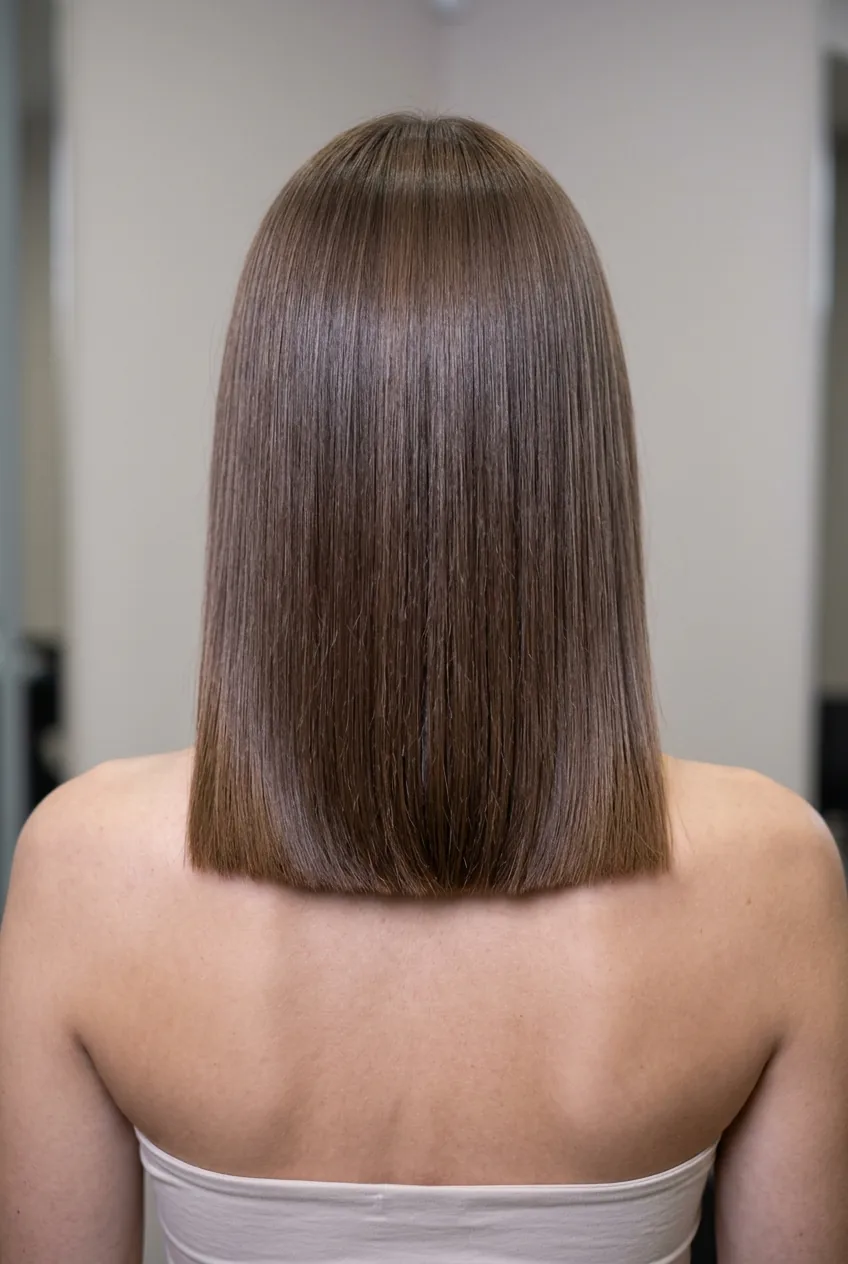
I spent months researching hair physics (yes, that’s a real thing) after my third failed attempt at this cut. The key insight? Hair creates its own weight patterns, and collarbone length hits right at the point where those patterns can either work beautifully or fight against each other.
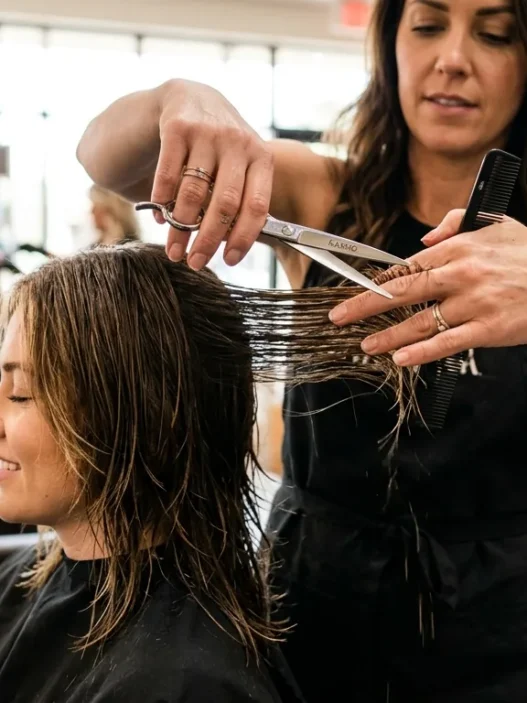
The best collarbone cuts incorporate what stylists call “tension cutting” — adjusting the angle and tension of each section based on how that specific piece of hair naturally wants to fall. This creates subtle variations in length that look intentional, not choppy. When I finally found a stylist who understood this concept, everything changed.
But there’s another layer to consider: your hair’s natural growth patterns. Some people have cowlicks that create natural volume at this length, while others have hair that wants to flip under. A skilled stylist works with these patterns instead of trying to override them. Understanding your growth patterns can make or break this cut.
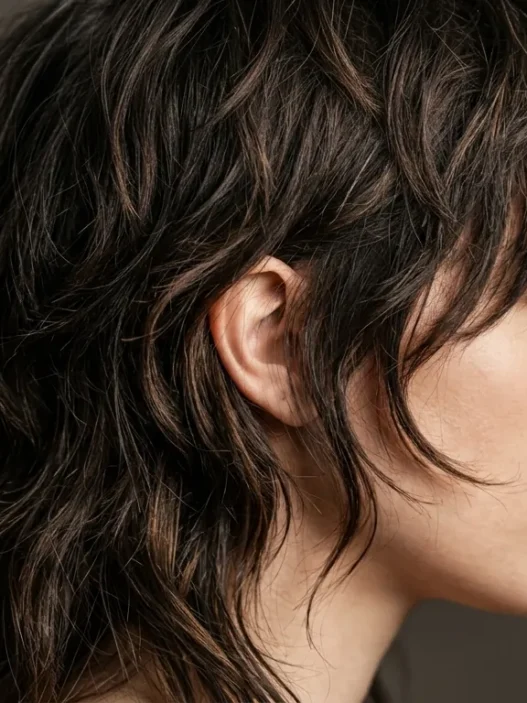
The texture factor is huge too. Fine hair needs different considerations than thick hair at this length. Fine hair can look stringy if there’s not enough internal layering, while thick hair can become a triangle if there’s too much. The science is in finding that perfect balance for your specific hair type.
See the Cutting Technique in Action
What Most Stylists Get Wrong
I’ve sat in more salon chairs than I care to count, and I’ve noticed a pattern. Most stylists approach collarbone length hair like it’s just a longer version of a lob or a shorter version of long hair. It’s neither.

The biggest mistake I see? Cutting it too blunt. A perfectly straight line across the collarbone might look chic in photos, but in real life, it creates a harsh line that draws attention to the cut rather than the natural beauty of the length. The best collarbone cuts have subtle variation — maybe a quarter inch difference from front to back, or soft layers that create movement without sacrificing the overall length.
Another common error is ignoring face shape entirely. I’ve watched stylists give the same collarbone cut to completely different face shapes, then wonder why it doesn’t photograph the same way. This length sits right at a visually critical area — it frames your jawline, hits near your collarbone (obviously), and influences how your neck looks. Those factors matter differently for different face shapes.
Then there’s the layering issue. Too many stylists either skip layers entirely (creating that heavy, shapeless look I mentioned) or go overboard with them (turning it into a shag). The right approach is what I call “invisible layering” — creating movement and removing weight without obvious layer lines.
The fix for all these issues? Find a stylist who cuts this length regularly and ask to see photos of their work. Not just the fresh-from-the-salon shots, but photos taken weeks later when the cut has settled. That’s when you’ll see if they truly understand how to make collarbone length hair work.
The Daily Reality Check
Let’s talk about what actually happens when you live with collarbone length hair. Because Instagram doesn’t show you the Tuesday morning when nothing cooperates.

First, the good news: on a great hair day, this length is absolutely magical. It moves beautifully, photographs well, and has this effortless vibe that longer hair sometimes lacks. I get more compliments on good collarbone hair days than I ever did with any other length.
The challenging news? This length requires a specific routine to look its best. I’ve learned that my hair needs to be styled when it’s about 70% dry — not soaking wet, not completely dry. Too wet and the products weigh it down. Too dry and I can’t create the movement I need.
Sleep is another factor nobody mentions. This length is long enough to get tangled while you sleep but not long enough to braid easily. I’ve become evangelical about silk pillowcases and loose scrunchies. It makes a difference I didn’t expect.
Weather affects this length more than shorter cuts but less than very long hair. Humidity can be your friend or enemy depending on your texture. For me, slight humidity actually enhances the natural movement, but too much turns everything into a frizzy mess.
The maintenance schedule is more frequent than you might think. Every six weeks, minimum, or the shape starts to look grown-out rather than intentionally long. With winter shoulder length styles, timing your cuts becomes crucial for maintaining that perfect collarbone hit point.
Why Face Shape Matters More Here
I used to think face shape rules were overrated until I started paying attention to how different women wear collarbone length hair. The difference is striking.

Round faces need the most careful consideration with this length. Cut too blunt, and it can make the face look wider. But done right — with subtle layering and the right styling — it creates length and elegance. The key is avoiding that shelf effect where the hair sits heavily right at the widest part of the face.
Square faces often look incredible with collarbone length hair because it softens the jawline without hiding it completely. But the cut needs movement. Static, straight hair at this length can emphasize angular features rather than complement them.
Long faces can handle more variety with this length, but they need to be careful about creating too much length without width. Adding subtle waves or choosing a cut with more body helps balance proportions.
Heart-shaped faces might find this their perfect length because it balances a wider forehead with the fullness hitting right at the narrower chin area. But again, the cutting technique matters more than the length itself.
The controversial opinion I’ve developed? Most face shape “rules” are too rigid. I’ve seen women break every supposed rule and look amazing because they chose a cutting technique and styling approach that worked with their individual features. Professional consultations can help you figure out what works specifically for you rather than following generic guidelines.
What matters most is finding a version of collarbone length hair that makes you feel confident. Whether that means subtle layers, beachy waves, or sleek straight styling depends more on your personal style and daily routine than any face shape formula.
Quick Answers
How often do you need to trim collarbone length hair?
Every 6-8 weeks to maintain the shape and prevent that grown-out look. This length shows uneven growth more than shorter cuts, so staying on schedule matters.
Can you put collarbone length hair in a ponytail?
Yes, but it creates a short, bouncy ponytail rather than a long flowing one. It’s perfect for low ponytails and works well with hair accessories to add interest.
Does collarbone length hair work with bangs?
Absolutely, and it often looks stunning. The length provides good balance for most bang styles, from curtain bangs to full fringe. Just make sure your stylist cuts them together as one cohesive look.
Is this length high-maintenance?
More than shoulder length, less than very long hair. It needs regular styling to look polished but doesn’t require the extensive care routine that waist-length hair demands.
The truth about collarbone length hair is that it’s simultaneously easier and harder than it appears. Easier because when it works, it really works — creating that effortless elegance we all want. Harder because getting it to that point requires the right cut, the right routine, and honestly, a bit of patience while you figure out what works for your specific hair.
But when you nail it? There’s something about this length that feels perfectly modern and timelessly feminine at the same time. That’s probably why I keep coming back to it, despite all the learning curves along the way.