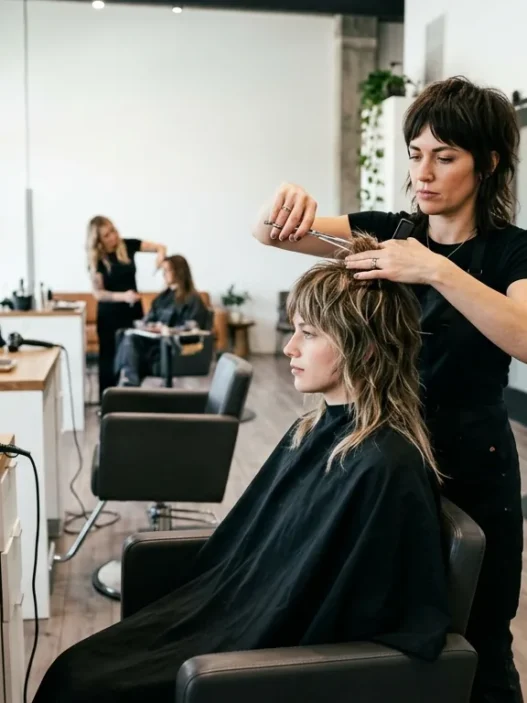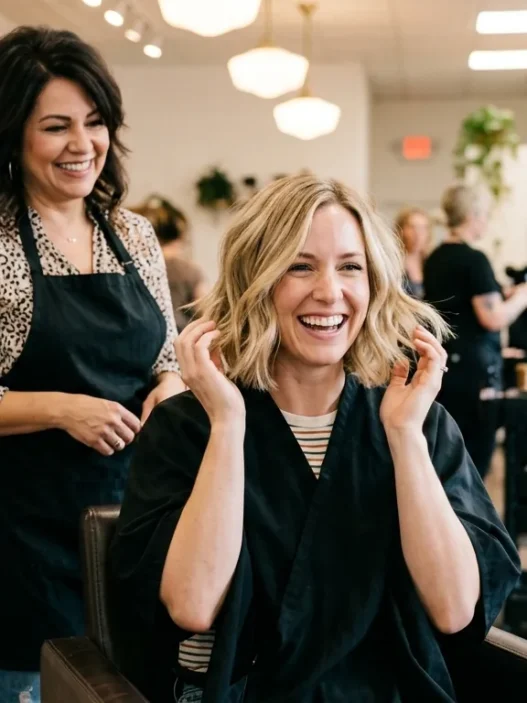







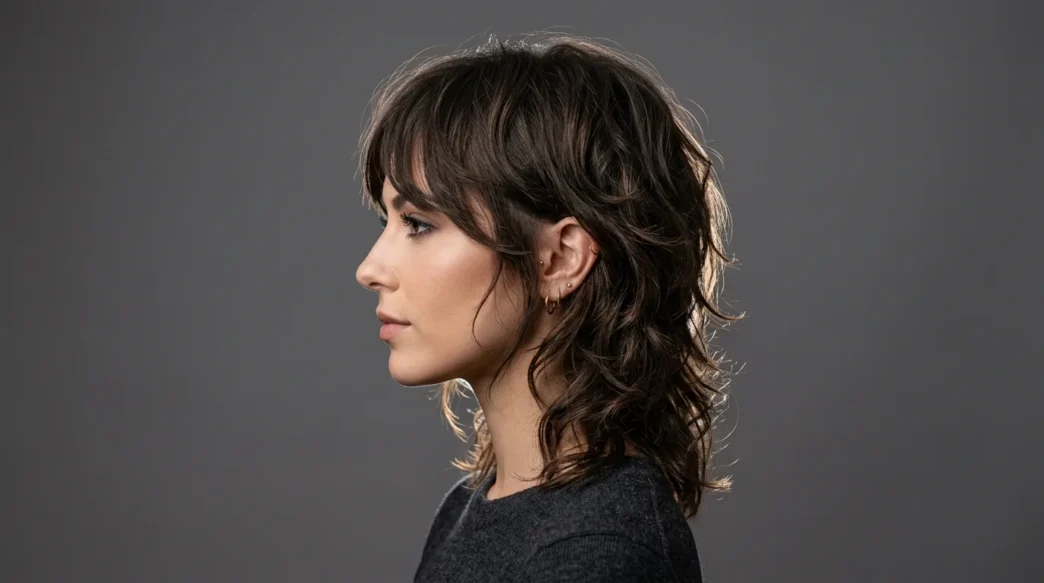
I used to think shag haircuts were stuck in the ’70s. But after working with clients for years and watching the texture revolution unfold, I’ve completely changed my tune. These aren’t your mom’s shaggy haircuts — they’re modern, wearable, and honestly transformative for the right person.
1. The Statement Maker
This is for the woman who wants everyone to notice her hair when she walks into a room. We’re talking dramatic layers that hit at multiple lengths — some grazing the jawline, others skimming the shoulders. The texture is everything here.
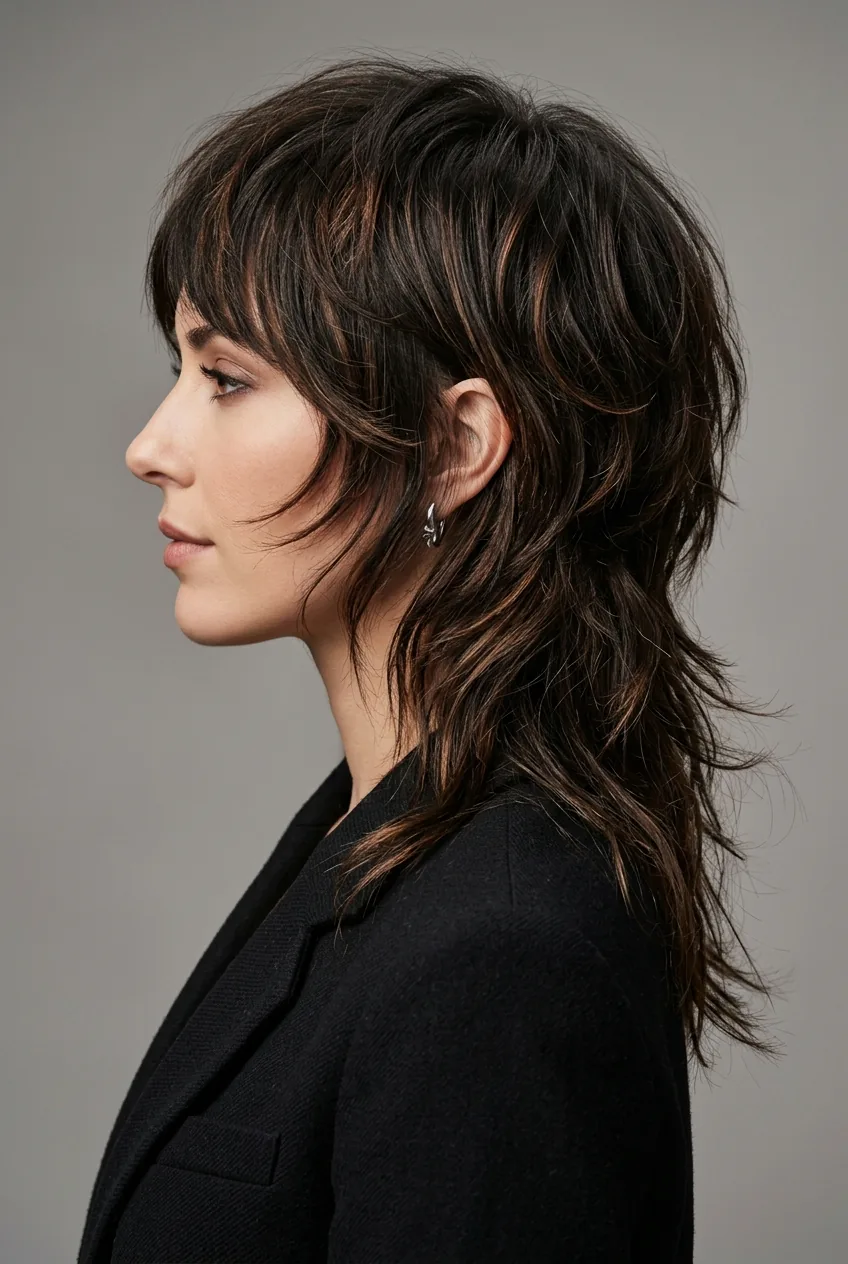
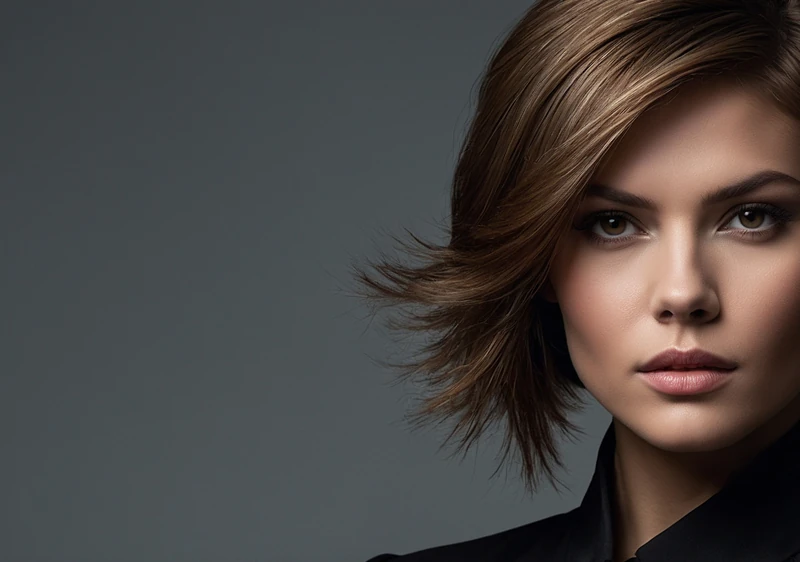
I love how she’s wearing hers in this shot. See those choppy pieces around her face? They’re not random — each one is strategically placed to create movement. This works best on medium to thick hair that can handle the weight distribution.
Who this is for: Confident personalities with oval or heart-shaped faces. You need hair that has some natural body because fine hair will just look sparse with this much layering.
2. The Effortless One
The beauty of this cut is in what it doesn’t try to do. No forced texture, no over-styling. Just soft, graduated layers that enhance your natural hair pattern.
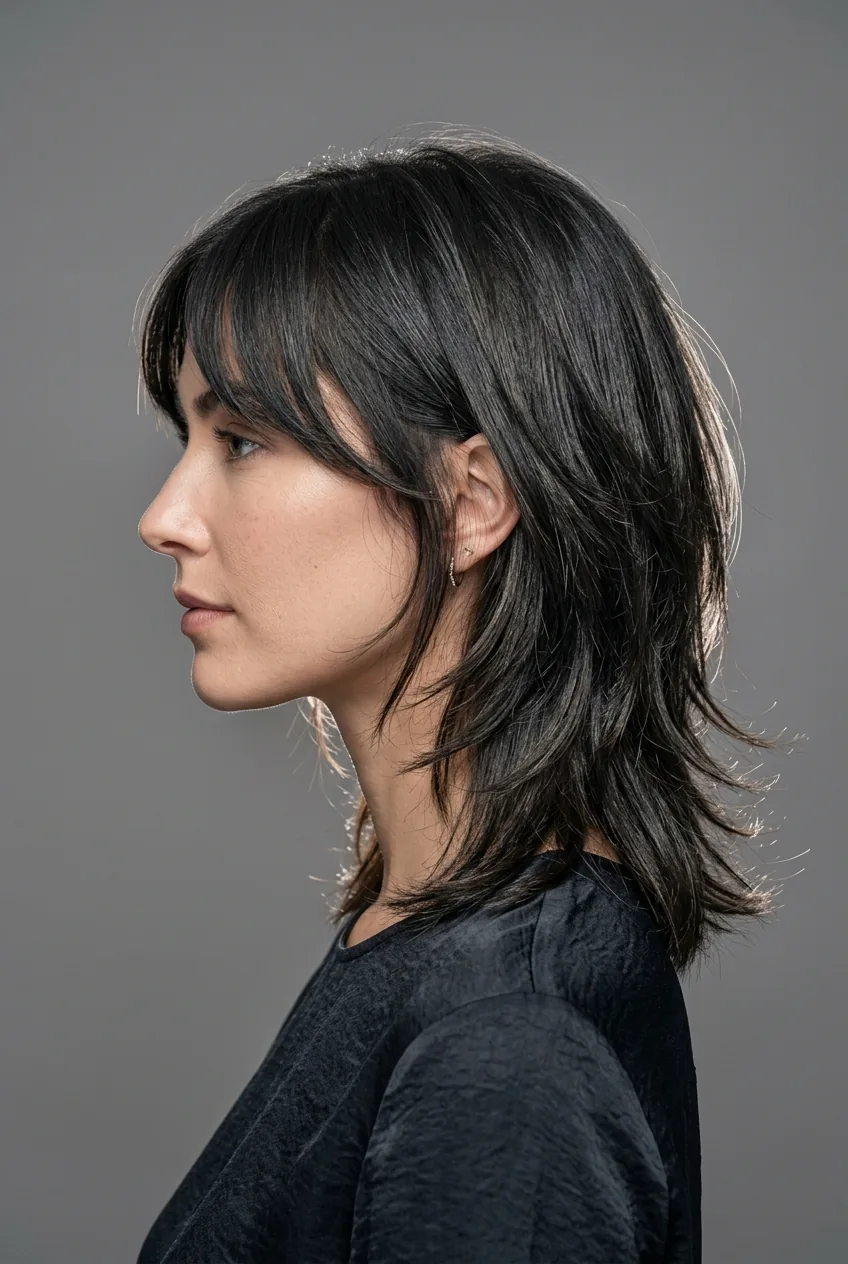
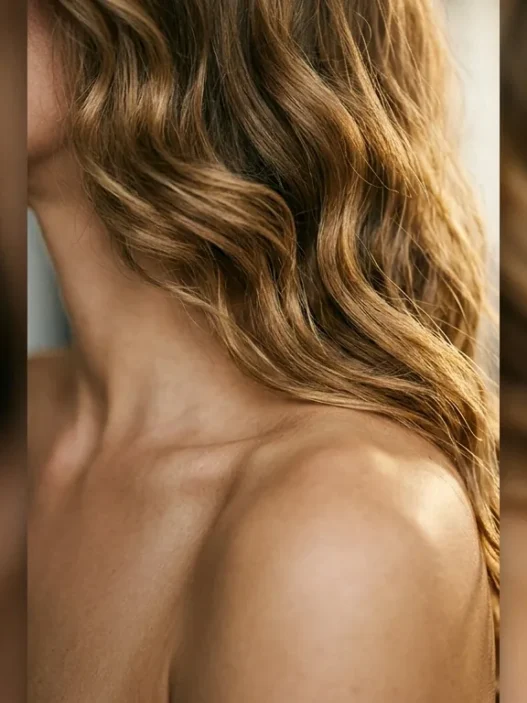
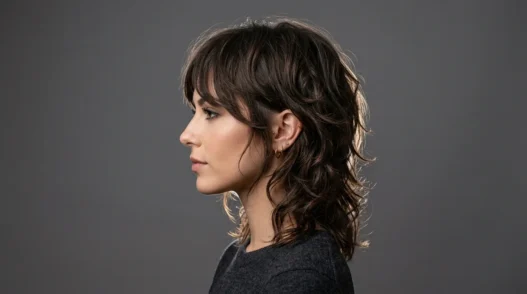
When I first saw this length on a client, I was skeptical. But watch how it moves when she turns her head — there’s this gorgeous swoosh that happens naturally. The layers start around the cheekbones and flow down, creating this effortless cascade that works whether you air-dry or use heat.
Perfect for women who want the shag vibe without the commitment to extensive styling. This is your gateway shag if you’ve never tried textured cuts before.
3. The Dark Horse
Nobody talks about this variation enough, and that’s exactly why I love it. It’s a shag that masquerades as a regular layered cut until you see it in motion.
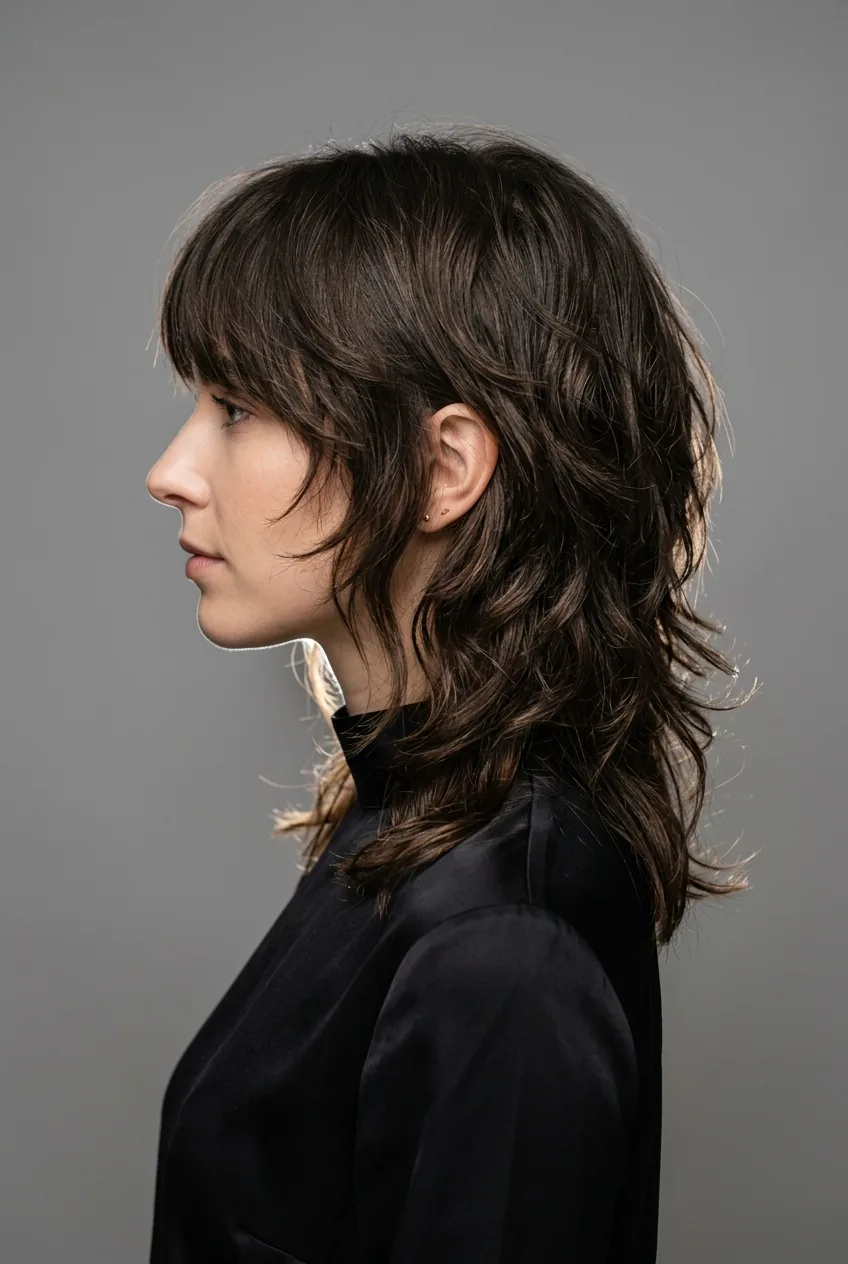
This is my personal pick for women over 40. The layers are subtle enough to feel sophisticated, but they add just the right amount of texture to combat flatness. I’ve seen this cut take years off someone’s face.
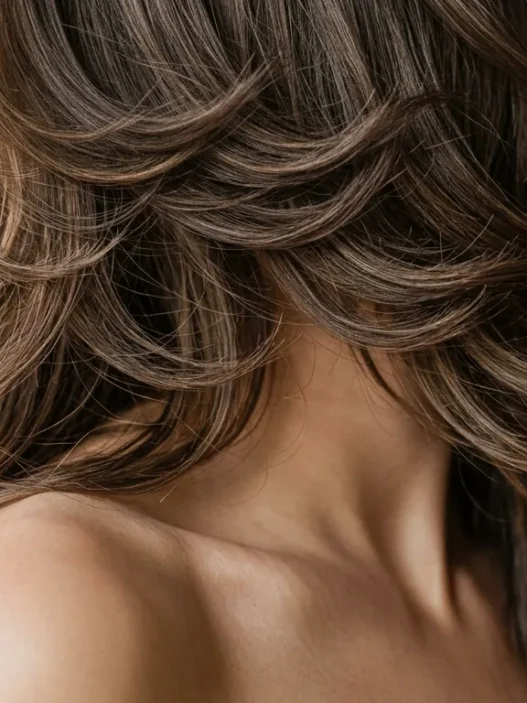
The magic happens in the internal layering — shorter pieces hidden underneath that create lift and movement without obvious choppiness. She’s got the perfect example of how this should lay. Notice how polished it looks from the front, but there’s clearly dimension and texture working underneath.
4. The Crowd-Pleaser
This is the shag that converts the skeptics. It has just enough edge to feel modern but stays well within comfort zones. The layers are graduated more gradually, creating a softer overall effect.
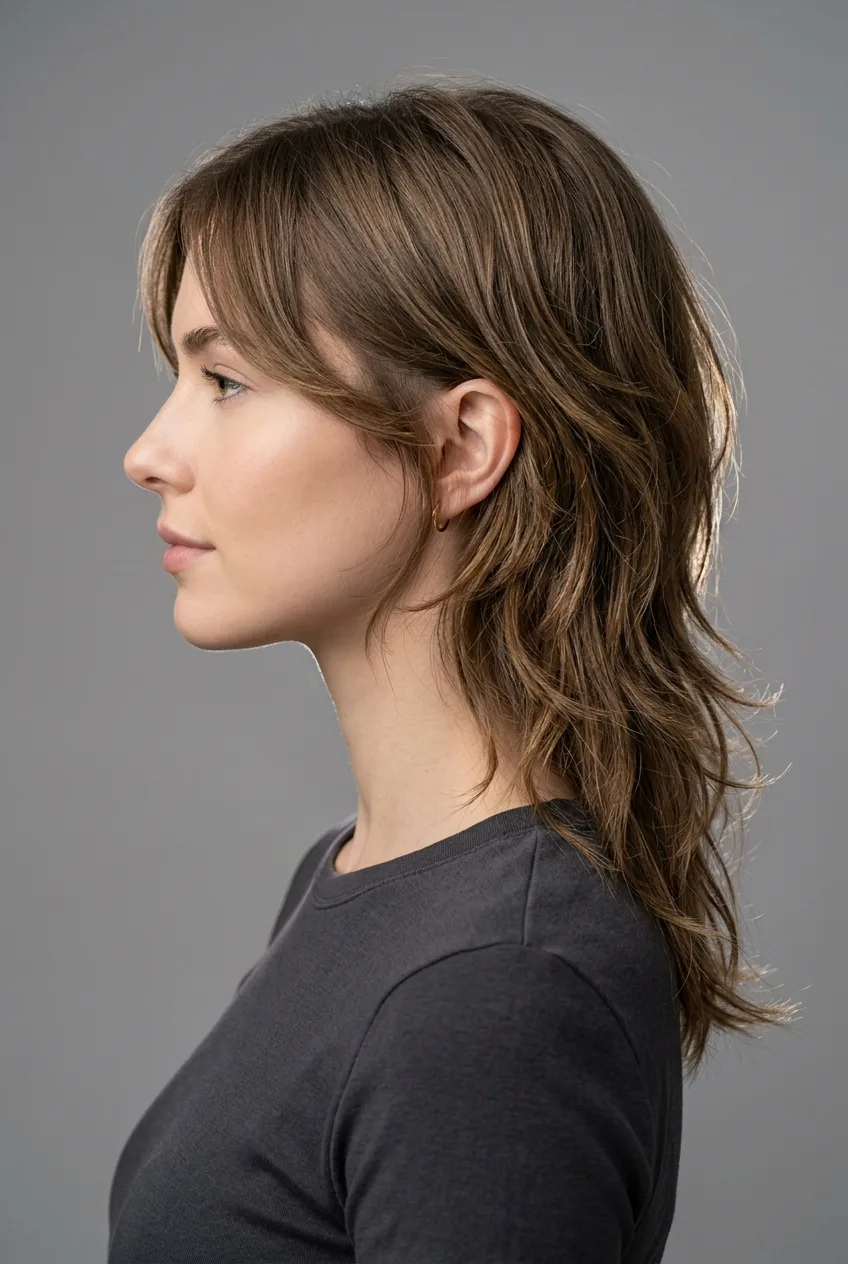
I recommend this to clients who love the idea of textured hair but worry about looking unkempt. The styling is forgiving — you can enhance the texture with sea salt spray or smooth it out with a round brush. Both ways look intentional.
Best for: Anyone with naturally straight to slightly wavy hair who wants to add interest without drama. The layered fall haircuts I’ve been seeing lately often incorporate elements of this approach.
5. The Risk-Taker
Short, choppy, unapologetic. This is the shag that commits fully to the texture game. We’re talking layers that start high up on the crown and create serious volume and movement.
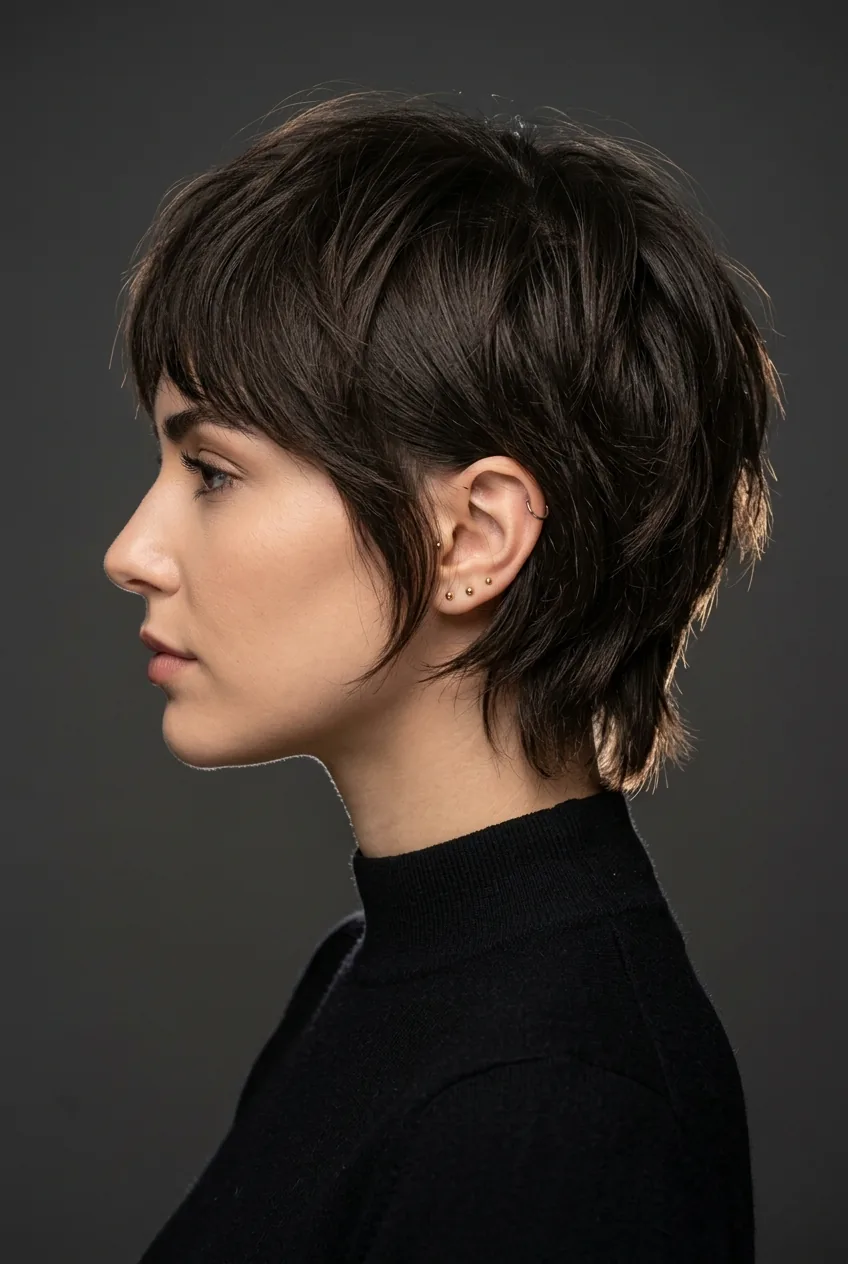
Look at how her hair catches the light — every layer is distinct but works together. This cut requires confidence because it will always look textured, even when you try to smooth it down.
The styling commitment is real. You’ll need texturizing products and probably some time with a diffuser or your hands scrunching. But when it works? It’s absolutely magnetic.
6. The Classic Revamp
This takes the traditional ’70s shag blueprint and updates it for 2025. The proportions are more modern — less volume on top, more emphasis on the mid-lengths and ends.
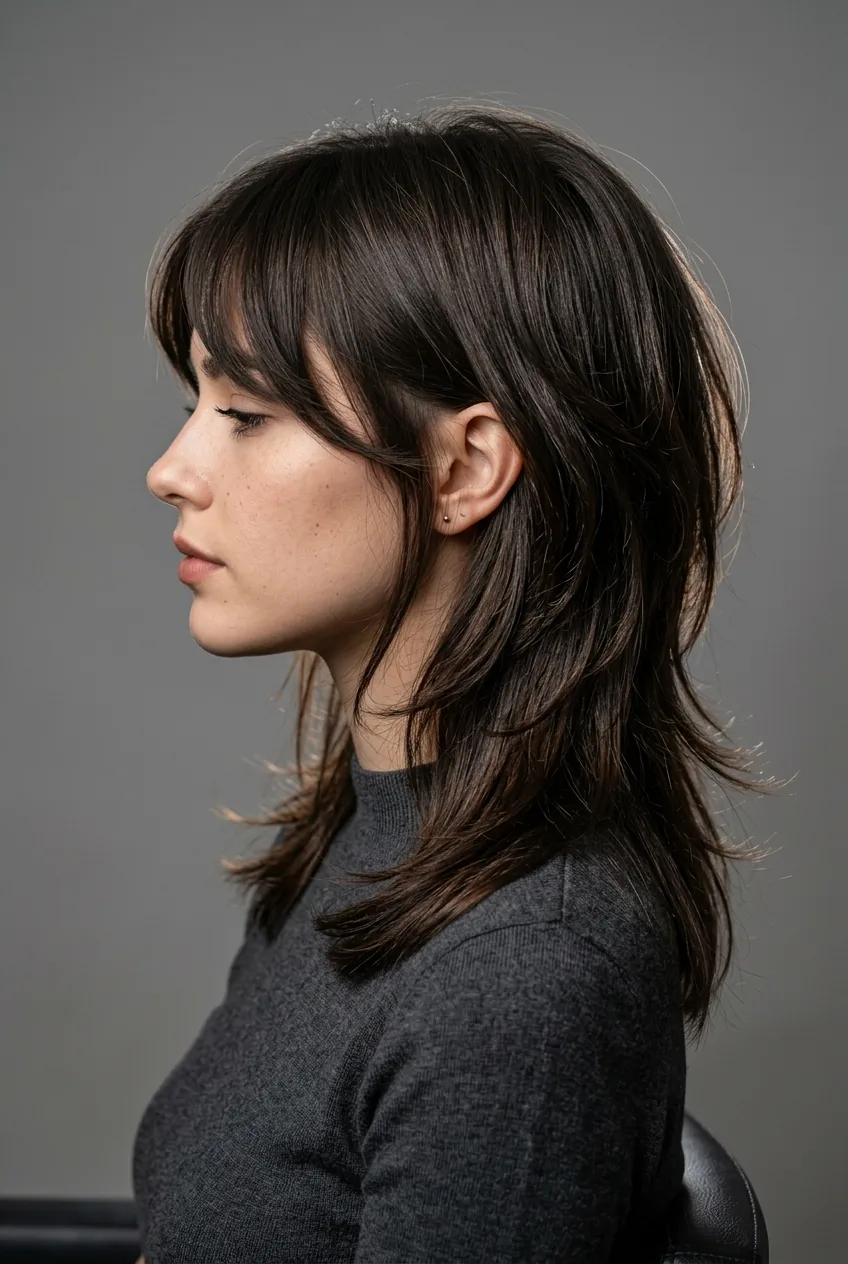
I’ve been seeing updated cutting techniques that really nail this balance between retro and contemporary. She’s wearing it exactly how I picture it — with that slightly undone finish that looks effortless but actually takes some skill to achieve.
The key difference from vintage shags? The layers blend more seamlessly, and there’s less of that heavy, feathered look around the face.
7. The Textural Genius
This cut is all about creating texture where none existed before. The layers are cut at different angles and lengths to maximize movement and dimension.
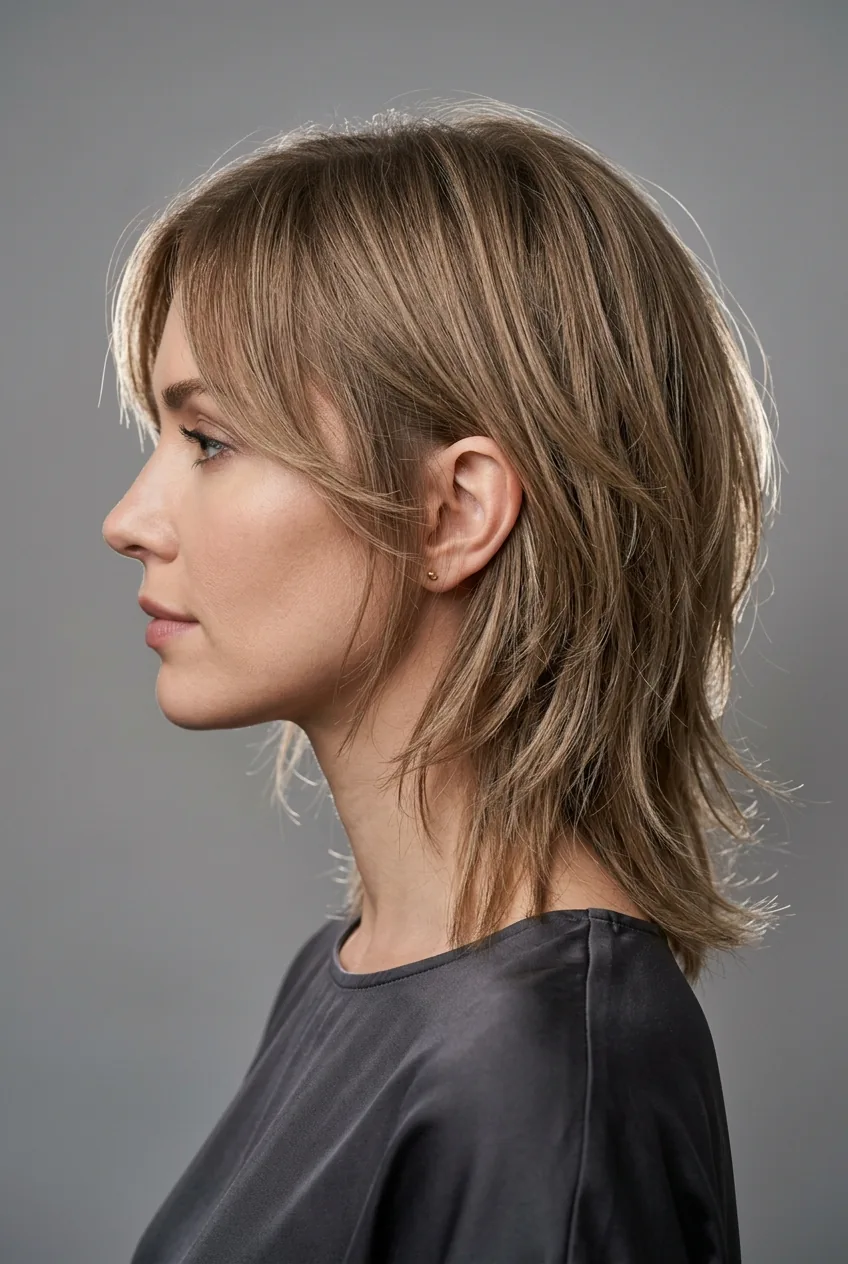
She has similar hair to what I work with a lot — fine but with decent density. See how the cut gives her hair so much more personality? The layers create the illusion of thickness while adding this gorgeous, lived-in texture.
This is my go-to recommendation for women with fine hair who want to try shaggy haircuts but worry about looking wispy. The strategic layering actually makes fine hair look fuller.
See the Technique in Action
8. The Face Framer
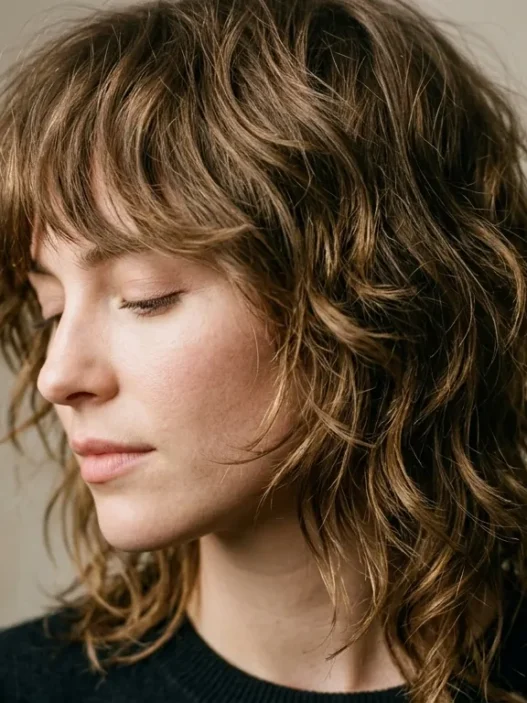
The genius of this cut is in how the layers are concentrated around the face. Longer pieces in the back maintain length and weight, while shorter pieces in the front create that signature shag movement.
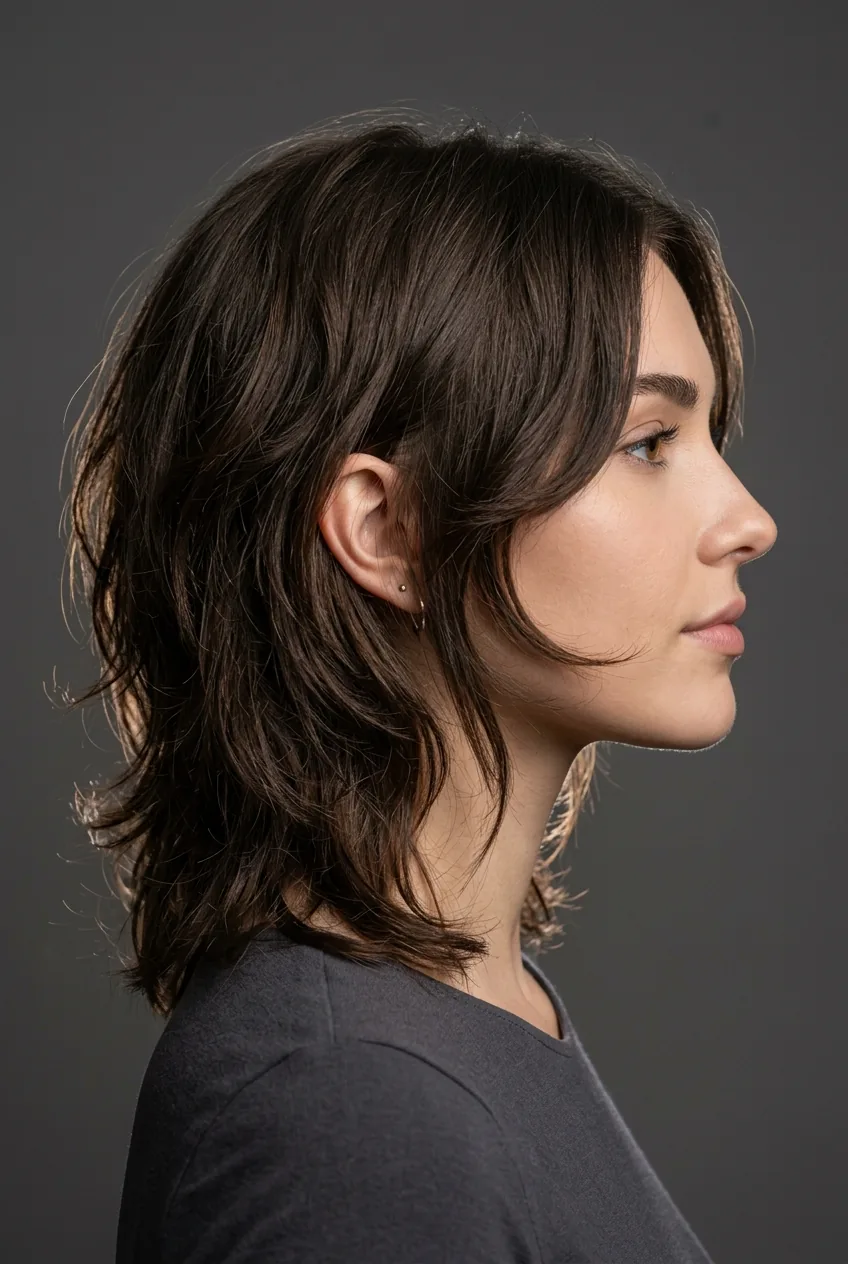
This is the length I’m talking about when clients ask about face-framing options. See how it hits just below her chin? That’s the sweet spot for most face shapes. The face framing layers here are more dramatic than subtle highlighting pieces, but they’re still incredibly flattering.
Perfect for women who want the shag benefits around their face without sacrificing length overall. You get the best of both worlds.
9. The Volume Creator
This variation focuses on adding height and fullness, especially through the crown and mid-lengths. The layers are designed to lift away from the head and create maximum body.
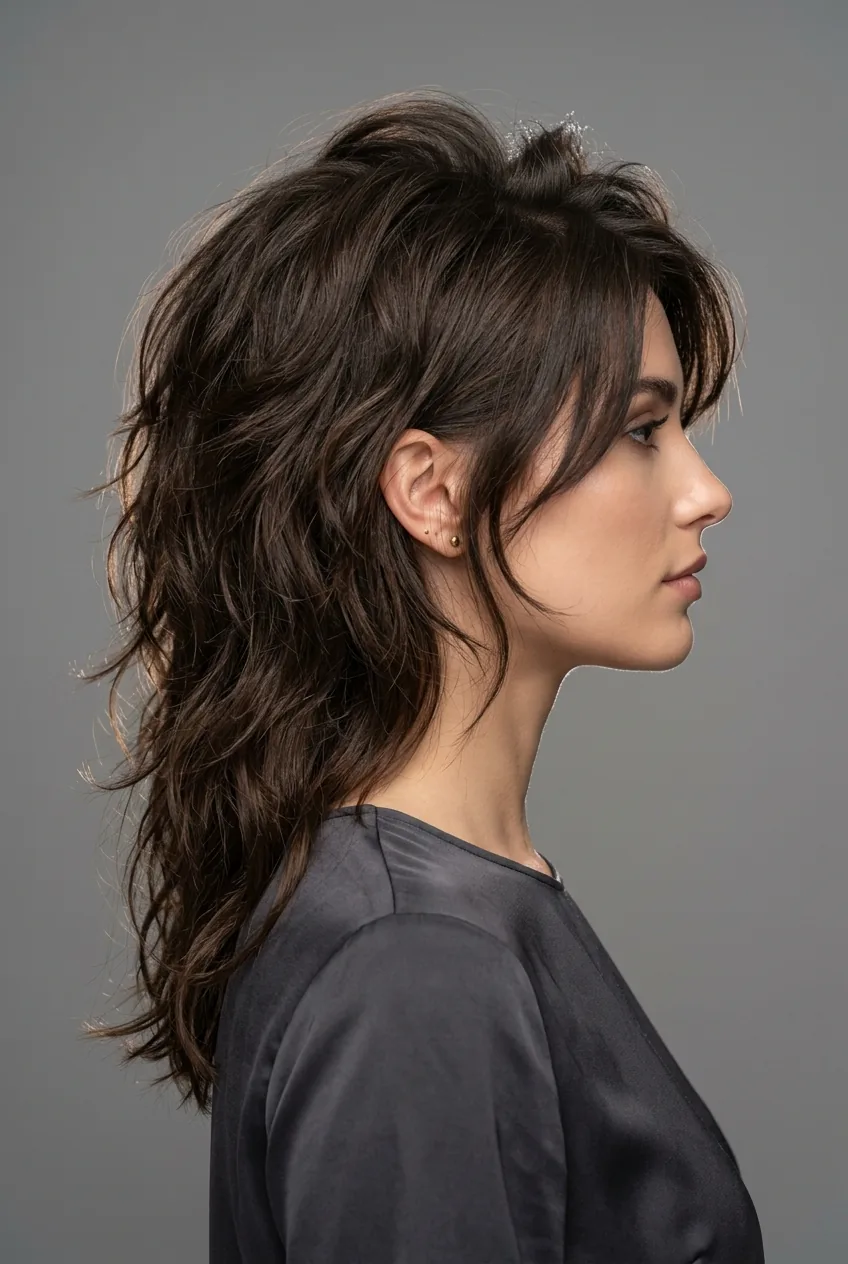
I recommend this to clients with flat, lifeless hair who’ve tried everything else. The cut itself does most of the work — you’ll get natural lift and movement even on day two or three when your hair isn’t freshly washed.
Look at the way her hair sits — there’s obvious volume through the crown that doesn’t look forced or teased. That’s what good layering can achieve.
10. The Low-Maintenance Hero
For busy women who want style without the styling time, this is it. The layers are cut to enhance your natural texture, whatever that might be.
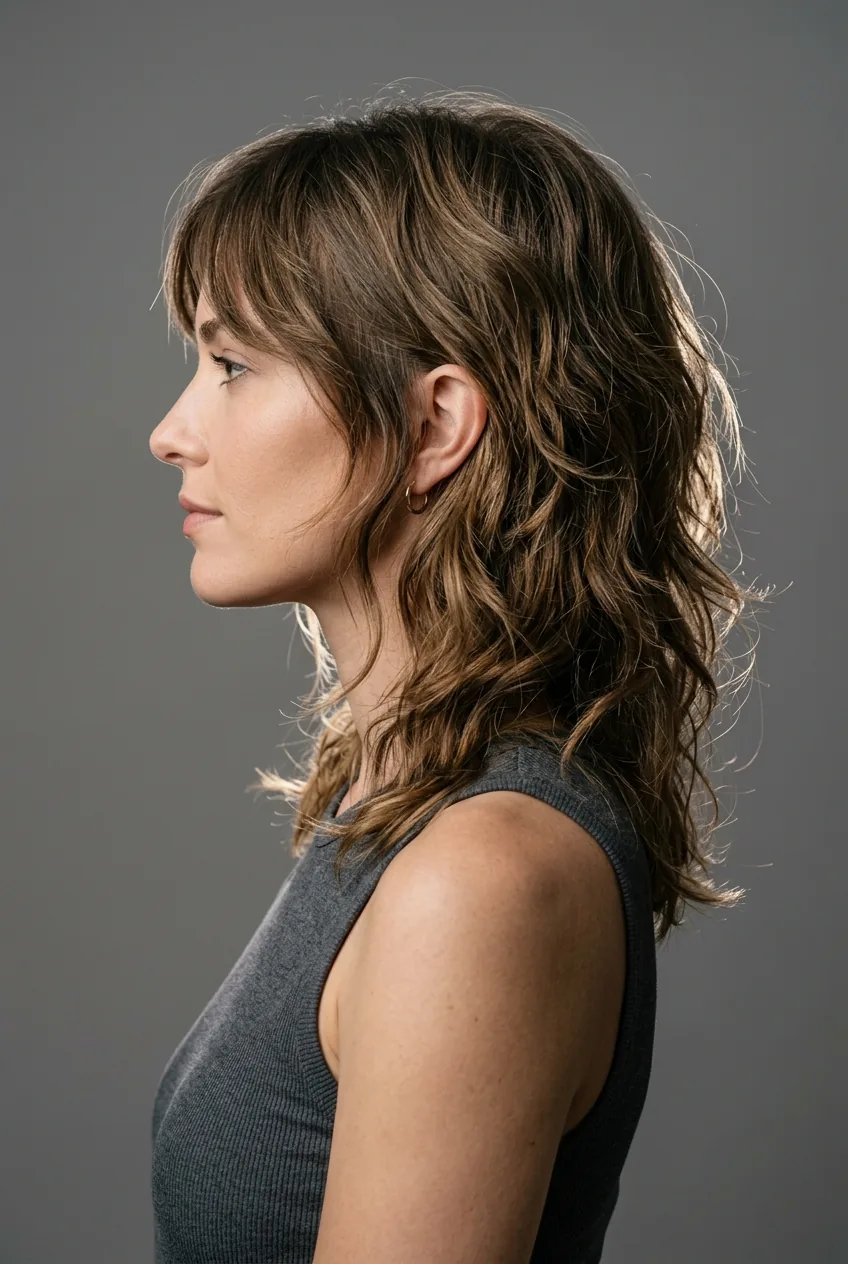
This is the exact texture I’m talking about — effortless and lived-in. She could have air-dried this or done minimal styling, and it still looks intentional and polished. The cut grows out well too, which means fewer trips to the salon.
Who this works for: Literally anyone who wants to wash and go. The layers self-style to some degree, though you can always enhance them with products when you want more definition.
11. The Edgy Sophisticate
This bridges the gap between corporate appropriate and creatively expressive. The layers add edge and personality while maintaining a polished overall shape.
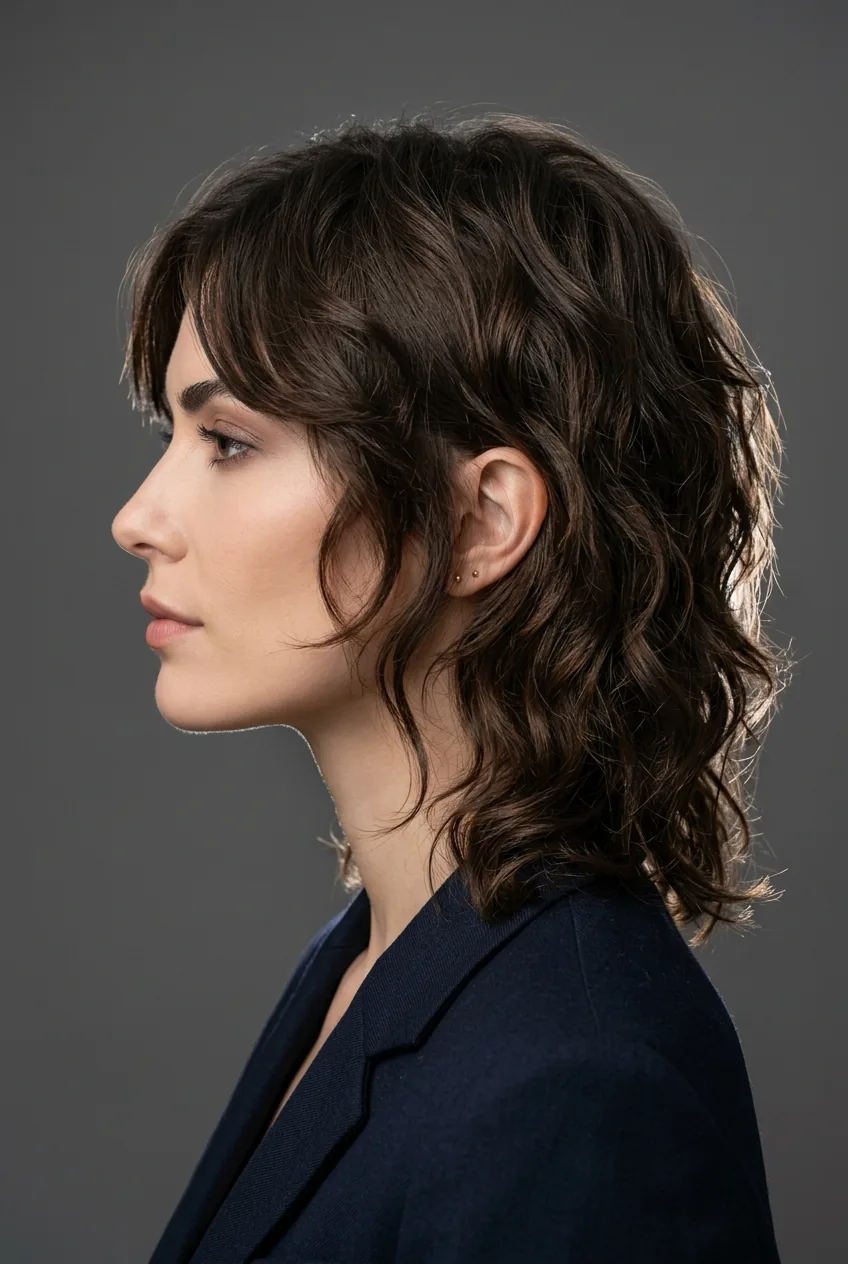
I love this for professional women who want something more interesting than a standard layered cut but can’t go full rock-and-roll with their hair. The texture is there, but it’s controlled and sophisticated.
She’s got a similar face shape to mine, and honestly, this cut looks incredible on her. The way the layers frame her features while maintaining that businesslike polish is exactly what I mean about versatile shags.
12. The Timeless Beauty
Some cuts feel trendy. This one feels eternal. It’s a shag that could work in any decade because the proportions and layering are just fundamentally flattering.
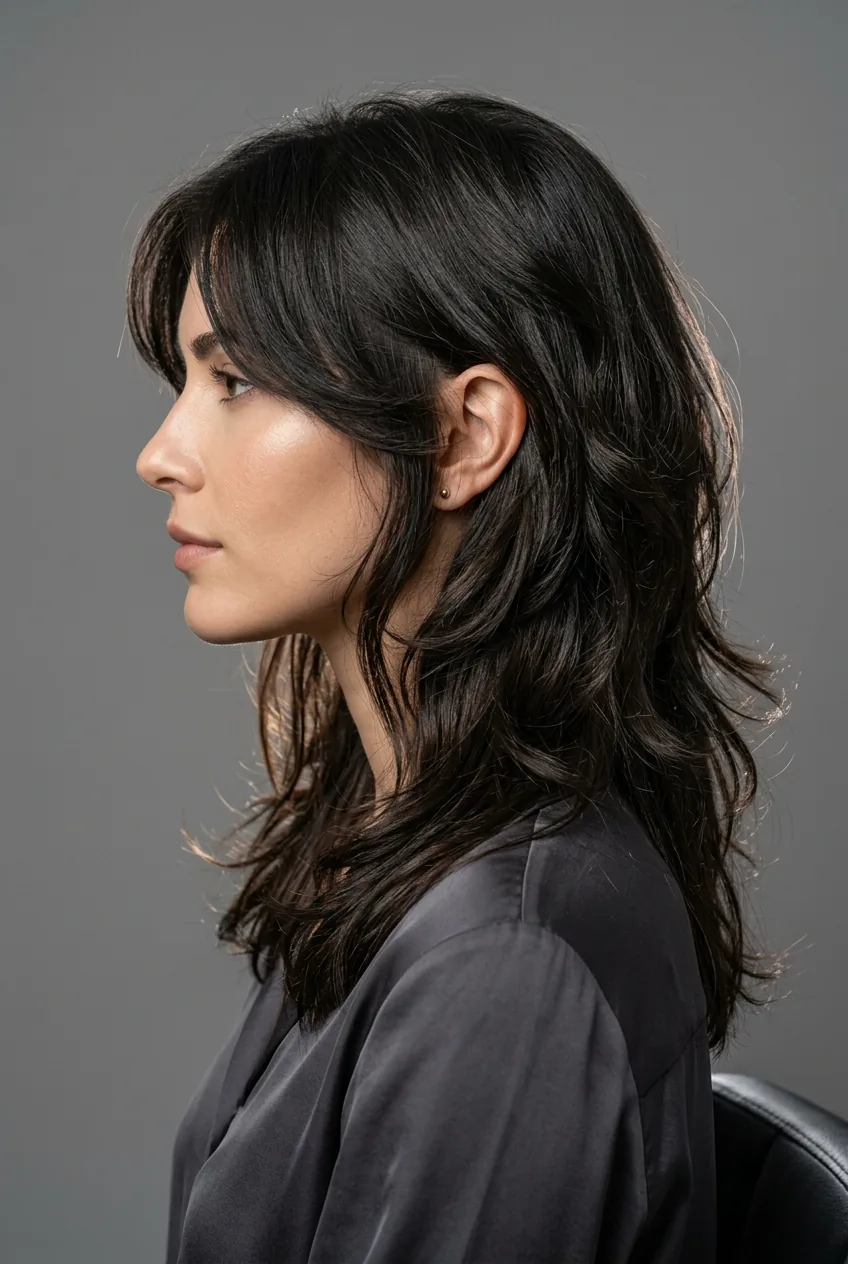
The layers flow naturally from shorter to longer without any jarring transitions. There’s movement and texture, but it all feels cohesive and elegant. This is the kind of cut that photographs beautifully and looks great in person.
If you’re unsure about committing to textured hair, this is where I’d start. It gives you the shag experience without feeling like you’re wearing a statement piece.
Questions I Get About Shags
Will a shag work with my cowlick?
Actually, yes — better than you’d think. The choppy layers can work with cowlicks instead of against them. A good stylist will incorporate your growth patterns into the cut design.
How often do shags need trimming?
Every 8-10 weeks for most people. The beauty is that shags grow out more gracefully than precise cuts, so you have some flexibility with timing.
Can I wear a shag in a ponytail?
Absolutely, but it won’t look like a smooth, sleek ponytail. You’ll have pieces that escape and create texture around your face — which is actually really pretty and modern.
Do I need special products for textured hair?
Not necessarily special, but texturizing sprays, sea salt sprays, and lightweight mousses will enhance the cut’s natural movement. Skip heavy creams that will weigh down the layers.
The thing about shags is that they’re incredibly personal. What works on your friend might not work on you, and that’s okay. The key is finding a stylist who understands texture and can adapt these concepts to your specific hair type and lifestyle. Trust me — when you find your perfect shag, you’ll wonder why you waited so long to try it.