








I fought wispy bangs for years. Something about them felt too precious, too high-maintenance for my wash-and-go lifestyle. But last spring, after yet another bad bang trim left me with blunt chunks across my forehead, I finally surrendered to the wispy life. And honestly? It’s been a revelation. These aren’t your 2000s side-swept bangs — wispy bangs with layers are something entirely different.
Why I Finally Gave In to Wispy Bangs
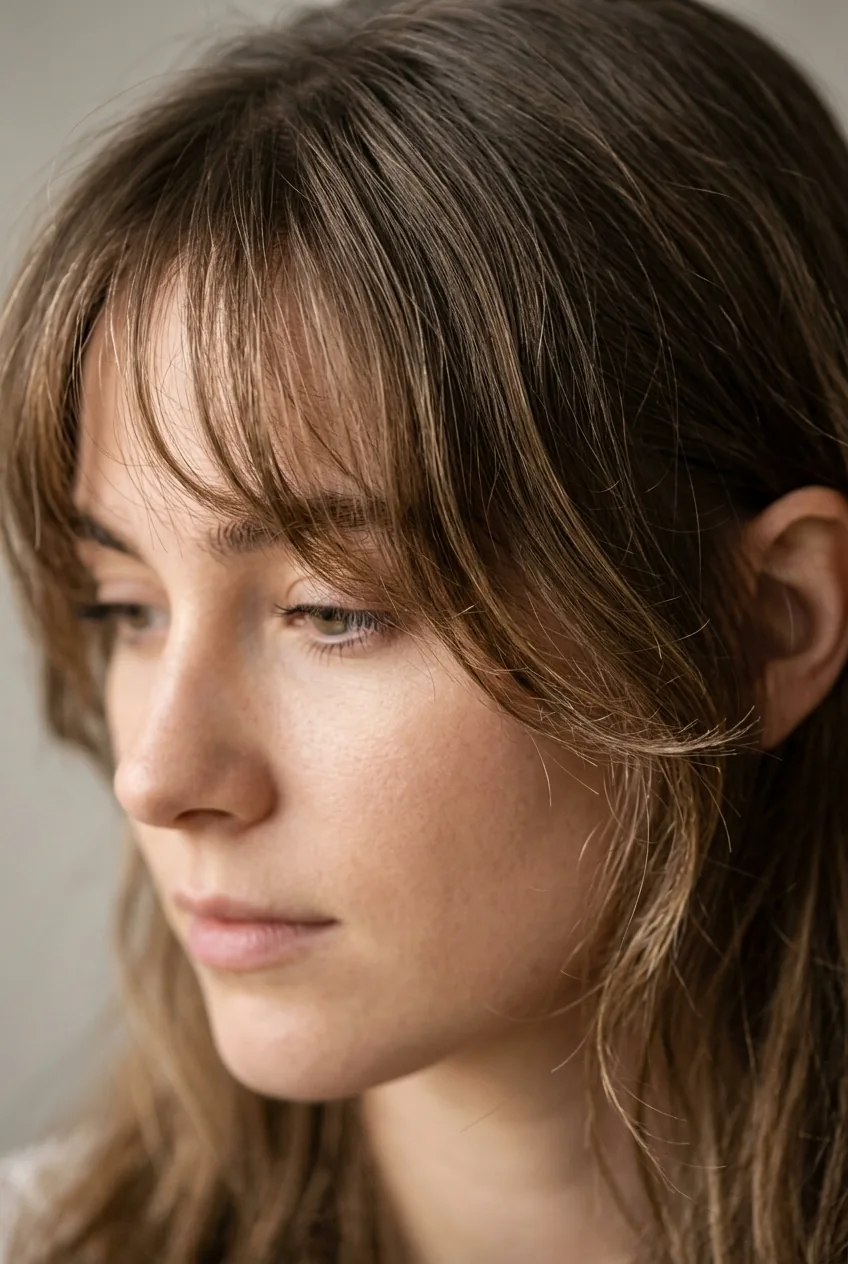
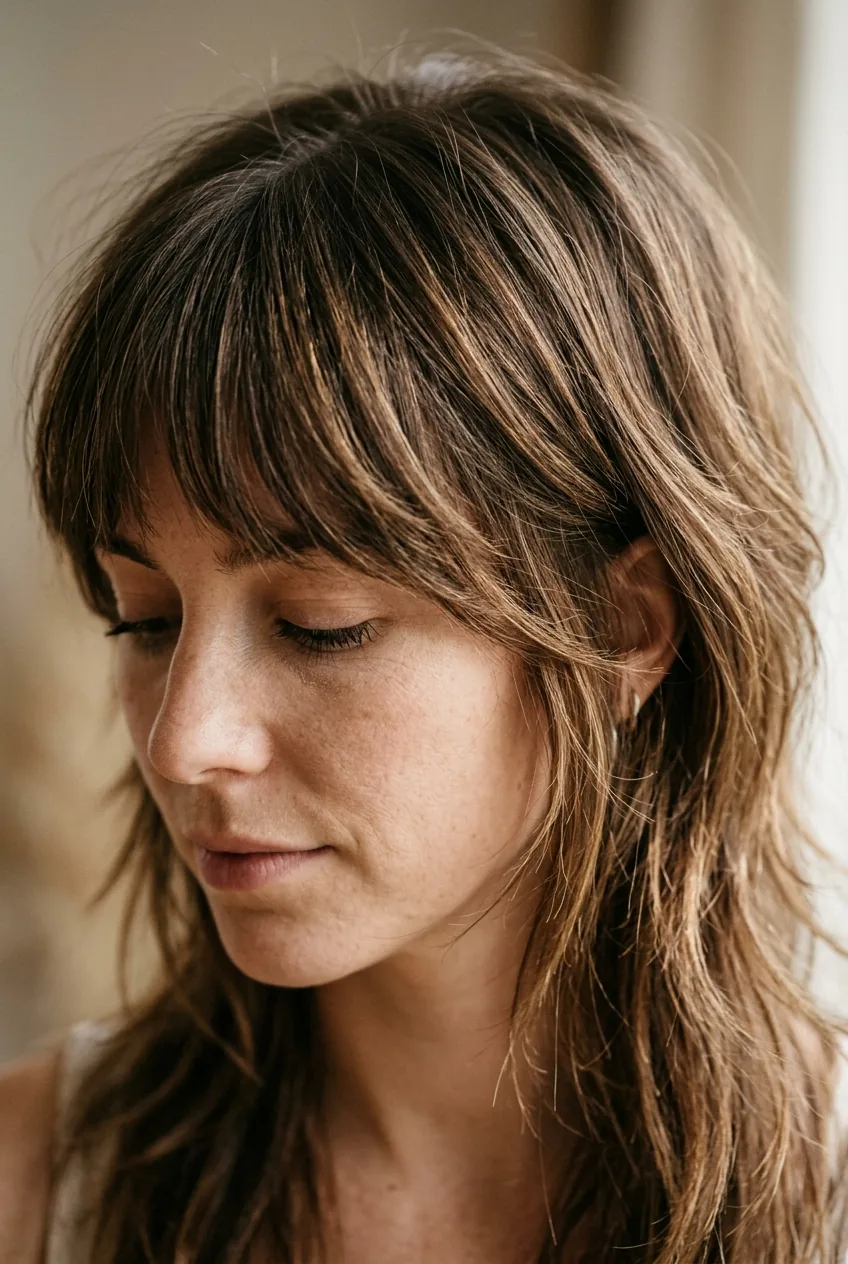

The turning point came during a particularly brutal humidity wave last July. My usual center part was doing absolutely nothing for my face, and every photo looked like I was hiding behind my hair. That’s when my stylist — who’d been gently suggesting wispy bangs for months — finally wore me down with one simple argument: “You already have natural cowlicks at your hairline. Why not work with them instead of against them?”
She wasn’t wrong. I’d been spending twenty minutes every morning trying to flatten my stubborn front pieces, when I could have been embracing them. The key word here is “wispy” — these aren’t the commitment-heavy bangs of decades past. They’re more like intentional face-framing pieces that happen to fall across your forehead.
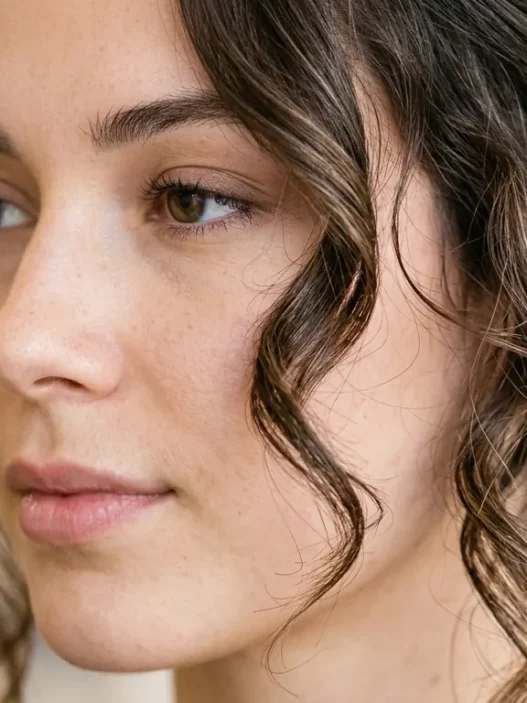
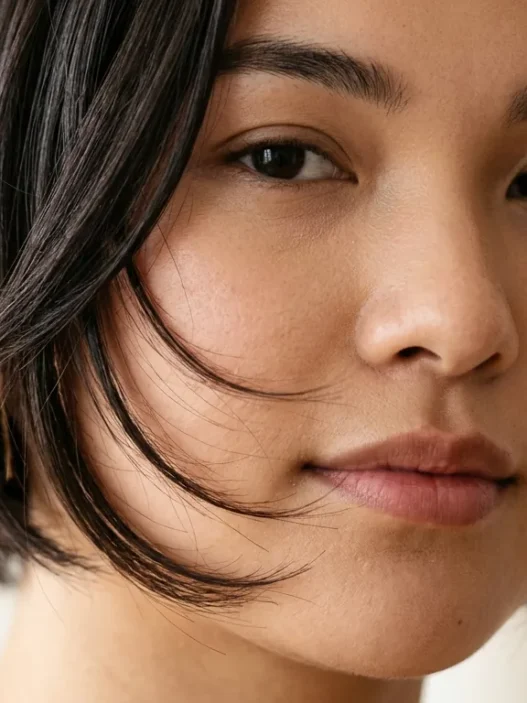
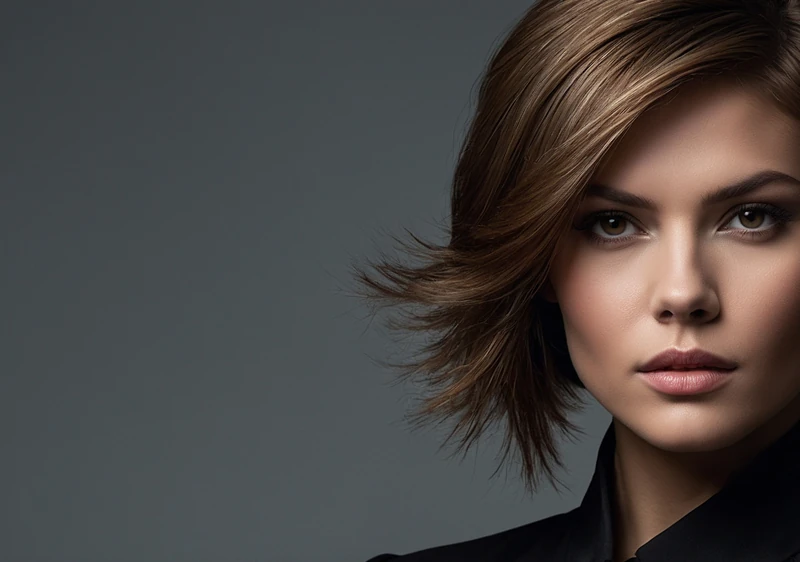
What sold me completely was watching how they moved. Unlike blunt bangs that swing as one heavy unit, wispy bangs with layers create this beautiful separation and movement. Each piece catches light differently. It’s like having a built-in filter for your face — softening harsh lines and adding dimension where you need it most.
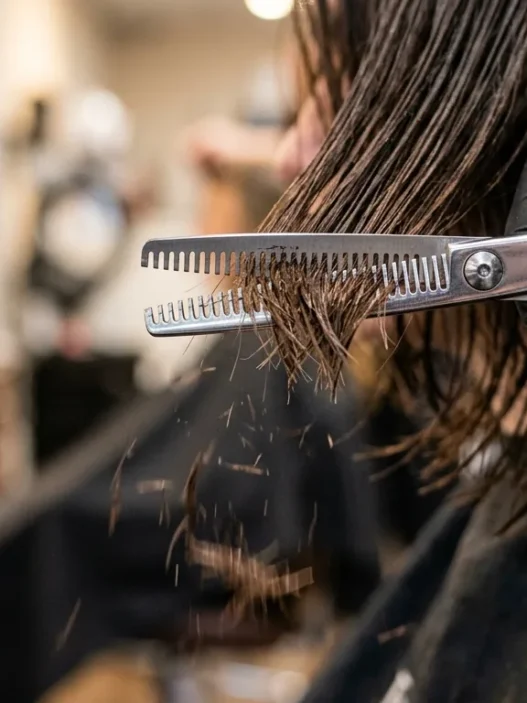
But here’s what no one tells you upfront: the “wispy” part isn’t just about the cutting technique. It’s about how those bangs integrate with the rest of your layers. When done right, you can’t tell where the bangs end and the face-framing layers begin. It’s all one cohesive, effortless-looking frame.
The psychological shift was immediate too. Having something to “hide behind” — even just wispy pieces — gave me this unexpected confidence boost. Not because I needed to hide anything, but because it felt like having a secret styling trick that made every hair day a good hair day.
The Science Behind Face-Framing Layers
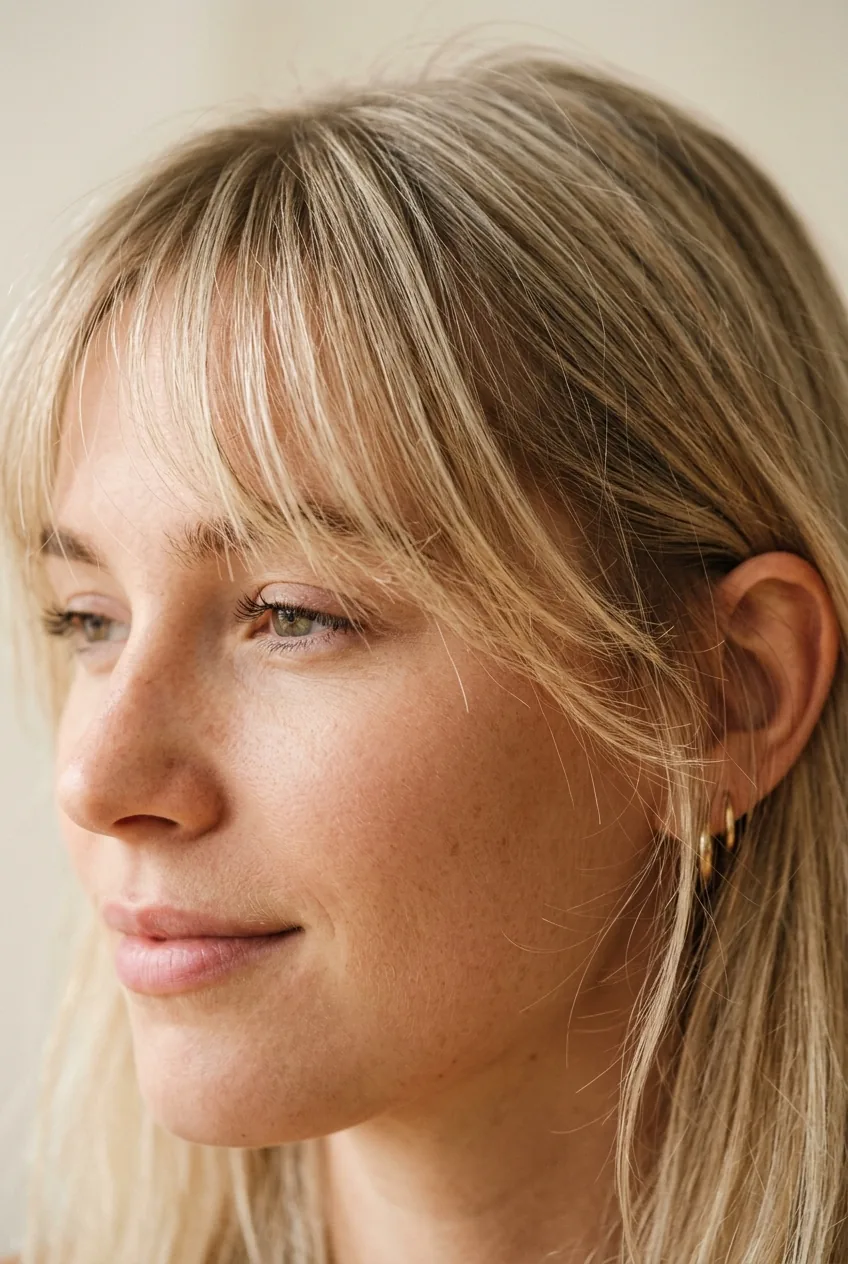
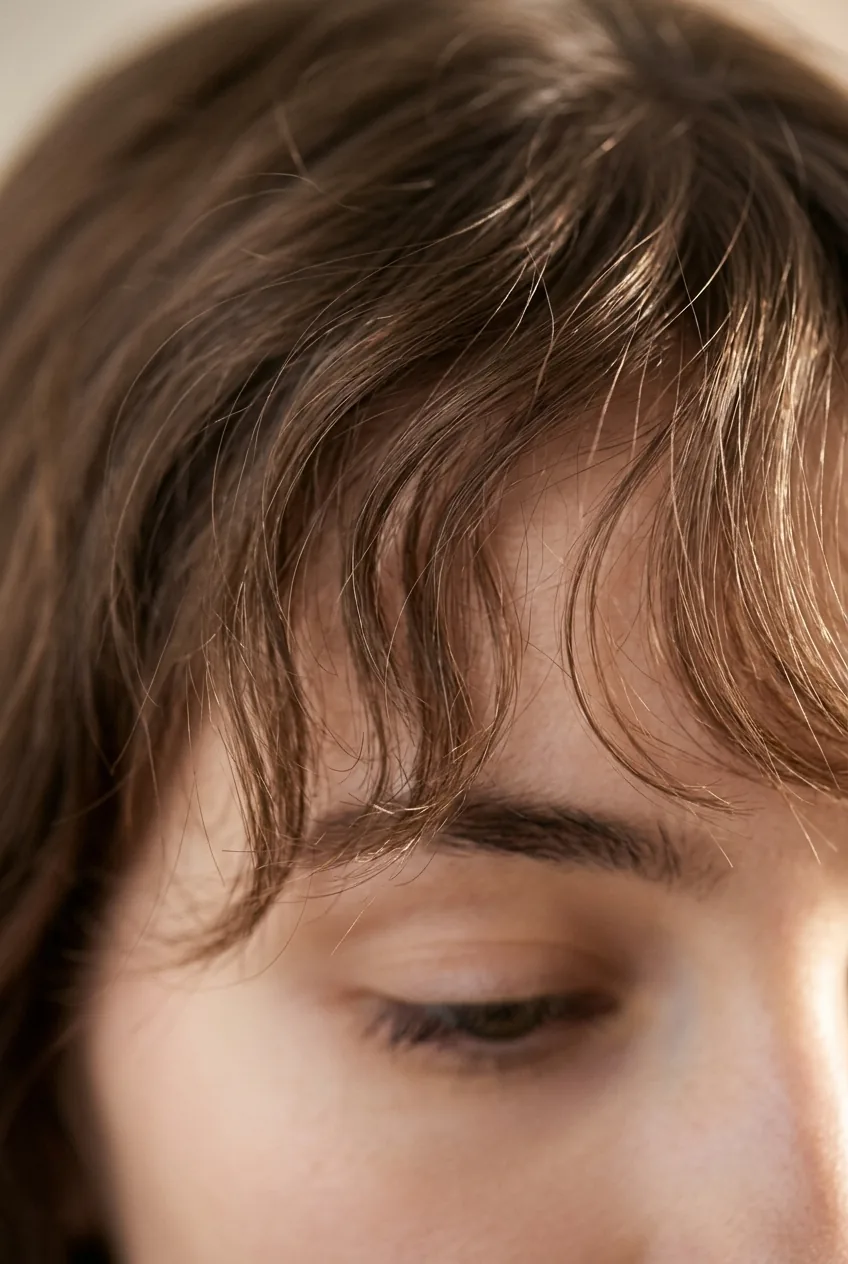
There’s actual geometry behind why wispy bangs layers work so well, and it all comes down to creating diagonal lines across your face. When you have layers that gradually get longer from your forehead to your cheekbones, you’re essentially drawing the eye inward and creating the illusion of balanced proportions.
Think about it from an artist’s perspective. Sharp horizontal lines (like blunt bangs) create visual weight and can make features appear more pronounced. But wispy, graduated pieces create soft diagonal lines that naturally guide the eye toward your best features. It’s like having strategic shadows that work in your favor.
The layering part is crucial here. I learned this the hard way when I first tried to DIY my bangs during lockdown. I gave myself wispy pieces, sure, but without proper layering underneath, they just looked like I’d taken scissors to the front of my hair randomly. The layers need to support the bangs, creating that seamless blend I mentioned earlier.
Hair texture plays a huge role too. Fine hair benefits from wispy bangs because they don’t compete with the rest of your hair for volume — instead, they add visual interest without weight. Thick hair gets tamed by the strategic removal of bulk, but only if the layers are cut with the right technique.
What fascinated me most was learning about growth patterns. A good stylist will cut your wispy bangs to work with your natural cowlicks and growth direction, not against them. This is why some people can roll out of bed with perfect “effortless” bangs while others (like my pre-wispy self) fight their hair every morning.
Understanding your natural growth patterns makes all the difference in how your layers will fall and move throughout the day. It’s not just about the initial cut — it’s about setting yourself up for success during the grow-out phase too.
What The Industry Gets Wrong About Maintenance

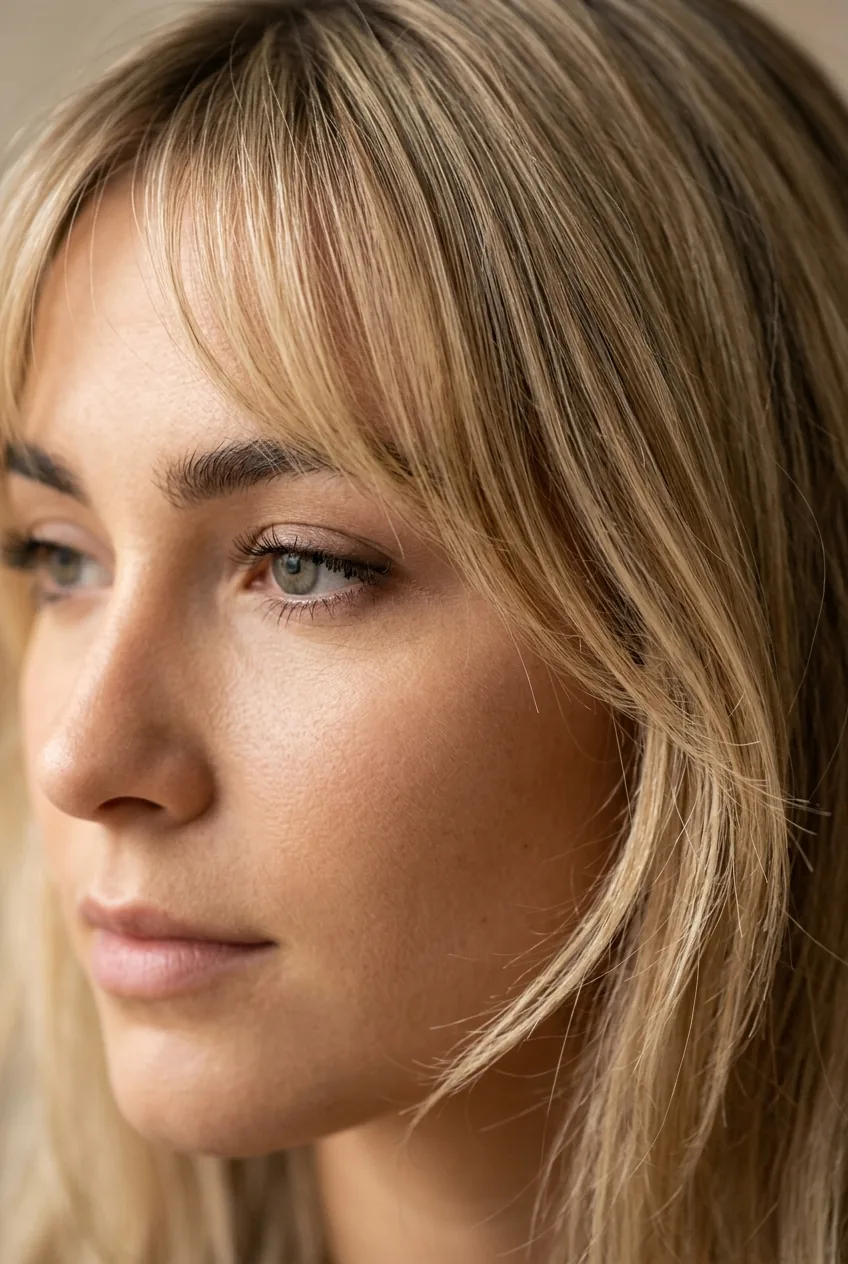
Here’s where I’m going to ruffle some feathers: the beauty industry has completely oversold the “high-maintenance” narrative around bangs. Every magazine article, every YouTube tutorial starts with this warning about constant upkeep and expensive salon visits. It’s become this self-fulfilling prophecy that scares people away from what could be their perfect cut.
My reality? I touch up my wispy bangs every 8-10 weeks, not every 3-4 weeks like everyone claims you “need” to. The secret is in the initial cut quality and working with your natural texture instead of fighting it. When your layers are cut to work with your growth patterns, they grow out gracefully rather than awkwardly.
The maintenance myth also assumes everyone wants Pinterest-perfect bangs every single day. But wispy bangs layers are forgiving by design. On day three hair, they look lived-in and textured. When they’re a little grown out, they blend seamlessly into longer face-framing pieces. This isn’t a style that demands perfection — it rewards imperfection.
What does require maintenance is your styling routine, but not in the way you’d expect. Instead of adding steps, wispy bangs actually simplified my morning routine. No more trying to create face-framing pieces with a curling iron or spending time on complicated parts. The structure is already built into my cut.
The real maintenance challenge isn’t time or money — it’s finding a stylist who understands the technique. Too many stylists default to what they know: either thick, blunt bangs or long layers without proper face-framing. The in-between skill of creating truly wispy, well-integrated pieces seems to be rarer than it should be.
I’ve also noticed that pixie cuts often incorporate similar layering principles, where the goal is seamless integration rather than obvious separate sections. It’s a different approach to hair cutting that prioritizes movement over precision.
The Styling Reality Check
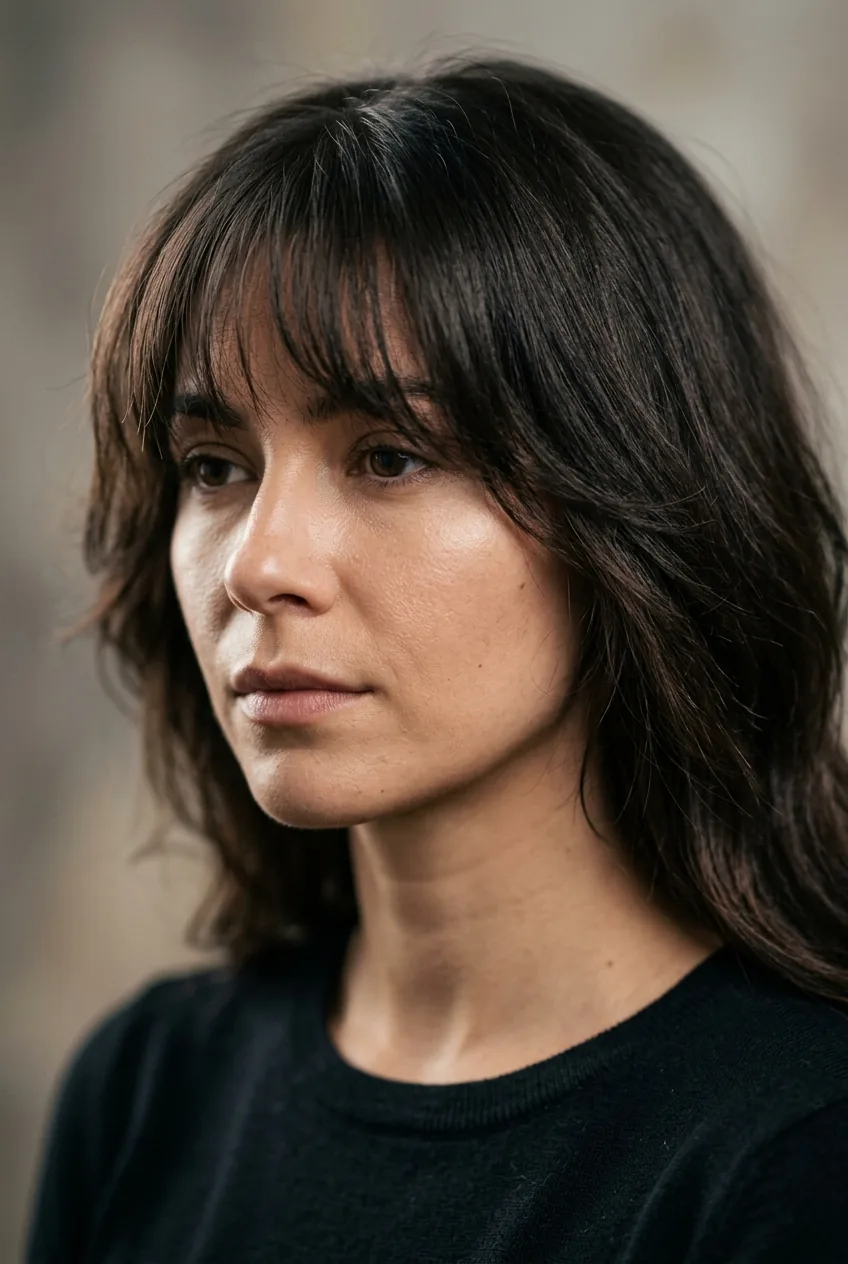

Let me be completely honest about the daily styling reality. Some mornings, my wispy bangs wake up looking like I paid someone to style them. Other mornings, they’re doing their own interpretive dance across my forehead. The difference isn’t random — it’s about understanding what affects them and working with those variables.
Humidity is the biggest factor. On high-humidity days, my naturally wavy texture becomes more pronounced, which actually makes the wispy pieces look more intentional and textured. But if I’ve used the wrong products or slept on them wrong, humidity turns them frizzy rather than beautifully tousled.
Product choice matters more than I expected. Heavy oils or creams weigh down the wispy pieces and eliminate that light, airy quality that makes them work. But too little product leaves them static and flyaway. I’ve found my sweet spot with a lightweight texture spray applied to damp hair, followed by minimal touch-ups with dry texture spray if needed.
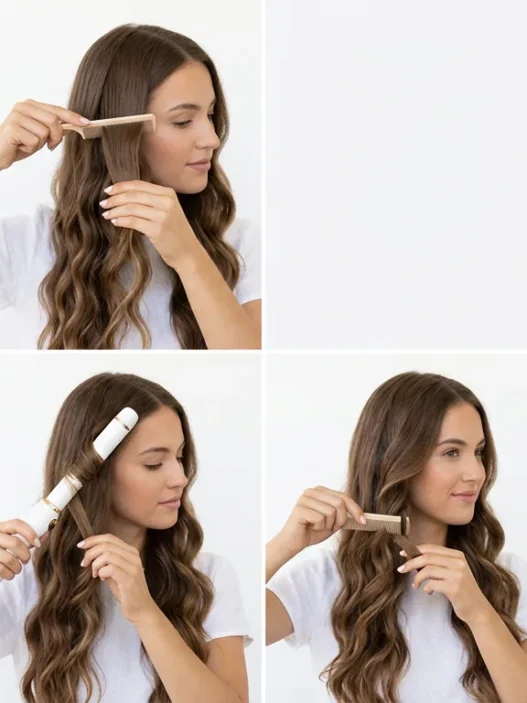
The styling tools I reach for most aren’t what you’d expect either. Instead of a round brush and blow dryer, I use a wide-tooth comb and scrunch with a microfiber towel. The goal is to enhance the natural texture, not create perfect smoothness. Sometimes I’ll use a small barrel curling iron to add a slight bend, but only if I’m feeling fancy.
Sleep styling has become crucial. I’ve learned to loosely twist the wispy pieces away from my face before bed, securing them with a silk scrunchie at the very top of my head. It sounds precious, but it prevents that flat, swept-to-one-side morning look that requires complete restyling.
Here’s my controversial opinion: most people overstyling their wispy bangs. The beauty is in the imperfection and movement. When I see someone with every piece perfectly placed and sprayed into submission, they’ve missed the point entirely. Working with your natural texture gives you better results than fighting against it with hot tools.
Here’s What Daily Styling Actually Looks Like
When Wispy Bangs Just Don’t Work
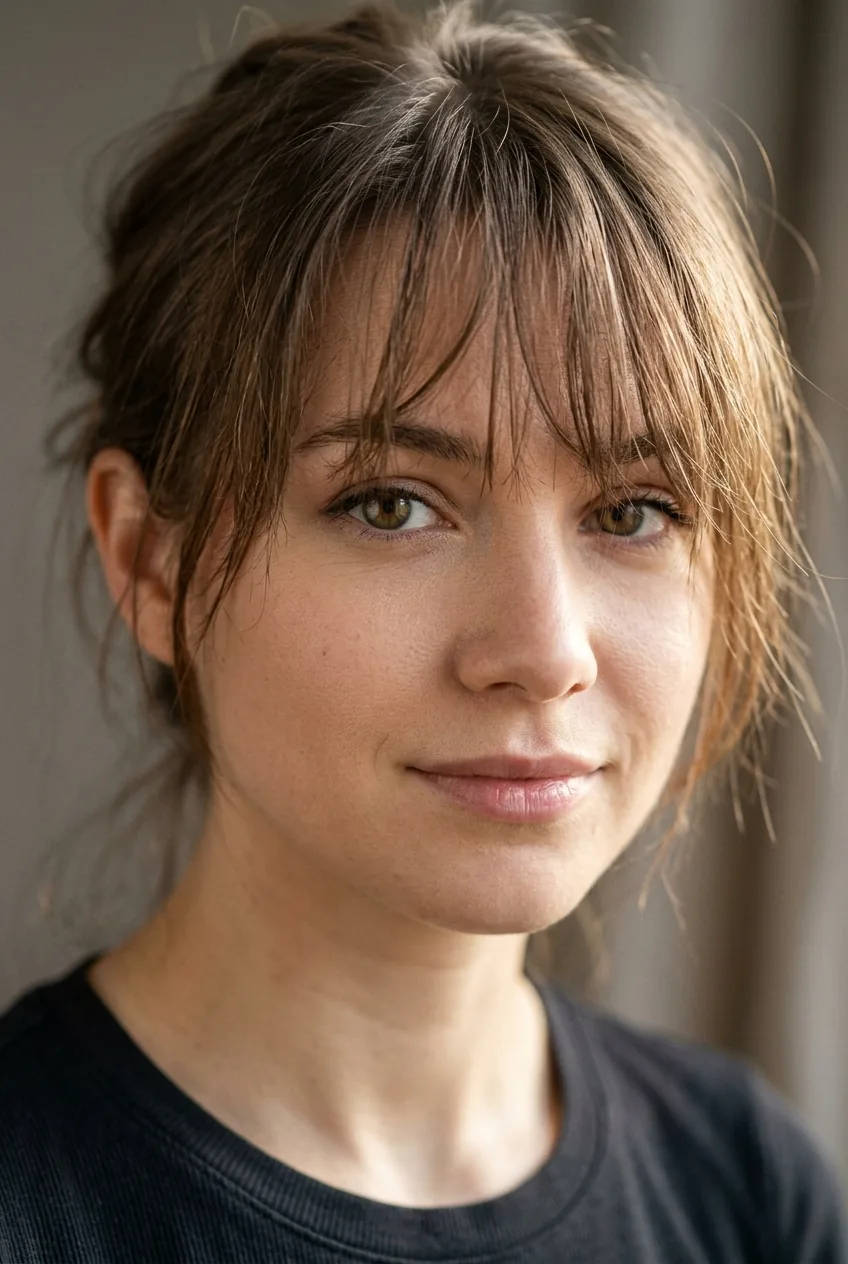

I’m going to say something that might upset some people: wispy bangs layers aren’t universally flattering, despite what social media suggests. They work beautifully for many face shapes and hair types, but there are definitely situations where they can actually work against you rather than for you.
Very fine, straight hair often struggles with wispy bangs because there isn’t enough natural texture to create that coveted “undone” look. Instead, you get stringy pieces that separate in unflattering ways. If your hair has zero natural movement or body, you might be better off with subtle layers that don’t include traditional bangs.
Similarly, if you have a very prominent forehead or high hairline, wispy bangs can actually emphasize those features rather than minimizing them. The key word “wispy” means they provide less coverage than blunt bangs, so they won’t hide what you might want to camouflage.
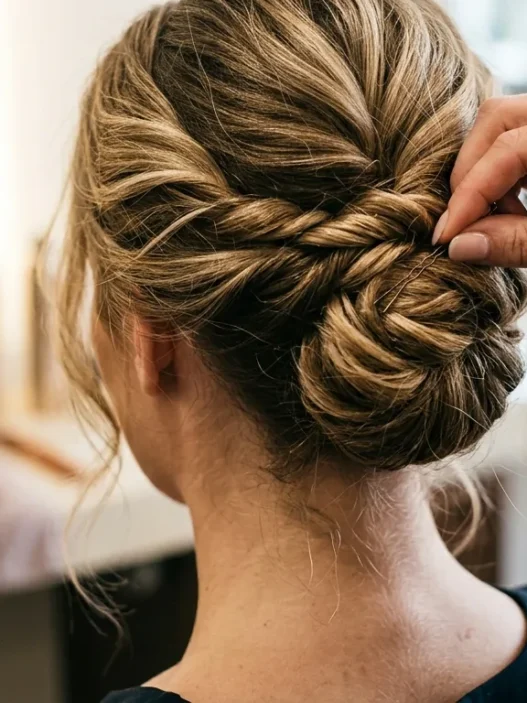
Lifestyle factors matter too. If you’re someone who pulls their hair back in a ponytail or bun daily, wispy bangs become these awkward short pieces that won’t stay put. You end up needing bobby pins and hair spray just to achieve a clean, pulled-back look, which defeats the purpose of having a low-maintenance cut.
Face shape considerations are real, though not as restrictive as some sources claim. Very long faces can be overwhelmed by layers that add vertical lines rather than horizontal ones. But this isn’t a hard rule — it depends on how the layers are executed and where the longest pieces fall.
The biggest indicator that wispy bangs won’t work for you? If you’re someone who needs their hair to look exactly the same every single day. This style celebrates variation and movement. Some days it will look more polished, other days more textured. If that unpredictability stresses you out, stick with more structured cuts.
I’ve seen this work beautifully with pixie cut styles for thin hair where the emphasis is on creating texture and movement rather than perfect uniformity. But it requires embracing that slightly different look each day.
Questions I Get About This
How long does it take to style wispy bangs layers daily?
Honestly? About 2-3 minutes on most days. I scrunch them with a bit of texture spray and go. The whole point is embracing the natural movement, so perfect placement isn’t the goal.
Can you wear wispy bangs with glasses?
Absolutely, but the length matters more than with regular bangs. You want them to hit just above your frames or blend seamlessly at the temple area. I actually think glasses and wispy layers complement each other beautifully.
What’s the difference between wispy bangs and curtain bangs?
Curtain bangs part in the middle and sweep to both sides, while wispy bangs can work with any part and focus more on texture and lightness. Wispy bangs layers also integrate more seamlessly with the rest of your cut.
How do I know if my face shape works with this style?
The best test is looking at where your natural cowlicks fall and whether you like having some hair around your face. If you constantly push all your hair back or feel overwhelmed by face-framing pieces, this might not be for you.
After living with wispy bangs layers for over a year now, I can’t imagine going back to my old center-parted, layer-free days. Yes, there’s a learning curve with styling and finding the right stylist. But when it works, it really works. The effortless movement, the way they frame your face without hiding it, the confidence boost of having a style that looks intentional even when you haven’t tried — it’s all been worth the initial leap of faith.