








Last month, I had three different clients ask me the exact same question: “Should I get balayage or ombre?” And honestly, I realized I needed a systematic way to help people make this decision. Both techniques create gorgeous dimensional color, but they’re completely different beasts when it comes to maintenance, application, and the final look you’ll walk out with.
After years of doing both techniques (and seeing plenty of color corrections from stylists who chose wrong), I developed this 5-step method that takes all the guesswork out of the decision. It’s saved me countless consultations and helped my clients get exactly what they’re actually looking for.
Understanding the Key Differences
Before we dive into the decision process, let’s get crystal clear on what we’re actually talking about. I see so many people using these terms interchangeably, but they create totally different looks.
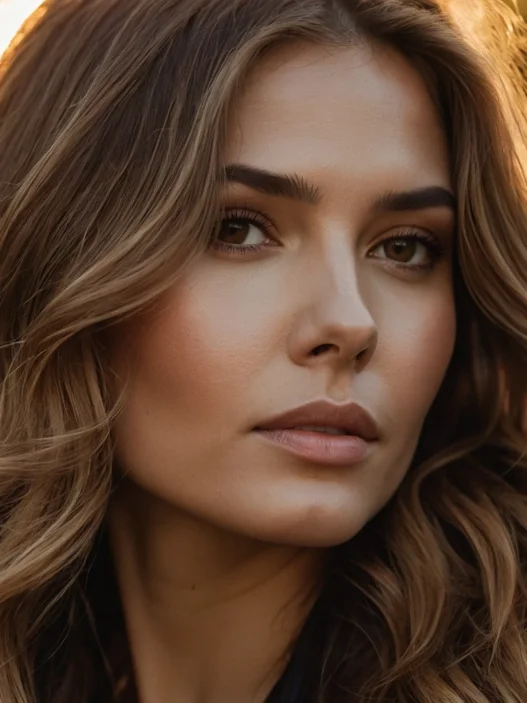
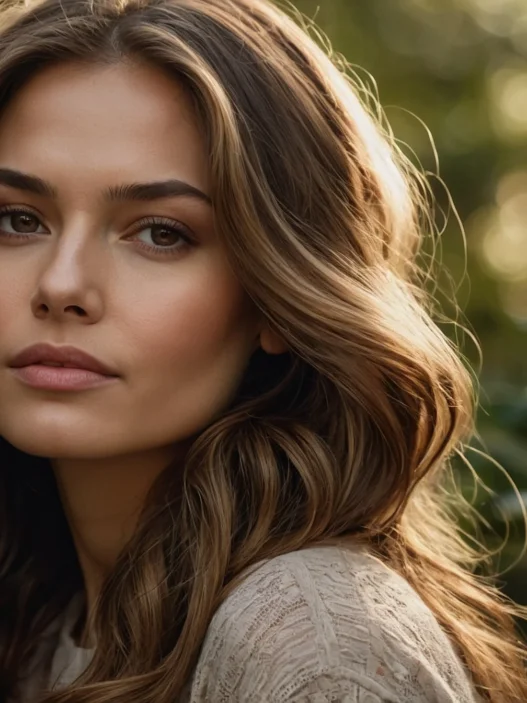
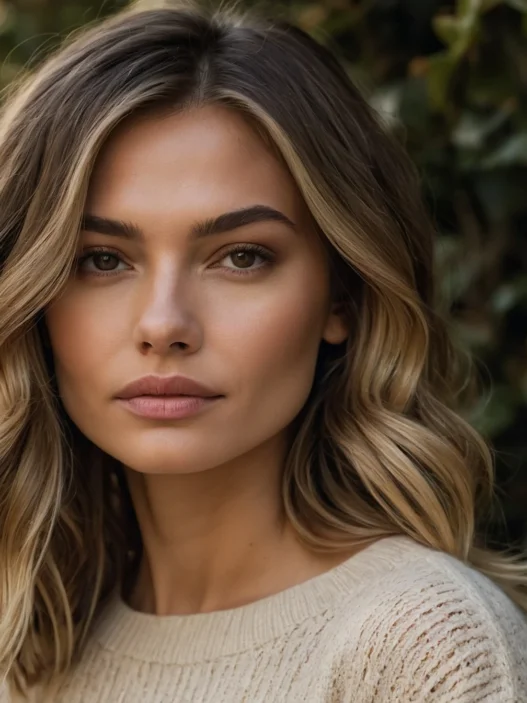
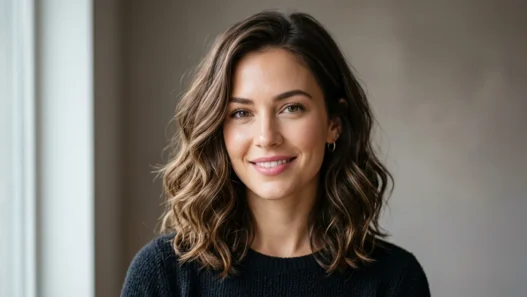
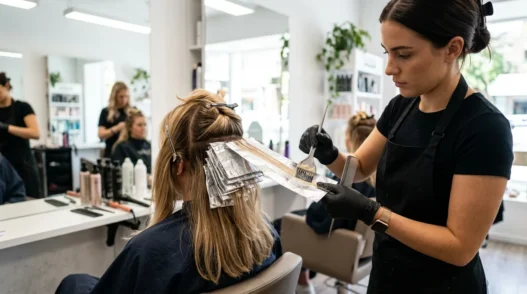
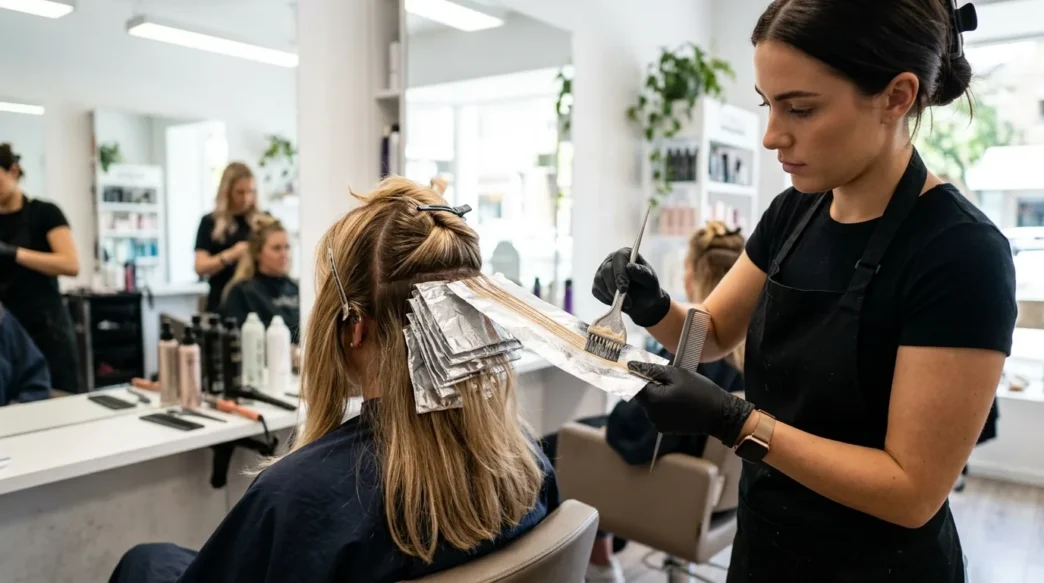
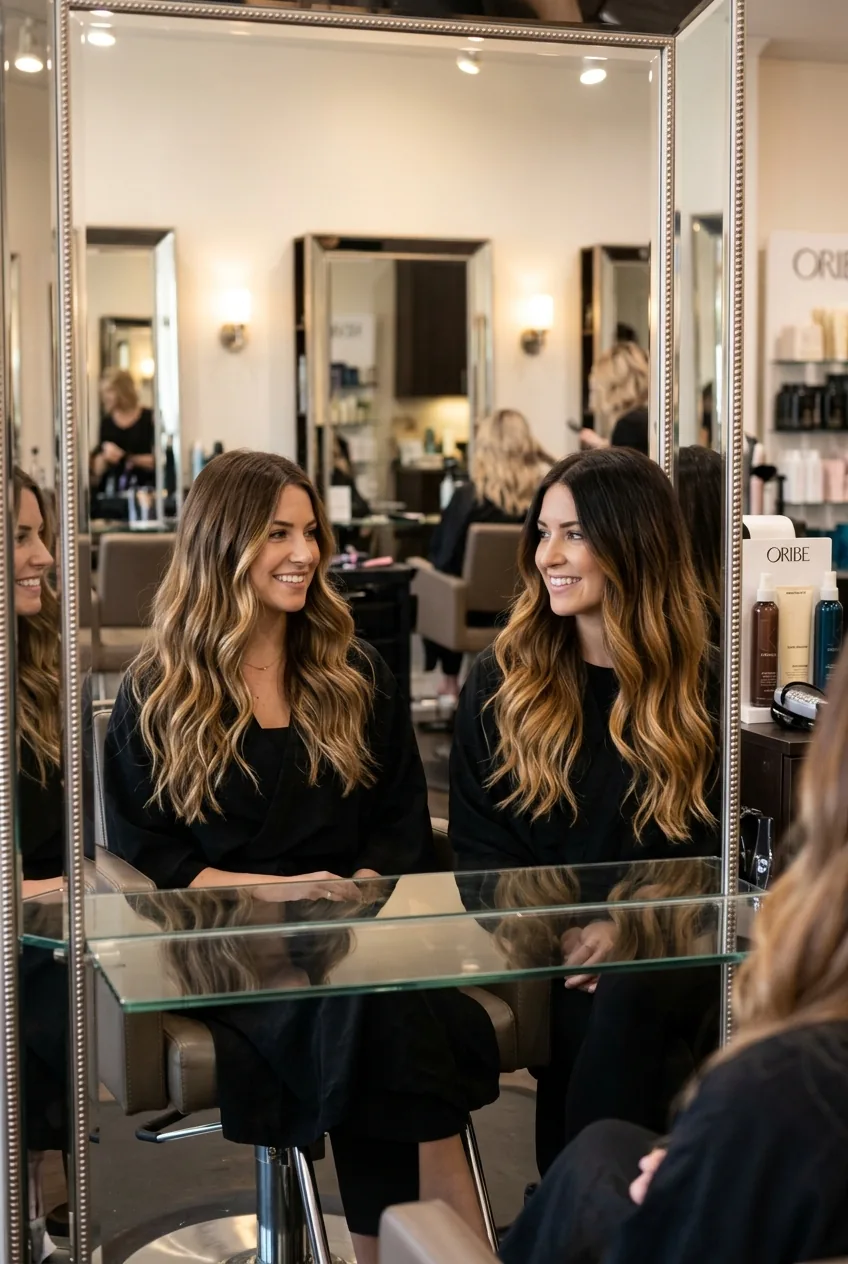
Balayage is a painting technique where I hand-paint highlights onto your hair in a sweeping motion. The color placement is strategic and natural-looking, with varying thicknesses and irregular patterns. Think sun-kissed, like you spent the summer at the beach.
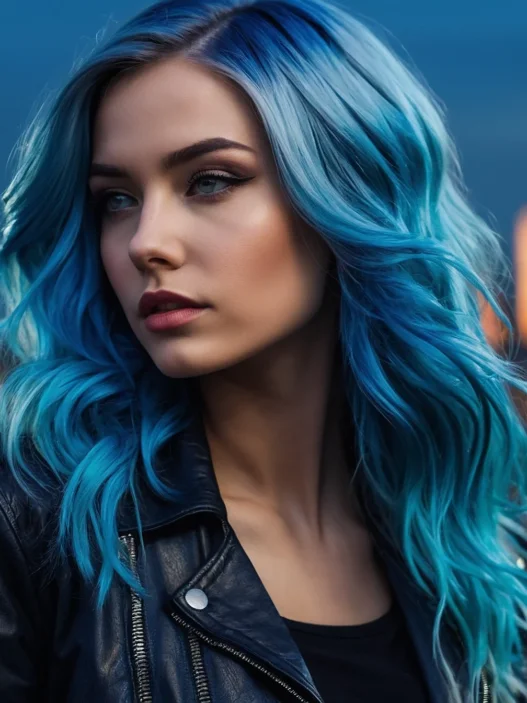
Ombre is a gradient effect where your hair transitions from one color to another, typically darker at the roots and lighter toward the ends. It’s more dramatic and has a distinct line where the color change begins.
Step 1: Assess Your Natural Hair Color
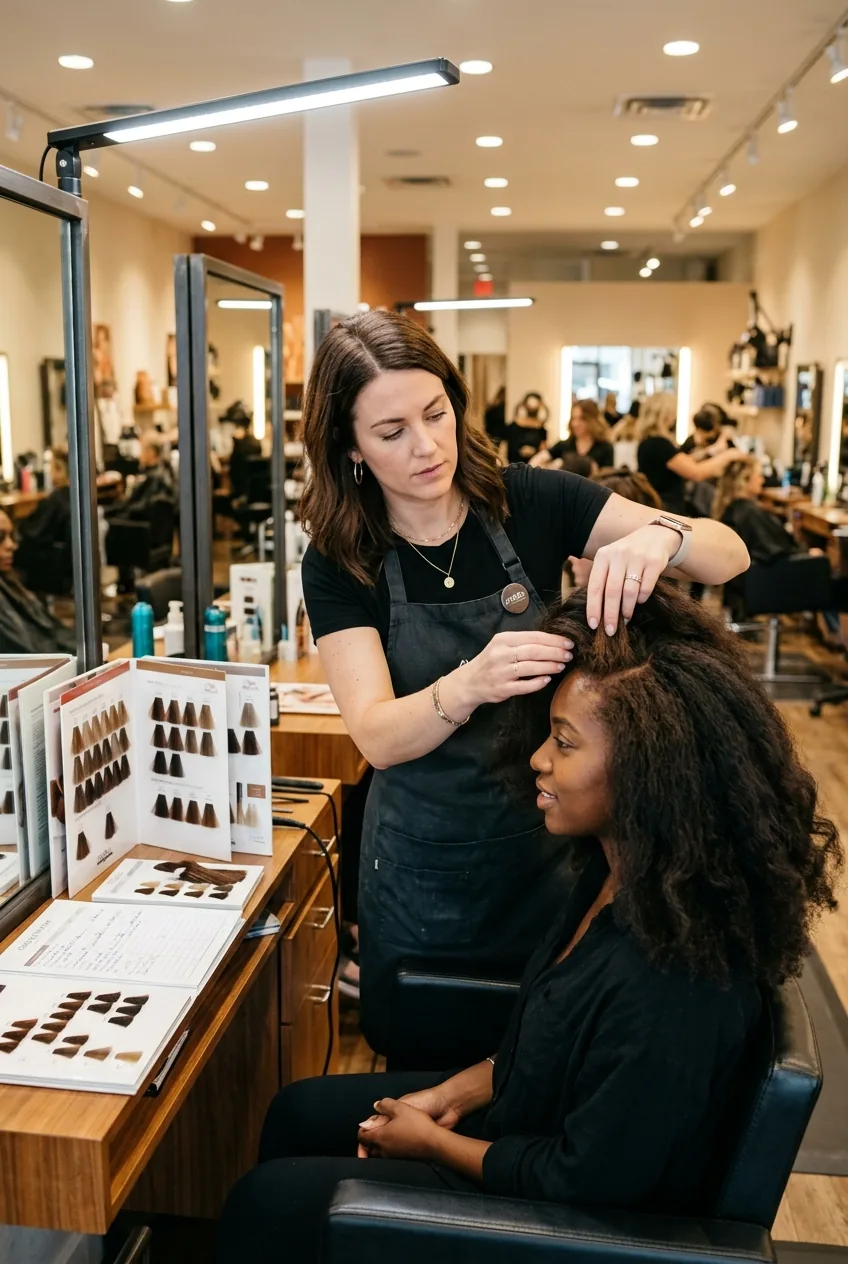
Your starting point determines everything. I always begin consultations by examining the natural base color, because some hair colors are naturally better suited for one technique over the other.
If you’re a natural brunette with medium to dark brown hair, balayage tends to look more believable and grows out more gracefully. The hand-painted highlights mimic how the sun would naturally lighten your hair.
For darker hair colors (think level 3 and below), ombre can be stunning but requires more bleaching to create that dramatic gradient. I’ve found that proper lightening techniques are crucial when working with very dark hair to avoid damage.
Lighter natural hair colors (dirty blonde to light brown) work beautifully with both techniques, which is why this decision method becomes so important for those clients.
Step 2: Consider Your Maintenance Commitment
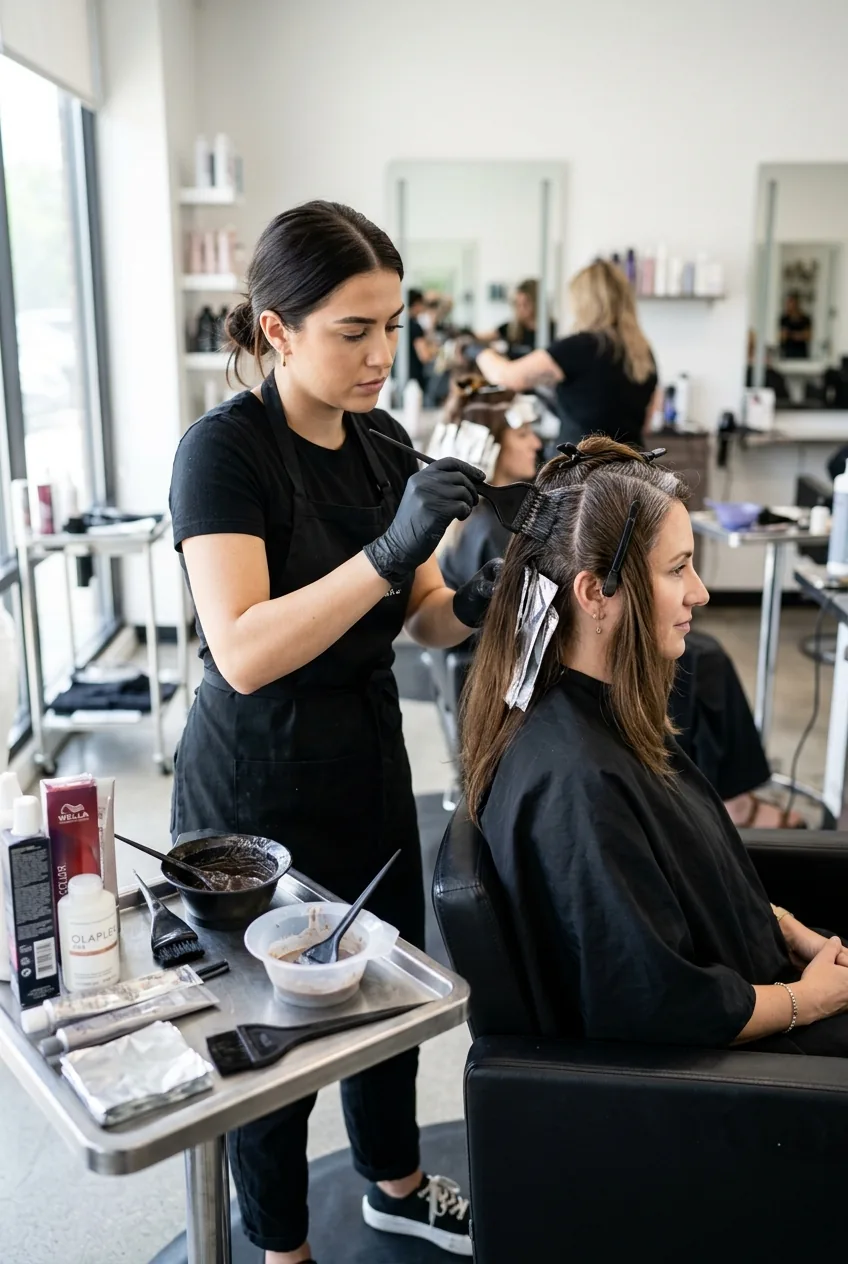
This is where I see the biggest disconnect between what people want and what they’re actually willing to maintain. Let me be brutally honest about upkeep.
Balayage is the lower-maintenance option. Because the color placement is irregular and natural-looking, regrowth is much more forgiving. Most of my balayage clients come in every 3-4 months for touch-ups.
Ombre requires more frequent appointments to maintain that crisp gradient line. You’re looking at touch-ups every 6-8 weeks if you want it to look fresh and intentional rather than grown-out.
I made the mistake of recommending ombre to a busy mom who insisted she wanted “something dramatic.” Three months later, she came back asking to fix what looked like an intentional grow-out disaster. Now I always ask about their actual salon schedule, not their ideal one.
If you’re someone who books appointments sporadically or travels frequently for work, balayage is your friend. The technique is designed to look better as it grows out.
Step 3: Evaluate Your Hair Length and Texture
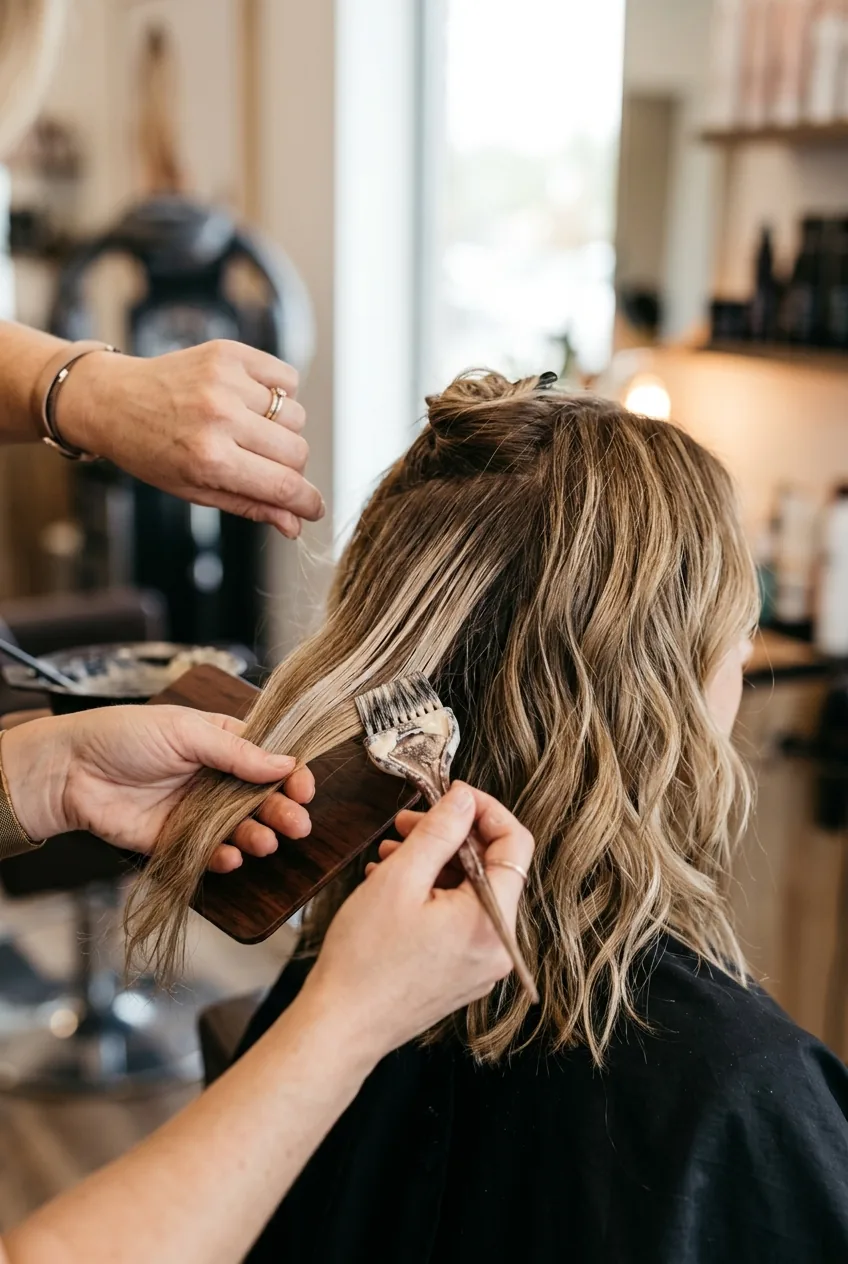
Hair length and texture play huge roles in how both techniques will look and behave on you. I’ve learned this through plenty of trial and error over the years.
For shorter hair (think shoulder-length balayage styles), you have less canvas to work with. Balayage tends to be more flattering because it adds dimension without overwhelming the shorter length. Ombre on short hair can look choppy or like an intentional dip-dye.
Long hair is where ombre really shines. You have enough length to create that beautiful gradient without it looking abrupt. The longer canvas allows for a more gradual transition that’s absolutely stunning when done right.
Texture matters too. Fine hair shows color transitions more dramatically, so balayage often looks more natural. Thick, coarse hair can handle the boldness of ombre without looking overdone.
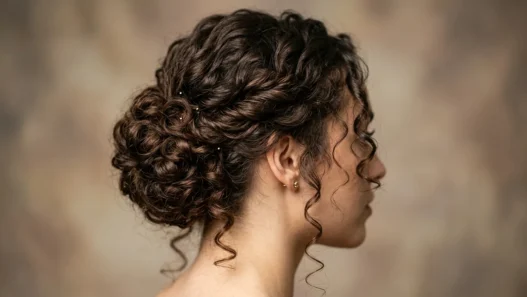
Curly hair is tricky with ombre because the gradient line can get lost in the curl pattern. Balayage works beautifully with natural texture because it enhances the hair’s natural movement.
See Both Techniques in Action
Step 4: Think About Your Lifestyle
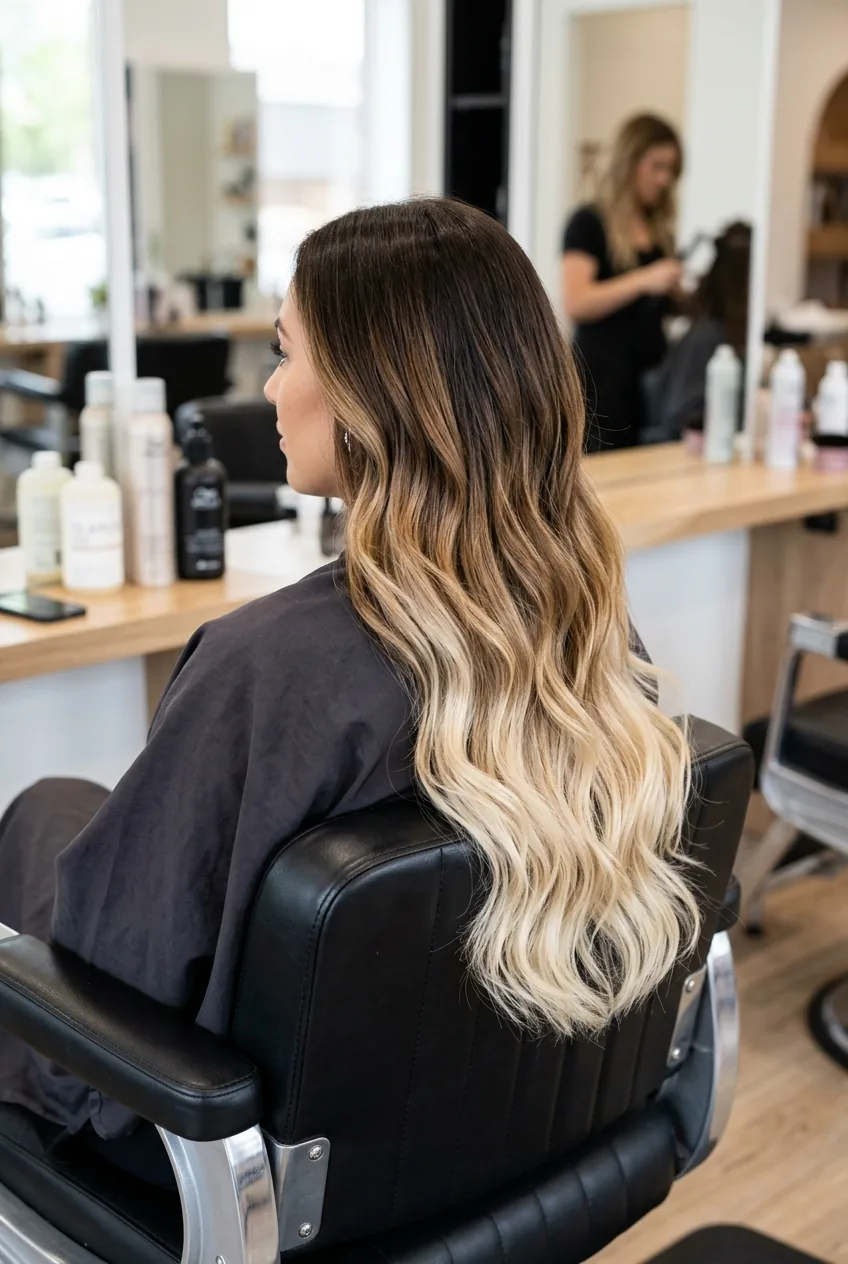
This step is where I get real with my clients about their actual daily routine. Your lifestyle should absolutely influence your color choice, and I wish more stylists talked about this upfront.
If you’re in a corporate environment with strict grooming standards, balayage typically flies under the radar better. It looks natural and professional, even when it’s quite light.
Are you active? Swim regularly? Work out daily? Balayage handles exposure to chlorine, sun, and frequent washing much better than ombre. The irregular color placement means any fading looks intentional.
If you’re someone who likes to change up your look frequently, consider that ombre is harder to transition to other color techniques later. Balayage gives you more flexibility for future color changes.
For those looking to explore trending balayage and ombre combinations, your lifestyle commitment will determine which base technique serves you better long-term.
Step 5: Plan Your Color Journey
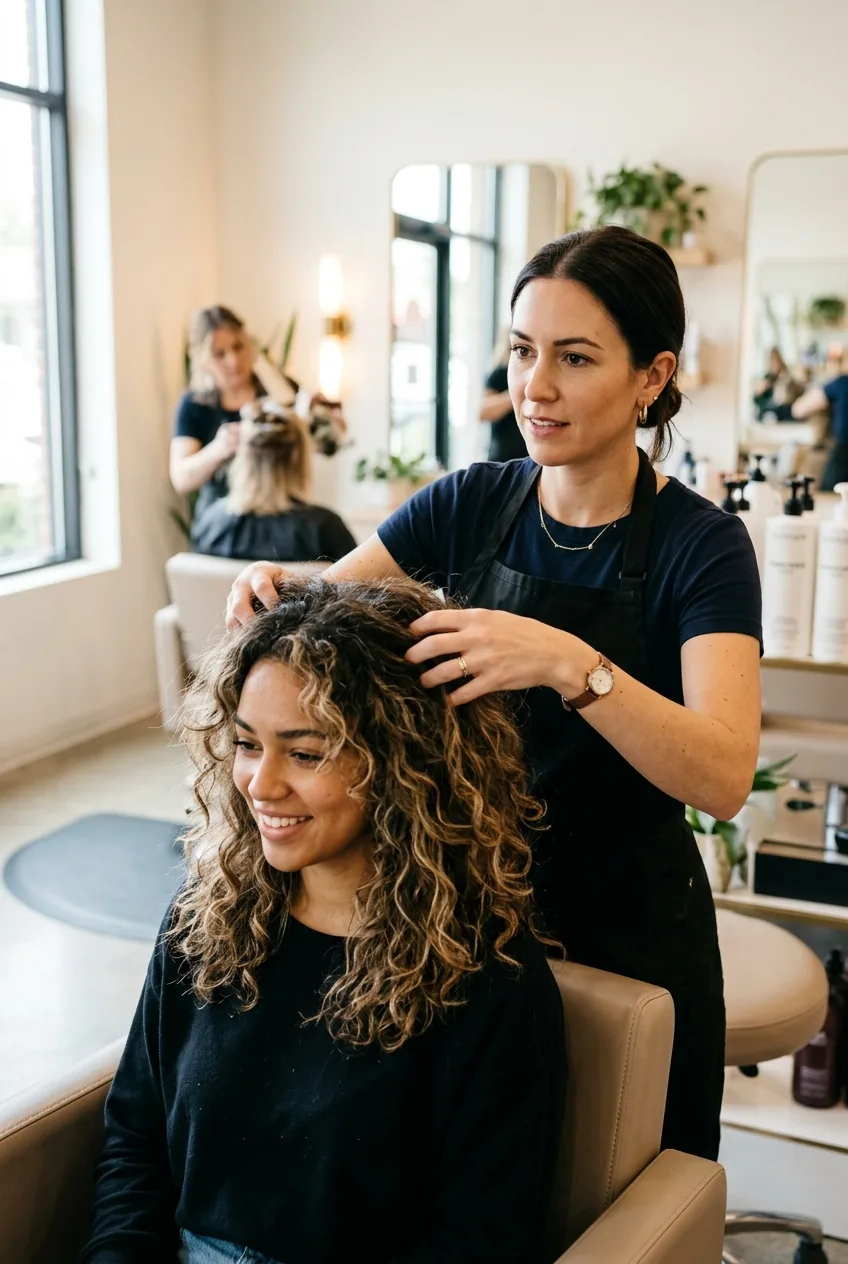
This final step is about thinking beyond your first appointment. Where do you want your hair color to be in six months? A year? Most people don’t consider this, but it’s crucial for making the right choice now.
If this is your first time going lighter and you’re nervous about commitment, balayage is the safer choice. You can always add more color or go lighter in future appointments. It’s much easier to build on balayage than to correct a grown-out ombre.
Want to eventually go full blonde? Ombre can actually be a great stepping stone because you’re already committed to having lighter ends. Your stylist can gradually bring that lightness higher up the hair shaft in future appointments.
Think about seasonal changes too. I have clients who love their dramatic ombre in summer but want something more natural for fall and winter. Seasonal color adjustments can help you plan transitions throughout the year.
Budget is part of this conversation too. Balayage typically costs more upfront because it’s more time-intensive, but you’ll save money long-term with less frequent touch-ups. Ombre might be cheaper initially but requires more maintenance appointments.
After using this method with hundreds of clients, I can honestly say it eliminates about 90% of the “I thought I wanted something different” conversations that used to happen. My last client followed these steps and chose balayage over her original ombre request — six months later, she’s still obsessed with how natural and effortless it looks.
The key is being honest about your answers in each step. Your hair doesn’t care what’s trending on Instagram; it cares about what works with your specific situation. And trust me, when you get the technique that truly fits your lifestyle and hair goals, you’ll know you made the right choice.