








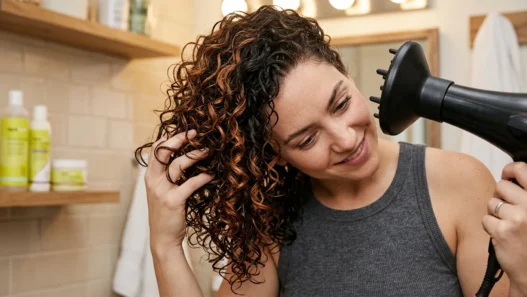
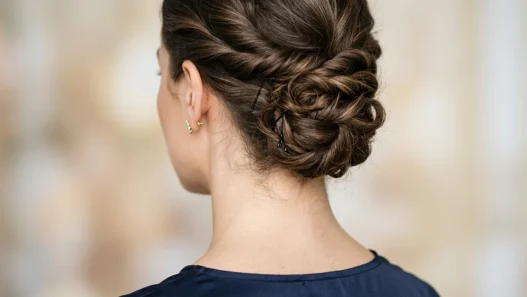


I used to treat braids like a December-only thing. Cozy sweater, hot coffee, a thick plait over one shoulder. Then last March I wore the same braid on a damp, frizzy day in the city and realized it held up even better than in winter. That changed how I pick styles now.
I want winter braids that do not quit when the season does. Hats, humidity, wind, wedding invites. If a braid cannot handle real life, I am not keeping it in my rotation.
My Go-To Braids for Every Kind of Weather
- 1. The Classic Three-Strand That Holds Up Under a Beanie
- 2. The Low Braided Ponytail That Survives Humidity
- 3. The Crown Braid That Adapts From Summer to Winter
- 4. The Fishtail That Handles Wind and Rain
- 5. The Double Dutch That Stays Neat All Day
- 6. The Side Swept Braid That Is Wedding-Ready in Any Weather
- 7. The High Braided Bun That Loves Hats
- 8. The Half-Up Braid That Works From Beach to Snow
- 9. The Bubble Braid That Shrugs Off Frizz
- 10. The Milkmaid Twist That Holds Through Four Seasons
- Winter Braid Questions I Hear Every January
1. The Classic Three-Strand That Holds Up Under a Beanie
This is my well-worn favorite for a reason. A low, slightly loose three-strand braid sits flat enough for a beanie to slide right over it. No weird bump at the back. No flattened top.
When I tried this with second-day hair last February, I was shocked at how tidy it stayed. I wore a tight knit beanie on my morning walk, yanked it off at the coffee shop, and the braid just fell back into place. Look at how she is wearing hers low at the nape, with those soft pulled-out pieces around her face. That little bit of looseness is what keeps it from looking dented by a hat.
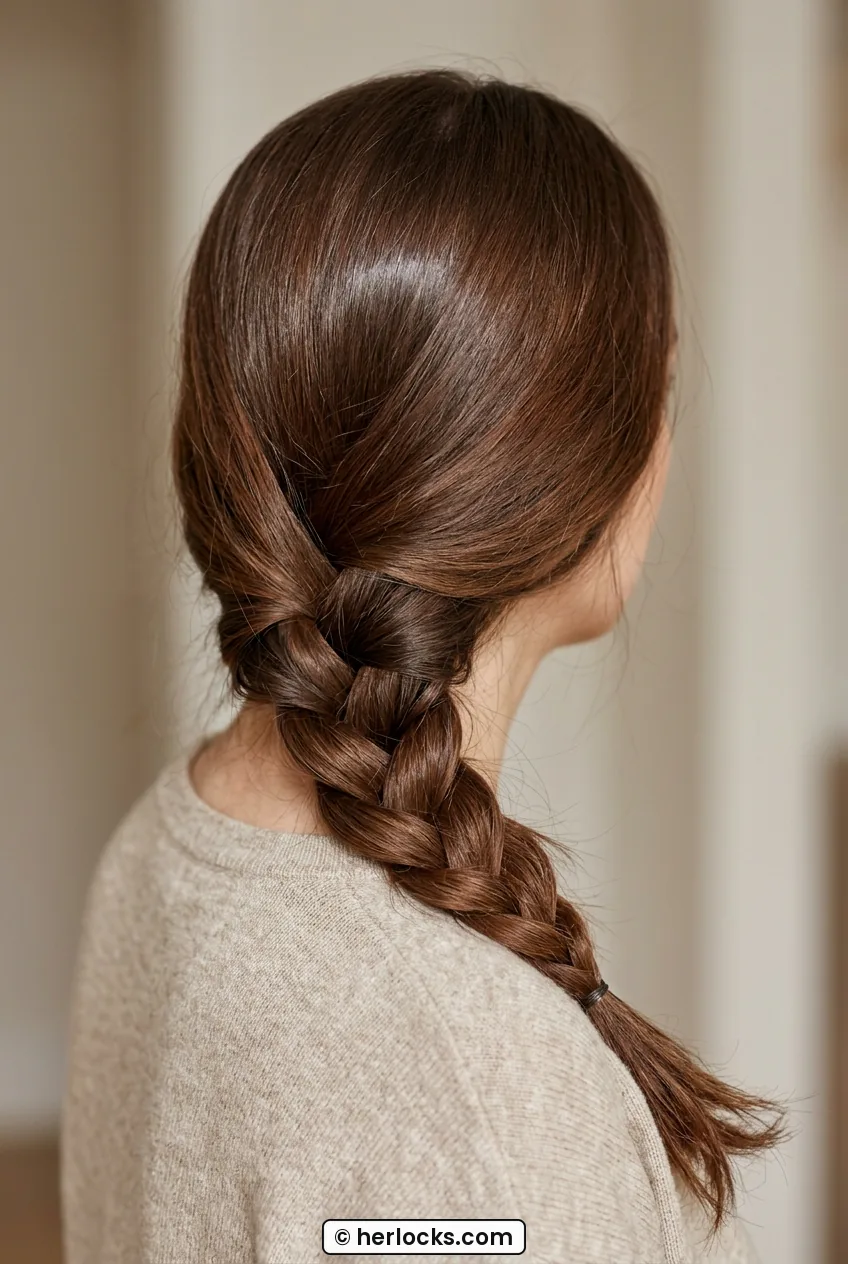
In summer I do the same braid but with a light leave-in and a looser tie at the end. In winter I switch to a cream and a snug elastic because static is real. It also plays well with color. I love it paired with rich winter hair colors for Christmas because the sections catch the light so nicely.
My tip? Braid it a touch tighter than you want it to look, then pancake it after. It gives you grip without stiffness, and it survives wind on the walk home.
2. The Low Braided Ponytail That Survives Humidity
If humidity turns your hair into a triangle by noon, this one is for you. I start with a low pony, then braid down from there. It keeps the crown smooth while the braid takes all the weather stress instead of your roots.
She has got hers secured right at the nape with a clean center part, and I love how polished that looks for work. It reads sleek from the front but still relaxed from the side. In July I wear this to run errands in 90-degree damp air and it does not puff out. In January I wear it under a scarf and the scarf does not rough it up.
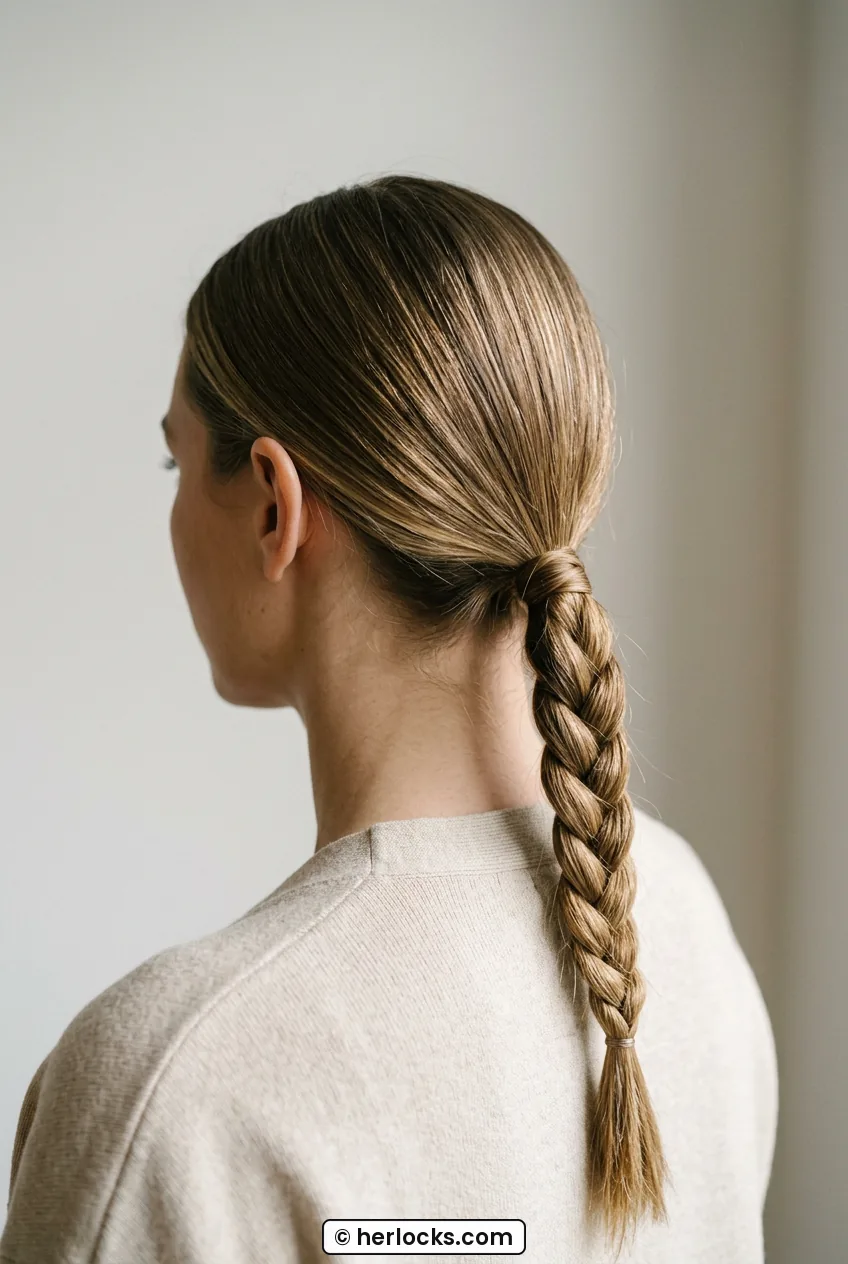
I learned a lot reading about protective winter hair care during cold months, especially the part about keeping ends tucked. A little oil on the last three inches before you braid makes a big difference. Rain beads up instead of soaking in, and wind does not tangle the tail as much.
Does it work for thin hair? Yes, but wrap a small piece of hair around the elastic to hide it. Instant thickness trick, and it keeps the style looking intentional rather than sporty.
3. The Crown Braid That Adapts From Summer to Winter
I resisted the crown braid for years because I thought it was only for festivals. Then I wore one to a windy outdoor dinner in October and nobody had to see me do the constant hair-tuck dance. I was sold.
This is the length I am talking about when people ask if they need super long hair. See how hers wraps just above the ears and pins at the nape? Medium length can absolutely do this if you braid in two halves and pin where they meet. It keeps hair off your neck in August and keeps ears warm-ish in December, especially under a wide headband.
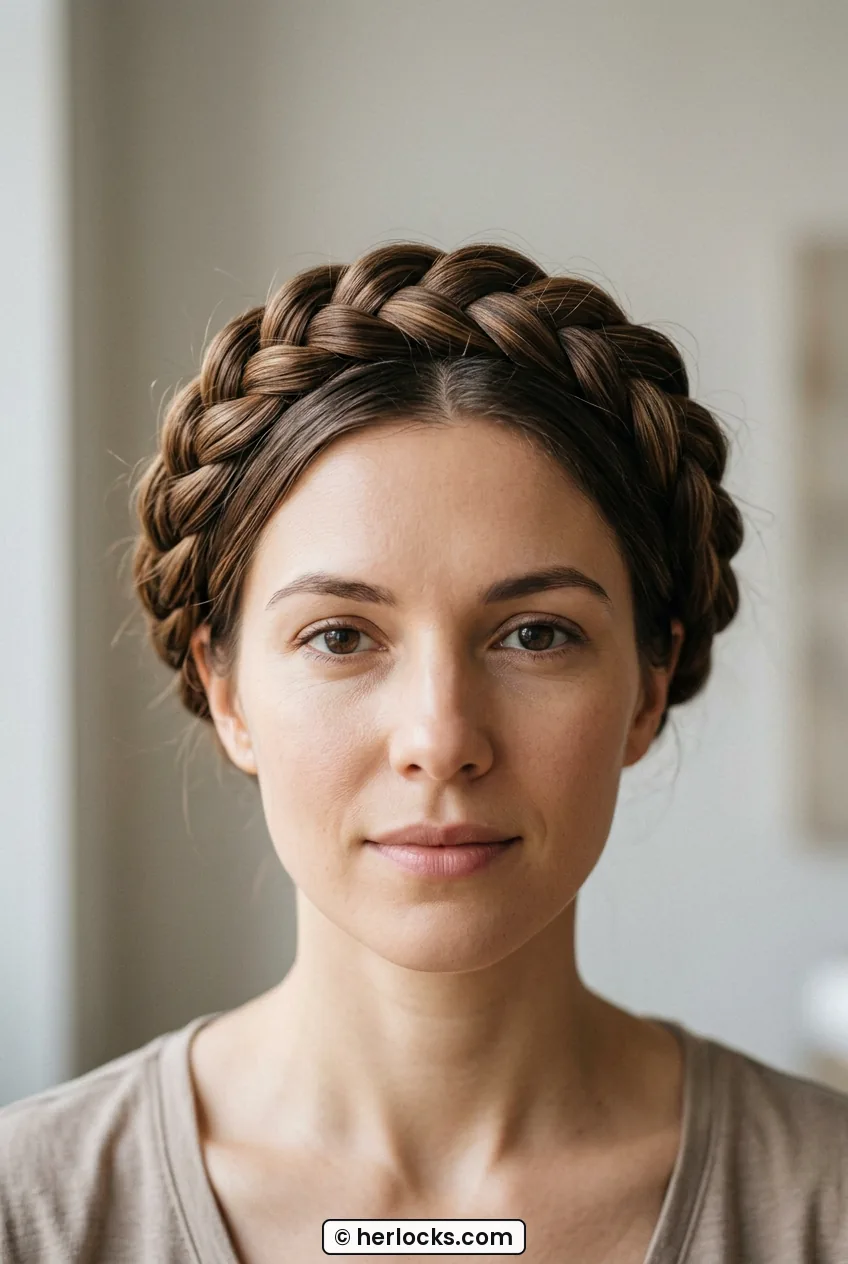
For summer weddings I leave it a little airy and add small pins. For winter I braid closer to the scalp and use a light-hold hairspray so a wool hat does not flatten it. I keep a few extra bobby pins in my coat pocket, always. And if you love romantic cold-weather looks, these winter wedding braided hairstyles show how pretty a crown can look with a low bun or veil.
Humidity behavior? Surprisingly good. Because everything is anchored, frizz shows up as soft texture instead of a halo. That is a win in my book.
4. The Fishtail That Handles Wind and Rain
Fishtails look fancy but they are secretly tough. All those small, interlocked pieces mean wind cannot get under big sections and blow them apart. Rain? It just makes the pattern look a little more lived-in, which I actually prefer.
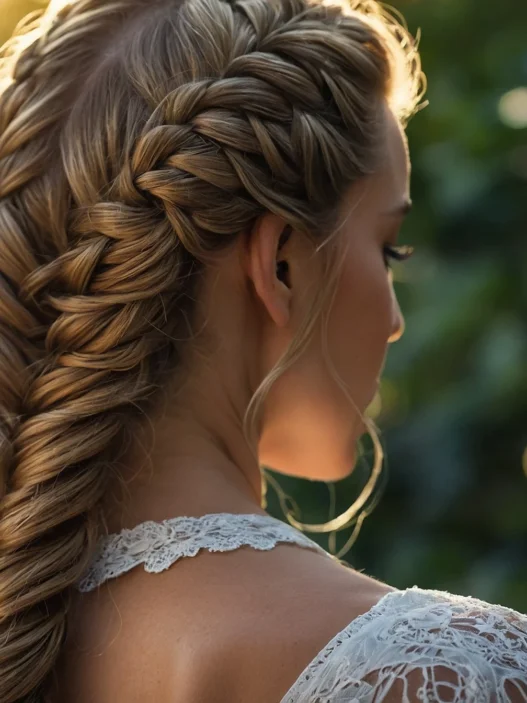
My first good fishtail took me about 15 minutes and a YouTube pause every ten seconds. Now I can do one in five while my tea steeps. Look at the detail on hers, those fine crisscross pieces down the shoulder. That tight weave is exactly what keeps it intact on a blustery day.
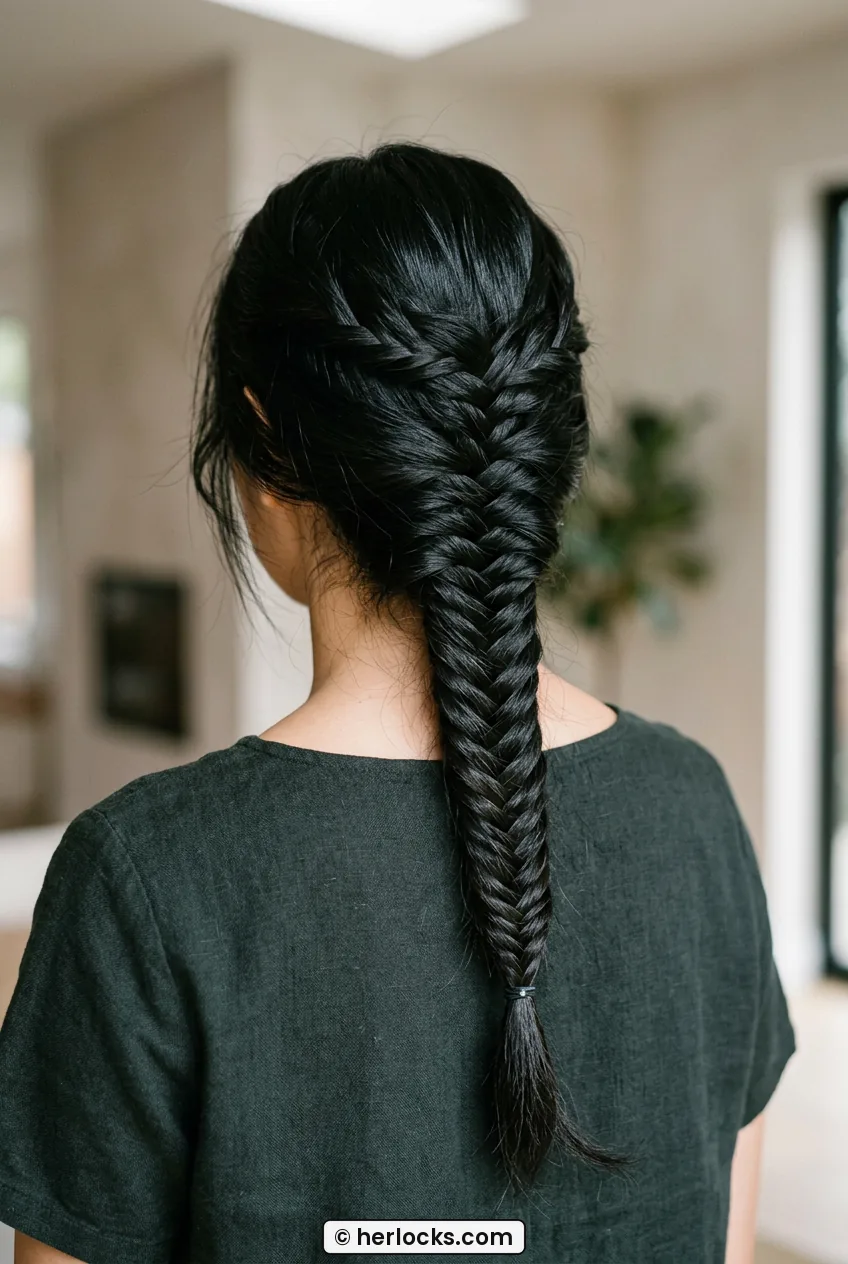
Season tip from my own trial and error. In summer, start on dry hair with a little texture spray. In winter, start on slightly damp hair with cream to fight static. Same braid, different prep. It also lasts overnight better than any other braid I have tried. Sleep on it, shake it out, and you get those soft beachy waves without heat.
See the Fishtail Technique Up Close
5. The Double Dutch That Stays Neat All Day
Double Dutch braids are my do-something-active hair. Hiking, biking, chasing my nephew around the park. They do not shift. They do not snag on high-neck coats the way a single loose braid sometimes does.
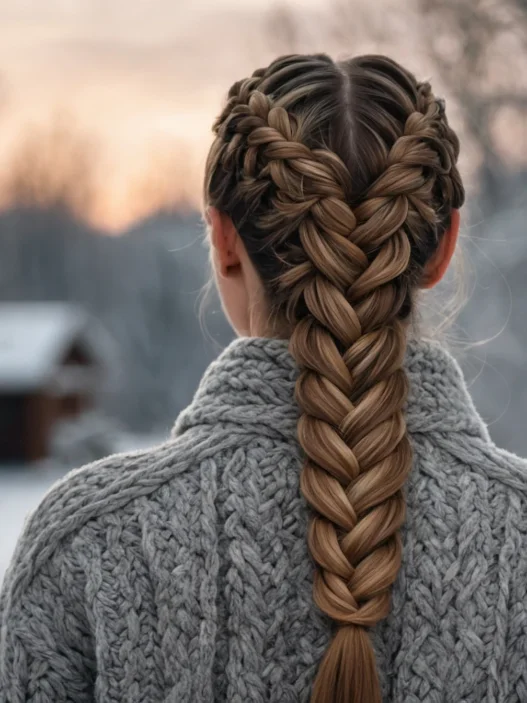
I love how symmetrical hers look from the front, parted clean down the middle and hugging the scalp. That close-to-the-head tension is why they survive hats so well. You can pull a beanie on and off all day and the base stays put. Only the tails move, and you can just re-tie those.
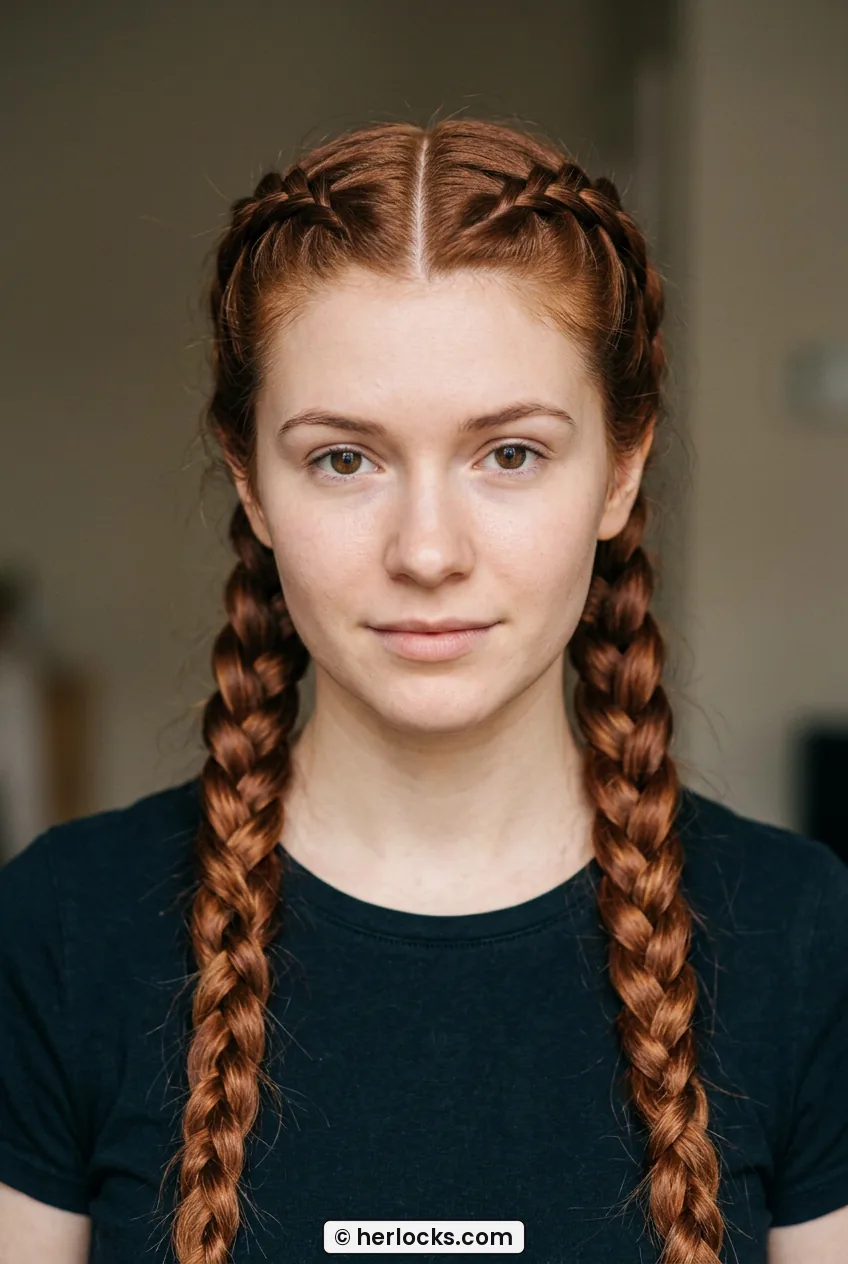
For fine hair, I pancake the braids gently after securing them to fake fullness. For thick hair, I braid with a little water to keep things smooth. You can find more ideas for texture in these thick braids for natural curls if your hair has a lot of volume to work with. Same principle, just more gorgeous puff.
My personal pick is the double Dutch. I wore it through a sleet storm, a gym session, and dinner out without redoing it once. Nothing else holds like that on me.
6. The Side Swept Braid That Is Wedding-Ready in Any Weather
Can we talk about how useful this one is? It is cozy enough for winter photos, airy enough for summer ceremonies, and it photographs beautifully from every angle. I wore a version of this to a February wedding and did not have to duck inside every time the wind picked up.
She has got hers draped over one shoulder with a soft, low tension at the scalp. See how it does not pull at her temples? That relaxed front is what makes it comfortable for eight hours. I add a little teasing at the crown for lift so a veil or clip has something to grip.
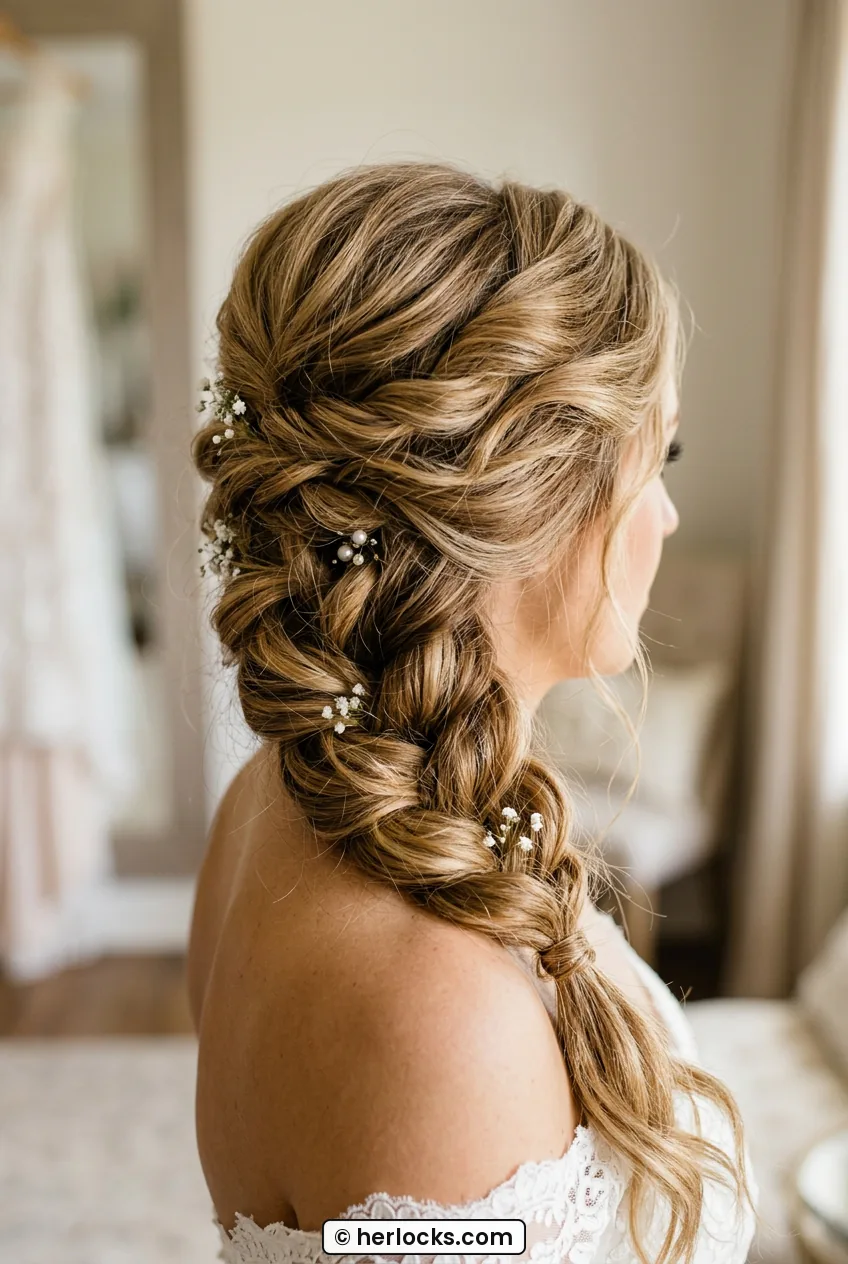
What about rain? Mist it with flexible-hold spray before you leave, not strong-hold. Strong-hold goes crunchy in damp air. Flexible-hold lets the braid move and bounce back. I also love swapping in seasonal accessories. A velvet bow in winter, fresh baby’s breath in spring. If you are planning around events, these chic warm winter hairstyles gave me a few good ideas for dressing it up without overdoing it.
7. The High Braided Bun That Loves Hats
This one surprises people. A high bun and a beanie? Yes, if you place it right. I wear mine a little higher than the crown, not right on top, so a slouchy beanie sits behind it. Looks cute, stays warm, no headache.
And in summer? Same bun keeps hair off a sweaty neck and survives a humid commute. I twist a three-strand braid into a bun and pin it. The braid texture gives bobby pins way more to hold onto than slippery straight hair. That is why it lasts.
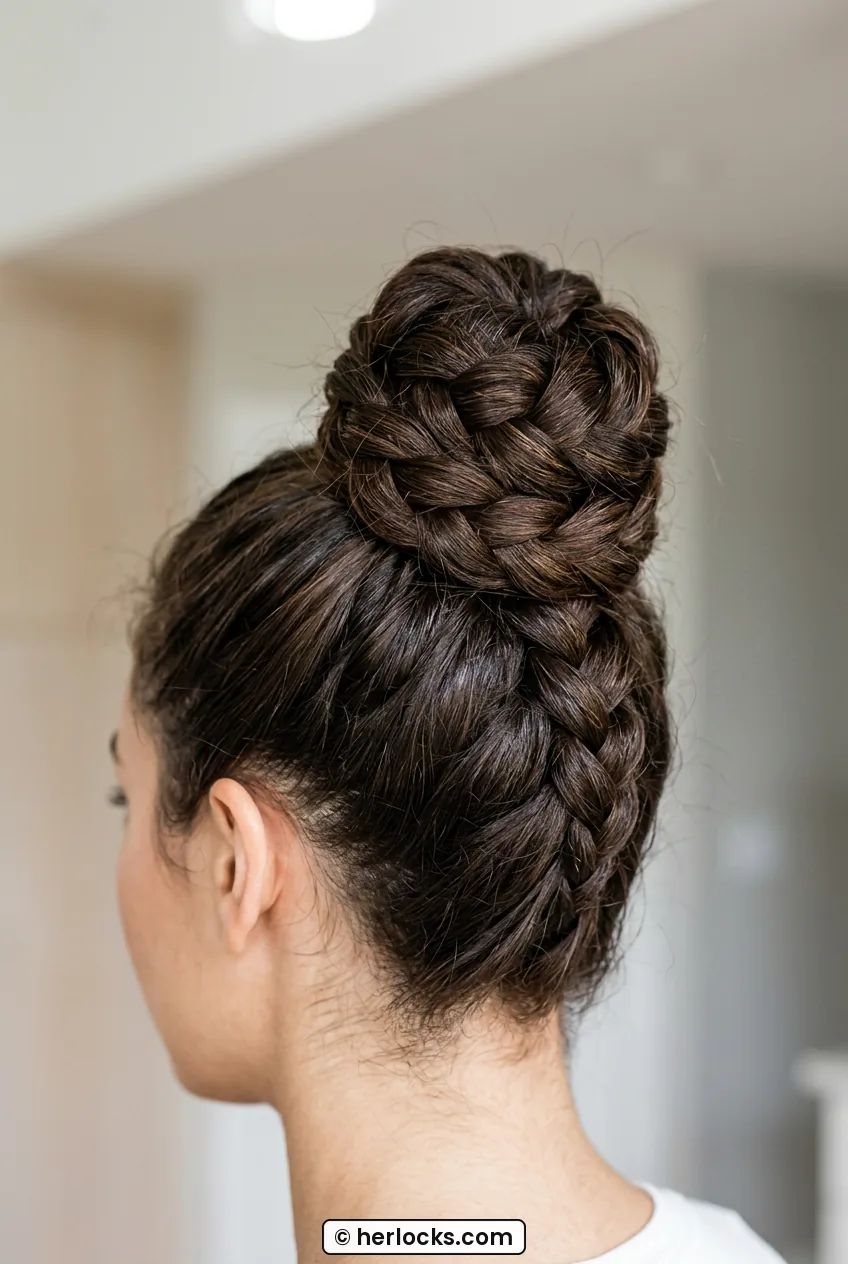
Check out the wrap on hers. You can see each coil stacked neatly, no flyaways sticking straight up. To get that, I braid with a smoothing pomade just on my fingertips, not through the whole length. It tames frizz without making the bun look wet. I read a great breakdown on braided bun staying power through workouts and it confirmed what I suspected, second-day hair holds best.
Wind test? I walked across a very gusty parking lot last week and only had to re-pin once. I will take that.
8. The Half-Up Braid That Works From Beach to Snow
Sometimes I do not want all my hair up. The half-up braid is my middle ground. It pulls the front pieces back so they are not in my face, but I still get that long-hair feeling over my coat.
Honestly, she has a similar face shape to mine, and this half-up style with a little crown volume looks incredible on her. It lifts the face without a full updo. In summer I do a tiny Dutch braid on each side and join them. In winter I do one wider twist-braid down the middle because gloves make small braiding annoying. Anyone else braid with mittens on? Just me?
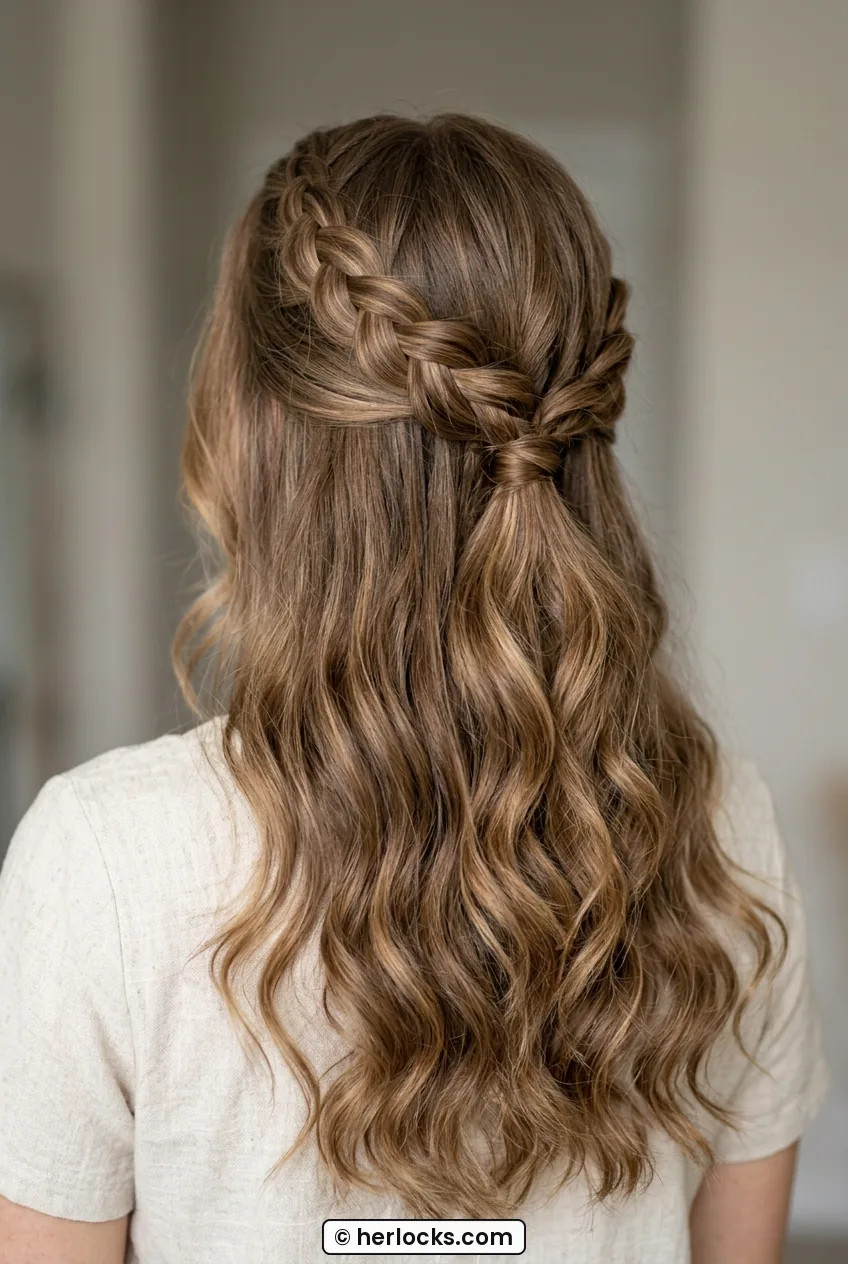
This is also my favorite base for spring flowers. Once the weather turns, I tuck in a couple of small clips where the braids meet. These floral braided styles for spring are so pretty for that transition week when it is too warm for a beanie but still chilly at night.
Rain note. Because half your hair is down, use a water-resistant serum on the loose part only. Keep the braid matte and textured. The contrast looks intentional and modern.
9. The Bubble Braid That Shrugs Off Frizz
Okay, I was skeptical about bubble braids. They looked like an Instagram filter to me. Then I tried one on a high-humidity day when my regular braid puffed out in an hour. The bubbles? Still perfect at dinner.
Why does it work? Each elastic acts like a little fence. Frizz cannot travel up or down the section. And hats love it because there is no intricate pattern to crush. You just fluff the bubbles back up after you take your hat off. Look at hers, each bubble is full and even, with a low pony base that would fit under any hood.
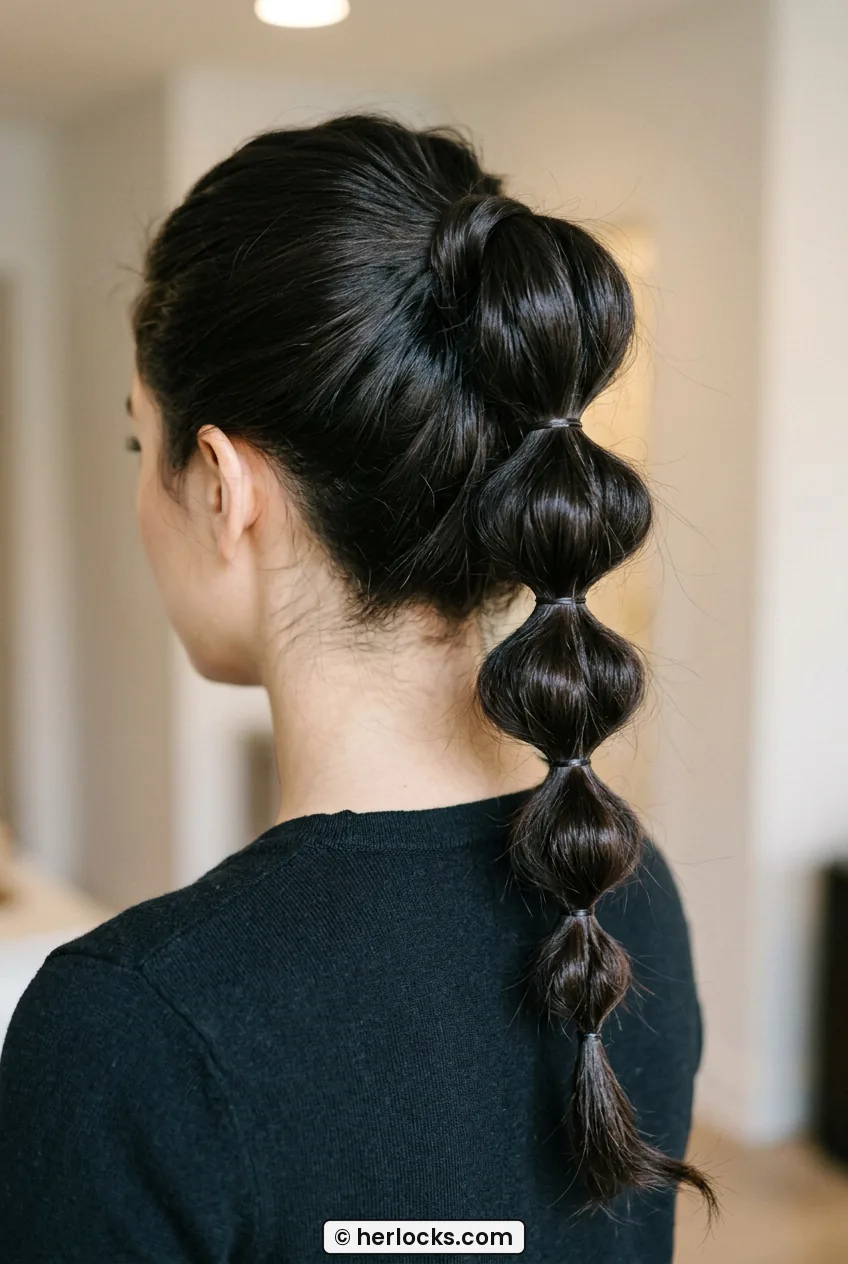
I do this on medium to long hair with clear elastics spaced about two inches apart. Pancake each bubble by tugging gently at the sides. Pro tip I wish someone told me sooner. Do not use heavy oil before this style or the elastics slide. A dry texture spray gives way better grip, and you can read more about bubble braid volume tips before you try it for a night out.
Summer version? High pony bubbles. Winter version? Low side bubbles tucked into a scarf. Same technique, totally different vibe.
10. The Milkmaid Twist That Holds Through Four Seasons
Last one, and it is the most underrated for real weather. Two braids pinned up and over like a headband. Nothing hangs to get wet. Nothing whips in your face on a windy ferry ride. I wore this in August at an outdoor market and again in December for holiday lights, and both times I forgot about my hair completely.
Hers is pinned with that slightly undone, soft finish I love. Not too perfect. The texture on top keeps it from looking severe, and the height at the crown means a headband or hat can sit comfortably behind it.
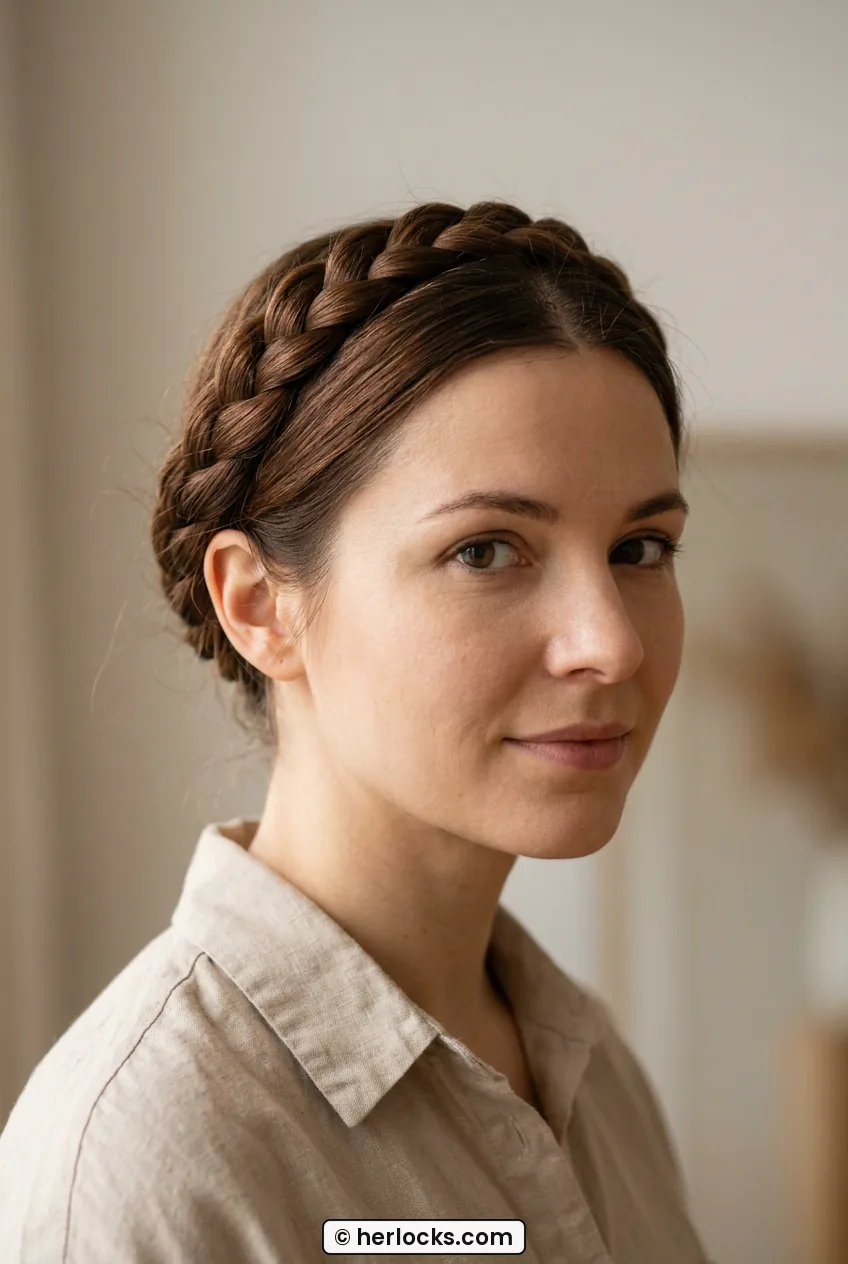
How do I make it last? I braid the two sides the night before, sleep in them, then pin them up in the morning. The waves grip each other and you need half the pins. Finish with a flexible spray. If one side loosens in rain, just re-pin that side. No full redo needed.
This is also brilliant for growing-out bangs or layers. Everything gets tucked in, no awkward pieces falling forward when you are wearing a turtleneck.
Winter Braid Questions I Hear Every January
Do braids actually protect hair in winter?
For me, yes. Tucked ends snag less on wool scarves and seatbelts, and I get fewer tangles at night. I still use a leave-in and a silk pillowcase, the braid is not magic on its own.
How do I stop static when I take my beanie off?
I rub a tiny drop of cream between my palms and smooth the braid, then touch the inside of the beanie with a dryer sheet. Sounds odd, works great. Braiding on slightly conditioned hair helps more than any spray I have tried.
Which braid is best for fine hair that falls flat?
Bubble braids and pancaked Dutch braids give the most fullness without backcombing. I skip heavy oils on wash day and braid on day-two texture for extra grip and lift.
Can I wear these braids to a winter wedding?
Absolutely. I would pick the side-swept braid or crown braid and add a low-key accessory. They hold through photos in wind and still look soft up close, which is hard to get with a curled style.
So that is my year-round braid edit. If you try just one, start with the low three-strand or the double Dutch and see how it handles your weather. Tell me which one survived your hat, your commute, your rainy day. I am keeping notes for next winter already.