








I did not plan to fall for it. I walked into my appointment in early spring asking for a tiny trim, the safe kind, and walked out with collarbone-grazing layers that swung when I turned my head. I remember standing in my car afterward, flipping the rearview mirror down just to stare a little longer.
That was three years ago. I have had bobs, I have had waist-length hair, I have had the awkward in-between. But medium length hair with layers is the one I keep coming back to, the one that feels most like me. And honestly? I am still a little obsessed.
The First Time I Saw It in the Mirror
My hair before that cut was fine. Just fine in that flat, polite way. It was all one length, brushing my bra strap, and no matter what I did it hung there like a curtain that needed ironing. I had tried the big barrel curls, the straightener, the second-day texture spray. Everything fell out by lunch.
My stylist, Dana, tilted my head and said, you do not need shorter hair, you need lighter hair. She lifted sections around my face and showed me where the weight was pulling everything down. I was nervous. Layers had burned me in 2016 with those choppy, disconnected pieces that stuck out like wings. But I trusted her, mostly because I was tired of feeling invisible in photos.
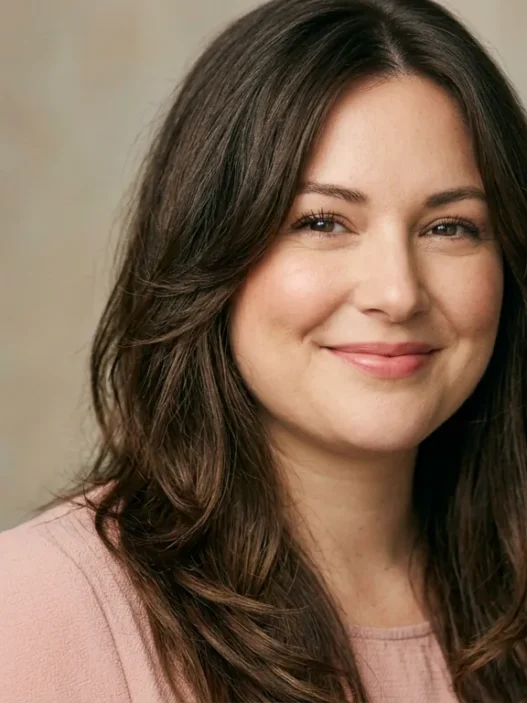
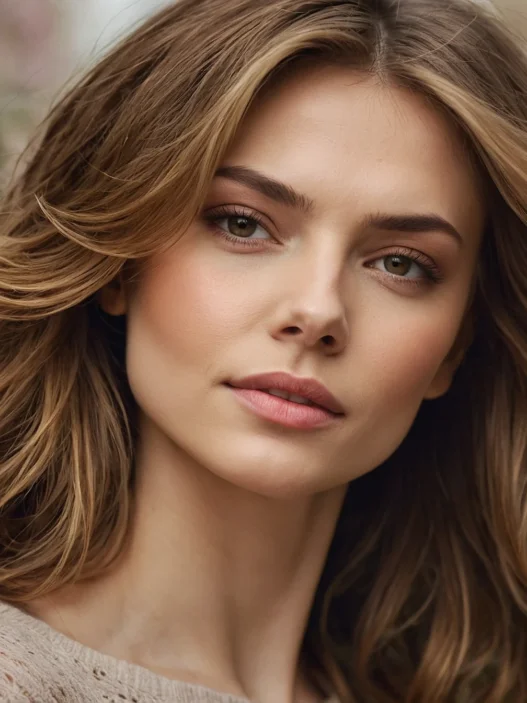
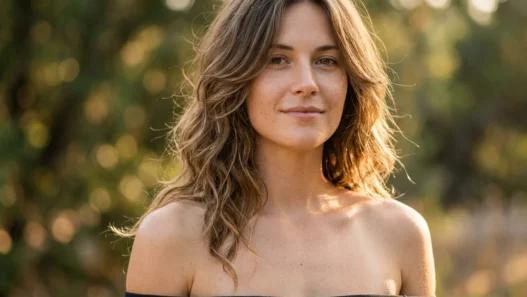
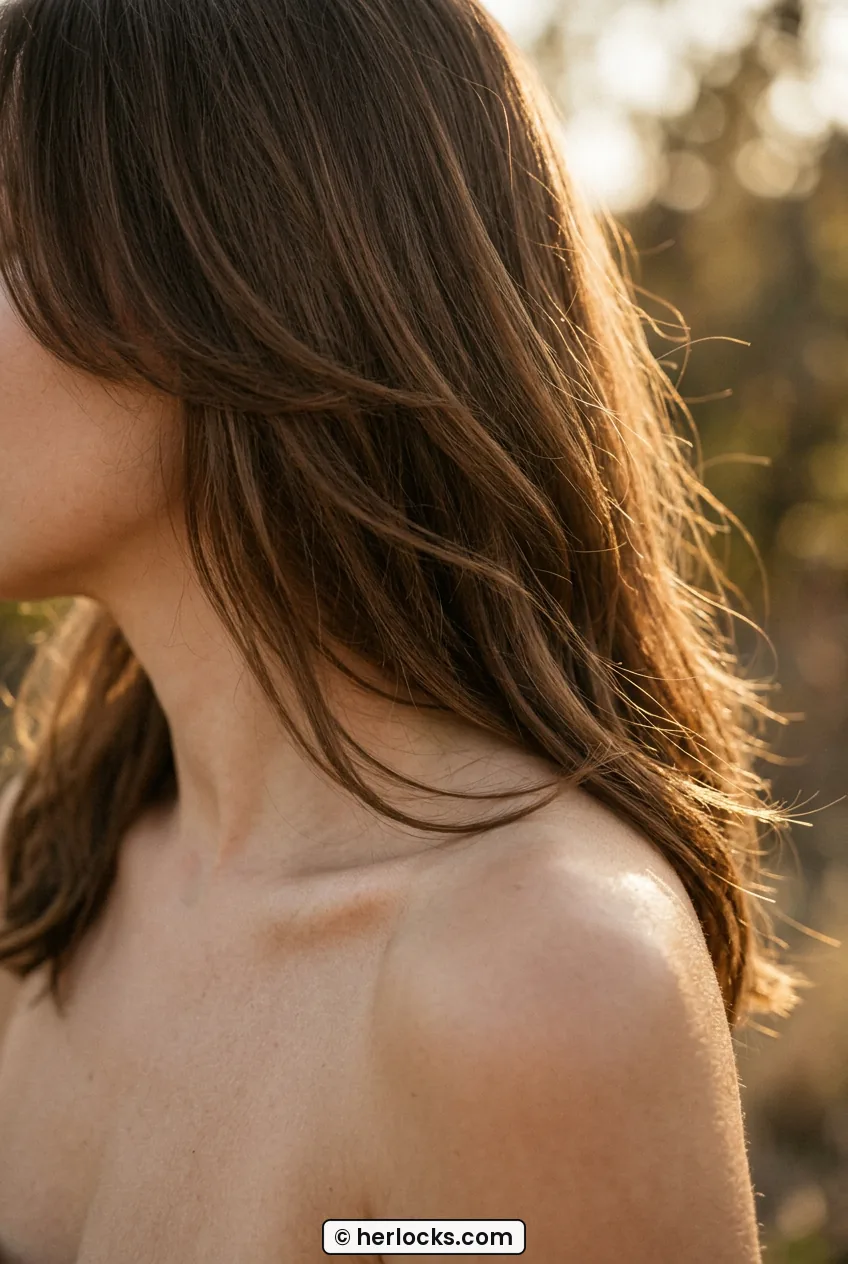
She cut me to just past my collarbones, with long, soft layers starting at my chin and melting down. Not a shag. Not a step cut. Just movement. When she turned the chair around, I actually gasped. Look at how she is wearing hers in this photo, that soft bend right at the collarbone, that is exactly what happened to me. My face looked lifted. My neck looked longer. My hair, my same thin, nothing-special hair, suddenly had a shape.
I drove home with the windows down, which I never do after a blowout because I am precious about frizz. But I wanted to feel it move. And it did. Every turn, every little breeze, the ends flicked and floated instead of thudding against my shoulders. I texted my sister a parking-lot selfie with the caption, oh no, I get it now.
That night I kept catching myself in the bathroom mirror. I looked like myself, just softer and a little more awake. I have learned since then that this is what a good mid-length cut does. It does not change you. It edits you, in the best way. If you have been living in one-length limbo and wondering why your hair never photographs right, this might be your before-and-after too. I found so many versions I loved while browsing through layered medium hairstyles late that night, and I saved about twelve of them.
Why It Beats Every Other Cut I’ve Tried
Okay, can we talk honestly for a minute? I have tried almost everything shoulder-up and waist-down, and I have opinions. Strong ones. This cut wins for me, not because it is trendy, but because it forgives everything my real life throws at it.
Here is my totally biased, completely lived-in comparison:
- Versus a blunt bob. I loved my bob for about two weeks. Then the grow-out started and I was tucking wings behind my ears every ten minutes. A layered midi gives you that same face-framing sharpness without the high-maintenance grow-out panic.
- Versus one-length long hair. Long hair is gorgeous, no argument. But on me it was heavy and serious. It pulled my waves straight and made my fine texture look thinner. Layers at this middle length take five pounds of visual weight off.
- Versus a pixie or short crop. Adore them on other women. On me? I felt exposed and I missed ponytails more than I expected. With a mid-length layered cut I can still throw it up for workouts and still feel feminine with it down.
- Versus curtain-bang shags. Fun, but fussy. My forehead gets oily by 3 p.m. and suddenly the bangs separate. Face-framing layers give me 80 percent of that French-girl effect with 20 percent of the work.
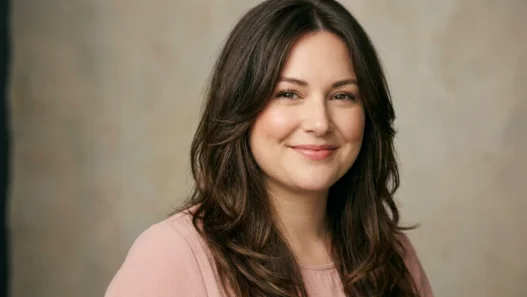
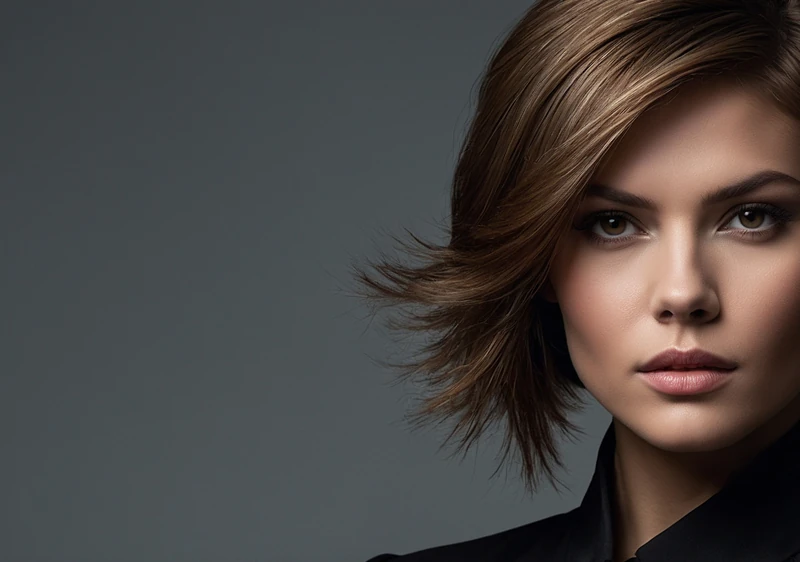
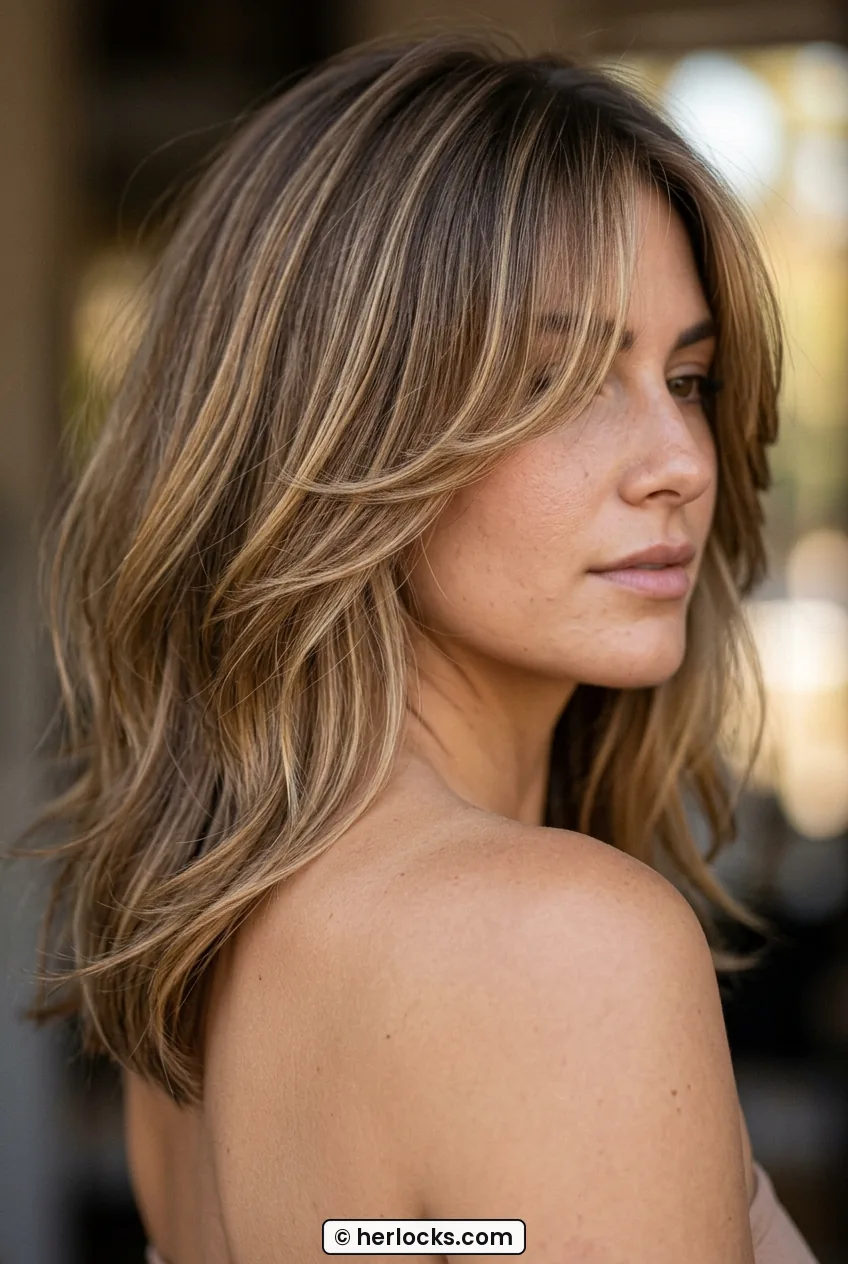
She has got a similar face shape to mine in this next photo, rounder through the cheeks, and honestly, this cut looks incredible on her. See how it hits just past her shoulders? That extra inch keeps it from puffing out wide, which is what used to happen to me with shorter layers. You can read up on how different lengths fall when you learn about shoulder length hairstyles and why that collarbone point is so flattering for most of us.
And here is my slightly controversial take. I think the salon blowout has ruined this haircut for a lot of women. We see it super smooth and bouncy under those bright lights and then we get home, wash it, and feel disappointed when it does not look the same. I actually prefer my layered midi air-dried. I love learning low-heat routines, and I picked up a great air-dry routine from reading about how waves form naturally on a slow Sunday morning when my hair would not cooperate. The layers are built to work with your real texture, not against it. Let them.
Short hair demands styling. Long hair demands patience. This length? It meets you halfway. I can roll out of bed, shake it out, add a little cream, and look intentional. That has never happened to me with any other cut.
The Detail Nobody Notices Until They Get Close
Everyone talks about layers like they are one thing. They are not. The magic is not just having layers, it is where they start, how they blend, and what they do around your collarbone.
Mine starts with two soft, face-framing pieces that hit right at the corner of my mouth. Not bangs. Just whispers. Then the next layer hits my chin, then my collarbone, then the ends. From far away it looks like one smooth waterfall. Up close, it is all these little ledges that catch light. That is why golden-hour photos love this cut so much. Each layer throws a tiny shadow and a highlight.
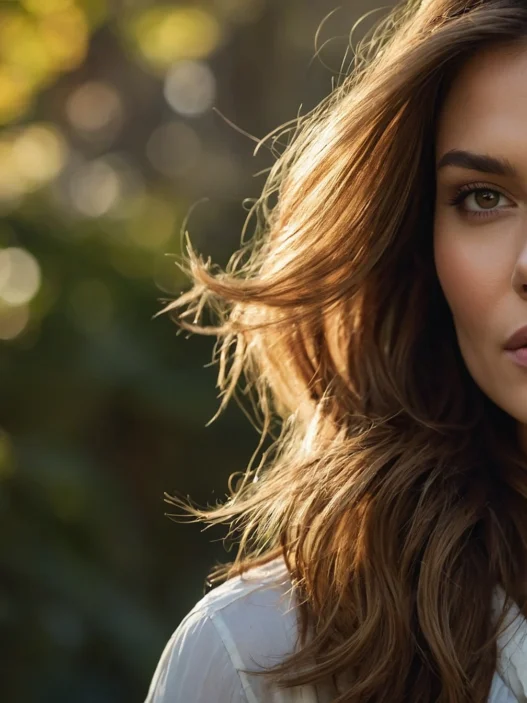
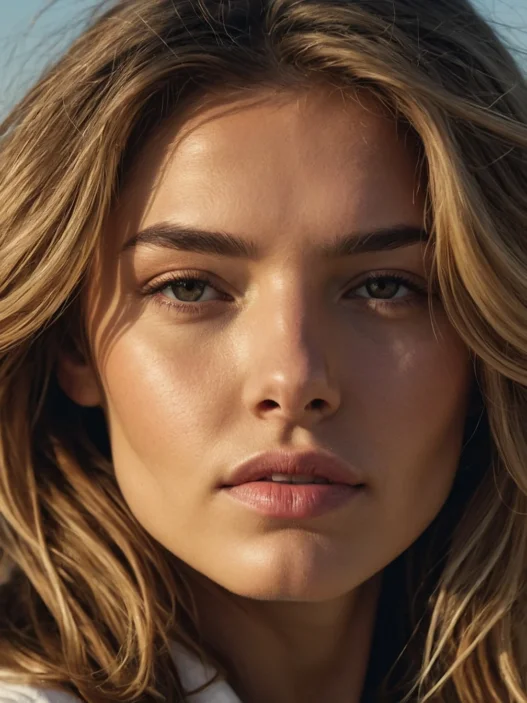
This is the length I am talking about in this close crop. See how it skims just over her bare shoulder? That contact point is everything. When hair touches skin there, it creates movement with every breath you take. It never sits still, which means it never looks flat in pictures. I did not understand that until Dana pointed it out with her comb.
I have thick-haired friends who need something different, more internal weight taken out so it does not triangle. If that is you, look at layered medium styles for thick hair because the layer pattern matters twice as much when you have density. For my fine-to-medium hair, we keep the ends a little fuller and do most of the layering through the top and sides.
I do not want perfect hair anymore. I want hair that moves when I laugh.
That little shift changed how I style. I stopped chasing glass-like smoothness, which always made my layers disappear anyway. Instead I curl away from my face with a one-inch iron, just the top two layers, and leave the bottom alone. Three minutes. Then I rake through with my fingers. The under-layers stay straight and act like a dark background, and the top layers wave over them. Depth without trying. I learned the finger-raking part from a piece on soft iron wave techniques that finally made the twisting motion click for me, because before that I was clamping too hard and losing the bend.
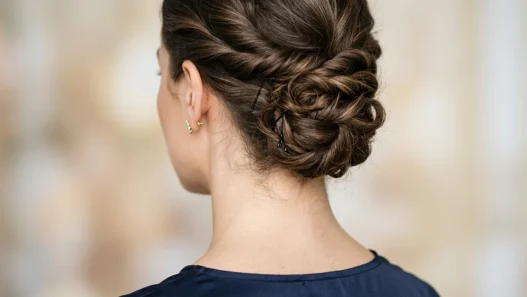
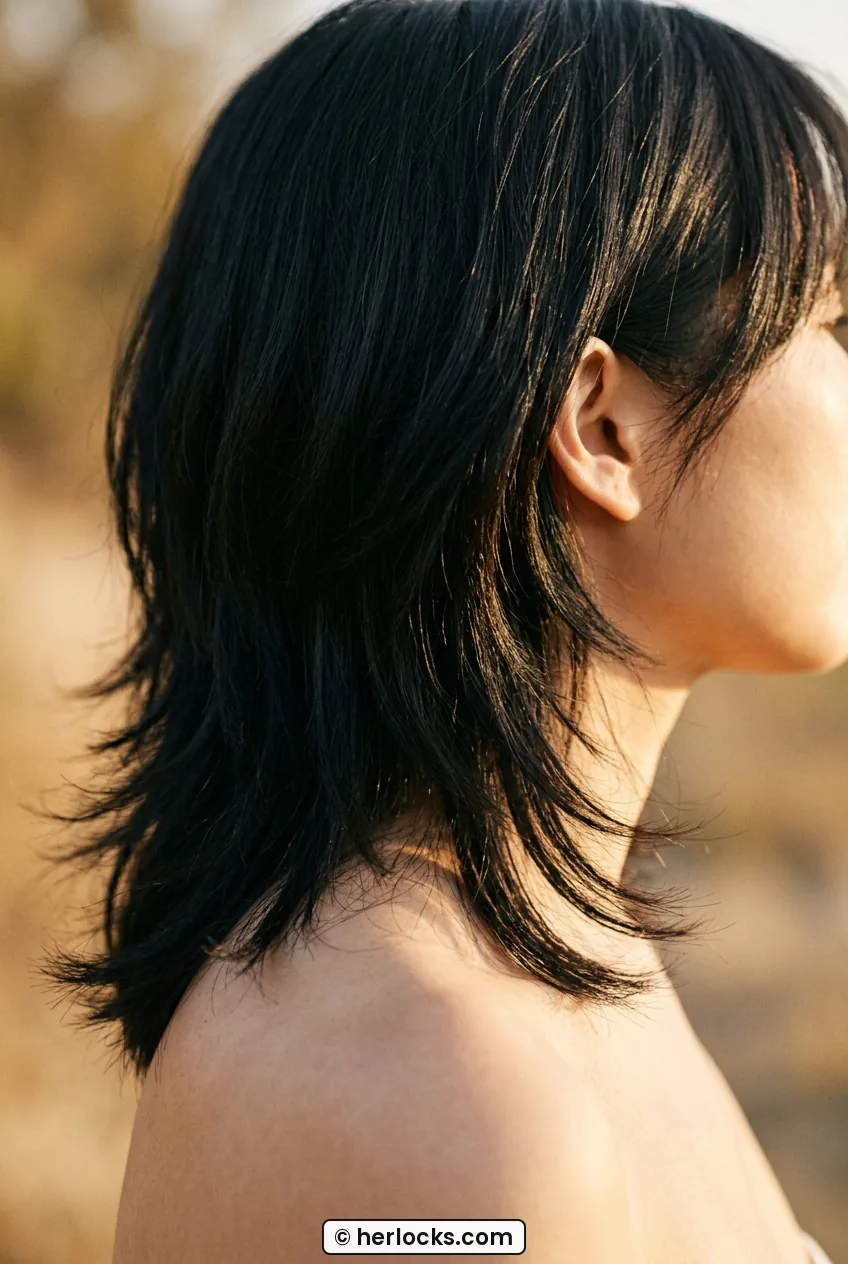
Look closely at her ends in this next shot. They are not razor-thin, they are feathery but intact. That is the detail I beg for now. Wispy without being straggly. If your stylist thins the ends too much, the whole mid-length collapses. Keep a little hemline weight, please. Future you will be grateful in windy weather.
My Forever Hair Pick for Real Life, Not Just Photos
Pretty hair that only looks good for salon lighting is not pretty to me. I need hair that survives school drop-off, a sweaty walk, a work Zoom, and dinner out without a full restyle. This is where my loyalty really locked in.
Last fall I wore this cut through the most chaotic month of my year. My kid was sick, I was freelancing late, I washed my hair maybe twice a week. And still, strangers complimented it. A barista asked if I had just gotten a blowout when I was on day-three hair with dry shampoo at the crown. That has never happened before in my life. The layers hide greasy roots better because the eye goes to the movement at the ends, not the flatness on top. Genius accident.
A few real-life reasons I am never breaking up with it:
- Second-day hair is actually better. The face-framing layers get a little lived-in bend and look more natural than fresh-washed.
- Ponytails do not give me a headache. The top layers are short enough to pull back without tugging, and the little wispies that fall out look intentional.
- It works with my waves and my straight days. When I embrace texture I lean into curly wavy medium hairstyles for styling ideas, and when I flat-iron it still swings instead of sticking.
- Grow-out is graceful. I can go 10 to 12 weeks between trims and it just gets a little more boho, not mullet-y.
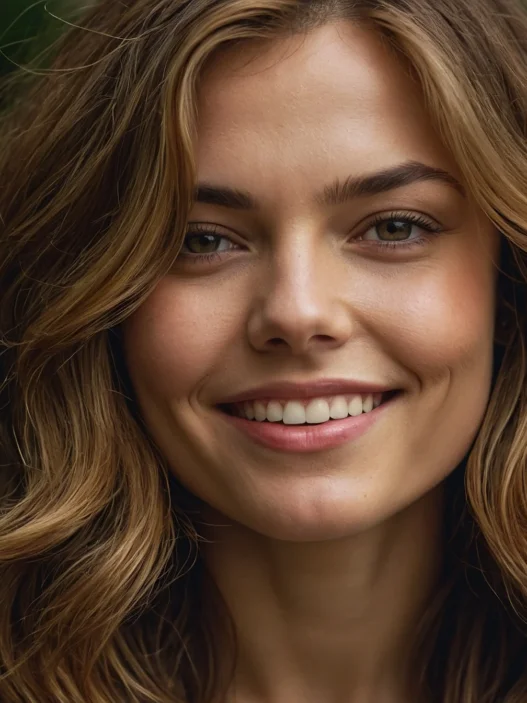
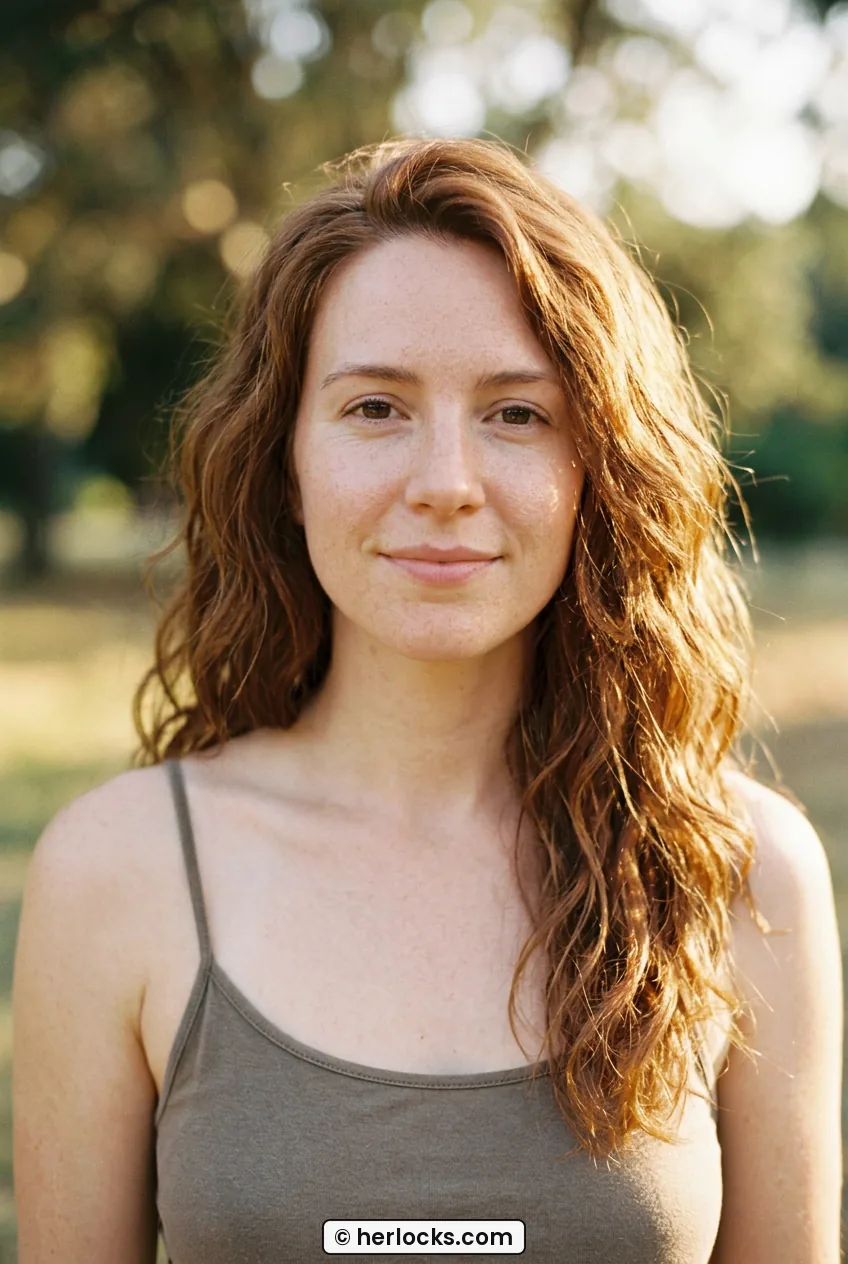
Here she is with that tousled, just-came-from-brunch wave. I love this because it is not over-styled. You can see a little frizz at the part and I am here for it. Flawless hair makes me nervous. Touch it, live in it, let your kid hug you and mess it up. This cut can take it.
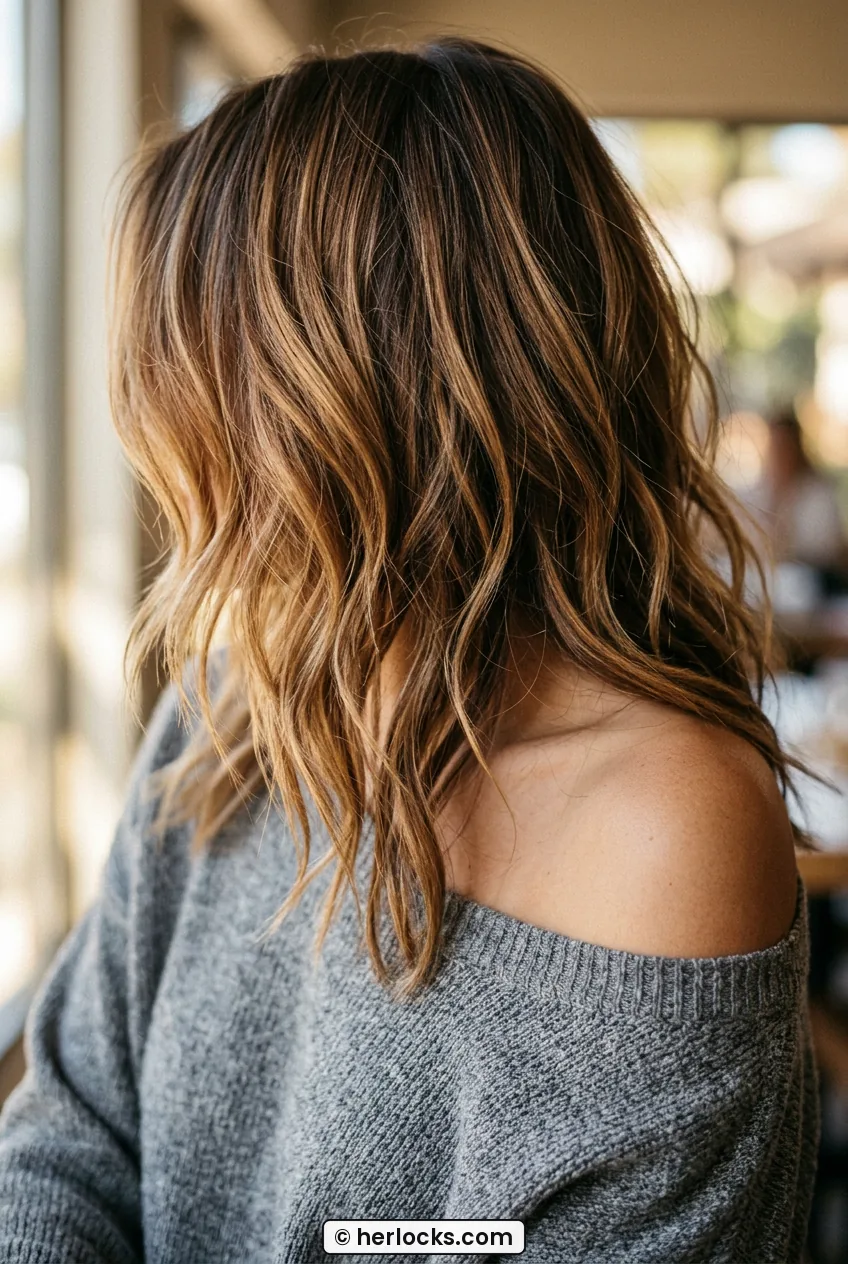
Controversial opinion number two, and I will stand on this hill. I think mid-length layers look better without perfect color. My balayage is grown out by four inches right now and the layers make it look like an intentional lived-in melt. When everything is freshly highlighted to perfection, you lose some of that shadow and light play. Give me a six-month-old balayage and a good cut over fresh color and a boring cut any day. My colorist hates when I say that, but my wallet loves it.
I also love that it works across seasons. In summer I wear it air-dried with salt spray. In fall I add a little more polish and volume at the roots, the kind of soft lift you see in layered fall haircuts for volume. Same cut, different mood. It is like having a capsule wardrobe for your head.
How I Ask for It and Wear It on Repeat
So if I have convinced you even a little, let me save you from my early mistakes. What you say in the chair matters more than the Pinterest photo you bring, though definitely bring photos.
How long should it actually be?
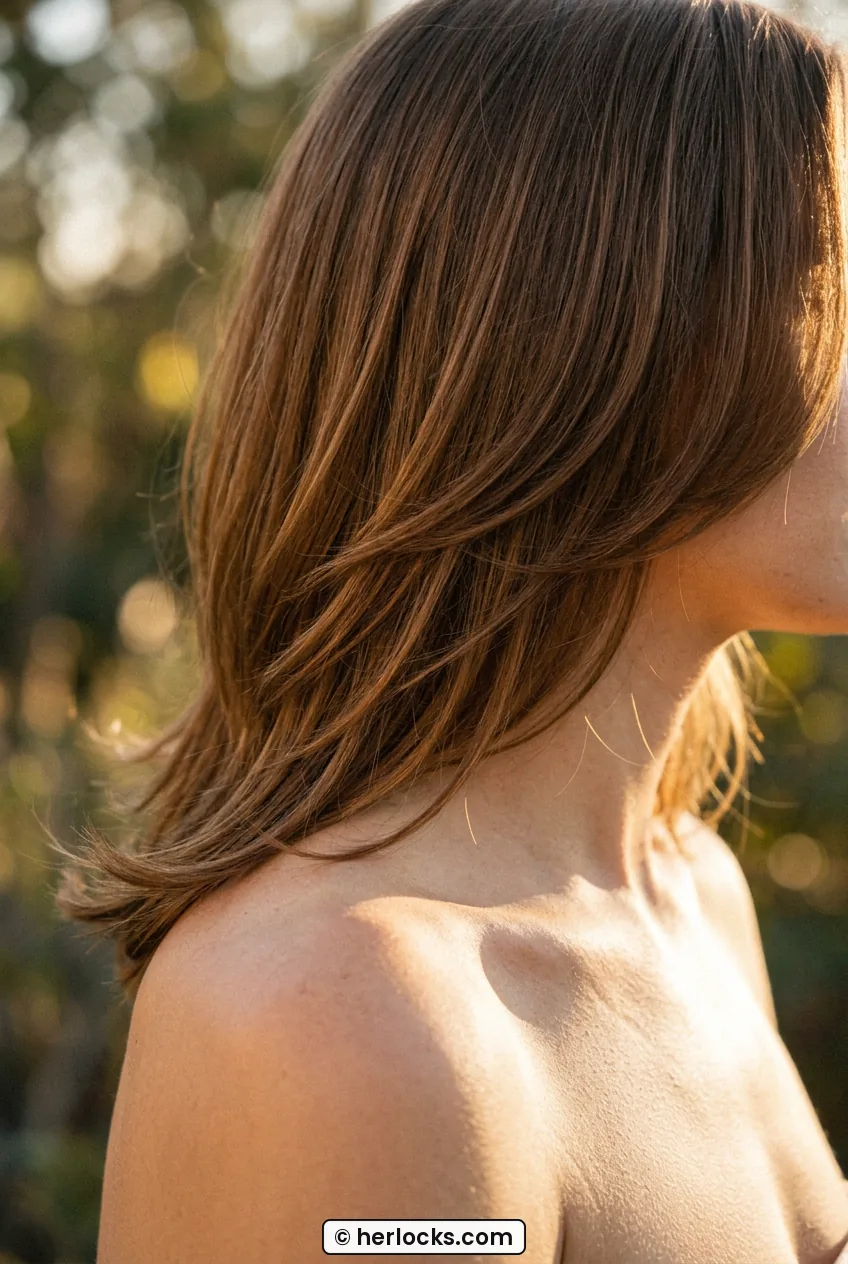
Ask for the shortest layer to hit at your chin and the longest to graze two inches below your collarbone. That window keeps it firmly medium, not bob and not long. If you go shorter in front, you drift into shag territory. If you go longer in back, you lose the bounce. I show Dana a side view, not just the front, because the silhouette from the side is what makes or breaks it.
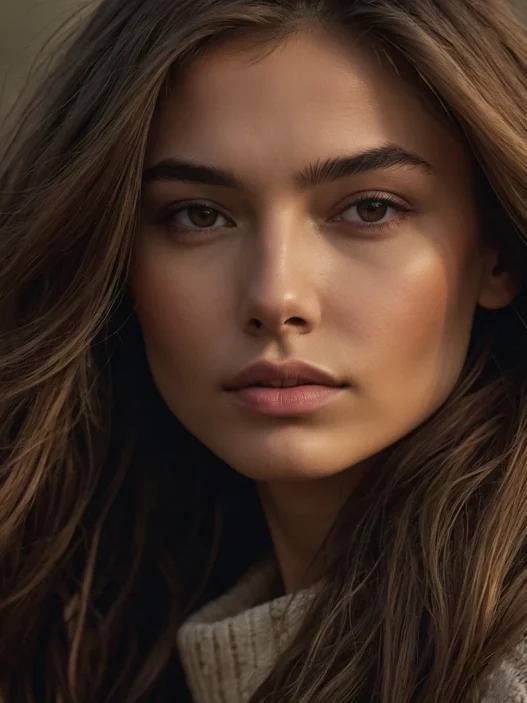
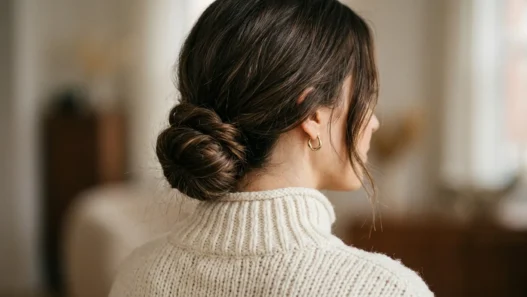
Look at her side profile here, that clean diagonal from chin to collarbone is my exact request. Print it, save it, show it. The front pieces do all the face-lifting work, the back just supports them.
What words do I use so I do not get 2016 wings?
I say long, blended layers with soft face framing, keep the perimeter full. Those last four words are crucial. Then I say no harsh steps, connect everything. If your stylist reaches for thinning shears on your ends right away, pause and ask why. For fine hair like mine, over-thinning kills the swing. For dense hair, you need internal layers, not chewed-up ends. I learned to ask better questions after reading about salon consultation tips before my last appointment, and it changed the whole conversation because I finally knew what to name.
How do I style it in under 10 minutes?
My everyday routine is embarrassingly simple. On damp hair I add a pea-size curl cream, rough-dry upside down for volume, then smooth just the top with a round brush. If I have an extra five minutes, I add three bends with a flat iron around my face. That is it. On day two I refresh the front pieces only. The back can fend for itself, it always looks fine because the layers keep it from going flat.
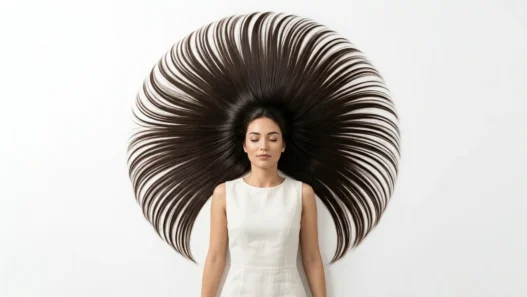
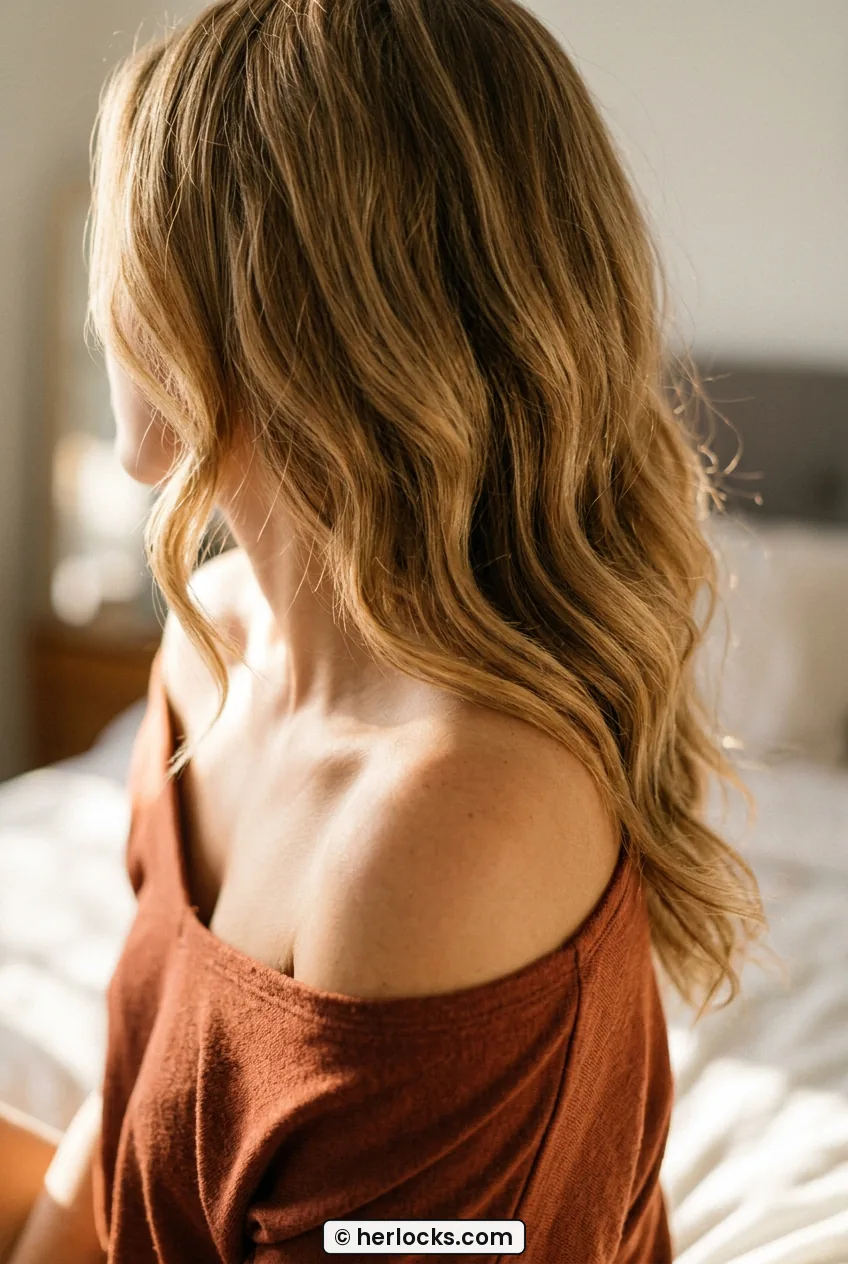
This last image is my dream morning hair. Soft, side-lit waves falling over one shoulder, a little undone at the ends. When I get that, I do not touch it. I just let it move while I drink my coffee. That effortless swing is the whole point, and it is why I will keep choosing this length.
If you are on the fence, consider this your nudge. Bring the photos, book the trim, ask for lightness and movement. And if you love it half as much as I do, come back and tell me. I will be the one still staring at myself in the rearview mirror, completely unembarrassed, totally in love. Yours in good hair days, Jess.