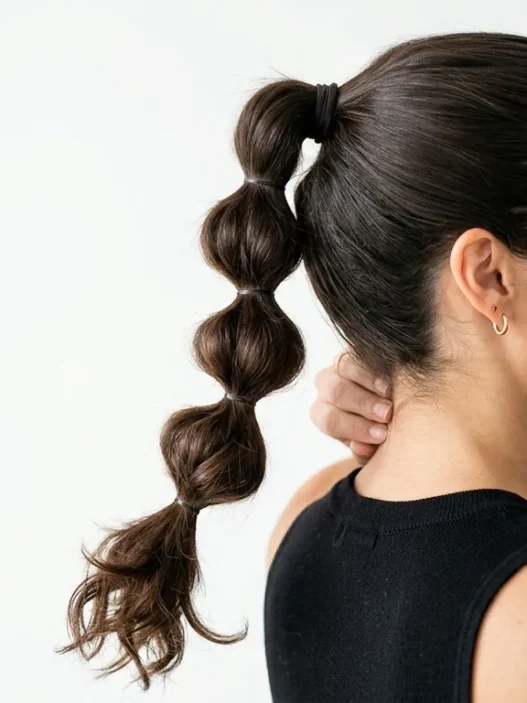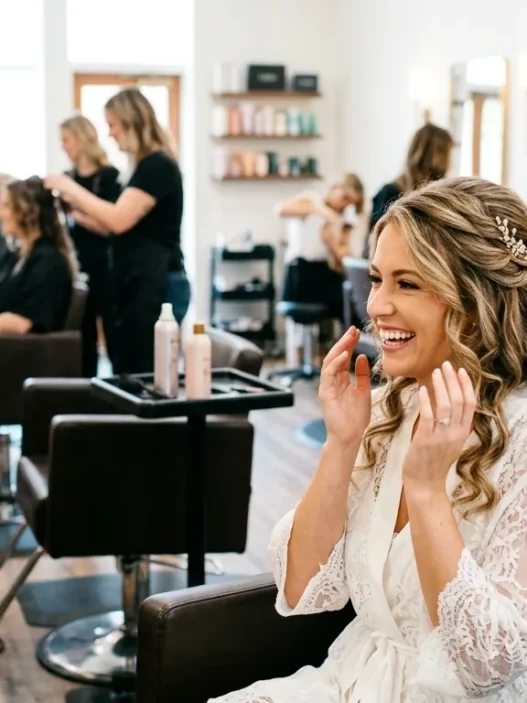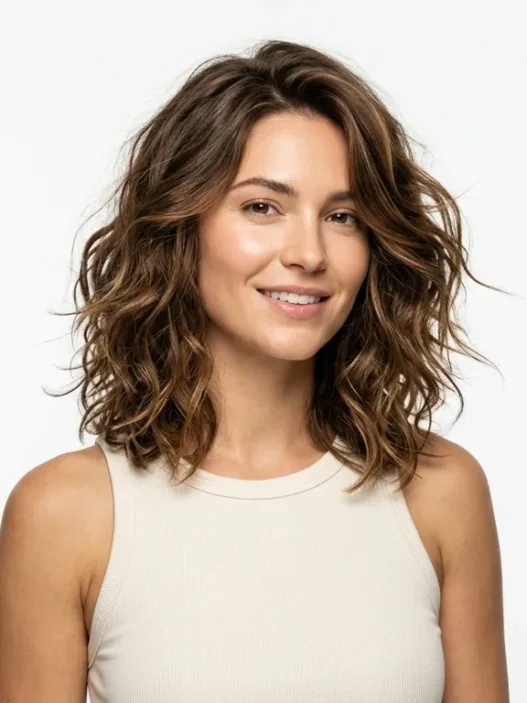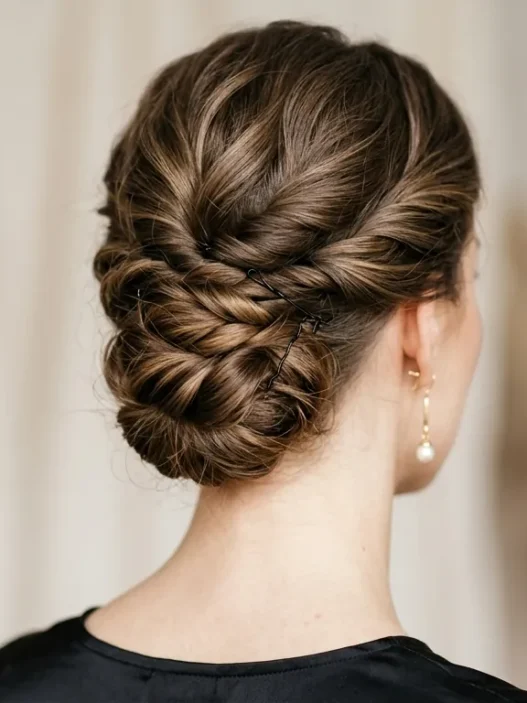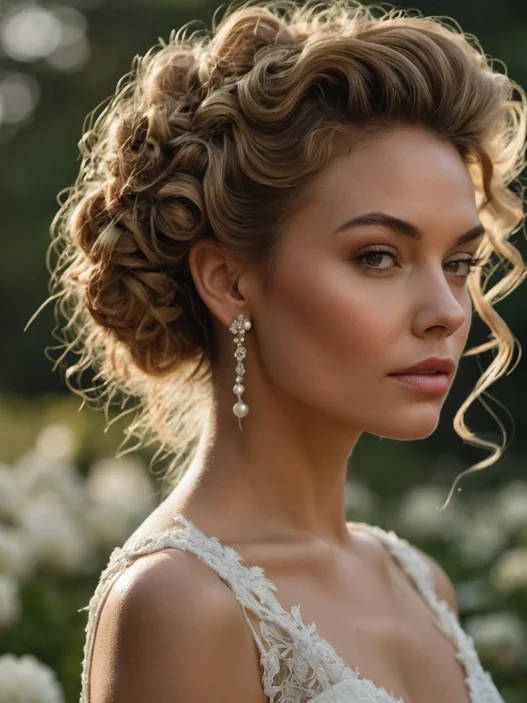




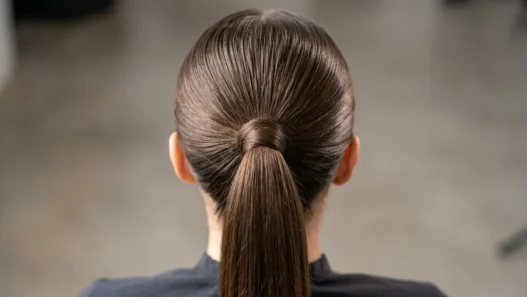




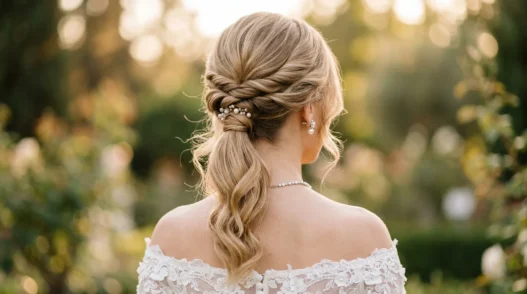
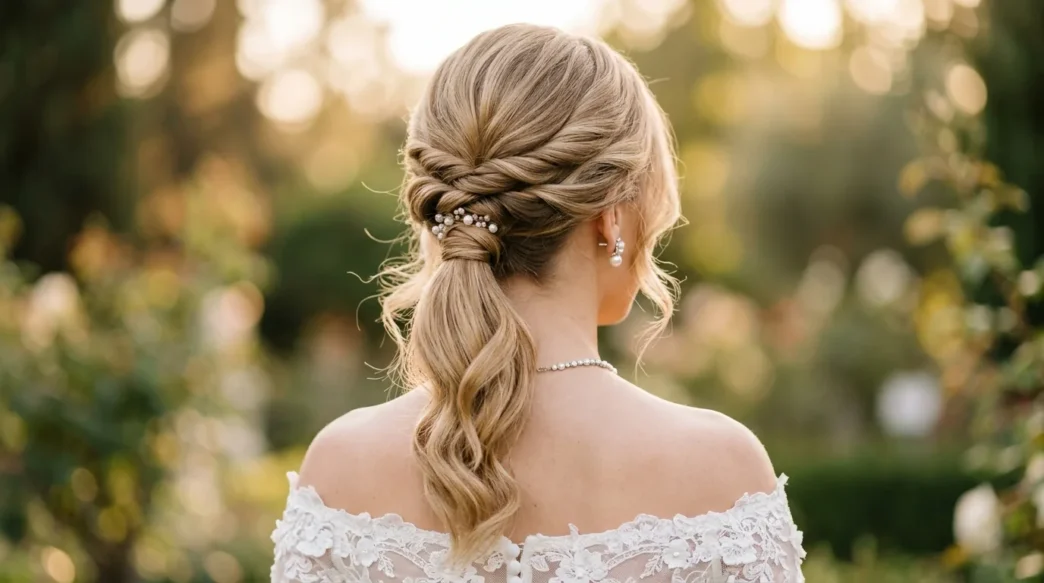
I never thought I’d become the “wedding ponytail girl” in my friend group. But after being asked to do hair for three weddings this summer, then getting referrals for twelve more, I accidentally became the person everyone calls for bridal hair. What started as helping my sister turned into a crash course in what actually makes a ponytail last from ceremony to last dance.
What You’ll Find in My Wedding Hair Journey
How It All Started
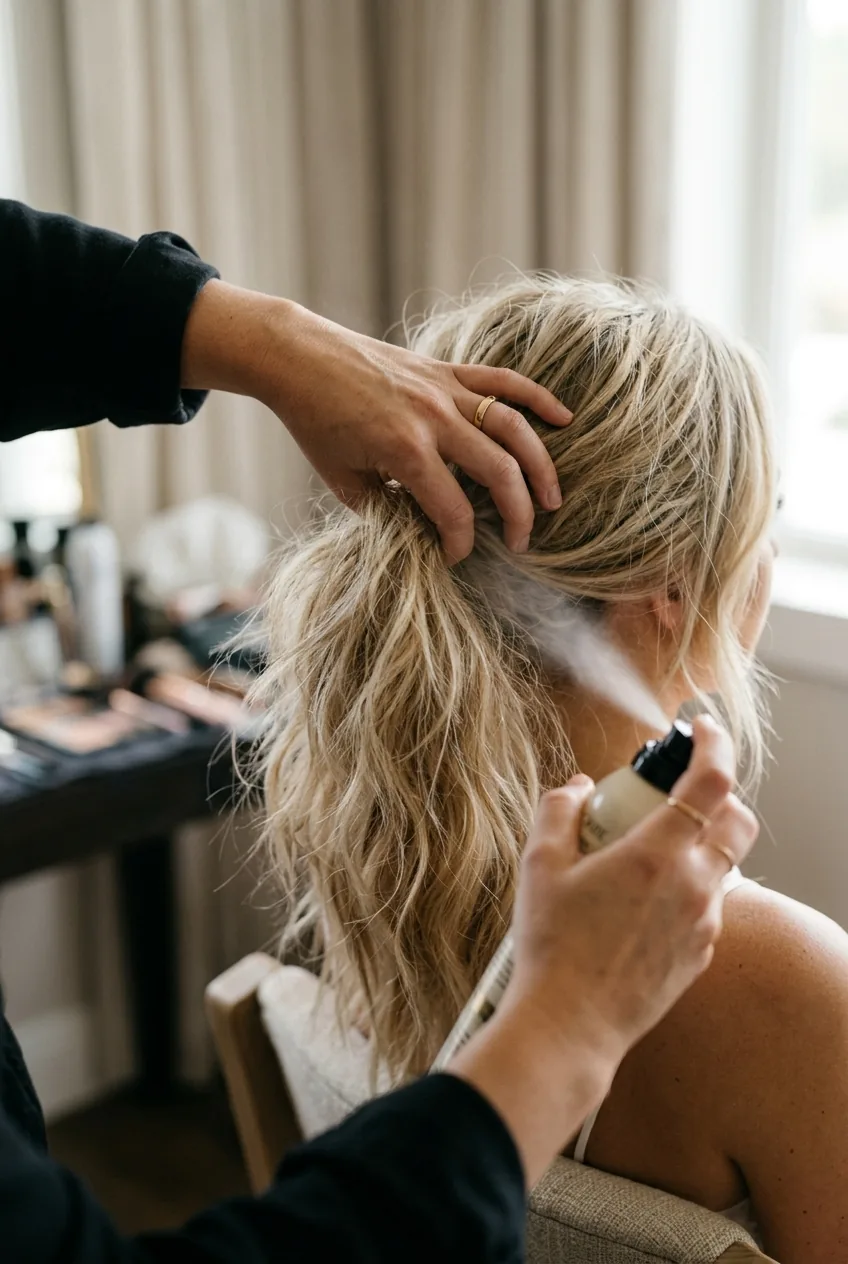
My sister Emma wanted a “simple, elegant ponytail” for her beach wedding. Simple. Right. I watched three YouTube tutorials, bought a handful of bobby pins, and figured how hard could it be?
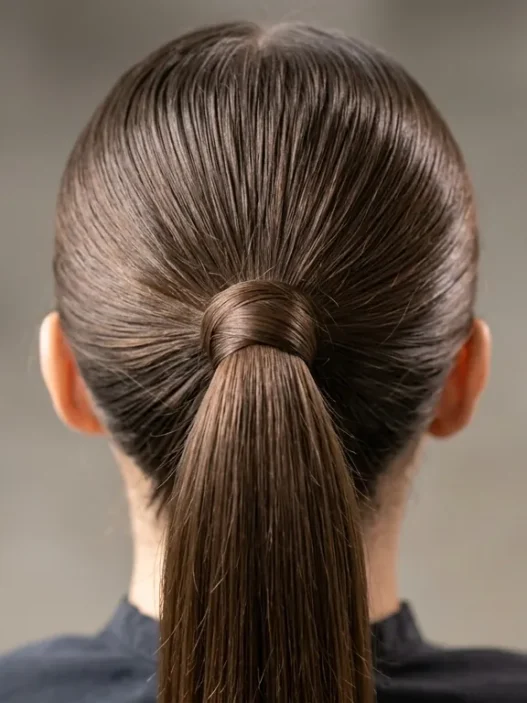
The morning of her wedding, I spent two hours creating what I thought was perfection. Sleek, sophisticated, every hair in place. By the time she walked down the aisle, wisps were escaping. By reception photos, the whole thing had shifted sideways. I wanted to crawl under the cake table.
But Emma loved it anyway. She said it felt “authentically her” — a little imperfect, a little romantic. That’s when I realized I might be approaching wedding ponytails all wrong. Maybe the goal isn’t perfection. Maybe it’s creating something that moves with you, stays comfortable, and still looks intentional twelve hours later.
The Game-Changing Discovery
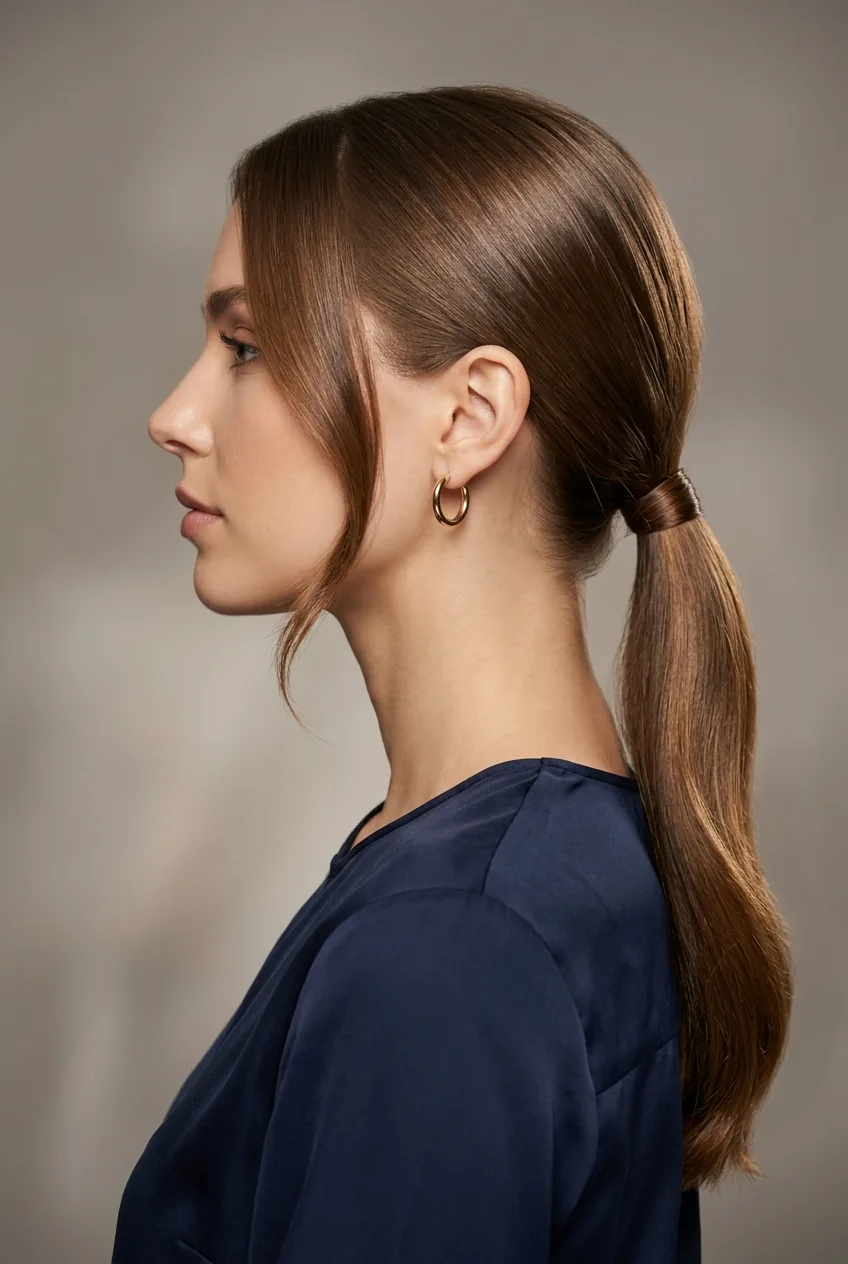
Wedding number four changed everything. The bride had fine, slippery hair that wouldn’t hold a curl, let alone a structured updo. I was panicking until her hairstylist aunt pulled me aside.
“Stop fighting the hair. Work with what it wants to do, then nudge it in the right direction.”
Instead of forcing sleekness, we embraced texture. Instead of fighting flyaways, we made them part of the design. The result? A wedding ponytail that looked effortlessly romantic and stayed put through dancing, hugging, and happy tears.
This is where I learned that the best wedding hairstyles for brides aren’t the ones that photograph perfectly in magazines. They’re the ones that make the bride feel like the best version of herself.
What Nobody Tells You About Texture
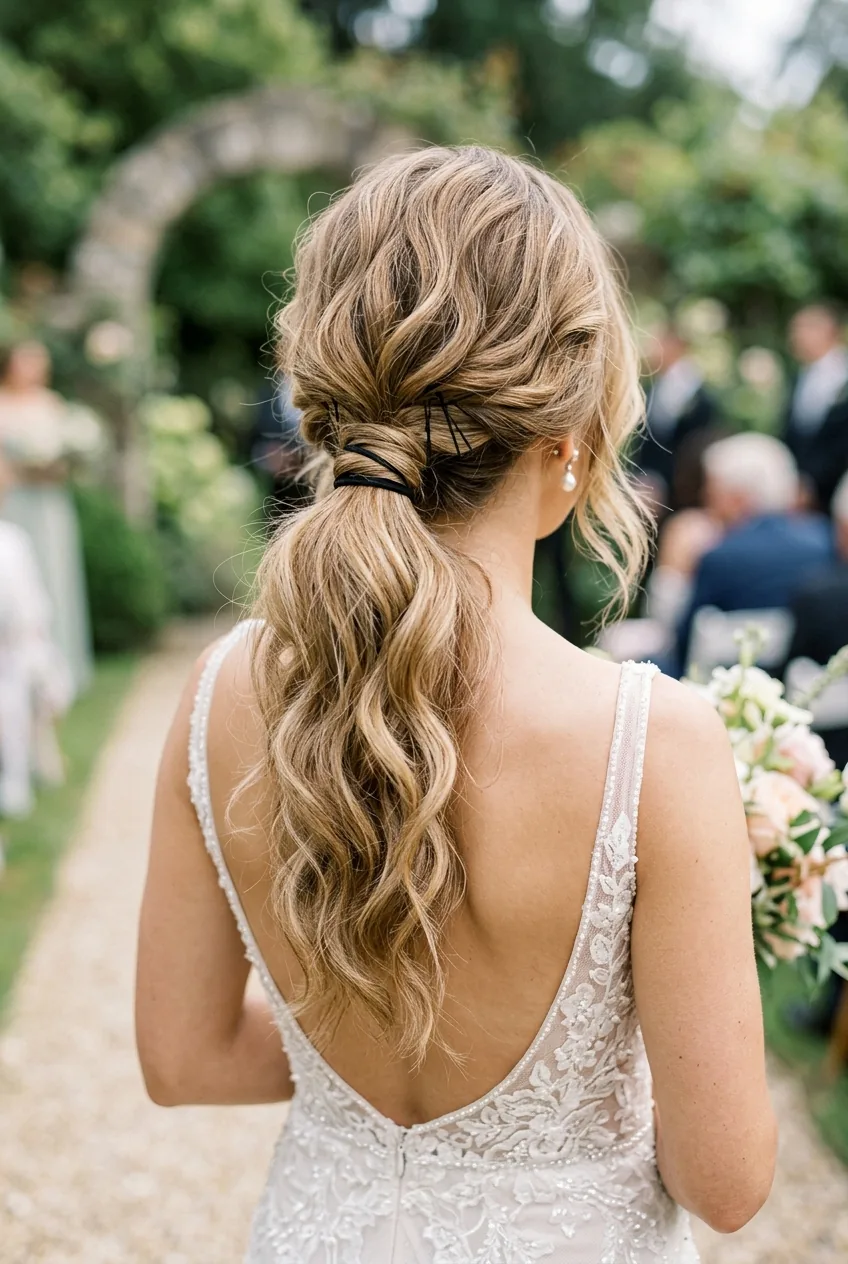
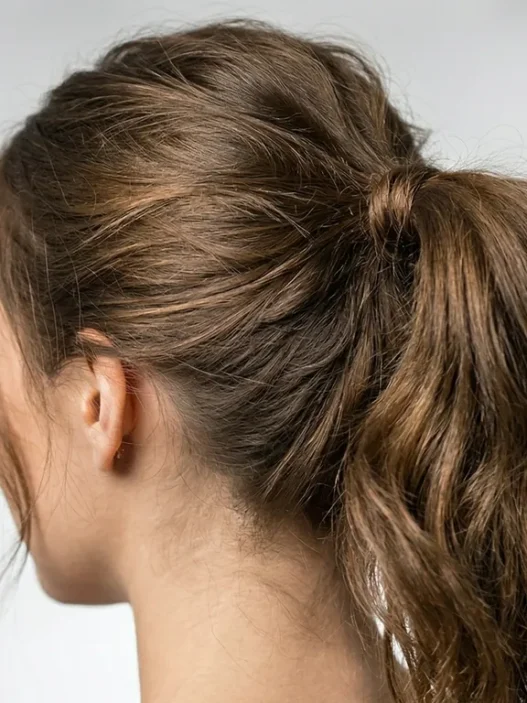
Here’s what no one mentions in those Pinterest tutorials: texture is your secret weapon, not your enemy. Clean, freshly washed hair is actually harder to style than day-old hair with a little natural oil and grit.
I started texturizing every single wedding ponytail. Light backcombing at the crown. Texturizing spray through the mid-lengths. Sometimes even a tiny bit of dry shampoo for grip. The difference was night and day.
But here’s my controversial opinion: not every bride needs the same level of texture. I’ve worked with naturally curly hair that needed smoothing more than texturizing. I’ve styled pin-straight Asian hair that required maximum grip products. The key is reading the hair, not following a formula.
The Moment Everything Changed
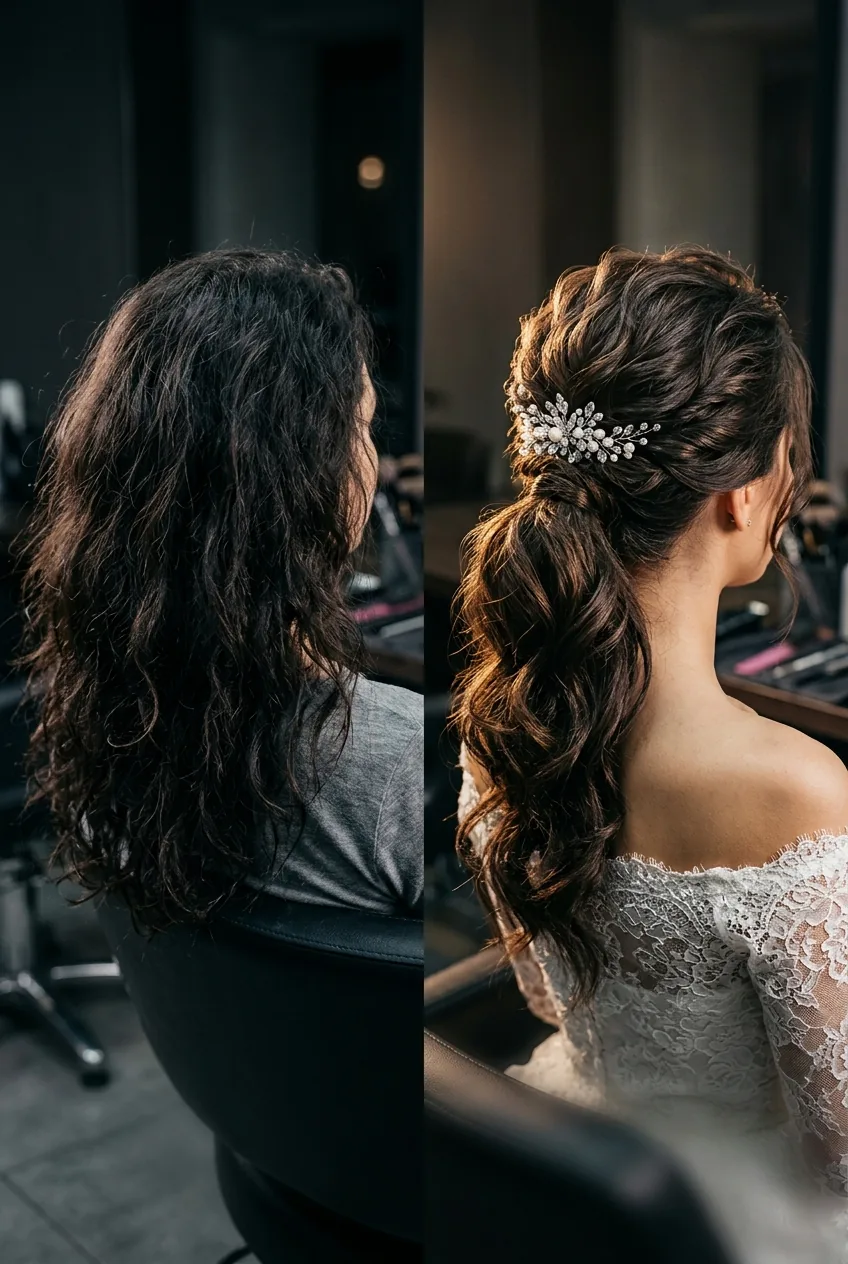
Wedding number eight. The bride wanted a low ponytail with face-framing pieces. Sounds simple enough. Except she had three different curl patterns in her hair — stick-straight at the roots, loose waves through the mid-lengths, and tight spirals at the ends.
Instead of trying to make everything match, I embraced the variety. Smooth roots for sleekness. Enhanced the natural waves. Left some of the spirals loose around her face. The result looked like it belonged to her, not like I’d forced her hair into someone else’s vision.
That’s when I understood that wedding ponytails aren’t about creating identical looks. They’re about enhancing what’s already beautiful. Working with natural textures instead of against them. Making each bride look like herself, just elevated.
The photos from that wedding still make me proud. Her hair looked intentional but not overdone. Romantic but not fussy. And most importantly, it lasted from 2 PM ceremony through midnight dancing without a single touch-up.
Watch This Technique in Action
What I’d Do Differently Now
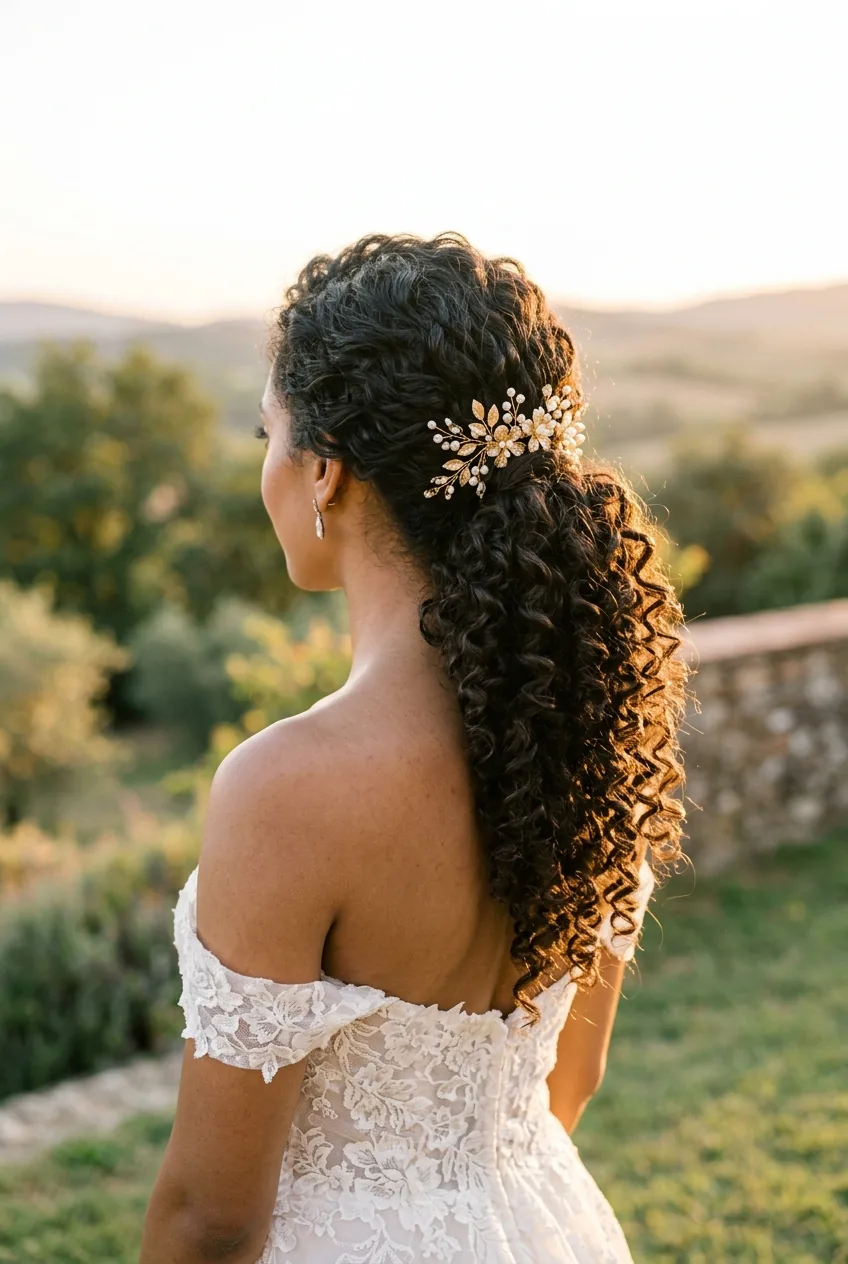
If I could go back to my sister’s wedding, I’d do everything differently. Less product, more texture prep. Lower placement for better balance. And most importantly, I’d plan for movement instead of trying to create a statue.
- Start with slightly dirty hair (day 2 is perfect)
- Use a paddle brush for the smoothest ponytail base
- Place the elastic lower than you think — it always looks higher in photos
- Save face-framing pieces for last, after the ponytail is secure
- Test the hold with gentle head shaking before declaring it done
The biggest lesson? Practice on non-wedding hair first. I wish I’d done test runs on my friends instead of learning on my sister’s actual wedding day. Now I always do a trial run two weeks before, just to work out any kinks.
And honestly? Some of my best wedding ponytails have been inspired by curly updos for wedding guests that I adapted for brides. Sometimes the most unexpected inspiration comes from looking beyond traditional bridal styles.
My Honest Take on Products
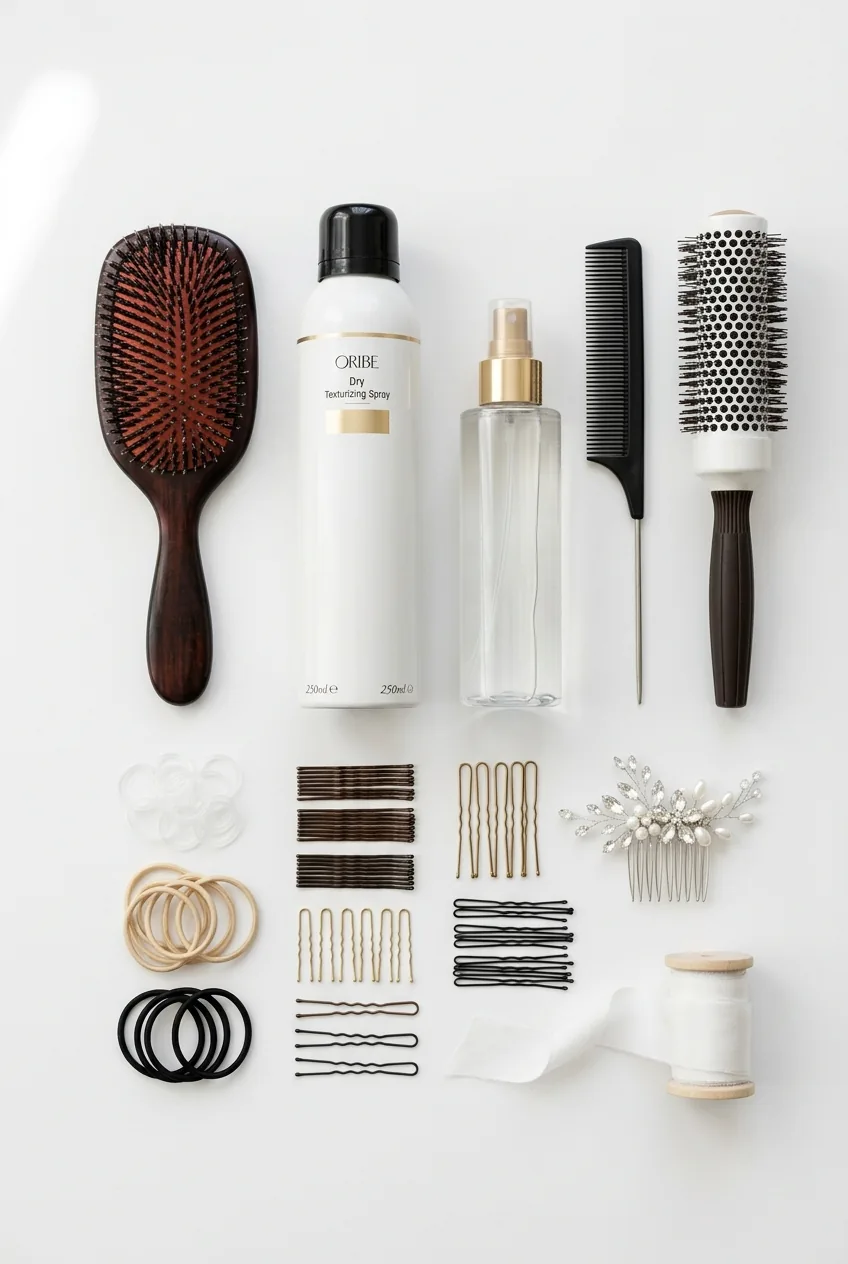
After fifteen weddings worth of product testing, I have strong opinions. You don’t need expensive everything, but you do need the right things for the specific hair you’re working with.
My non-negotiables: a smoothing serum that doesn’t weigh hair down, elastic bands that won’t snap under pressure, and bobby pins that actually grip. Everything else depends on the hair type and the look we’re creating.
The biggest product mistake I made early on? Using too much of everything. Heavy serums weighed down fine hair. Too much texturizing spray made thick hair feel sticky. Less really is more, especially when you’re aiming for something that needs to last twelve hours.
Product recommendations change constantly, but the principles stay the same. Choose lightweight formulas that enhance rather than mask. Test everything beforehand. And always have backup bobby pins.
What People Usually Ask
How far in advance should you practice a wedding ponytail?
I recommend at least two weeks before the wedding, ideally a month. This gives you time to adjust techniques and try different products if the first attempt doesn’t work perfectly.
What’s the secret to making a ponytail last all day?
Texture prep is everything. Start with day-old hair, use a texturizing spray for grip, and place the ponytail lower than you think looks right. The lower placement prevents slipping as the day goes on.
Can you do a wedding ponytail on freshly washed hair?
You can, but it’s much harder. Freshly washed hair is slippery and won’t hold texture. If you must start with clean hair, use dry shampoo at the roots and texturizing spray through the lengths to create grip.
What’s the biggest mistake people make with wedding ponytails?
Fighting their natural hair texture instead of working with it. Every hair type can create a beautiful wedding ponytail, but trying to force straight hair to be curly or curly hair to be sleek usually ends in frustration and styles that don’t last.
Looking back on this unexpected journey into wedding hair, I’m grateful for every lesson learned and every style that didn’t go according to plan. They taught me that the best wedding ponytail isn’t perfect — it’s the one that makes the bride feel beautiful and confident all day long.