








I’ve been watching bridal hair trends for years, but nothing prepared me for what happened in 2024. Suddenly, every bride I knew was asking about veil hairstyles. Not just wearing veils — but specifically styling their hair with the veil as part of the entire look. And honestly? I thought it was just another fleeting Instagram moment until I started seeing the photos.
What Changed in Bridal Hair Culture
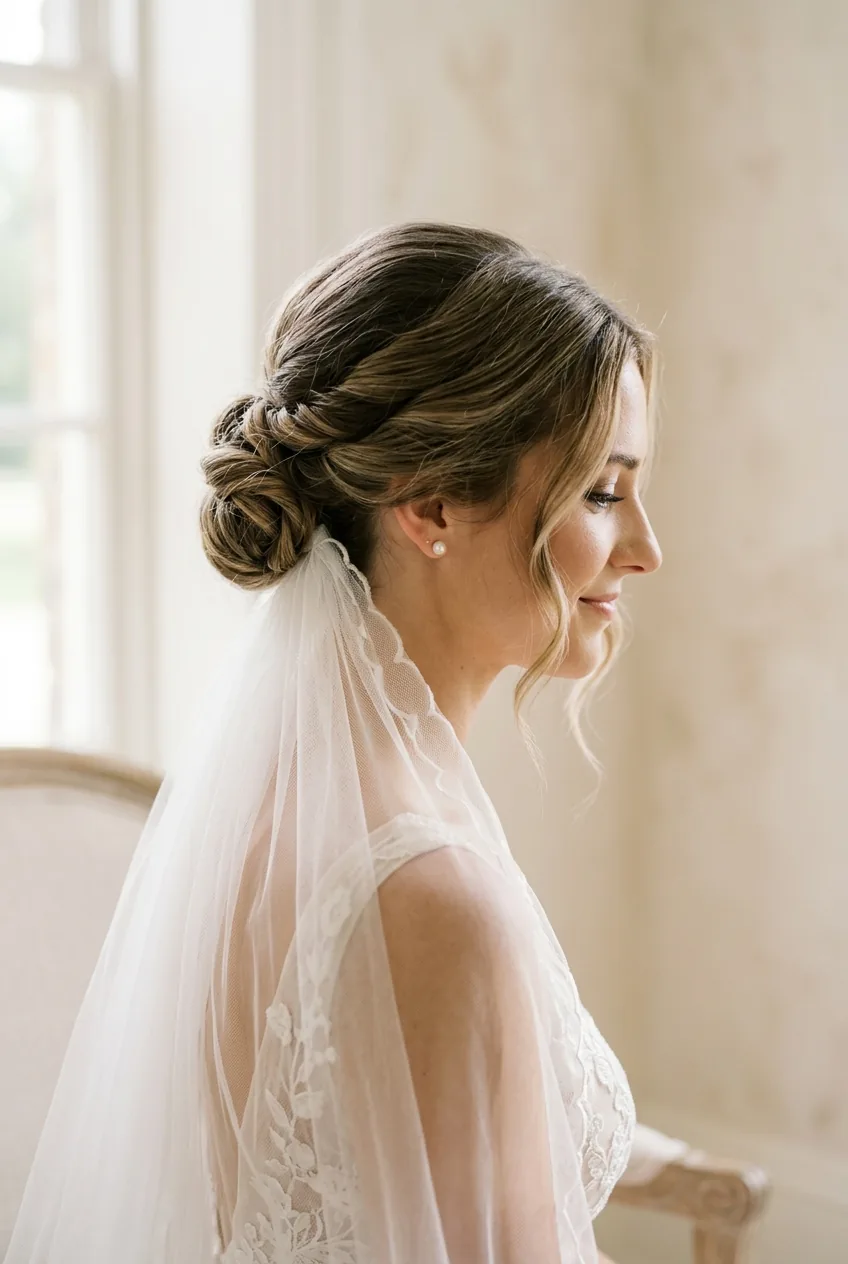
The shift started quietly around 2023, but exploded in 2024. For decades, brides treated their veil like an accessory they’d clip in last minute. Hair first, makeup second, veil as an afterthought. But something fundamental changed in how we think about bridal styling.
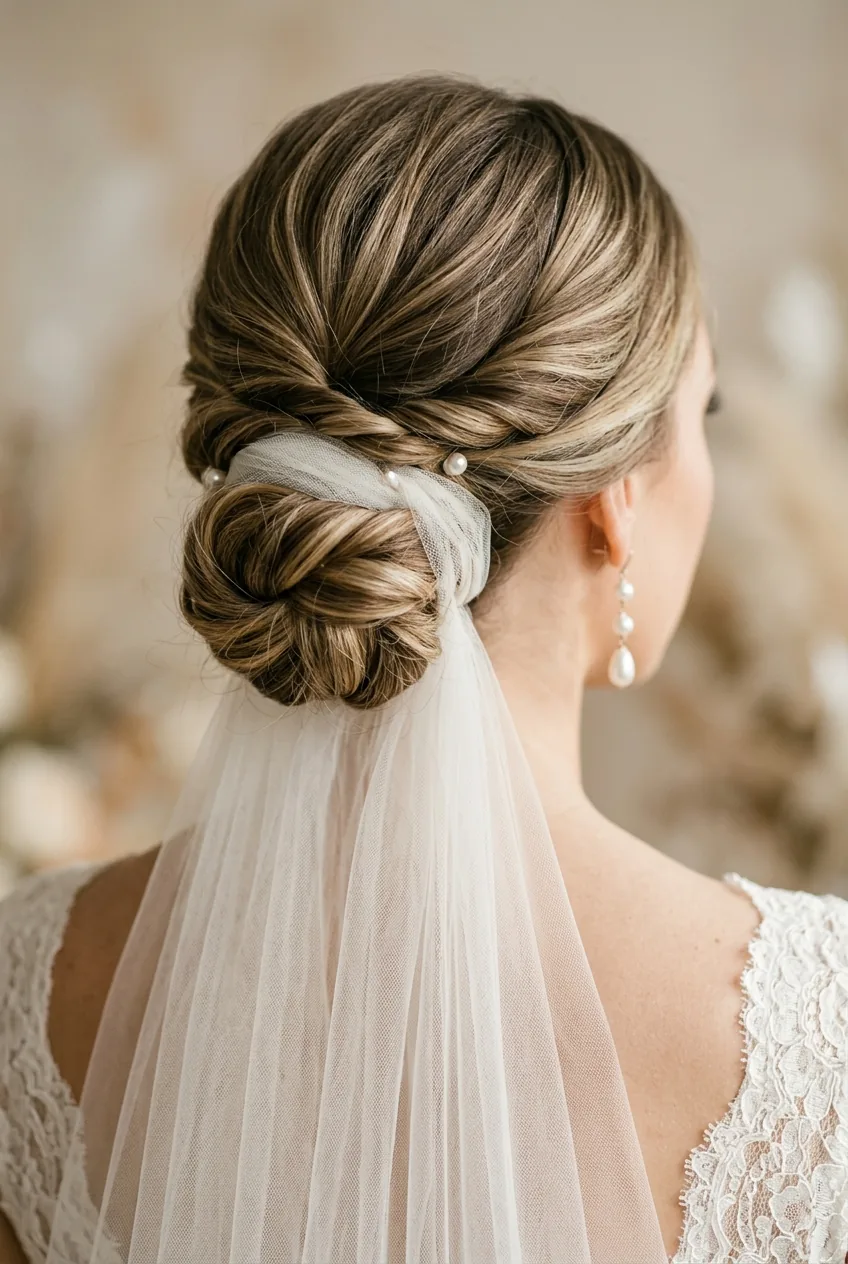
Modern brides started viewing the veil as part of their hairstyle itself. Not something added on top, but woven through. Twisted into braids. Secured with the same pins holding their updo. This isn’t just a styling choice — it’s a complete mindset shift about what makes a bridal look cohesive.
The old approach felt disjointed to me. You’d spend hours perfecting a hairstyle, then plop a veil on top and hope it didn’t slide around during photos. Now? The veil and hair move as one piece. It’s architecture, not decoration.
Social Media Drove This Renaissance
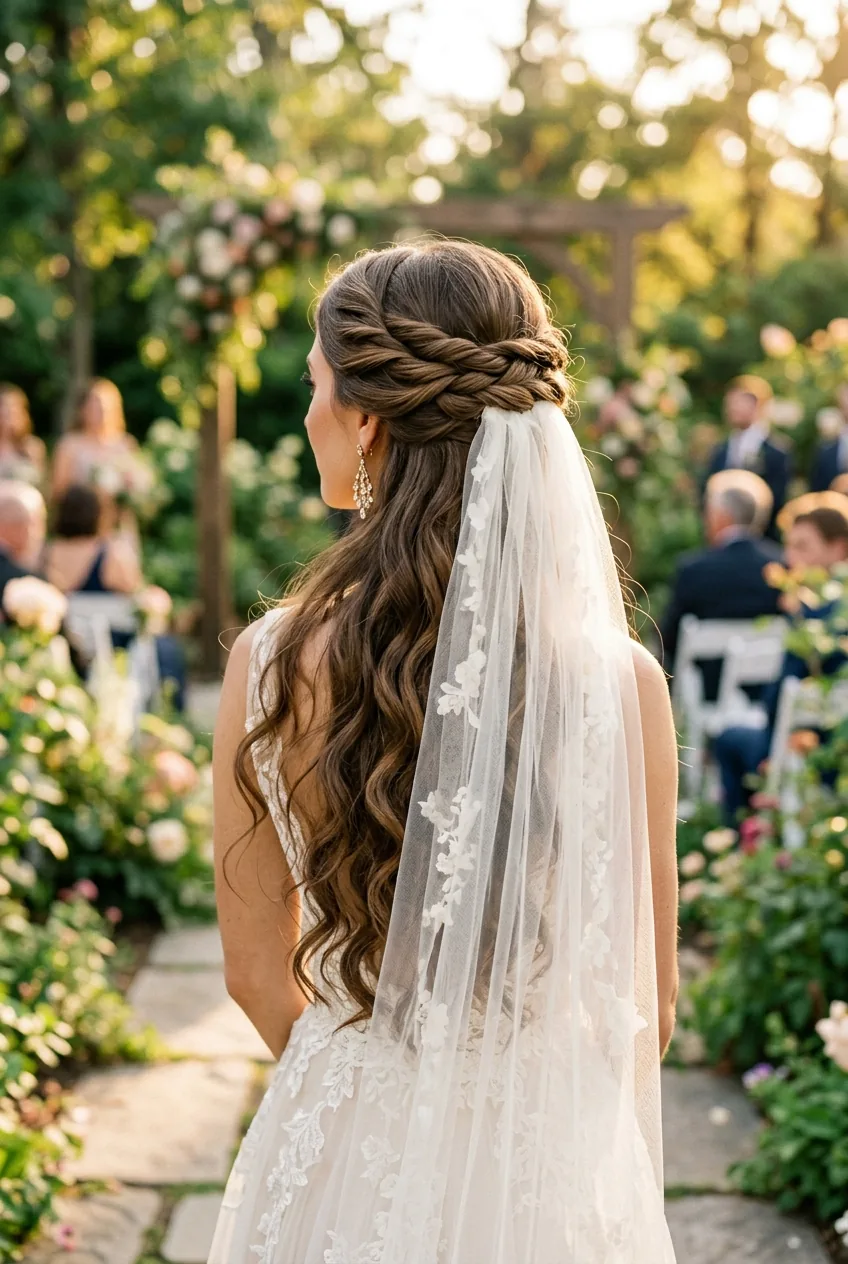
Instagram and TikTok didn’t just influence this trend — they created it. I started noticing it in behind-the-scenes wedding prep videos. Stylists would show the process of building a hairstyle around the veil placement, not despite it.
The algorithm loves transformation content, and there’s something mesmerizing about watching a stylist weave tulle through twisted hair sections. These videos were getting millions of views. Brides were screenshotting and bringing them to consultations.
But here’s what really accelerated it: the photos looked incredible. When hair and veil are designed together, you get these flowing, ethereal shots that separate in your feed. The movement, the texture, the way light catches both elements — it’s pure visual candy.
Hashtags like #veilhair and #weddinghairwithveil started trending. Bridal stylists gained followers by showcasing these integrated looks. It became a skill that set certain hair artists apart from the pack.
The Styles That Made Everyone Convert
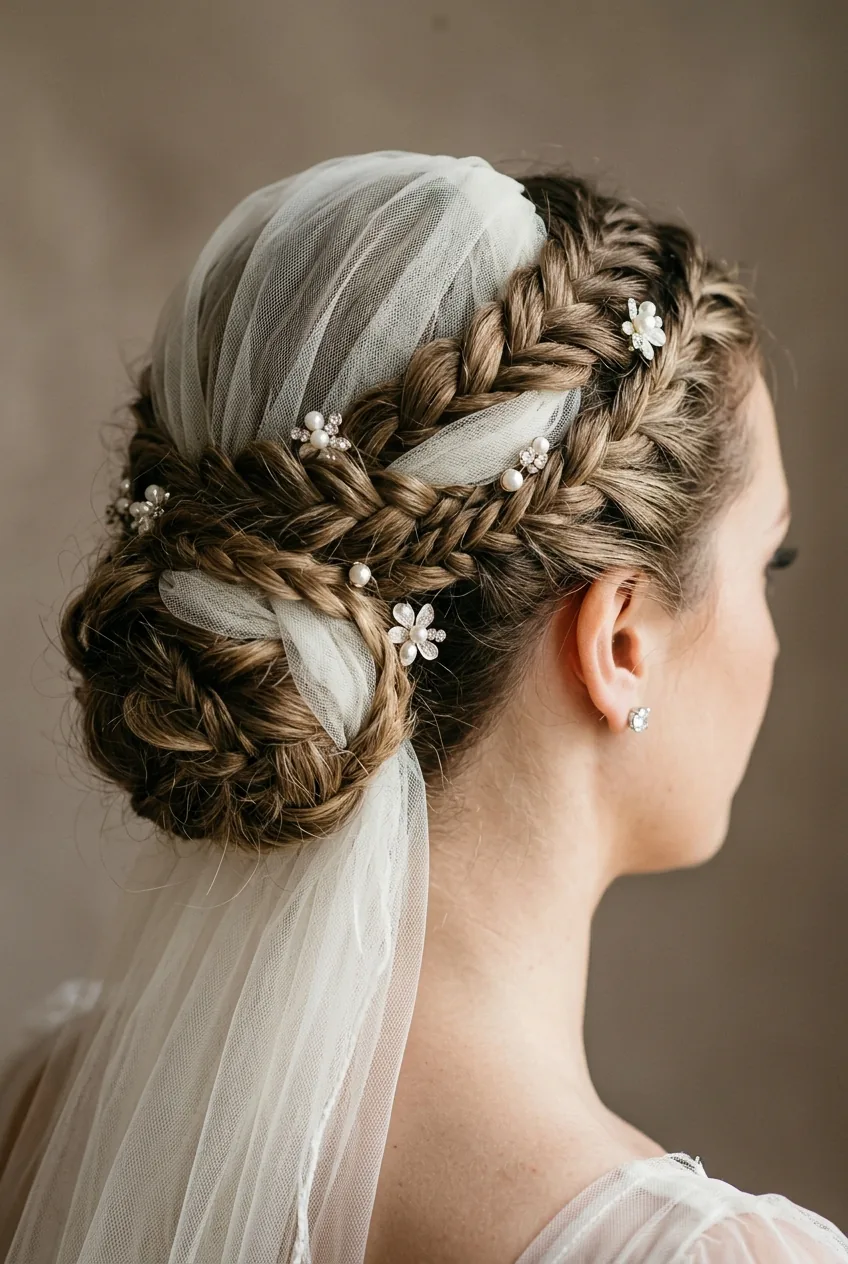
Let me walk you through the six styles that made every bride I know reconsider their original hair plans. These aren’t just pretty — they solve real problems that brides face.
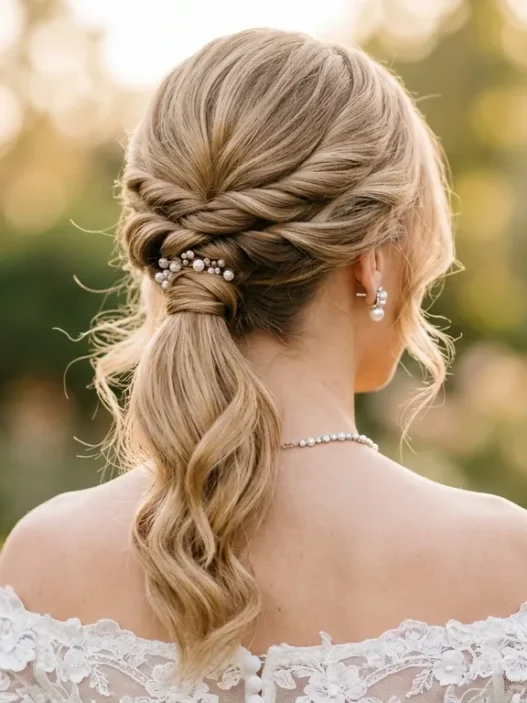
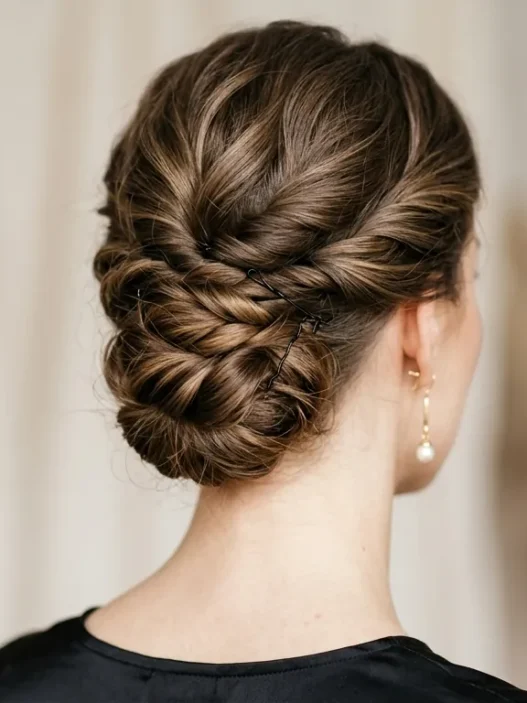
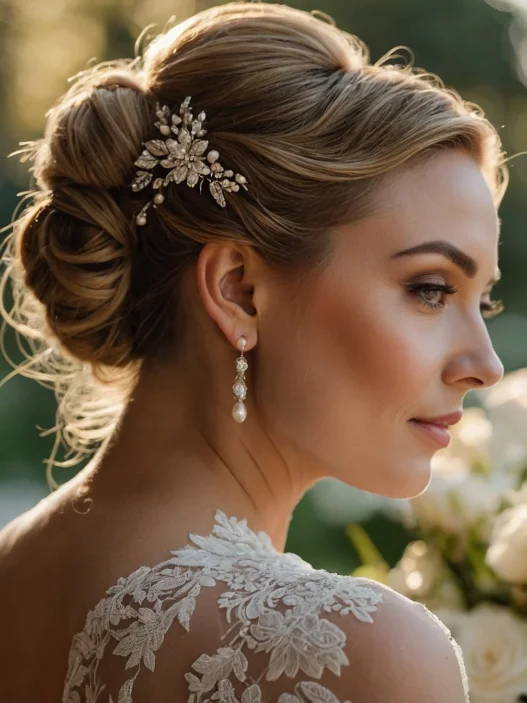
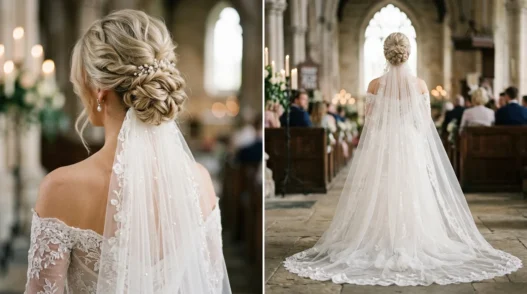
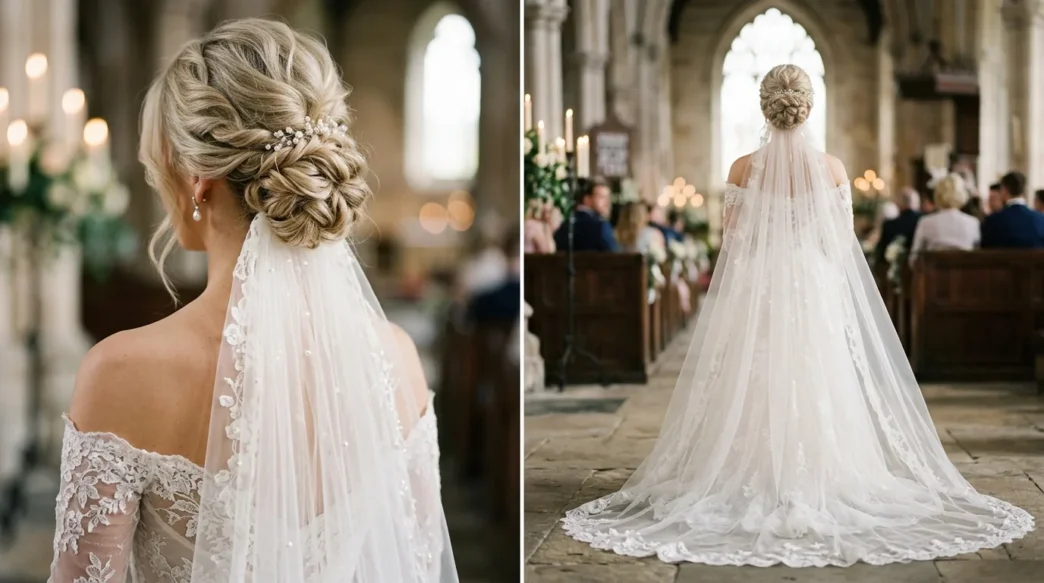
The low twisted chignon with cathedral veil became the gateway drug. The veil attaches at the nape, but sections of hair twist over and around the comb, creating this seamless integration. It photographs beautifully from every angle because there’s no harsh line where hair ends and veil begins.
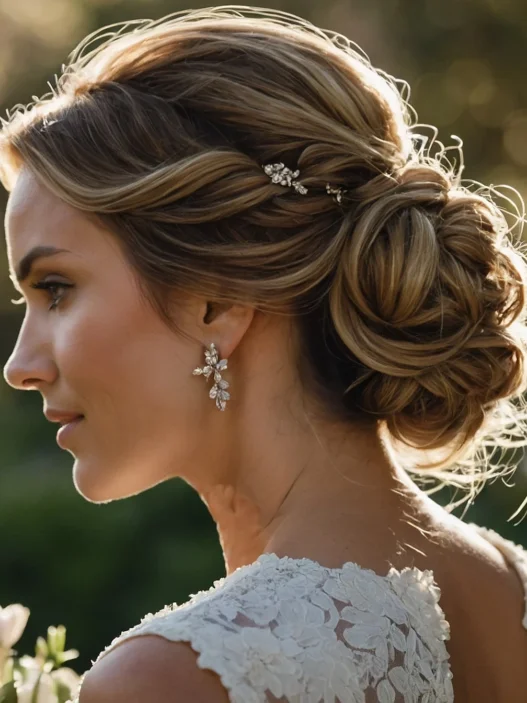
Then came the side-swept low bun with fingertip veil woven through loose pieces. This one’s genius because it works for every hair type. Fine hair gets volume from the veil fabric. Thick hair gets controlled structure. The veil isn’t fighting your hair texture — it’s enhancing it.
Half-up styles with veil integration changed everything for brides who wanted their hair down but needed something special. The veil becomes part of the twist or braid holding the top section back. It’s wedding hairstyles half up half down taken to the next level.
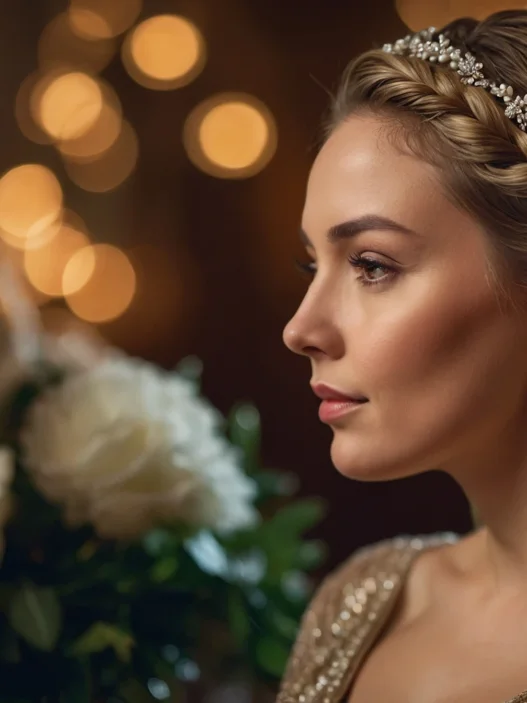
Braided updos with chapel veils showed us how traditional techniques could look completely modern. The braid isn’t just decorated with the veil — the veil is literally braided in, creating this incredible textural contrast between hair and tulle.
For winter brides, structured updo techniques became essential viewing. These winter wedding braided hairstyles showed how veils could add warmth and elegance to cold-weather ceremonies.
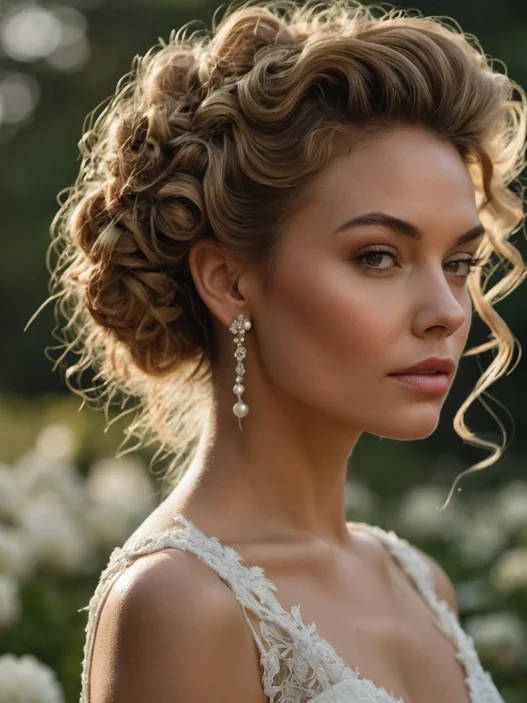
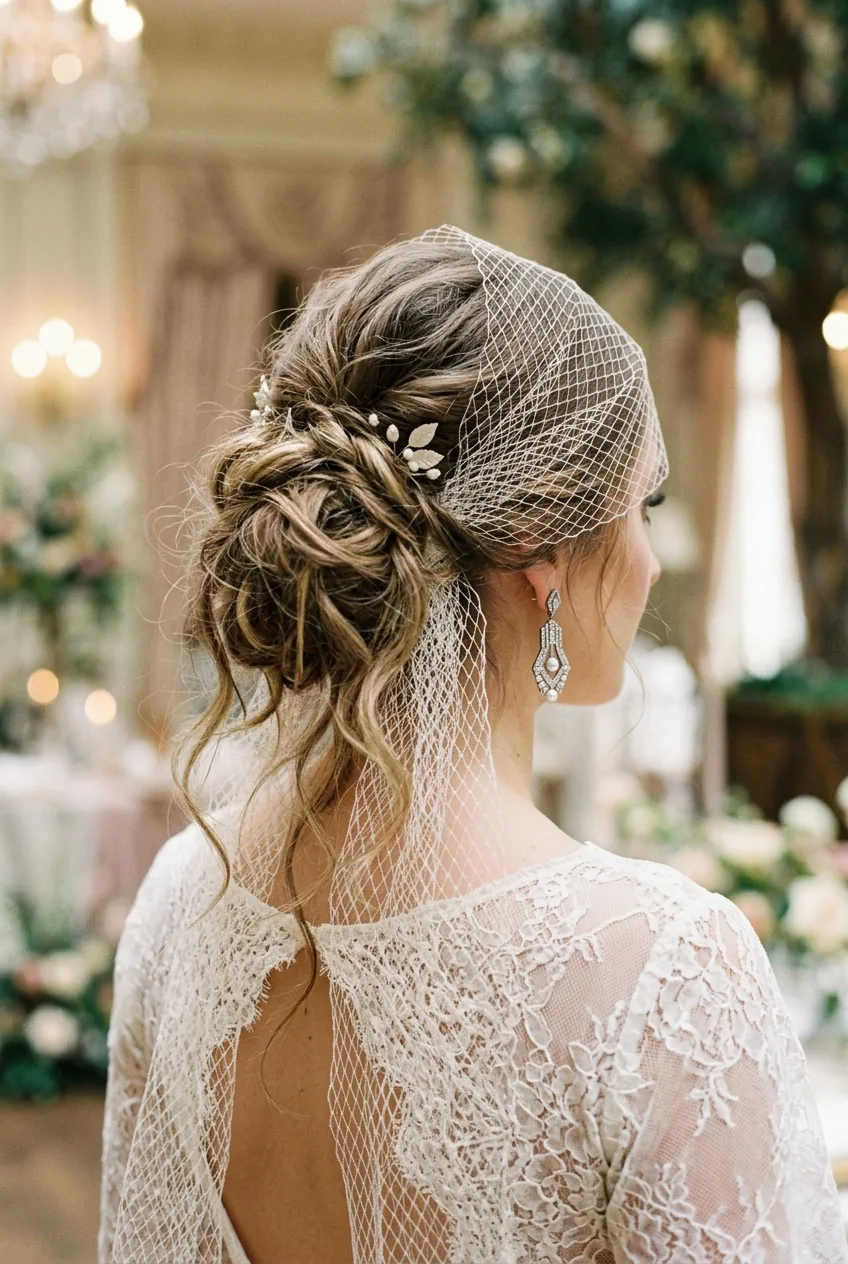
The romantic loose updo with birdcage veil made vintage-loving brides swoon. Instead of the veil sitting on top of perfectly smooth hair, pieces are deliberately left loose to mingle with the netting. It’s perfectly imperfect.
See the Integration Process Live
Why Hair Stylists Are Obsessed
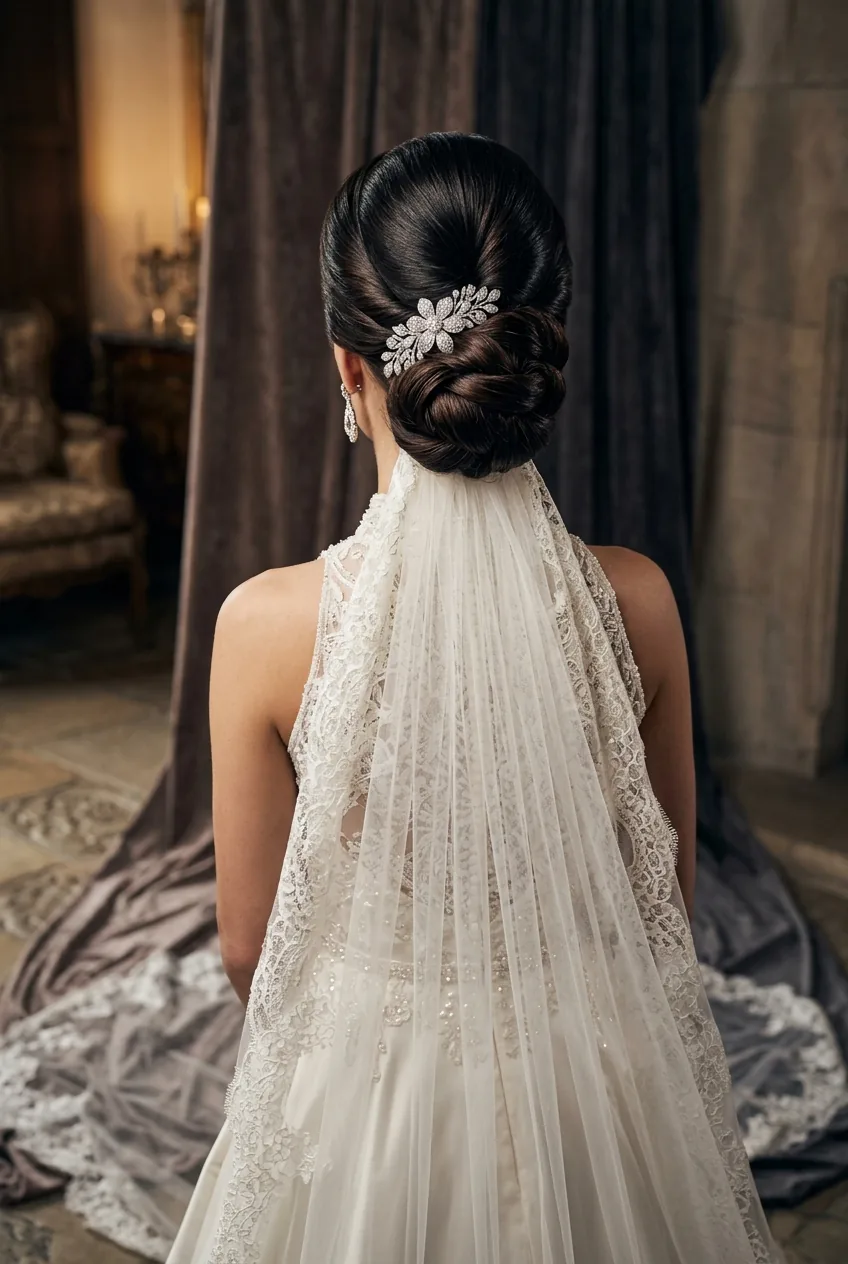
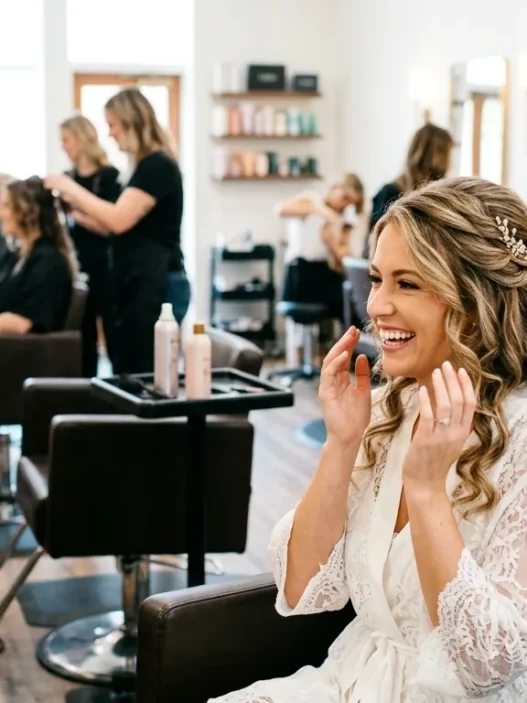
I’ve talked to probably twenty bridal stylists this year, and they all say the same thing: veil integration makes their job more creative and more secure. Instead of doing hair and hoping the veil cooperates, they’re designing complete looks from the start.
“It’s like the difference between hanging a painting on a wall and designing the room around the painting,” one stylist told me. When you know where the veil will attach and how it needs to move, every pin placement becomes intentional.
From a business perspective, these integrated styles take more skill and time — which means higher prices and less competition from DIY brides. You can’t just watch a YouTube tutorial and recreate these looks. The physics of weight distribution and pin placement require real experience.
Plus, stylists love the longevity. Traditional updos can loosen throughout the day, but when the veil is part of the structure, everything stays more secure. Fewer emergency touch-ups mean happier brides and better reviews.
Celebrity Brides Sealed the Deal
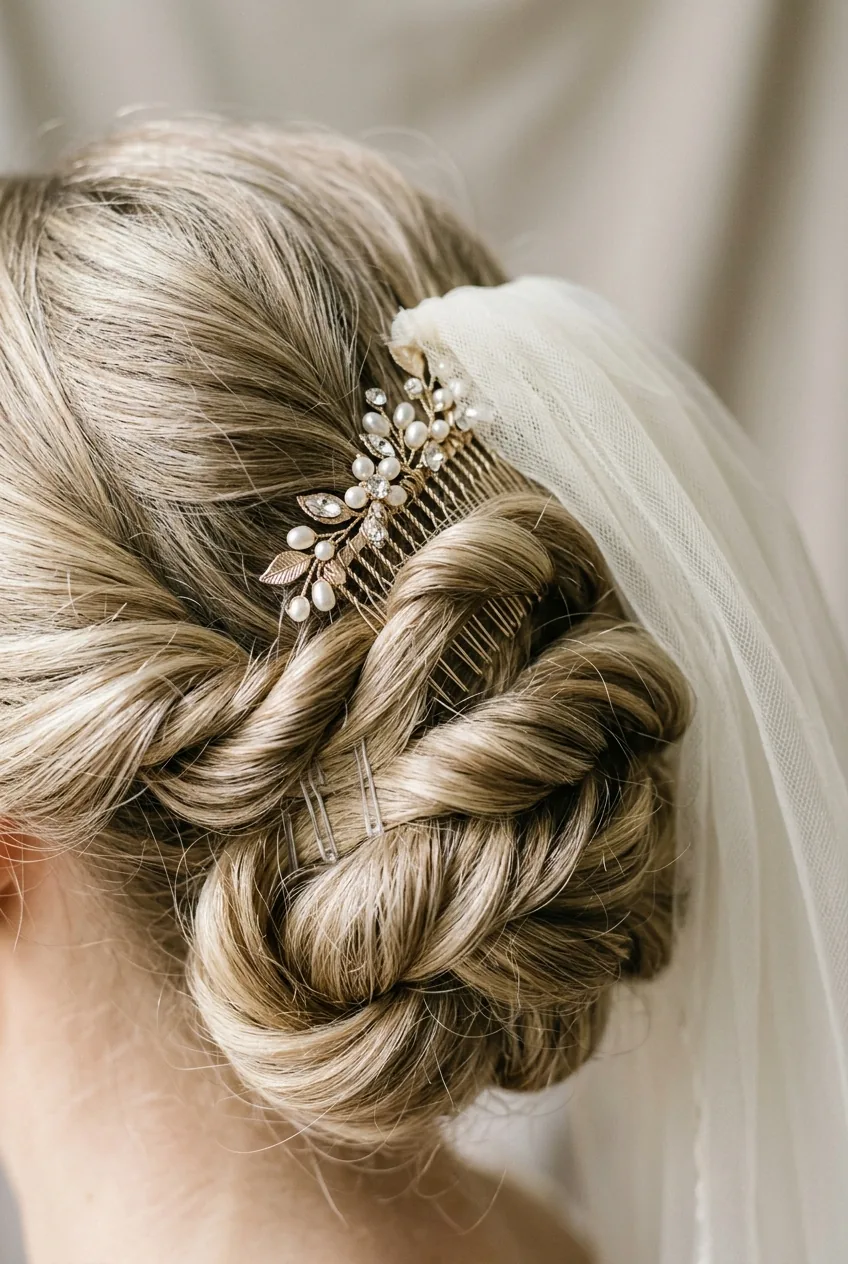
Celebrity weddings always influence bridal trends, but 2024 was different. Multiple A-listers chose veil-integrated hairstyles, and each one felt completely unique to their personality.
The most influential was probably the textured low bun with cathedral veil that looked like it grew naturally from the hair itself. No visible comb, no obvious attachment point — just this flowing transition from twisted hair to cascading tulle.
What sealed it for regular brides was seeing how these styles photographed in real wedding environments. Not just the perfect getting-ready shots, but during ceremonies, receptions, dancing. The hair and veil moved together beautifully in every situation.
Social media amplified these celebrity looks instantly. Within hours of photos being published, bridal stylists were getting requests for “that exact style.” The democratization was immediate — what a celebrity wore on Saturday became a Pinterest trend by Monday.
Will This Trend Actually Last?
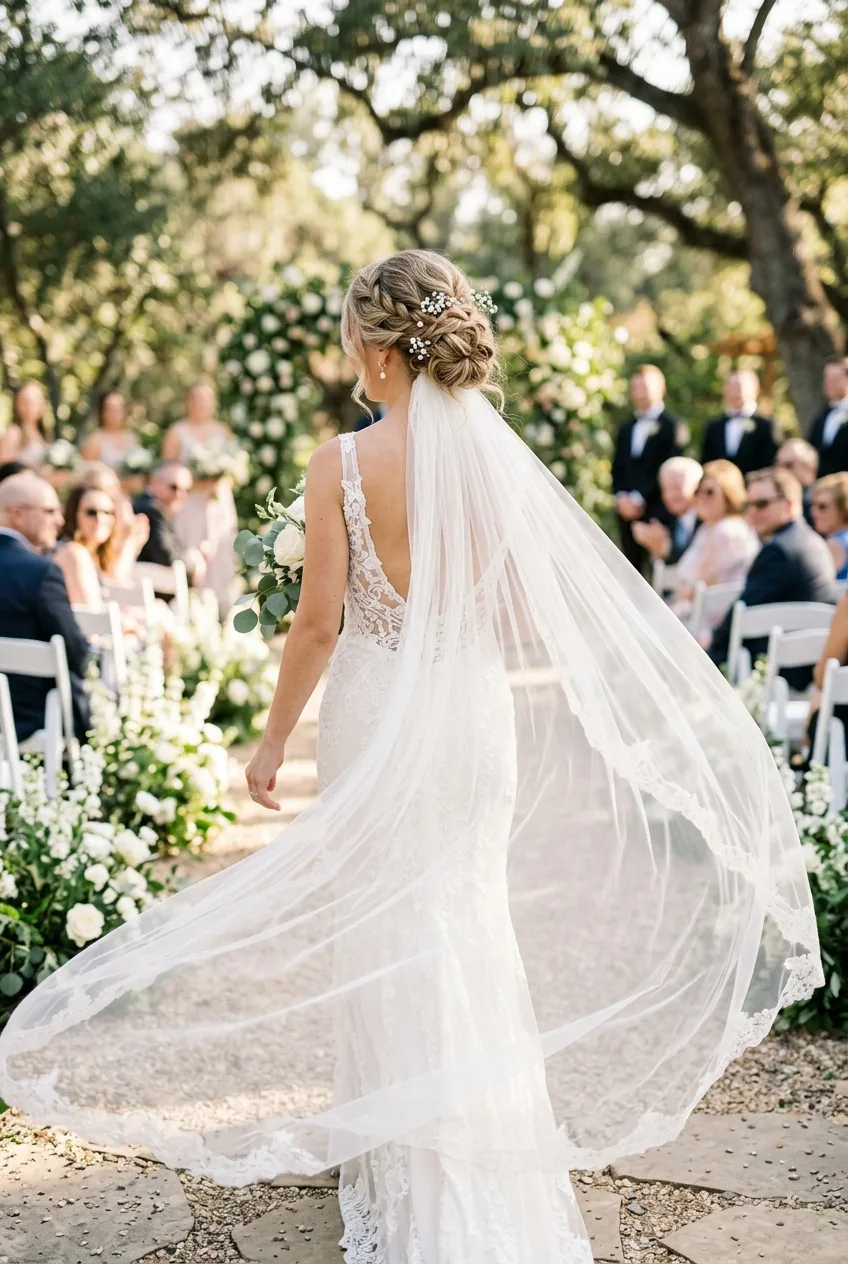
Here’s my controversial take: this isn’t really a trend. It’s an evolution. Once you see how much better integrated veil hairstyles look and function, going back to the old “hair then veil” approach feels primitive.
Think about it — we don’t call “coordinating your shoes with your outfit” a trend. It’s just good styling. That’s what veil integration has become. It’s not a passing fad; it’s a better way of doing bridal hair.
The techniques will continue evolving. I’m already seeing stylists experiment with colored veils, multiple layers, and non-traditional veil materials. But the core concept — designing hair and veil as one cohesive element — that’s here to stay.
What might fade are some of the more elaborate executions. The styles requiring five hours of prep and forty-seven bobby pins? Those will probably give way to simpler integrations that still look cohesive but don’t require a degree in engineering.
My prediction: by 2026, every good bridal stylist will offer veil integration as standard, not specialty. Brides who want their veil as an add-on afterthought will be the exception, not the rule. And honestly? Their photos will show the difference.
Questions I Get About This
Does veil integration work with all hair types?
Absolutely, but the approach changes. Fine hair benefits from the veil adding volume and texture, while thick hair uses the veil for elegant structure and flow. Your stylist should adjust the technique to work with your natural hair, not against it.
Is it more expensive than traditional bridal hair?
Usually, yes. Integrated veil styling takes more time, skill, and planning than basic updos plus veil placement. Expect to pay 20-40% more, but the results and longevity throughout your wedding day make it worth every penny.
Can you change the veil during the reception?
This depends entirely on how integrated the style is. Some allow for easy veil removal while keeping the hairstyle intact, but others are so intertwined that removing the veil would destroy the look. Discuss this with your stylist during planning.
Do you need a longer engagement to plan this?
Not necessarily longer, but you do need earlier coordination between your hair stylist and veil choice. Book your hair trial after you’ve selected your veil, not before. The two elements need to be planned together from the start.
Looking back at this year, I’m convinced we just witnessed bridal hair grow up. The integration of veils into hairstyles wasn’t just a pretty trend — it solved real problems and created better results. And once brides experienced that difference, there was no going back to the old way.