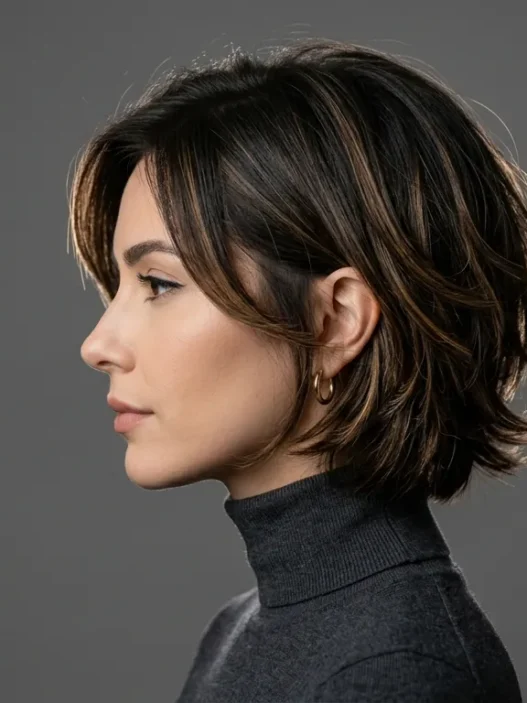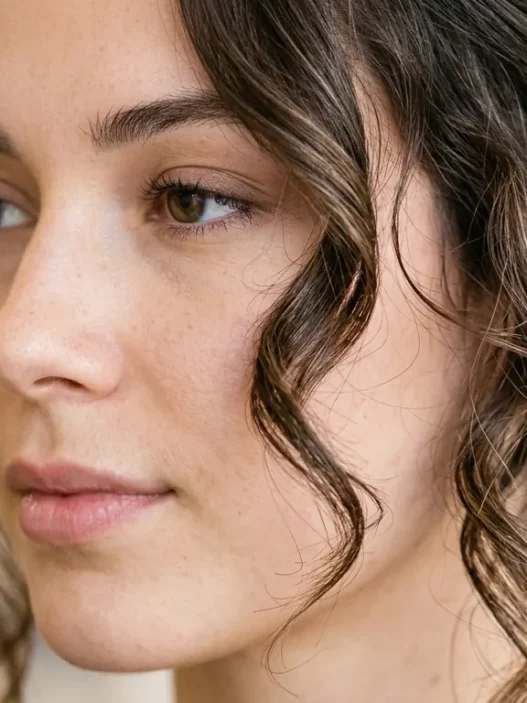


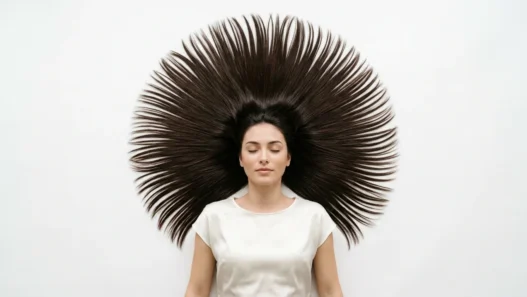










I’ve been experimenting with long layered haircuts for over a decade, and I’m going to tell you something that might shock you: most of them are disasters waiting to happen. Last month, I watched my sister walk out of a salon with what the stylist called “gorgeous long layers” that looked more like a pyramid than anything flattering. It got me thinking about why this cut is so universally requested yet so rarely executed well.
What You’ll Learn About Long Layered Haircuts
Why Most Long Layers Fall Flat

Here’s what nobody wants to admit: long layered haircuts are incredibly unforgiving. I’ve seen countless women request them thinking they’ll add movement and volume to their hair, only to end up with something that looks thin, stringy, and dated.
The problem starts with unrealistic expectations. Most people see those gorgeous Instagram photos of long layers and assume their hair will behave the same way. But those photos? They’re usually taken right after a professional styling session, with perfect lighting and likely some digital enhancement.
I learned this the hard way when I first tried long layers in my twenties. My hair looked amazing for exactly one day — the day I left the salon. By day three, I was dealing with weird chunks that wouldn’t blend, pieces that flipped out at random angles, and an overall shape that seemed to change depending on how I slept.
The reality is that long layers require specific hair types and textures to work properly. Fine hair often gets overwhelmed by too many layers, creating a thin, wispy effect instead of the full, bouncy look you’re after. Thick, coarse hair can end up looking bulky and uneven if the layers aren’t precisely placed.
And let’s talk about maintenance. Long layered cuts need regular trims every 6-8 weeks to maintain their shape. Skip a trim, and you’ll notice the layers growing out unevenly, creating that dreaded triangle effect that makes your hair look like it’s from 2005.
The Science Behind Layer Placement

This is where things get technical, and honestly, it’s fascinating once you understand it. The placement of layers isn’t random — there’s actual science behind where each cut should fall to complement your bone structure and hair growth patterns.
Your hair grows in a natural fall pattern that follows the shape of your head. When layers are cut against this natural pattern, you end up fighting your hair every time you style it. I’ve noticed that the best long layered cuts work with your hair’s natural tendencies, not against them.
Face shape plays a huge role too. Layers that hit at your jawline can either enhance or completely overwhelm your features. For round faces, layers that start below the chin help elongate the face. For square faces, softer layers around the cheekbones can soften angular features.
But here’s something most stylists don’t consider: your lifestyle. Professional layering techniques can create stunning results, but only if they match how you actually style your hair day-to-day. If you’re someone who air-dries and goes, you need layers that work with minimal styling. If you love to curl or straighten your hair regularly, you need layers that enhance those styling choices.
The angle of each layer matters too. Steep layers create more dramatic movement but can look choppy if not executed perfectly. Subtle, gradual layers blend more seamlessly but might not give you the dimension you’re looking for. It’s all about finding that sweet spot that works with your specific hair type and styling preferences.
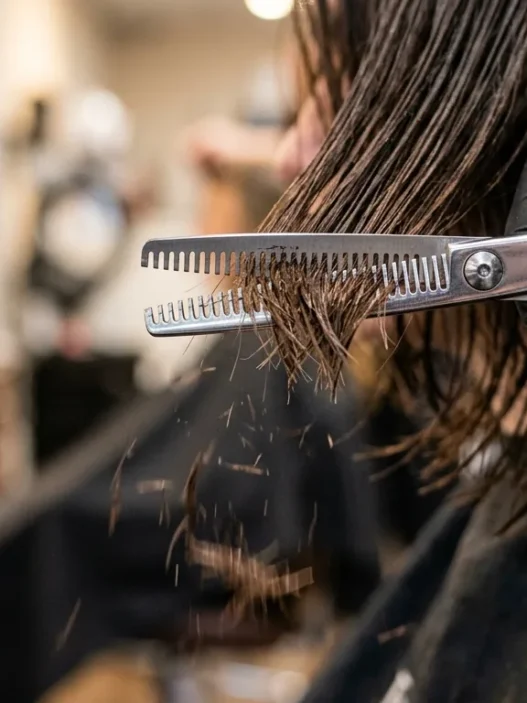
See the Technique in Action
What The Industry Gets Wrong
I’m going to be controversial here, but I think the beauty industry has done women a disservice by promoting long layers as a one-size-fits-all solution. Walk into most salons, and they’ll happily give you long layers regardless of whether they’ll actually flatter you.
The biggest mistake I see stylists make? They focus too much on the length and not enough on the density distribution. They’ll give someone with fine hair the same layering technique they’d use on thick hair, then wonder why it looks thin and stringy.
Another issue is the cookie-cutter approach to layer placement. I’ve watched stylists use the same layering pattern on completely different face shapes and hair textures. It’s like using the same recipe for chocolate cake and carrot cake — the technique might be similar, but the ingredients require different approaches.
The trend cycle is part of the problem too. Long layers become trendy, everyone wants them, and stylists start cutting them on everyone who walks through the door. But trends shouldn’t override what actually works for individual clients. I’ve seen too many women leave salons with cuts that photograph well for Instagram but look terrible in real life.
What really frustrates me is when stylists don’t explain the commitment involved. Long layered cuts require specific products, tools, and techniques to look good consistently. If a client doesn’t have the time, skill, or products to maintain the cut, it’s going to look bad within a week of leaving the salon.
And don’t get me started on the “lived-in” layer trend. Yes, effortless-looking hair is beautiful, but truly effortless styling requires incredibly precise cutting. Those layered fall haircuts that look so natural actually take serious skill to execute properly.
The Nuance Nobody Mentions
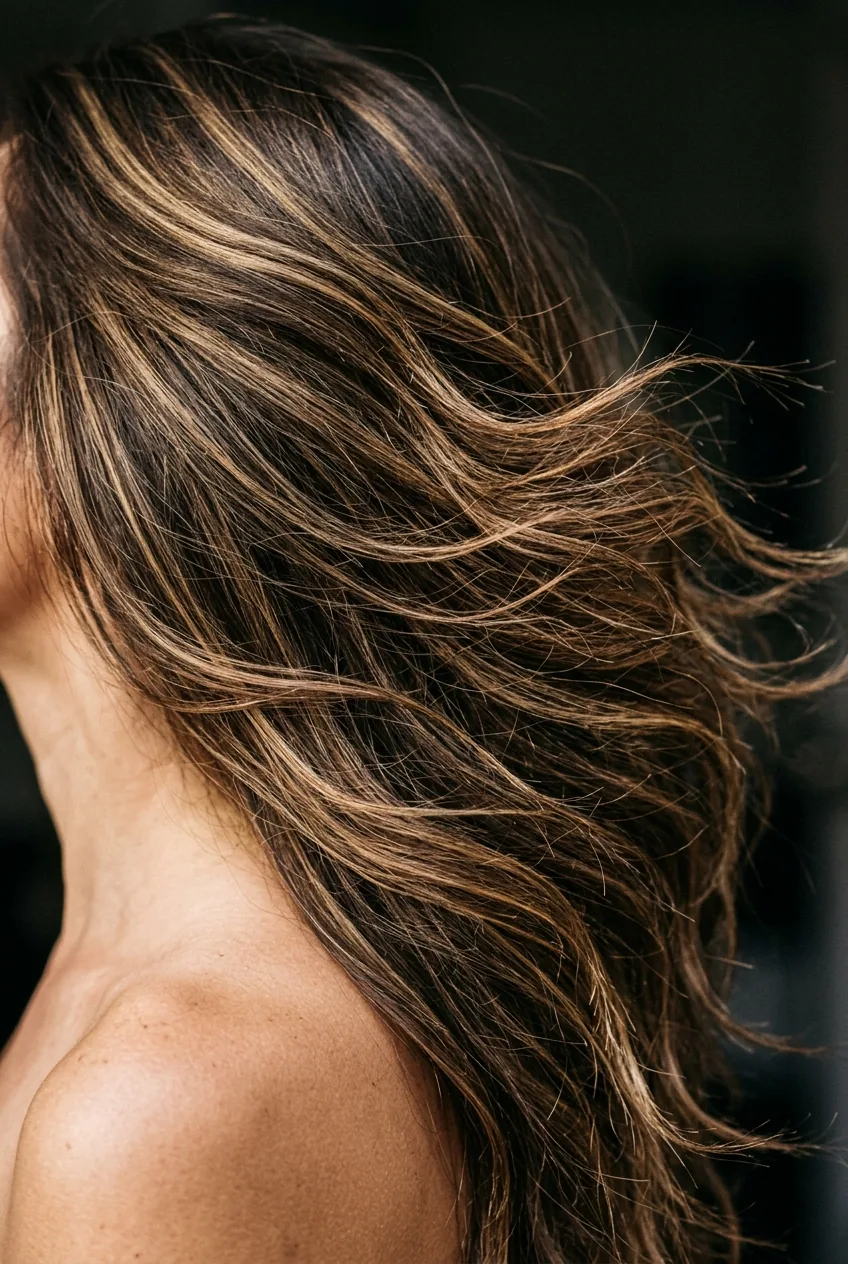
Here’s what I wish someone had told me before my first long layered haircut: it’s not just about the cut itself, it’s about how that cut interacts with everything else about your hair and lifestyle.
Your hair’s porosity affects how layers will look and behave. High porosity hair might grab onto moisture unevenly, making some layers appear frizzy while others look smooth. Low porosity hair might resist styling products, making it harder to enhance the movement that layers are supposed to provide.
The direction of your cowlicks matters more than most people realize. I have a double cowlick at my crown that makes certain layer placements look completely wrong on me. A good stylist should identify these growth patterns before making the first cut.
Seasonal changes affect long layered cuts differently than other styles. In humid weather, layers can separate and look stringy. In dry weather, they might lack the movement they’re supposed to provide. I’ve learned to adjust my styling routine based on the weather, something I never had to do with blunt cuts.
Your styling tools make or break the look. Long layers often require round brushes for blow-drying, and not just any round brush — the size needs to match the length of your shortest layers. I went through three different brushes before finding one that worked with my specific cut.
Color placement becomes crucial with layered cuts. Highlighting techniques for layers can either enhance the dimension or make the cut look disjointed. I’ve seen beautiful cuts ruined by poorly placed highlights that emphasized the wrong sections.
When Long Layers Actually Work
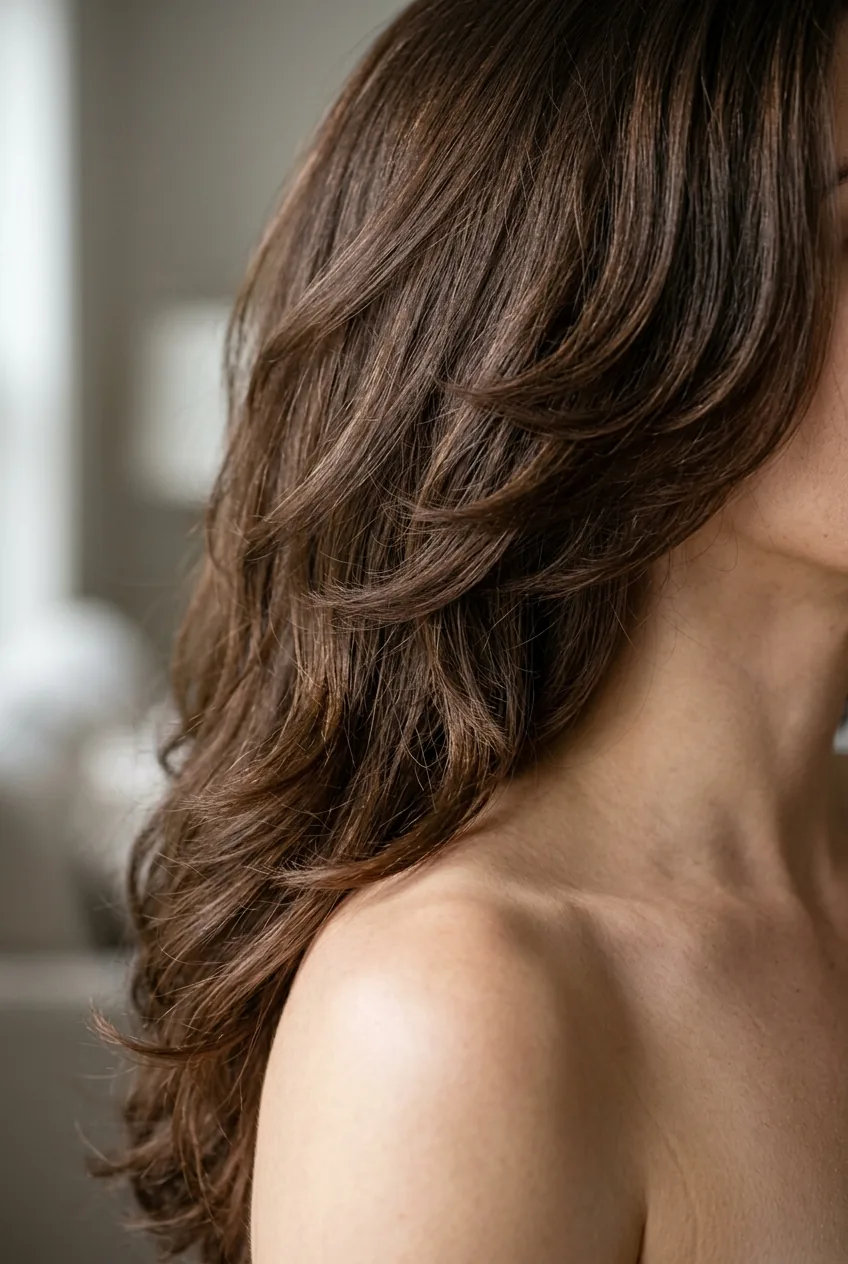
Despite everything I’ve said, I still love long layered haircuts when they’re done right. The key is knowing when you’re a good candidate and finding a stylist who understands the nuances.
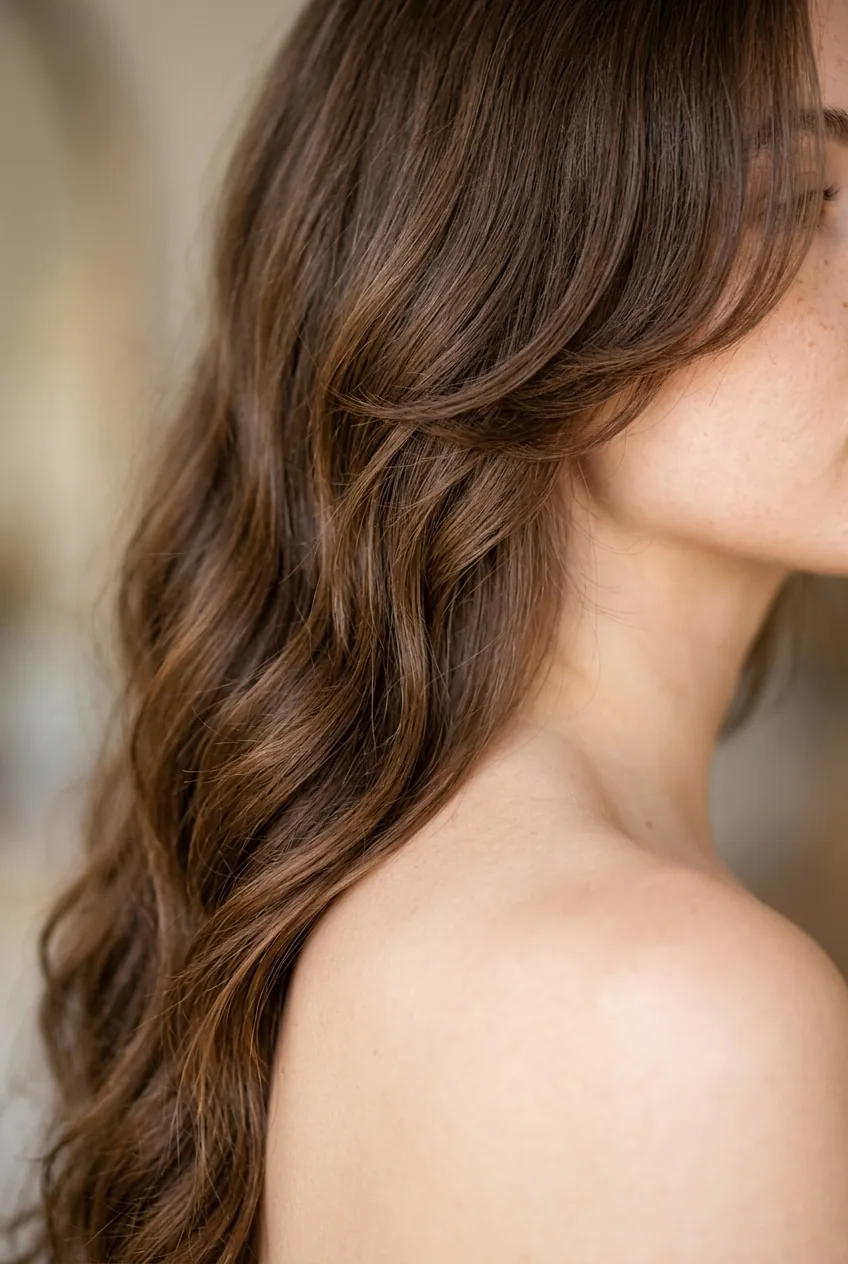
If you have naturally wavy or curly hair with good density, long layers can be absolutely stunning. The natural texture helps disguise any imperfections in the cut, and the layers enhance your hair’s natural movement patterns.
Straight hair can work with long layers too, but it requires more precision. Every cut line is visible, so there’s no room for error. But when done well, long layers on straight hair create beautiful movement and prevent that heavy, blunt look that can drag your features down.
I’ve found that long layers work best on people who enjoy styling their hair and have the time to do it properly. If you’re someone who loves experimenting with different looks — sometimes wearing it sleek and straight, sometimes adding waves or curls — long layers give you that versatility.
The maintenance commitment is real, but if you’re already getting regular trims and touch-ups, long layers don’t add much more to your routine. The key is finding a stylist you trust and sticking with them. Each trim should build on the previous cut, refining the shape rather than starting over.
What I love most about well-executed long layers is how they can make your hair look fuller and more dynamic without sacrificing length. When I see someone with perfectly cut long layers, there’s a movement and life to their hair that’s genuinely beautiful. Those layered cuts that work create an effortless elegance that’s hard to achieve with other styles.
The bottom line? Long layered haircuts aren’t for everyone, and that’s okay. But if you’re considering them, do your research. Look at photos of the stylist’s work, ask about their experience with your hair type, and be honest about your styling abilities and time constraints. A good long layered cut should make your daily routine easier, not harder.