








I used to be terrified of layers. For years, I avoided them like the plague after one traumatic experience in college where a stylist turned my bob into what looked like a mullet. But staying away from layers because of bad advice and old wives’ tales? That’s exactly what kept me from some of the best haircuts of my life.
Myth: Layers Always Make Fine Hair Look Thinner
This is the biggest lie perpetuated in the hair world, and I bought into it for way too long. The truth? Strategic layers can actually create the illusion of thickness and movement in fine hair.

The key word here is “strategic.” When a stylist removes weight from the bottom and adds shorter pieces throughout, it prevents that flat, lifeless look that single-length cuts often create on fine hair. I’ve seen this transformation dozens of times — women who thought layers would make their hair look stringy end up with bouncy, voluminous cuts.
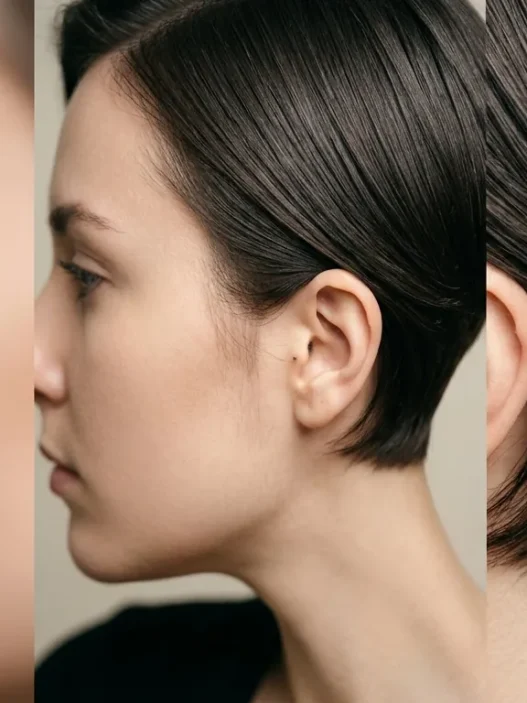
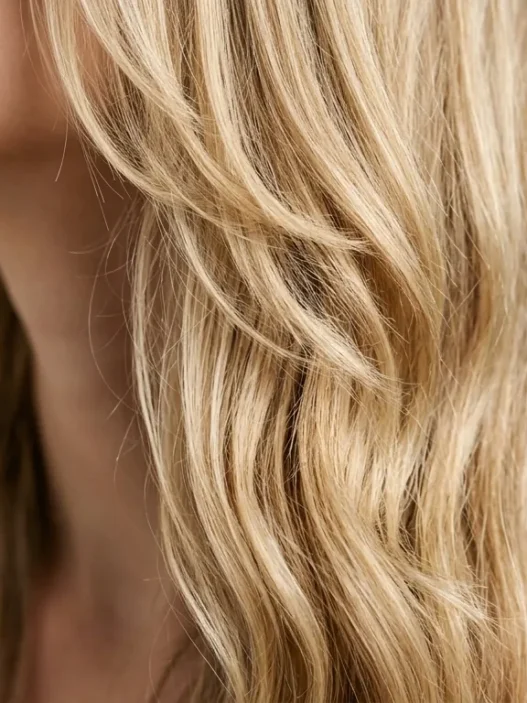
What actually makes fine hair look thin is blunt cuts that hang like curtains, or poorly executed layers that create too much space between sections. The secret is asking for “internal layers” rather than heavily graduated ones. Look at how she’s styled hers — those subtle layers create movement without removing bulk.
Myth: You Need a High-End Salon for Good Layers
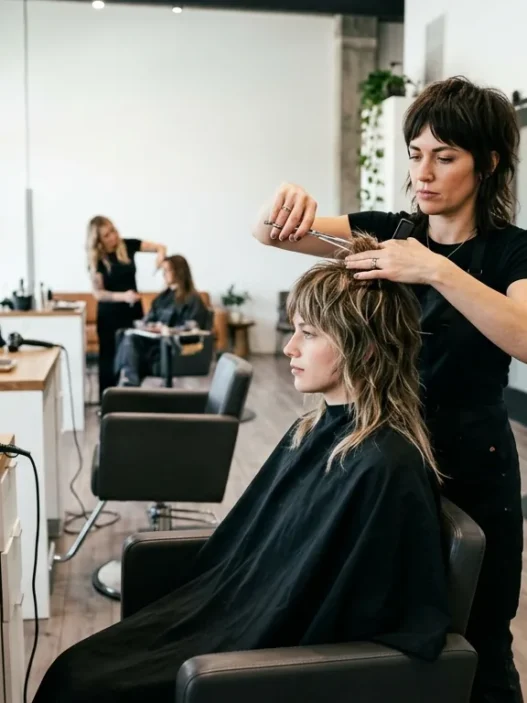
I’m going to be controversial here: some of my best layered cuts have come from mid-range salons, not the fancy ones charging $200+. The difference isn’t the salon’s marble floors — it’s finding a stylist who actually understands your hair texture and face shape.
Expensive salons often push trendy cuts that look great on Instagram but don’t necessarily work for your lifestyle. I’ve learned to look for stylists who ask questions: How do you usually style your hair? How much time do you spend on it each morning? Do you blow dry or air dry?
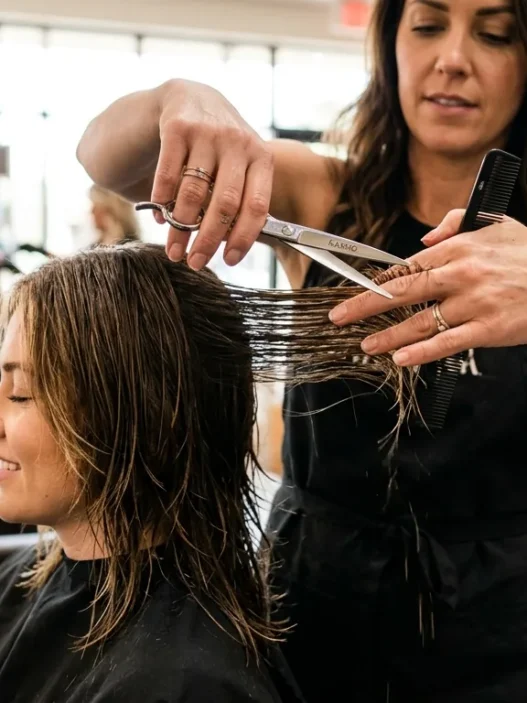
The best layered cut I ever got was at a suburban salon that charged $65. The stylist spent twenty minutes just looking at my hair from different angles before she even picked up scissors. Meanwhile, I’ve walked out of high-end places with cuts that looked amazing for exactly one day — until I had to style them myself.
What matters is finding the right stylist, not the price tag on the salon door.
Myth: Short Layers Are High Maintenance
This myth makes me laugh because it’s usually spread by people with one-length bobs that require precise blow-drying to look decent. Well-cut layers should actually make your morning routine easier, not harder.

Think about it logically. When you have natural movement and texture built into your cut, you don’t need to create it with styling tools. I can literally scrunch some mousse into my layered bob, let it air dry, and it looks intentional. Try that with a blunt cut and you’ll look like you stuck your finger in an electrical socket.
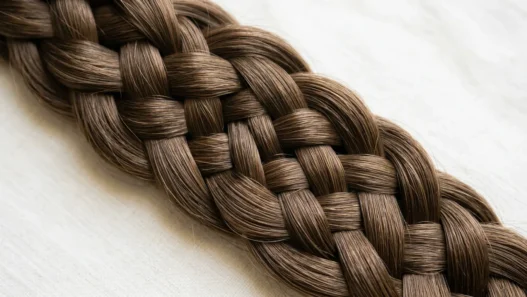
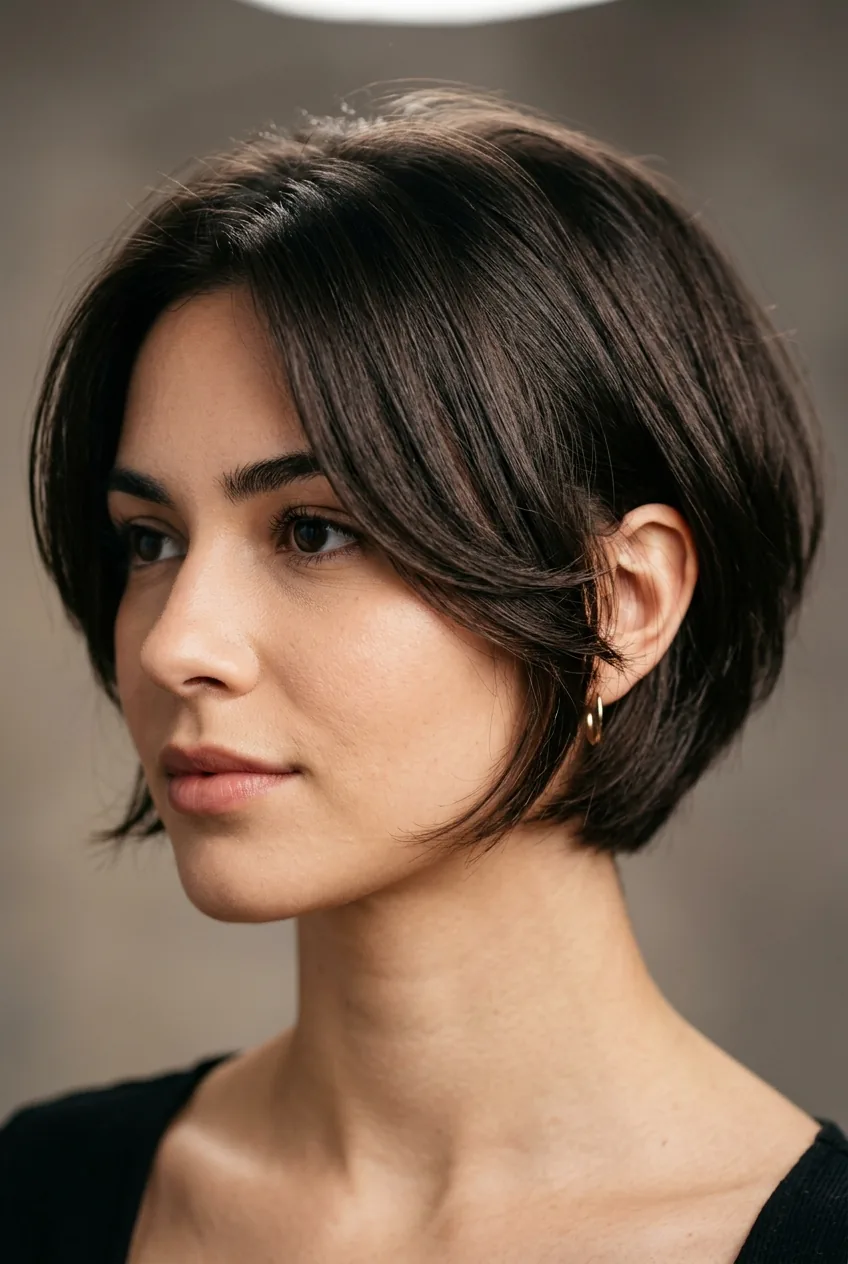
The maintenance myth comes from bad layered cuts — ones with too much disconnection or awkward weight distribution. When layers are cut properly, they grow out gracefully and maintain their shape for months. This is exactly what I mean about effortless styling — see how her layers fall naturally even without obvious product?
The real high-maintenance cuts are the ones fighting against your hair’s natural tendencies. Good layers work with what you’ve got.
Watch This Low-Maintenance Magic
Myth: Layers Don’t Work on Curly Hair
Whoever started this myth clearly never met a curly-haired person who understood their texture. Layers and curls are actually perfect partners — they just need to be cut with completely different techniques than straight hair.
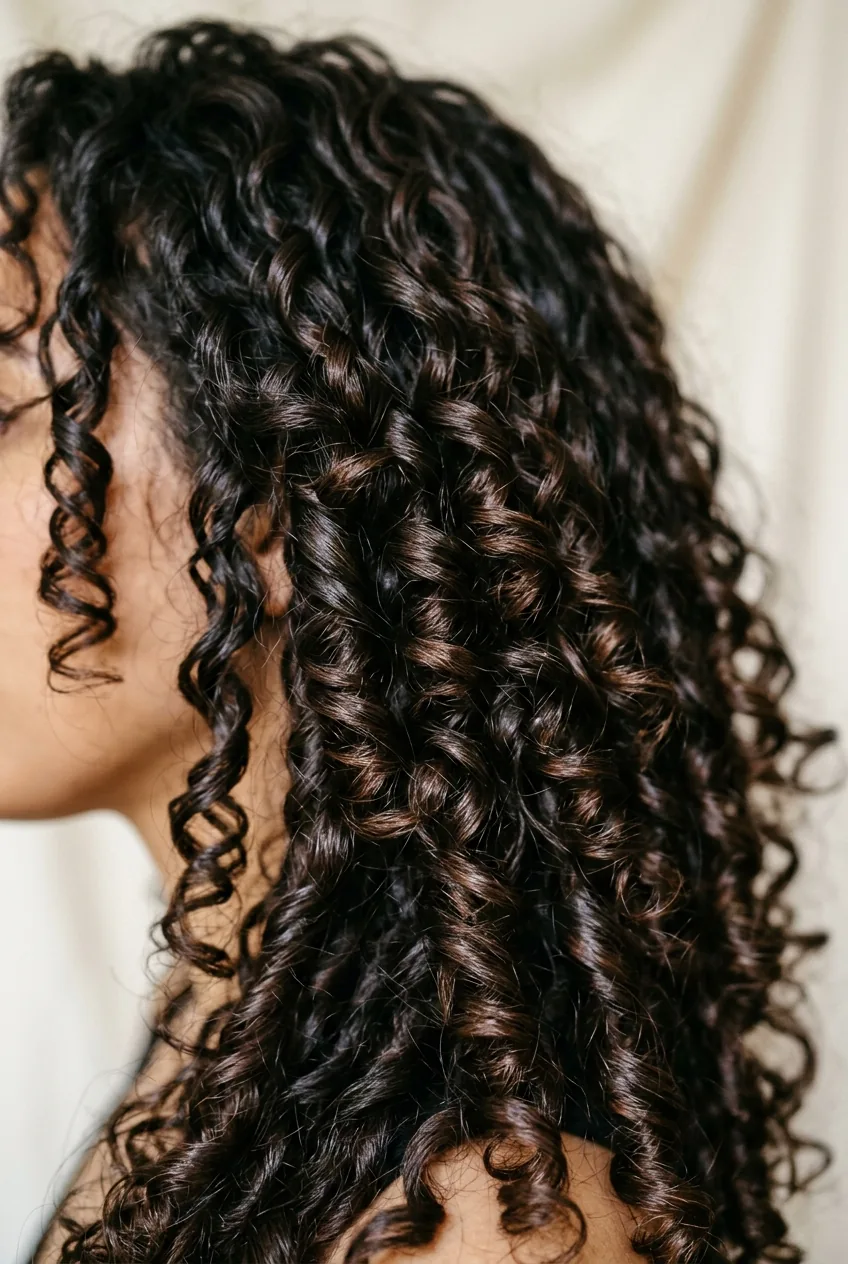
The problem is that most stylists cut curly hair when it’s wet and stretched, which completely changes how the layers will fall when the hair dries naturally. Curly hair needs to be cut in its natural state, or at least with an understanding of how much it will spring back.
I’ve seen women with gorgeous spiral curls get butchered by stylists who treated their hair like it was straight. But when layers are done right on curly hair? Magic. Each curl gets its own space to form properly, creating definition and reducing that dreaded pyramid shape.
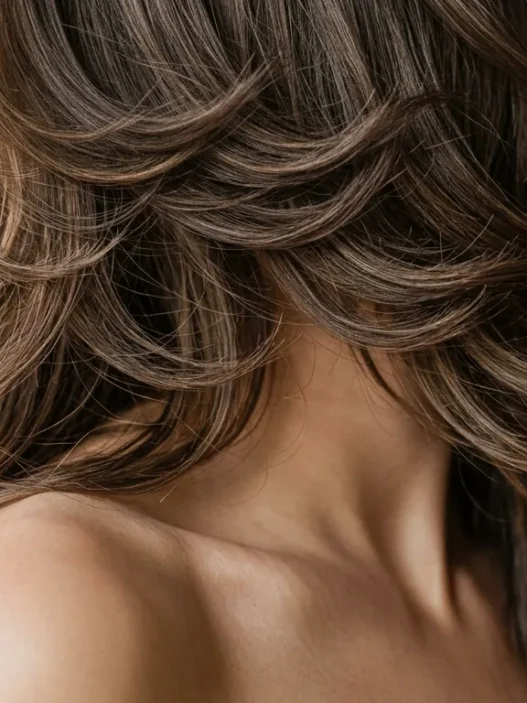
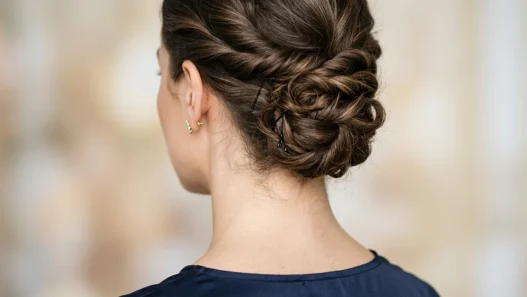
The key is finding someone who specializes in curl-friendly cutting methods. Look at how beautifully her curls cascade when each layer has room to breathe — that’s what proper curly layering looks like.
Some of the most stunning cuts I’ve ever seen were layered curls. The movement, the bounce, the way light catches each level — it’s absolutely gorgeous when done right.
Myth: You Can’t Fix Bad Layers
This is the myth that keeps women in hair purgatory for months, afraid to touch their botched cuts. Yes, bad layers can be fixed — and often more easily than you think.
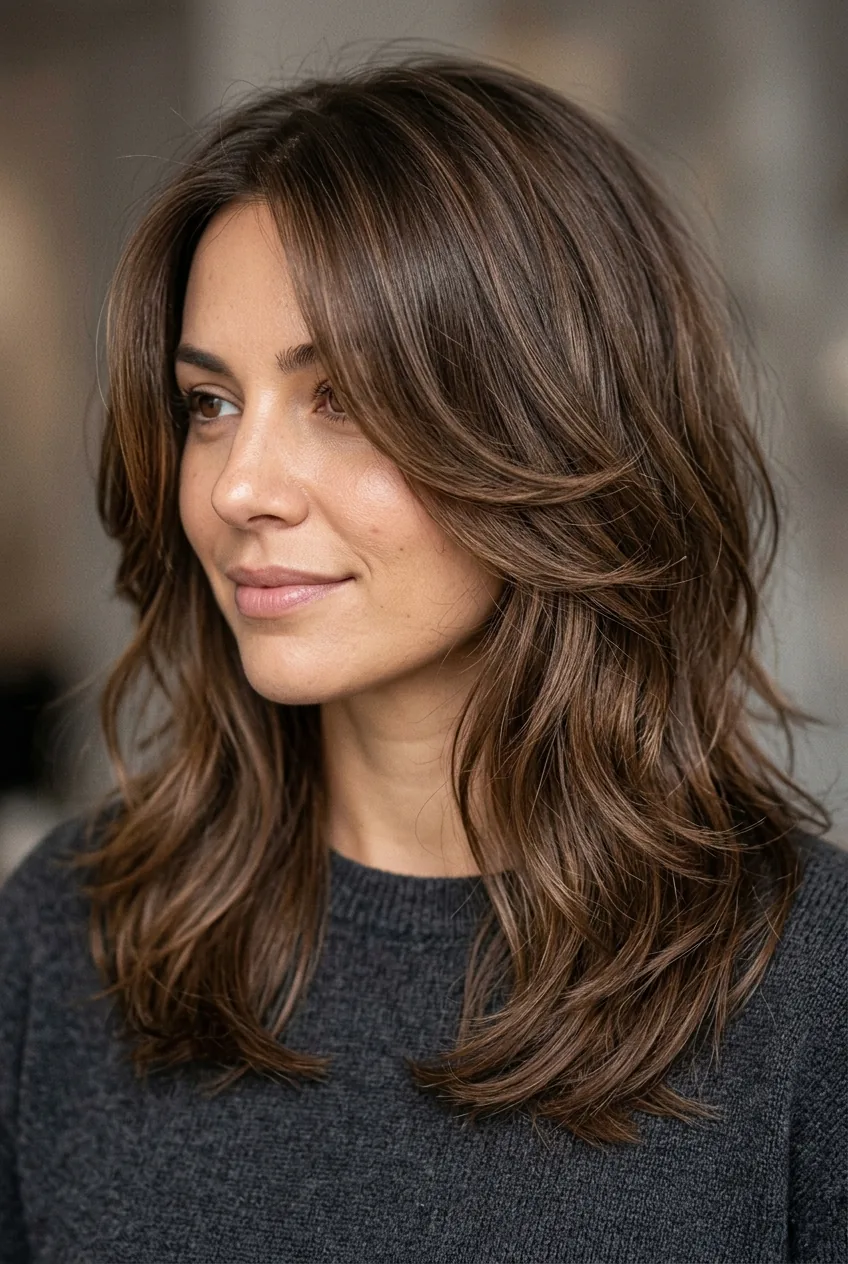
The solution usually isn’t growing everything out (which takes forever and looks awkward). Most bad layered cuts can be corrected by adding more layers in strategic places or adjusting the weight distribution. Sometimes it’s as simple as blending harsh lines or removing a few problematic pieces.
I learned this the hard way after that college disaster I mentioned. Instead of waiting six months for it to grow out, I found a different stylist who looked at my choppy mess and said, “I can fix this in twenty minutes.” She added a few connecting layers and suddenly everything flowed together properly.
The worst thing you can do with bad layers is nothing. They don’t magically fix themselves as they grow — they usually just get more awkward. But a skilled stylist can work with what you have and create something beautiful.
Sometimes the “fix” is actually going shorter and creating a completely new shape. This might sound scary, but shorter hair with good layers almost always looks better than longer hair with bad ones. Trust me on this.
Questions I Get About Layers
How often do layered cuts need trimming?
Every 6-8 weeks for short layers, but well-cut layers actually grow out more gracefully than blunt cuts. The key is maintaining the shape, not necessarily the exact length.
Can I add layers to my existing short haircut?
Absolutely, and this is often the best way to breathe new life into a boring cut. A skilled stylist can add internal layers without changing your overall length or silhouette.
What’s the difference between layers and texturizing?
Layers create length variation and movement through the cut itself. Texturizing uses thinning shears or razors to remove weight and create softer edges — they often work together but serve different purposes.
Will layers make my cowlicks more noticeable?
Actually, layers can help camouflage cowlicks by giving your stylist more flexibility in directing hair growth. The key is working with your natural growth patterns, not against them.
After years of avoiding layers because of these myths, I wish I’d been braver sooner. The right layered cut can transform not just how your hair looks, but how you feel about styling it every day. Don’t let outdated advice keep you from finding your perfect cut. Sometimes breaking the “rules” leads to the best discoveries.