






At 62, I was tired of my hair looking limp and lifeless. My longtime stylist had moved away, and I found myself staring at photos online, wondering which short hairstyles would actually work for my face shape and thinning hair. The internet is full of “flattering cuts for mature women,” but half of them require styling skills I definitely don’t have. After months of research and three salon visits, I finally cracked the code on what works — and what doesn’t.
Finding Your Perfect Short Cut
Here’s what nobody tells you about short hairstyles after 60: your face shape matters more than ever. When I had long hair, I could hide behind layers and waves. But with a short cut? Every angle shows. The good news is that this makes finding your perfect style much easier once you know what to look for.
I spent way too much time looking at celebrity photos before I realized something important. Those red carpet looks often require professional styling daily. What I needed were cuts that looked great with minimal effort — because let’s be honest, I’m not spending an hour on my hair every morning.
What You’ll Need Before Booking
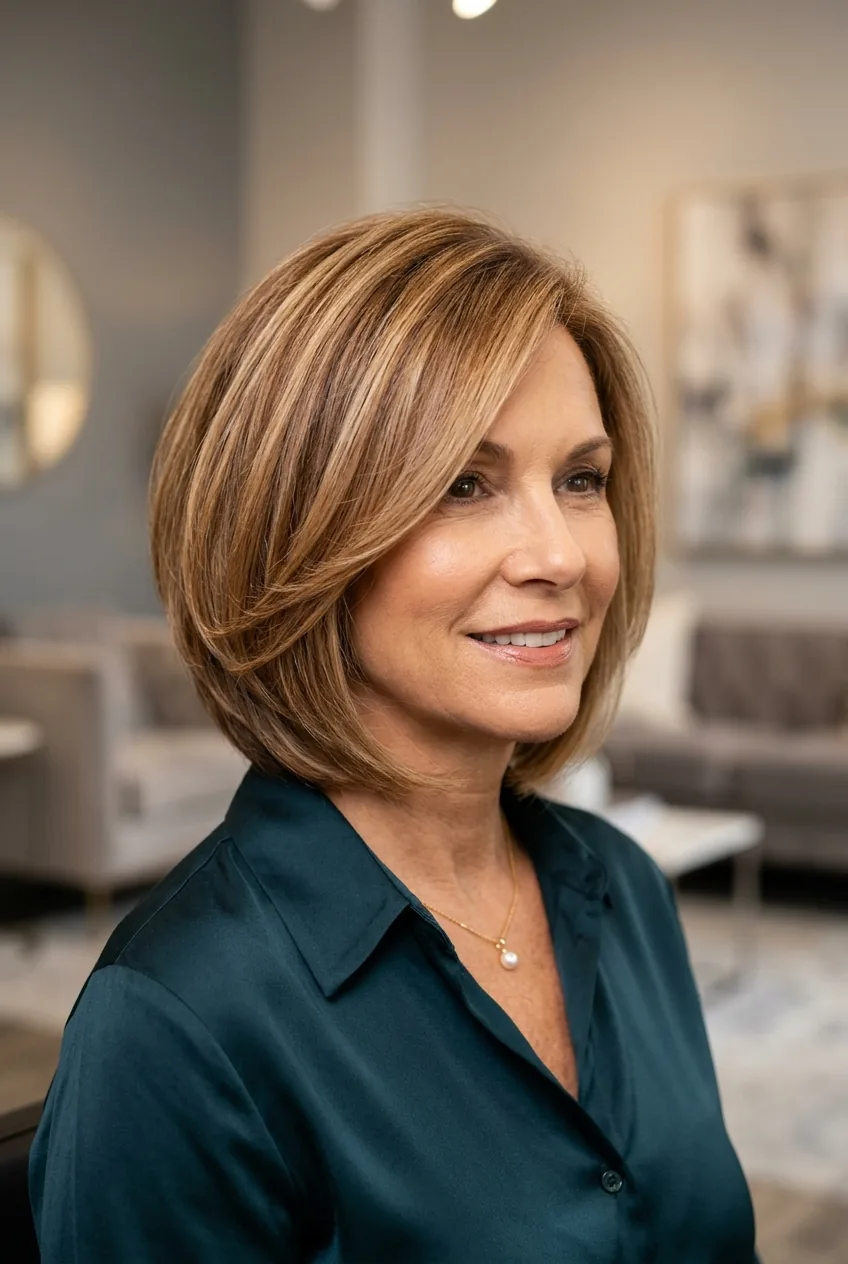
Before you sit in that salon chair, gather these essentials. Trust me on this — preparation makes the difference between loving your cut and living with regret for three months.
- Photos of cuts you love (at least 5, from different angles)
- A realistic assessment of your styling time (be honest!)
- Knowledge of your hair texture and growth patterns
- A stylist who specializes in mature hair
- Flexible scheduling for a potential follow-up appointment
That last point saved my life. My first pixie cut needed tweaking two weeks later, and having that follow-up already planned took the pressure off getting it “perfect” the first time.
The Classic Layered Bob
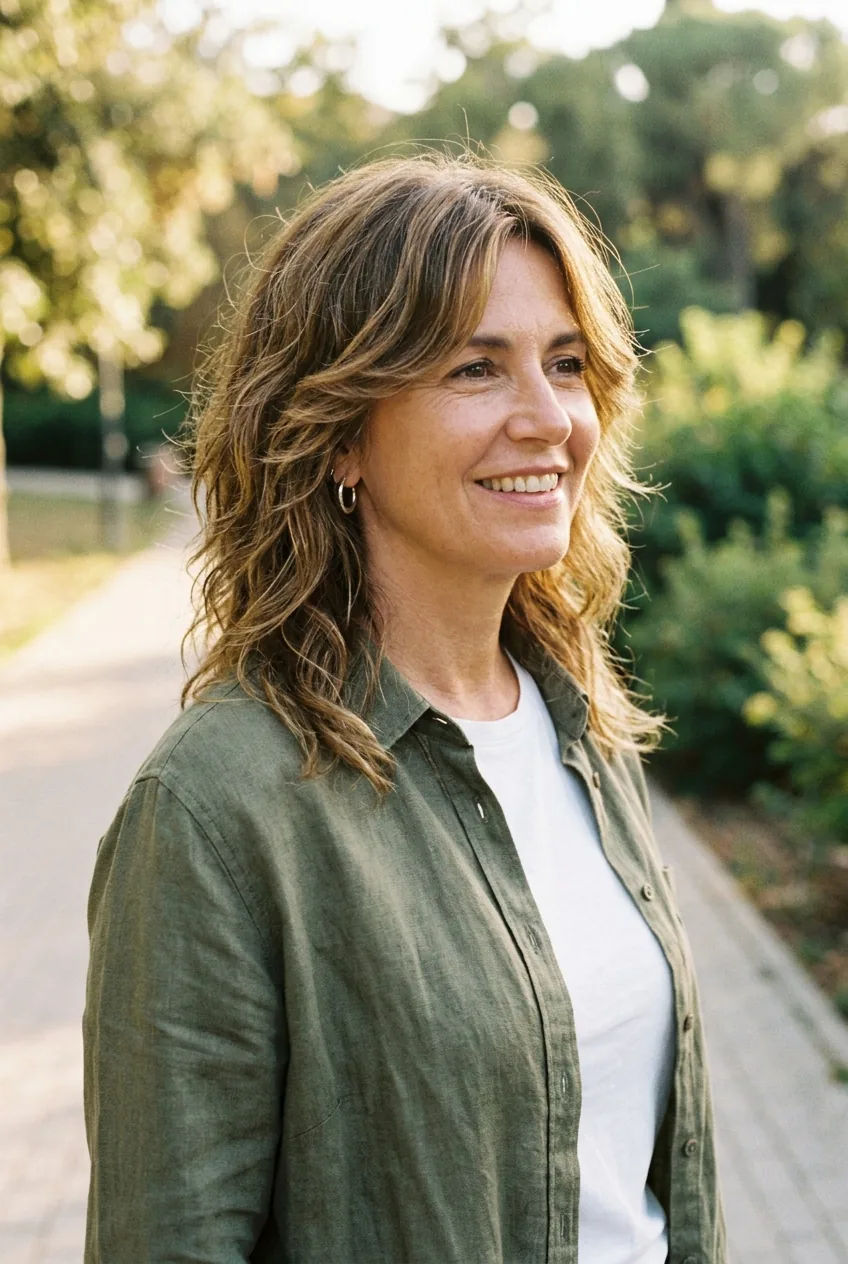
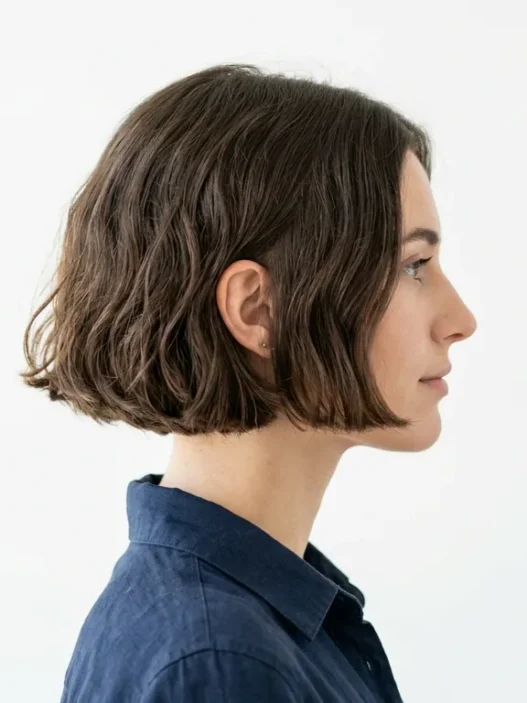
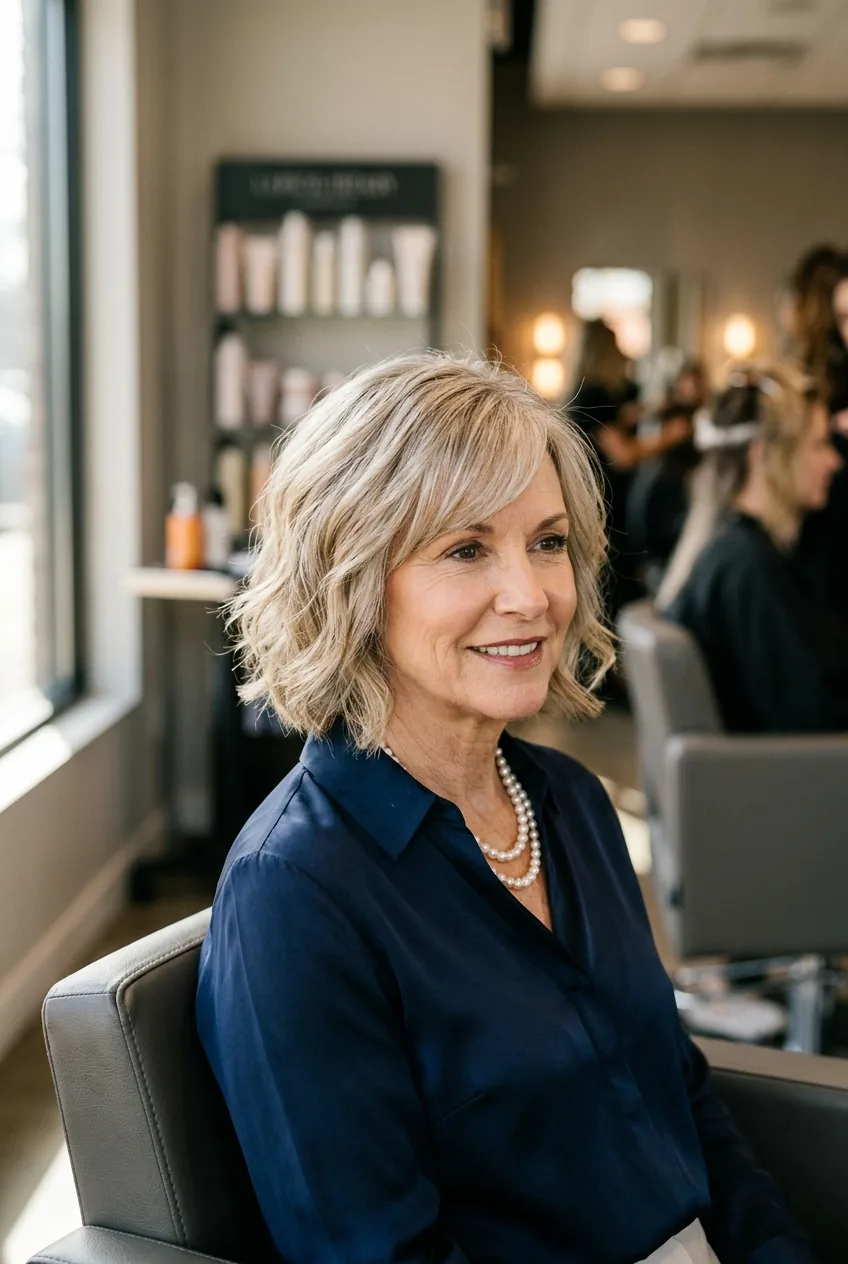
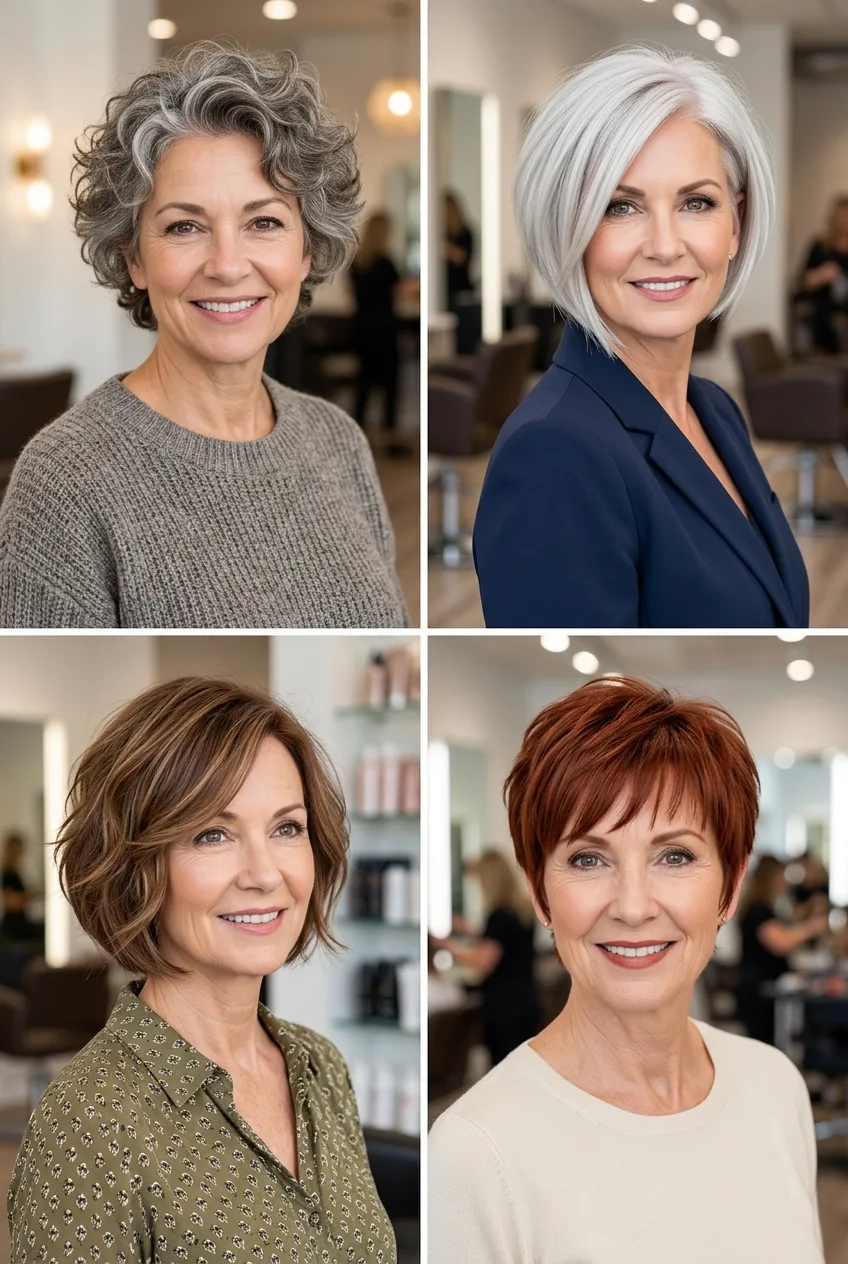
This is where I started my short hair journey, and honestly, it’s still my go-to recommendation for anyone nervous about going shorter. The layered bob hits right at your jawline and uses gentle layers to add movement without sacrificing fullness.
What I love most about this cut is how forgiving it is. See how she’s styled hers in the photo? That effortless wave happens naturally when you scrunch damp hair with a little mousse. No fancy techniques required.
The key is asking for “soft layers” rather than choppy ones. Choppy layers can make fine hair look even thinner — learned that the hard way with my first attempt.
The Textured Pixie Cut
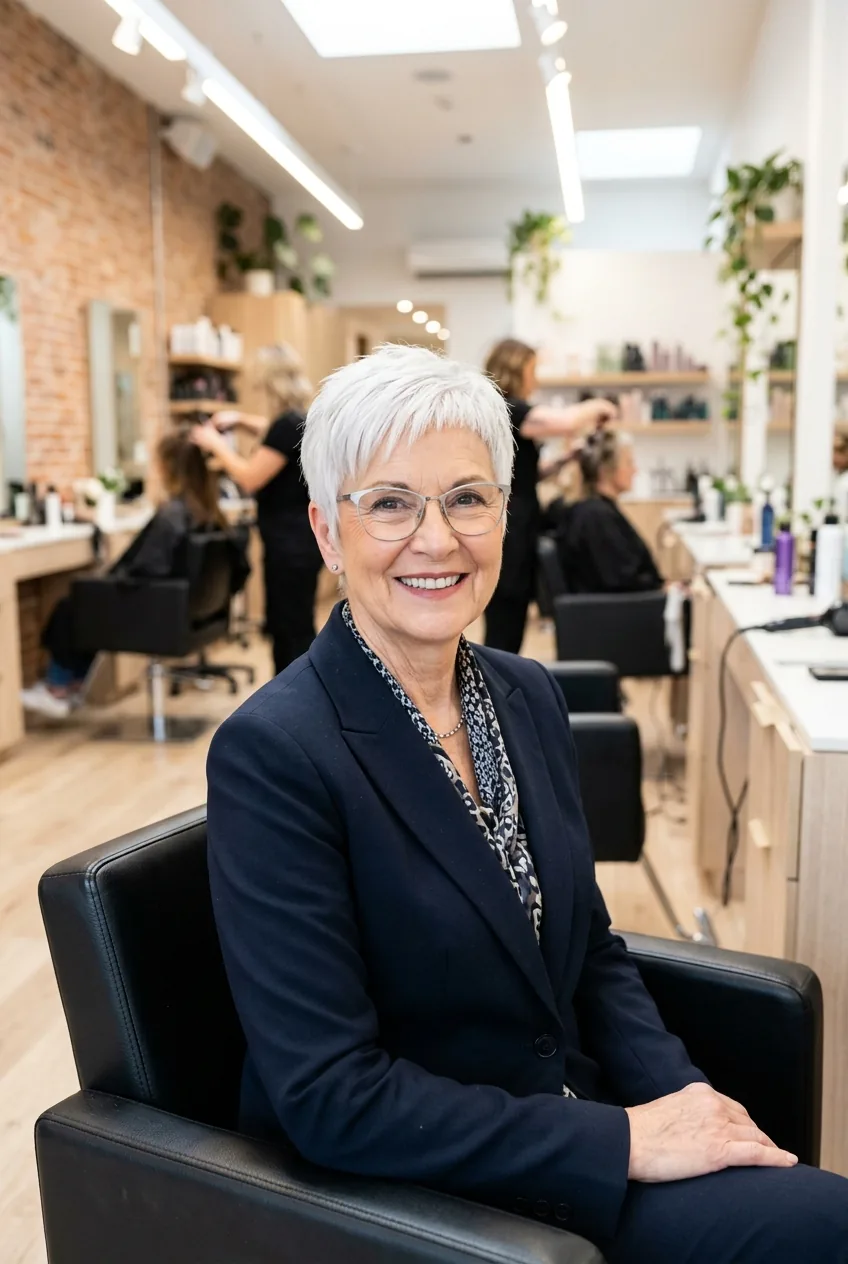
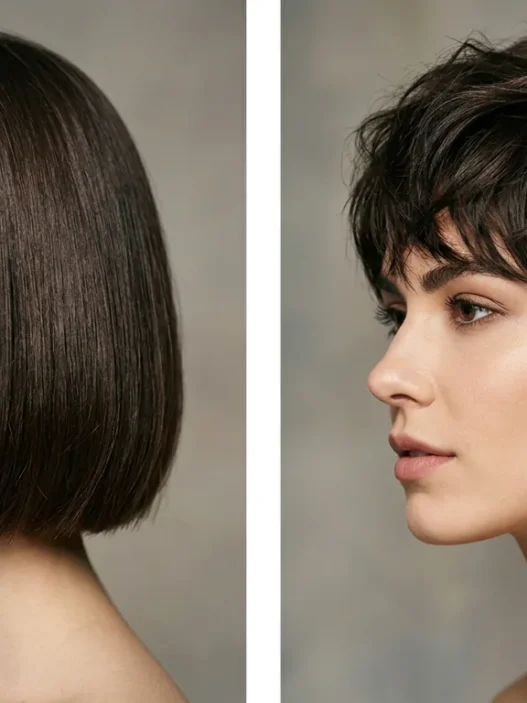
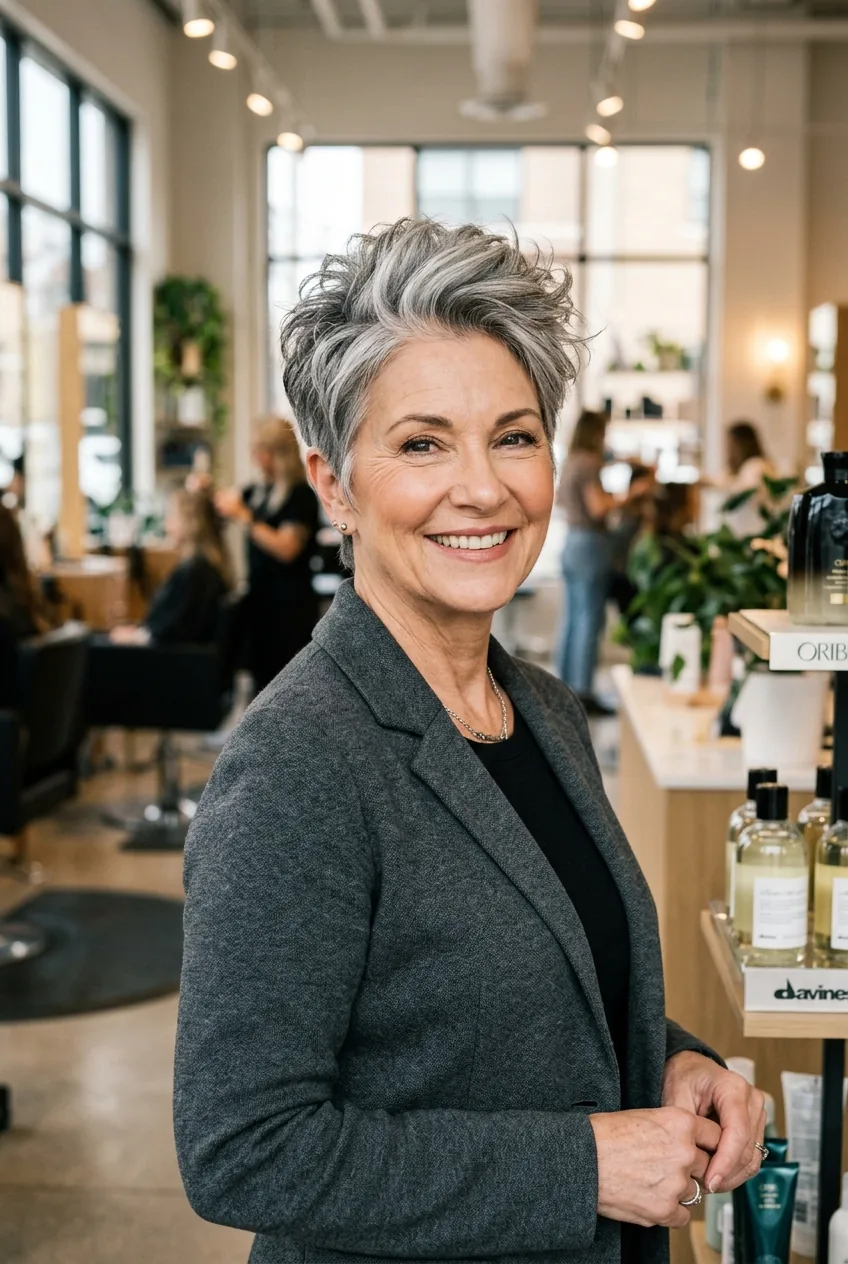
Now we’re getting bold. I was terrified of pixie cuts until I realized they’re not all the same. This textured version keeps enough length on top to play with styling while staying incredibly low-maintenance.
Look at how the texture creates movement even without styling products. That’s the magic of a well-cut pixie — it has personality built right in. The slightly longer pieces around the crown prevent that “too severe” look that worried me initially.
My biggest pixie mistake? Going too short too fast. I asked for “really short” without being specific, and ended up with a cut that needed styling every single day. Always ask to see exactly how short they’re planning to go before they start cutting.
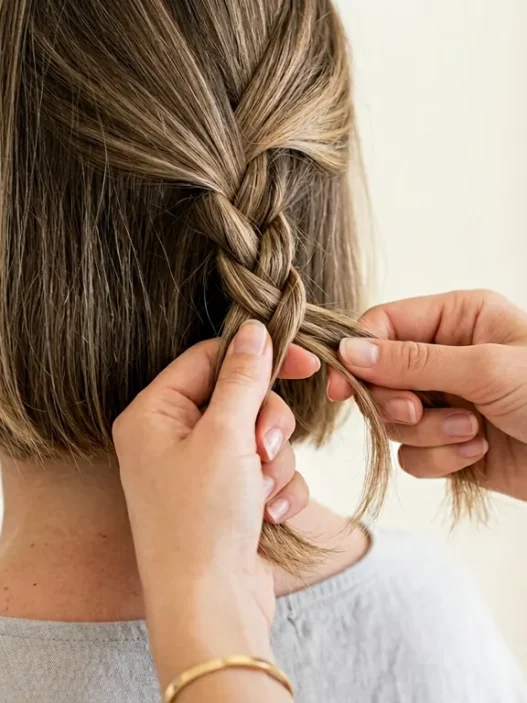
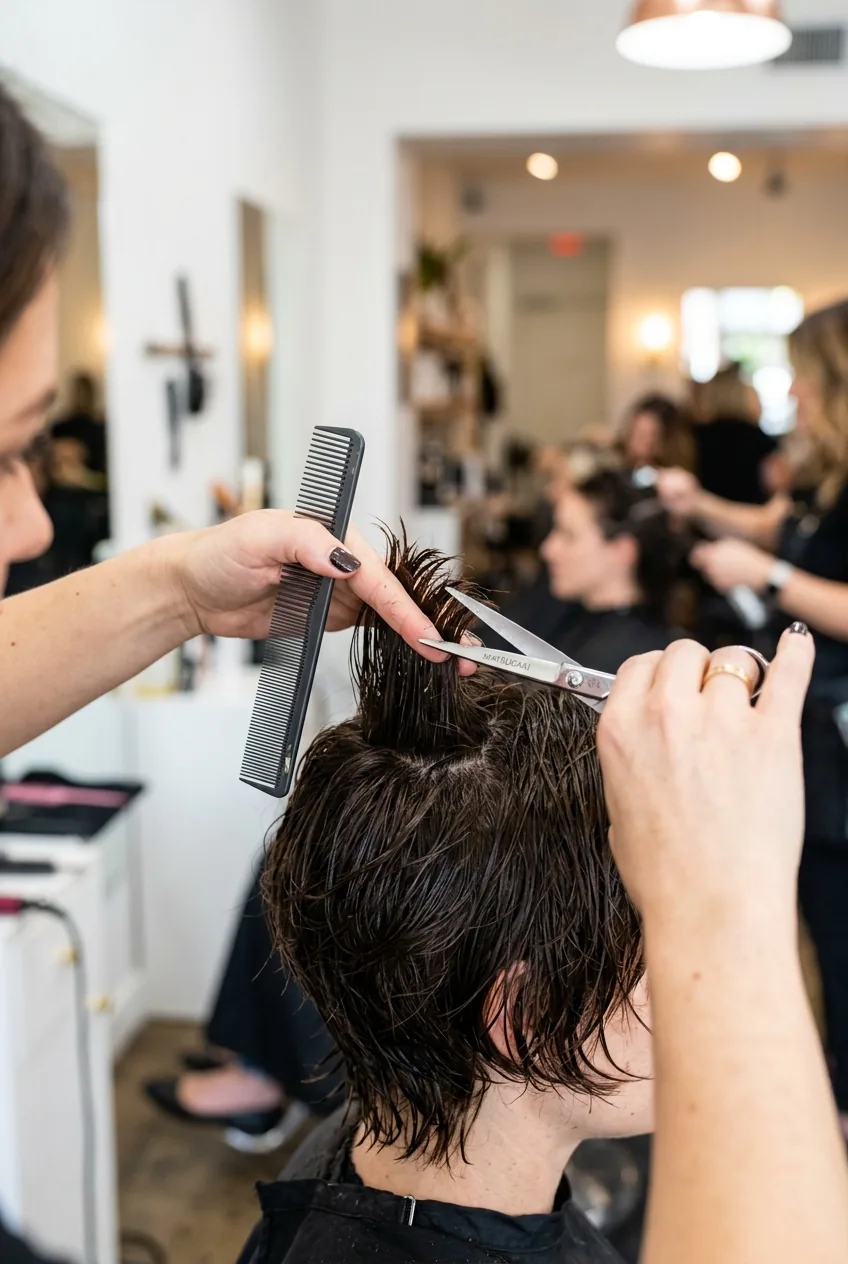
Watch This Technique in Action
The Soft Graduated Bob
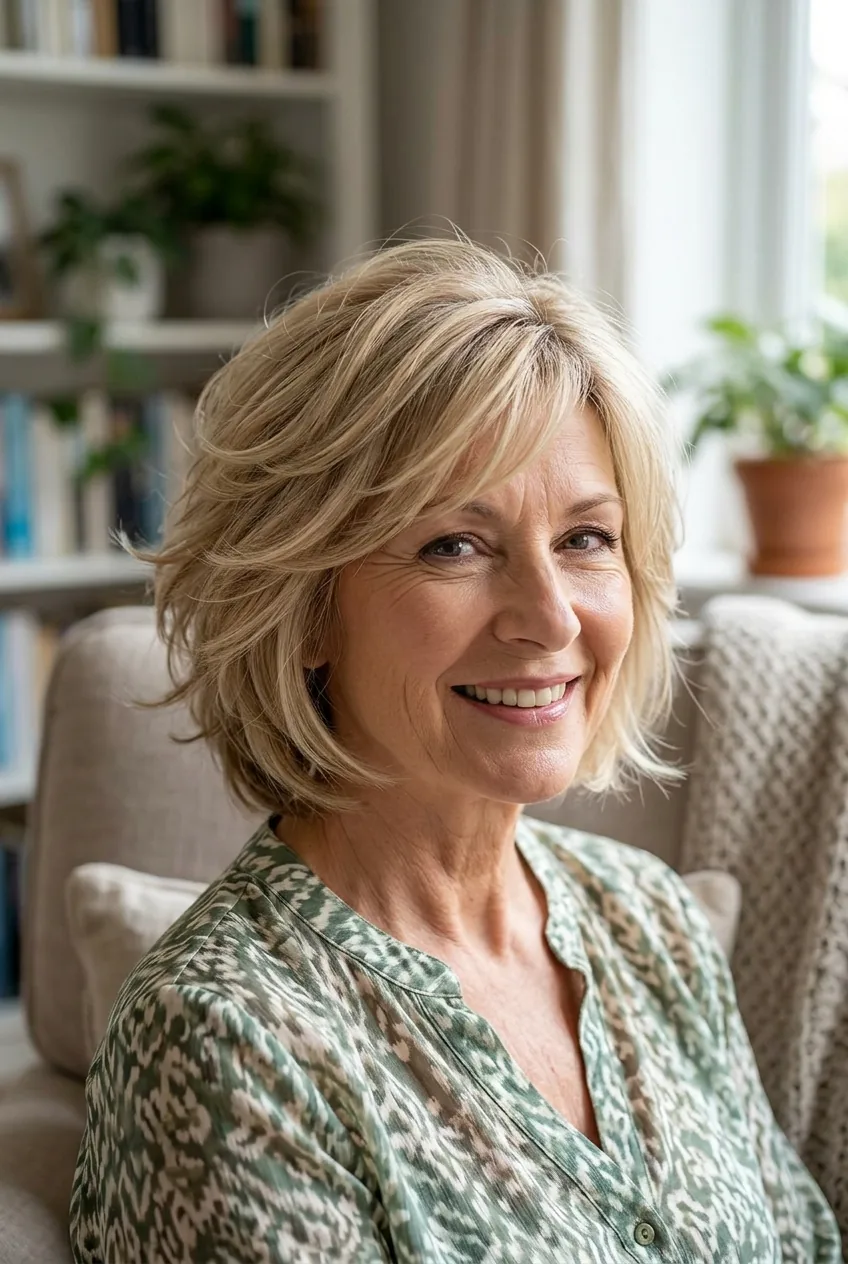
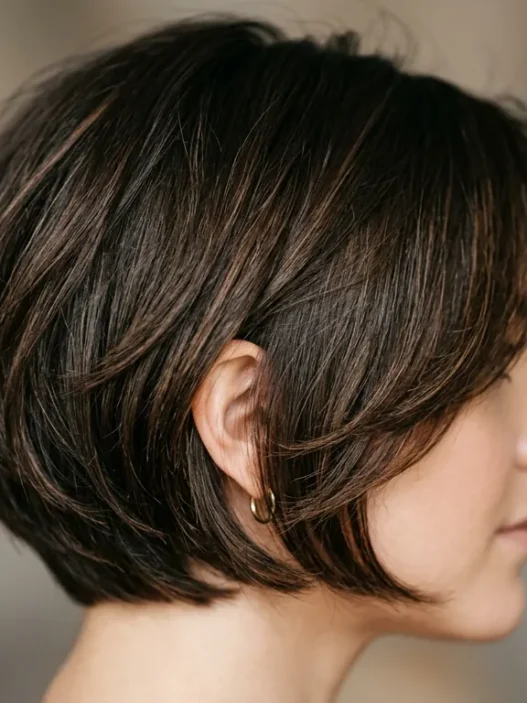
This cut bridges the gap between classic bobs and more modern shapes. The graduation means it’s slightly shorter in the back, which prevents that triangle effect that can happen with straight-across bobs on fine hair.
I’m obsessed with how this style frames the face. The gentle curve follows your natural hairline, and that slight angle draws attention to your cheekbones instead of your jawline. For women dealing with jowls or a softer jawline, this cut is pure magic.
The Face-Framing Shag
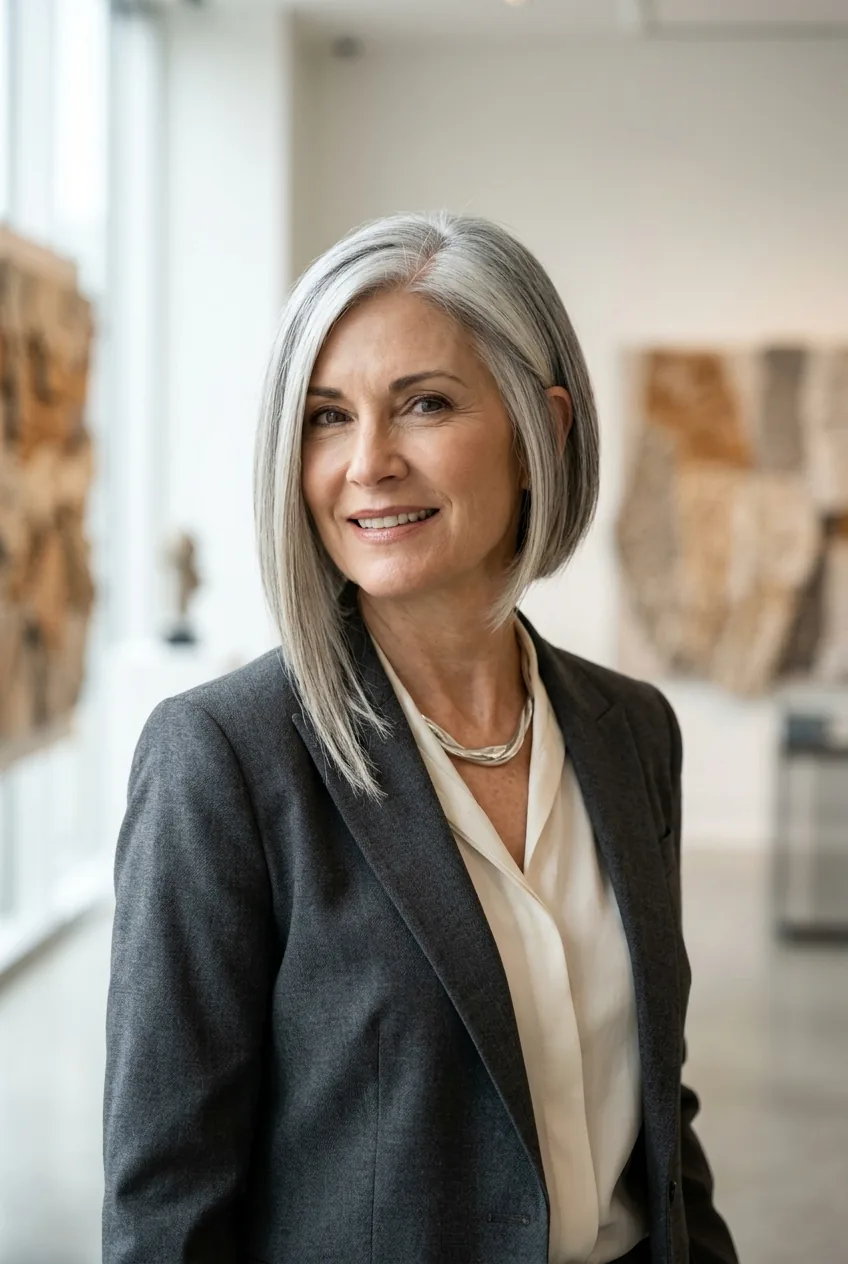
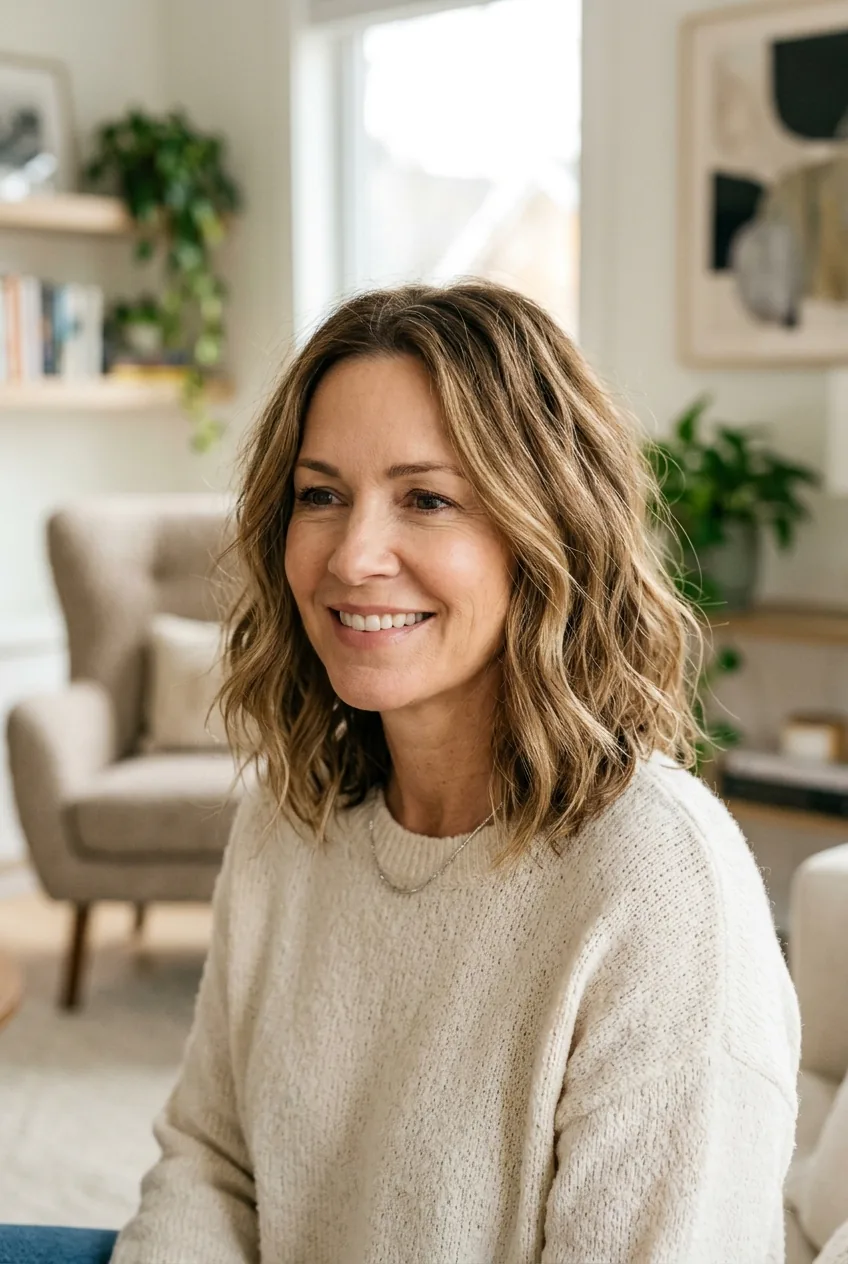
Don’t let the word “shag” scare you — this isn’t your daughter’s rock-star haircut. The mature version focuses on soft, face-framing layers that add movement without looking messy.
This cut works beautifully on women with naturally wavy or slightly curly hair. The layers enhance your natural texture instead of fighting against it. Layered styling techniques can help you maximize the movement in this cut.
The secret is in the face-framing pieces. They’re cut to hit at very specific points — usually just below your cheekbone and again at your jawline. This creates a flattering frame that softens everything.
The Modern Crop
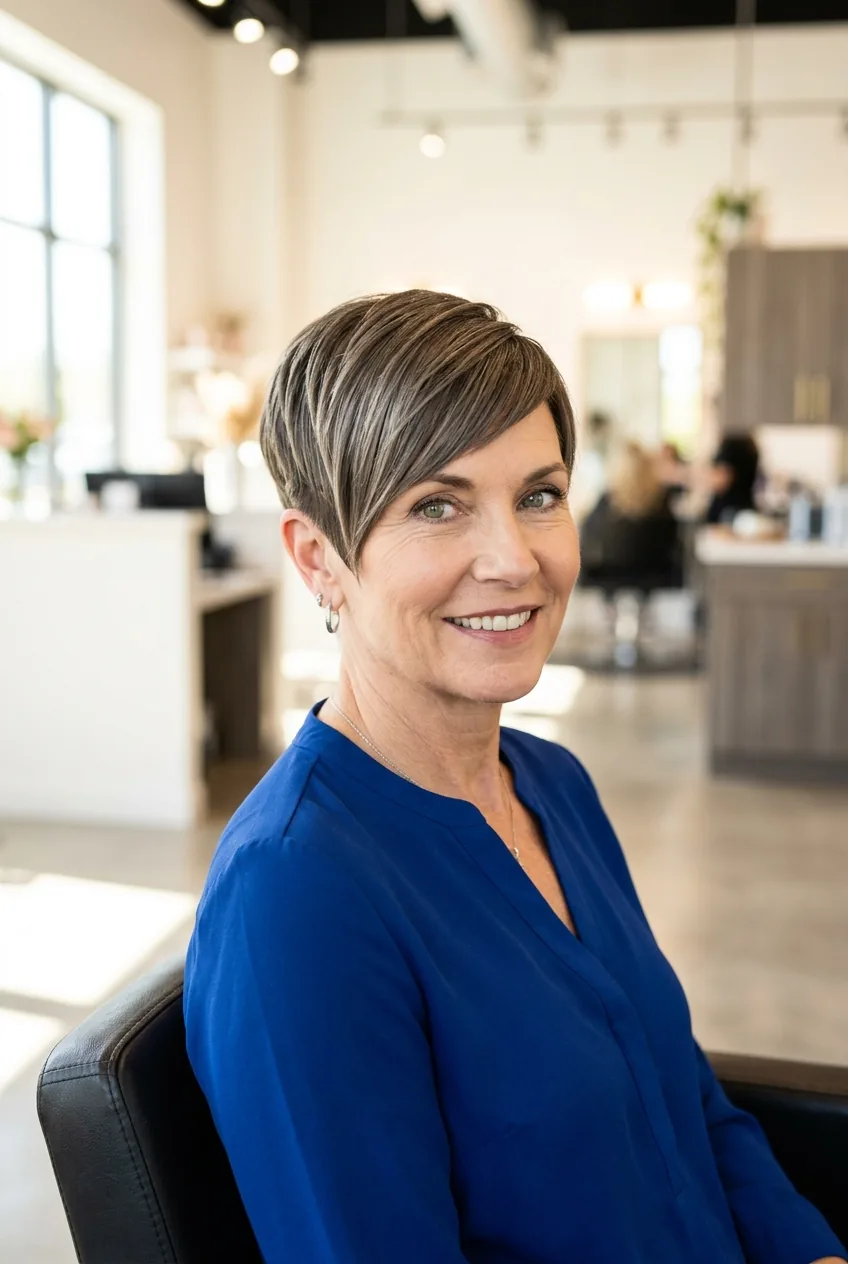
Here’s where we get really contemporary. The modern crop keeps things short all over but uses precise cutting techniques to create shape and interest. It’s edgier than a classic pixie but still completely professional.
What makes this cut special is how it plays with different lengths within the overall short framework. The top might be slightly longer than the sides, or there might be subtle disconnection between sections. It sounds complicated, but the result is effortlessly chic.
The Feathered Cut
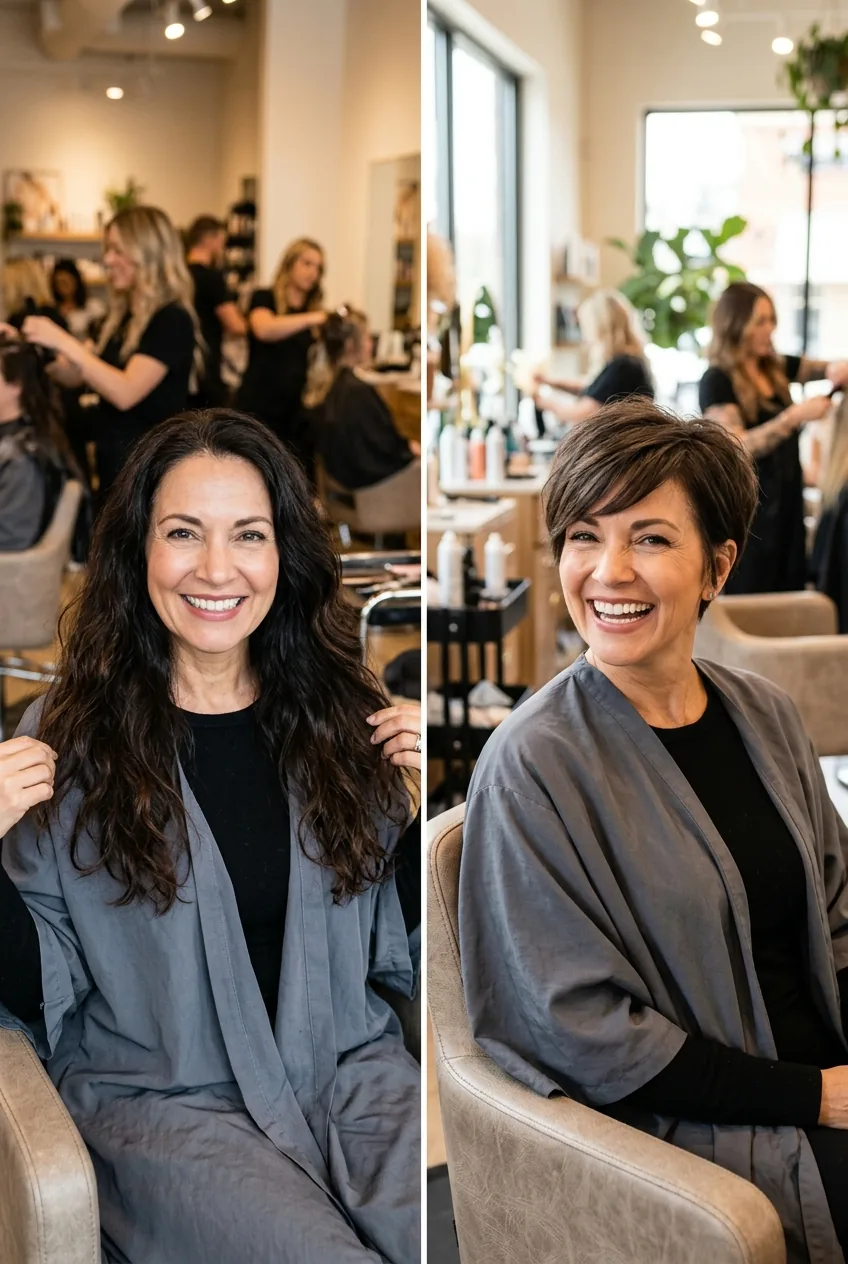
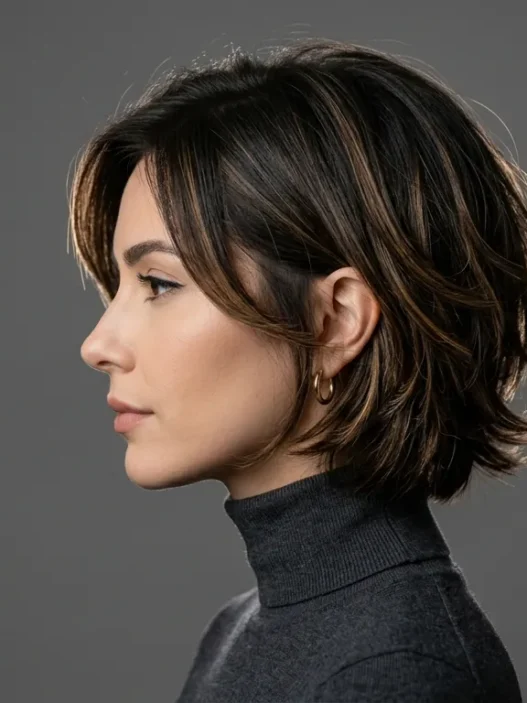
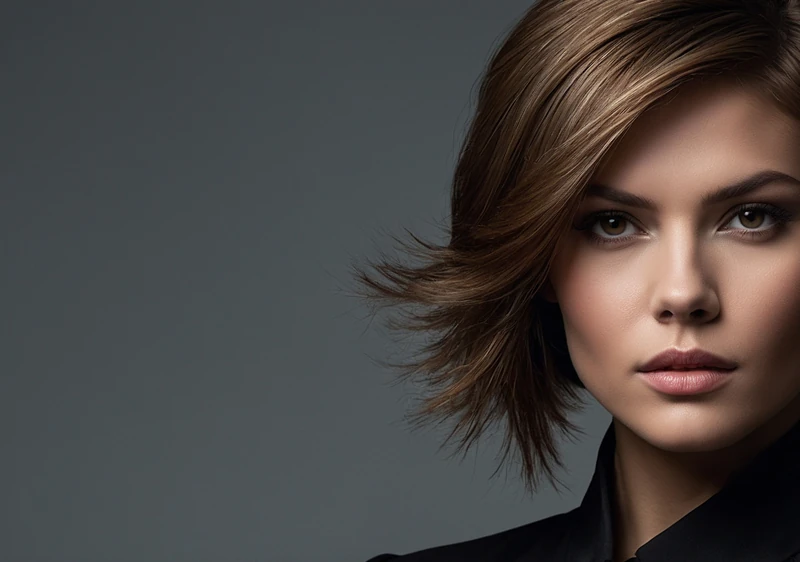
Yes, feathered cuts are back — but not the way you remember them from the 70s. The modern feathered cut uses subtle layering to create soft, flowing movement that’s incredibly flattering on mature faces.
The beauty of this style is in its versatility. You can wear it sleek and smooth for formal occasions, or scrunch it for a more casual, textured look. The feathering technique creates natural lift at the roots, which is a godsend for fine hair.
Look at how those gentle layers catch the light. That’s not accident — it’s strategic cutting that creates dimension and movement. A skilled stylist knows exactly where to place these layers for maximum impact.
The Asymmetrical Bob
This is for the woman who wants something a little different without going full avant-garde. The asymmetrical bob features hair that’s noticeably longer on one side, creating visual interest and a modern edge.
I was hesitant about asymmetry at first — wouldn’t it make my face look lopsided? But the opposite is true. The diagonal line actually creates balance, especially if you have a round or square face shape.
The key is keeping the asymmetry subtle. We’re talking about a 1-2 inch difference, not a dramatic side-cut situation. You want intrigue, not shock value.
The Tousled Lob
The “lob” (long bob) gives you the best of both worlds — shorter than traditional long hair, but with enough length to feel secure if you’re nervous about going too short. When you add tousled texture, it becomes effortlessly stylish.
This cut typically hits between your chin and shoulders, making it perfect for women who want to test shorter waters without diving in headfirst. The tousled texture disguises any styling imperfections, so you always look put-together.
What I appreciate about this style is how it ages with you. As your hair texture changes, the tousled approach adapts beautifully. It embraces natural movement instead of fighting against it.
The Structured Pixie
Our final option brings us full circle to pixie cuts, but this time with more architectural precision. The structured pixie uses clean lines and geometric shapes to create a sophisticated, polished look.
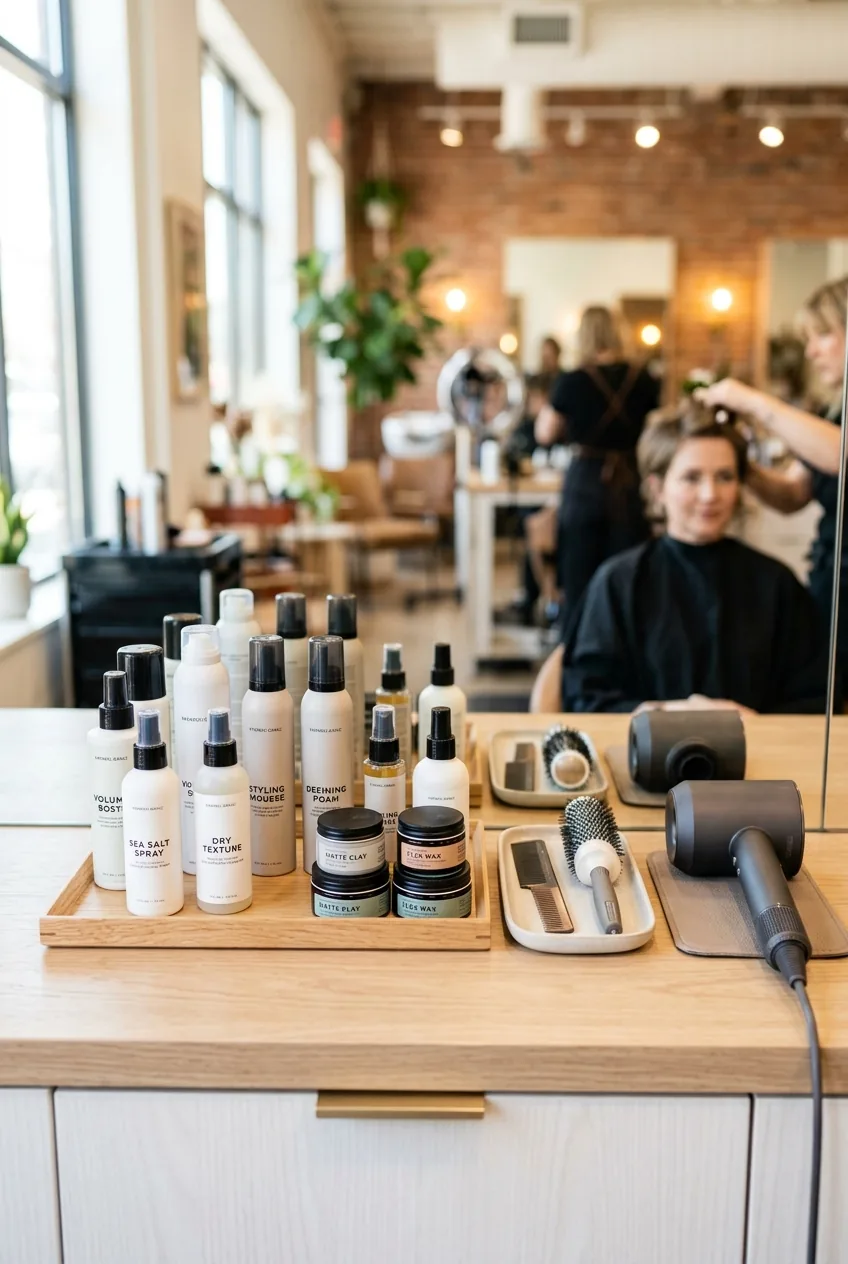
This isn’t a wash-and-go style — it requires some daily attention with styling products and possibly a blow dryer. But if you enjoy your morning hair routine and want something that looks professionally styled, this is your cut.
The structure comes from precise layering and careful attention to how the hair falls. Every piece has a purpose, creating a cohesive shape that looks intentional from every angle.
Some red carpet hairstyles for women over 40 use this structured approach, proving that pixie cuts can be every bit as glamorous as longer styles.
Questions I Get About This
Will short hair make me look older?
Actually, the opposite is usually true. The right short cut can take years off your appearance by lifting your features and creating a more youthful silhouette. The key is choosing a style with movement and avoiding anything too severe.
How often will I need trims?
Short cuts grow out faster than long ones, so expect to visit your stylist every 6-8 weeks. Pixie cuts might need touch-ups even sooner. Budget for this when making your decision — it’s an ongoing commitment.
Can I still wear earrings with a pixie cut?
Absolutely! Short hair actually shows off earrings beautifully. I’ve found that statement earrings look more balanced with shorter hair, and you don’t have to worry about hair getting tangled in dangly styles.
What if I hate it?
Hair grows, but it takes time. Start with a longer short cut (like a lob) before going full pixie. You can always cut more, but you can’t put length back quickly. Also, invest in some cute hats and headbands just in case.
Do I need special products for short hair?
Short hair often needs different products than long hair. Lightweight mousses work better than heavy creams, and you might discover you need less product overall. Your stylist should recommend specific products for your new cut.
Three months later, I’m still in love with my textured pixie cut. Sure, I miss being able to throw my hair in a ponytail on lazy days. But the compliments, the easy mornings, and the way I feel when I catch my reflection in a mirror? Totally worth it. The confidence that comes with a great cut is something no hair tie can give you.