






I used to panic every time I had a formal event coming up. My hair is fine and straight, and every “elegant updo” tutorial seemed designed for someone with completely different hair than mine. After years of trial and error (and some truly disastrous formal hair moments), I’ve finally cracked the code on formal styles that actually work for different hair types.
What’s Inside: Your Formal Hair Style Guide
For Fine Hair That Needs Volume
Fine hair can look absolutely stunning in formal styles — you just need to work with its natural texture, not against it. These three styles have saved me countless times.
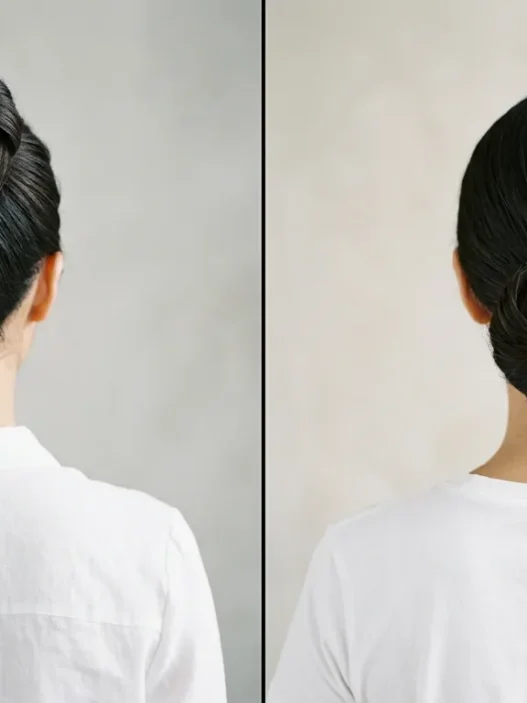
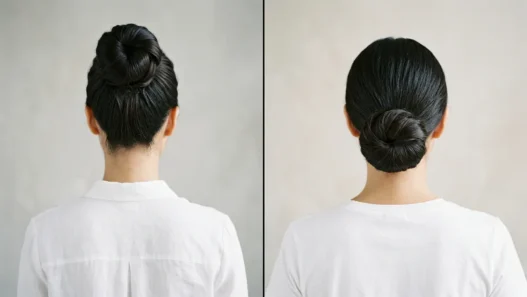
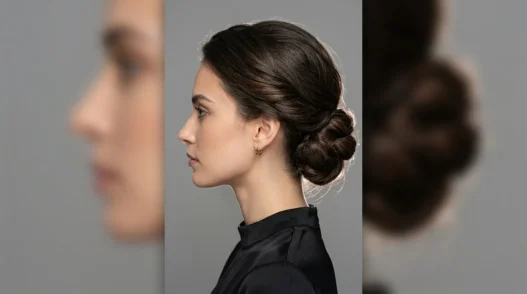
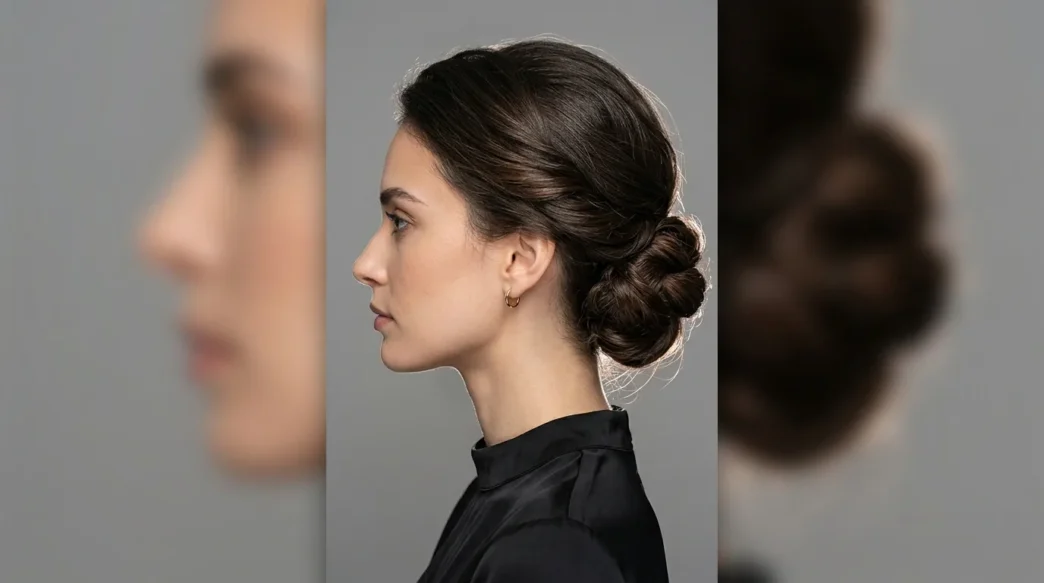
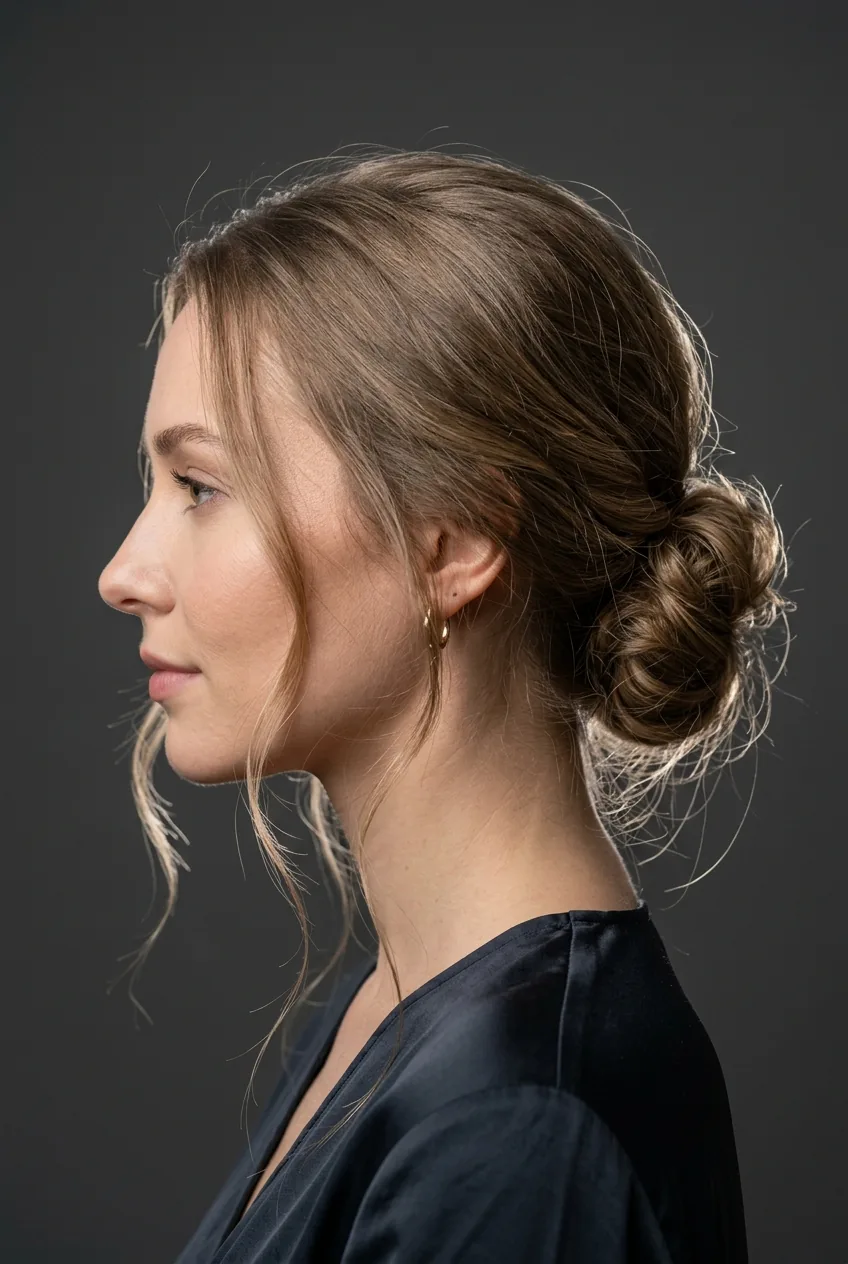
The Textured Low Bun
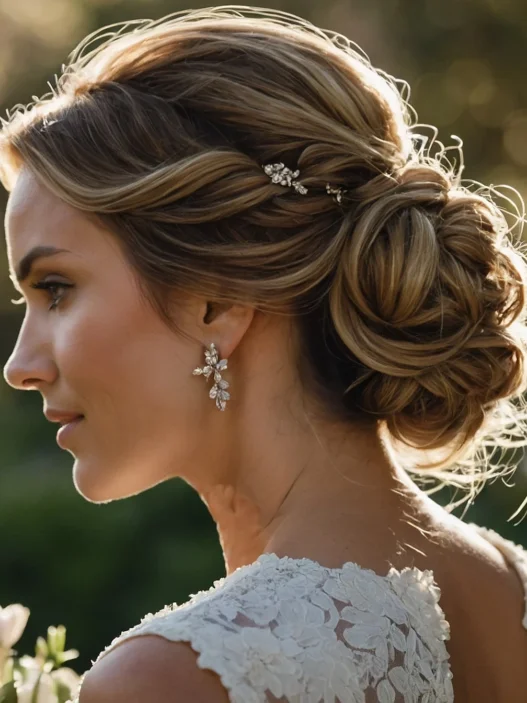
This is my go-to when I need something that looks effortless but polished. I tease the crown slightly, twist sections loosely, and pin them low at the nape. The key is leaving some pieces slightly undone — it creates the illusion of thicker hair while looking intentionally relaxed.
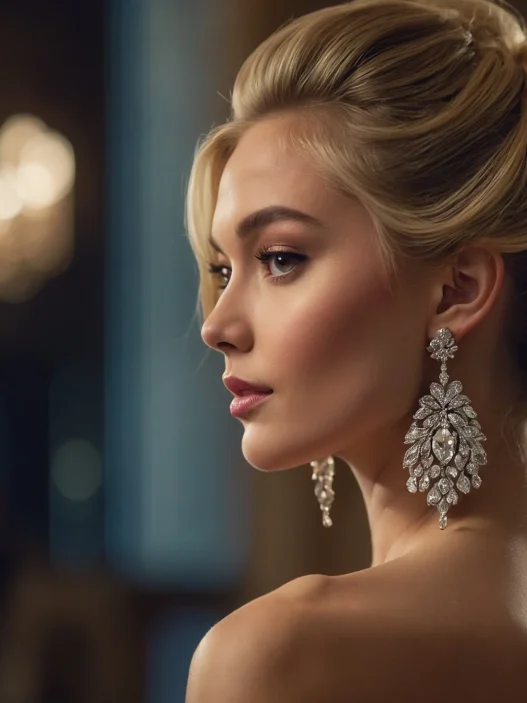
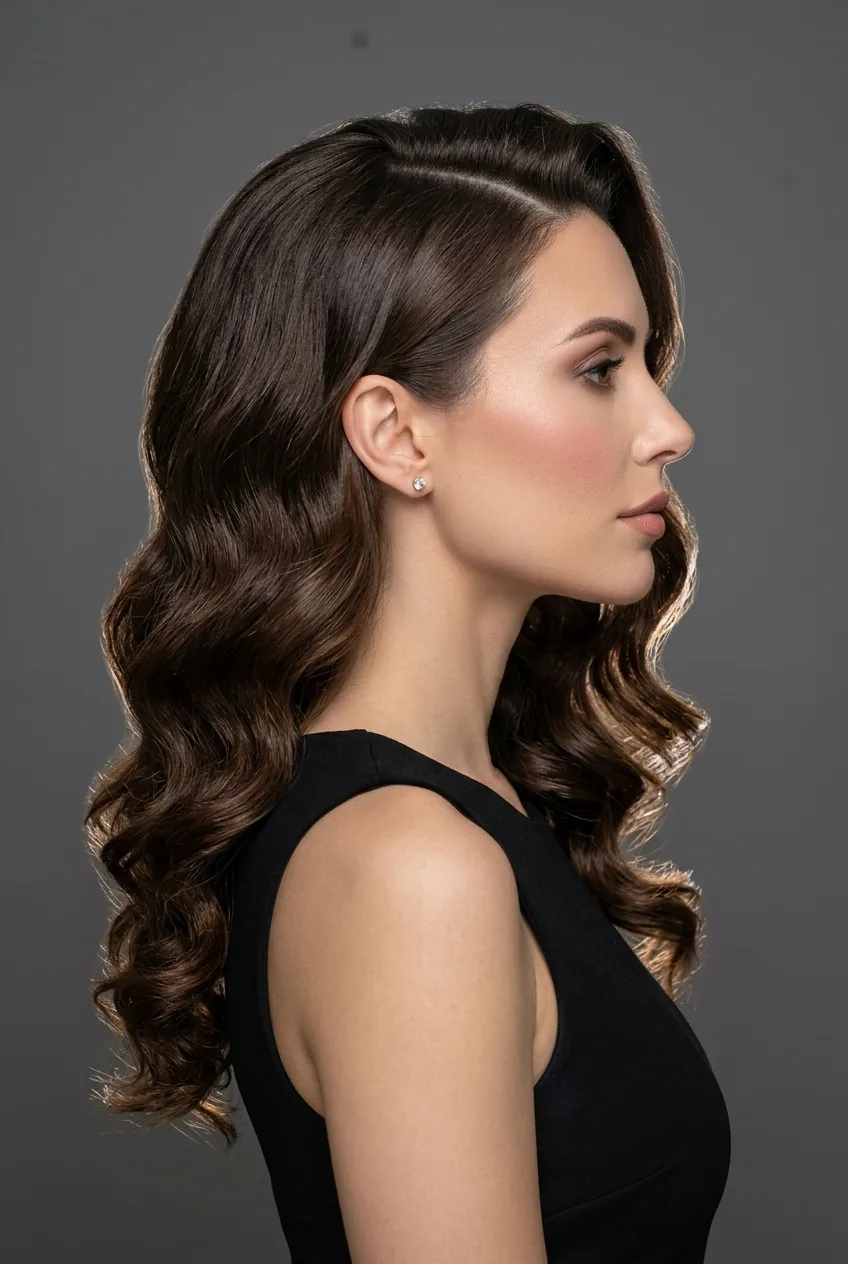
Side-Swept Hollywood Waves
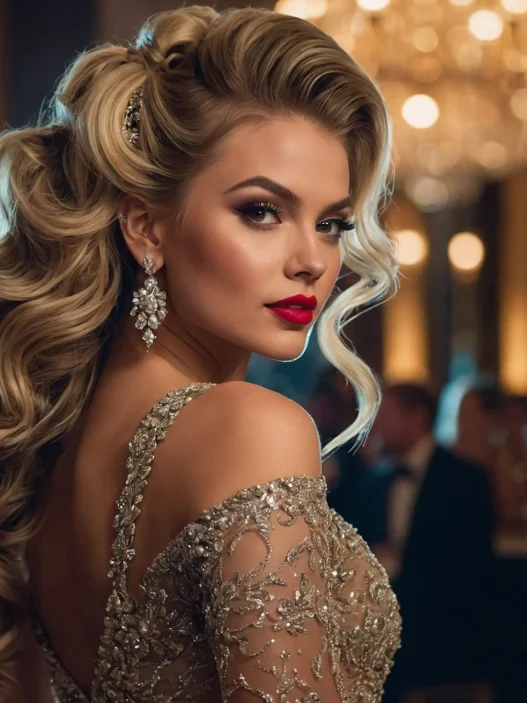
When I want Old Hollywood glamour, I curl my hair away from my face in large sections, then brush through the curls with a boar bristle brush. The result is these gorgeous, voluminous waves that photograph beautifully. A deep side part adds drama.
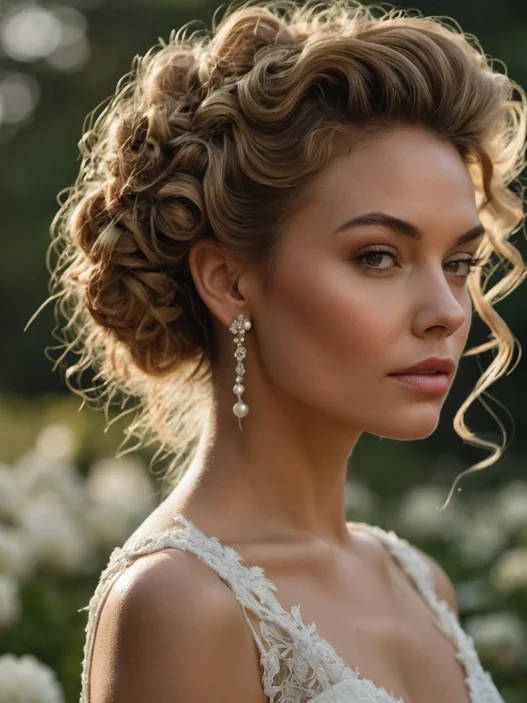
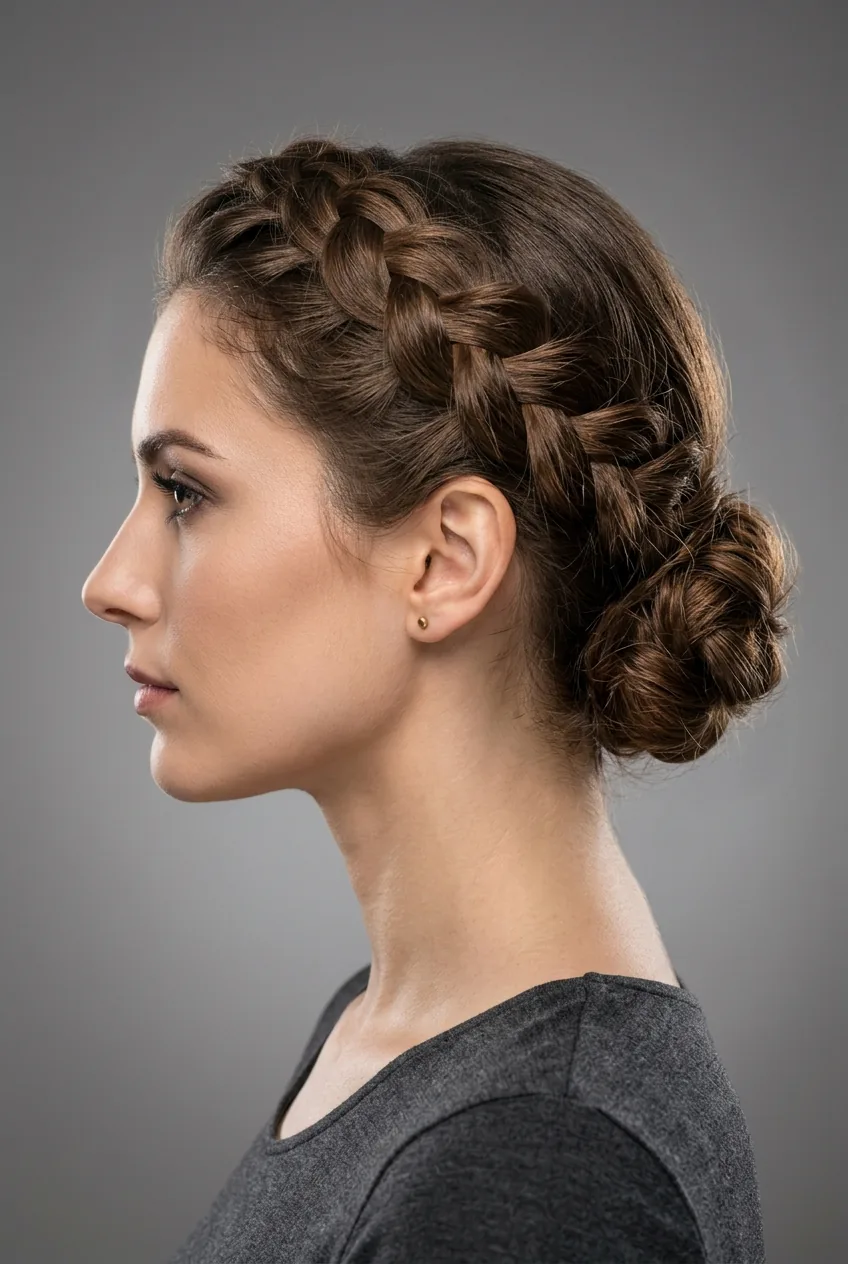
The Crown Braid Updo
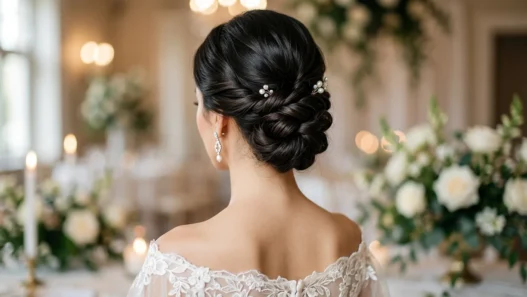
This one surprised me with how much volume it creates. I braid from one ear, across the crown, to the other ear, then twist the remaining length into a low chignon. The braid adds texture and the appearance of fullness that fine hair often lacks.
For Thick & Textured Hair
If you’ve got thick hair, you’re working with a completely different set of challenges. The goal here is elegant control without losing that gorgeous natural texture.
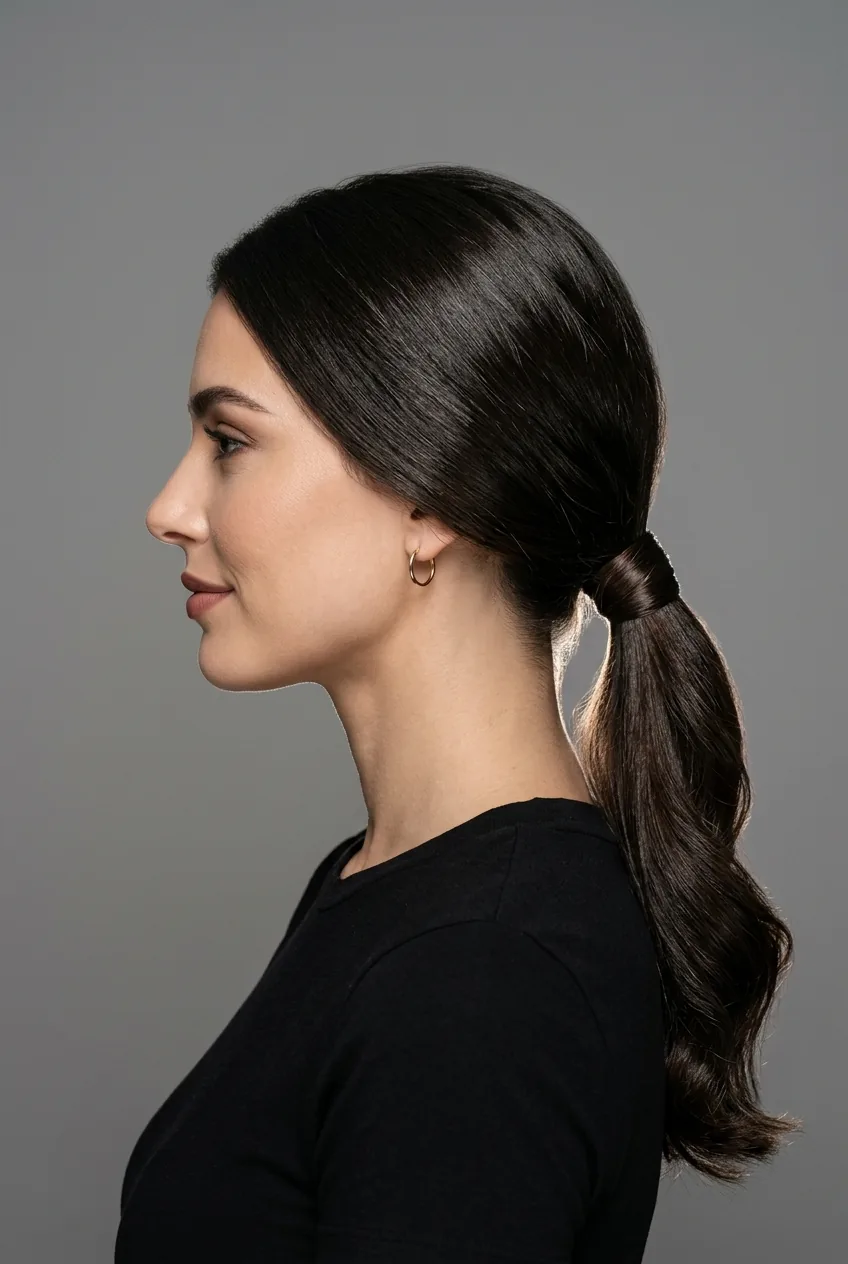
The Sleek Low Ponytail
Sometimes the most sophisticated look is the simplest. I smooth my hair back with a brush and strong-hold gel, secure it low, and wrap a section of hair around the elastic. The contrast between the sleek top and the textured ponytail is striking.
Twisted Side Updo
This works beautifully for thick hair because you can actually see all the twisted sections. I part my hair deeply to one side, twist large sections back, and pin them at different heights behind one ear. It’s asymmetrical and modern.
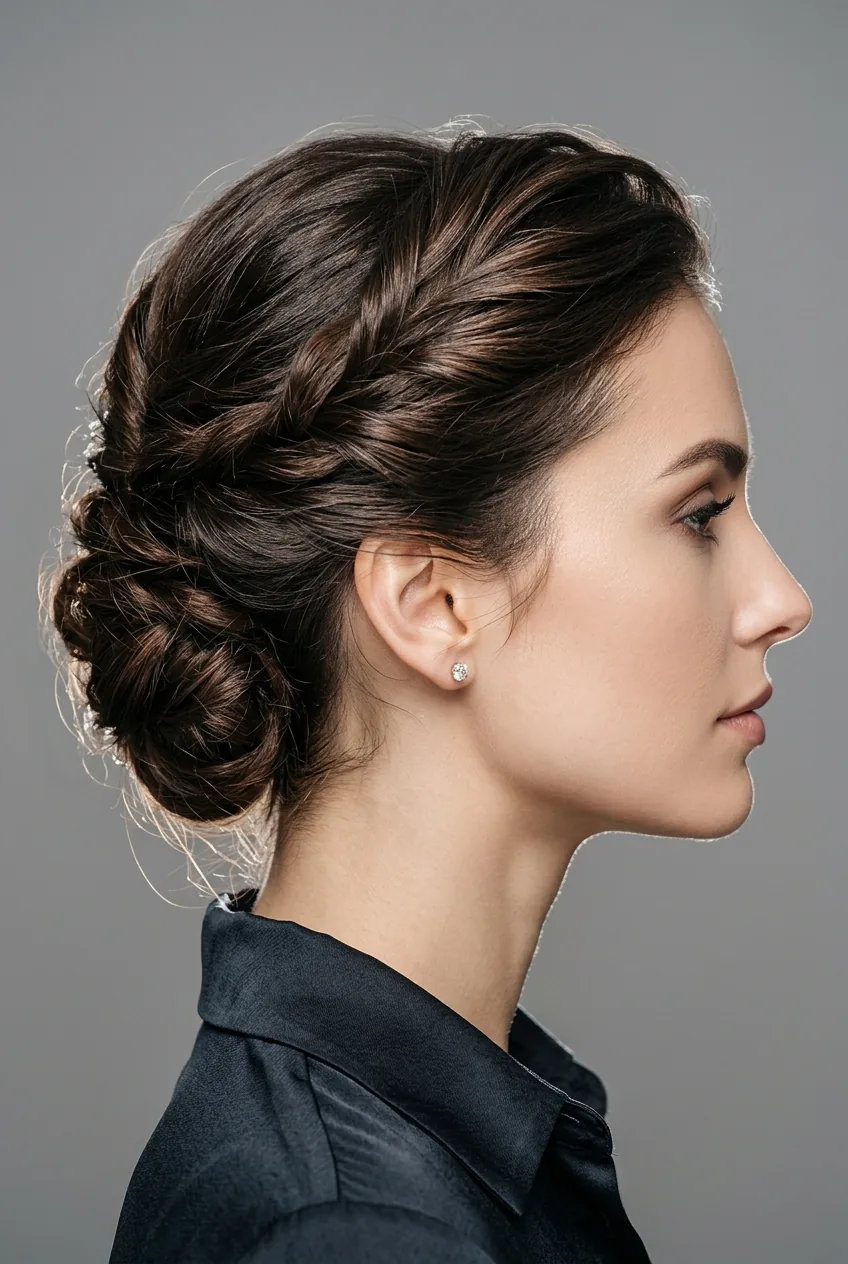
My personal favorite for thick hair is the twisted side updo. I discovered it by accident when I was running late for a wedding, and now it’s become my signature formal style. The asymmetry feels fresh, and it actually gets better throughout the evening as pieces naturally soften.
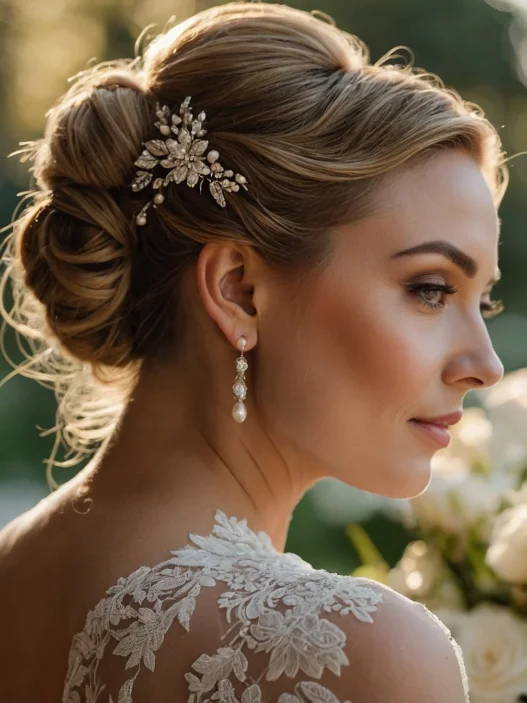
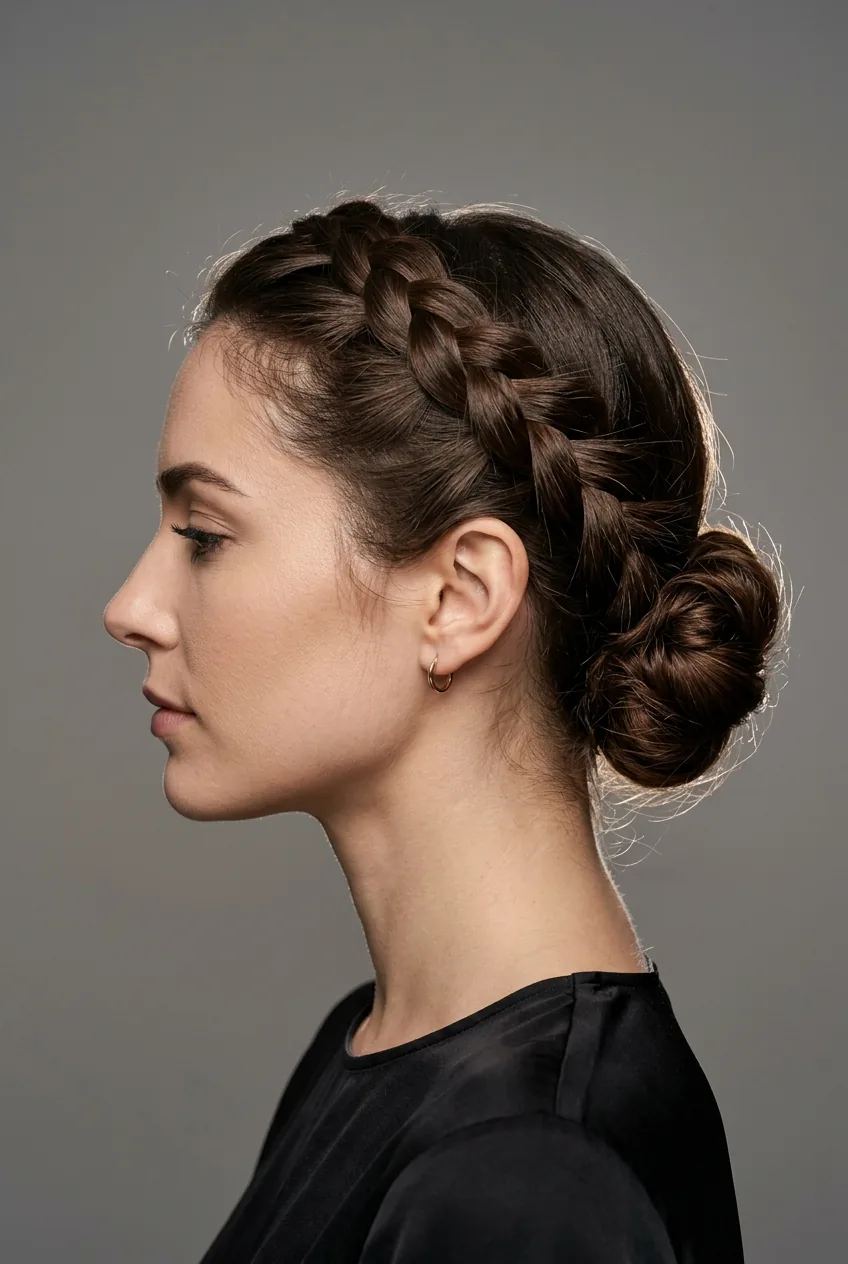
The Braided Crown with Low Bun
For thick hair, this creates a regal, almost medieval look. I Dutch braid along my hairline from temple to temple, then gather everything into a low bun. The braid tames the front pieces while the bun showcases the hair’s natural volume.
The Technique That Changed Everything
For Curly & Wavy Hair
Curly and wavy hair has this incredible natural movement that you absolutely want to showcase in formal styles. These looks celebrate your texture rather than fighting it.
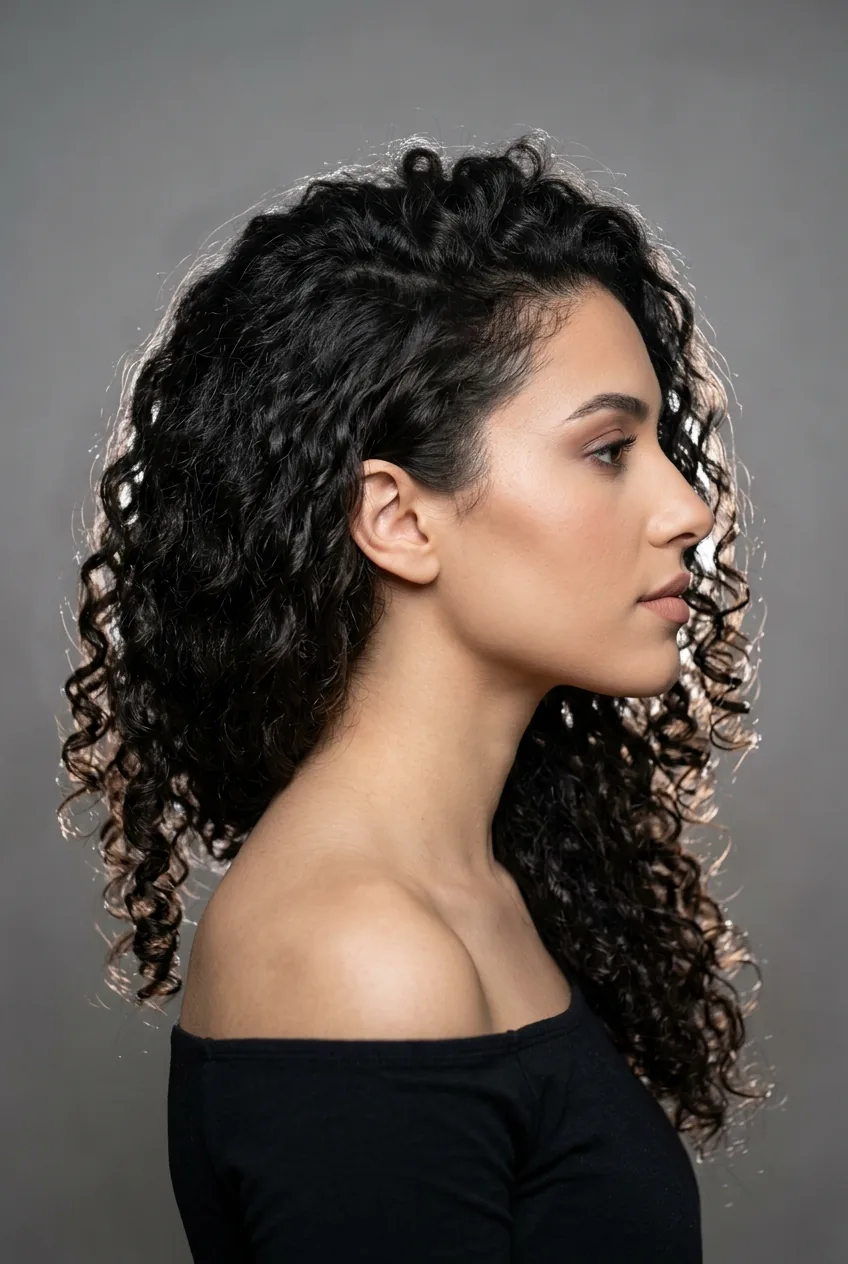
The Curly Side Sweep
I define my curls with curl cream, then sweep everything dramatically to one side and pin behind the ear. Some curls cascade over the shoulder while others are tucked back. It’s romantic and shows off your curl pattern beautifully.
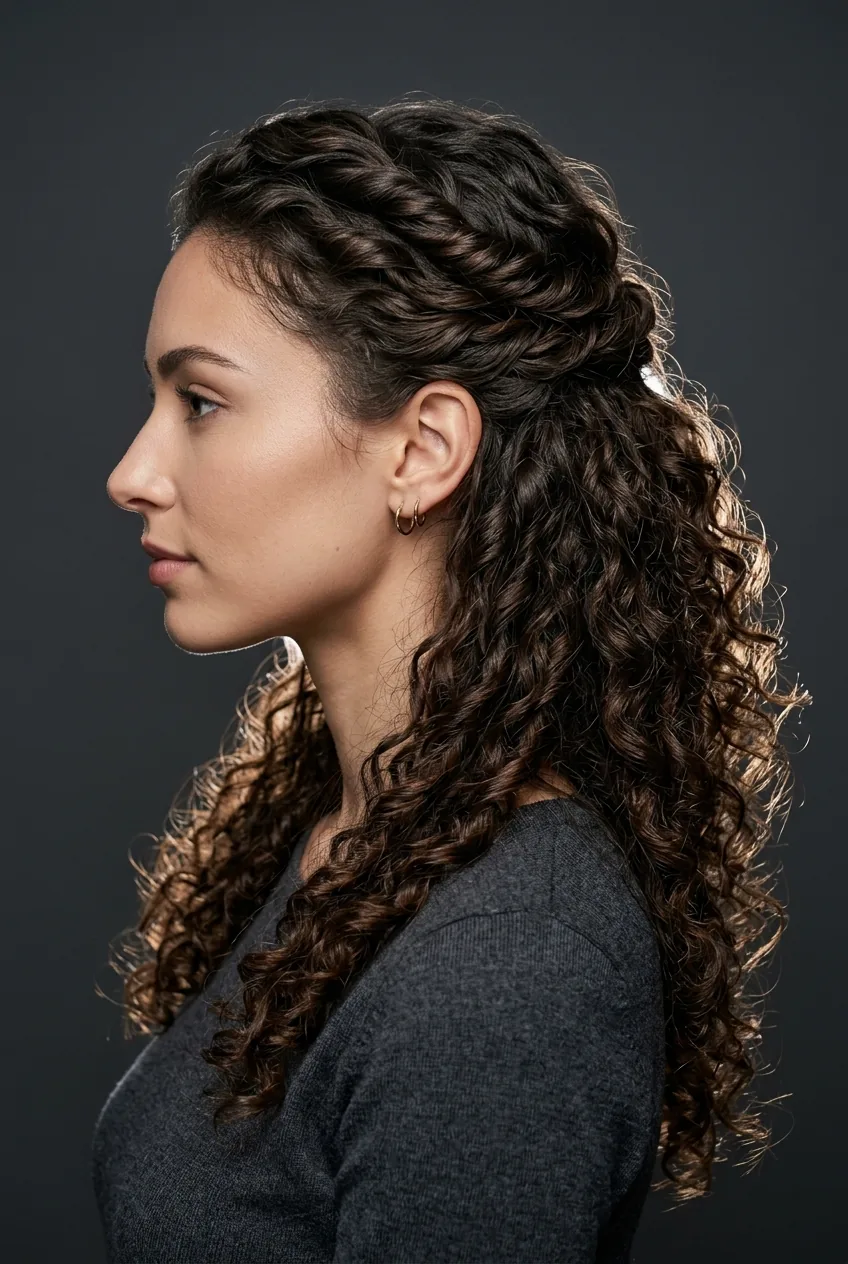
Half-Up Twisted Style
This is perfect when you can’t decide between wearing your hair up or down. I twist sections from each temple back and secure them together, letting the rest of my curls flow freely. It’s the best of both worlds — face-framing and formal.
The Curly Low Side Bun
Instead of trying to smooth out your texture, embrace it. I gather my curls loosely to one side at the nape, twist gently, and pin in place. The natural texture of the curls creates this gorgeous, organic-looking bun that’s anything but boring.
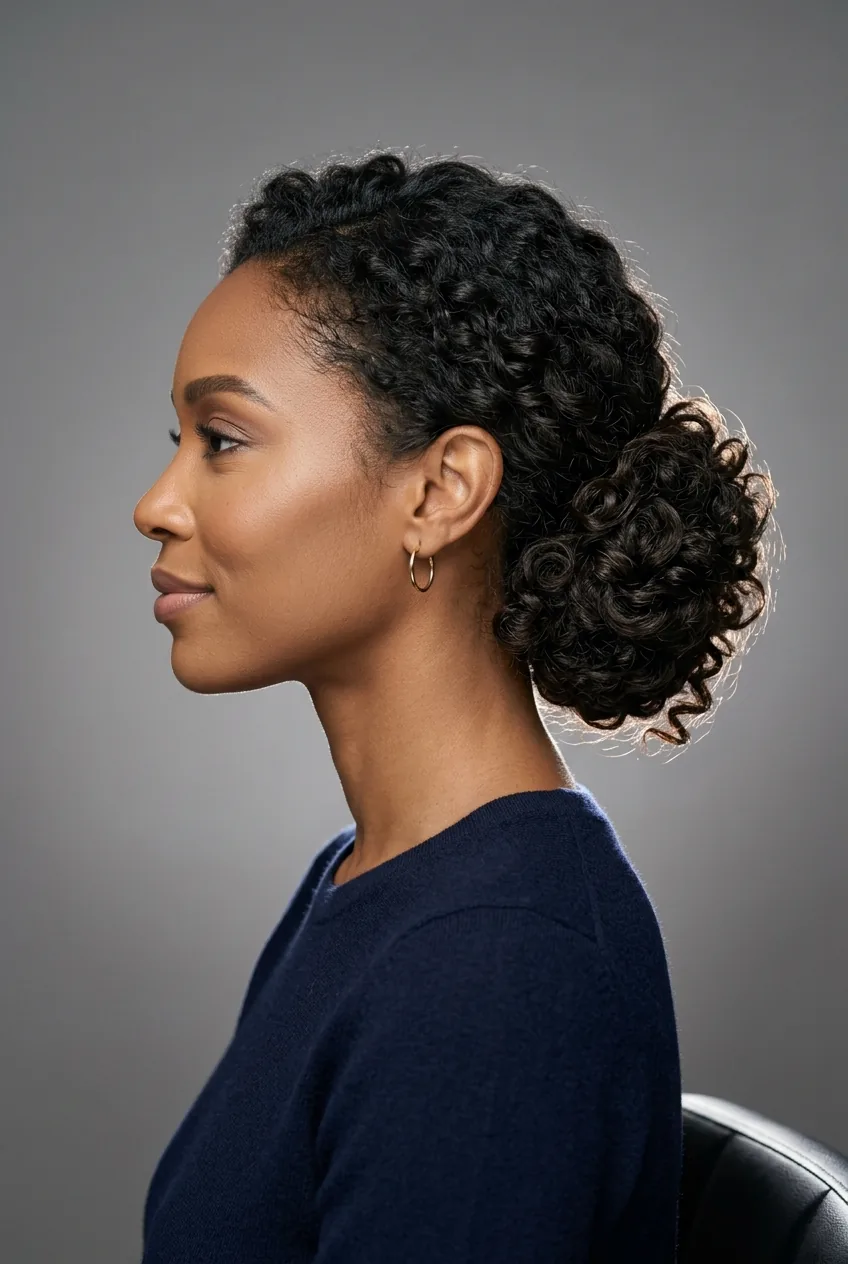
For curly hair, I always recommend working with professional styling methods that enhance your natural pattern. Fighting your curls never ends well at formal events.
For Short Hair Lengths
Short hair and formal events are absolutely compatible. Sometimes I think short hair looks even more elegant because every line is so precise and intentional.
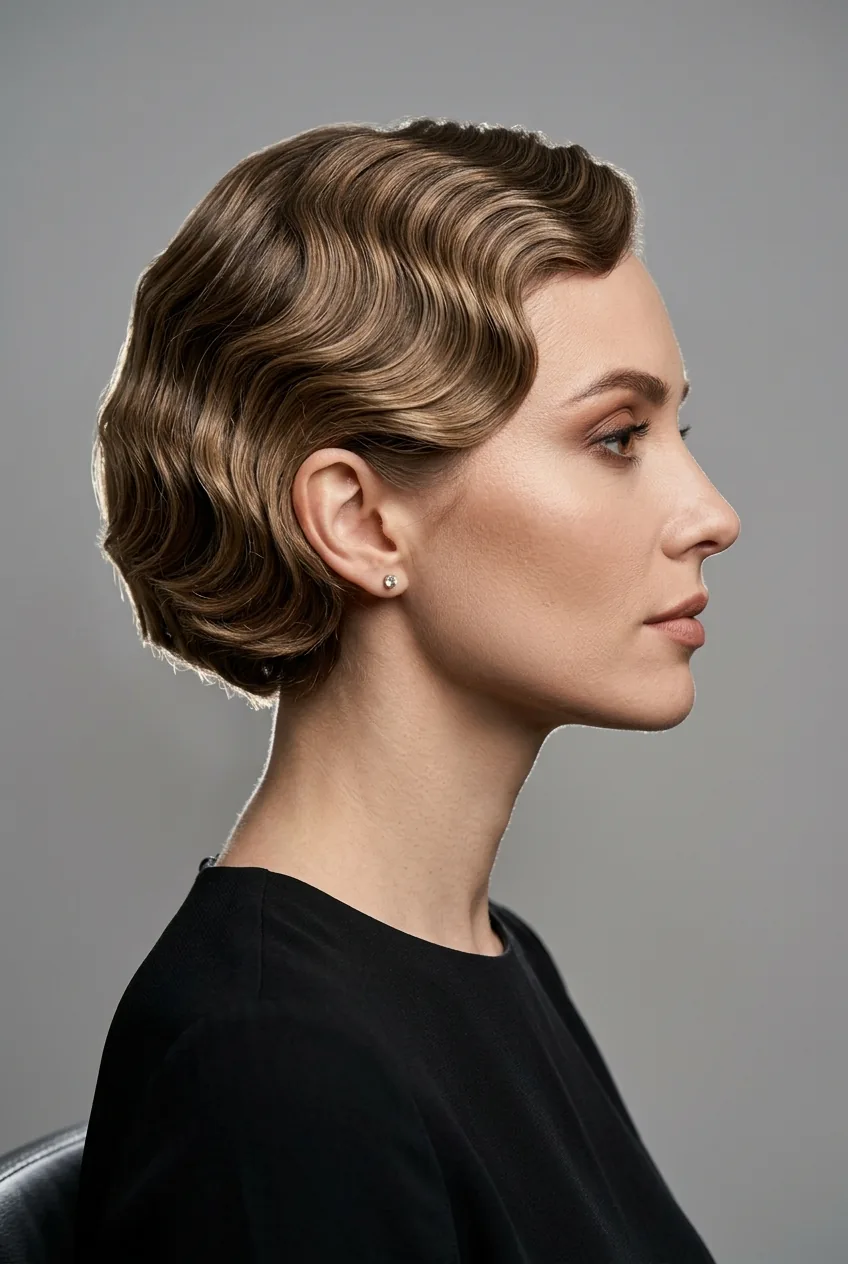
The Finger Wave Bob
This works on bobs and lobs. I create S-shaped waves using a flat iron and my fingers, then set everything with strong-hold hairspray. It’s pure 1920s glamour and looks incredibly sophisticated.
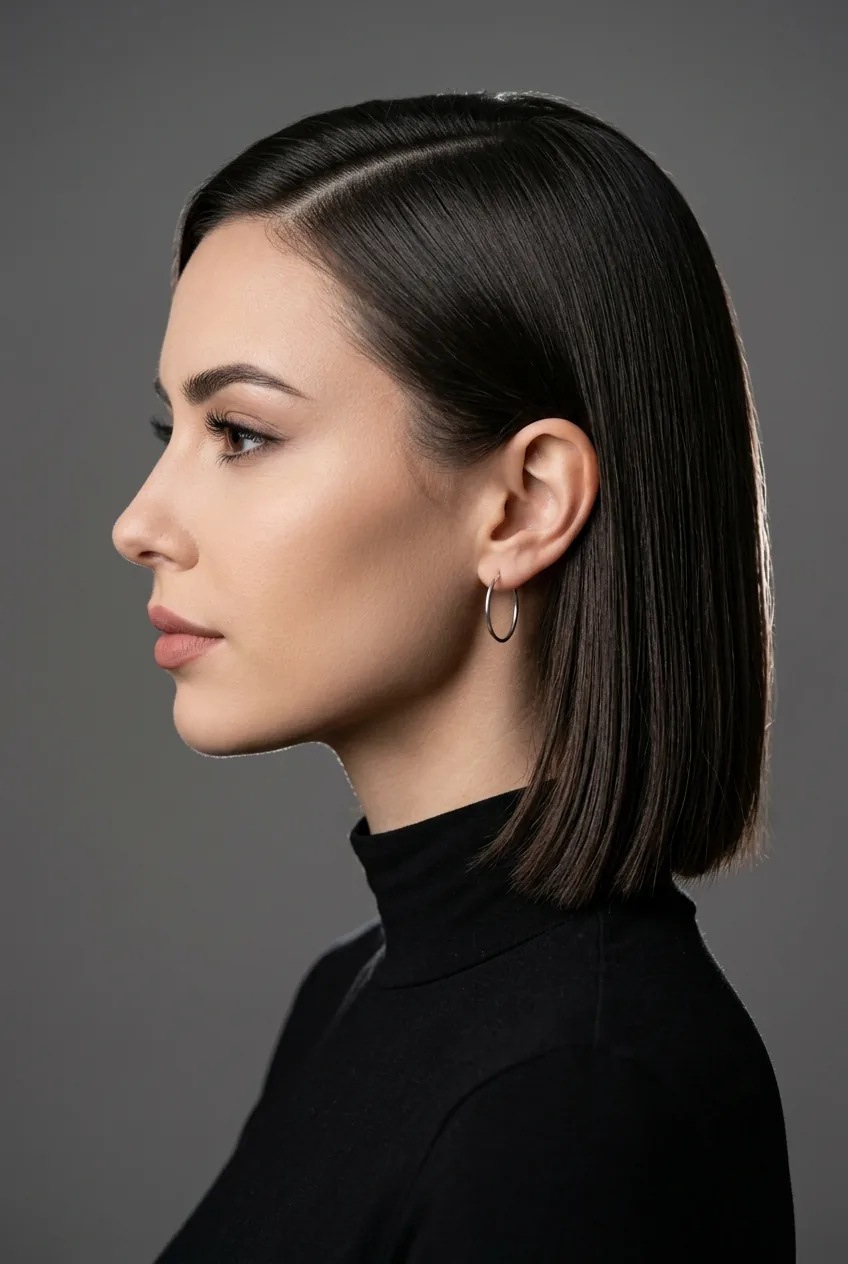
Sleek and Straight with a Deep Part
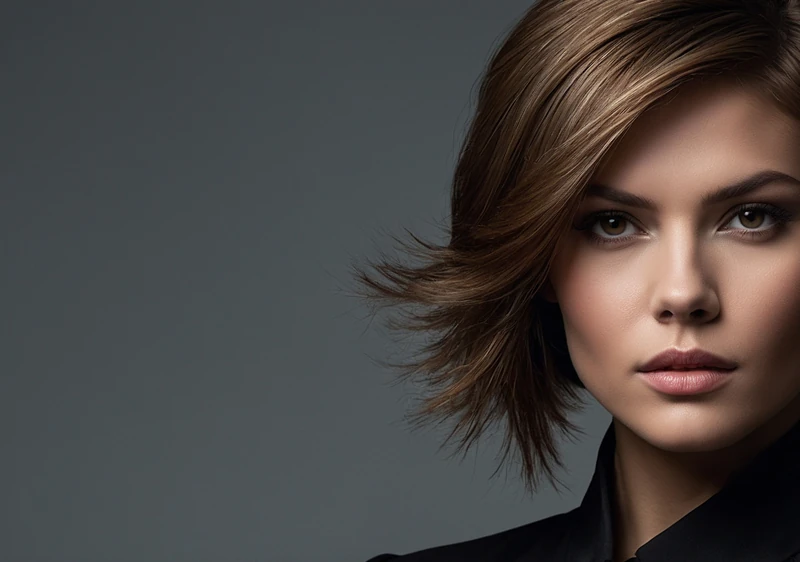
Sometimes the most formal look is the most minimal. I straighten my short hair to perfection, create a razor-sharp deep side part, and tuck one side behind my ear. Clean, modern, and unexpectedly formal.
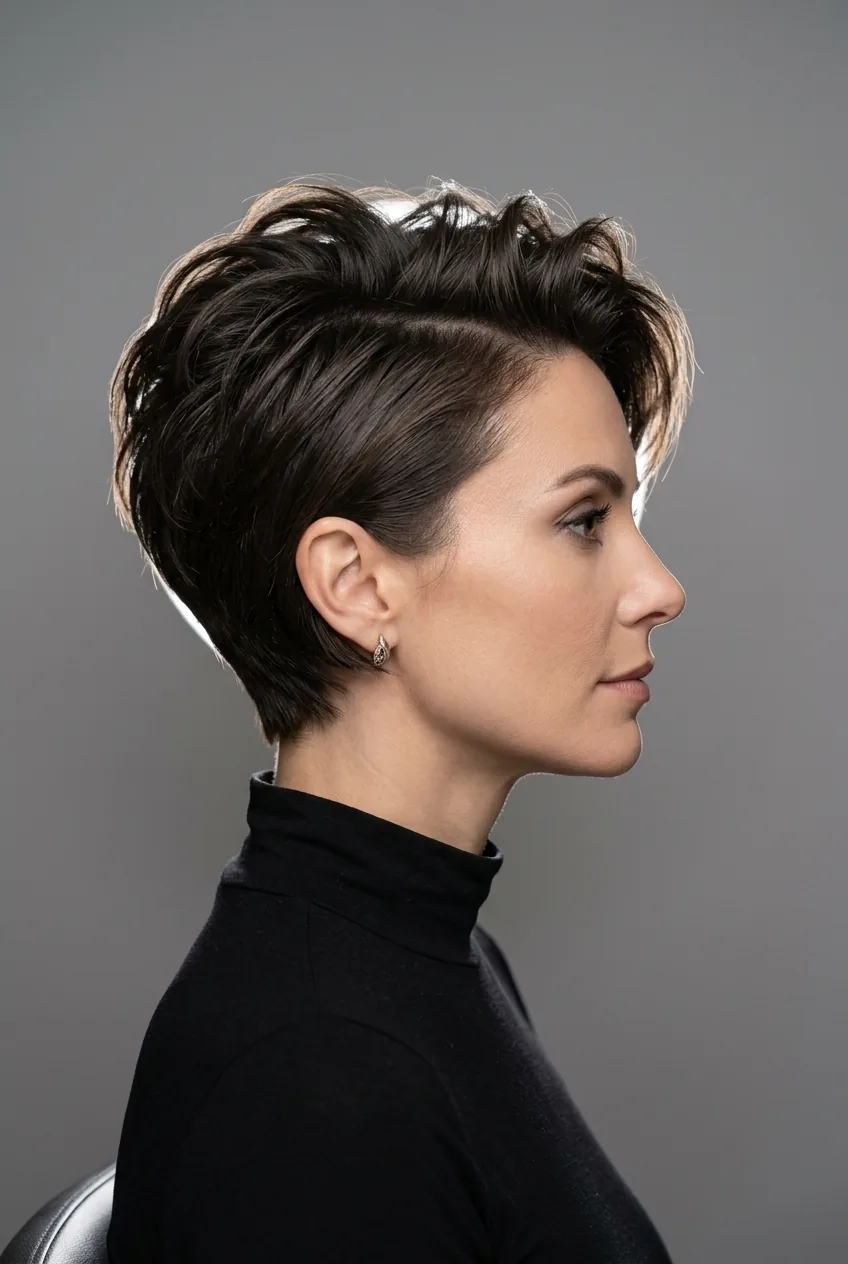
The Textured Pixie with Side Sweep
For shorter pixie cuts, I add texture with pomade and sweep everything dramatically to one side. The key is creating height at the crown and keeping the sides sleek. It’s edgy but still formal-appropriate.
For the Classic Elegance Lover
These are the styles that never go out of fashion. When you want to channel pure elegance and sophistication, these are your go-to options.
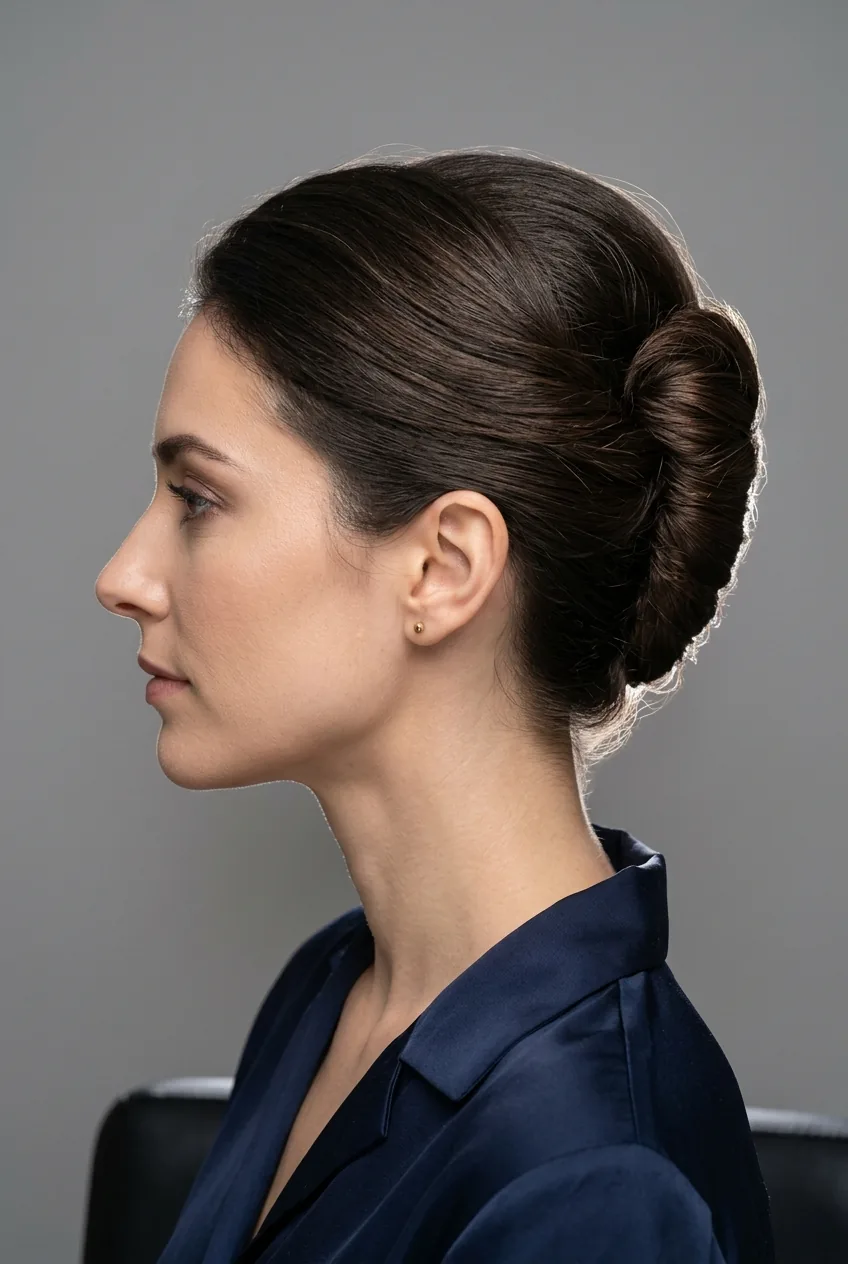
The French Twist
There’s something so effortlessly chic about a well-executed French twist. I gather my hair low at the nape, twist it up vertically, and secure with bobby pins hidden inside the twist. It’s timeless and works on almost every hair type and length.
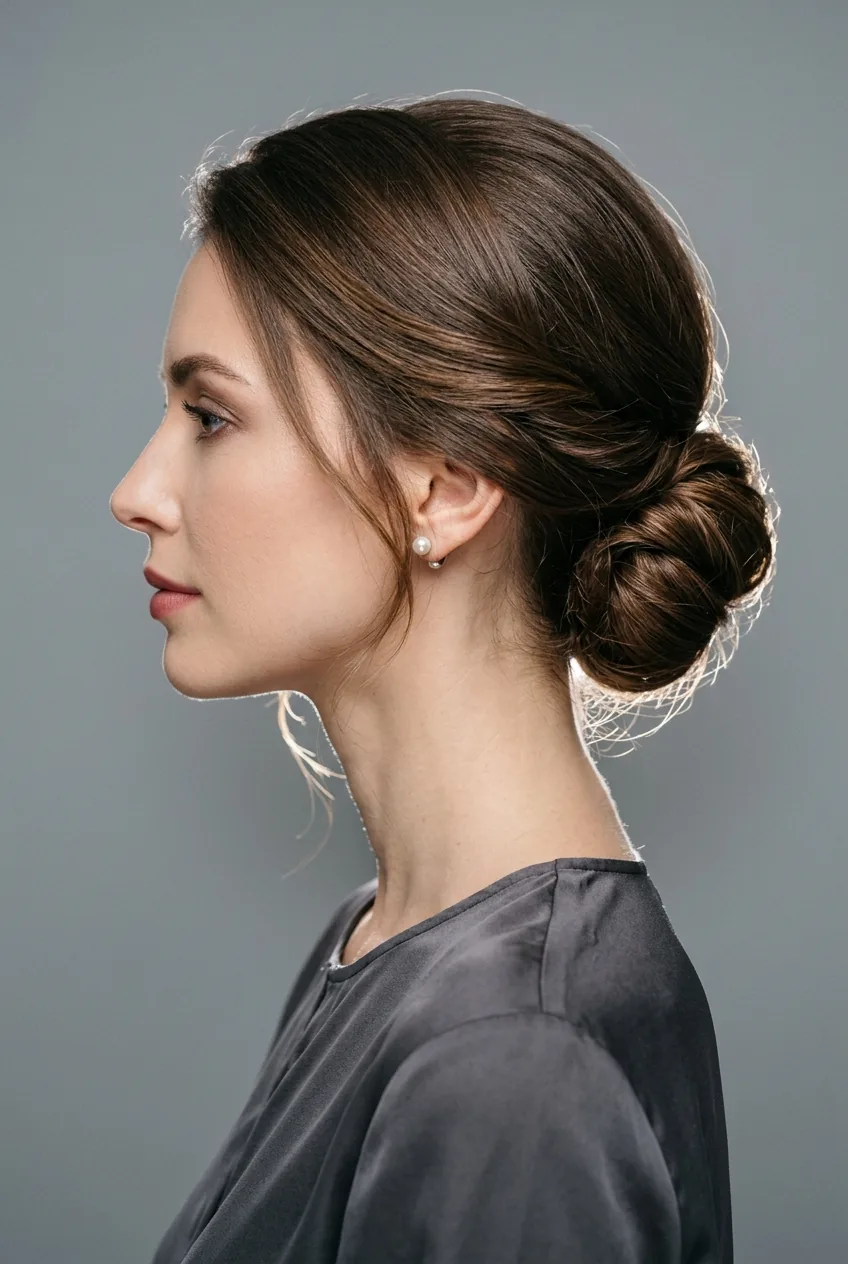
The Classic Chignon
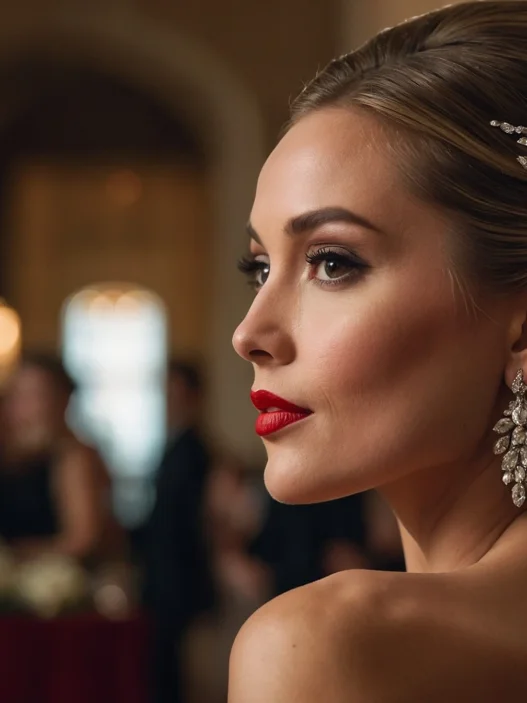
This low bun sits right at the nape of the neck and has such a refined feel. I create a low ponytail, twist it loosely, and wrap it around the base. The trick is keeping it slightly soft rather than pulling it too tight — you want elegance, not severity.
Many of these classic styles pair beautifully with elegant formal updos that add a contemporary twist to traditional techniques.
For the Modern Minimalist
Sometimes the most striking formal look is the most understated. These styles prove that “formal” doesn’t have to mean “complicated.”
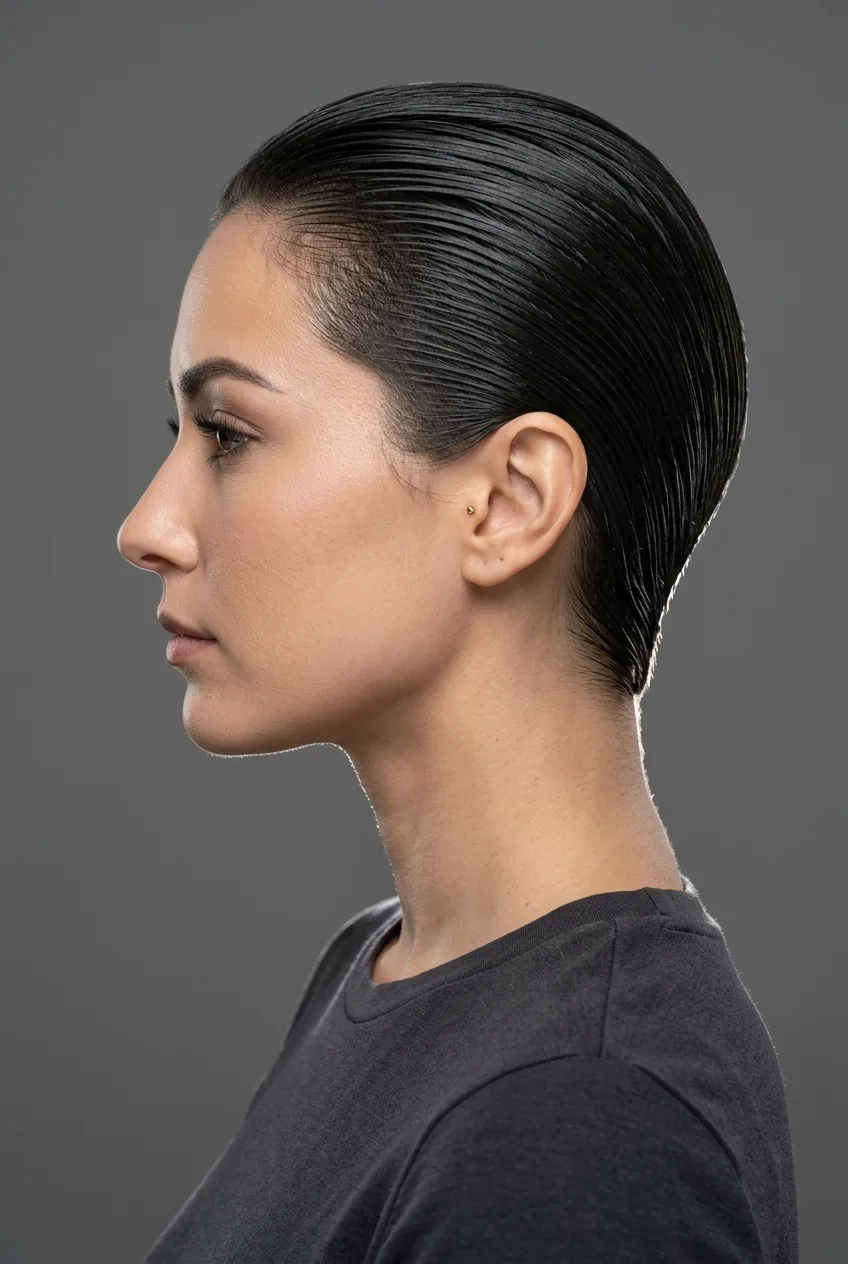
The Slicked-Back Look
I apply strong-hold gel to damp hair and comb everything straight back from my face. No part, no volume, just pure sleek sophistication. It’s bold and modern and makes such a statement.
The Low Straight Ponytail
This might sound too simple, but when executed perfectly, it’s stunning. I create a poker-straight center part, smooth everything back with a fine-tooth comb, and secure low at the nape. The ponytail hangs like silk.
For anyone looking to add dimension to these sleek styles, vibrant balayage ideas can create beautiful color depth even in minimalist formal looks.
The beauty of formal hair styles is that there’s truly something for everyone. Whether your hair is fine or thick, straight or curly, short or long, the key is working with your natural texture and choosing styles that make you feel confident. I’ve learned that the best formal hairstyle is always the one that feels authentically you — just elevated.
Quick Questions About Formal Hair Styling
How far in advance should I practice my formal hairstyle?
At least a week before your event, but ideally two weeks. This gives you time to adjust the technique and figure out what products work best for your hair type.
What’s the best way to make formal styles last all night?
Start with clean hair, use a strong-hold hairspray throughout the styling process (not just at the end), and carry bobby pins that match your hair color for touch-ups.
Can I do these styles on second-day hair?
Actually, yes! Second-day hair often has better texture for updos because it’s not as slippery as freshly washed hair. Just refresh with dry shampoo if needed.
Should I use heat protectant for formal styles?
Absolutely, especially if you’re curling or straightening. Quality heat protectants are essential for maintaining healthy hair while creating polished formal looks.
How do I know which style suits my face shape?
Generally, if you have a round face, try styles with height at the crown. For long faces, go for styles that add width at the sides. But honestly, confidence trumps face shape rules every time.