






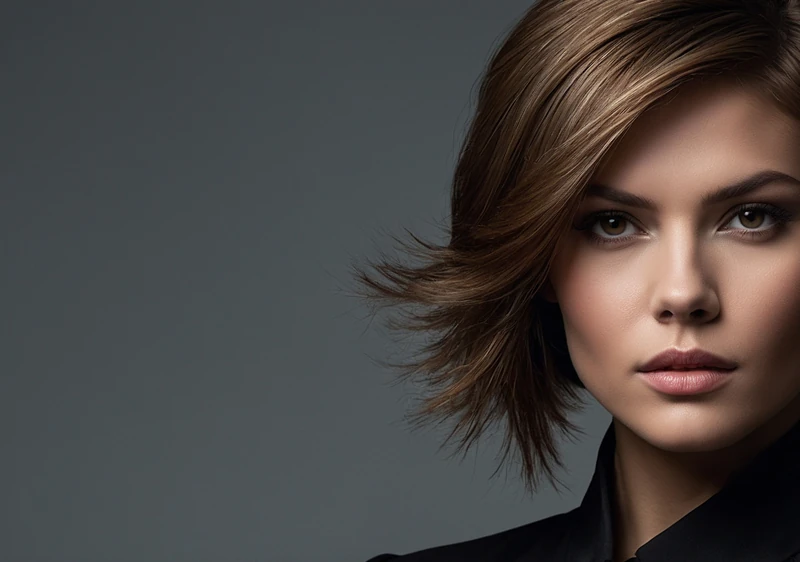
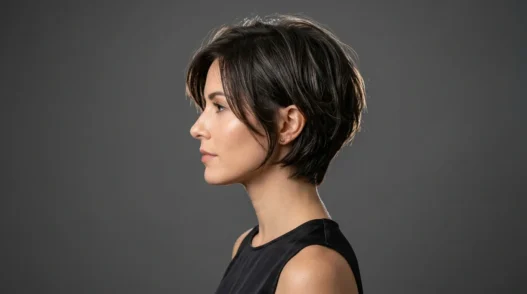
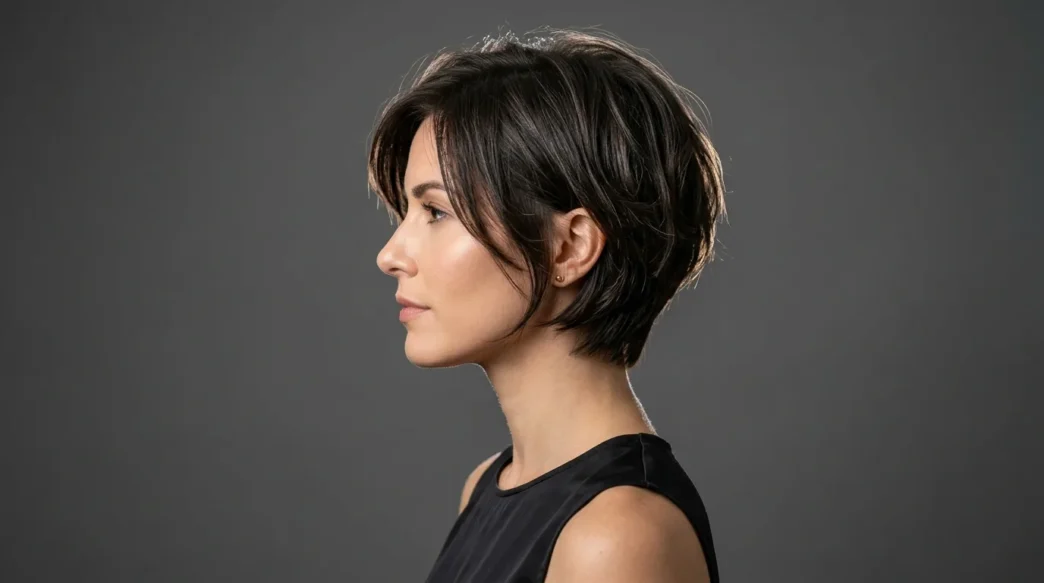
I’ve been experimenting with short layered haircuts for years, and honestly? Some look way more complicated than they actually are. But then there are others that had me booking emergency salon appointments because I got in way over my head. After countless trials (and a few disasters), I’ve figured out which cuts you can totally tackle yourself and which ones require serious skills.

Your Layered Cut Roadmap
- Beginner Friendly: The Basic Layered Bob
- Beginner Friendly: Textured Pixie with Soft Layers
- Easy Level: Side-Swept Layered Crop
- Easy Level: Shaggy Bob with Face-Framing Layers
- Intermediate Challenge: Asymmetrical Layered Lob
- Intermediate Challenge: Choppy Layers with Undercut
- Intermediate Challenge: Feathered Layers Retro Style
- Advanced Level: Razor-Cut Layered Pixie
- Advanced Level: Disconnected Layers with Color Blocking
- Advanced Level: Sculptural Layered Cut
- Expert Level: Multi-Dimensional Layered Masterpiece
- Expert Level: Avant-Garde Layered Creation
1. Beginner Friendly: The Basic Layered Bob
Difficulty: ★☆☆☆☆ | Time: 15-20 minutes | Tools: Sharp haircutting scissors, comb
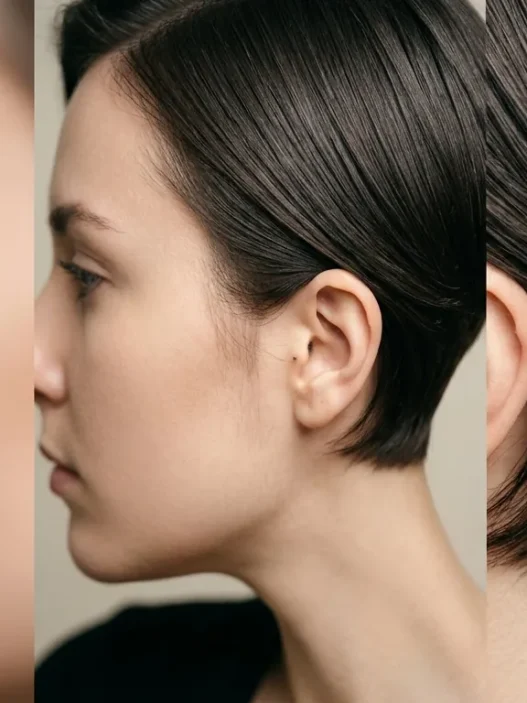
This is where I always tell people to start. The basic layered bob is forgiving because the layers are subtle and the length gives you room for mistakes. I love how she’s wearing it in this photo — see how the layers create movement without looking choppy?
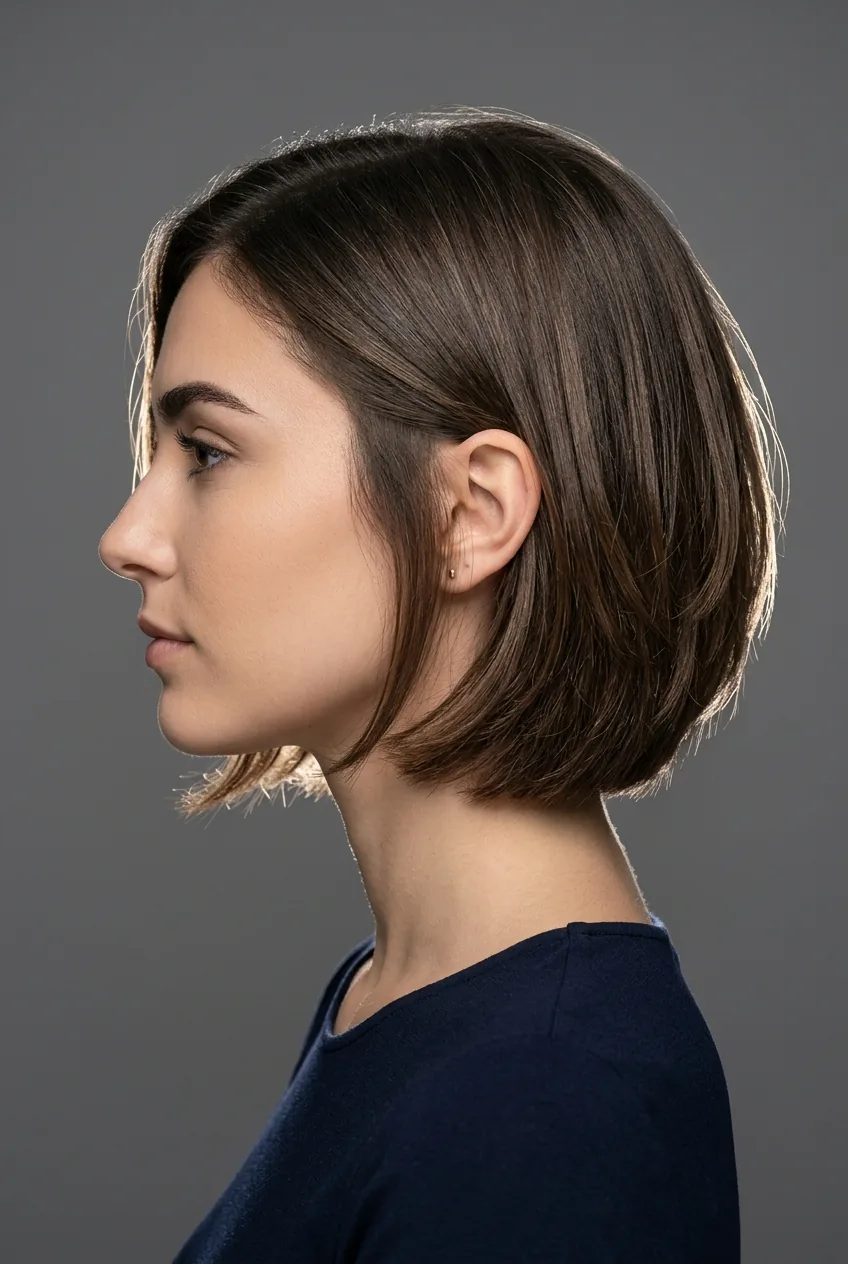
The key is keeping the layers long and graduated. You’re basically just removing bulk, not creating dramatic shape changes. When I first tried this, I was amazed at how much fuller my fine hair looked with just a few strategic snips.
Perfect for anyone who wants to dip their toes into layered cuts without committing to something too drastic. The worst thing that can happen? You end up with a slightly shorter bob.
2. Beginner Friendly: Textured Pixie with Soft Layers
Difficulty: ★☆☆☆☆ | Time: 10-15 minutes | Tools: Scissors, texturizing shears
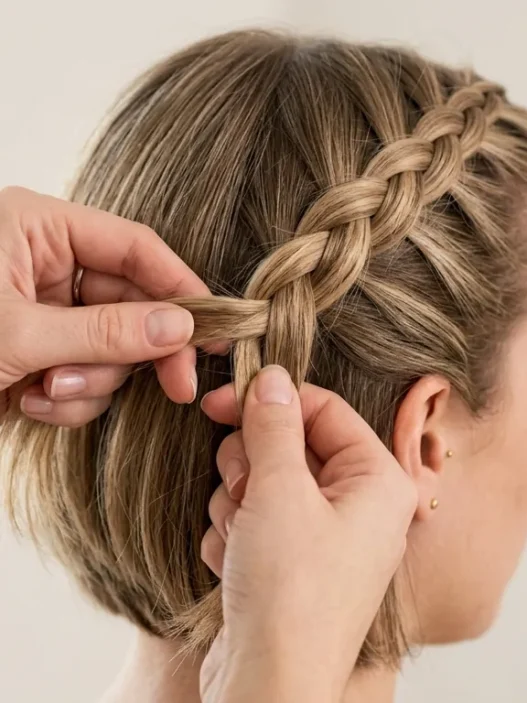
Don’t let the word “pixie” scare you. This version is incredibly beginner-friendly because you’re working with texture, not precision. Look at how effortless her cut appears — that’s exactly what we’re going for.
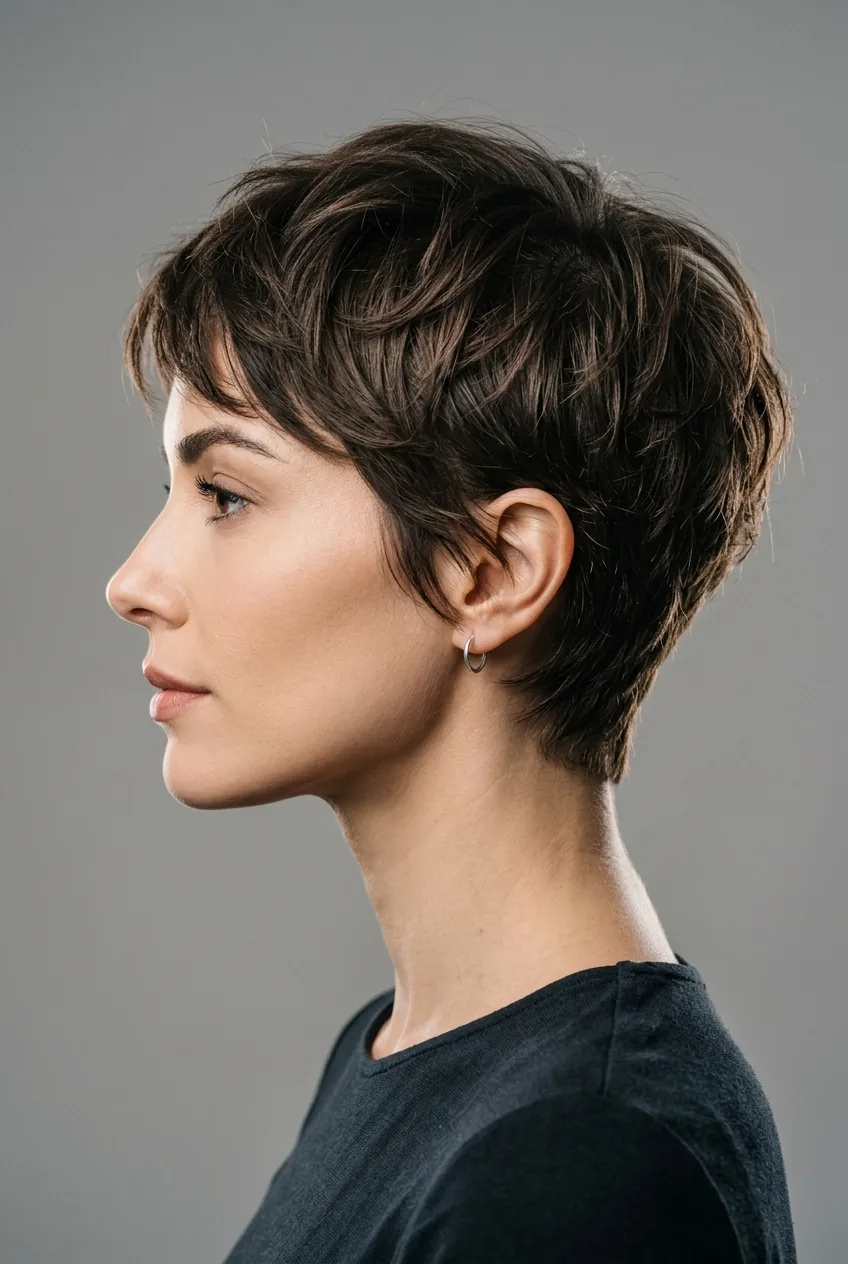
The magic happens with texturizing shears. Instead of trying to create perfect layers with regular scissors, you’re just adding movement and removing weight. I stumbled onto this technique by accident when I couldn’t afford my regular stylist, and it became my go-to.
The beauty of this cut is that it looks intentionally “undone.” Even if you mess up slightly, it just adds to the tousled, lived-in vibe that makes pixies so charming.
3. Easy Level: Side-Swept Layered Crop
Difficulty: ★★☆☆☆ | Time: 20-25 minutes | Tools: Sharp scissors, rat-tail comb, clips
Now we’re stepping up slightly in complexity. This crop requires you to actually think about angles and how layers will fall when styled to one side. But honestly, it’s not as scary as it sounds.
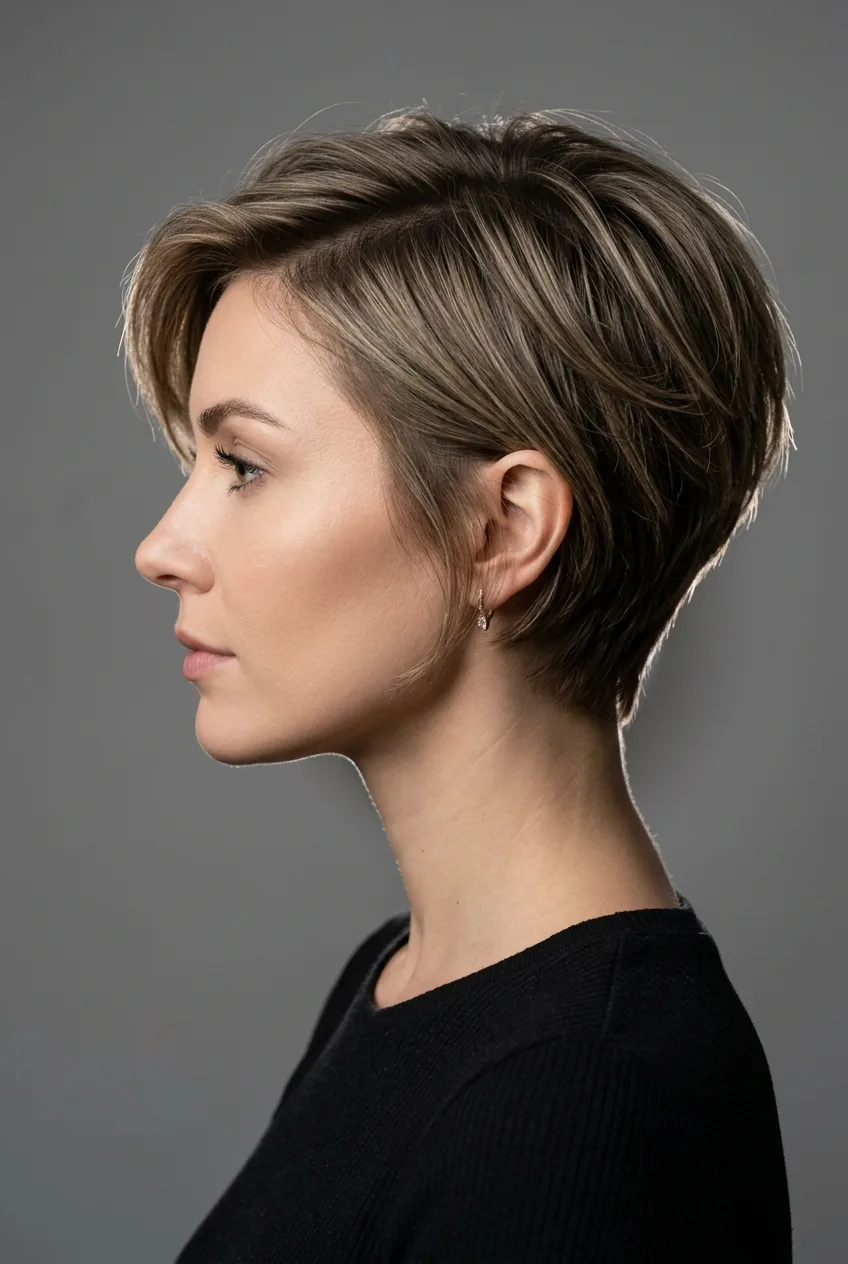
The trick I learned is to always cut with the hair styled in its natural direction. See how her layers sweep so naturally? That’s because they were cut to follow the hair’s growth pattern, not fight against it.
What makes this “easy” instead of “beginner” is that you need to understand how hair moves when it’s parted. But once you get that concept, this cut practically creates itself. I’ve done variations of this sophisticated short hairstyles for women over 60 and it works beautifully at any age.
4. Easy Level: Shaggy Bob with Face-Framing Layers
Difficulty: ★★☆☆☆ | Time: 25-30 minutes | Tools: Scissors, texturizing shears, sectioning clips
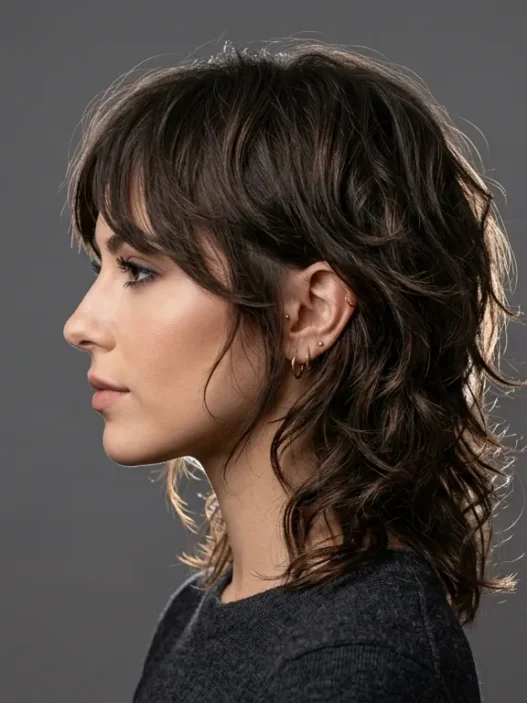
The shag is having such a moment right now, and this version bridges the gap between easy and intermediate beautifully. The face-framing layers are what elevate it from a basic bob to something with serious personality.
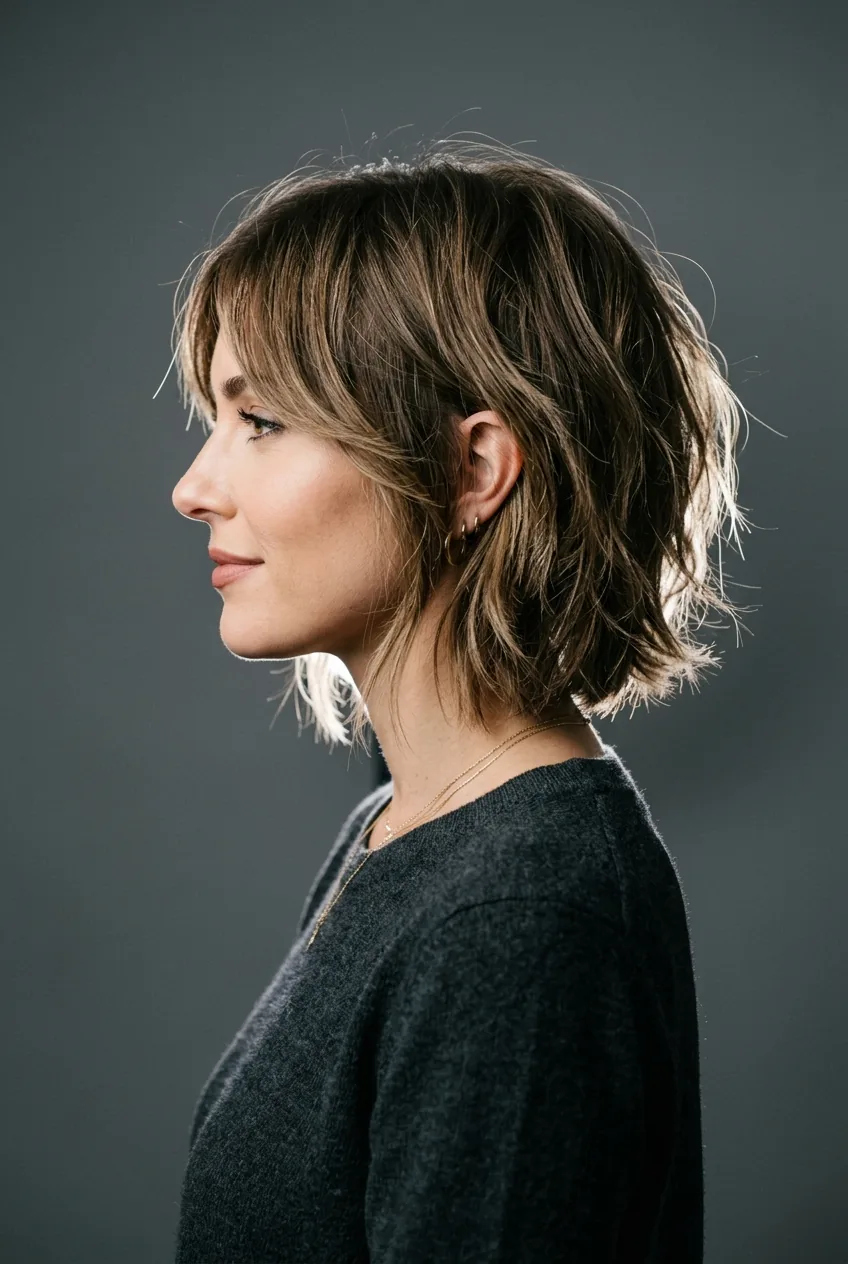
I love how the layers around her face create that effortless, rock-and-roll vibe. The key is starting longer than you think you need — you can always cut more, but growing out choppy face-framing layers is a nightmare.
My Personal Pick: This is the cut I always come back to when I want something fresh but not too high-maintenance. The shaggy layers give me texture on good hair days and hide a multitude of sins on bad ones.
What makes this manageable is that shags are supposed to look a little messy. Perfect precision isn’t the goal — movement and texture are. Styling techniques can really make or break this look, though.
5. Intermediate Challenge: Asymmetrical Layered Lob
Difficulty: ★★★☆☆ | Time: 35-40 minutes | Tools: Sharp scissors, fine-tooth comb, level or measuring tool
Here’s where things get interesting. Asymmetrical cuts require you to actually measure and plan, which is why I bumped this to intermediate. But look at how striking her cut is — the drama is worth the extra effort.
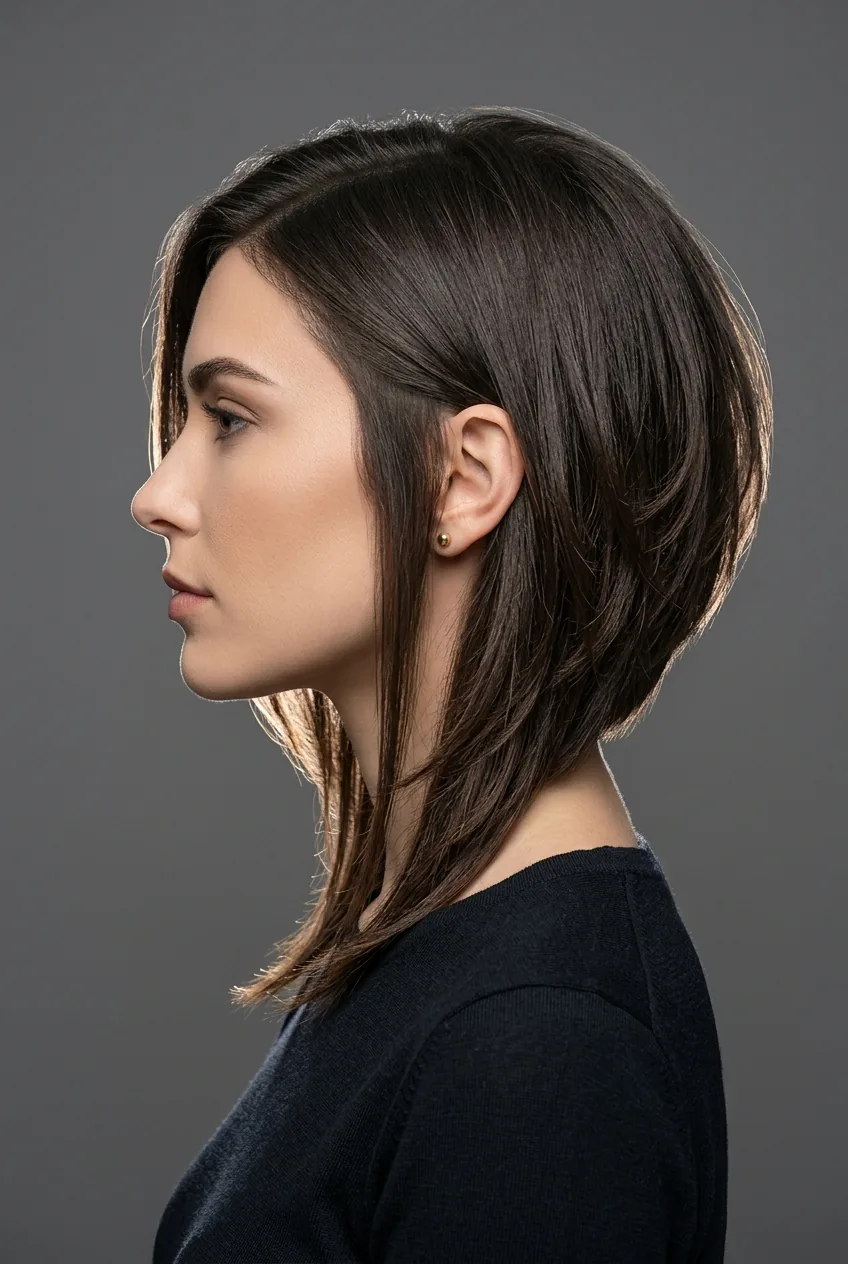
The biggest challenge is getting the asymmetry intentional, not accidental. I’ve seen too many people attempt this and end up with a lopsided bob instead of a deliberately edgy asymmetrical lob. The difference is all in the planning.
You need to decide on your angle before you start cutting. How much shorter will the back be? How dramatic is the graduation? These aren’t decisions you can make as you go — trust me, I’ve tried.
6. Intermediate Challenge: Choppy Layers with Undercut
Difficulty: ★★★☆☆ | Time: 30-35 minutes | Tools: Scissors, clippers, guards, sectioning clips
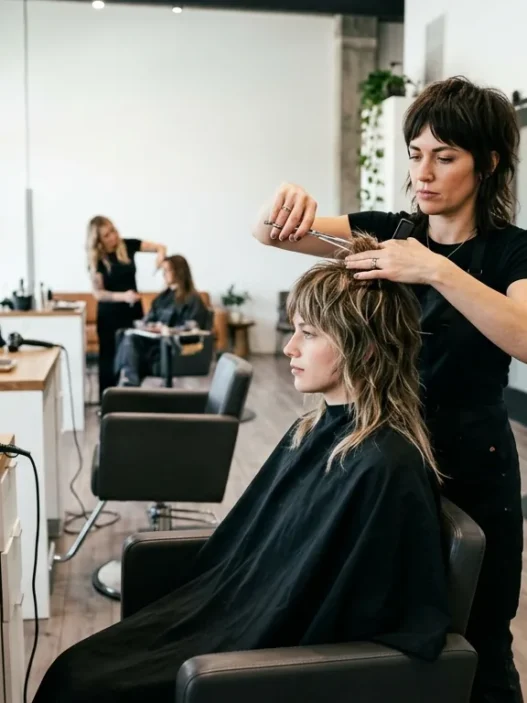
The undercut element is what pushes this into intermediate territory. You’re working with two completely different techniques — scissor work on top and clipper work underneath. See how seamlessly they blend in her cut? That takes practice.
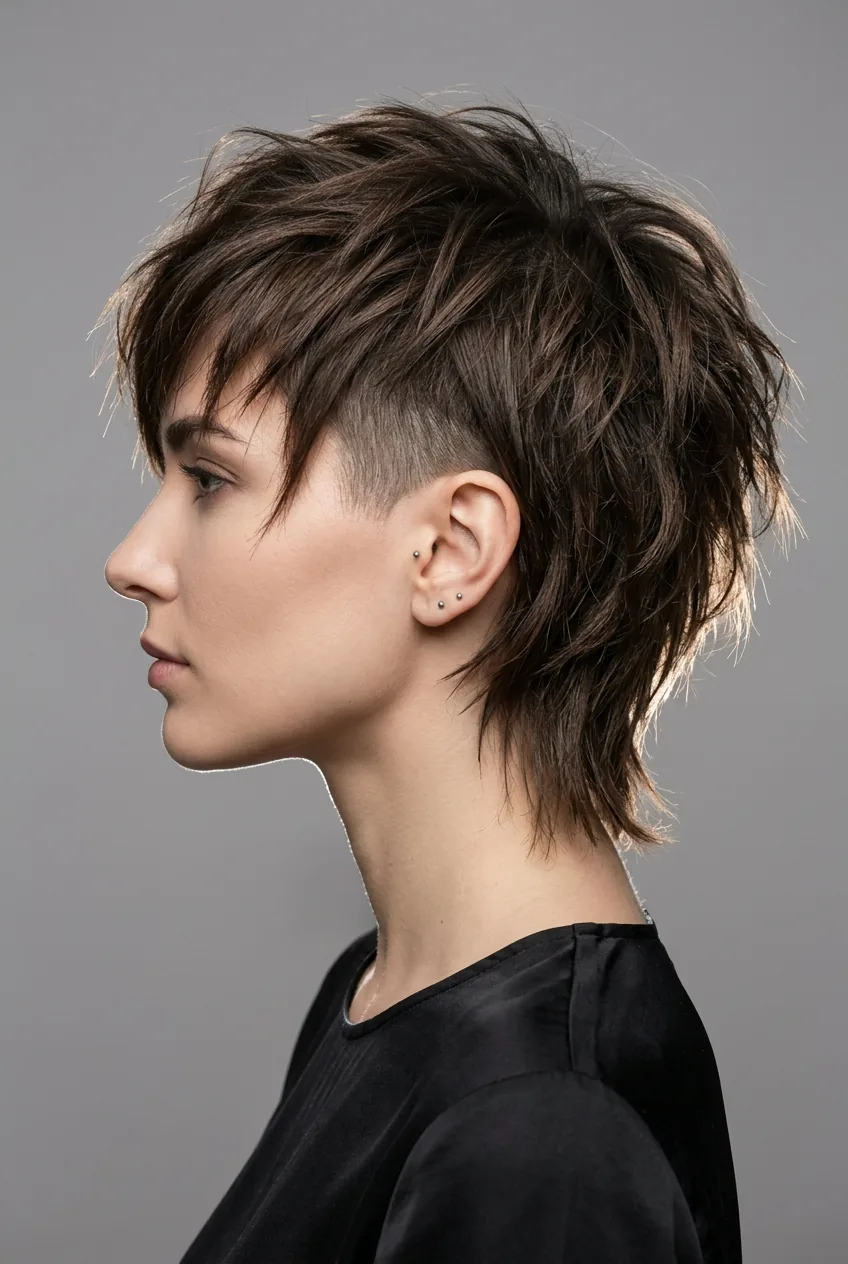
The choppy layers on top are actually pretty forgiving, but the undercut has to be clean and precise. Too high and you’ll see it when the hair moves. Too conservative and it won’t have any impact.
I recommend practicing with temporary undercuts first — areas that will be completely covered when the hair is down. Once you master the clipper technique, the full reveal becomes much less intimidating.
7. Intermediate Challenge: Feathered Layers Retro Style
Difficulty: ★★★☆☆ | Time: 40-45 minutes | Tools: Scissors, razor, round brush, sectioning clips
Feathered layers are all about precision and understanding hair direction. This retro-inspired cut requires you to work with the hair’s natural growth patterns to create that signature flip and movement.
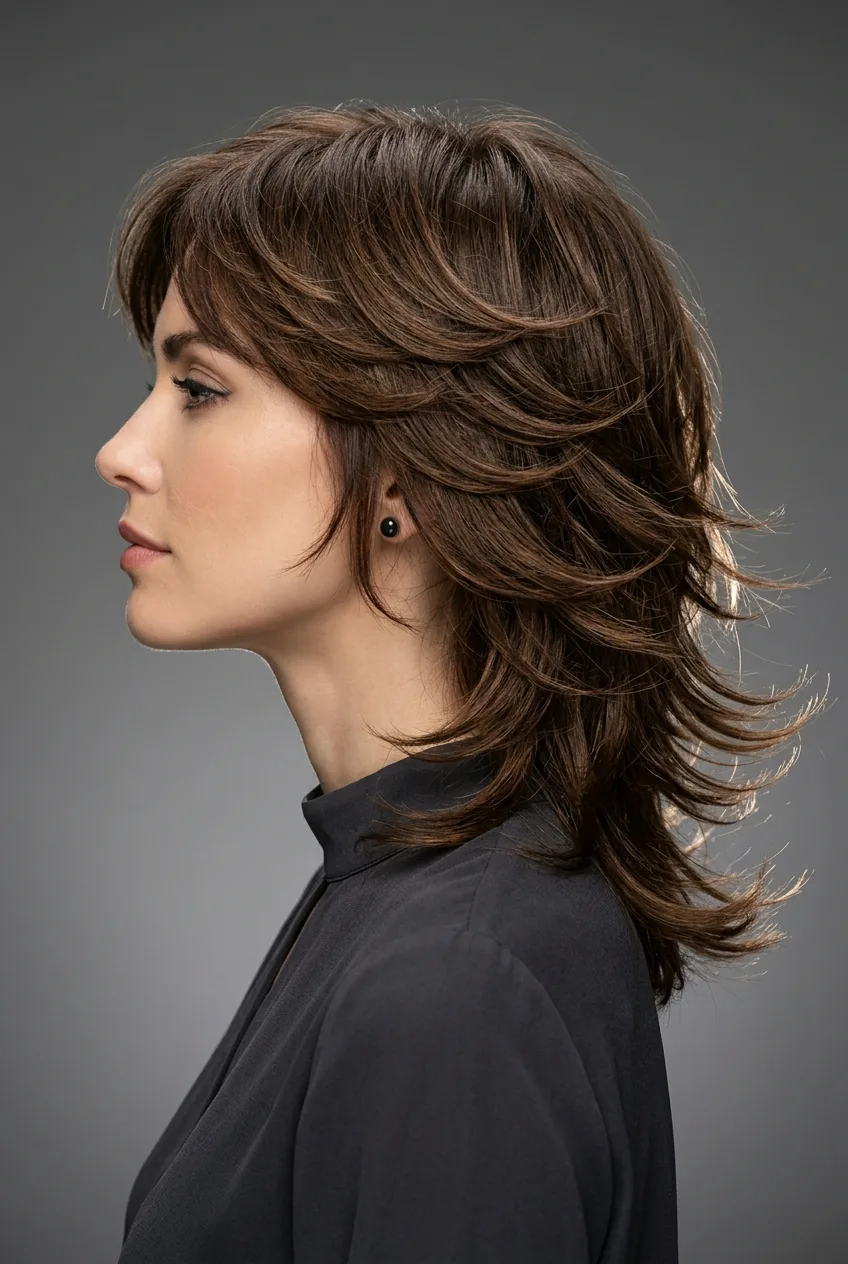
The technique involves cutting at an angle while pulling the hair in specific directions. Look at how her layers seem to flow naturally outward — that’s not accident, that’s physics. You’re essentially creating a foundation for the hair to fall in a predetermined way.
What makes this intermediate rather than advanced is that the techniques are fairly standard. It’s the application and understanding of how layers work together that requires more skill. Professional cutting methods can help you understand the mechanics better.
Watch the Feathering Technique
8. Advanced Level: Razor-Cut Layered Pixie
Difficulty: ★★★★☆ | Time: 45-50 minutes | Tools: Professional razor, guards, texturizing shears, precise sectioning
Welcome to advanced territory. Razor cutting is a completely different animal from scissor work. The razor creates softer, more graduated layers, but it requires a completely different hand technique and understanding of hair behavior.
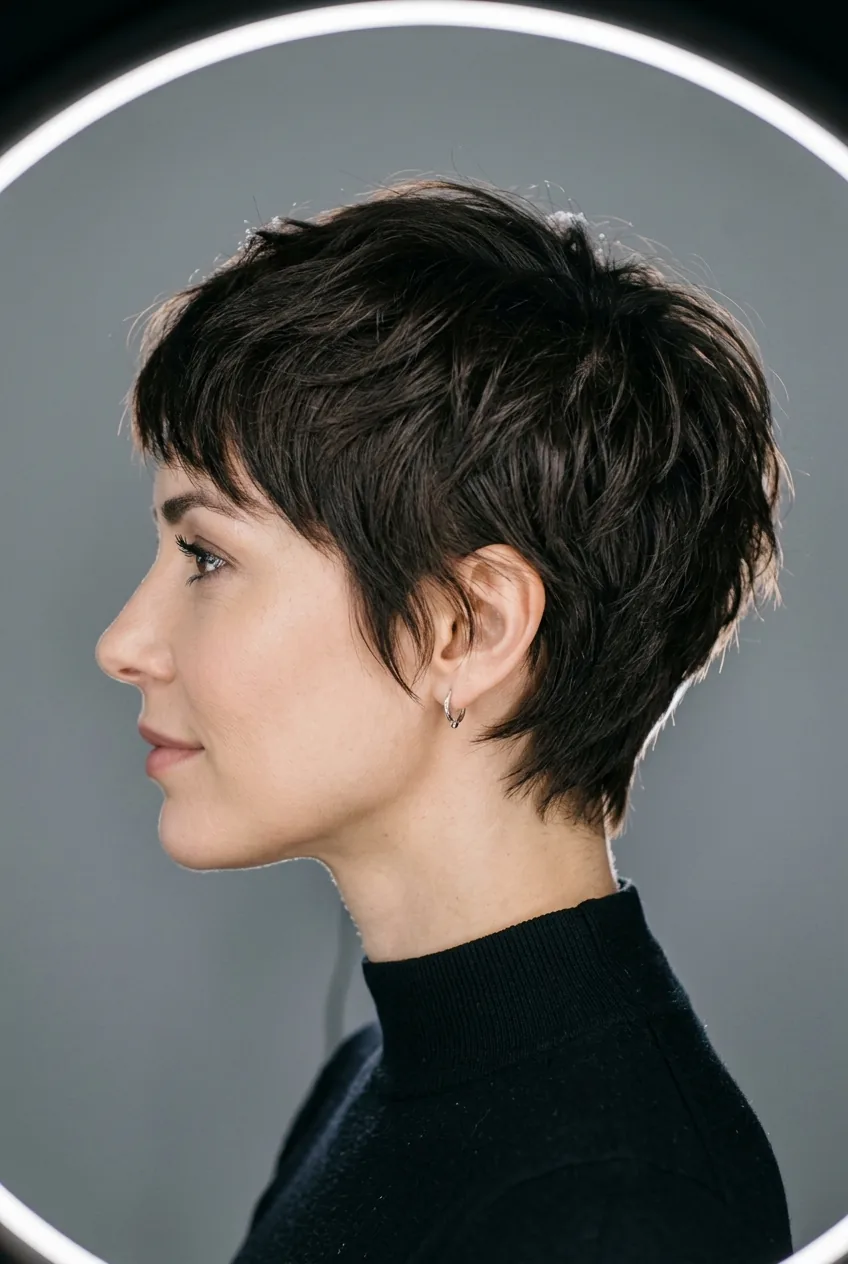
See how her pixie has that incredibly soft, almost painted quality to the layers? That’s what proper razor work achieves. But one wrong angle or too much pressure, and you can create holes or choppy sections that are nearly impossible to fix.
The learning curve is steep because razors behave differently on different hair types. Fine hair can get damaged easily, while thick hair might not respond as dramatically as you expect. This is where professional training really shows.
9. Advanced Level: Disconnected Layers with Color Blocking
Difficulty: ★★★★☆ | Time: 60+ minutes | Tools: Precision scissors, multiple hair colors, foils, sectioning clips
This is where artistry meets technical skill. Disconnected layers don’t flow into each other naturally — they’re intentionally separate, which means every single cut has to be precise and purposeful.
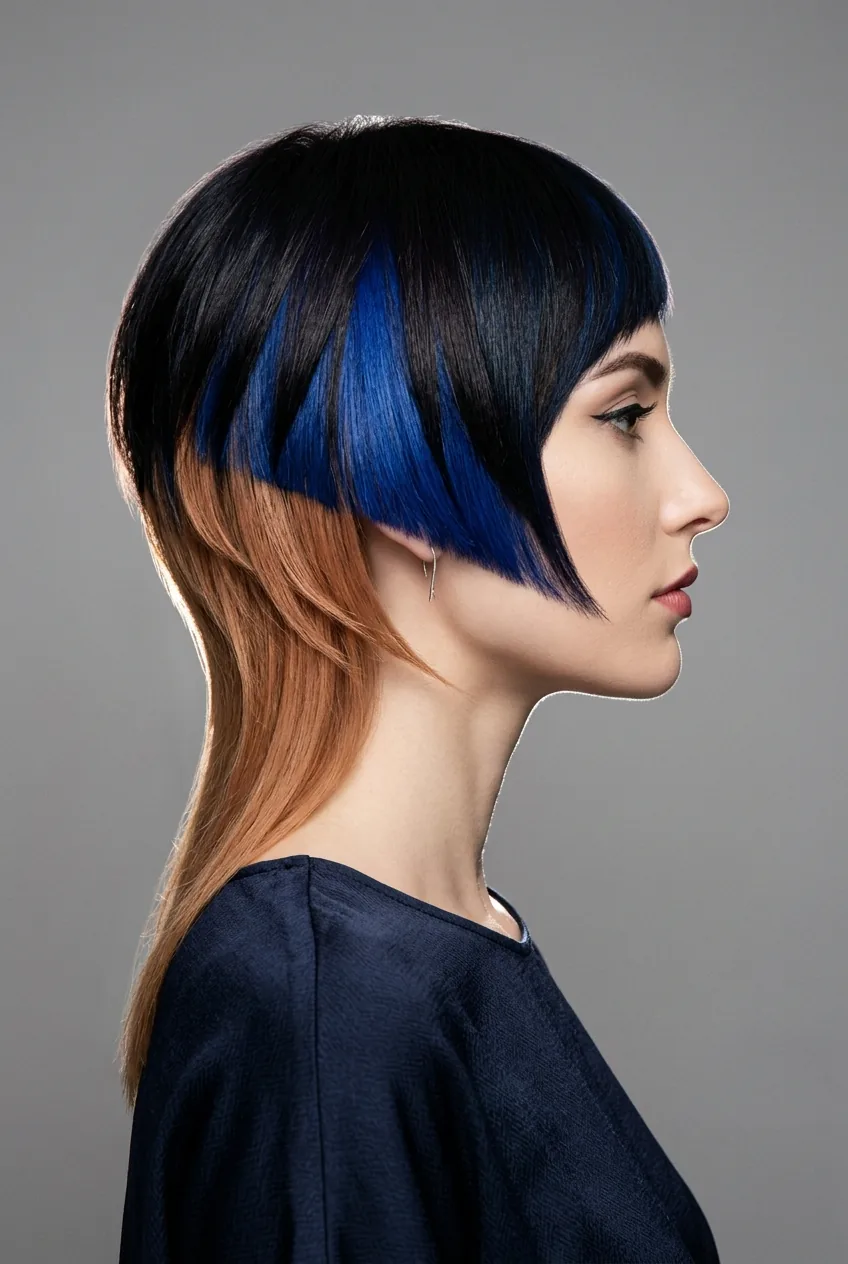
Add color blocking to the mix, and you’re essentially creating a living sculpture. The layers have to work with the color placement to create the overall effect. Look at how the color emphasizes the layer separation in her cut — that’s advanced planning at work.
What makes this particularly challenging is that you’re working backwards from your final vision. You have to place the colors first, then cut the layers to enhance the color story. One mistake early in the process affects everything that comes after.
10. Advanced Level: Sculptural Layered Cut
Difficulty: ★★★★☆ | Time: 70+ minutes | Tools: Professional scissors, texturizing tools, precise measuring instruments
Sculptural cuts are exactly what they sound like — you’re essentially carving a three-dimensional artwork from hair. Every angle matters. Every layer has to support the overall architectural vision.
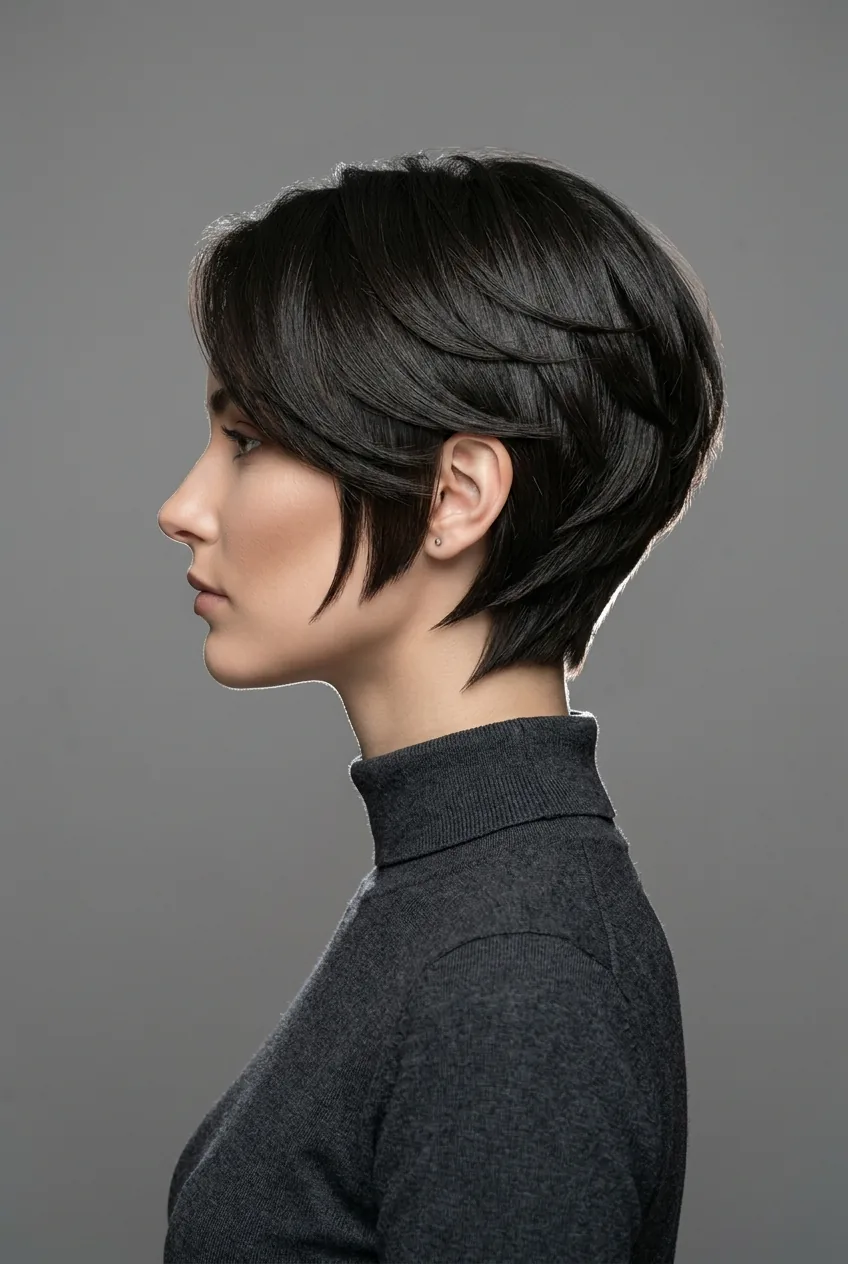
The geometric precision in her cut is breathtaking. See how each layer creates clean lines while still maintaining movement? That level of control requires years of experience and an almost mathematical understanding of how hair behaves in space.
These cuts often incorporate techniques from multiple schools of cutting — French layering, Japanese precision cutting, classic European methods. It’s not just one technique pushed to its limits, it’s a synthesis of different approaches working together. Much like those stunning layered fall haircuts that add volume, but taken to an artistic extreme.
11. Expert Level: Multi-Dimensional Layered Masterpiece
Difficulty: ★★★★★ | Time: 90+ minutes | Tools: Multiple cutting implements, advanced sectioning system, professional training
We’re in expert territory now. This isn’t just a haircut — it’s a technical masterpiece that requires understanding hair physics, facial geometry, and advanced cutting mathematics. Yes, mathematics.
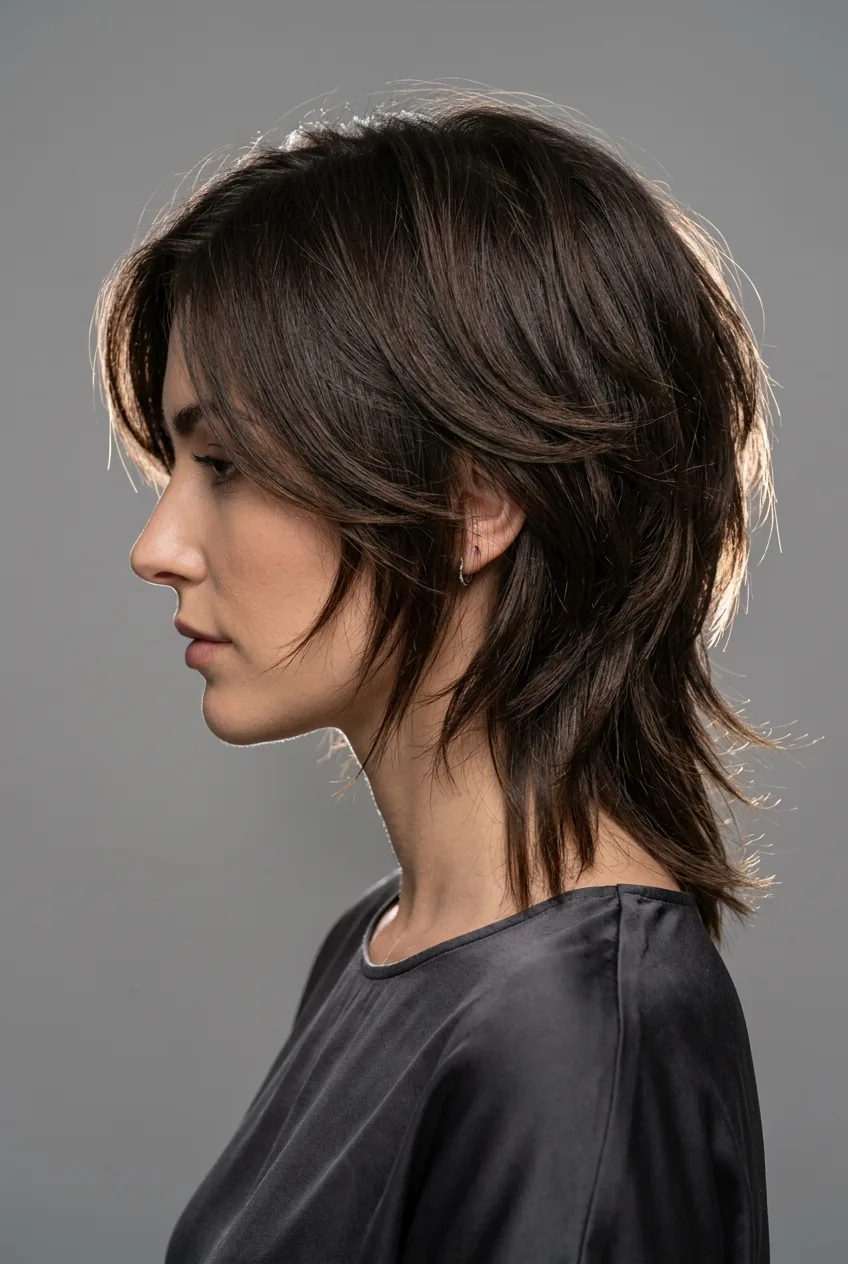
Look at the complexity in her cut. Multiple layer lengths, different texturing techniques, sections that work both independently and as part of the whole. This is what separates master stylists from everyone else.
The “multi-dimensional” aspect means you’re creating layers that serve different functions — some for volume, some for movement, some for shape control, some purely for visual interest. Each section requires different cutting techniques and tools.
12. Expert Level: Avant-Garde Layered Creation
Difficulty: ★★★★★ | Time: 120+ minutes | Tools: Specialized cutting tools, artistic vision, years of experience
This is hair cutting as pure art form. Avant-garde layered cuts push every boundary and create something that’s never been seen before. They’re not just difficult — they’re groundbreaking.
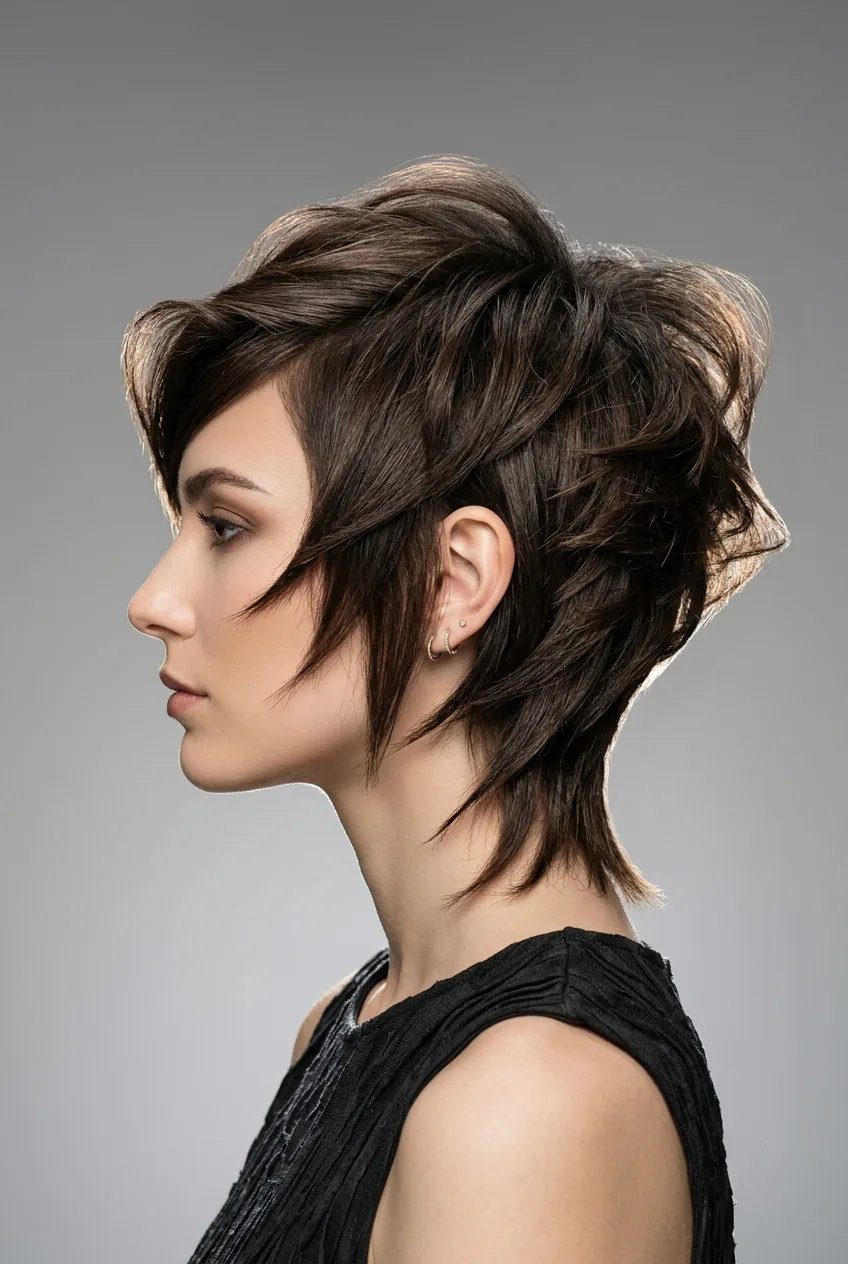
Her cut defies conventional wisdom about how hair should move and fall. It’s architecture, sculpture, and fashion all rolled into one. The layers create impossible angles and movements that seem to defy gravity.
These cuts often become the inspiration for next season’s trends. They’re the bleeding edge of what’s possible with hair cutting technology and technique. Attempting something like this without extensive training is like trying to perform surgery after watching YouTube videos.
Questions I Get About These Cuts
Can I really do the beginner cuts at home?
Absolutely, but start with good tools and realistic expectations. The basic layered bob and textured pixie are genuinely beginner-friendly if you take your time. I always recommend practicing on a wig first if you’re nervous.
How do I know when I’m ready for intermediate cuts?
When you’ve successfully completed several beginner cuts and understand how your hair behaves when cut. If you can create consistent layers and control your scissor angles, you’re probably ready to try intermediate challenges.
What’s the biggest mistake people make with layered cuts?
Trying to fix mistakes by cutting more. Once you’ve gone too short or created an uneven layer, stop cutting and either work with what you have or see a professional. I’ve seen so many salvageable cuts turn into disasters because someone kept “fixing” them.
Are expensive tools really necessary for better results?
For basic cuts, good drugstore scissors will work fine. But once you hit intermediate level, investing in professional shears makes a huge difference. The clean cuts and precise control are worth the investment if you’re serious about improving your skills.
Whether you’re starting with that first tentative bob or dreaming of avant-garde artistry, remember that every expert was once a beginner. I still have photos of my early attempts (they’re… not great), but each cut taught me something new. The key is starting where you are and building skills gradually — your hair will thank you for the patience.