


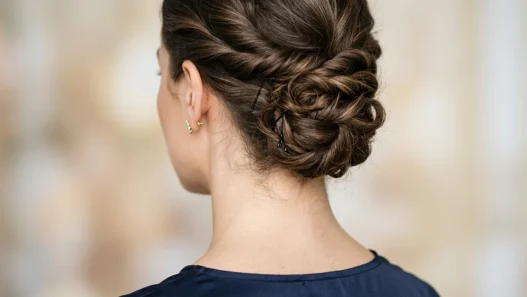






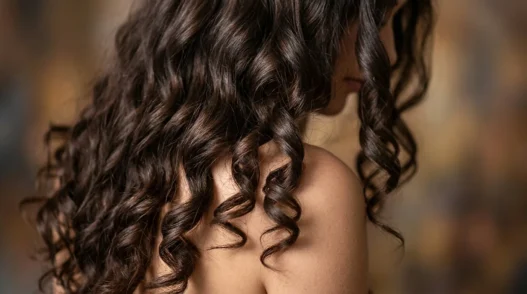

For the longest time, I fought my long wavy hair instead of working with it. Every morning was the same frustrating routine — blow-dry it straight, watch it go limp by noon, or let it air dry into a frizzy triangle. Then I discovered this approach that completely changed how my waves look and behave.
What Changed My Entire Hair Game
The breakthrough came when I stopped trying to force my waves into submission. Instead of treating my hair like it was broken and needed fixing, I started treating it like it had natural beauty that just needed the right support.
I realized I’d been doing everything backwards. Brushing when it was wet (destroying the wave pattern), using products that weighed it down, and worst of all — towel drying like I was buffing a car. No wonder my waves looked more like crimped chaos.
What you’ll need for this routine:
- A wide-tooth comb (only for detangling when wet)
- Microfiber towel or cotton t-shirt
- Leave-in conditioner with lightweight formula
- Curl-enhancing cream or mousse
- Diffuser attachment for your blow dryer
- Sea salt spray (optional but game-changing)
- Light-hold hair oil for finishing
The Products That Actually Work
Here’s what I learned about products the hard way: more isn’t better. Heavy creams and thick gels just weigh down long waves, making them stretch out and lose their bounce.
I stick to three main products now. A lightweight leave-in conditioner that doesn’t build up, a curl cream that defines without the crunch, and a finishing oil that adds shine without grease. That’s it.
The key is layering them from wettest to driest hair, and using way less than you think you need. I’m talking pea-sized amounts for shoulder-length waves.
Starting With the Right Foundation
Everything starts in the shower. I shampoo only my roots and let the suds rinse through the lengths — no scrubbing the mid-shaft and ends. Then I apply conditioner from ears down, focusing on the ends where my hair is oldest and most porous.
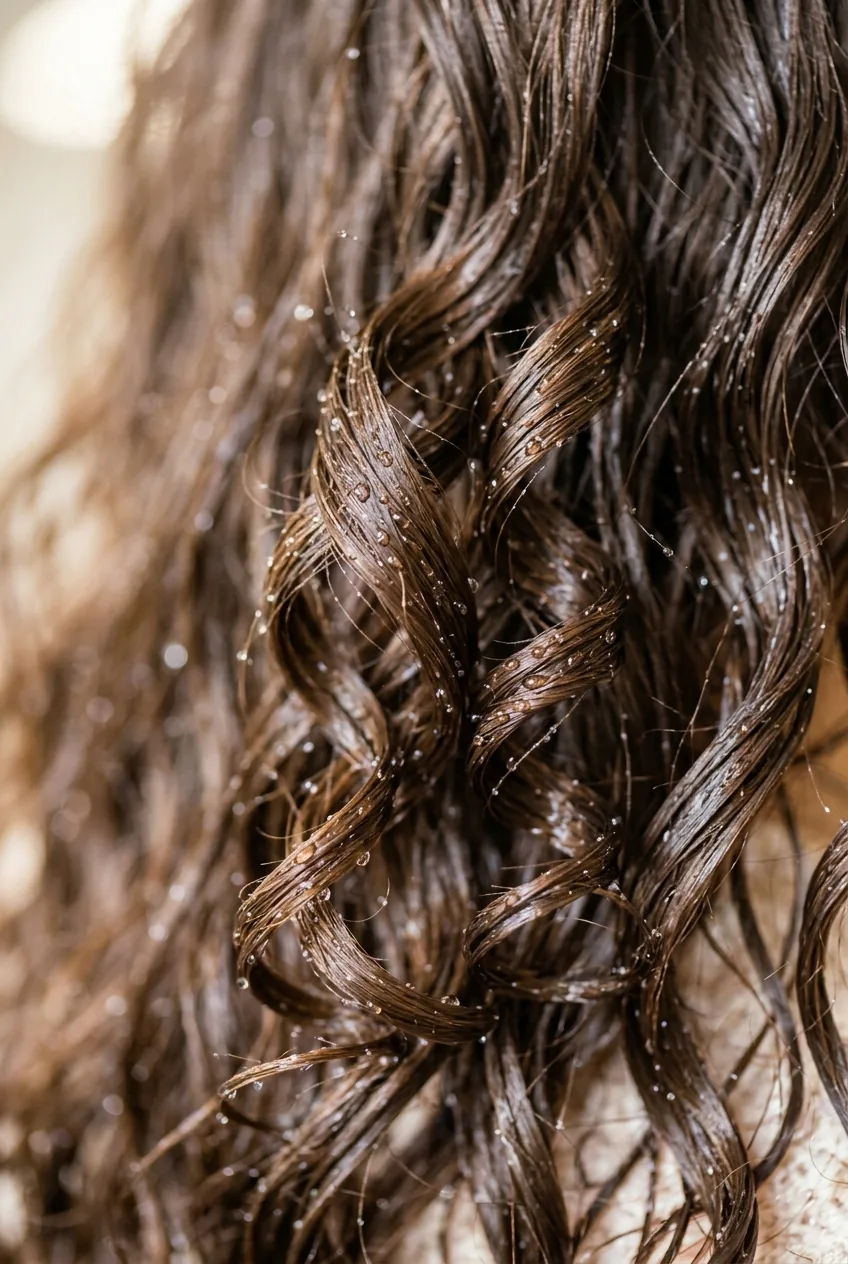
Before rinsing, I gently detangle with a wide-tooth comb. This is the only time I ever put a comb through my wavy hair. Never when it’s dry, never when it’s damp — only when it’s soaking wet and loaded with conditioner.
After rinsing, I don’t towel off at all. I go straight from the shower to applying products on soaking wet hair. This was the first major shift that made a difference.
The Scrunching Technique Nobody Taught Me
This is where the magic happens. I apply my leave-in conditioner first, raking it through with my fingers from mid-length to ends. Then comes the curl cream, applied the same way.
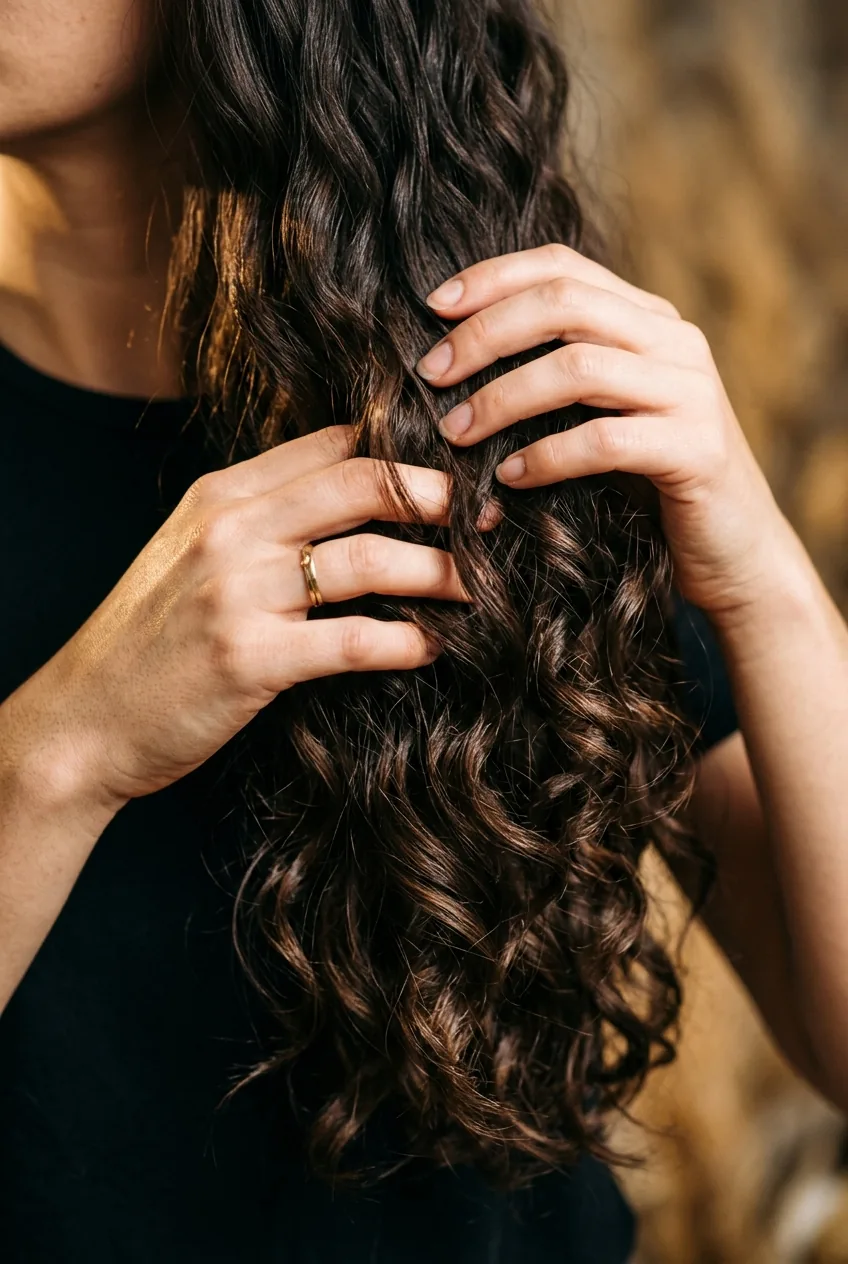
Now for the scrunching part that changed everything: I cup sections of hair in my palms and gently squeeze upward toward my scalp. Not aggressive scrunching that creates frizz, but gentle pressing motions that encourage the waves to form their natural spiral pattern.
I used to scrunch way too hard, thinking more pressure meant better waves. All it did was break up the curl pattern and create frizz. Gentle is the way.
I scrunch each section about three times, then flip my head upside down and scrunch the underneath layers. The goal is to see spiral formations starting to appear while my hair is still wet.
See the Scrunching Technique in Action
Where Most People Go Wrong
The biggest mistake I see (and made for years) is touching your hair while it dries. I know it’s tempting to fluff it, scrunch it some more, or “help” the waves form. But every touch disrupts the curl pattern.
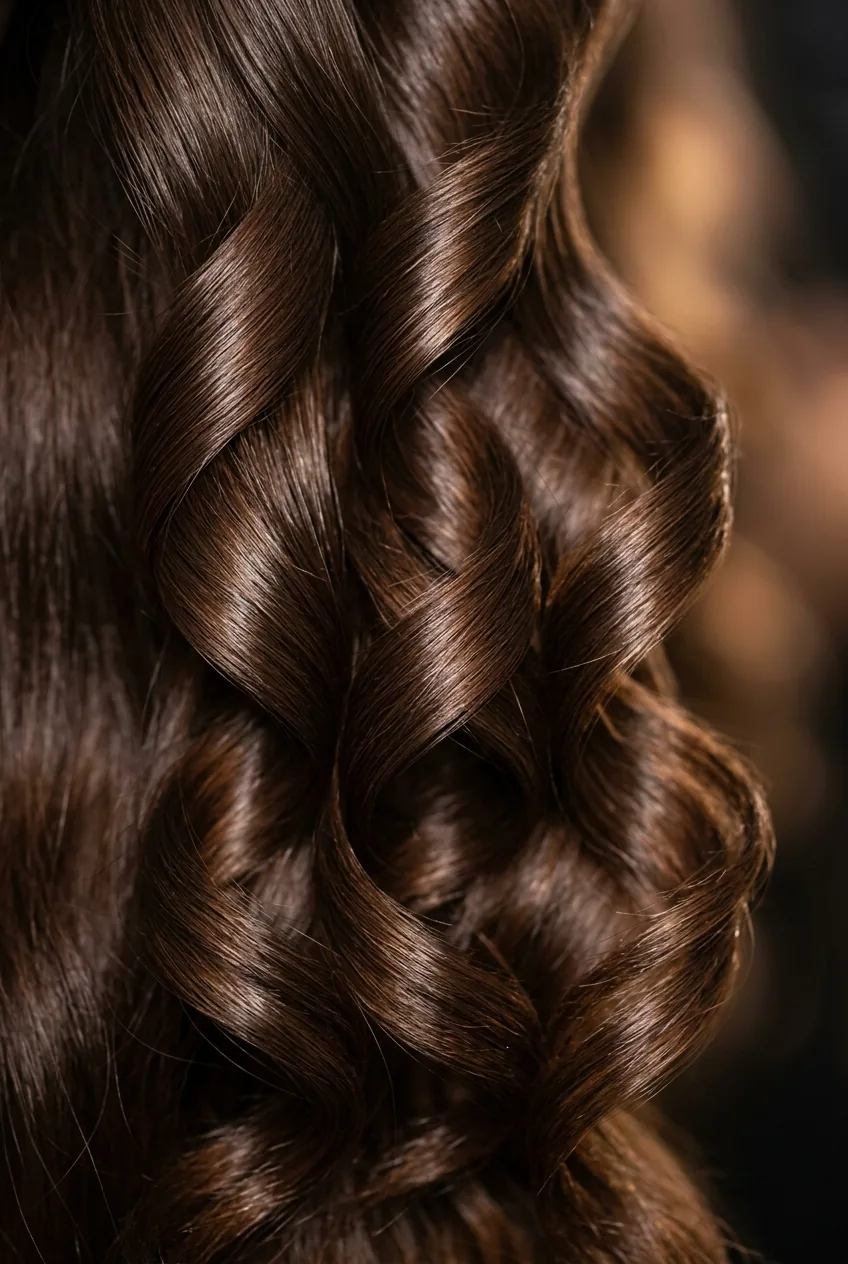
Another common error is using too much product. With long hair, you think you need more, but the weight of the extra product actually pulls your waves straight. Less is definitely more.
And here’s something that surprised me: the direction you sleep matters. I started using a silk pillowcase and loosely piling my waves on top of my head with a silk scrunchie. Game changer for second-day hair.
Drying Without the Damage
After all that scrunching, I gently press a microfiber towel to my hair to remove excess water. No rubbing, no twisting — just pressing to soak up drips.
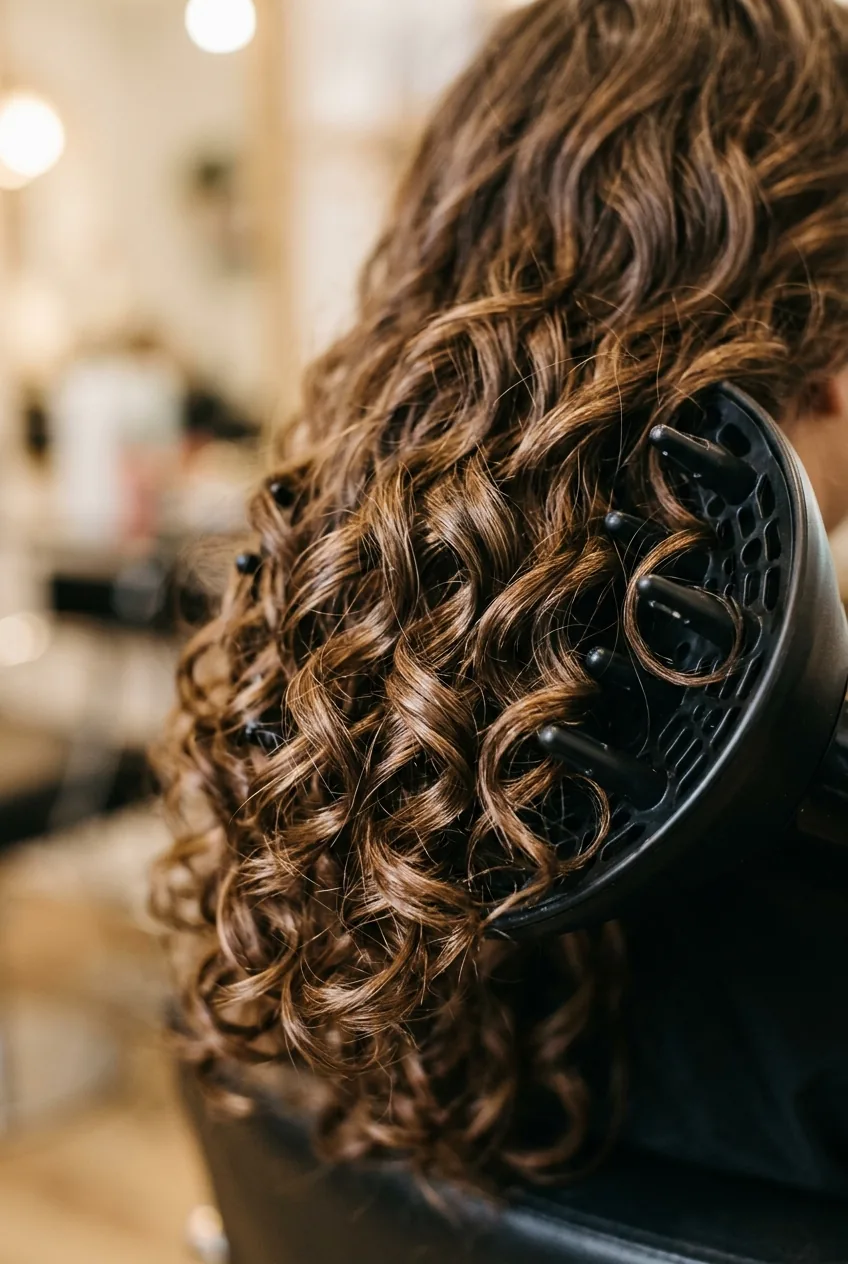
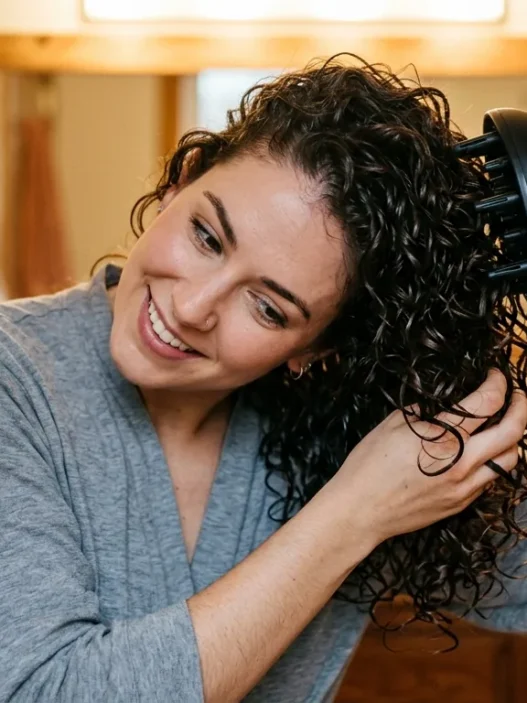
Then I attach my diffuser and dry on low heat, low speed. I cup sections of hair in the diffuser bowl and hold for 10-15 seconds before moving to the next section. The key is keeping the diffuser still instead of moving it around, which creates frizz.
I dry until my hair is about 80% done, then let it air dry the rest of the way. This prevents that over-dried, crunchy feeling while still giving me volume at the roots.
The Final Touch That Makes Everything Pop
Once my hair is completely dry, I warm a tiny amount of hair oil between my palms and gently scrunch it into the ends. This breaks up any crunchiness from the styling products and adds that glossy, healthy shine.
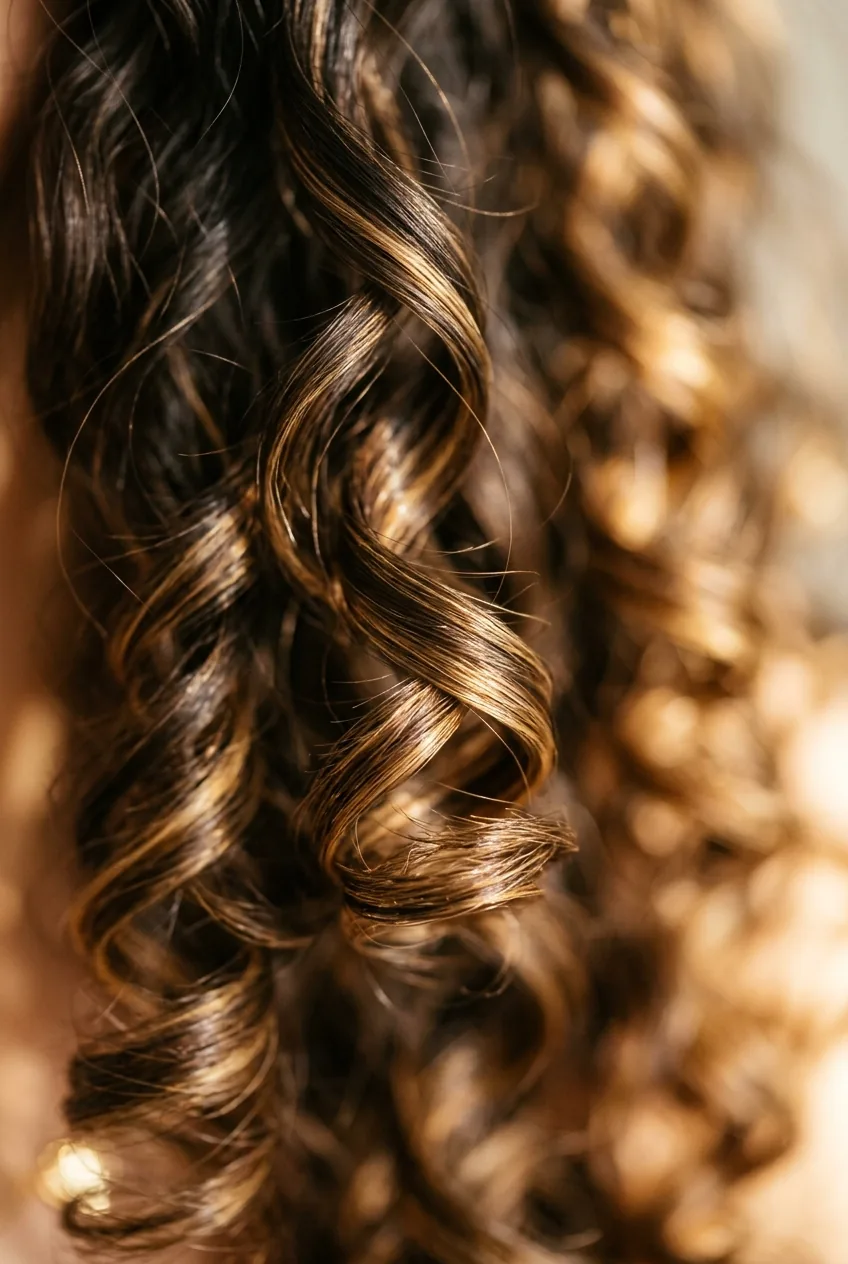
For extra volume, I’ll flip my head upside down and gently lift sections at the roots with my fingers. But I’m careful not to disturb the actual wave pattern I worked so hard to create.
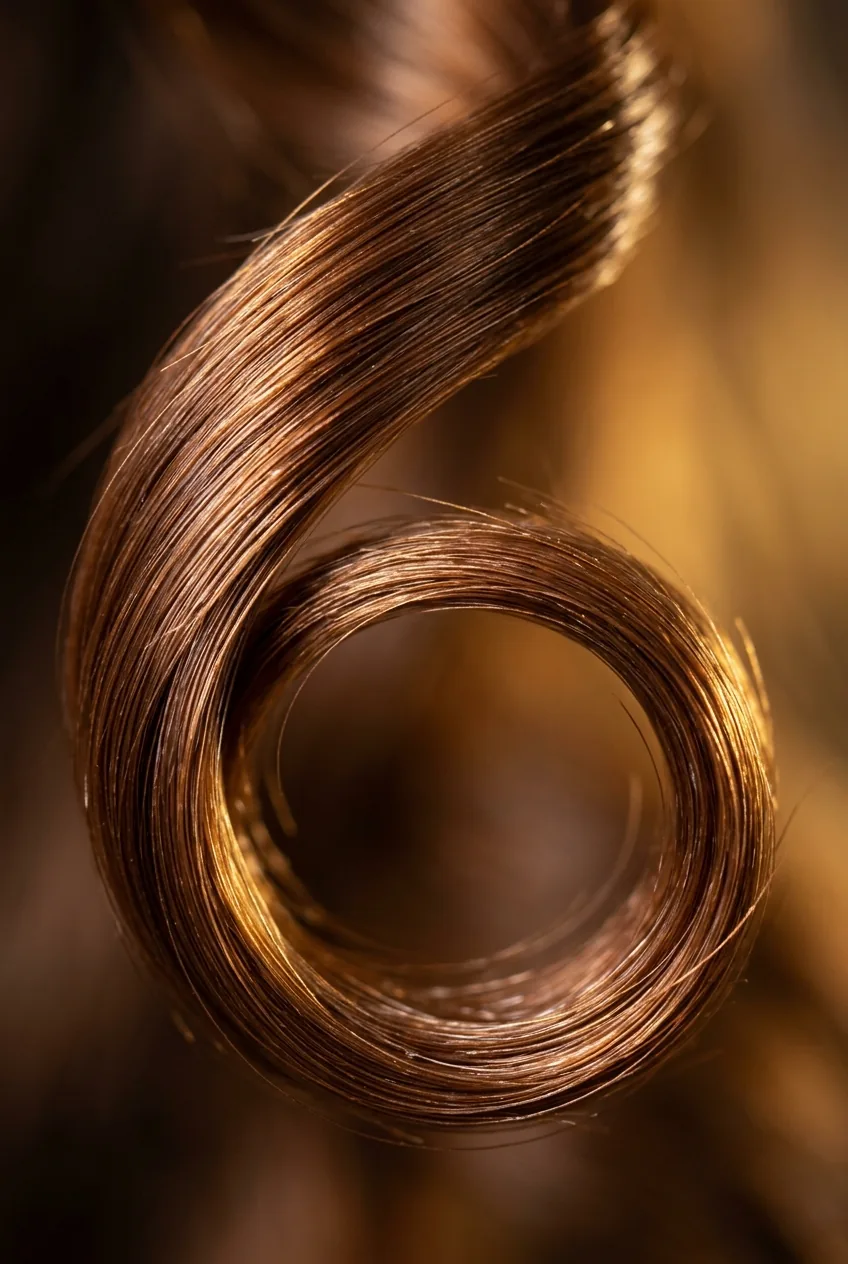
The result? Bouncy, defined waves that move naturally and last for days. My long wavy hair finally looks intentional instead of accidental. And the best part? This routine takes less time than blow-drying straight ever did.
Some mornings I wake up and my waves look even better than the day I styled them. That never happened with my old routine — it was always downhill after day one.
Questions I Get About This Routine
How often should I wash my wavy hair?
I wash mine every 3-4 days now, compared to daily washing when I was fighting my waves. Wavy hair produces less oil than straight hair because the oils can’t travel down the curved strands as easily.
Can I sleep on wet hair with this method?
I don’t recommend it. The waves need to set in their pattern while drying, and sleeping on wet hair can cause weird flat spots and tangles that are hard to fix without starting over.
What if my waves are different lengths and textures?
That’s totally normal! I have tighter waves underneath and looser ones on top. The key is using the same technique throughout but maybe using slightly more product on the areas that need extra definition.
How do I refresh second-day waves?
I lightly mist with water mixed with a tiny bit of leave-in conditioner, then scrunch gently. If I need more volume, I’ll flip upside down and scrunch the roots while they’re slightly damp.